Kolsai Lakes
Kolsai Lakes, Kazakhstan
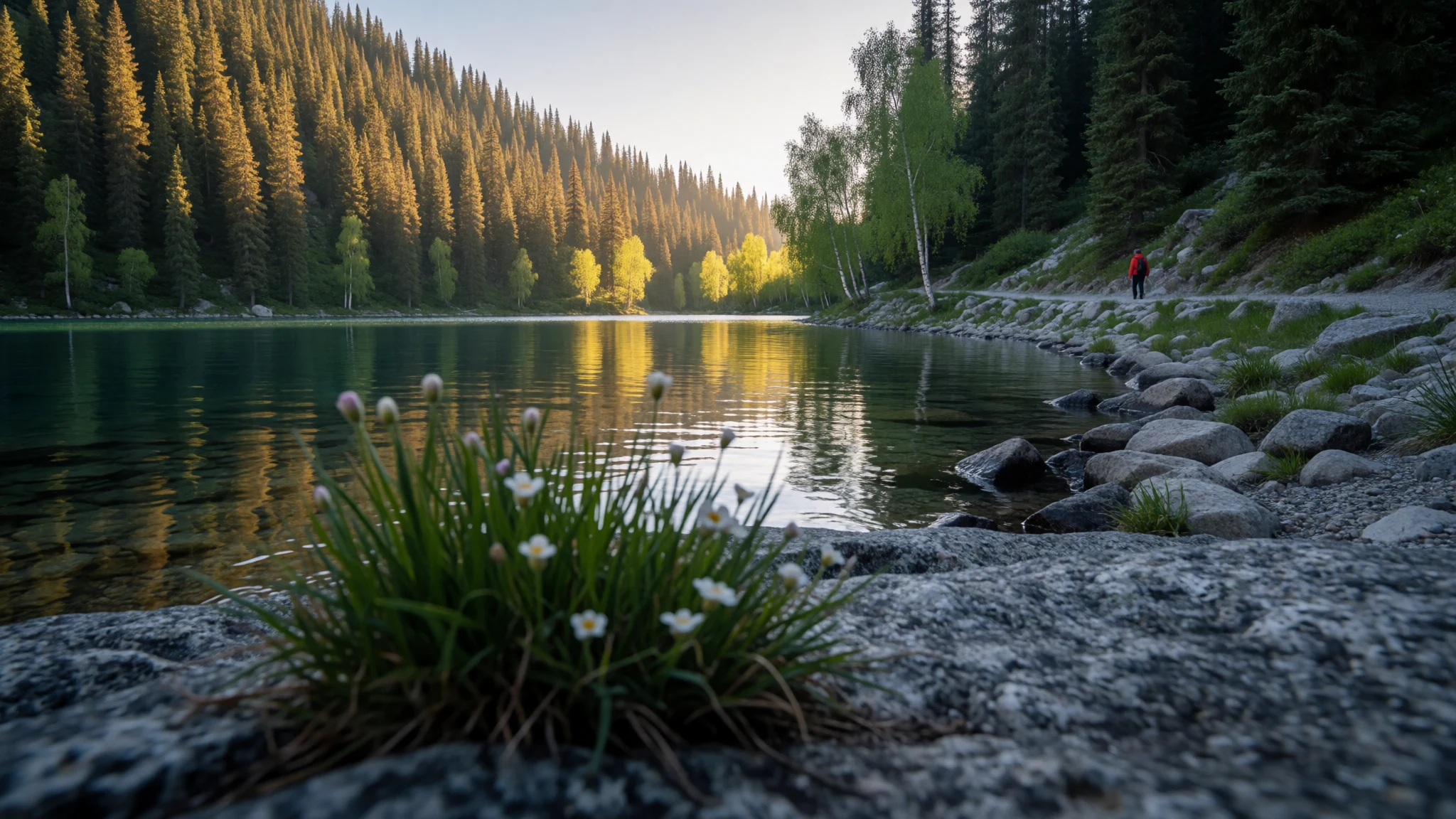
Kolsai Lakes offer alpine water, spruce forest and horse-trail meadows in Kazakhstan's Kungey Alatau, within reach of Almaty by a long day's road.
The place
Kolsai Lakes lie in the Kungey Alatau, a mountain range of the Tian Shan in Almaty Province, south-eastern Kazakhstan. Wikidata lists them both as a group of lakes and as a lake, which suits a place where one name covers several separate stretches of water strung up a single valley at different heights.
The lowest lake is the approachable one, reached on a short walk from the park entrance. The higher ones ask for a full day on foot or a night in a tent, and the reward is quieter shores and far fewer visitors. Spruce forest runs down to the water, alpine meadow takes over above the tree line, and the colour of the lake swings from slate grey under cloud to deep green-blue in clear light.
Weather decides everything here. Mountain conditions change fast, snow can sit on the upper trails well into early summer, and afternoon storms are common in the warm months. Summer weekends bring Kazakh families and groups from Almaty, so the lower shore can feel crowded by midday, while early mornings and weekdays are calmer.
Services are modest. A village near the park entrance offers guesthouses, and food on the trails is whatever people carry in. The area sits close to a border zone, so permit rules for foreign visitors are worth checking with the park or a local operator before travelling.
Its story
Kolsai Lakes owe their existence to the restless geology of the Tian Shan, the mountain system that the Kungey Alatau belongs to. Collisions between continental plates have pushed these ranges upward over an enormous span of time, and earthquakes, glaciers and landslides have since carved and blocked the valleys. Water pooled behind rockfall and moraine, and the result is a chain of lakes rather than a single basin. Nearby Kaindy Lake shows the process plainly: a landslide dammed a gorge, the water rose through a spruce forest, and the bare trunks still stand in the cold water.
Human history here is mostly pastoral. Kazakh herding families have long taken horses, sheep and cattle up to summer pastures, known as jailau, and come down again before the snow. That seasonal rhythm still shapes the valleys, and in July or August it is common to meet riders on the tracks or to see felt tents beside a meadow.
The modern chapter is shorter. For much of the Soviet period this was a remote border district, far from the main cities. After independence the lakes became a weekend destination for people from Almaty, then for foreign trekkers, and the surrounding forest is now managed as a national park. Visitor numbers are still modest, though growing, and guesthouses, horse hire and guiding have become a real part of village income. The question for the valley now is how to keep that income without crowding the shoreline.
What to see
- The lower lake — Kolsai Lakes National Park
The lower lake of Kolsai Lakes is the one most visitors come for. A short walk from the park entrance leads to a shore backed by spruce and steep slopes, with a path along one side. Go early for still water and reflections, and carry a windproof layer because the breeze off the water is cool.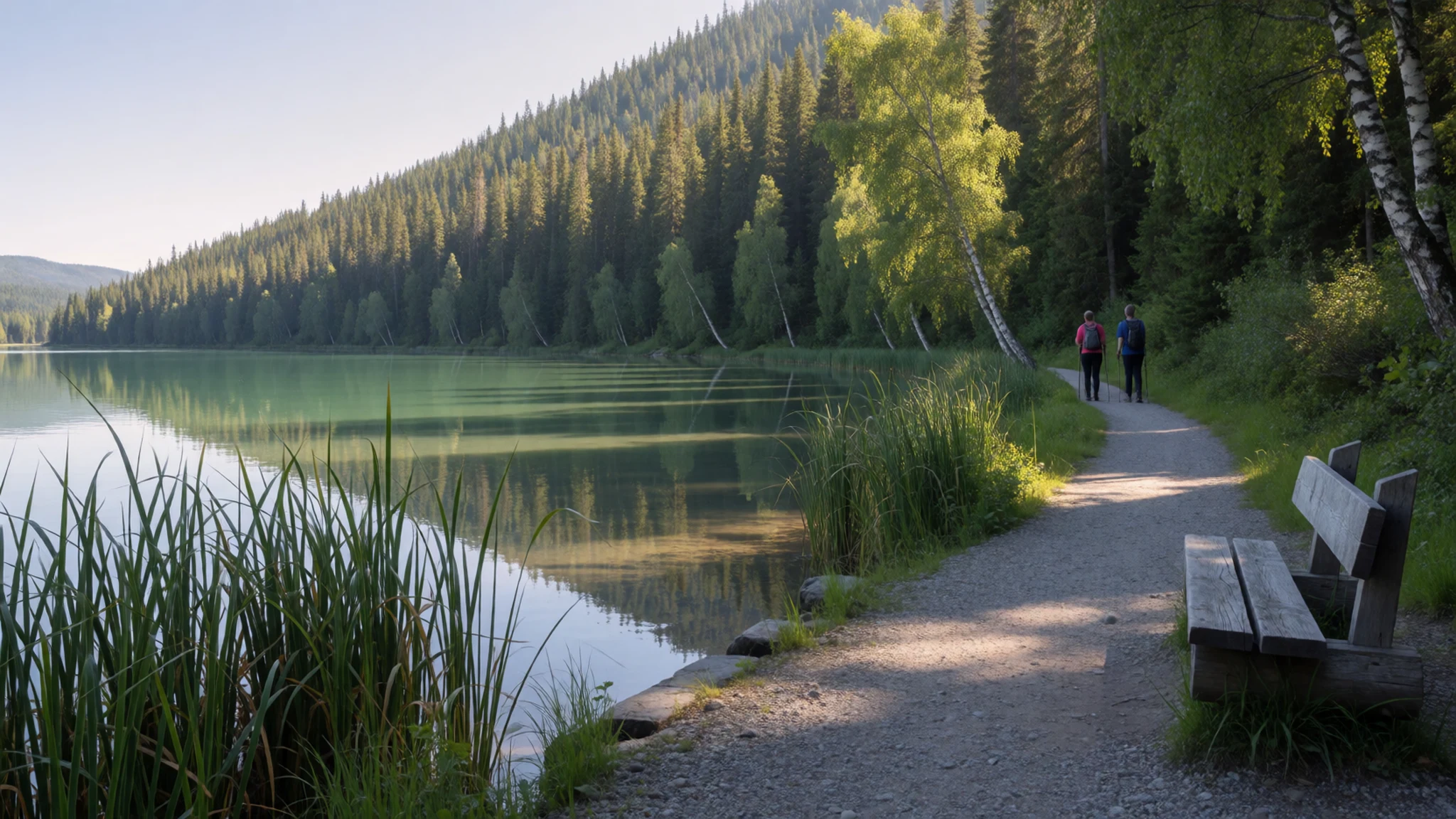
- The forest trail to the middle lake — Kolsai Lakes National Park
Beyond the lower shore, a trail climbs through spruce forest to the next lake in the chain. It is a proper hike rather than a stroll, with roots, loose stones and some steep stretches. Expect shade, birdsong and fewer people, and allow plenty of daylight for the return walk.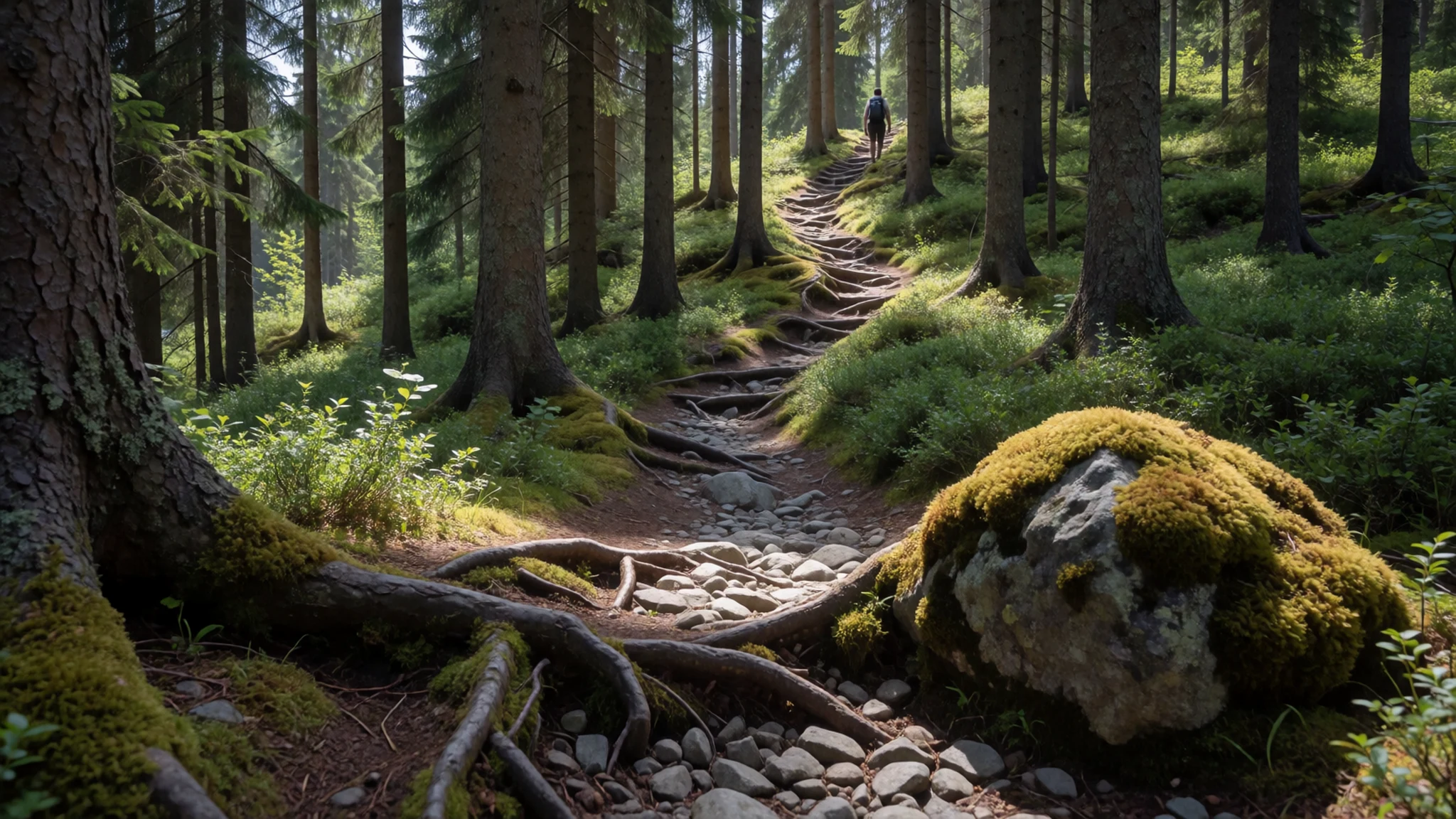
- The upper lake and its meadows — Upper Kolsai valley
The highest lake in the chain is a long day's walk or an overnight trip with a tent. The forest thins into open alpine grass, the views widen, and weather can turn quickly. Strong walkers with proper boots and a local guide or good map will find it the quietest part of the valley.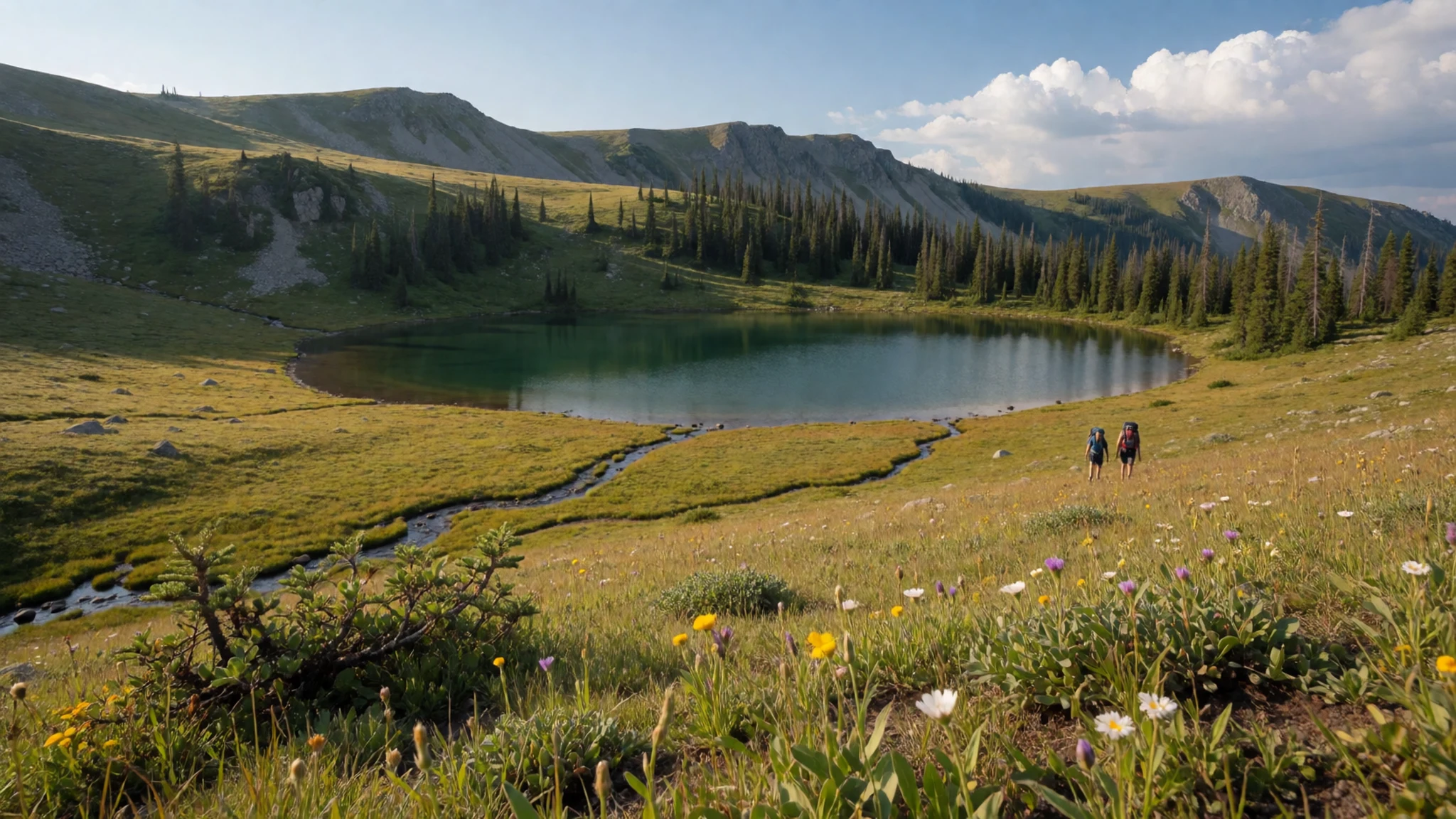
- Kaindy Lake — Neighbouring valley, Kungey Alatau
Kaindy Lake is known for the grey spruce trunks rising from its water, left standing after a landslide dammed the gorge. It sits in a neighbouring valley and is usually visited alongside Kolsai on a longer trip. Road conditions and access rules change, so ask a local operator beforehand.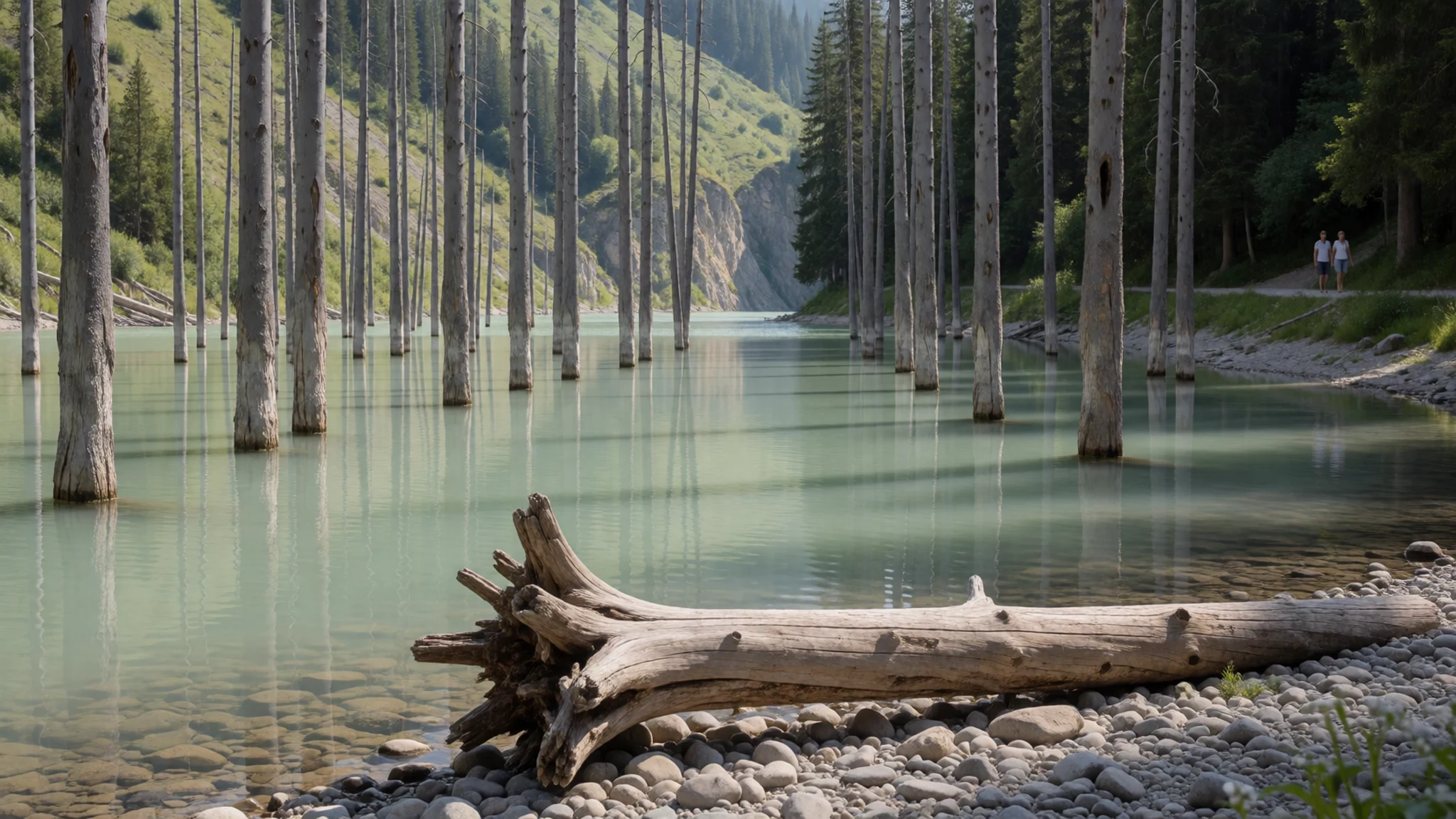
- Saty village and the summer pastures — Near the park entrance
The village of Saty is the usual base for the lakes, with guesthouses, horse hire and small shops. In summer the slopes around it hold herds and felt tents, and short horse rides on the meadows are easy to arrange. Walking the lanes at dusk shows everyday Kazakh village life.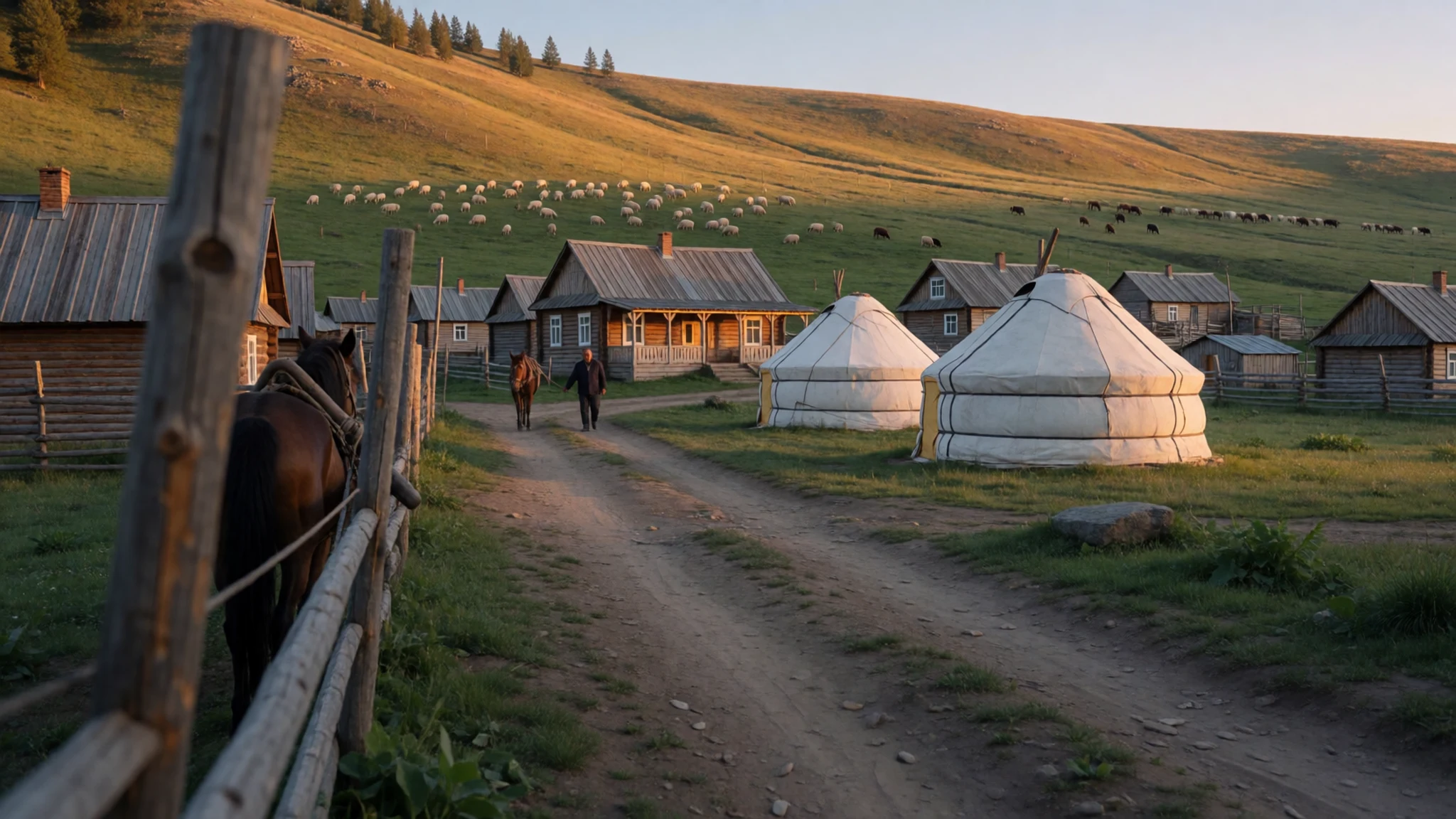
Culture
Kolsai Lakes sit in country shaped by Kazakh pastoral life, where horses, felt tents and seasonal moves between valleys are still part of living memory. Families in the villages near the park often keep livestock, and in summer some move up to high pastures with their animals, just as earlier generations did.
Hospitality is central. A guest is typically seated at a low table laid with bread, sweets, dried fruit and plenty of tea, and refusing everything can look unfriendly, so a little of each is polite. Bread is treated with respect and is not left lying face down or dropped. Older people are greeted first, and meals can be long and conversational.
Most people in the area are Muslim in a relaxed, local way, and religion rarely intrudes on a hiking trip, although village mosques and graveyards deserve quiet. The mountains also carry folk traditions: horse games, singing, and the oral poetry of the akyn, performed at family gatherings and festivals such as Nauryz in spring.
Visitors will find that Russian and Kazakh are both widely spoken, with little English outside tourism. A few words of greeting in either language are warmly received, and patience goes a long way.
When invited into a home, take your shoes off at the door and ask before photographing people, their children or their horses.
What to wear
Around Kolsai Lakes, traditional Kazakh dress is mostly seen at weddings, Nauryz and other festivals rather than on the trail. The chapan is a long quilted or velvet-trimmed coat, often in silk or wool. Men wear the white felt kalpak, a tall hat made from pressed sheep wool, or a small embroidered skullcap. Women's festive dress includes velvet waistcoats, silver jewellery and the saukele, a tall conical bridal headdress decorated with beads and embroidery. Older married women may wear the kimeshek, a wrapped white headcloth. Felt, known as kiiz, is the traditional textile of the steppe, used for rugs, boots and tent walls.
Day to day, people in the villages dress practically: jeans, fleeces, padded jackets, rubber boots in wet weather, and a cap or headscarf against sun and dust. In Almaty, clothing is closer to any modern city, with trainers, jackets and a mix of local and international brands.
Visitors should dress for changeable mountain weather. Pack layers, a waterproof shell, a warm hat for the evenings and boots with good grip for roots and wet stones. Shorts are fine on summer trails, but cover shoulders and knees in villages and when entering a mosque. Sunglasses and a sun hat help at the open meadows.
What to eat
- Beshbarmak — Guesthouse dinners in Saty and nearby villages
Beshbarmak is boiled meat, often lamb or horse, laid over wide flat noodles with onion and a ladle of broth. It is the traditional dish for guests and celebrations. Expect it at a family table or a guesthouse dinner in the villages near the park.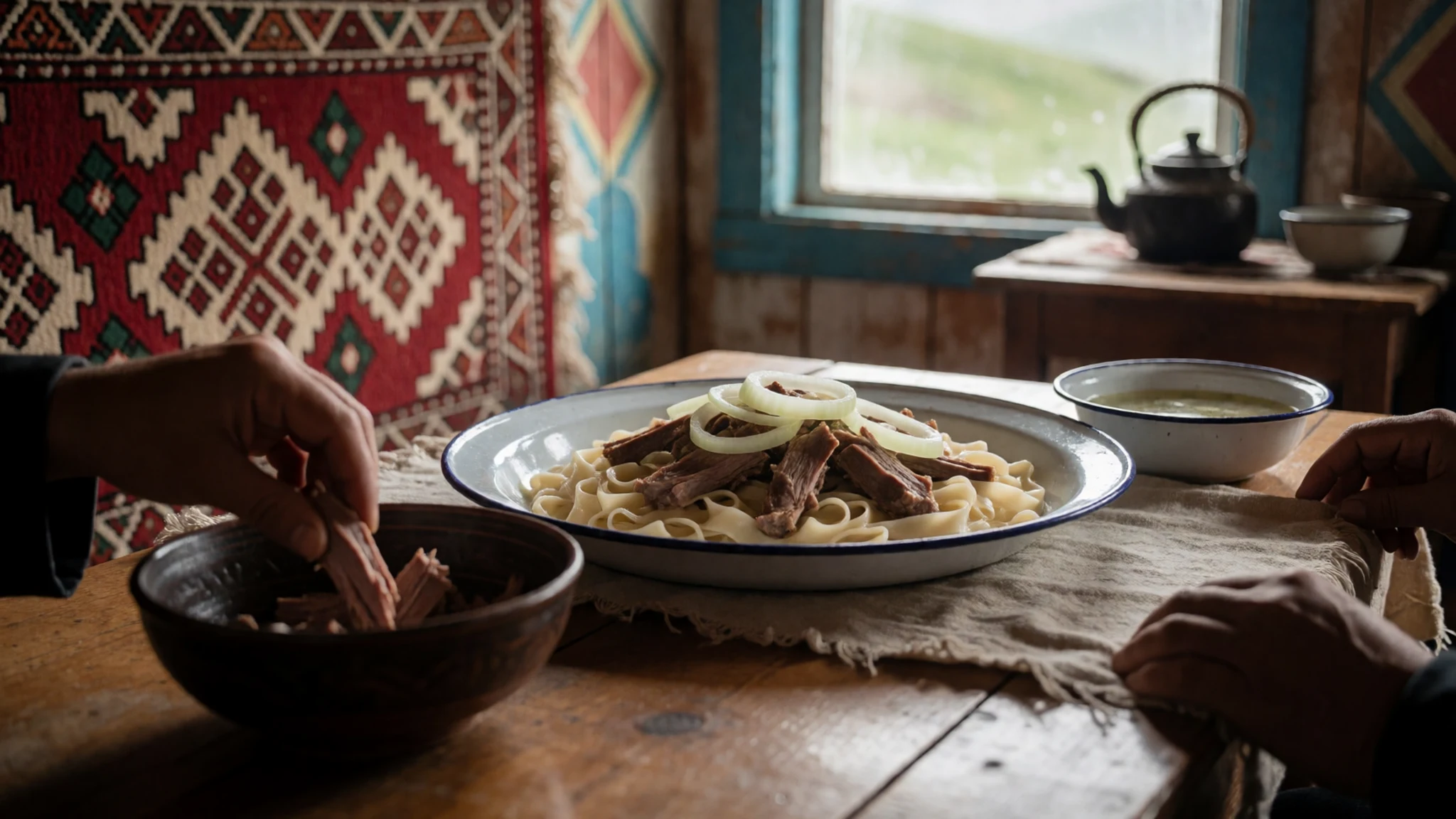
- Baursak — Tea tables and roadside eateries
Baursaks are small pieces of fried dough, golden outside and soft inside, served with tea or alongside a main dish. They arrive warm and are easy to eat while talking. Look for them on the tea table at any guesthouse or roadside eatery.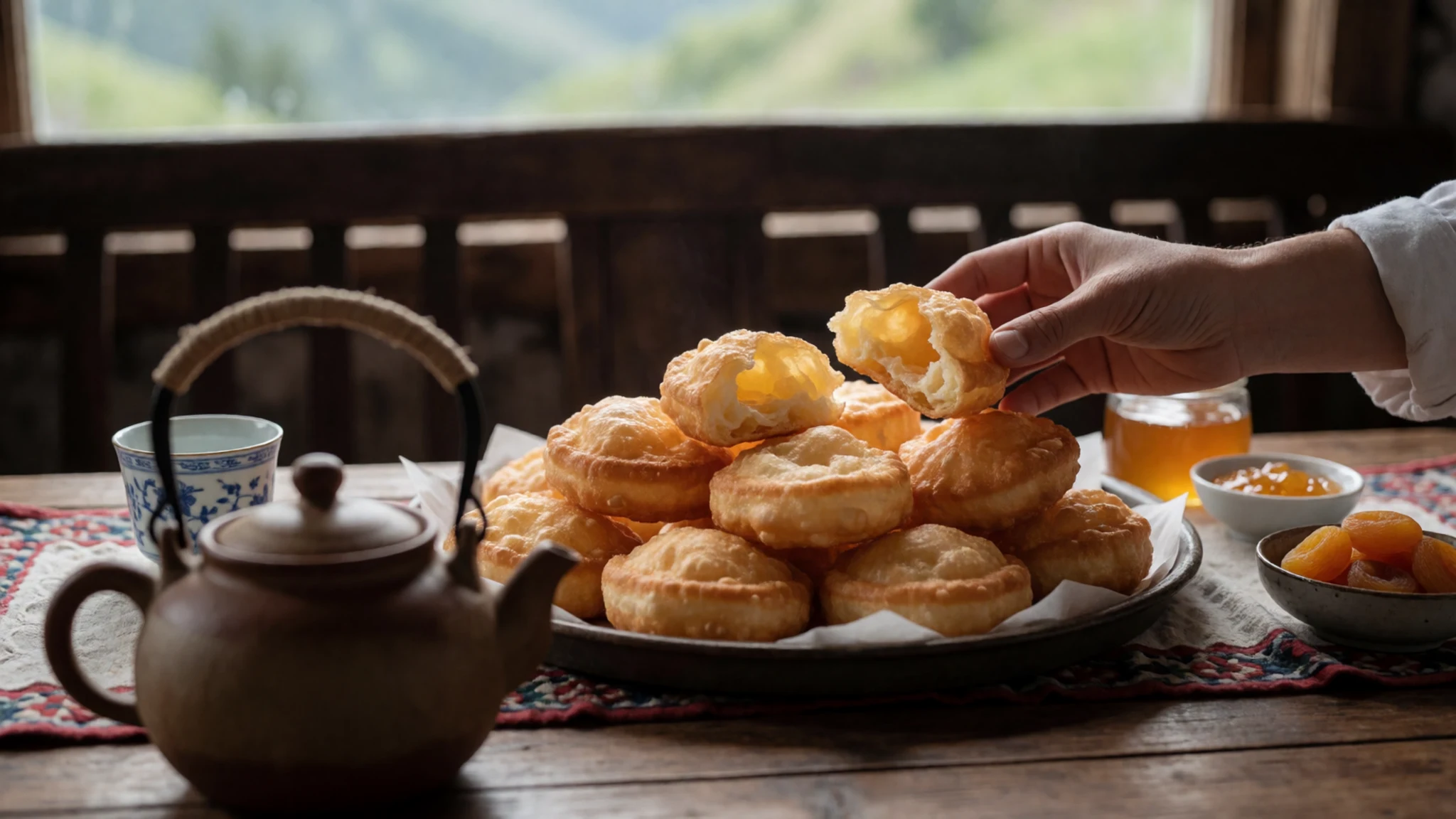
- Kumys — Roadside stalls and summer pastures
Kumys is fermented mare's milk, lightly fizzy and sour, drunk in summer when herders have fresh milk. The taste divides people, so try a small bowl first. It is sold at roadside stalls and at summer pastures when the herds are in. - Lagman — Small eateries in Kegen and Almaty
Lagman is a noodle dish of hand-pulled wheat noodles in a rich sauce of meat, peppers and onions, either as a soup or stir-fried. It came to Kazakhstan through Central Asian trade and is a reliable, filling meal before or after a hike. - Shashlik — Roadside grill stands on the way from Almaty
Shashlik is skewered meat grilled over coals, usually lamb or beef, served with raw onion, flatbread and a sour sauce. It is a regular lunch stop on the road to the mountains, easy to share and simple enough for a group of tired walkers.
Plan it
Best time. June to September, when the lower trails are generally clear of snow and the meadows are green. July and August are the warmest and busiest, with afternoon storms likely. Higher paths can hold snow into early summer, and winter brings cold, snow and harder road access.
How long. 2–3
Getting there. Fly to Almaty International Airport (ALA), then travel by road into the Kungey Alatau to the village near the park entrance, by arranged transfer, shared taxi or hire car. The last stretch is on mountain roads, so check conditions and permit rules before setting out.
Budget. mid
Tips
- Check permit requirements for the border zone with the park or a local operator before travelling
- Book guesthouses ahead for summer weekends, when families from Almaty fill the village
- Start walks early to beat the crowds and the afternoon storms
- Carry cash for guesthouses, horse hire and village shops, as cards may not work
- Bring water, snacks and warm layers, as there is little food on the trails
Etiquette
- Take your shoes off when entering a home and accept tea when it is offered
- Ask before photographing people, children or their horses
- Carry all rubbish out and keep to marked paths in the national park
Nearby
Sources
- Wikidata Q4228941 (CC0)
- Wikivoyage, Almaty Province (rev 4997540) (CC BY-SA 4.0)
- Kolsay Lake photo, Нұрлан Рахымжанов at Kazakh Wikipedia, via Wikimedia Commons (CC0 1.0)
