Burabay
Burabay, Kazakhstan
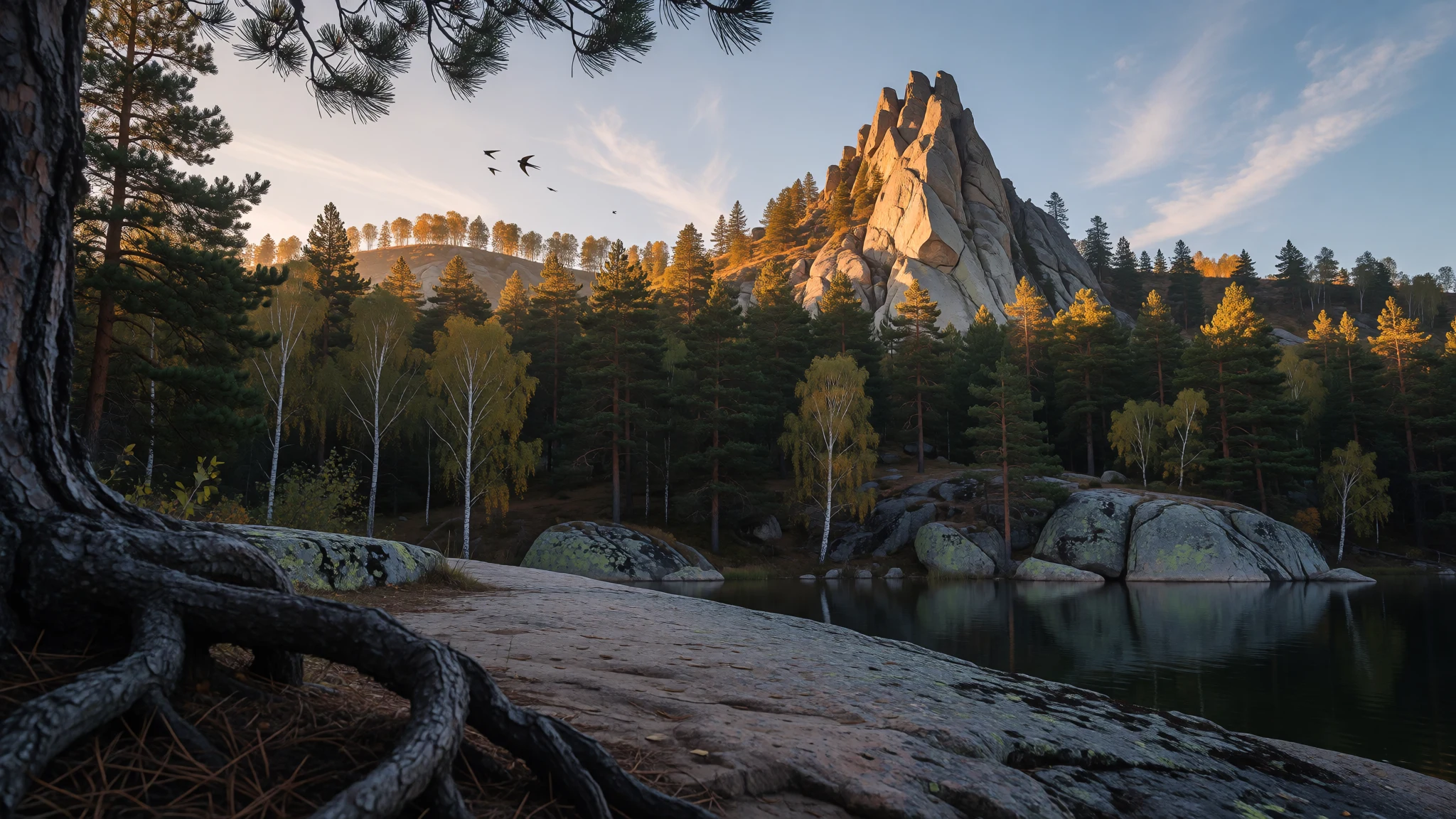
Burabay is where Kazakhstan's flat northern steppe turns into pine hills, granite crags and clear lakes, a green retreat with a Soviet spa-town feel.
The place
Burabay National Park lies in Akmola Region, northern Kazakhstan, where the open grain steppe suddenly gives way to rocky hills, pine woods and small lakes. It sits in the Kokshetau Massif, part of the Kokshetau Hills in the northern Kazakh Uplands, and covers 129,935 hectares. It became a national park in 2000, and the boundary was widened in 2010. Most of the ground is forest, mainly pine and birch, broken up by lakes and patches of steppe. The park records 757 plant species and 305 animal species, some of them in Kazakhstan's Red Book. Deer, wild boar, lynx and wolf live in the woods, and the birdlife includes ducks, geese and capercaillie. The resort town of Borovoe (also written Borovoye) sits by the main lake and is where most visitors stay. It has the feel of an old Soviet spa town: sanatorium blocks, a lakeside path, boat hire, and newer guesthouses and cafés fitted in between. Locals often call the area Kazakhstan's pearl, and for people from Astana and the north it is the nearest proper escape into hills and water. The mood is relaxed and a little old-fashioned. Summer weekends and school holidays are the busiest times. Winter is long, snowy and quiet, although saunas and some skiing keep a little life going. The park answers directly to the President's office, and activities are regulated to protect it, so expect rules about fires, camping and where vehicles can go.
Its story
Burabay's protection began in 1898, when a state forest was set up across the pine hills. In 1920 the area was nationalised and declared a spa town of national importance, which explains the sanatorium character Borovoe still has. A nature reserve followed in 1935, but in 1951 it was dissolved and replaced by a working forest. A government decision of 1997 turned that forest into a state-run nature and wellbeing complex, and in 2000 a national park was created, at first covering 83,511 hectares, of which 47,600 were wooded. The 2010 expansion brought the total to 129,935 hectares. Alongside this official history runs a layer of legend. Kenesary Cave is named after Kenesary Khan, grandson of Ablai Khan, and is believed to have been a childhood residence of his. The rock formations around the lakes each seem to have a tale attached, and Okzhetpes, whose name is usually explained as 'even an arrow cannot reach it', is the best known of them. These stories are part of why the park is regarded as more than a forest reserve. For many Kazakhs it is a landscape of memory as well as a holiday spot, tied to khans, to Soviet-era rest cures and to family summers by the water. The park was shaped by foresters and planners as much as by nature, and that mix of managed and wild ground is still visible today.
What to see
- Lake Borovoe — Borovoe town
Lake Borovoe is the centre of visitor life in Burabay. The north-west shore is where the rock formations rise from the water, and rowing boats can be hired there. A paved path runs along the northern edge from Borovoe town, passing Soviet-era buildings and an abandoned music venue, and it makes an easy, flat walk.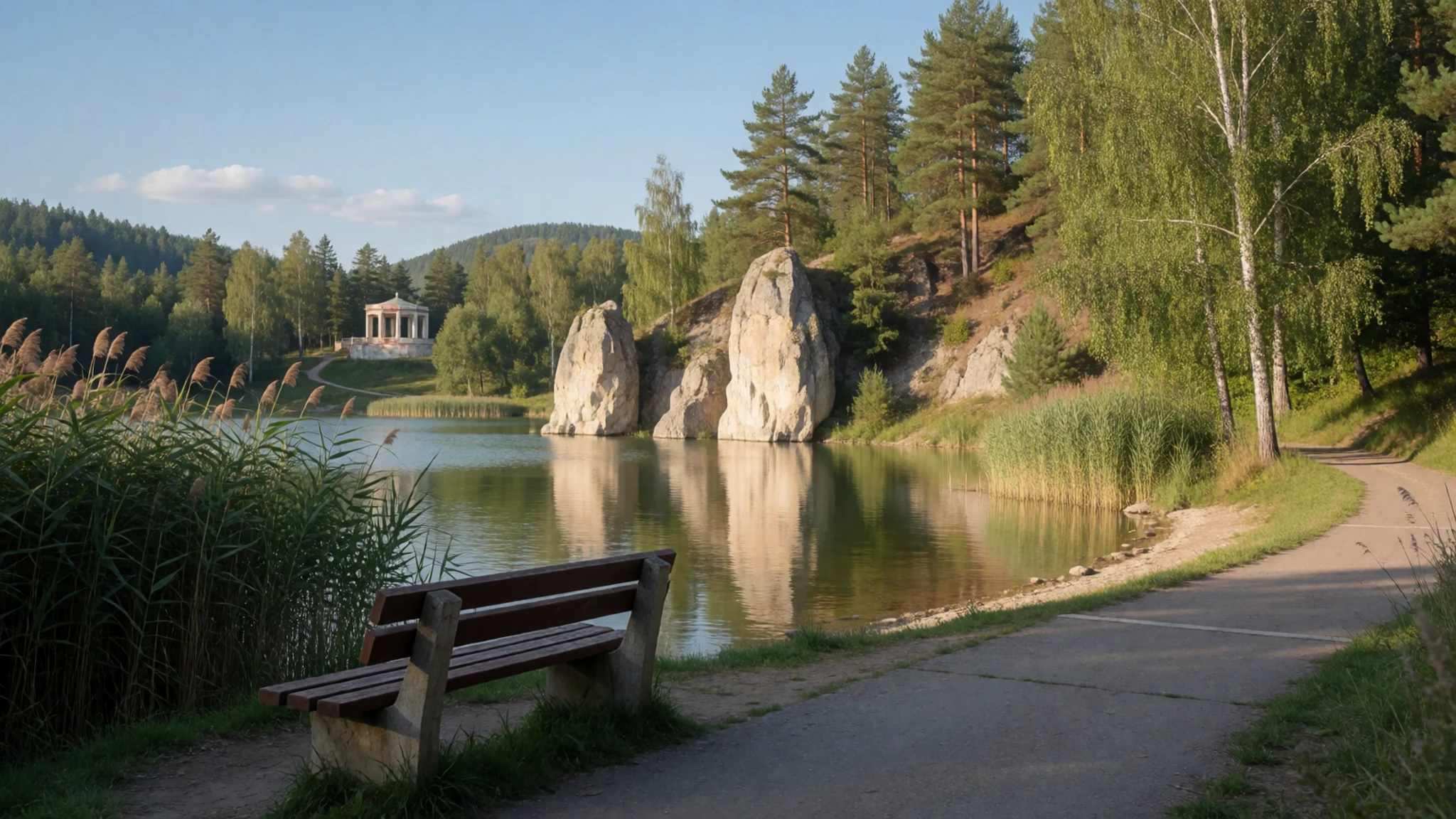
- Okzhetpes rock — Burabay District, near Borovoe
Okzhetpes is the jagged crag that appears in most photographs of Burabay. Its name is usually read as 'an arrow cannot reach it'. It stands above the pines and lakes, and the surrounding viewpoints give wide views over the forest. Rock paths can be slippery after rain or ice, so check local conditions first.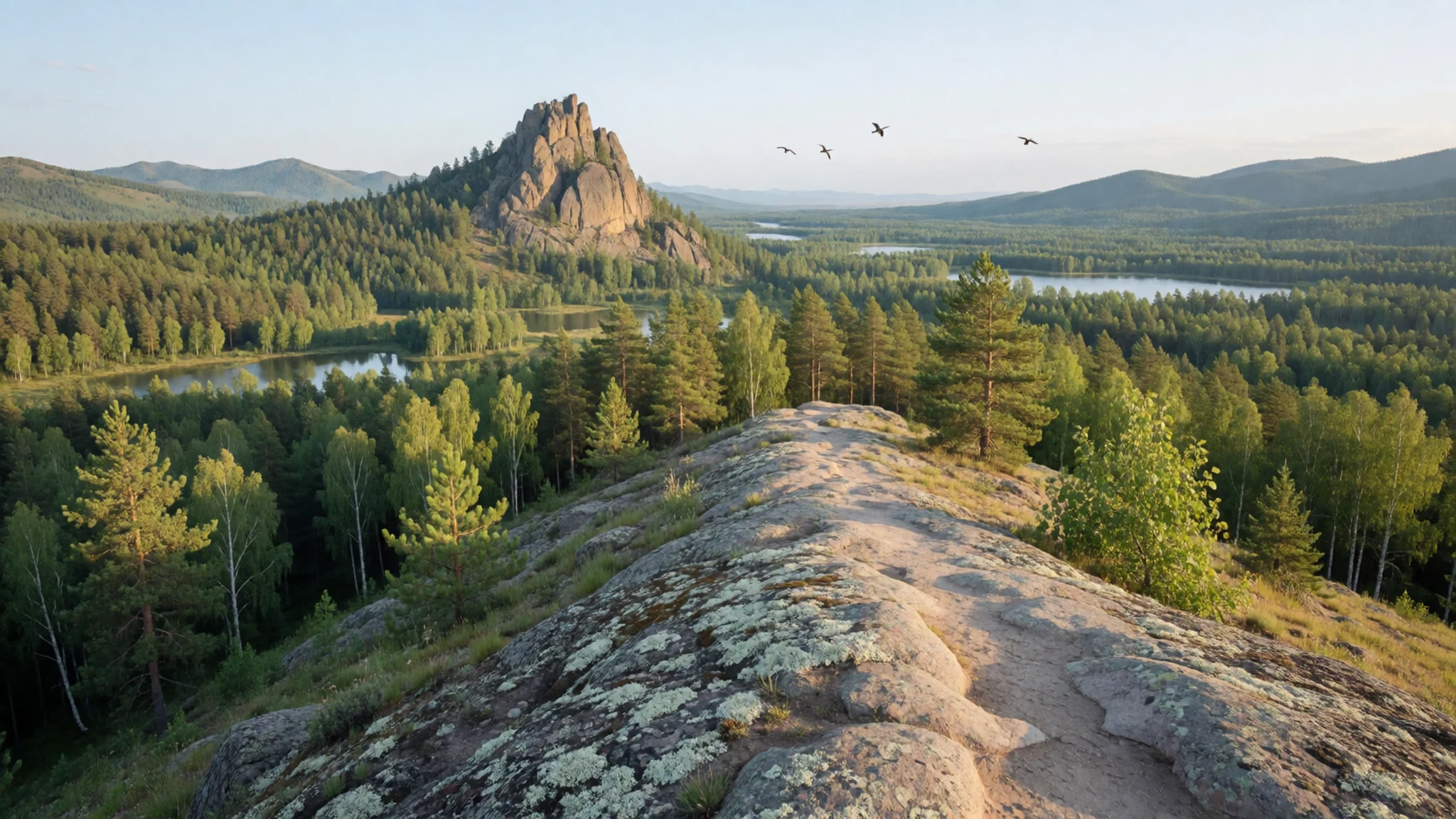
- Kenesary Cave — Burabay National Park
Kenesary Cave is named after Kenesary Khan, grandson of Ablai Khan, and tradition holds that he lived there as a child. Whether or not the story is literally true, the cave is a popular stop and gives a link between the park's scenery and Kazakh history. Ask locally about access and condition before setting out.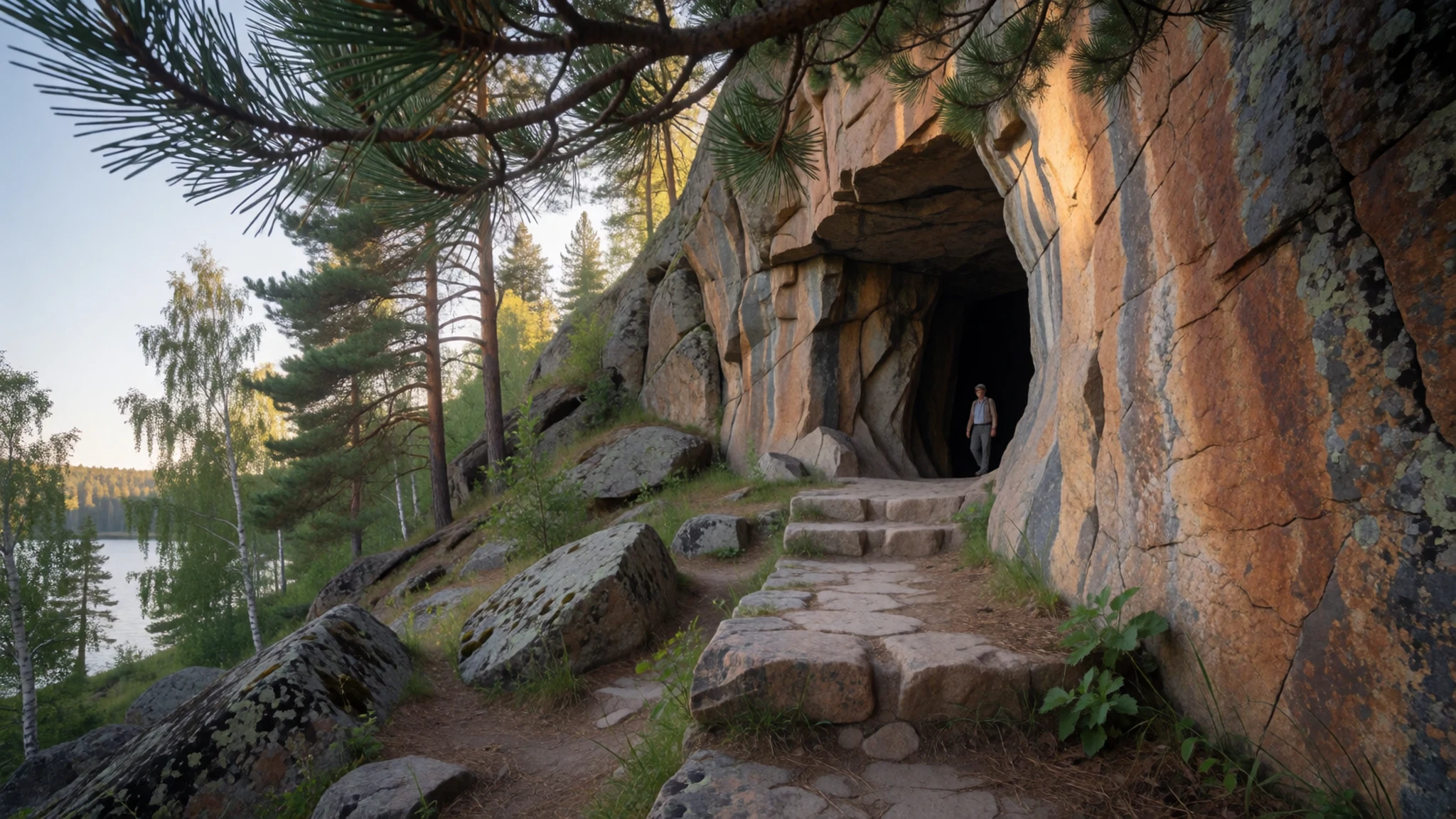
- The northern lake — North of Borovoe town
The northern lake is a quieter stretch of water in the park. It is pleasant, but plainer than Lake Borovoe, with fewer rock formations and fewer visitors. It suits travellers who want a calmer picnic spot or a short detour once the main lakeside sights have been seen.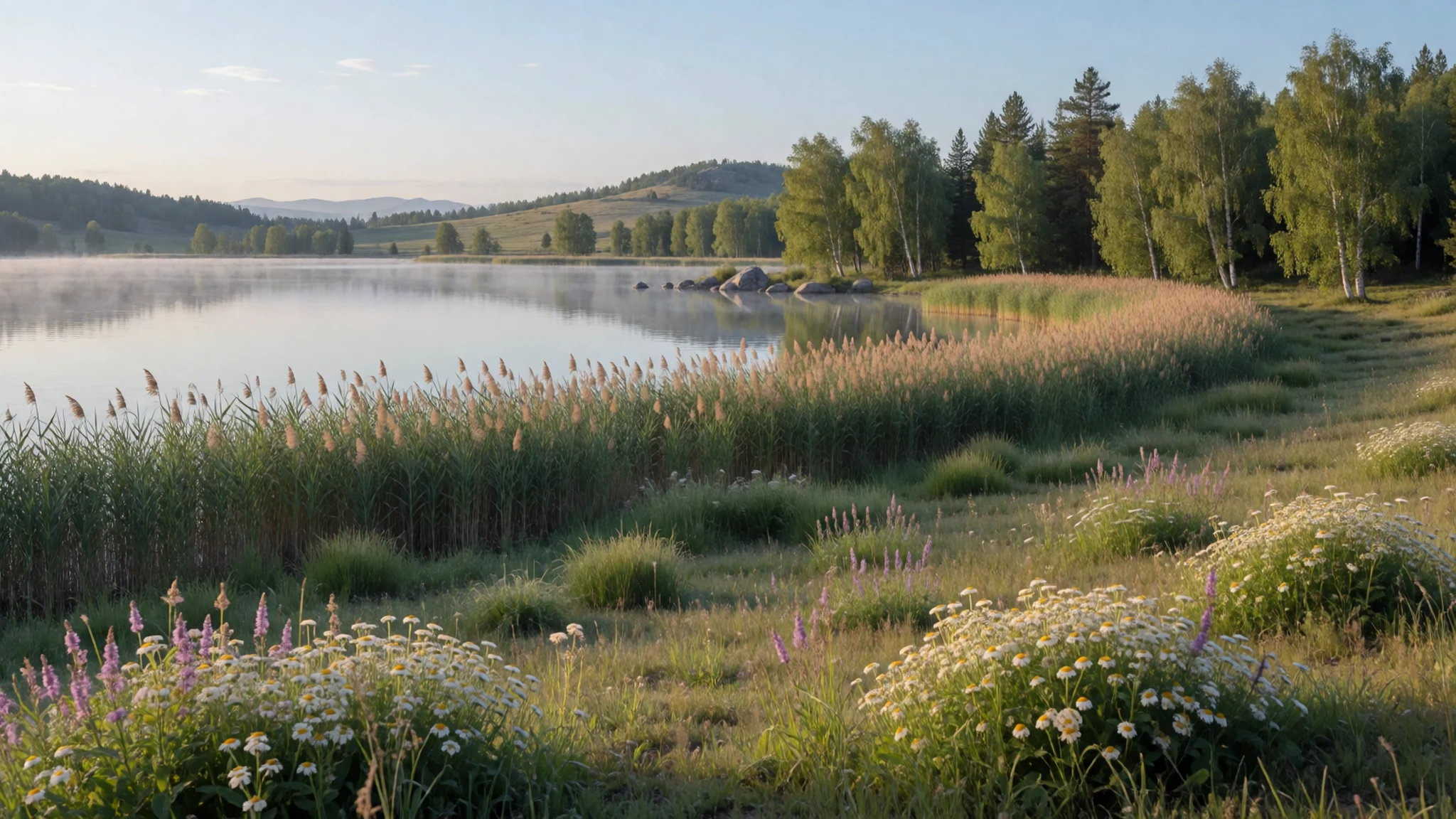
- A banya session — Borovoe town
A banya is a traditional Russian sauna, and spending an hour or two in one is a standard part of a Borovoe stay, especially after a cold day outdoors. Many guesthouses and resorts run their own. Book ahead at busy weekends, and ask what is included, since arrangements vary between places.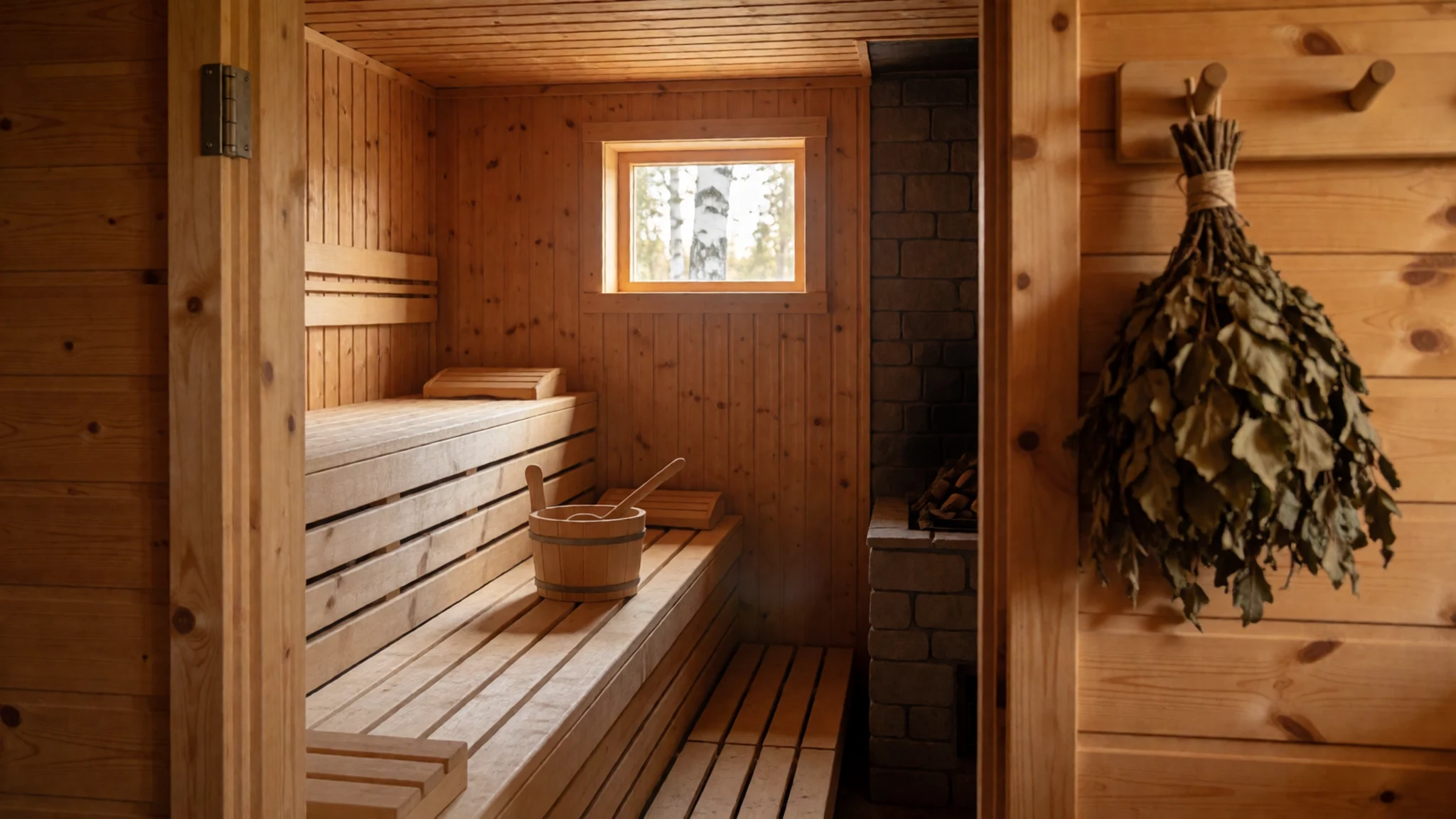
Culture
Burabay National Park sits in a part of Kazakhstan where Kazakh and Russian traditions have lived side by side for generations, and it shows. Both languages are heard in Borovoe, signs and menus are often in Russian, and Kazakh hospitality runs through everything: tea is offered early, and a guest is rarely allowed to leave hungry. The spa heritage matters too. Since the area was declared a spa town in 1920, holidays here have been about rest cures, clean pine air and the banya, a ritual of heat, steam and cold water that is social as much as hygienic. Families come for weeks in summer, and the lakeside promenade fills with strolling groups in the evening. Stories connect the landscape to Kazakh history, from Kenesary Khan's cave to legends about the rocks, and local guides tell them with obvious pride. Many visitors are domestic, so the atmosphere feels more like a national holiday haunt than a foreign-tourist stop. Learning a few words of Kazakh or Russian, such as thank you, is always appreciated. Respect for older people is strong, and it is normal to greet people politely before asking for anything. If you are invited into a home or guesthouse dining room in Borovoe, take your shoes off at the door and accept at least a sip of tea before declining anything more.
What to wear
Burabay's surrounding Kazakh culture has a rich tradition of dress. Historically, men and women wore the chapan, a long robe of wool, quilted cotton or velvet, with felt for winter layers. Women's festive wear includes the saukele, a tall bridal headdress, and the kimeshek, a white head wrap. Men wore skull caps and fur-trimmed hats called malakhai or borik. These are now seen mainly at weddings, folk festivals and national holidays, and in museum displays or souvenir shops. Day to day, people in Borovoe dress for the outdoors: jeans, fleeces, trainers and sportswear in summer, and padded coats, fur hats and felt boots in the cold months. Evenings out are casual, though some people dress up for dinner. Visitors should pack for a continental climate. In summer bring light layers, a rain jacket, sun protection and insect repellent, plus a warm top for cool evenings by the water. In winter, thermal layers, a down coat, gloves, a hat and waterproof boots with grip are essential, since snow lies for months. Sturdy walking shoes help on rocky paths at any time of year. There is no strict dress code at the lake, but modest swimwear off the beach and covered shoulders when visiting a family home or a mosque in nearby towns are sensible.
What to eat
- Beshbarmak — family-run cafés and guesthouse dining rooms in Borovoe
Beshbarmak is the Kazakh celebration dish: boiled meat, usually mutton or horse, served over wide flat noodles with onion and a ladle of broth. It is hearty, rich and meant for sharing. Look for it at family-run cafés in Borovoe, or ask your guesthouse if they can prepare it.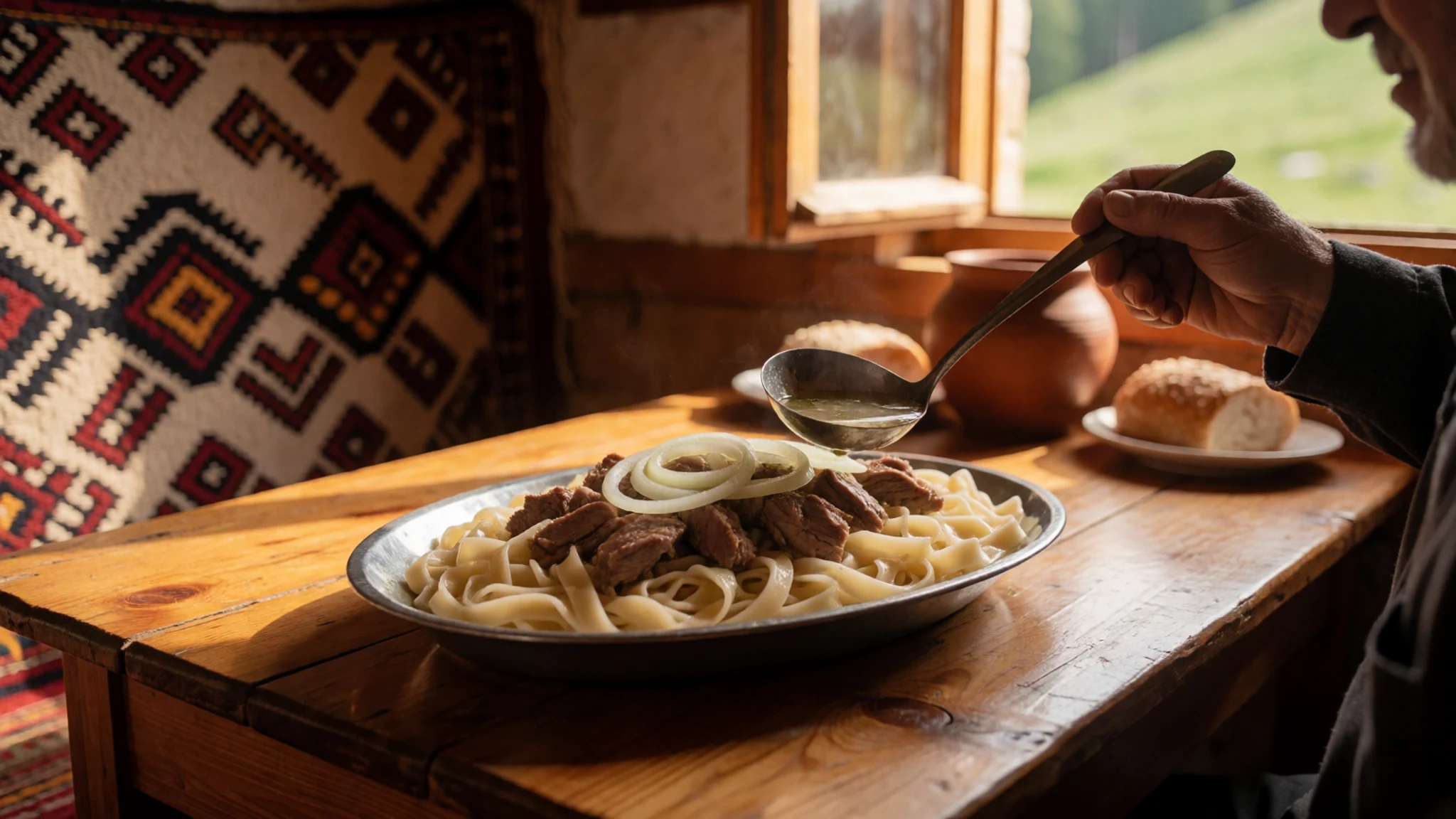
- Baursak — bakeries and tea cafés near the lakeside promenade
Baursaks are small pieces of dough fried until golden, eaten warm with tea, jam or soup. They appear at almost every Kazakh table and are a good snack for a day of walking by the lake. Bakeries and café counters near the lakeside usually have them.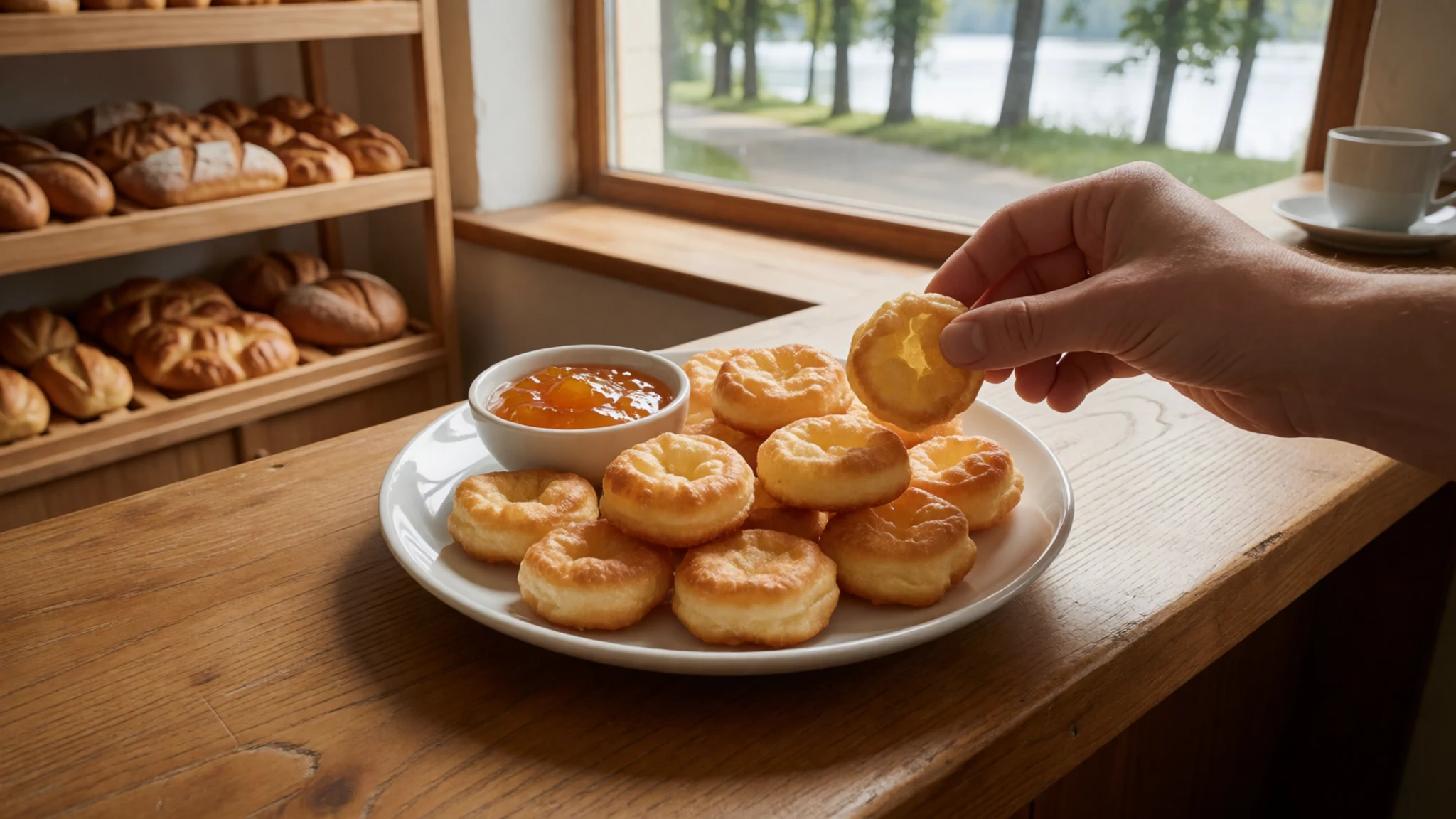
- Shubat and kumys — roadside stalls and local markets on the road in
Shubat is fermented camel milk and kumys is fermented mare's milk, both tangy, slightly fizzy and a traditional Kazakh drink. They are an acquired taste, so try a small glass first. They are sold at roadside stalls and local markets, especially in summer. - Pelmeni — simple cafés in Borovoe and the nearby town of Shchuchinsk
Pelmeni are small meat dumplings of Russian origin, boiled and served with sour cream, butter or vinegar. They show the Russian side of northern Kazakh cooking and are a reliable warm meal after a cold walk. Most simple cafés in Borovoe and Shchuchinsk have them. - Samsa — bakery counters and small stalls near the bus and lake areas
Samsa are baked pastries filled with spiced minced meat and onion, often sold hot from an oven at a counter. They make a cheap, filling picnic lunch for a day on the paths. Look for them at bakery counters and small stalls around the bus station and the lake.
Plan it
Best time. June to September for walking, boating and swimming, when summers are warm rather than hot. Winters are long and very cold, with snow lying from mid-November to April, which suits skiing and sauna weekends but makes hiking hard. Rainfall is low across the year, so most months are dry.
How long. 2–3
Getting there. Fly to Astana, then take a train to the Shchuchinsk area, about three hours with several services a day, or use a minibus or taxi from Astana, also about three hours. From Shchuchinsk station, a local bus or a taxi of about twenty-five minutes reaches Borovoe. Check current timetables and fares before you travel.
Budget. mid
Tips
- Book guesthouses well ahead for summer weekends and school holidays
- Carry some cash for buses, boat hire and small cafés, and check whether your card is accepted
- Pack layers and insect repellent, because weather and evening temperatures change quickly
- Walk the north-west lakeshore path early in the day for quieter views
- At the Astana railway station, speak to a ticket seller if you need an overnight sleeper, as the machines may only show local trains
Etiquette
- Take your rubbish with you and follow the park's rules on fires and camping
- Greet people politely and remove shoes when entering homes or guesthouses
- Ask before photographing local people, especially older residents
Nearby
Sources
- Wikidata Q4099294 (CC0)
- Wikipedia: Burabay National Park (rev 1362705499) (CC BY-SA 4.0)
- Wikivoyage: Burabay National Park (rev 5281788) (CC BY-SA 4.0)
- Photo 01-.jpg, Dots foto (CC BY-SA 4.0)
- Photo 02-relief-map-of-kazakhstan.png, NordNordWest / Виктор_В (CC BY 3.0)
- Photo 03-201001.jpg, Решайкин С.В. (CC0 1.0)
- Photo 04-201002.jpg, Решайкин С.В. (CC0 1.0)
- Photo 05-201003.jpg, Решайкин С.В. (CC0 1.0)
- Photo 06-201004.jpg, Решайкин С.В. (CC0 1.0)
- Photo 07-201005.jpg, Решайкин С.В. (CC0 1.0)
- Photo 08-201008.jpg, Решайкин С.В. (CC0 1.0)


Wildlife
- Eurasian lynx (animal)
The Eurasian lynx is a medium-sized wild cat, secretive enough to slip between the trees like a shadow. In Burabay it lives in the woods, though I cannot say which season or hour gives the best chance, so think of a sighting as luck rather than a promise. Its home is shrinking, and poaching and fewer prey animals trouble it too. Watch only from a long distance, keep very quiet, go with a local guide, and never feed it.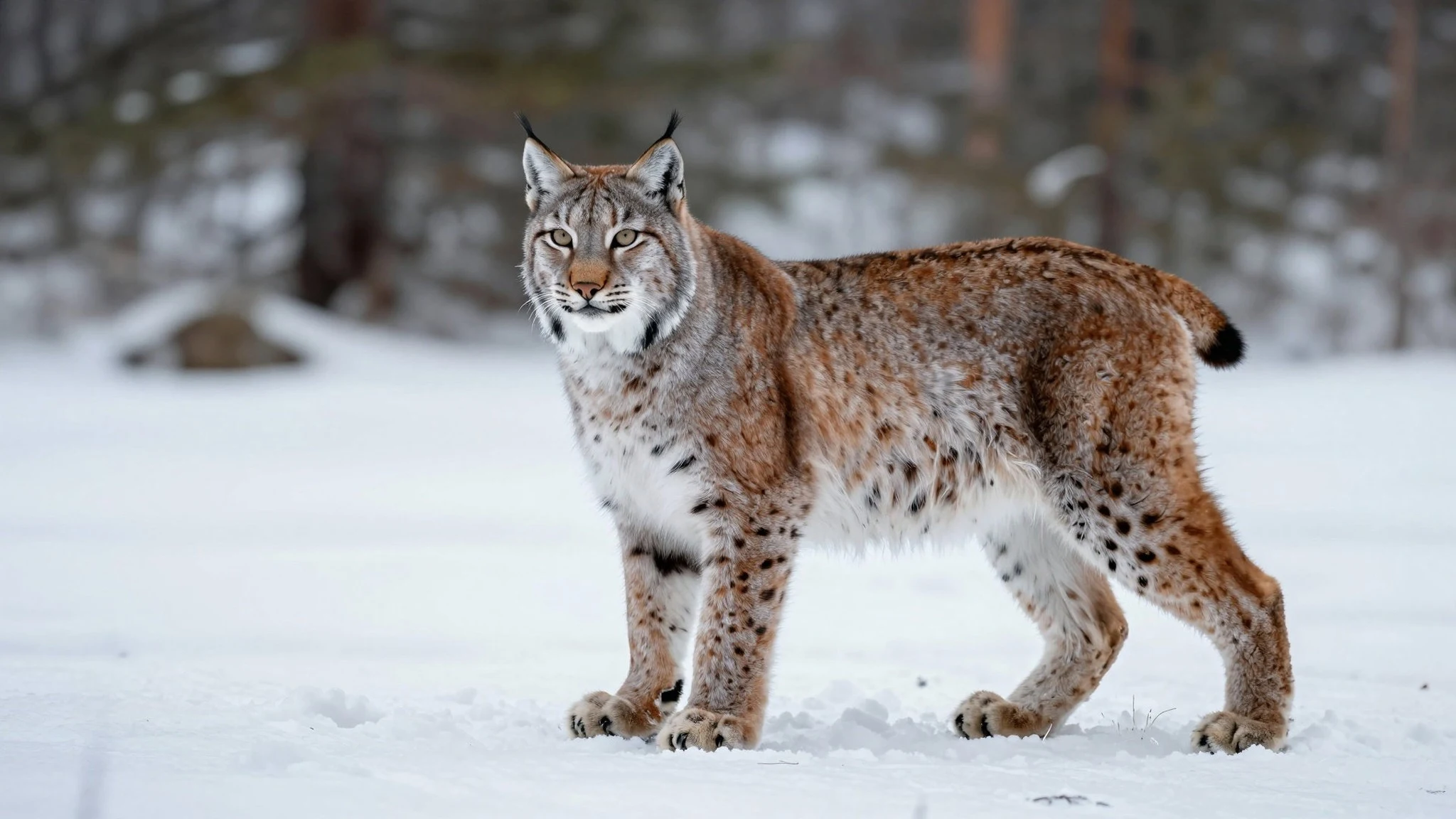
- Gray wolf (animal)
The wolf is the biggest wild member of the dog family, with a long tail, rounded ears and a coat patched with white, brown, grey and black. In Burabay it lives in the woods, though I cannot say which season or time of day suits best. Treat any sighting as a gift: stay well back, speak softly, go with a guide who knows the forest, and never offer food, which would spoil its natural wariness.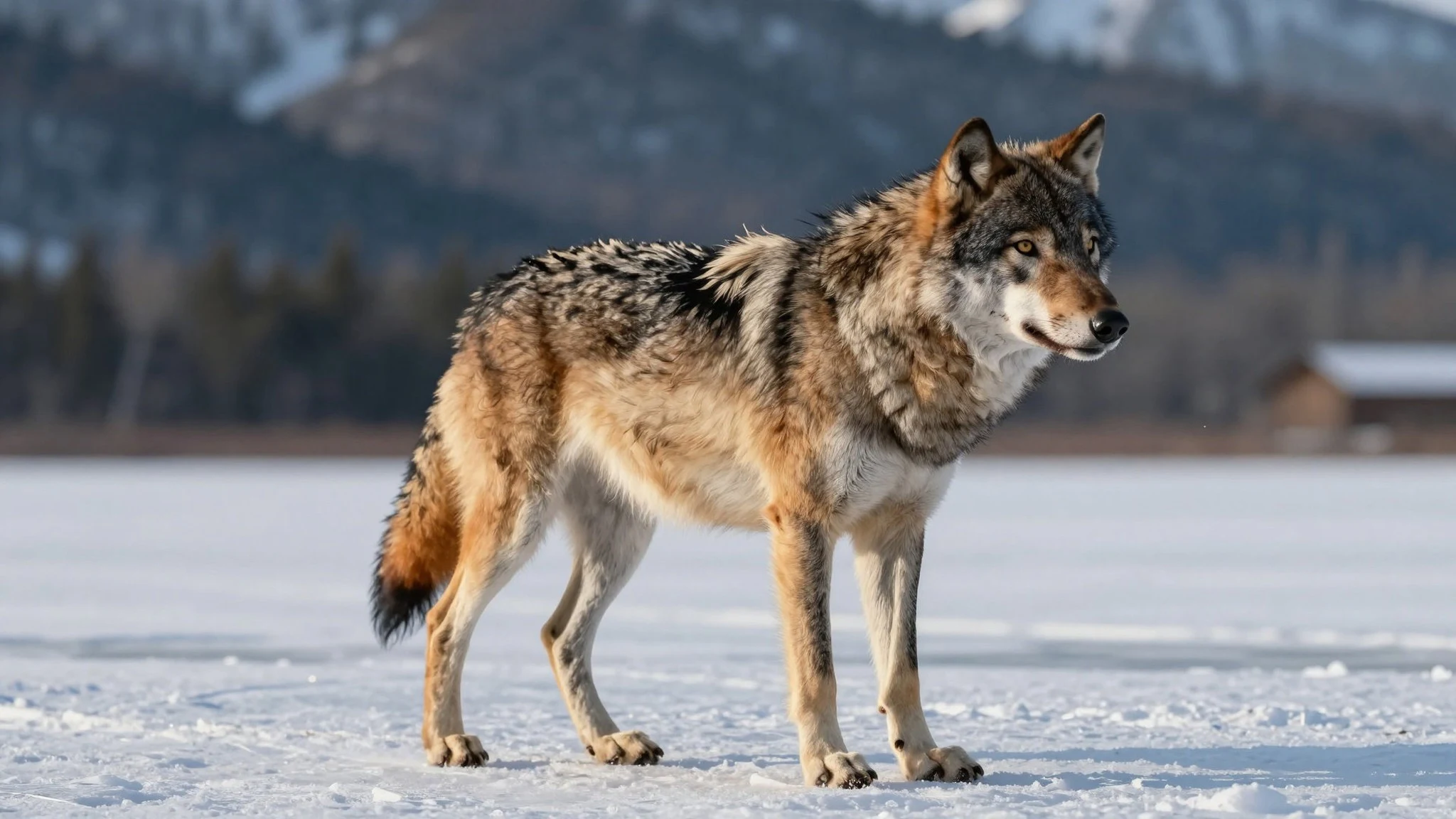
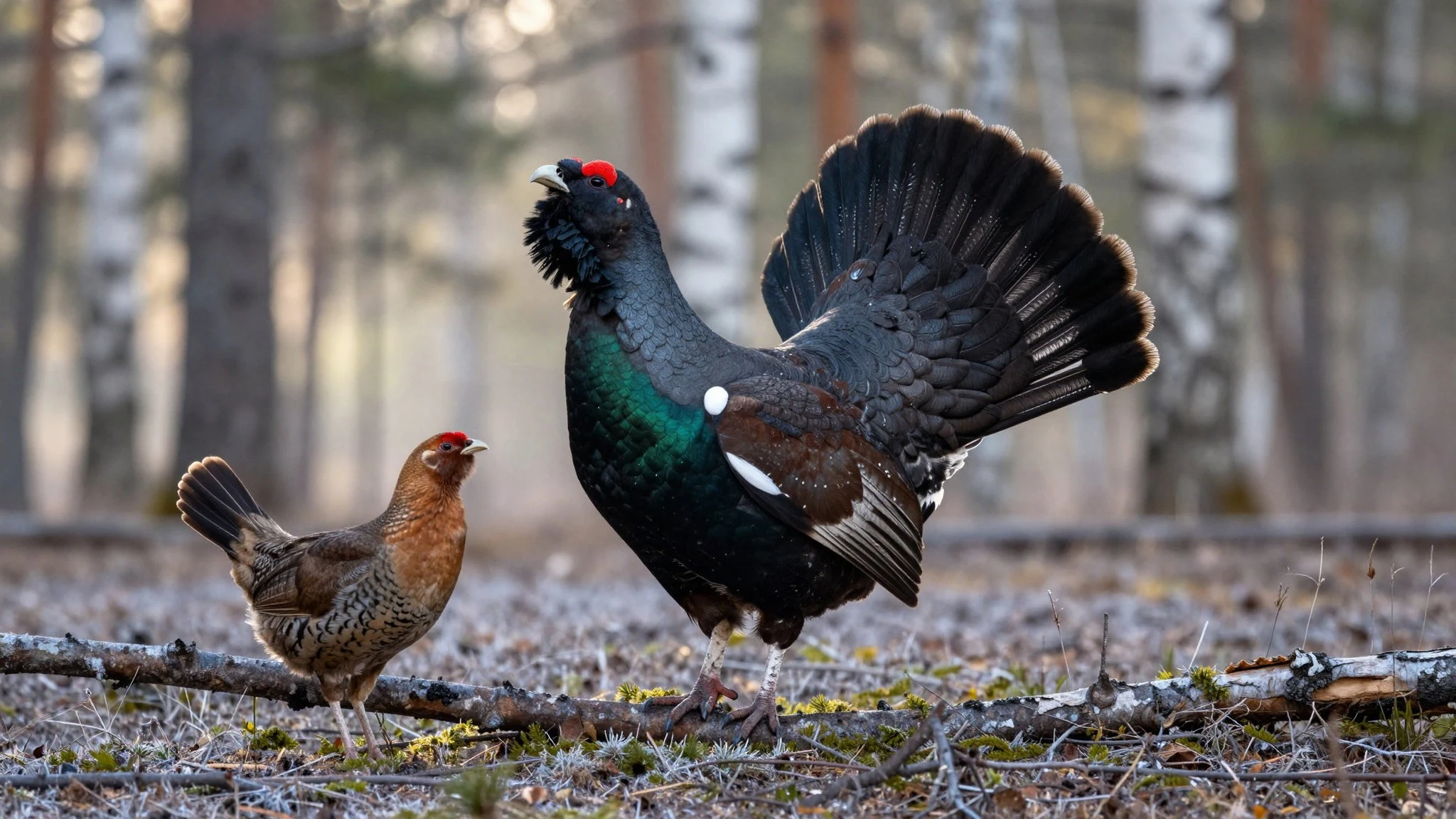
- Capercaillie (bird)
The capercaillie is the largest of the grouse, a heavy woodland bird that spends most of its time walking on the ground. The male is nearly twice the size of the female, and he is famous for his courtship display. In Burabay it belongs to the birdlife of the woods, though I cannot say when or at what hour to look. Watch from afar, stay quiet and still, ask a guide to help, and never feed it.