Aktobe
Aktobe, Kazakhstan
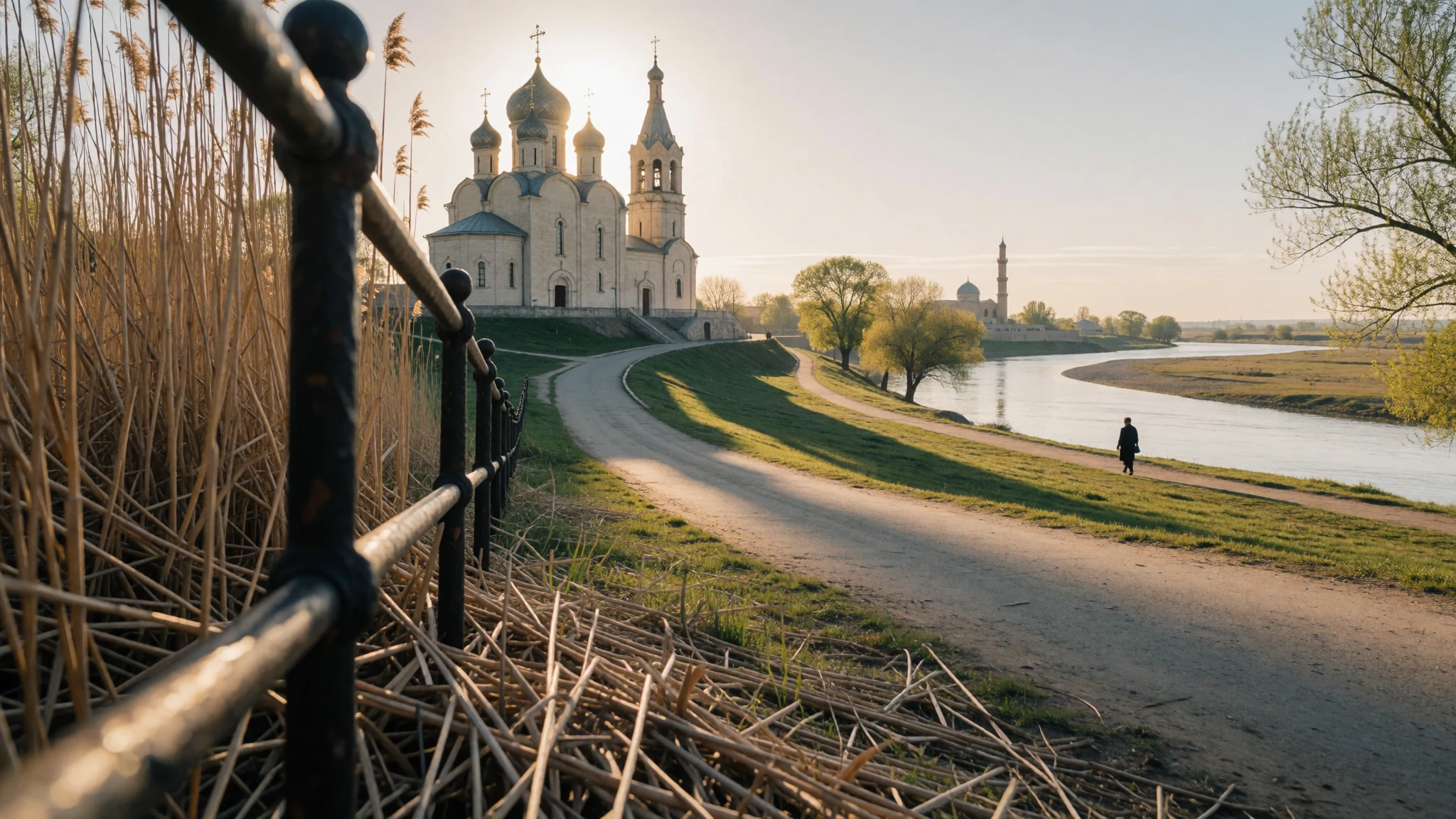
Aktobe is a working steppe city where a Russian-era fort town, Orthodox domes, a mosque and oil money share the same flat horizon.
The place
Aktobe sits on the open steppe of western Kazakhstan, about 225 metres above sea level, where the Ilek river is joined by the smaller Kargala. Roughly 600,000 people live here, which makes it the main city of its region and a working town more than a postcard one. Oil, gas, mining and metal processing pay many of the bills, and the money shows in new apartment blocks, wide avenues and a growing set of cafés and cultural venues. Two reservoirs, Aktobe and Sazdy, supply water to the city and the land around it. The layout is flat and easy to read: a grid of older streets near the site of the original fort, with newer districts spreading across the plain. Roads and railways tie the city to the rest of Kazakhstan and to its neighbours, so many travellers meet Aktobe as a stop on a longer overland route rather than as a destination in itself. It is not a place of famous monuments. What it offers is an honest look at modern Kazakhstan: a mosque and an Orthodox cathedral in the same view, football crowds in season, a modest museum scene, and edges where the city thins out into grazing land. Winters are hard, summers dry and hot, and visitors who like quiet, unpolished places tend to enjoy it most.
Its story
Aktobe's story starts well before the city. The steppe here was crossed by Central Asian peoples and empires for centuries, and the area belongs to the history of the Kazakh Little Horde. Eset Batyr, a Kazakh war leader who campaigned against the Dzungars, is tied to this land, and his mausoleum lies south of the city. Abulkhair Khan, an eighteenth-century ruler, was also based in the region. The modern city dates from March 1869, when Russian troops raised a small fort where the Kargala meets the Ilek, beside the caravan road between Orenburg and Kazalinsk. Settlers from Slavic lands came to farm, and houses grew up around the walls. The fort was later enlarged, streets were laid out towards its gate, and the settlement became a district town under the name Aktyubinsk. Growth was quick. Within a few decades it had churches, a seminary, a Tatar mosque, schools, a clinic, a bank, a post office, a park, a cinema and mills, and the railway reached it at the start of the twentieth century. Heavy industry arrived during the Second World War, and much of the city's Soviet character comes from that period. After Kazakhstan became independent, energy development, with large Chinese investment, reshaped the economy again. Present-day Aktobe is the layered result: steppe fort, railway town, Soviet industrial centre and energy city.
What to see
- St Nicholas Cathedral and Nur Gasyr Mosque — City centre
Aktobe's Orthodox cathedral of St Nicholas and the Nur Gasyr Mosque stand close enough to share a photograph, and the pairing sums up the city's Russian and Kazakh inheritance. Walk around both exteriors at a quiet hour and note how different the silhouettes are. Dress modestly, and enter the mosque only when it is open to visitors.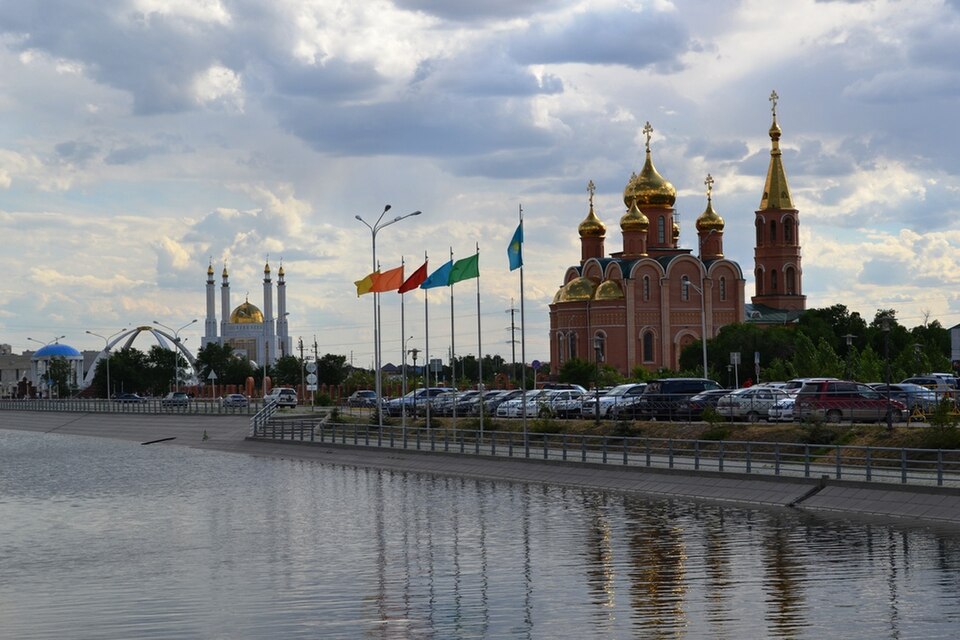
- Rukhaniyat Museum — Inside Nur Gasyr Mosque
The Rukhaniyat Museum occupies the ground floor of the Nur Gasyr Mosque and focuses on religious and cultural heritage, with an educational aim. It is an easy add-on to a mosque visit and a useful way to understand local faith and customs. Opening hours change, so ask locally before building a plan around it. - Regional Museum of History and Local Lore — Central Aktobe
This museum grew from a school collection in the interwar years and is the oldest museum in the city. It is the natural first stop for the steppe, the fort years and the Kazakh and Russian layers of settlement. Labels may be mainly in Kazakh and Russian, so a translation app helps. Check opening times locally. - Aliya Moldagulova Museum and memorial — Moldagulova Avenue
A memorial museum stands on the avenue named after Aliya Moldagulova, a young woman from the region honoured for her wartime service. Beside it are a memorial complex and the Alley of Heroes, which together make a calm, reflective walk. Locals lay flowers here, so keep voices low and behave respectfully. - Football at the Central Stadium — Western edge of the city
FC Aktobe, known as the Red & Whites, play in Kazakhstan's top division at a stadium just off the main highway on the western side of town. The season runs from March to October, and a home match is a good way to spend an evening among locals. Check fixtures and tickets through official club channels.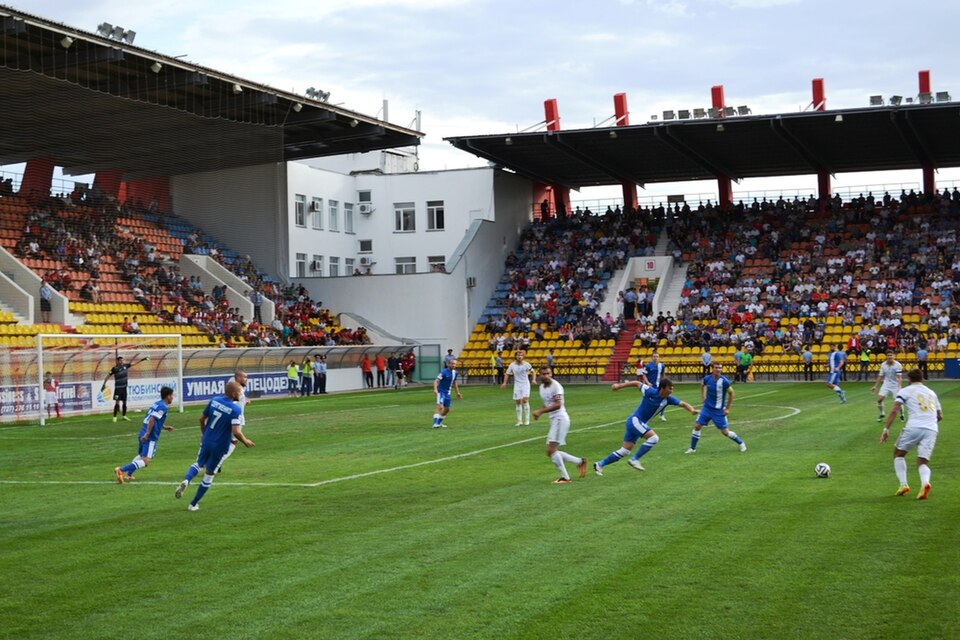
- Theatres and the Philharmonic — Central Aktobe
Aktobe has a drama theatre named after the local-born writer Takhavi Akhtanov, a children's puppet theatre called Alakay, and a regional philharmonic. The House of Friendship hosts events celebrating the languages and traditions of the many peoples of the region. Performances are mostly in Kazakh or Russian; check listings locally.
Culture
Aktobe is a city where Kazakh and Russian are both heard daily, and where Muslim and Orthodox Christian communities live side by side. Hospitality is a point of pride across Kazakhstan, and guests are often offered tea, bread and sweets before any business is discussed. The city's cultural life is more institutional than touristy. The drama theatre grew out of an amateur circle of railway workers, which says much about the city's working-class roots. A puppet theatre, a philharmonic and a House of Friendship, built to promote the traditions and languages of every nationality in the region, add to the mix. Museums cover local history, art, applied arts, wartime memory and religion, and the city also has a good number of libraries. Wartime remembrance matters here, and memorials are tended with care, with fresh flowers common. Nauryz, the spring new-year festival, is the great public celebration, with food, music and games, while family gatherings and weddings follow long-established customs. Conversation tends to be warm and direct, and visitors who show interest in the steppe, in horses or in local football will find people glad to talk. Dress and behaviour are relaxed in most public places, though more conservative around religious sites. When entering a home or the mosque, take your shoes off at the door and keep your voice low.
What to wear
Traditional Kazakh dress in the Aktobe region belongs to a steppe herding culture, so it is built from felt, wool, silk, velvet and fur. Men wore the chapan, a long quilted or velvet robe, with a felt kalpak or a fur-trimmed cap. Women wore long dresses with a waistcoat, and the kimeshek, a white headwrap, marked a married woman. The saukele, a tall bridal headdress with gold-thread embroidery, is the most elaborate piece. These garments appear today at weddings, Nauryz celebrations, folk concerts and school festivals rather than on ordinary days. Everyday clothing in Aktobe is much like that of any Russian-influenced city: jeans, jackets, trainers and smart-casual office wear, with fur hats and heavy coats through the long winter. Younger people follow international trends, and workers in the energy sector often wear practical, hard-wearing clothes. Visitors should dress for the weather first. Summer calls for light layers, a sun hat and sunscreen, while winter needs a proper insulated coat, gloves, a warm hat and boots with good grip for ice. Pavements can be uneven and dusty, so comfortable shoes matter. For the mosque, cover shoulders and knees, and women should carry a scarf for the head. Elsewhere, neat, modest clothing is perfectly acceptable.
What to eat
- Beshbarmak — Family-run Kazakh restaurants and eateries
Boiled beef, mutton or horse meat laid over wide, flat noodles with onion and broth, served for guests and celebrations. The name means five fingers, after the traditional way of eating it. A hearty, filling dish that suits the steppe climate. - Kazy — The central market's meat section and Kazakh restaurants
A cured horse-meat sausage, sliced thin and eaten cold or served as part of a feast. It has a rich, slightly smoky flavour and is a classic of Kazakh tables. Beef and mutton are also staples in the Aktobe region, where ranching is important. - Baursaki — Bakeries, market stalls and tea tables at any family gathering
Pillowy pieces of fried dough, eaten warm with tea, jam, honey or sour cream. They turn up at breakfasts, celebrations and roadside stops alike. Simple, filling and a good first introduction to Kazakh home baking. - Kurt — Market dairy stalls
Small, hard balls of dried, salted curd cheese, sour and strong, made from the dairy products the region is known for. Locals nibble them as a snack or with tea. The taste is acquired, but they travel well and make an unusual souvenir. - Manti — Canteen-style cafés and Kazakh restaurants across the centre
Large steamed dumplings filled with chopped lamb or beef and onion, often topped with sour cream or butter. They show how Central Asian and Russian-era cooking overlap. Best eaten fresh and hot in the colder months.
Plan it
Best time. Late May to June and September are the most comfortable: warm, usually dry and free of deep winter cold. Midsummer can be hot and dusty, and winter on the open steppe is long and bitterly cold with strong winds, so pack accordingly if travelling then.
How long. 1–2
Getting there. Aktobe has its own airport; on booking sites, search under the older name Aktyubinsk. The city is also on the railway and on main roads from other Kazakh cities. From the airport or station, a taxi or local bus reaches the centre.
Budget. low
Tips
- Search flights under both Aktobe and Aktyubinsk
- Carry some cash as well as a card, since smaller eateries and market stalls may not take cards
- Pack for the season: layers in winter, sun protection and water in summer
- Check museum and stadium opening times locally, as listings online may be out of date
- Learn a few words of Russian or Kazakh, or keep a translation app ready
Etiquette
- Remove shoes when entering a home or the mosque
- Dress modestly and keep voices low at religious sites
- Ask before photographing people, and be respectful at war memorials
Nearby
Sources
- Wikidata Q477232 (CC0)
- Wikipedia: Aktobe (rev 1374145811) (CC BY-SA 4.0)
- Wikivoyage: Aktobe (rev 5231971) (CC BY-SA 4.0)
- Photo: St Nicholas Cathedral Aktobe and Nur Ghasyr mosque (User:Mheidegger) (CC BY-SA 4.0)
- Photo: Aktobe's coat of arms (unknown author) (CC BY 3.0)
- Photo: Aktobe satellite image 2017-09-07 (European Space Agency) (CC BY-SA 3.0 igo)
- Photo: Kargala River (Konchevnik81) (Public domain)
- Photo: Aktobe Central Stadium (Yakov Fyodorov) (CC BY 3.0)
- Photo: Kudaibergen at New Wave in 2019 (laura___dear) (CC BY 3.0)
- Photo: 2022 Kazakhstan protests, Aqtobe, 4 January, cropped (Esetok) (CC BY-SA 4.0)
- Photo: 2022 Kazakhstan protests, Aqtobe, 4 January (Esetok) (CC BY-SA 4.0)


