Tbilisi
Tbilisi, Georgia
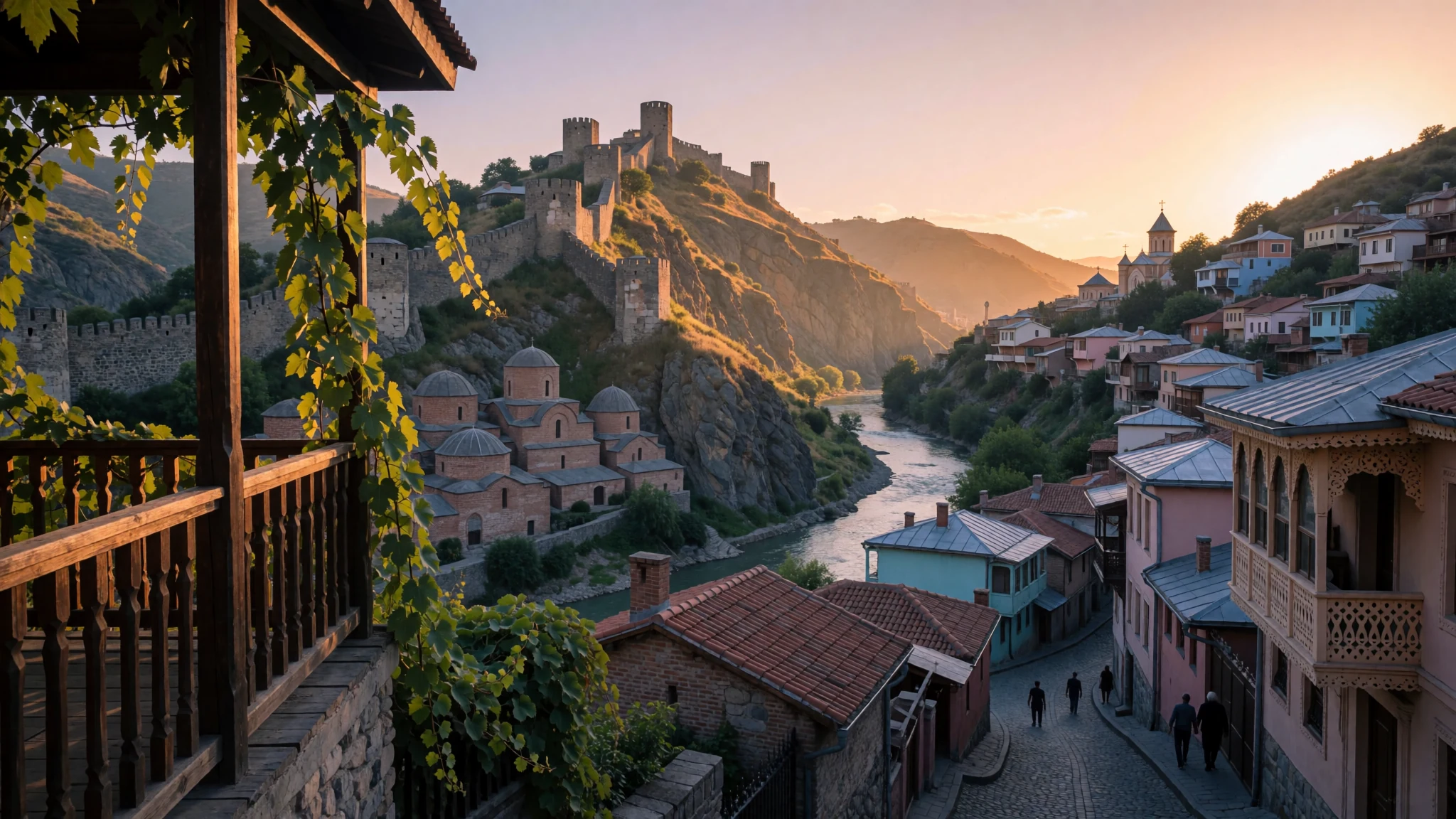
Tbilisi offers an intoxicating blend of sulfur baths, wooden balcony-laced lanes, and a fiercely independent culinary tradition at the crossroads of Europe and Asia.
The place
Tbilisi sits astride the winding banks of the Kura River, framed by rugged hills that shelter a patchwork of eras and aesthetics. As the capital and largest urban hub of Georgia, the city accommodates a population of about 1.3 million residents within its valleys and steep ridges. Its geographical position at a historic crossroads between Europe and Asia has long made it a prize for successive regional empires, leaving behind a fascinating urban fabric where medieval stone defensive walls sit within sight of neoclassical administrative buildings, elaborate art nouveau apartment blocks, and stark Soviet-era structures.
The municipal atmosphere is shaped by the river valley's topography, which channels warm breezes from the lowlands while keeping the older quarters intimate and sheltered. Narrow lanes wind upward from the riverbanks toward hilltop fortresses, past courtyards draped with laundry and grapevines. Unlike cities that were preserved behind glass, Tbilisi remains intensely lived-in, its historic districts functioning as organic neighborhoods where centuries-old traditions of hospitality and trade persist daily. The continuous presence of diverse ethnic and religious communities has historically enriched the city's character, though the dominant cultural currents remain distinctively Georgian. From the steaming sulfur domes of Abanotubani to the sleek glass pedestrian bridges spanning the water, Tbilisi bridges ancient heritage with contemporary ambition without losing its distinctive sense of place.
Its story
Tbilisi traces its origins deep into antiquity, with archaeological excavations uncovering evidence of continuous human habitation in the surrounding suburbs stretching back to the early Bronze Age and Paleolithic periods. Long before written chronicles documented its streets, the river valley served as a major settlement hub across the Caucasus.
According to the most enduring foundation legend, the territory where Tbilisi now stands was covered by dense forests as late as the fifth century. The myth recounts that King Vakhtang I of Iberia was hunting in the heavily wooded terrain with a trained hawk or falcon. During the pursuit, the falcon struck a pheasant, and both birds fell into a steaming hot spring bubbling near the riverbank, where they died from burns. Captivated by the thermal waters and their potential, the king decided to clear the dense woodland and establish a new settlement on the site. Shortly thereafter, his successor, King Dachi of Iberia, officially transferred the royal capital from Mtskheta down to Tbilisi, initiating the construction of defensive stone ramparts to secure the perimeter. Over subsequent centuries, the settlement expanded across the trade routes linking the Caspian and Black seas, weathering invasions, sieges, and near-total destruction before rising again to reclaim its status as the heartbeat of the Georgian nation.
What to see
- Open Air Museum of Ethnography — Vake district
Situated in the hilly suburbs, this expansive skansen-style institution preserves around seventy authentic residential buildings and agricultural structures relocated from various distinct regions across Georgia. Visitors can wander through traditional timber houses, complete with original household tools, weaving implements, and rural craft equipment.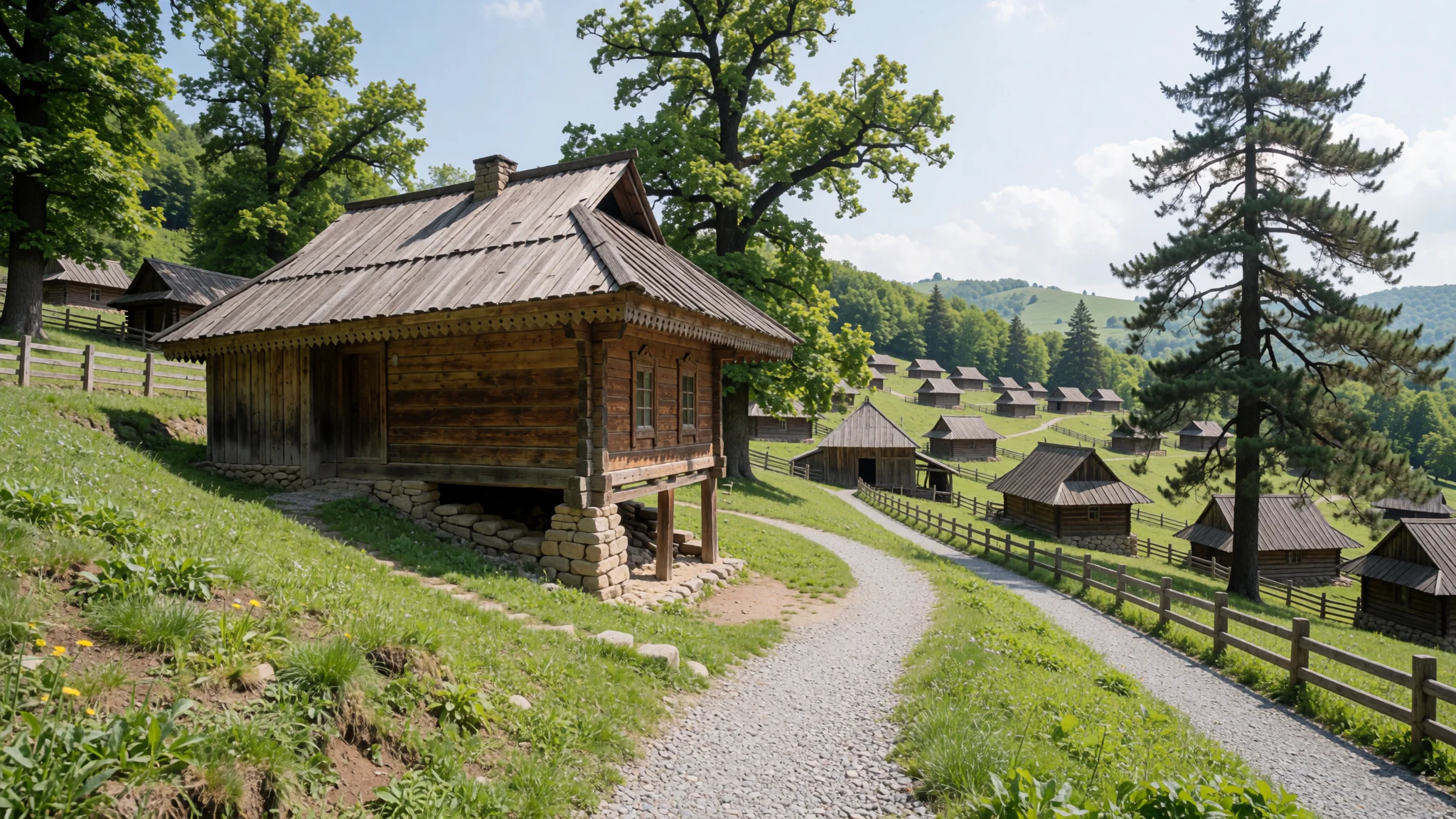
- Museum of Fine Arts — Central Tbilisi near Freedom Square
Housing an extensive permanent collection, this prominent cultural institution displays artistic works ranging from ancient archaeological treasures to contemporary Georgian masterpieces. The galleries showcase centuries of regional creativity, featuring intricate metalwork, medieval religious icons, and striking canvases from the country's most celebrated modern painters.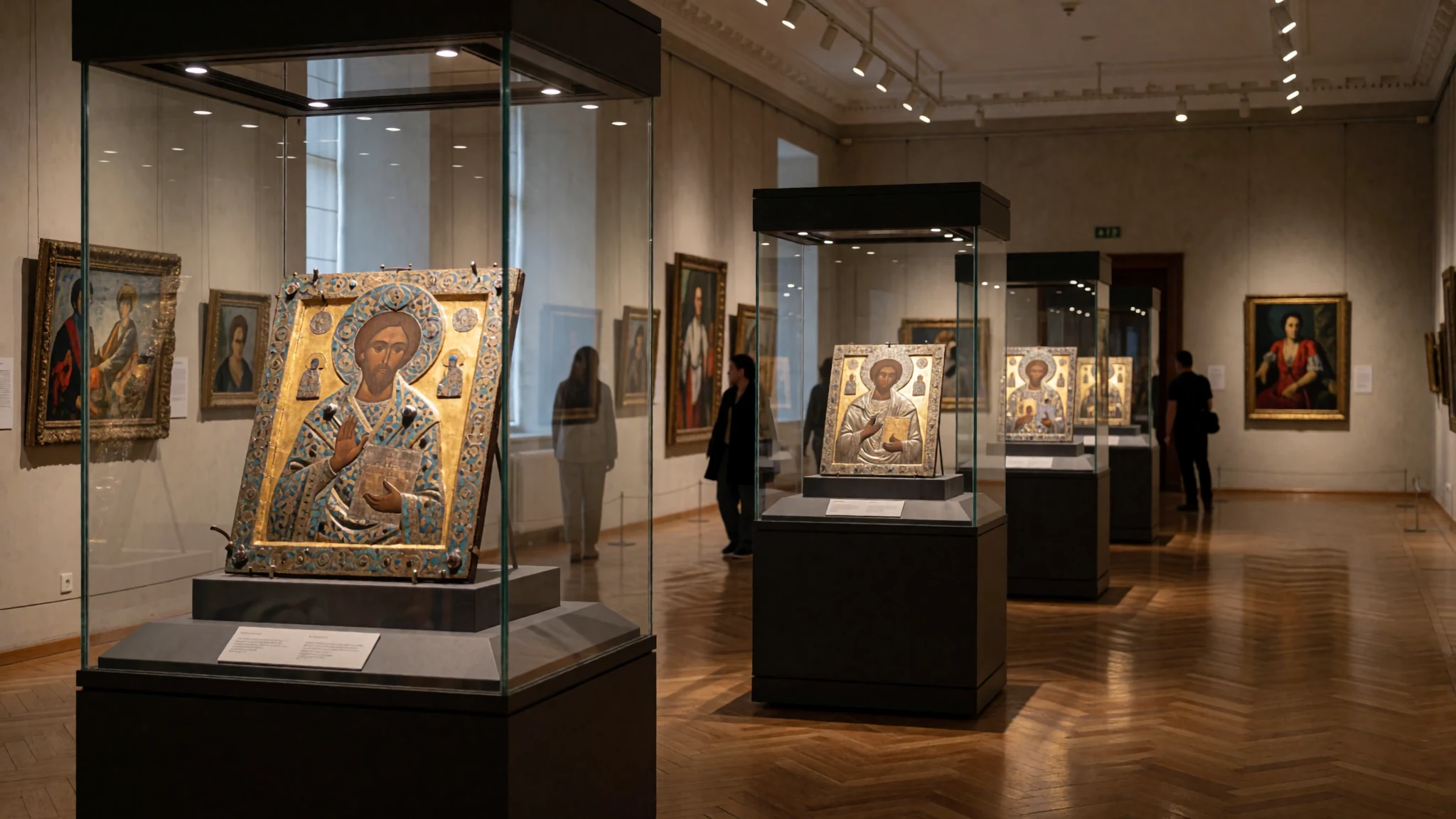
- Museum of Georgia — Rustaveli Avenue
As a cornerstone of the national museum network, this facility curates an irreplaceable collection of archaeological artifacts and ethnographic treasures gathered from across the Caucasus. Permanent exhibitions trace human development through the region from the Bronze Age up to the turbulence of the early twentieth century.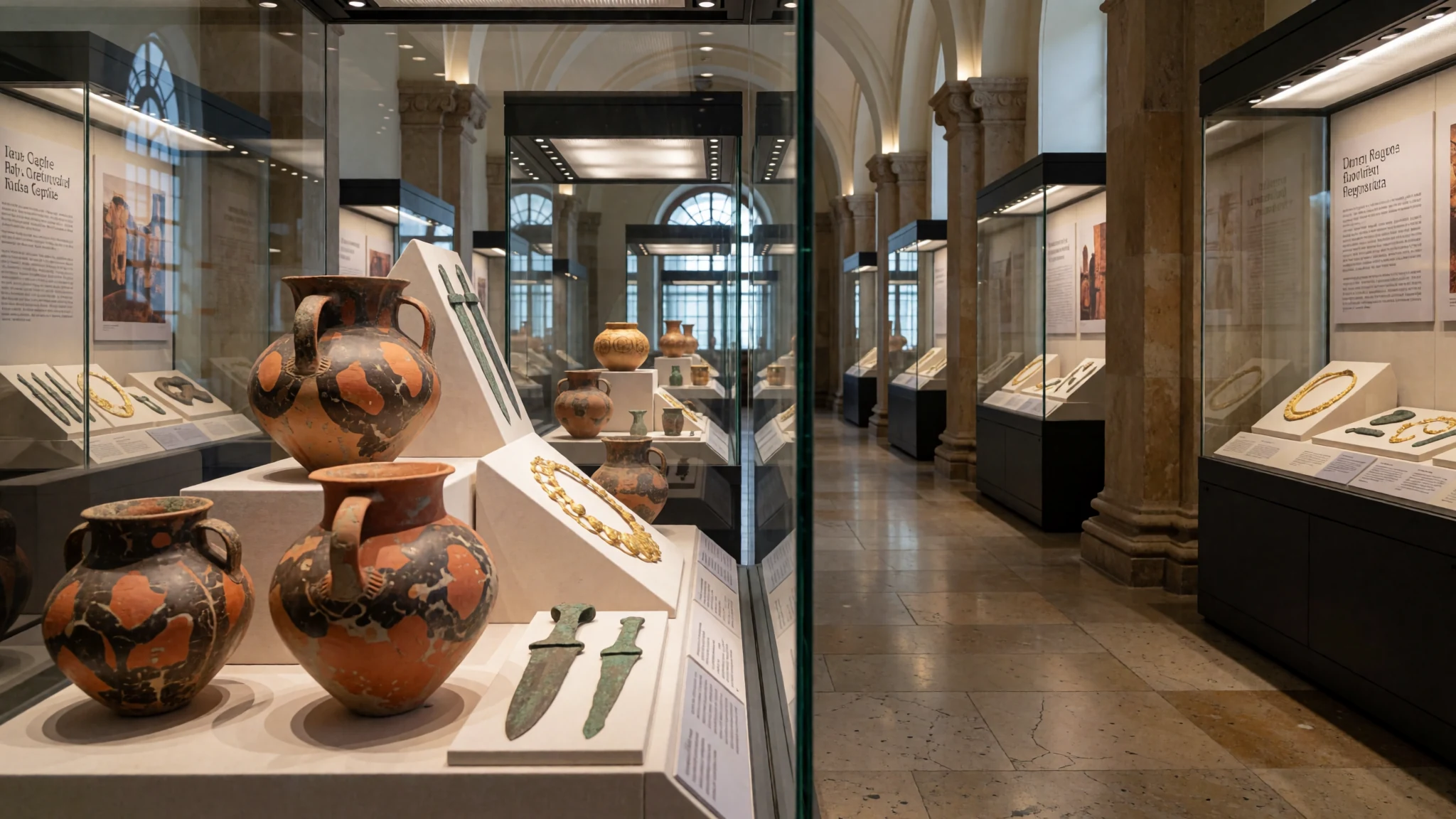
- Tbilisi History Museum — Old Tbilisi near the river
Housed within a historic caravanserai building, this museum explores the urban evolution of the capital through centuries of trade and conflict. The exhibits highlight the multicultural legacy of the city's merchant past, displaying period garments, photographs, and documents detailing how local society transformed over generations.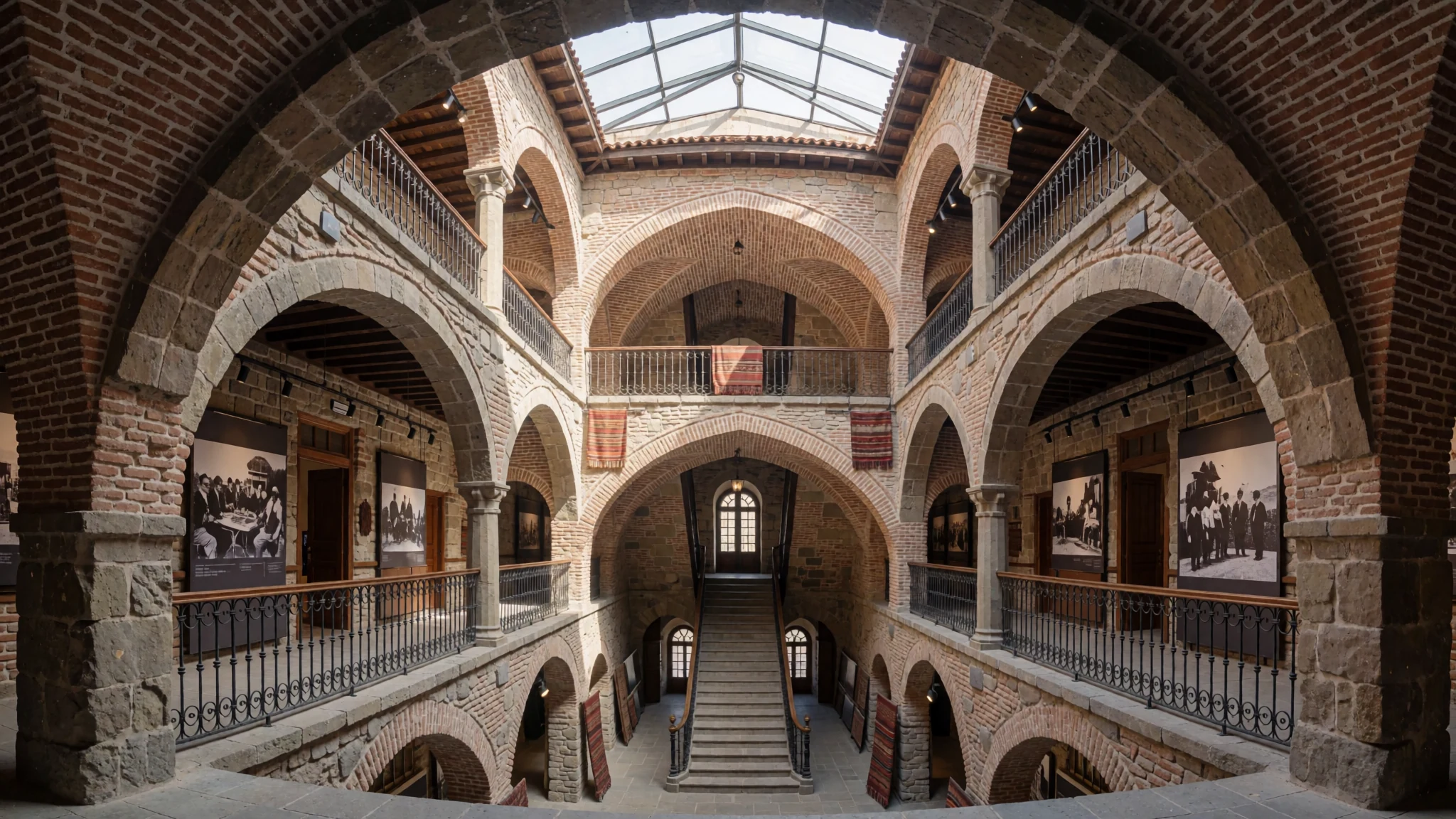
Culture
Tbilisi possesses a distinct architectural identity born from a collision of local Georgian craftsmanship, Byzantine influences, neoclassical Imperial planning, and Soviet modernism. Because a devastating invasion in seventeen ninety-five left very little of the medieval city standing, the majority of the historic structures visible today date from the nineteenth and early twentieth centuries under Russian Imperial administration. The oldest surviving neighborhoods, such as Kala and Avlabari, were rebuilt upon their ancient medieval street plans, preserving an organic labyrinth of sloping alleyways and hidden courtyards.
Social life in Tbilisi revolves around intense hospitality, communal feasting known as supra traditions, and lively neighborhood interaction. Conversations are animated, and public spaces hum with the energy of poets, musicians, and vendors. When entering active Georgian Orthodox churches, women should cover their heads with a scarf and men should remove hats, ensuring modest attire is worn throughout. Always dress modestly with covered shoulders and knees when visiting religious shrines.
What to wear
Traditional Georgian attire, historically known as the chokha, features a tailored woolen coat with cartridge holders across the chest, cinched with a silver-studded belt and worn alongside a dagger and high leather boots. While rarely worn for daily errands today, the chokha remains a potent symbol of national pride, proudly donned during weddings, national holidays, and traditional folk dance performances.
In contemporary Tbilisi, everyday street fashion leans toward practical urban wear with a distinctively modern, bohemian edge. Younger generations in particular embrace oversized silhouettes, minimalist tailoring, and independent local designer labels that draw inspiration from the city's brutalist architecture and Soviet heritage. Visitors will find that casual, comfortable clothing works best for navigating the steep cobblestone streets and uneven stairways of the old town. Sturdy walking shoes are essential, as is a light jacket for breezy evenings by the river valley. When visiting religious buildings, bring a scarf for head-covering and ensure shoulders and knees remain covered at all times.
What to eat
- Khinkali — Veliaminov in Old Tbilisi
These twisted giant soup dumplings are filled with spiced minced meat and savory broth. To eat them properly, take a small bite, sip the steaming broth from inside, and enjoy the rest while leaving the tough dough knot on your plate.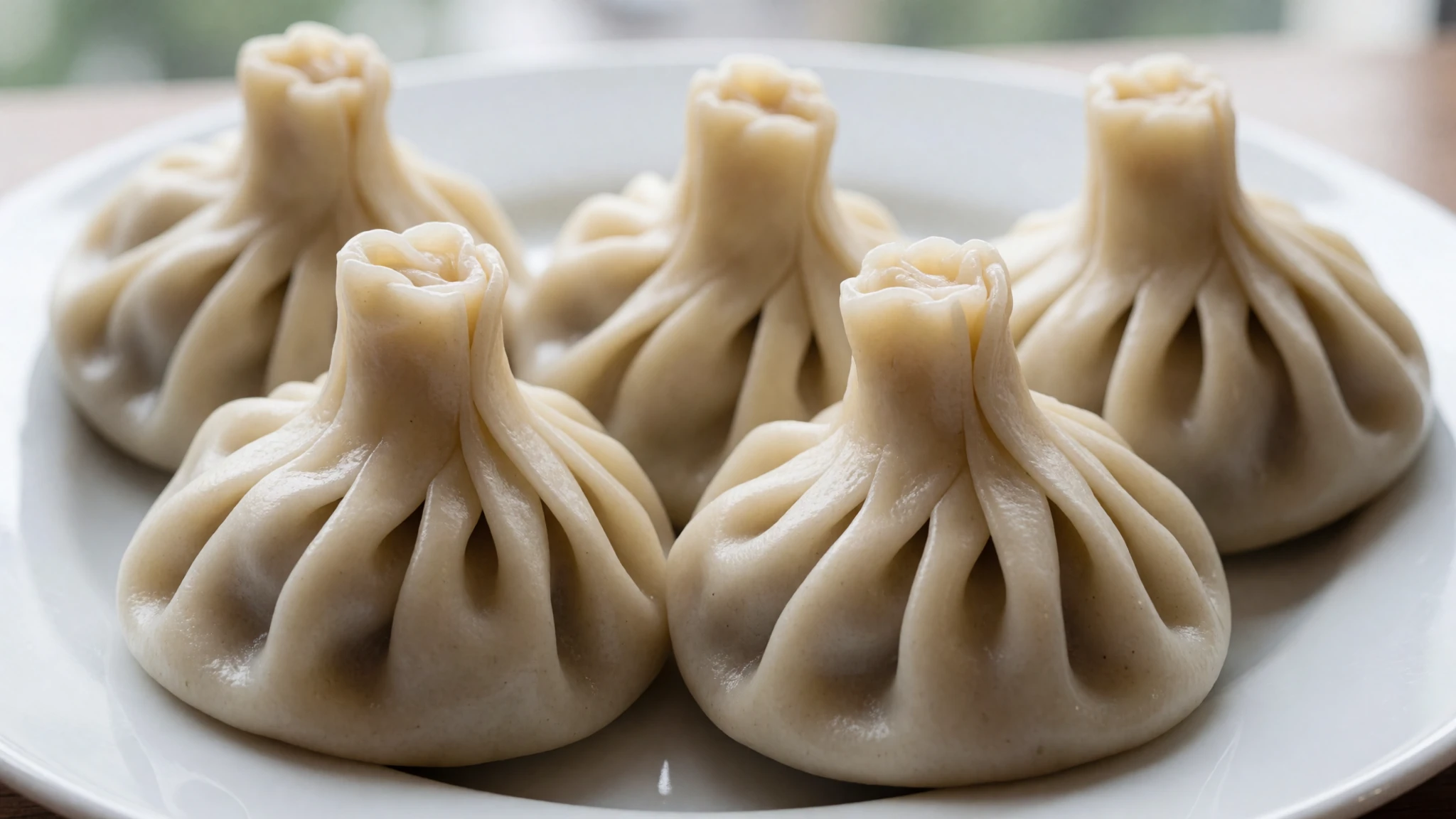
- Khachapuri — Good Mood Food in the city centre
Georgia's famous cheese-filled bread comes in many regional varieties, from the boat-shaped Adjaruli topped with butter and a raw egg to circular layered versions. Every bakery and small eatery bakes them fresh throughout the day.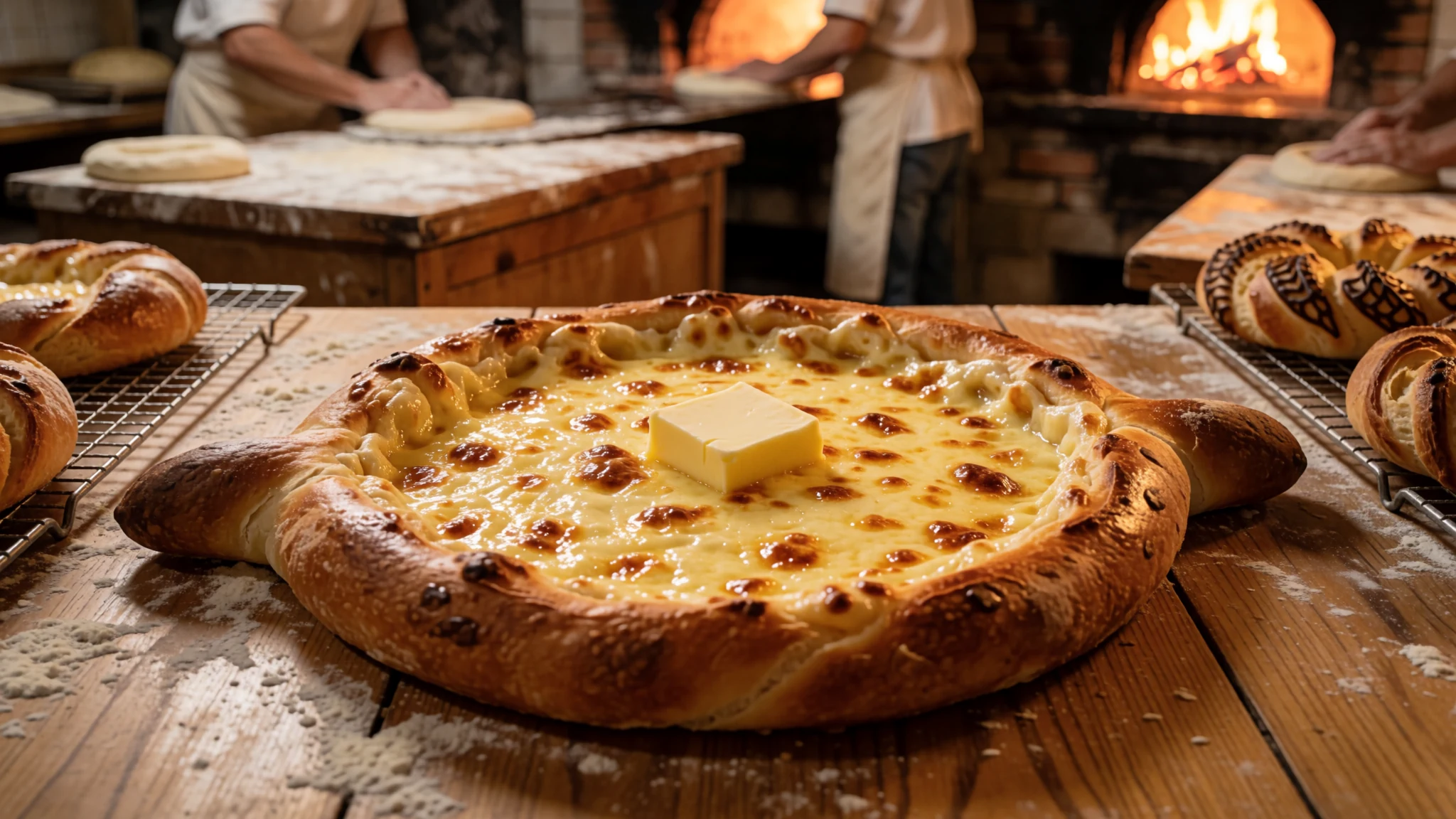
- Traditional Stews — Racha restaurant near the river
Hearty, unpretentious dining rooms serve robust local meat stews and bean dishes seasoned with fresh herbs, walnuts, and garlic. Eaten alongside fresh bread, these dishes offer a genuine taste of traditional homestyle cooking. - Plant-Based Georgian Fare — Kiwi Vegan Cafe in the old town
Adapting traditional flavours for meat-free diets, local cafes reimagine classics using walnuts, aubergine, pomegranate, and fragrant herbs like coriander and blue fenugreek, served in relaxed, welcoming spaces.
Plan it
Best time. March and November bring the gentlest walking weather, while July and August are the hottest months, with highs near 42°C, and May and June are the wettest.
How long. 3–4
Getting there. Tbilisi International Airport handles frequent regional and international flights; from the arrivals terminal, Bus 337 takes about fifty minutes to the main train station in the centre.
Budget. mid
Tips
- Wear sturdy footwear with good grip to tackle steep, uneven cobblestones in the historic quarters
- Carry cash in local currency for small bakeries, older markets, and neighborhood kiosks
- Drink bottled water while exploring, though public fountains fed by mountain springs are generally safe
- Book sulfur bath sessions a day in advance during peak weekend hours
Etiquette
- Always cover your head with a scarf and wear modest clothing when entering Orthodox churches
- Accept toasts graciously when invited to share wine or a traditional supra feast
- Greet shopkeepers and neighbors politely when entering small local businesses
Nearby
Sources
- Wikidata Q994 (CC0)
- Wikipedia (rev 1382282631) (CC-BY-SA 4.0)
- Wikivoyage (rev 5400922) (CC-BY-SA 4.0)
- Photo 01 (CC BY-SA 4.0)
- Photo 02 (CC0 1.0)
- Photo 03 (CC BY-SA 4.0)
- Photo 04 (CC BY 4.0)


