Almaty
Almaty, Kazakhstan
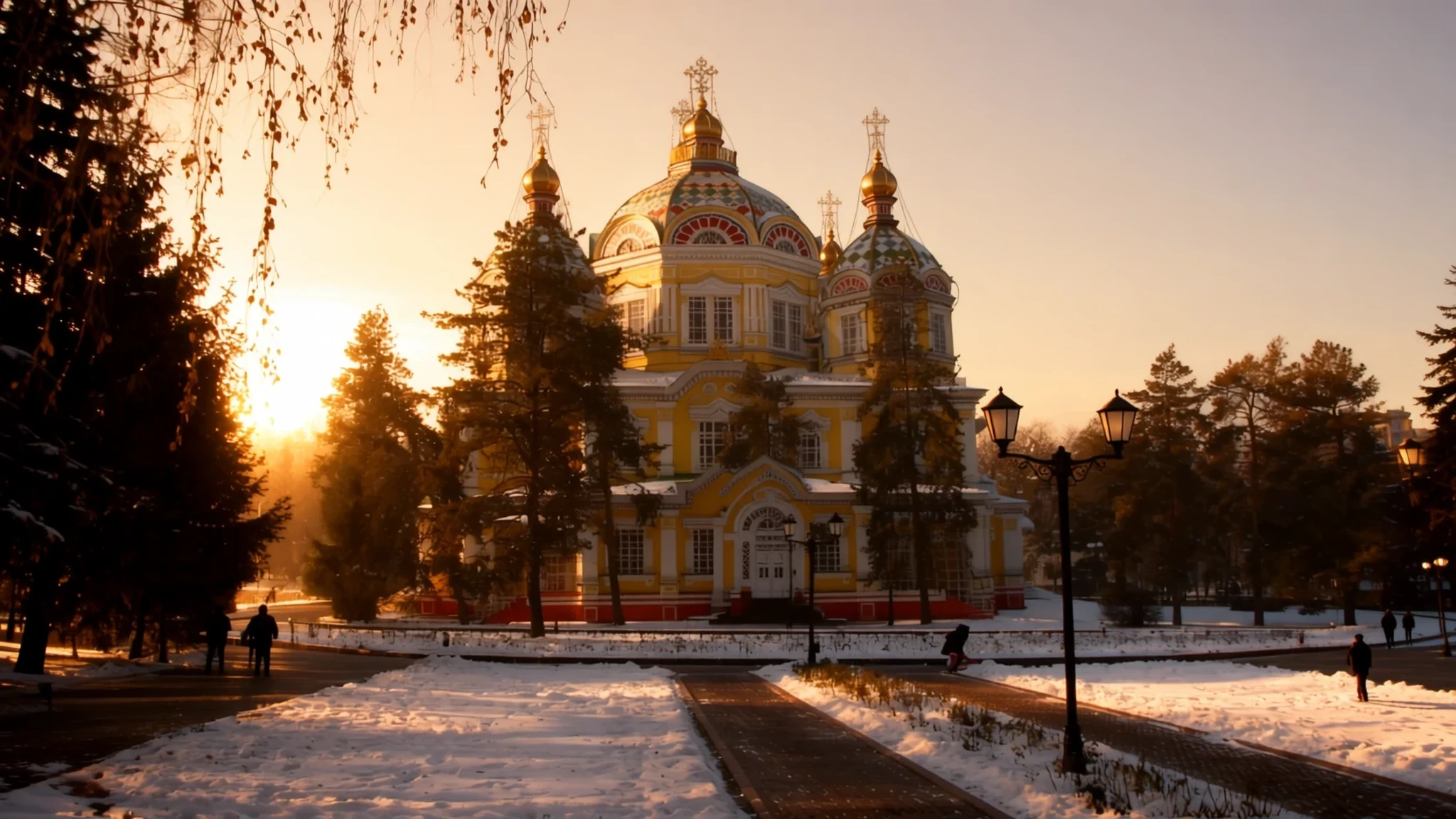
Almaty is Kazakhstan's biggest city, set against the mountains with a lively café life, green parks and a more European feel than most of the country.
The place
Almaty is a city of about 2.2 million people at the foot of the Trans-Ili Alatau mountains in southern Kazakhstan, close to the Kyrgyz border. It sits at roughly 900 metres, so the air feels crisper than on the flat steppe to the north. Two rivers, the Big Almaty and the Small Almaty, come down from the hills and shape the streets, which tend to be wide and lined with trees.
The city was founded in 1854 and served as the national capital in the Soviet years and for a short period after independence. The government then moved to Astana, but Almaty kept its place as the commercial and cultural centre. Its character today owes a lot to outdoor cafés, pedestrian streets and public green space, which gives it a softer, more continental mood than the capital in the north.
Music and theatre run deep here. The city holds the UNESCO Creative City of Music title, and it has hosted major winter sporting events. It was also a serious candidate for the Winter Olympics before losing to Beijing. Expect a busy, traffic-heavy centre, a few crowded markets and plenty of space to walk in the parks at the edge of town.
Its story
The first farming and cattle-raising communities settled in this part of the Ili valley during the Bronze Age, and the surrounding land later passed to the Saka and Wusun tribes. Their legacy survives mainly in burial mounds, some of them very large, built for chiefs and their households. Archaeologists have recovered gold and bronze objects from these sites, most famously the Golden Man from the Issyk kurgan, a richly decorated burial that now draws visitors to the national museum.
The Saka and Wusun period also left traces of early learning in the area, and the region became a place where ideas moved along the trade routes that crossed the Tian Shan. Over the centuries the valley changed hands repeatedly. In the twelfth century it fell under the Qara Khitai, who were in turn overrun by the Mongol Empire in the early thirteenth century, and the old settlements were reshaped by that upheaval.
The modern city grew from a Russian fortress and trading settlement founded in the nineteenth century. Its streets, parks and churches reflect that imperial and then Soviet layering. Under the Soviet Union, Almaty became capital of the republic and gained universities, theatres and research institutes. After independence it kept its cultural pull even after the capital moved, and today its history is best read through its museums, cathedrals and burial sites.
What to see
- Ascension Cathedral — Central Almaty, near Panfilov Street
This Russian Orthodox cathedral is the best-known church in the city and a reminder of the nineteenth-century Russian settlement. The interior is richly painted, and the iconostasis, the screen of icons at the front of the sanctuary, is the main draw. The building has been restored in recent years, and services continue, so visitors should keep their voices low and stay out of the way of worshippers.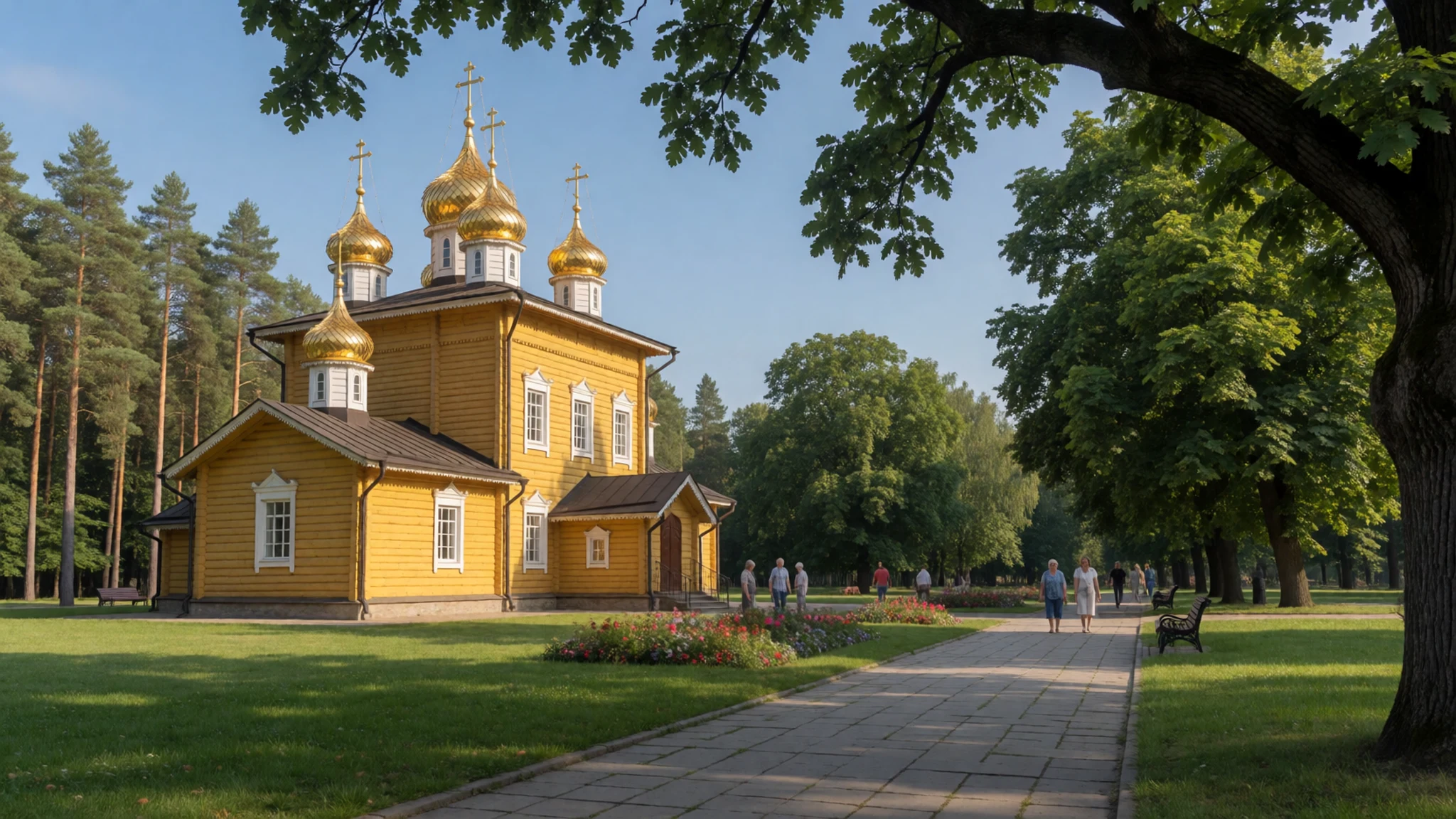
- Central Mosque — Central Almaty
The city's main mosque is a large, modern place of worship with marble walls and a spacious interior decorated with patterns. It is a working mosque, not a museum, so arrive before or after prayer times if you want a quiet look around. Women are expected to cover their hair and wear long sleeves, and shoes come off at the prayer hall door.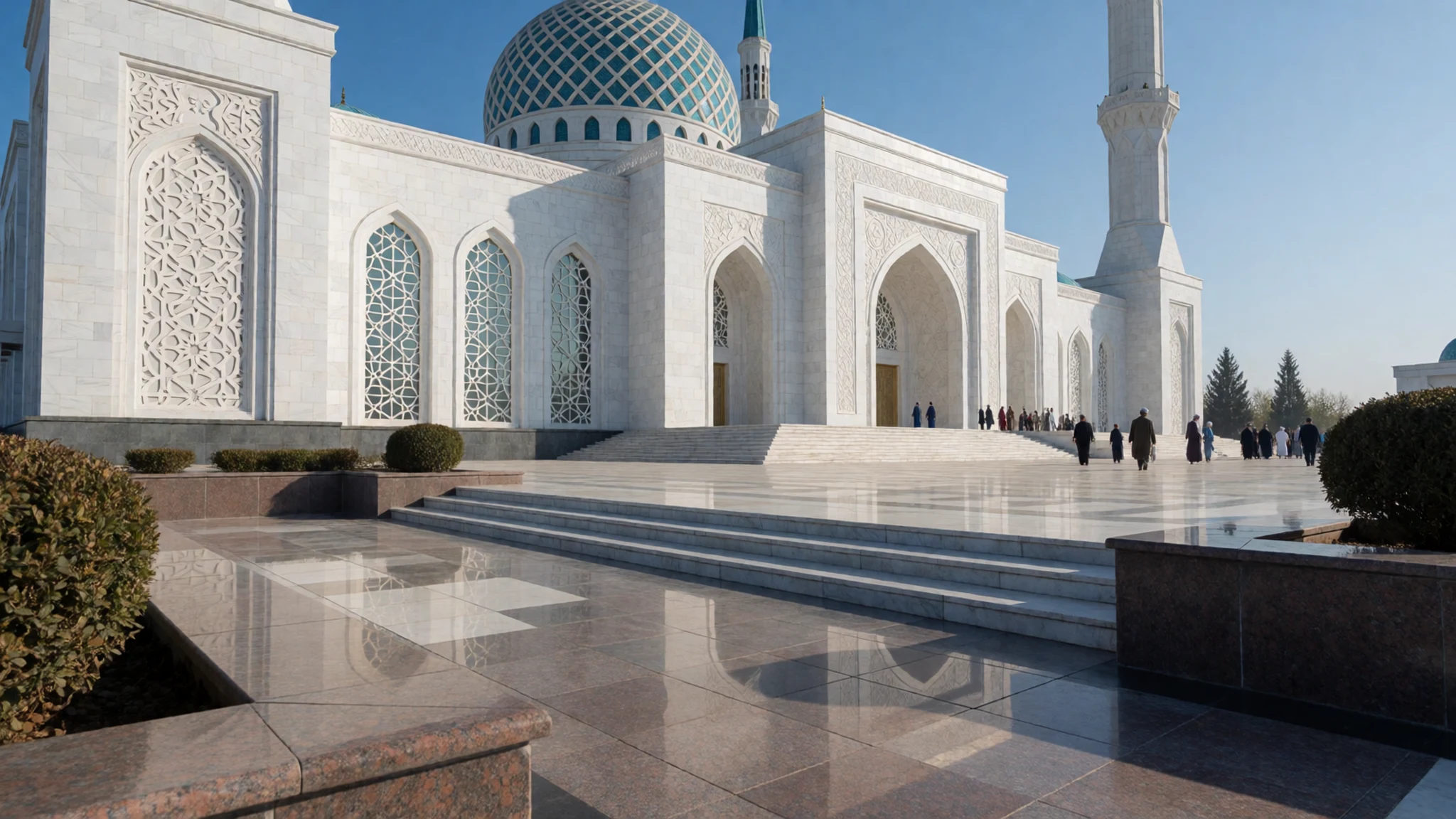
- Sophia Cathedral — Central Almaty, near the Green Bazaar
Sophia Cathedral was built in the late nineteenth century to replace an earlier church destroyed by an earthquake. It was once the heart of a monastery complex, but Soviet authorities closed and damaged the site. The restored cathedral now stands as a clear example of how the city rebuilt its religious heritage after decades of suppression.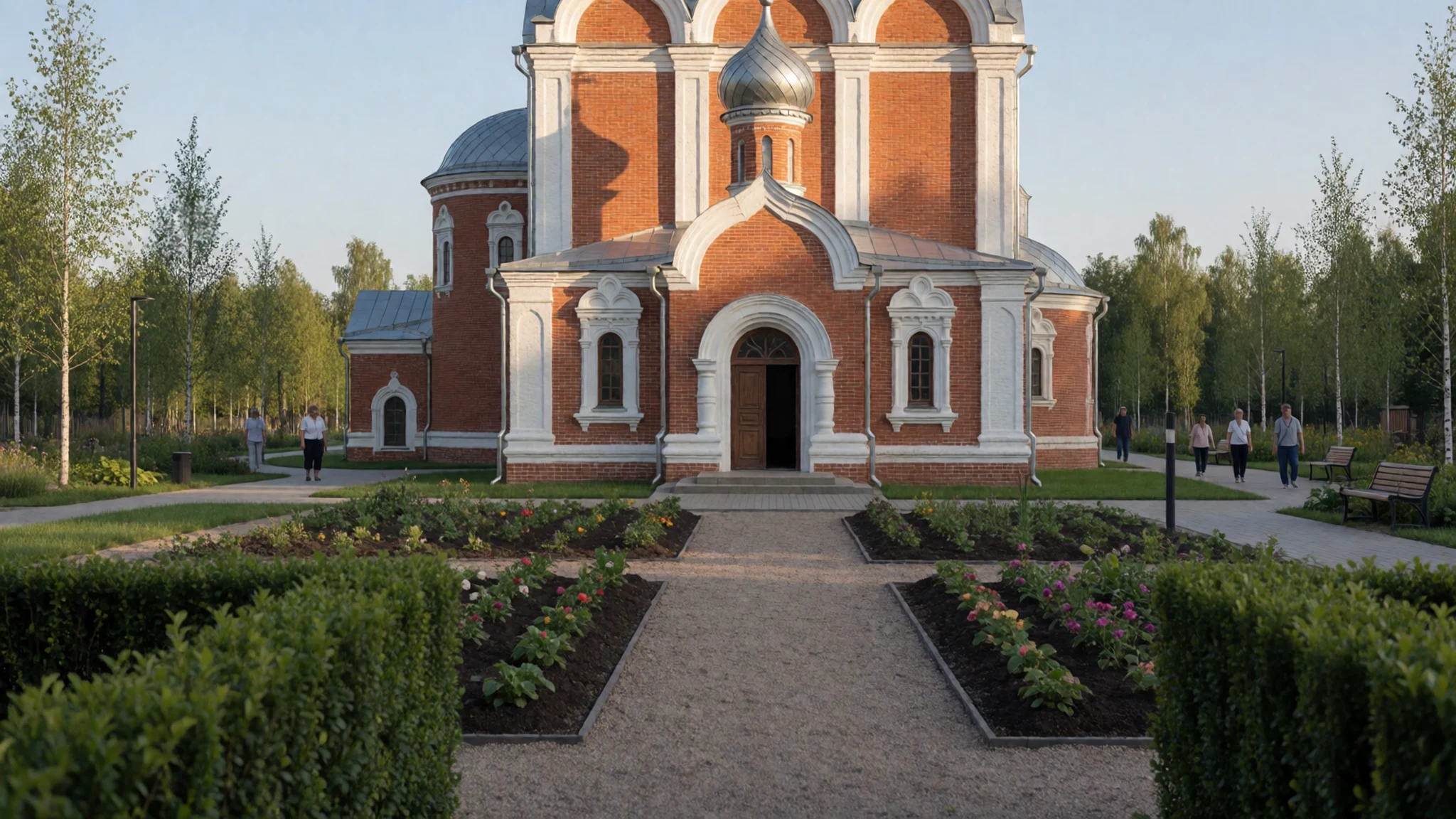
- Holy Kazan Cathedral — Eastern part of the centre
This small Russian Orthodox church is painted in bright colours, and its interior is more ornate than many larger churches in the city. It is a good stop if you want something compact and intimate after a bigger site. It can be quiet on weekday mornings, and photography inside is usually acceptable without flash, though it is worth checking with staff.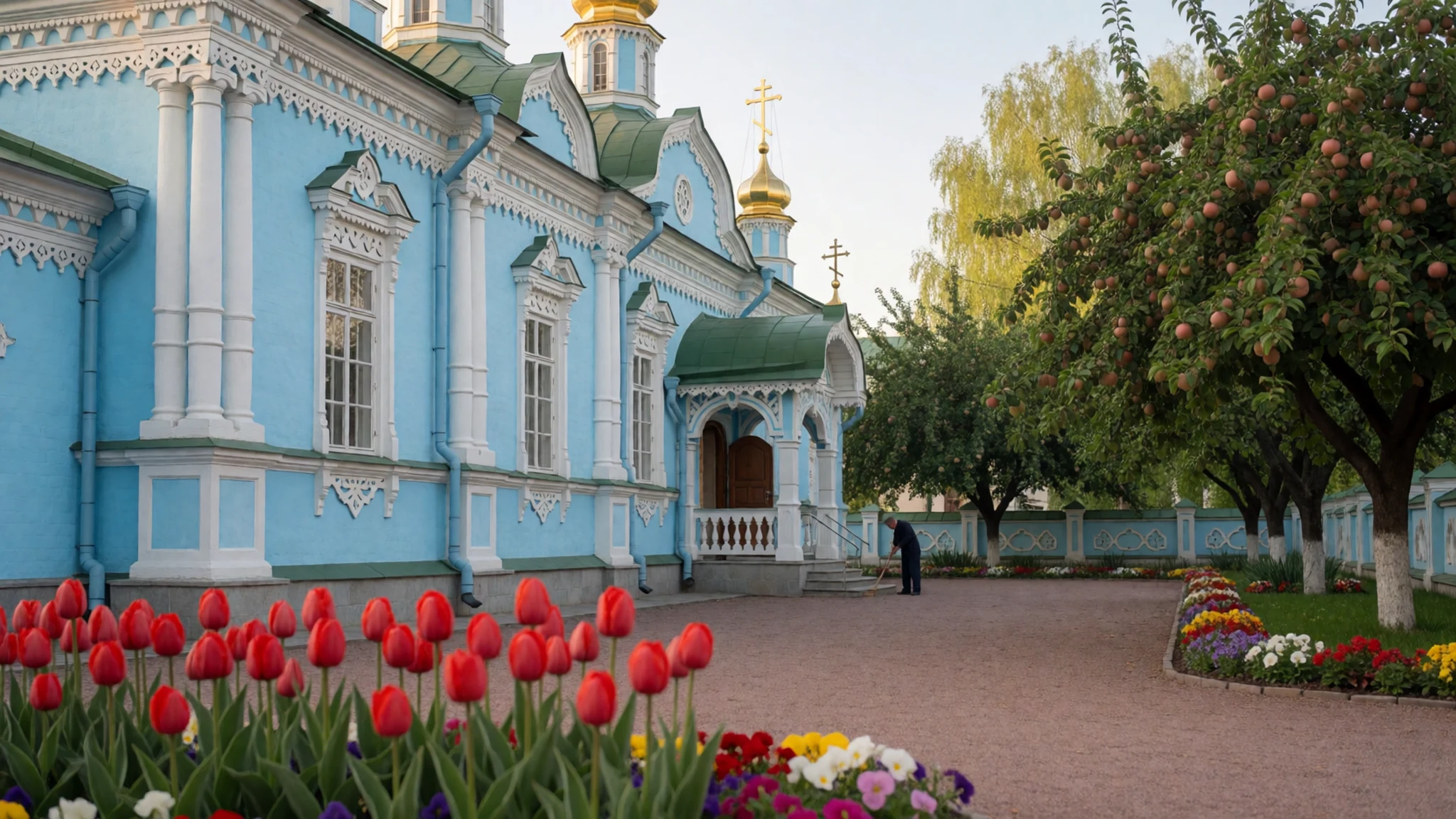
- Kök Töbe hill — Hills above the city, south of the centre
Kök Töbe is the hilltop recreation area above the city, reached by cable car or road. From the top you get wide views of the grid of streets below and the mountains beyond. It is best in clear weather, when the peaks show well, and it can be cold and windy even in summer, so bring a layer for the summit.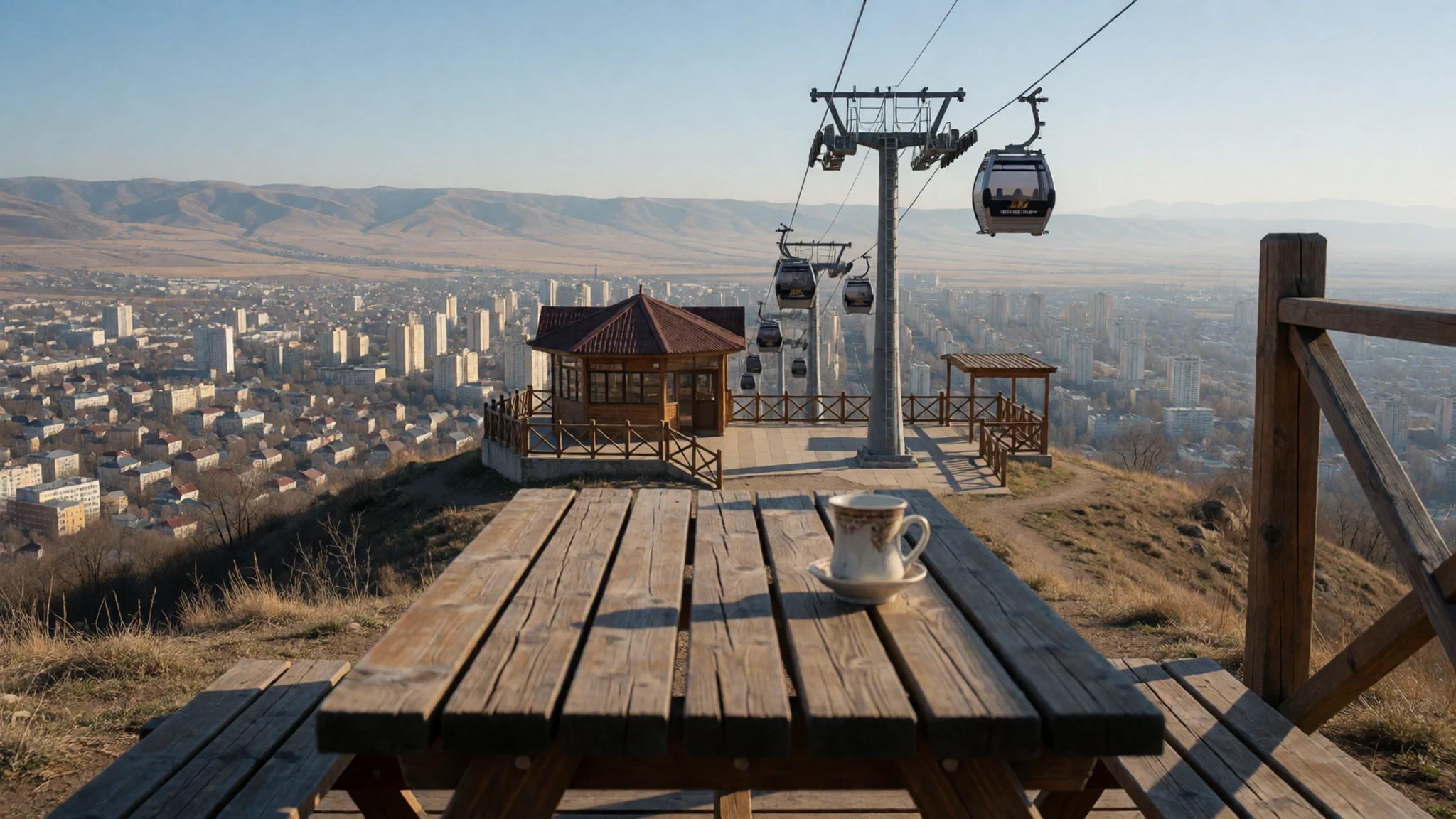
Culture
Almaty is often described as the country's cultural capital, and it earned that reputation through its theatres, galleries and music. The Abai Kazakh State Opera and Ballet Theatre has anchored the city's stage life for generations, and the Kasteyev State Museum of Arts holds a major collection of Kazakh painting, both classic and contemporary. The city also has a strong intellectual tradition, shaped by its Silk Road past and by the many writers and scholars who were sent here during the Soviet years.
Daily life is relaxed and outward-looking. Cafés spill onto the pavements, families walk in the parks in the evenings, and younger residents mix Russian and Kazakh freely in conversation. Russian is widely spoken, and Kazakh is used more in public signs and official settings, so a few words of either language are welcome. Tipping is not expected in cafés, though rounding up in a sit-down restaurant is common. Public spaces are generally quiet in the early morning, and the city is busiest on weekend evenings in the centre.
In religious buildings, cover your shoulders and knees, and remove your hat before entering any cathedral or mosque.
What to wear
Traditional Kazakh dress came from a nomadic and pastoral life, so it was built for riding and for cold steppe winters. The most recognisable garment is the chapan, a long, loose robe often made of thick cloth and worn over other layers. Men and women wore felt hats, and the tymak is the fur-edged hat worn in winter. Felt, known as kiiz, was used for carpets and for the yurt walls, and embroidery in bright geometric patterns decorated clothing, saddles and household textiles. Festive dress, especially at weddings and national holidays, still draws on these materials and motifs.
Day to day, people in Almaty dress much like Europeans in a mid-sized capital. Dark coats and boots dominate in winter, with smart jackets and dresses for the office and the theatre. Young people wear sportswear and trainers, and the mountain climate means many carry a light fleece or a windproof jacket. Traditional clothing appears at cultural events and some family occasions, rather than on the street.
For a visit, dress in layers. Spring and autumn can swing between warm afternoons and cold evenings, and the hills are windier and cooler than the centre. Wear shoes with decent grip for steep pavements and gravel paths, and dress modestly for religious sites, with covered shoulders and knees and a scarf for women visiting a mosque.
What to eat
- Shashlik — Cheap Kazakh eateries and grill stands near the bazaars
Grilled skewers of meat, usually lamb or beef, are the everyday staple of Kazakh food. They are cheap, filling and often served with bread, onion and a tangy sauce. Look for them at the simple Kazakh eateries that are plentiful across the city, and at grill stands near the bazaars.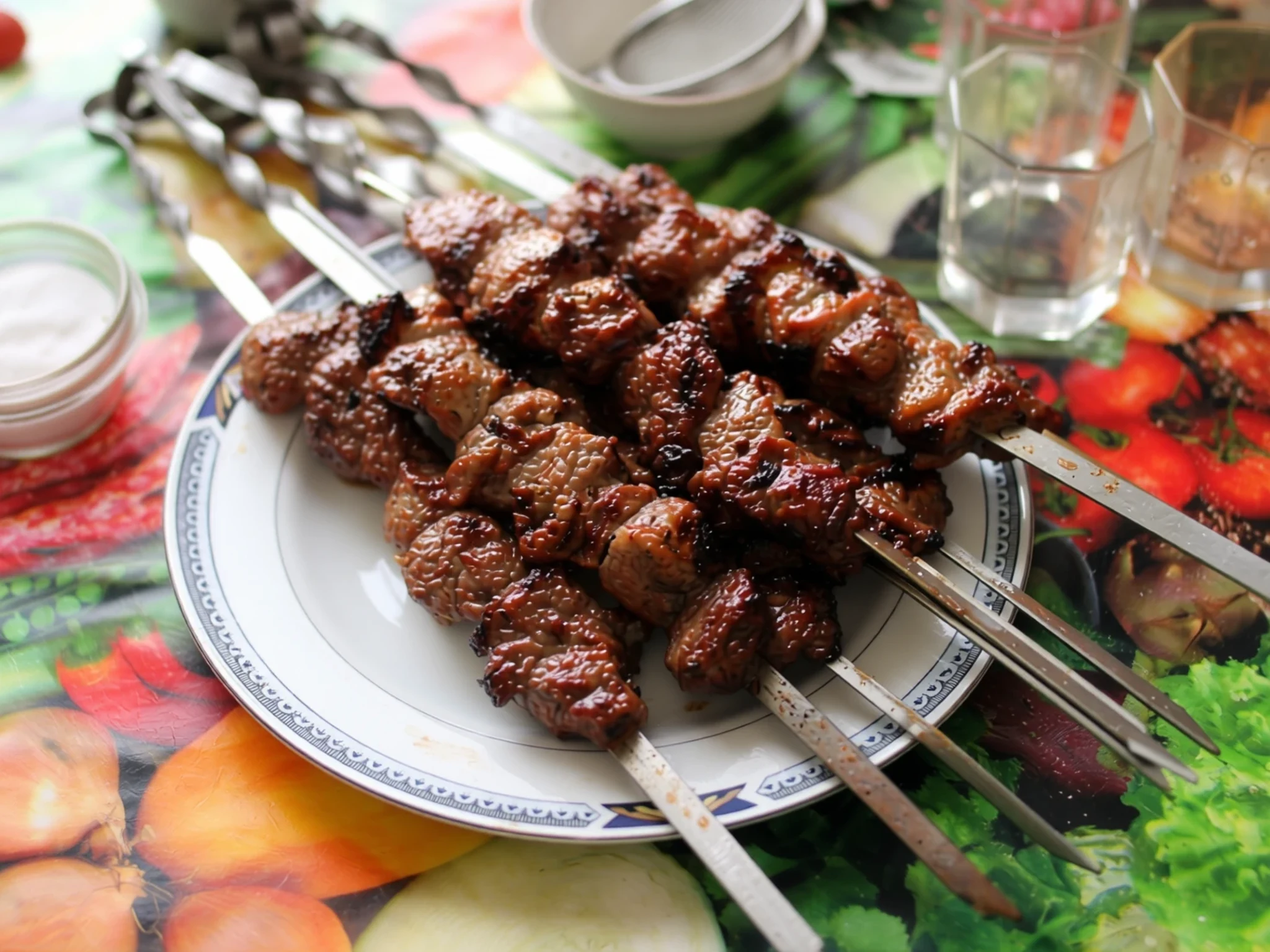
- Horse meat — Sit-down canteens and steakhouses in the centre
Horse meat is a local speciality and appears on several menus in the city. It is a good choice if you want to try something distinctly Kazakh, although it is not to everyone's taste. The sit-down canteens and steakhouses in the centre usually list it clearly, so you can decide before you order.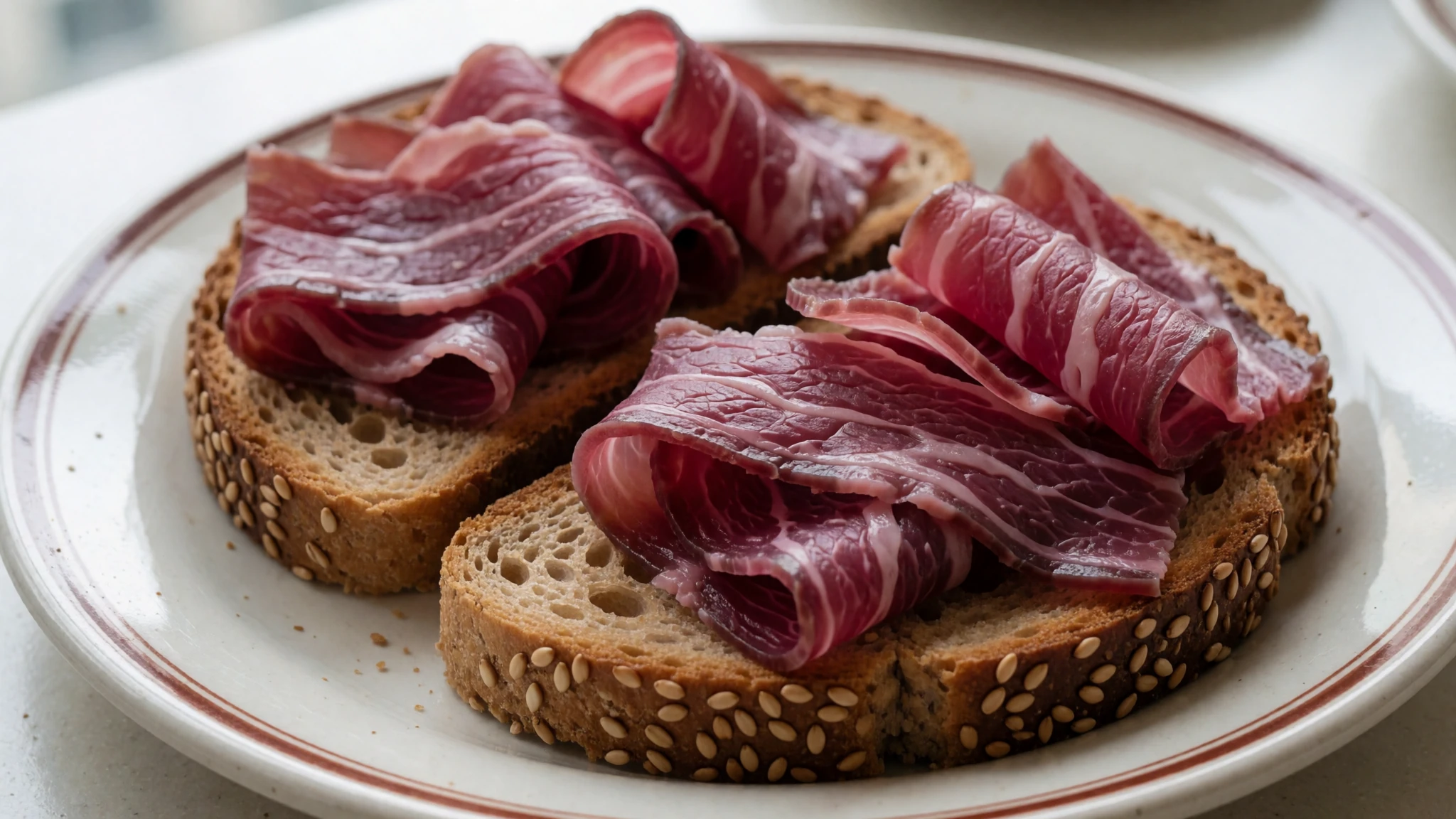
- Kebab burger — Fast-food counters and kiosks along the main avenues
Burgers are a popular fast food in Almaty, and the local version often uses sliced kebab meat on a plain bun with pickles and a garlic sauce. It is a quick, inexpensive lunch and reflects the city's taste for grilled meat in a casual setting. - Uzbek dishes — Uzbek restaurants in the central districts
Almaty has a strong Uzbek community, and Uzbek restaurants serve hearty rice, meat and bread dishes, often with live music in the evenings. The atmosphere is lively and the portions are generous, so it suits a group meal on a cold night. - Tofu and vegetable dishes — Chinese eateries around the centre
Chinese eateries in the city serve large portions and plenty of meat-free options, including tofu and stir-fried vegetables. They are good value and a useful break from meat-heavy menus. - Pizza and Indian food — Pizza chains and Indian restaurants in the centre
Chain pizzerias offer generous portions and vegetarian choices, and there are good Indian restaurants that serve reliable curries and tandoor breads. Both are easy options if you want a familiar meal without searching for a local place.
Plan it
Best time. April and May bring blossom, but they are the wettest months, with frequent rain and snow that can linger into late May, while September and October give clear skies and autumn colour. Summers are warm and sunny, with cooler evenings in the hills, and winters are cold and snowy, which suits skiing but makes the city feel hard going on foot.
How long. 2–3
Getting there. Almaty International Airport is the main arrival point. A bus stops just outside the terminal and takes about half an hour into the centre, running through much of the day. Taxis are available, but touts will insist the buses are not running, so check the timetable first. For trains and current schedules, check the official site at almaty.kz.
Budget. mid
Tips
- Check the airport bus timetable before you arrive, since touts at arrivals may tell you it has stopped
- Go up to the hills early in the day for clearer views and smaller crowds
- Carry some cash for small cafés and markets, though cards are widely accepted in the centre
- Drink plenty of water, especially when walking uphill at this altitude
- Book cathedral and theatre visits ahead on the official site, and check opening times before you go
Etiquette
- Remove your hat and cover your shoulders and knees in cathedrals and mosques
- Ask before photographing people, especially at prayer or during services
- Keep voices low inside churches and the mosque
Nearby
Sources
- Wikidata Q35493 (CC0)
- Wikipedia (rev 1382884675) (CC BY-SA 4.0)
- Wikivoyage (rev 5386046) (CC BY-SA 4.0)
- Photo 13 Кок-Тюбе: Алма-Ата, Marat Rysbekov (CC BY-SA 4.0)
- Photo Almaty skyline from Kök Töbe, Dauren Nabijan (CC0)
- Photo Almaty Museum of Arts, Dauren Nabijan (CC0 1.0)
- Photo Ascension Cathedral, Kalpak Travel (CC BY 2.5)
- Photo Panfilov Street, Kalpak Travel (CC BY 2.5)
- Photo Medeu regional nature park, Roman Check (CC BY-SA 4.0)
- Photo Central Botanical Garden pond, Dauren Nabijan (CC0 1.0)
- Photo Nurly Tau business centre, Dauren Nabijan (CC0)


