Kekova
Kekova, Turkey
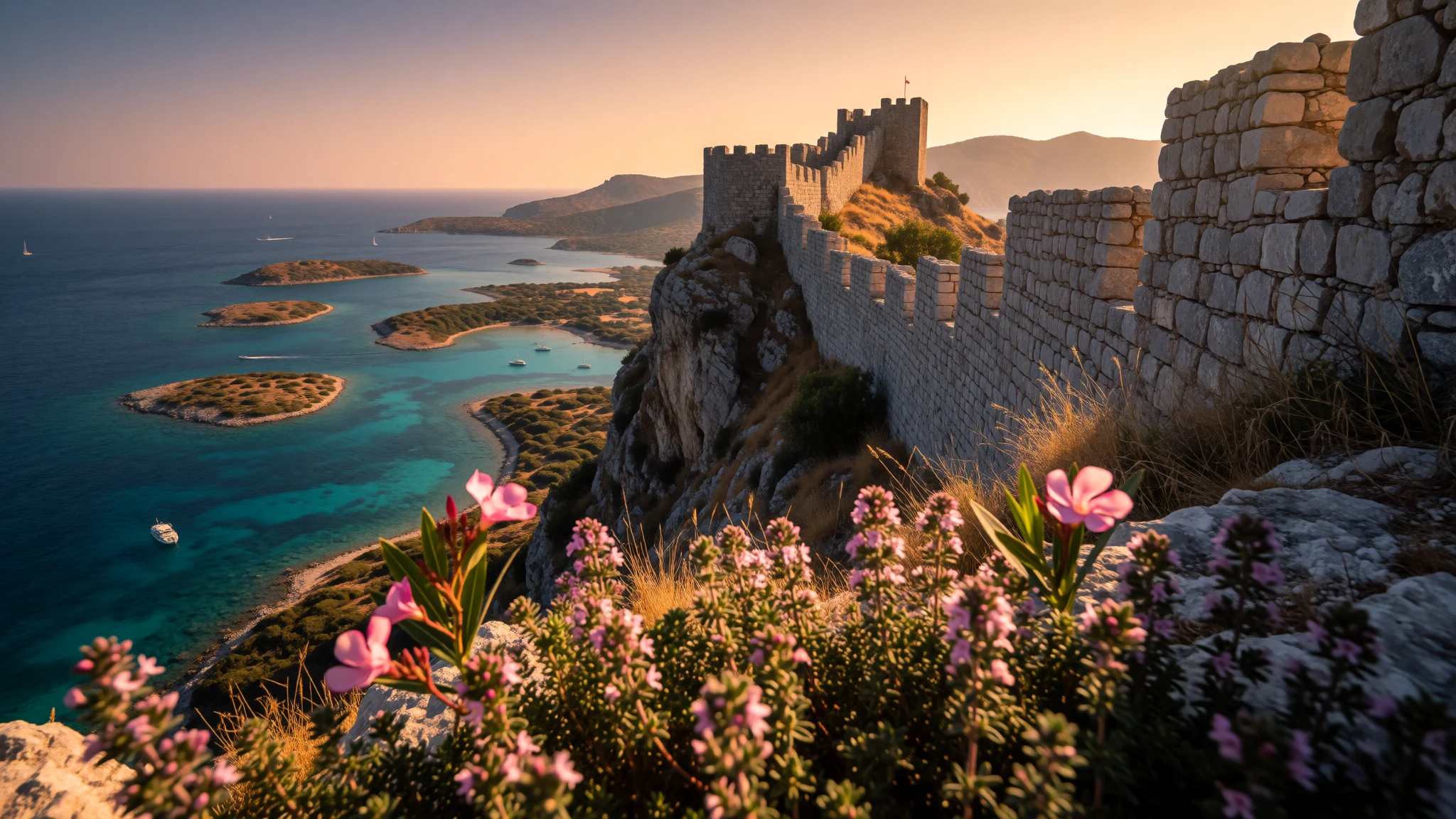
Kekova is a quiet stretch of Turkish coast where ancient Lycian ruins slip beneath clear green water, best explored slowly by boat or kayak.
The place
Kekova is a long, low island off the Mediterranean coast of south-western Turkey, and the name is also used for the sheltered channel, the nearby bays and the string of small settlements around them. The island itself is uninhabited, a ridge of pale limestone and scrub that acts as a natural breakwater. Behind it, the water is calm, clear and often startlingly green, which is why boats of every size shelter here.
The human life is on the mainland shore. Kaleköy, on a steep hillside under a ruined fortress, can only be reached by boat or on foot, so it has no through traffic and a hushed, village feel. A short way west, Üçağız is a fishing hamlet with a waterfront of small restaurants and a jetty where excursion boats and kayaks set off. Further east the road reaches the town of Demre, known for the ancient city of Myra.
The landscape is the draw rather than any single monument. Rock-cut tombs stand on hillsides, Lycian sarcophagi sit half in the sea, and old stone walls and stairways disappear under the surface. Expect a gentle, unhurried place. In high summer it is hot, boats cluster in the best coves by midday, and the quietest hours are early morning and the evening, when the day-trip crowds have gone.
Its story
Kekova's story is that of Lycia, the ancient region of this coast, whose cities were built facing the sea. Settlements here, among them the places later known as Simena and Aperlae, lived from trade, fishing and coastal shipping, and left behind rock tombs and distinctive tall, pointed-lid sarcophagi that still define the skyline above the shore.
What makes Kekova unusual is what happened to its waterfront. This is an earthquake zone, and over the centuries the ground along the shore shifted and the sea level rose relative to the land. Streets, house foundations, harbour steps and quays that once stood at the water's edge were drowned. Today they lie in shallow water, close enough to the surface to be seen from a boat on a still, bright day.
Later centuries added new layers. Byzantine builders left churches and harbour structures, and the fortress above Kaleköy is a reminder that this coast needed defending. The island was recorded by the Ottoman navigator Piri Reis in his sailing book, a sign of how long mariners have used these sheltered waters as a safe anchorage.
Modern protection came because the submerged remains are fragile. The area is now managed as a protected zone, and swimming or diving over the main sunken ruins is restricted to prevent damage and looting. That is why the usual way to see them is from the deck of a boat or the seat of a sea kayak, moving slowly and looking down.
What to see
- Sunken ruins on Kekova island — North shore of Kekova island
The main submerged settlement lies along the northern shore of Kekova island. Foundations, steps and a slipway can be made out below the surface from a boat on calm, clear days. Swimming here is not allowed, so bring polarised sunglasses and patience, and go early for the best light.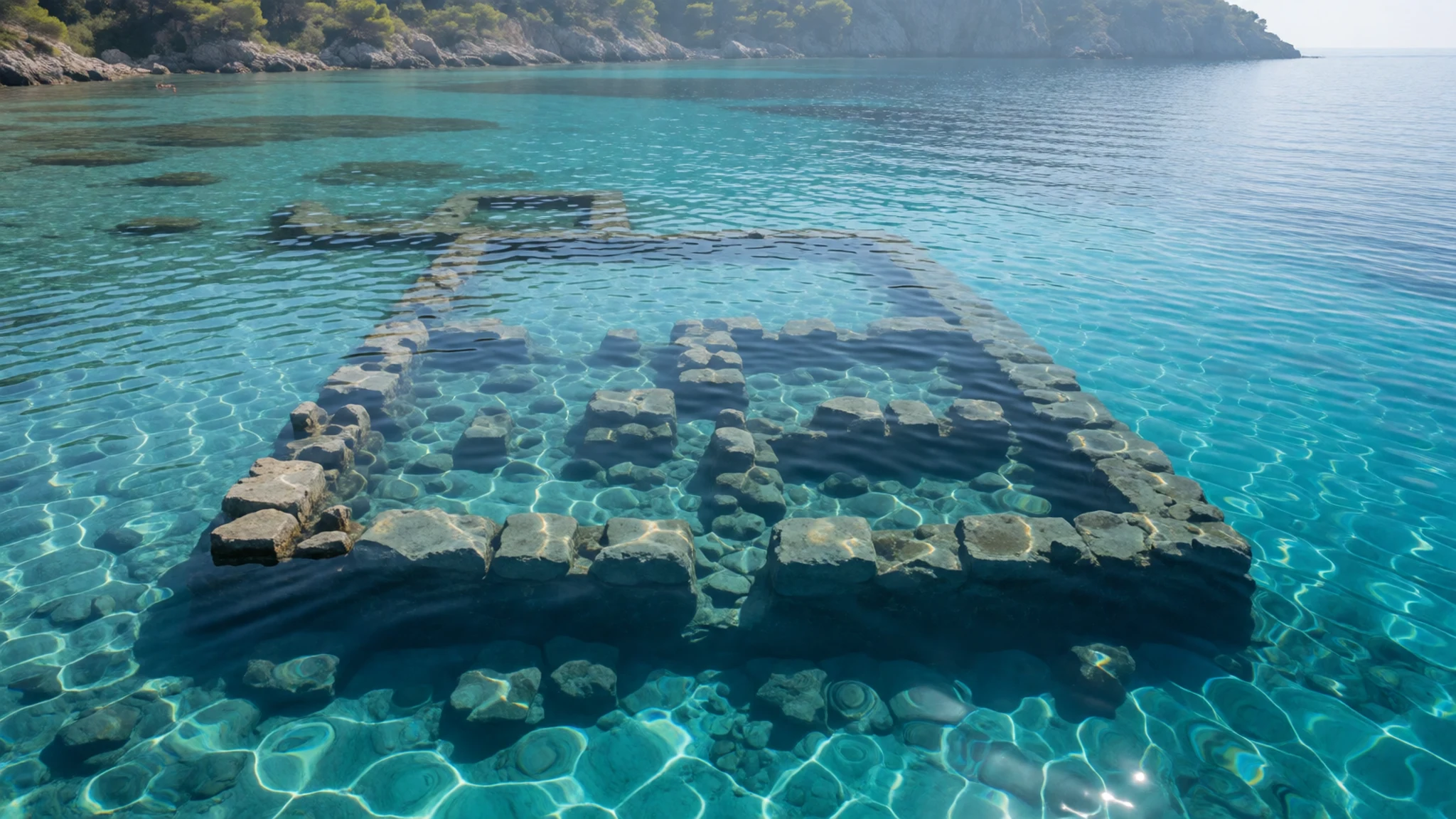
- Simena fortress and Kaleköy — Kaleköy (ancient Simena)
A steep path through Kaleköy village climbs to the fortress on the hilltop, a compact stronghold with a small rock-cut theatre inside. The reward is the view south over the channel and the island. Wear sturdy shoes, as the stones are uneven and slippery, and climb before the midday heat.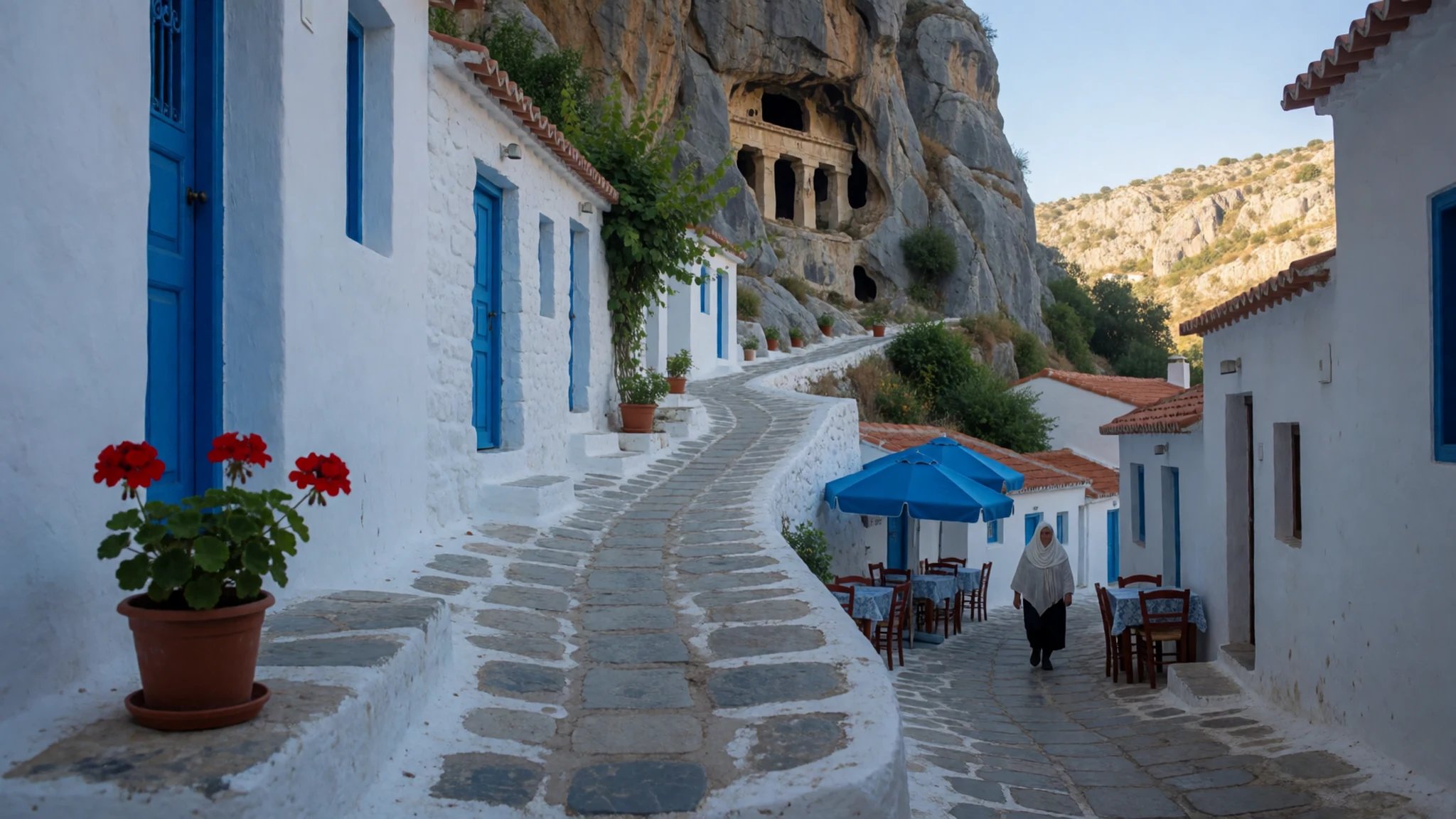
- Lycian sarcophagi at Kaleköy — Kaleköy waterfront
Several tall stone tombs stand at the water's edge below the village, one of them tilted and partly submerged, which makes a memorable photograph from a kayak or a small boat. Others dot the slope behind the houses. They are best seen in low morning light, when the sea is calm.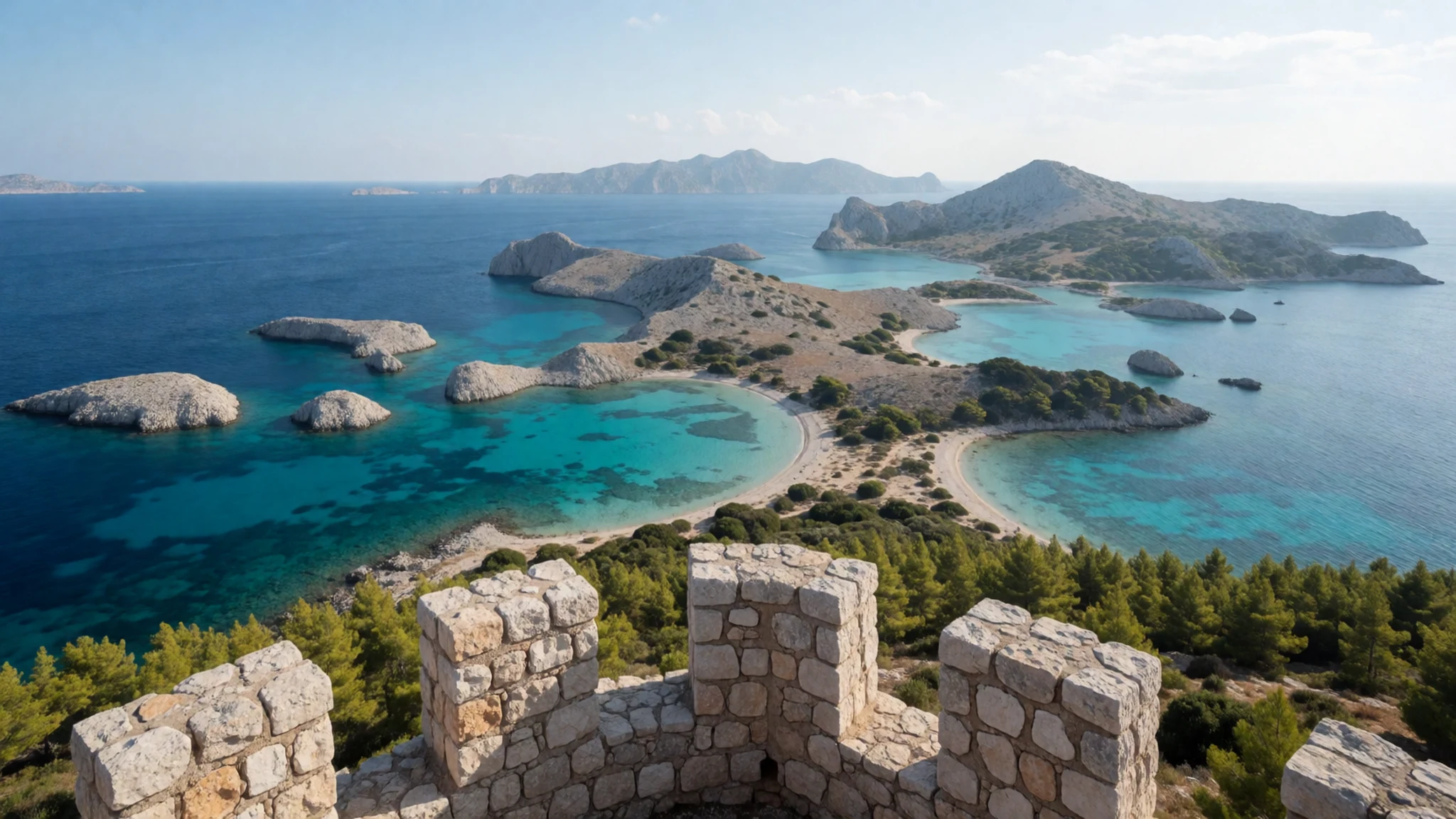
- Üçağız harbour and Teimiussa tombs — Üçağız
Üçağız is the practical base for boat trips and kayaks, and the village has rock tombs scattered through its lanes and on the shoreline. It is a pleasant place for a slow evening walk, when the harbour fills with fishing boats and the day visitors have left.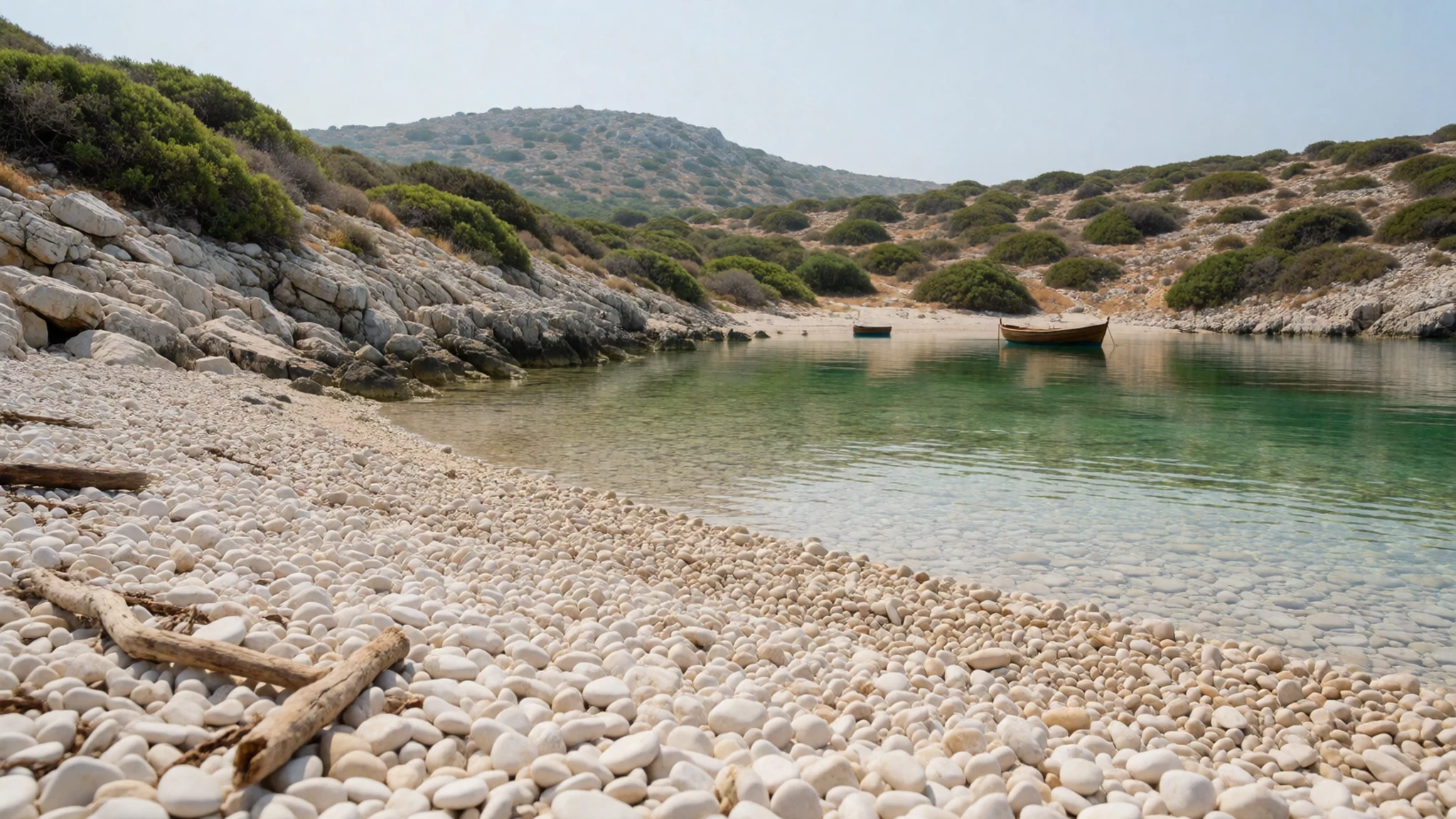
- Myra at Demre — Demre
The ancient city of Myra lies inland near Demre, with a large Roman theatre and Lycian rock tombs cut high into a cliff face. Nearby is the church associated with Saint Nicholas, a bishop of Myra. Check the official site for current opening arrangements and any restoration work.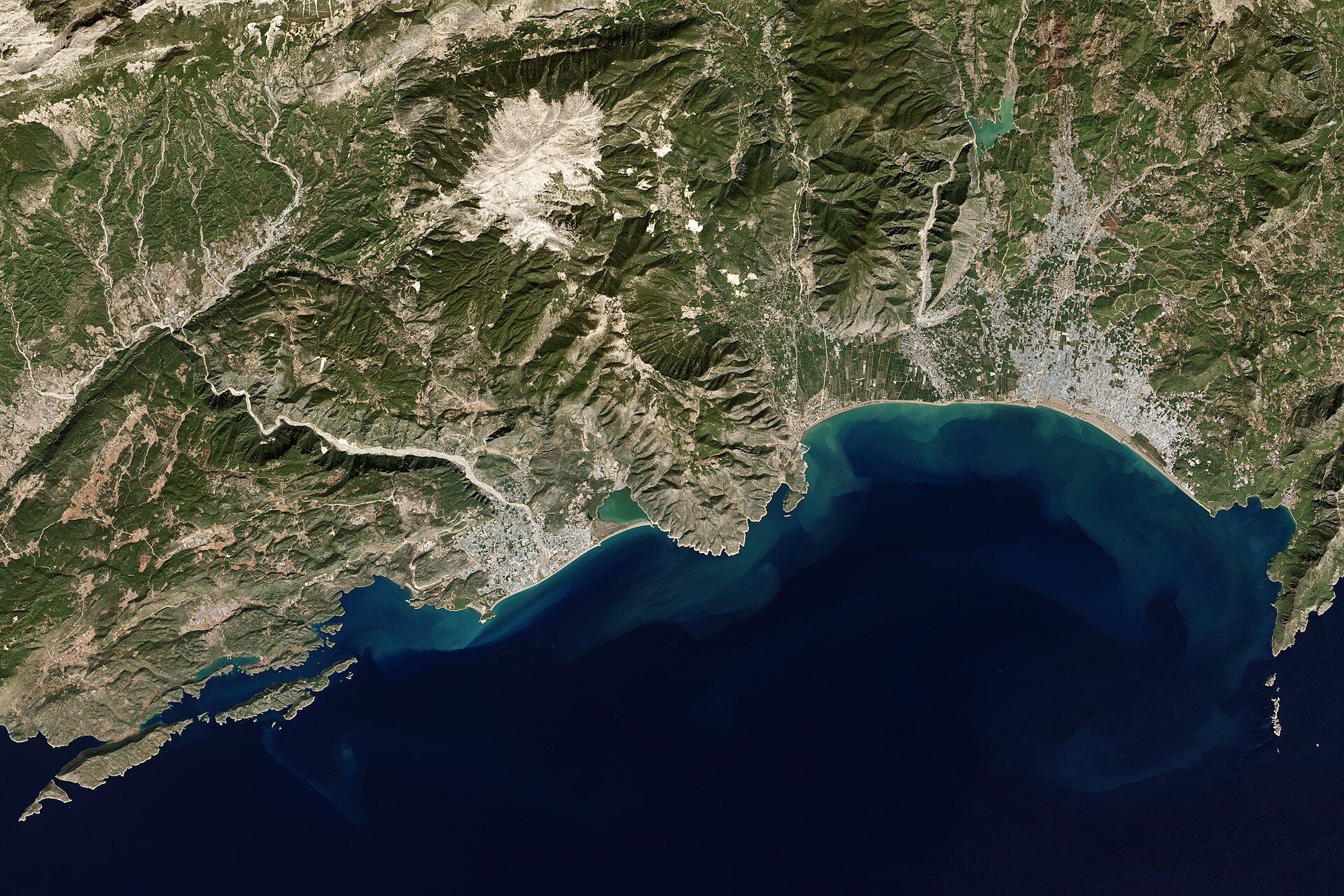
Culture
Kekova sits in Lycia, a region whose people left tombs and inscriptions in their own language, and that sense of an older, separate culture still shapes how locals talk about the coast. Day-to-day life now is Turkish and mostly rural: fishing, small-scale farming, citrus and olive groves, and a seasonal income from boat trips, guesthouses and waterfront restaurants.
The pace is set by the season. In summer, families from Kaleköy and Üçağız run boats, pensions and small shops. In winter, many places close and the villages return to a quiet rhythm of fishing and tea. Hospitality is central, and a visitor is often offered tea, a bowl of olives or a chat about the weather before any business is discussed.
Local heritage is taken seriously. Boat captains know the rules on where to anchor and where not to, and the protected status of the ruins is explained freely. People are proud of the sarcophagi and the fortress, and like visitors to take an interest in them rather than only a quick photograph.
Friday prayers and religious holidays follow the wider Turkish calendar. During Ramadan, some eateries may keep shorter or different hours, and it is polite not to eat or drink conspicuously in front of someone who is fasting in a small village.
When the boat passes the sunken ruins, do not step on, climb or remove anything from the submerged walls, tombs or shoreline, and ask the captain before swimming anywhere near them.
What to wear
Kekova's traditional dress belongs to the wider Turkish Mediterranean and Taurus villages. Older women in the hills and villages still wear shalvar, loose gathered trousers, often in printed cotton, with a headscarf and a long tunic or cardigan on top. The textiles are cotton and wool, sometimes embroidered or edged with hand-made lace called oya. Such dress appears at weddings, local festivals, and in daily life among older villagers, rather than as costume for visitors.
What people actually wear now is practical and informal. Fishermen and boat crews are in shorts or work trousers, cotton shirts, caps and sandals. Younger people in Kaş and Demre dress much like anywhere in Turkey, in jeans, T-shirts and light summer clothes. Some women cover their hair, others do not, and both are ordinary sights in the same village.
For a visitor, the coast is hot and bright for much of the year. Lightweight cotton or linen, a wide-brimmed hat, sunglasses and high-factor sun cream are sensible. Swimwear is fine on the boat and at beaches, but bring a shirt or sarong for walking through the villages, where shoulders and knees are best covered. Sturdy shoes with a good grip are essential for the stony path up to the fortress, and water shoes help on rocky shores and when climbing out of kayaks. If visiting a mosque in Demre or elsewhere, women should carry a scarf and everyone should wear long trousers or a skirt below the knee.
What to eat
- Fresh grilled fish — Waterfront eateries at Üçağız and Kaleköy
Fish caught along this coast is grilled whole and served with salad, lemon and bread. Sea bream and sea bass are common choices. The waterfront eateries at Üçağız and Kaleköy serve it at tables almost on the quay, and it is worth asking what came in that morning.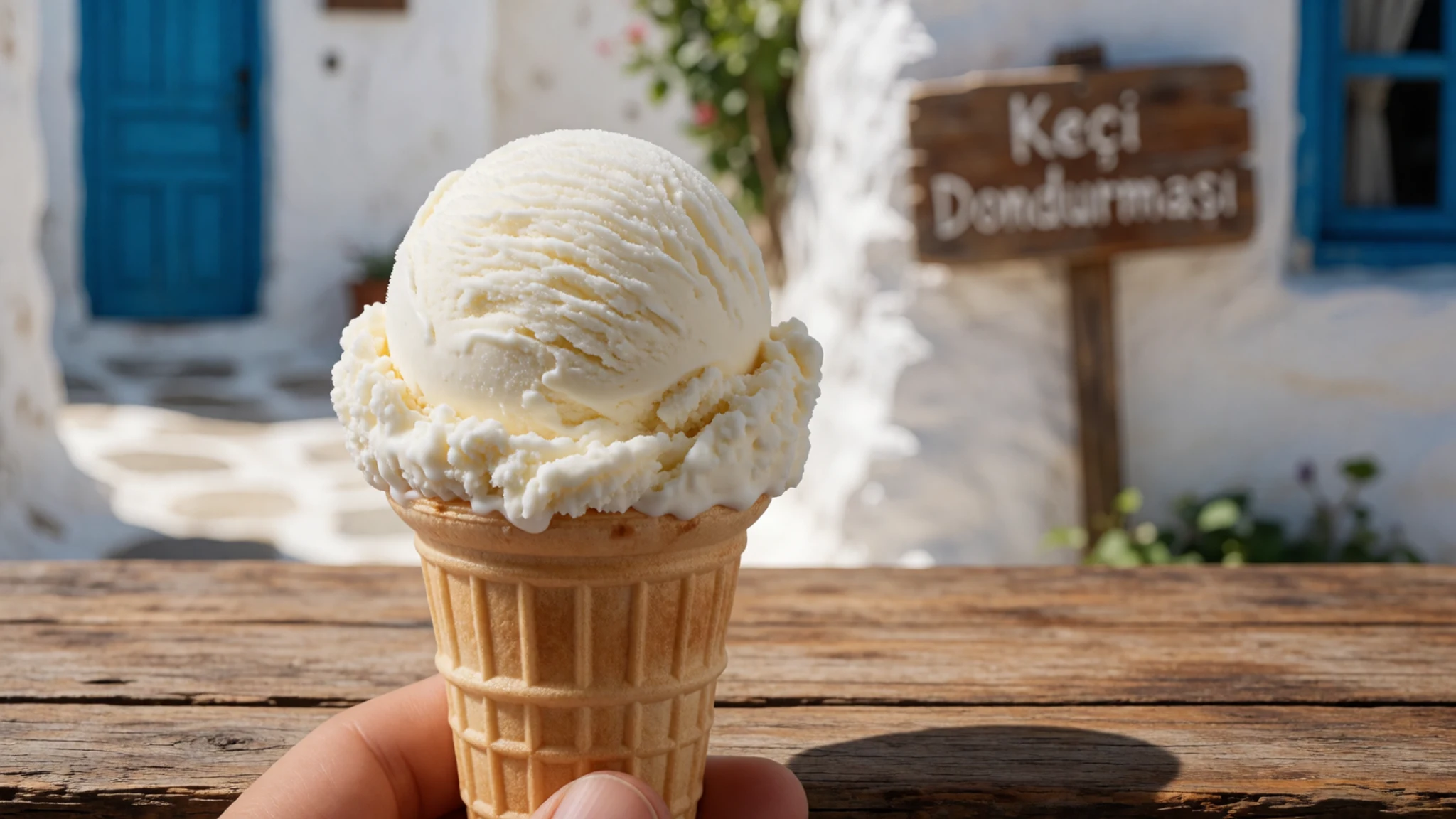
- Meze — Any restaurant along the harbour
A spread of small cold dishes opens most meals: yoghurt with garlic, aubergine, roasted pepper and tomato, stuffed vine leaves, and herbs dressed in olive oil. Order a few to share with bread. This is a good choice for vegetarians and for a long, unhurried lunch.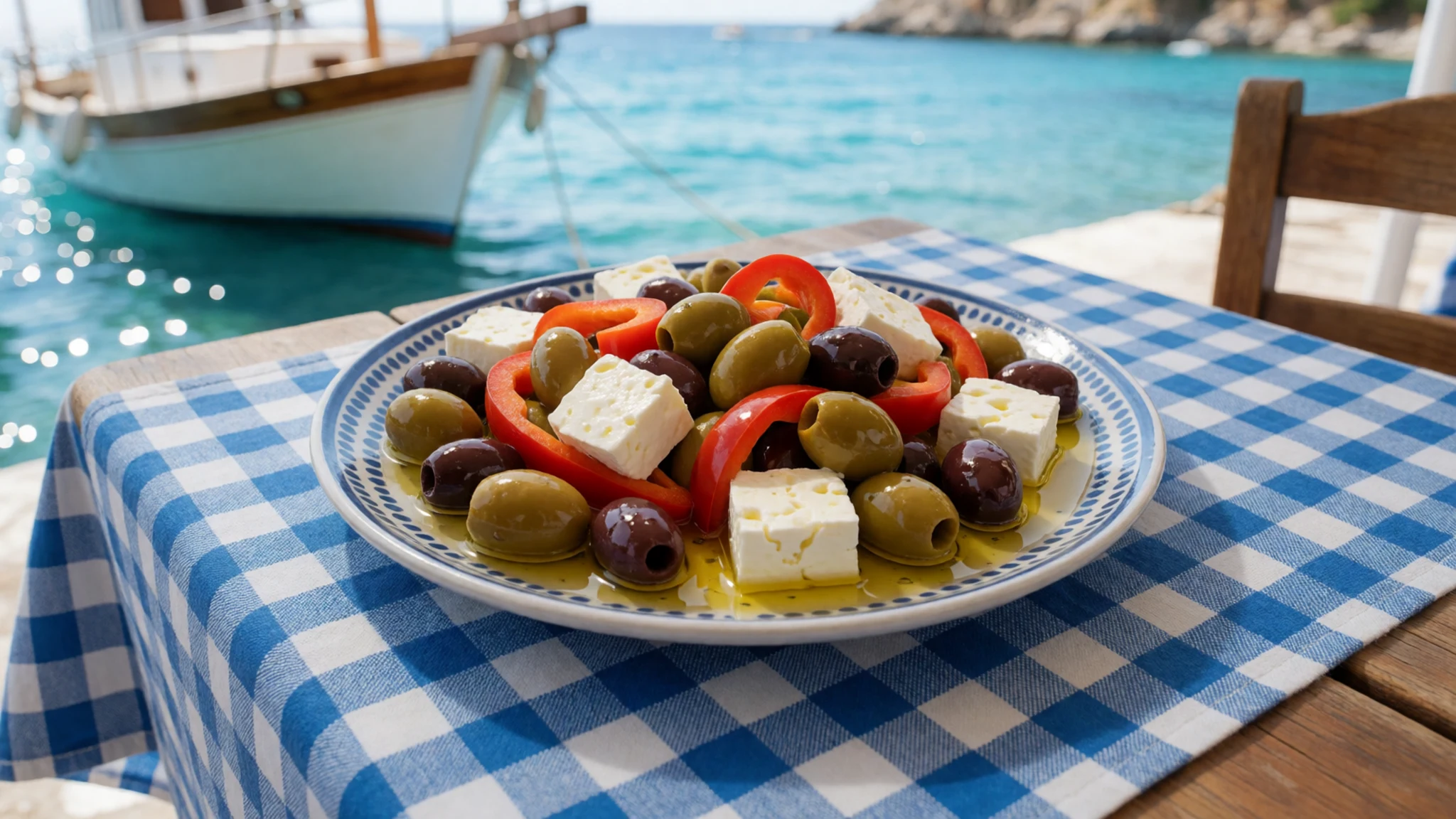
- Gözleme — Village stalls and roadside tents around Demre and Kaş
A thin hand-rolled flatbread filled with cheese, spinach or potato and cooked on a domed griddle, often by women working in view of the road. It makes a cheap, filling breakfast or snack before a day of walking or paddling. - Zeytinyağlı dishes — Family-run eateries and the weekly market in Demre
Vegetables such as green beans, artichokes and courgettes are slowly cooked in olive oil and served at room temperature. They reflect the Aegean and Mediterranean habit of eating well from the garden, and are especially good in spring and early summer. - Turkish tea and fresh orange juice — Harbour cafés and market stalls in Demre and Üçağız
Tea arrives in small tulip glasses at almost every stop, while the groves behind the coast supply oranges, pressed to order in warm months. Both suit a rest after the fortress climb or a morning on the water.
Plan it
Best time. April–June and October–November, when the sea is pleasant, the air is warm rather than fierce and boats are less crowded. July and August are hot and busy, while winter is mild but quieter, with some places shut.
How long. 2–3
Getting there. Fly to Antalya or Dalaman airport, then take a road transfer or bus towards Kaş and Demre. Üçağız is reached by road from the main coast highway, and Kaleköy only by boat or on foot from Üçağız.
Budget. mid
Tips
- Book boat or kayak trips in the morning, when the sea is calm and the light is clear.
- Carry some cash for small harbour eateries, boat captains and village stalls, as card machines can be unreliable.
- Bring a hat, sun cream and plenty of drinking water, because shade is scarce on the boat and on the fortress hill.
- Check the official site or ask locally about the opening arrangements of Myra and Saint Nicholas church before travelling to Demre.
- Stay overnight in Kaleköy or Üçağız if possible, to enjoy the quiet evenings after the day boats leave.
Etiquette
- Do not swim, anchor or climb on the protected submerged ruins, and follow your captain's instructions.
- Dress modestly when walking through villages and in any mosque, and carry a scarf for visits.
- Ask before photographing local people, especially women and children.
Nearby
Sources
- Wikidata (Kekova) (CC0)
- Wikipedia: Kekova (CC BY-SA 4.0)
- Wikivoyage: Kekova (CC BY-SA 4.0)
- Wikimedia Commons staged photographs (CC BY-SA 4.0 / CC BY 4.0 / CC BY 3.0 / public domain)