Karpathos
Karpathos, Greece
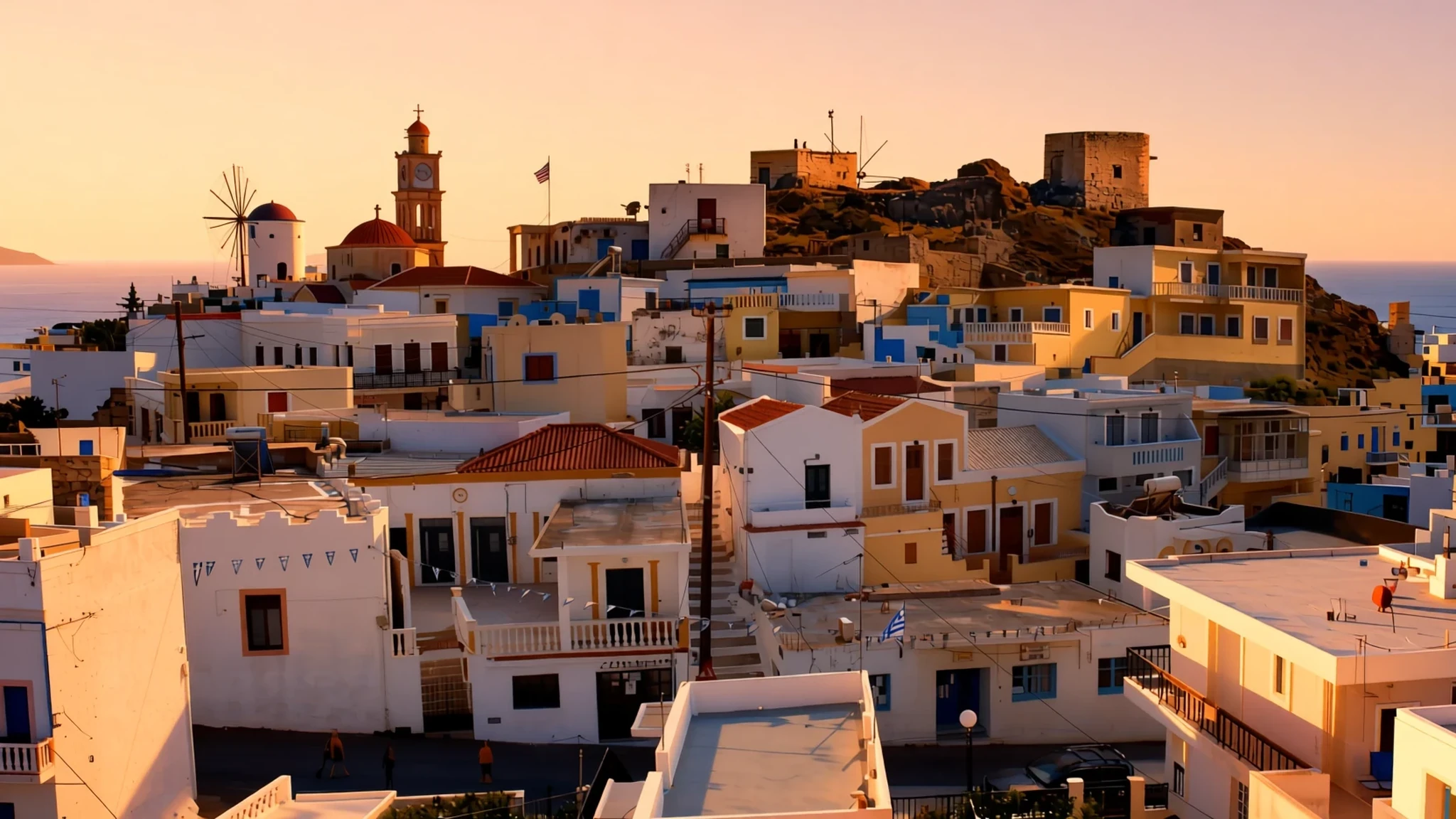
A remote Dodecanese island where Cretan traditions survive in the dialect, dress, and daily rhythm of its villages.
The place
Karpathos sits in the southeastern Aegean, roughly 47 kilometres southwest of Rhodes. It is the second-largest island in the Dodecanese group, with a highest point of 1,215 metres at Kali Limni. The island comprises 11 villages, with Pigadia serving as the capital and main port in the southeast. Because of its remote location, Karpathos has preserved peculiarities of dress, customs, and dialect that resemble those of Crete and Cyprus. The climate is hot semi-arid, with one of the mildest winters in Europe. The lowest recorded temperature was 2.2 °C. The sea is generally calmer on the south-west side, where sandy beaches are found, while the western coast can be rougher due to prevailing winds. The nearby island of Saria, once united with Karpathos, is now separated by a channel and preserves important antiquities. The island is divided into a coastal zone with the main ports and a mountainous interior with traditional villages like Olympos and Diafani in the north. Travel between the villages is often by local bus or car, as the roads wind through the hills. The atmosphere is less commercialised than nearby Rhodes, offering a slower pace of life. The dialect spoken here is distinct, and visitors often notice the strong Cretan influence in the food and social customs. The island is part of the regional unit Karpathos-Kasos, and its identity is deeply tied to its history as a port of call for ancient sailors.
Its story
Karpathos has been closely connected with Rhodes since ancient times. Homer mentions it in the Iliad as Krapathos, and Apollonius of Rhodes lists it as a port of call for the Argonauts. The island’s cities appear on the Delian League’s tribute lists. In 431 BCE, the Karpathians sided with Sparta in the Peloponnesian War, but they lost their independence to Rhodes in 400 BCE. Rome took control in 42 BCE, and after the division of the Roman Empire in 395 CE, it became part of the Byzantine Empire. In the 14th century, it was a see of the Latin Church. In 1304, the island was given as a fief to Genoese corsairs, but it fell to the Venetian Cornaro family in 1306. The Cornaro family ruled Karpathos until 1538, when control then passed to the Ottoman Turks. During the Greek War of Independence in 1821–1822, the island rebelled but fell back under Ottoman rule. The island’s history as a crossroads of empires is visible in its architecture and the mix of cultural influences. The Venetian period left a mark on the fortifications and the layout of the old town. The Ottoman period brought changes to the religious landscape, with the construction of mosques and the adaptation of churches. The island’s resilience is evident in its survival through various occupations and its continued identity as a distinct Greek island.
What to see
- Pigadia — Southeast coast
The capital and main port, Pigadia is a bustling town with a mix of modern and traditional architecture. It is the hub for ferries and local buses. The Basilika Agia Fotini is a notable landmark, with its white facade and blue dome. The town offers a range of tavernas and shops, and the harbour is a lively place to watch ferries arrive and depart. It is the best place to start exploring the island, with easy access to the southern beaches.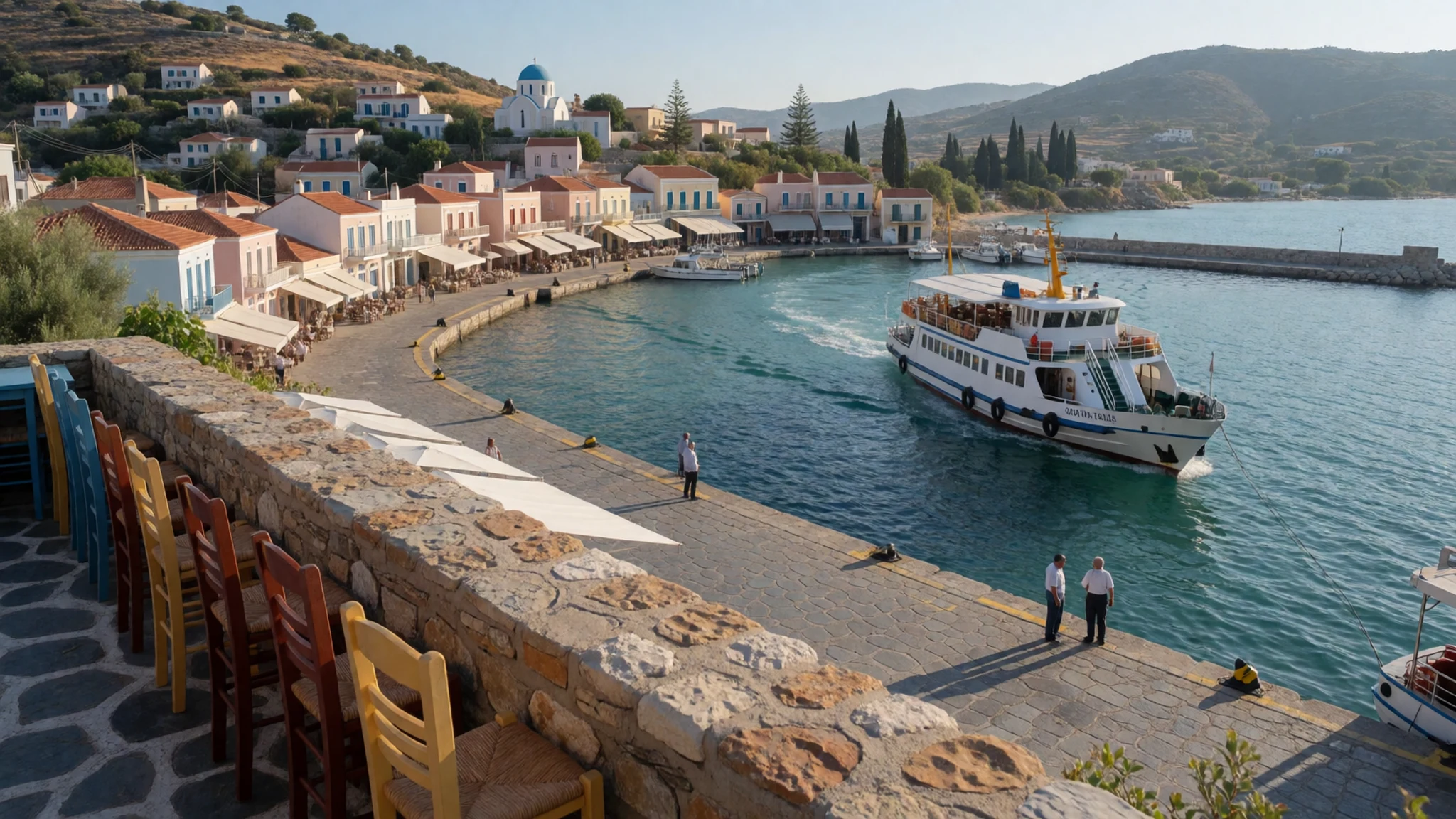
- Olympos — Northern coast
A traditional village in the north, Olympos is known for its whitewashed houses and narrow streets. It is a quieter alternative to Pigadia, with a more authentic feel. The church of Agios Nikolaos is a focal point, and the village offers a glimpse into the island’s Cretan-influenced culture. It is a good base for exploring the northern beaches and the surrounding hills. The atmosphere is relaxed, with fewer tourists than in the south.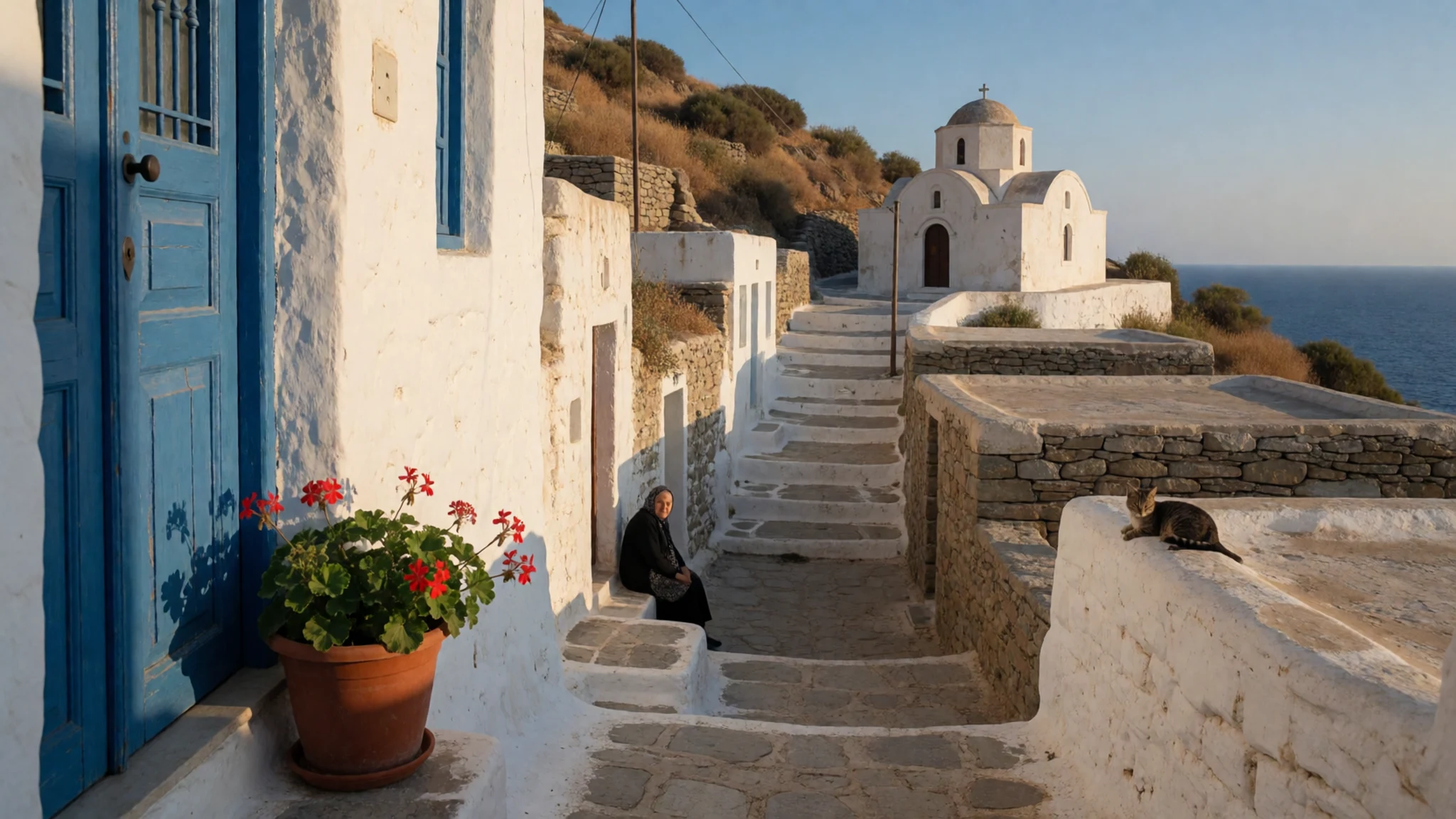
- Diafani — Northern coast
The second port of Karpathos, Diafani is a charming village with a small harbour and a promenade. It is a popular spot for windsurfing, with lessons available for beginners. The village has a more tourist-oriented feel than Olympos, but it retains a traditional character. The beaches near Diafani are sandy and calm, making them suitable for families. It is a good place to stay if you want to be close to the water and the action.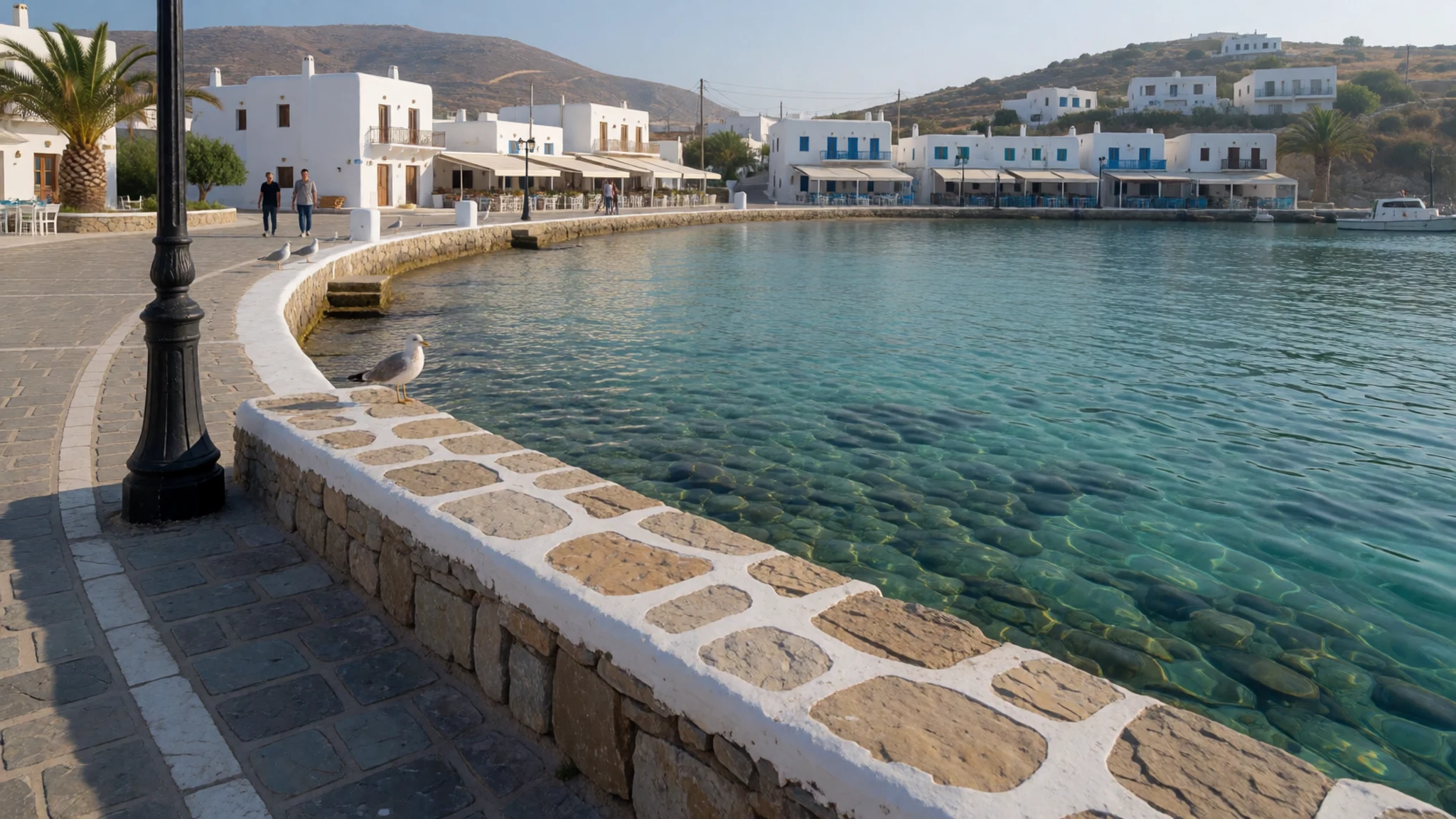
- Menetes — Southeast coast
A small village near Pigadia, Menetes is known for its traditional architecture and the Menetes Church. It is a quiet place with a strong sense of community. The village is a good place to experience the island’s slower pace of life, with fewer tourists and a more authentic atmosphere. The church is a notable landmark, and the village offers a glimpse into the island’s religious traditions. It is a good place to stay if you want to be close to the capital but in a quieter setting.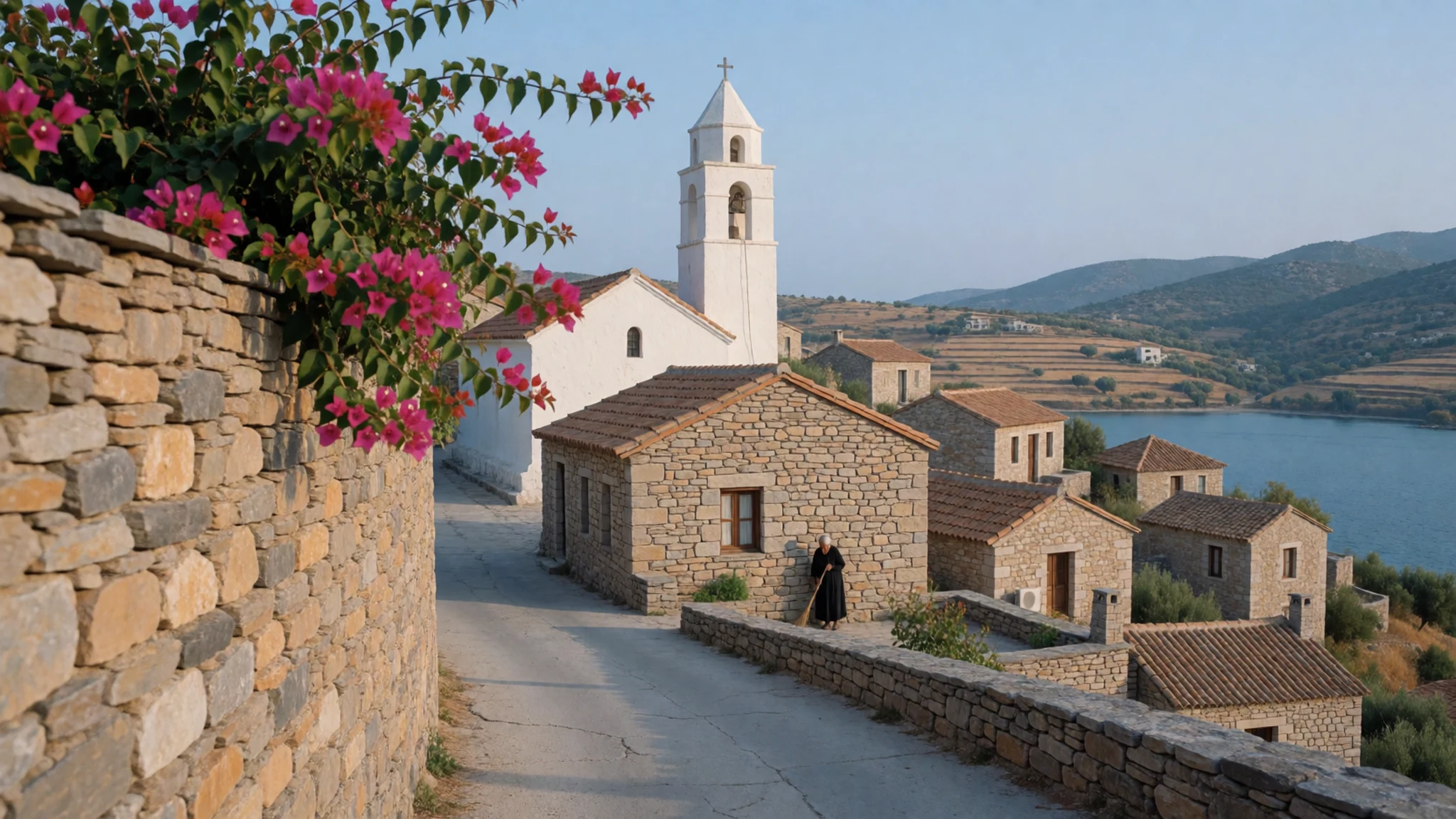
- Saria — Off the coast
A small island off the coast of Karpathos, Saria is known for its ancient ruins and quiet beaches. It is a good place for a day trip, with easy access by boat from Pigadia. The island has a rich history, with remains from the ancient and medieval periods. The beaches are calm and sandy, making them suitable for swimming and sunbathing. It is a good place to escape the crowds and enjoy the natural beauty of the island.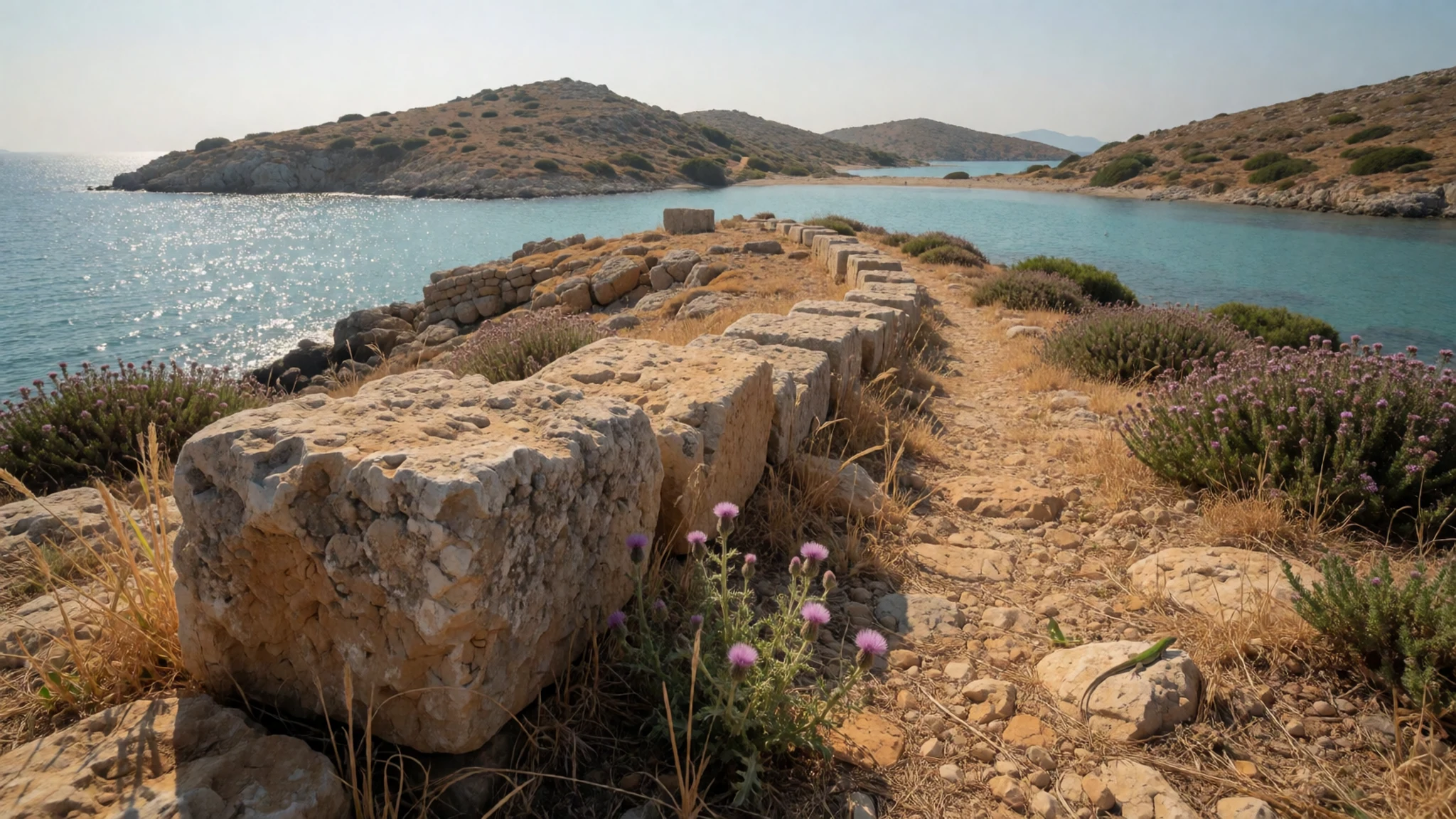
Culture
Karpathos has a strong Cretan influence, visible in its dialect, dress, and social customs. The island’s culture is deeply rooted in its history as a remote island in the Dodecanese. The traditional dress, known as the Karpathian costume, is still worn on special occasions, such as weddings and religious festivals. The costume features a white blouse, a black vest, and a long skirt, with intricate embroidery. The island’s music and dance are also influenced by Crete, with lively rhythms and energetic movements. The local dialect is a mix of Greek and Cretan, with unique words and phrases. The island’s religious traditions are strong, with many churches and monasteries. The Easter celebrations are particularly vibrant, with processions and feasts. The island’s culture is a blend of Greek, Cretan, and Venetian influences, reflecting its history as a crossroads of empires. Visitors should be respectful of the local customs and traditions, and should dress modestly when visiting churches and monasteries.
What to wear
The traditional Karpathian costume is a distinct part of the island’s cultural identity. It features a white blouse with intricate embroidery, a black vest, and a long skirt, often with a sash. The costume is made from local textiles, such as wool and cotton, and is still worn on special occasions, such as weddings and religious festivals. In everyday life, people wear modern clothing, with a mix of casual and traditional elements. The island’s climate is hot and dry, so light and breathable fabrics are preferred. Visitors should wear comfortable shoes for walking on the uneven terrain, and should bring a hat and sunscreen for the sun. When visiting churches and monasteries, it is advisable to dress modestly, covering the shoulders and knees. The island’s fashion is a blend of traditional and modern influences, reflecting its unique cultural identity.
What to eat
- Makarounes — Local tavernas
A traditional pasta dish, makarounes is made with hand-rolled pasta, herbs, and cheese. It is a hearty and flavorful dish, often served with a salad. The pasta is fresh and has a unique texture, and the herbs add a fresh and aromatic touch. It is a popular dish in local tavernas, and is a good choice for lunch or dinner.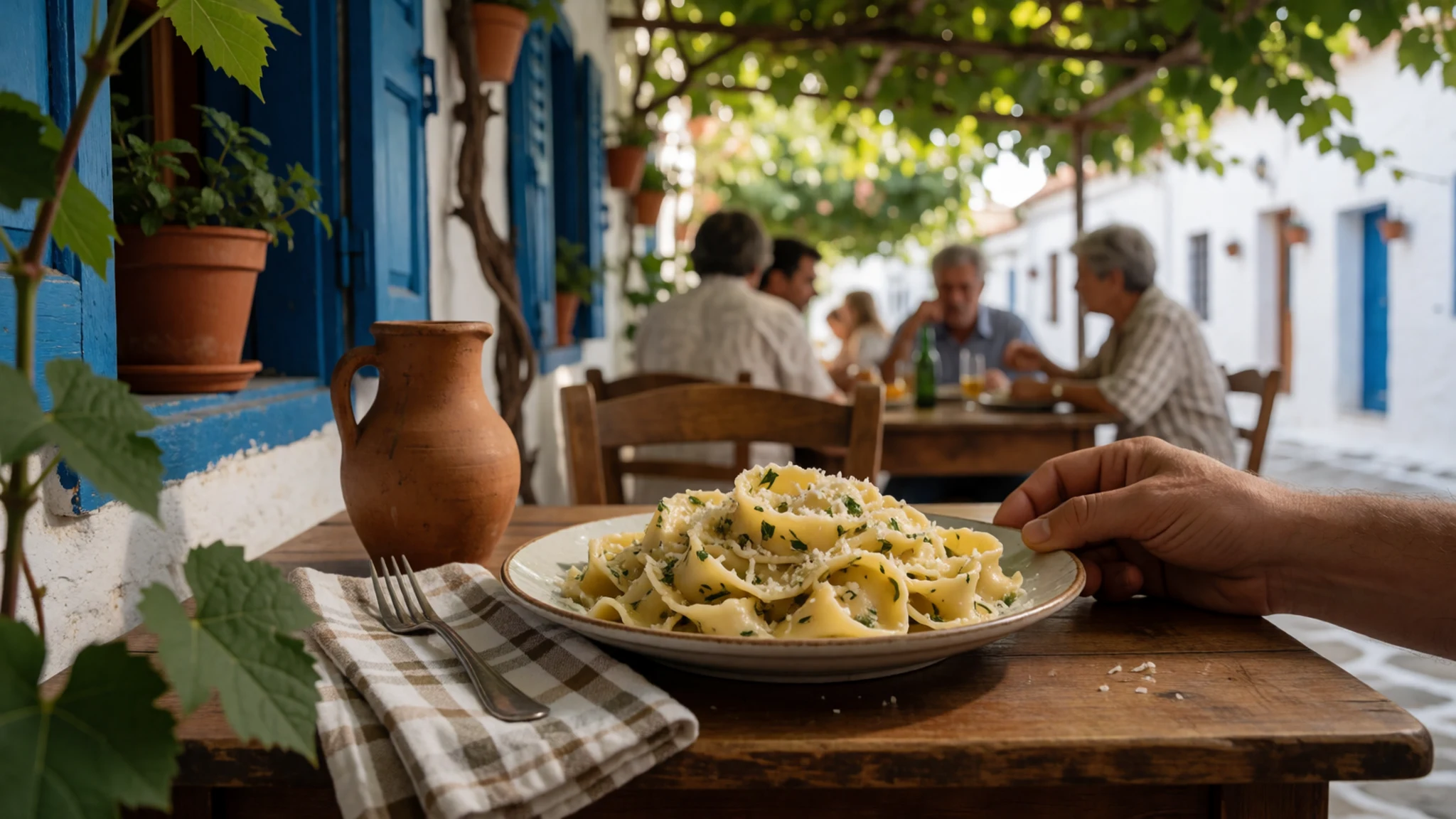
- Tzatziki — Local tavernas
A popular Greek dish, tzatziki is made with yogurt, cucumber, garlic, and olive oil. It is a refreshing and light dish, often served as a dip or a side. The yogurt is thick and creamy, and the cucumber adds a crisp and cool element. It is a staple of the local cuisine, and is a good choice for a summer meal.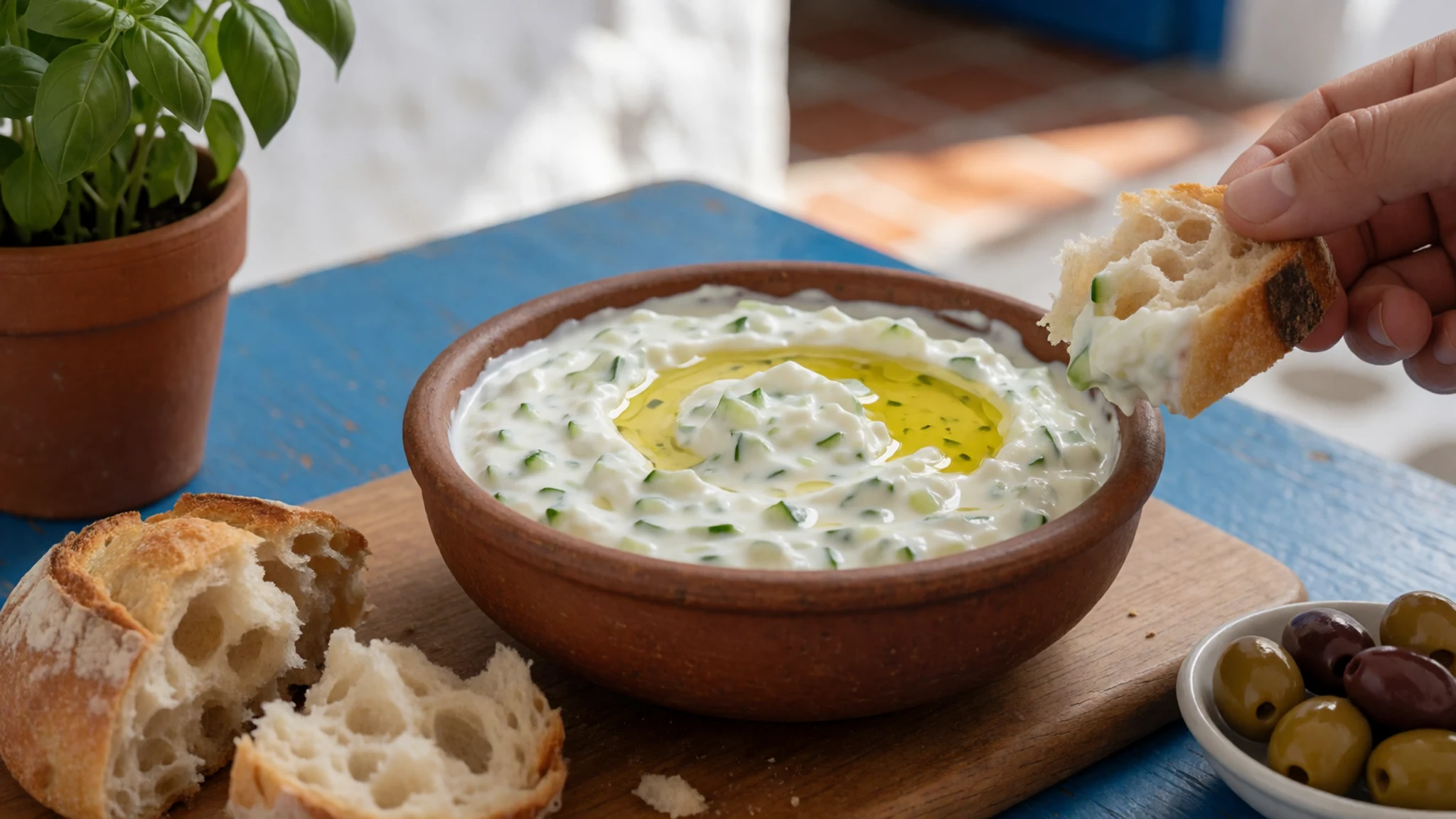
- Souvlaki — Street vendors and tavernas
A classic Greek dish, souvlaki is made with grilled meat, usually pork or chicken, and served in pita bread with tzatziki and salad. The meat is marinated in herbs and spices, and is grilled to perfection. It is a popular street food, and is a good choice for a quick and tasty meal. The pita bread is soft and fluffy, and the tzatziki adds a cool and creamy contrast. - Ouzo — Tavernas and bars
A traditional Greek spirit, ouzo is made with anise and other herbs. It is a clear and refreshing drink, often served with a small glass of water. The anise gives it a distinct flavor, and the water turns it cloudy. It is a popular aperitif, and is a good choice for a nightcap. The local producers make high-quality ouzo, and it is a great addition to any meal. - Fresh Fish — Harbour-side tavernas
The island’s location in the Aegean makes fresh fish a staple of the local cuisine. The fish is usually grilled or baked, and is served with a side of potatoes and salad. The flavors are simple and fresh, and the fish is always of high quality. It is a popular dish in local tavernas, and is a good choice for a light and healthy meal. The fish is often caught locally, and is a great way to experience the island’s maritime culture.
Plan it
Best time. April–May and September–October for mild weather and fewer crowds; July–August is hot and busy.
How long. 3–4
Getting there. Fly into Karpathos National Airport (AOK) for domestic flights from Athens or Rhodes, or take a ferry from Piraeus, Crete, or Rhodes.
Budget. mid
Tips
- Rent a car or ATV to explore the villages and beaches
- Book accommodation in advance for the peak season
- Carry cash for small shops and tavernas
- Check ferry timetables in advance, as they can change
Etiquette
- Dress modestly when visiting churches and monasteries
- Ask permission before photographing people
- Respect local customs and traditions
Nearby
Sources
- Wikidata Q204757 (CC0)
- Wikipedia (rev 1379712442) (CC BY-SA 4.0)
- Wikivoyage (rev 5214959) (CC BY-SA 4.0)