Justiniana Prima
Justiniana Prima, Serbia
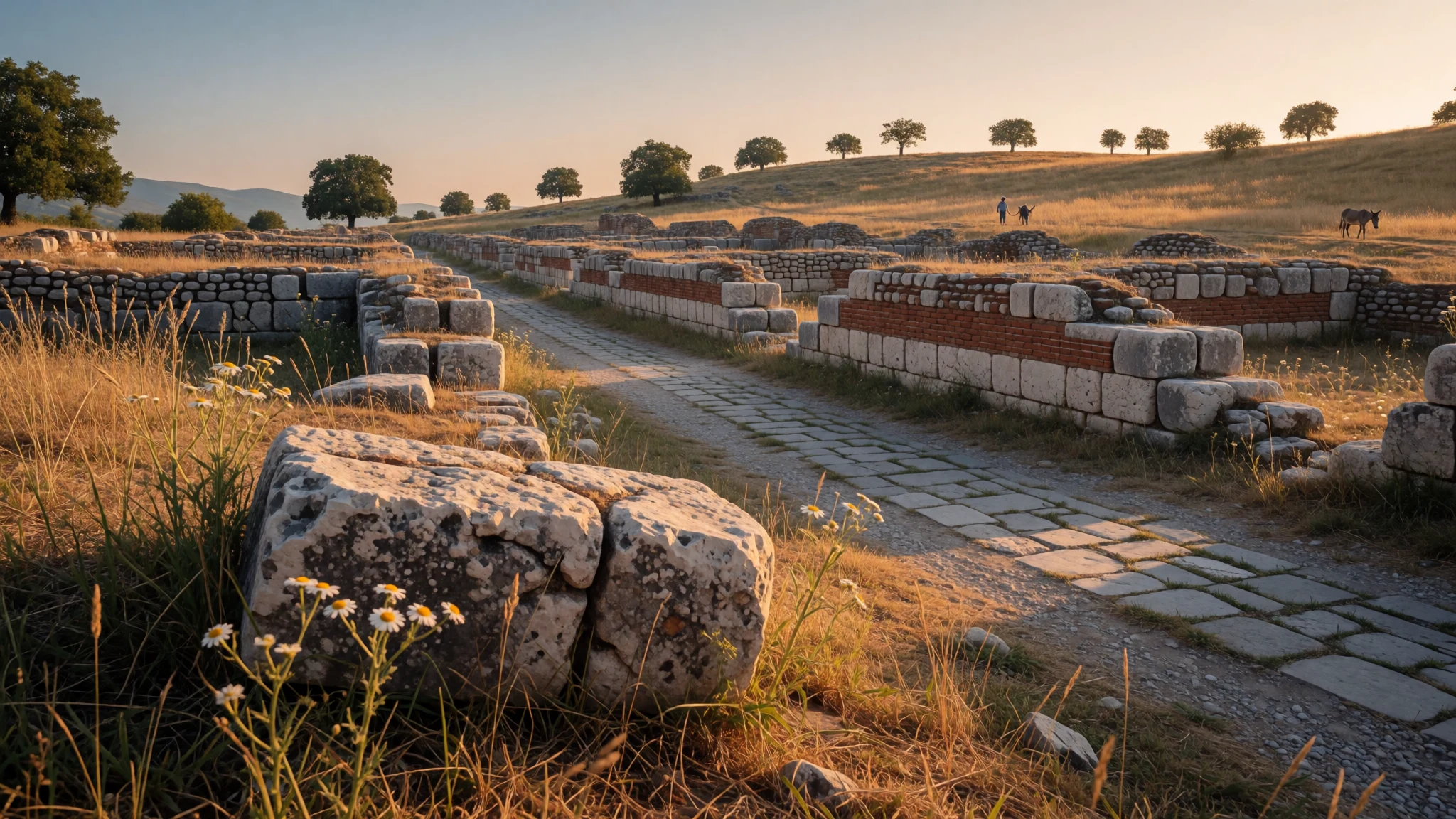
Justiniana Prima is an emperor's abandoned showpiece city in southern Serbia, where quiet hillside ruins show how a planned capital rose and vanished.
The place
Justiniana Prima lies in the hills near Lebane, in the Leskovac region of southern Serbia, on the site that Serbians today call Caričin Grad. It is an archaeological site rather than a town: grass, stone footings, broken columns and the outlines of streets laid across a gentle slope. Nobody lives inside the walls now, and the surroundings are farmland and small villages.
The city belonged to the Eastern Roman world, the empire usually called Byzantine, and existed from 535 to 615 CE. That is a short life for a city, and it shapes the visit. Nothing here is a living old quarter. What survives is a plan: a fortified upper town, a lower town, gates, churches, a baptistery, baths and a main street lined with columns, all readable at ground level.
Its Serbian name means roughly the Emperor's town, and its Latin name honours the ruler who founded it, Justinian I. In 1979 Serbia gave the site official protection as an archaeological site of exceptional importance. The Wikidata record lists it as both an archaeological site and an ancient city, which fits well.
The setting is rural and unhurried. Expect a few other visitors at most, birdsong, wind in the grass and long views over the surrounding valley. Facilities are modest, so the experience rewards patience and a little reading beforehand. Photographs from the air show the layout far better than any single viewpoint on the ground, but walking the lines of the old streets gives a sense of scale that pictures cannot. Lebane and Leskovac are the nearest towns for food, beds and onward transport, and Belgrade is the usual starting point for a trip from abroad.
Its story
Justiniana Prima was founded by Emperor Justinian I in 535, on the site of a remote village called Tauresium. Justinian is believed to have been born nearby, and the new city was a favour to his home district. Procopius, the court historian, wrote that the emperor also raised a small square fort with four corner towers close by, and that the city had an aqueduct, baths, fountains, marketplaces and many churches.
The city was meant to do real work. In 535 Justinian issued a law, Novel XI, that made its bishop an archbishop, independent of the archbishop of Thessalonica, who was a representative of the pope. That arrangement gave the city authority over a wide band of Balkan provinces, from the Adriatic hinterland to the Danube lands. Historians see it partly as a quarrel over who controlled the church in Illyricum.
The larger ambition did not quite come off. Justiniana Prima was originally meant to be capital of the Illyricum prefecture, but Thessaloniki was chosen instead, probably because the region sat so close to a vulnerable frontier. The city still kept its church standing, and a second law in 545 confirmed its rights. Letters between Justinian and Pope Gregory I near the end of the century show that its status was remembered.
Then the frontier caught up with it. The city was abandoned in 615, less than a century after its founding, and its stones lay quiet for centuries. Modern excavation has revealed how carefully it was planned, with classical streets and colonnades alongside a dense scatter of churches. That mixture of old Roman order and new Christian purpose is what makes a short-lived place so informative.
What to see
- The upper town and its walls — Caričin Grad, near Lebane
The fortified upper town at Justiniana Prima is the best place to start. Wall footings and the bases of towers still trace the defensive line, and the elevation gives views across the valley. Walking the perimeter shows how a compact citadel was meant to protect the churches and official buildings within.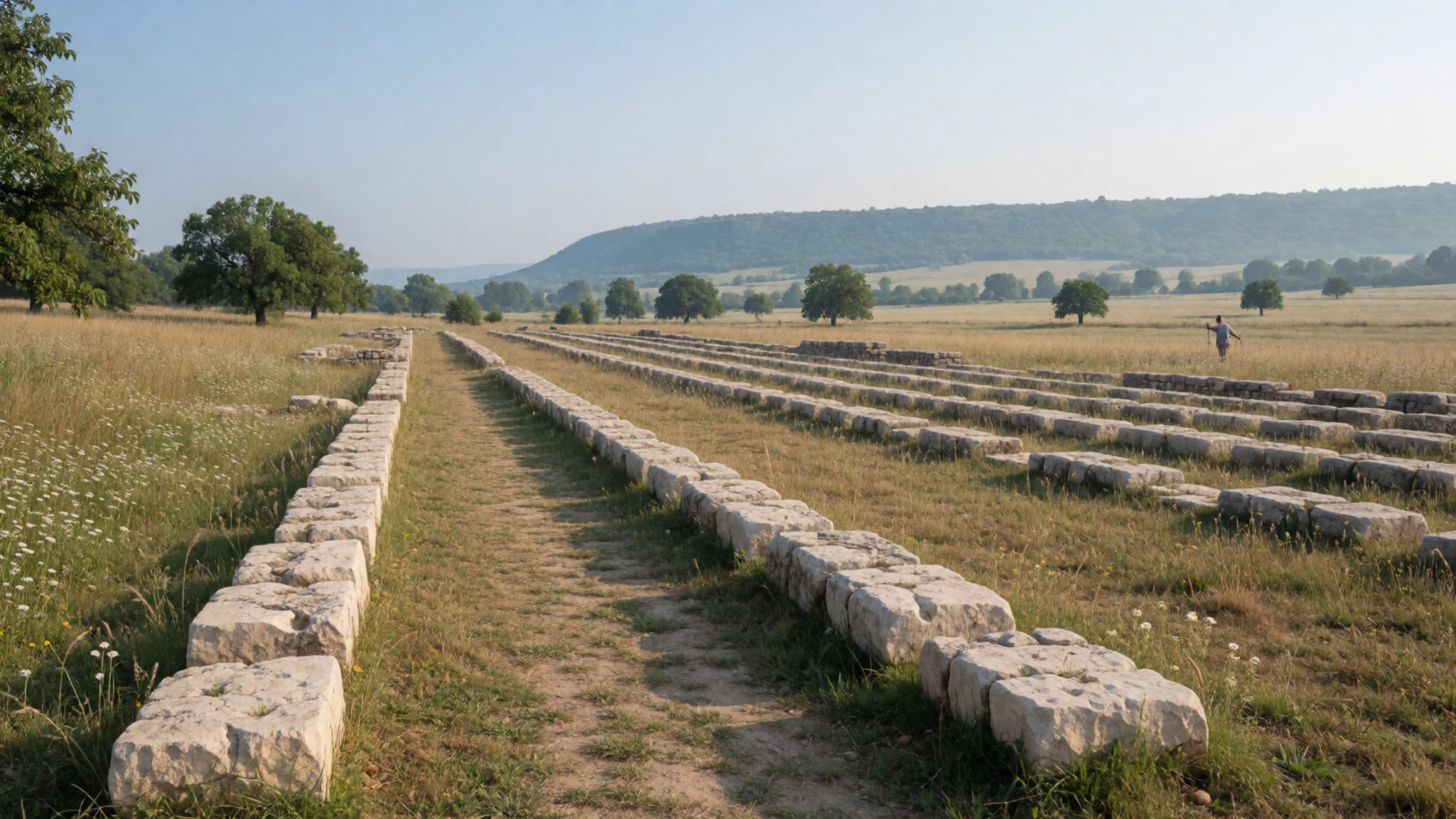
- The colonnaded main street — Lower town
The main street at Justiniana Prima once ran between rows of columns, with shops and public buildings on either side. Today it survives as a paved line with column bases and scattered stone. It is easy to follow on foot and helps explain how the whole city was organised.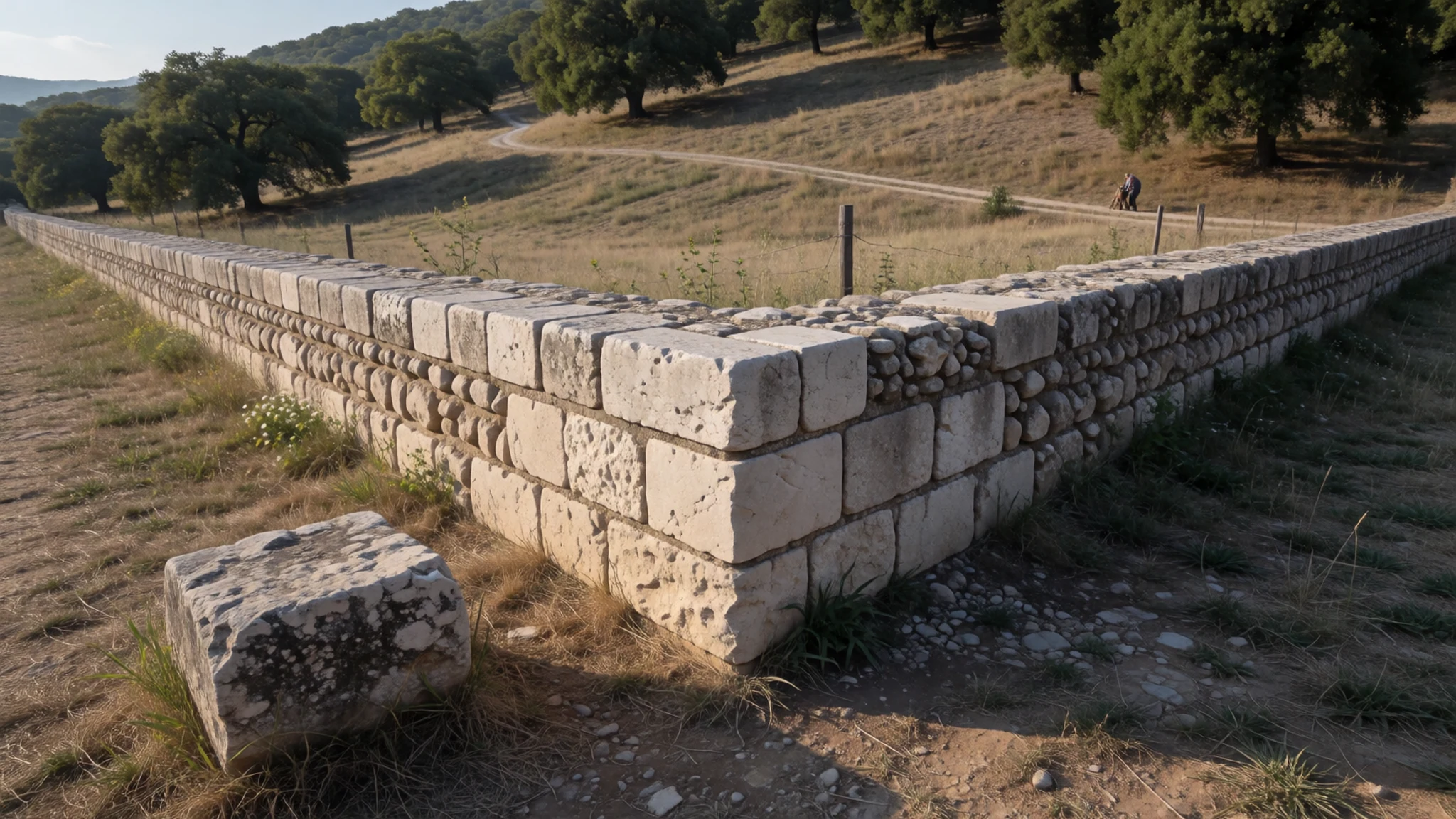
- The basilicas and baptistery — Across the site
Justiniana Prima had numerous churches, and several basilicas have been excavated, along with a baptistery. Their low walls reveal apses and naves in plan. Because the city was the seat of an archbishop, the religious buildings are the clearest sign of what Justinian intended it to be.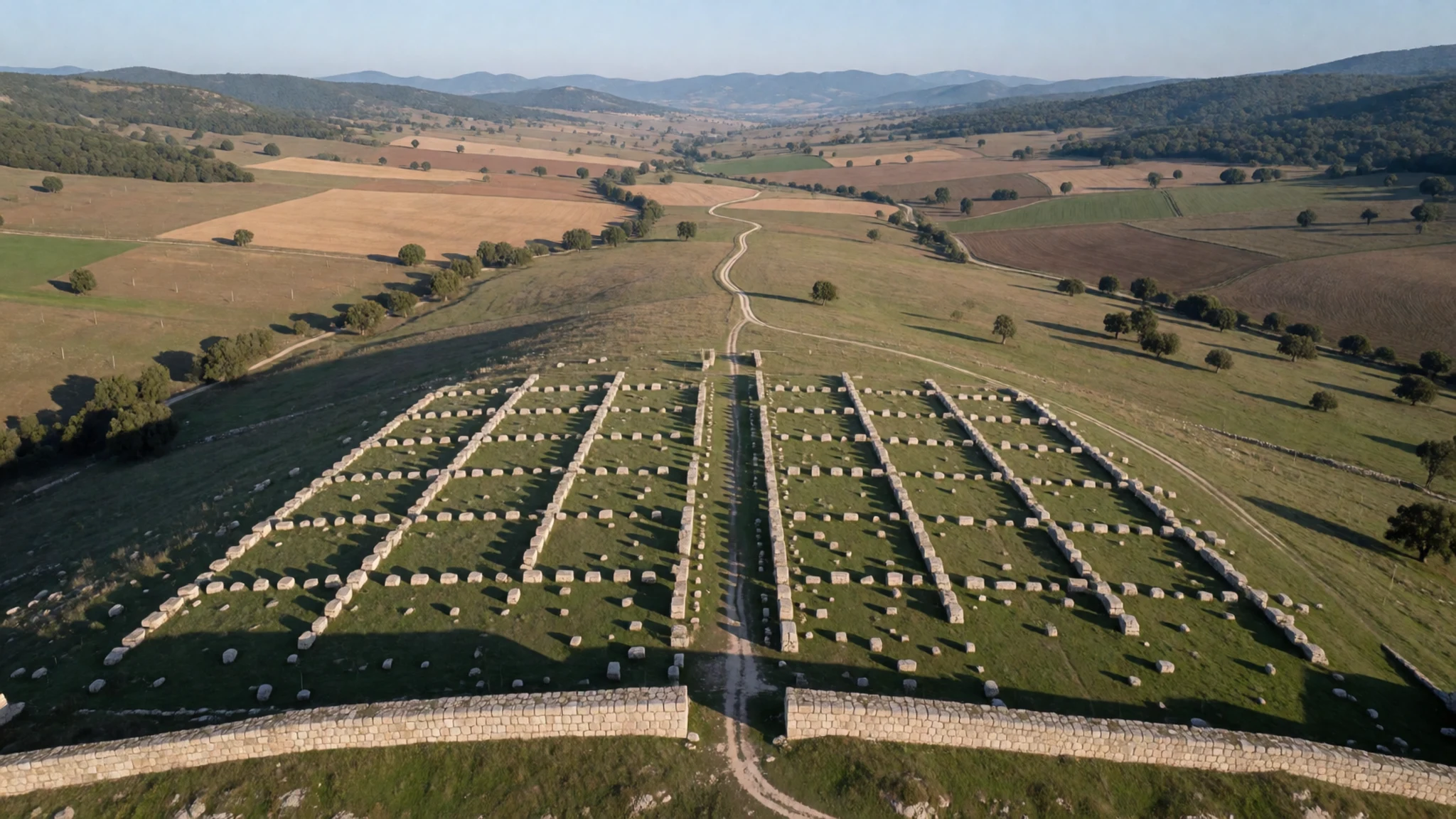
- The gates and towers — City perimeter
The entrances to Justiniana Prima were defended with towers, and the surviving gate foundations show how traffic was controlled. Standing in one, it is easy to picture carts and officials arriving. The ruins are rough, so sturdy shoes help, and the stonework rewards a slow look at the construction.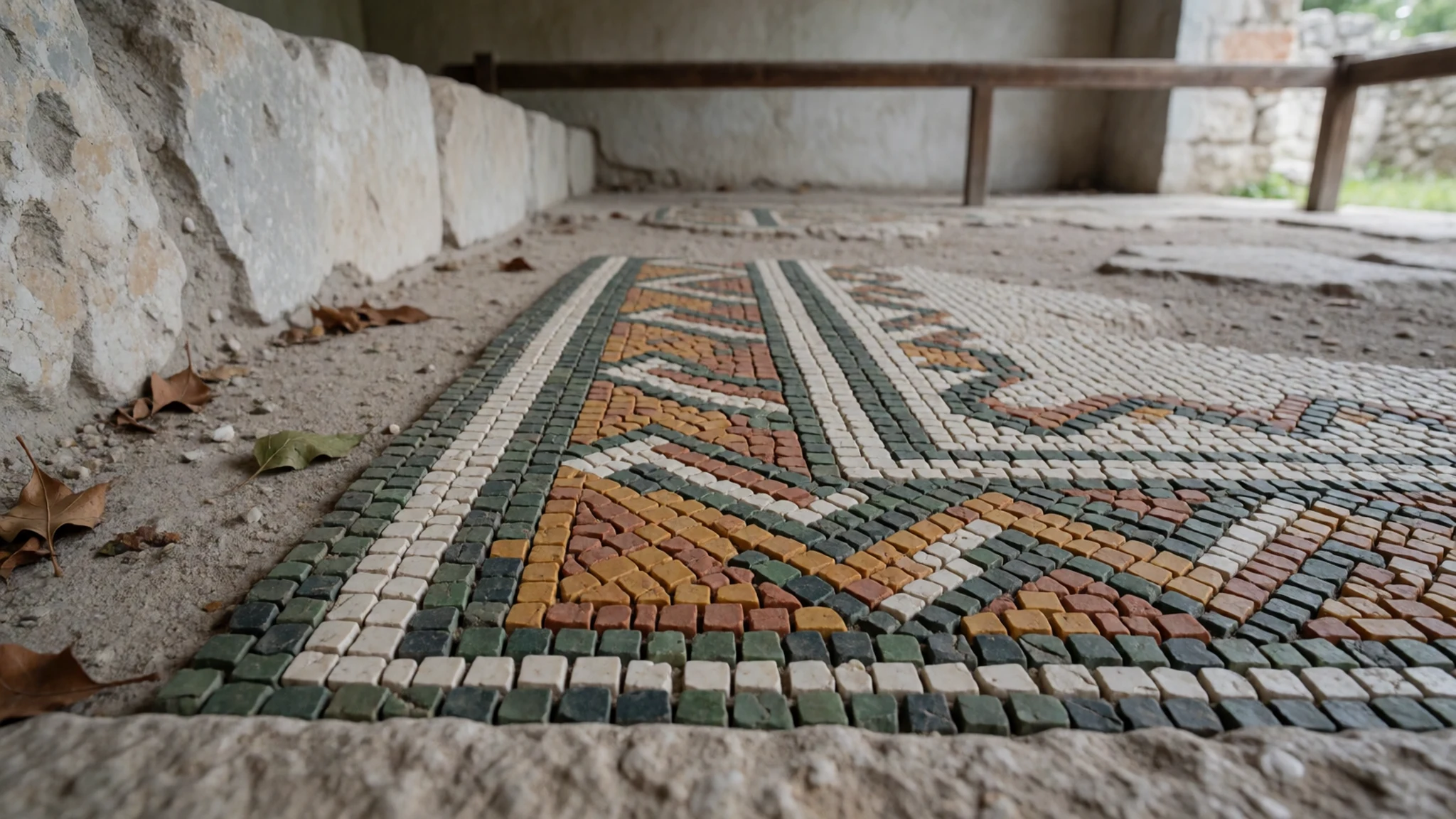
- Mosaic fragments — Church interiors
Fragments of floor mosaic have been recorded at Justiniana Prima, a reminder that the churches and larger buildings were once richly decorated. Many finds are protected on site or held in museums, so the best approach is to look for what remains in place and read the on-site information.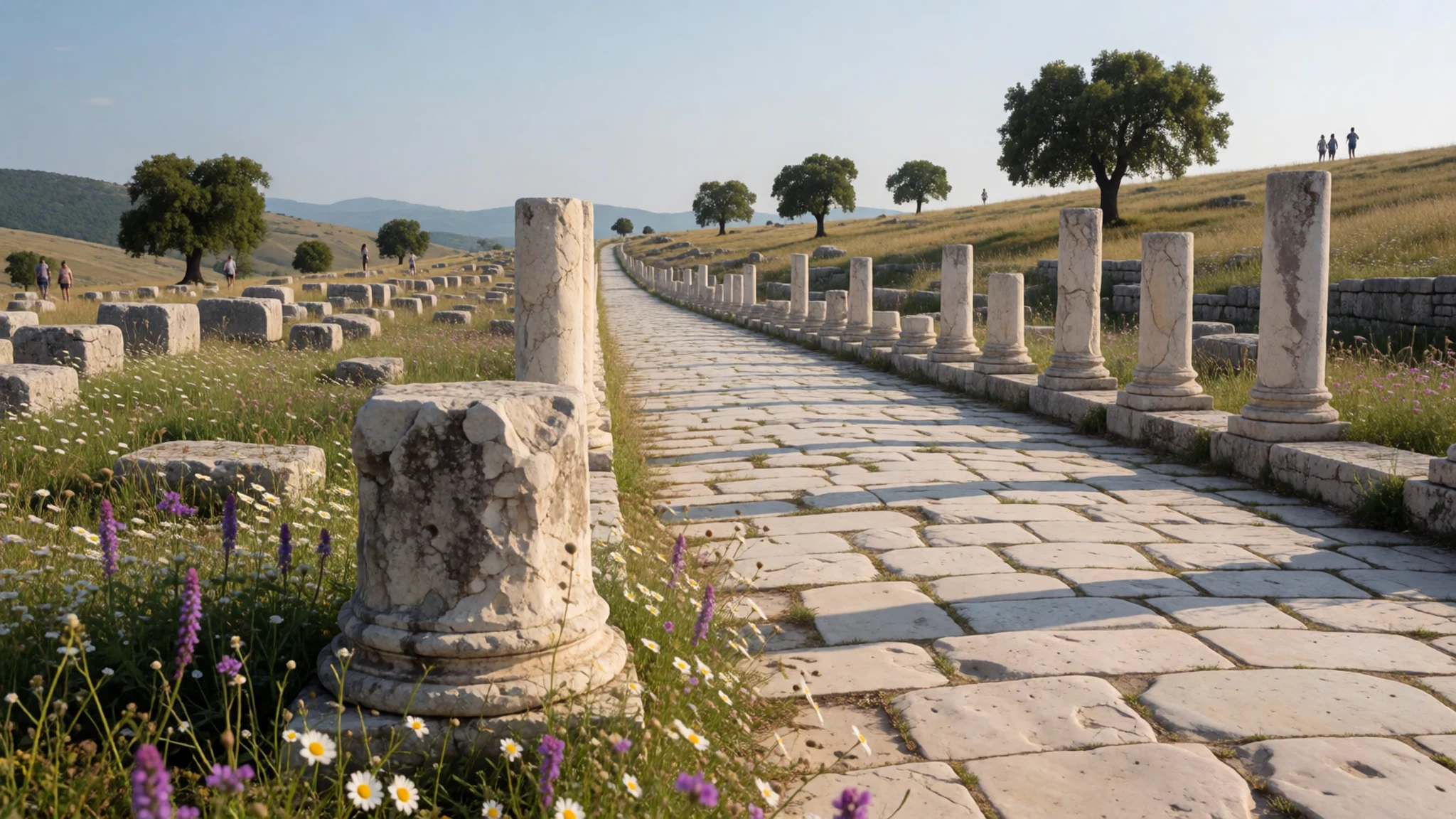
Culture
Justiniana Prima sits in a part of Serbia where the Roman and Byzantine past is a source of local pride, even though the city itself was abandoned long ago. Serbia protects the site officially, and the region around Lebane and Leskovac treats it as a heritage landmark worth explaining to visitors.
The culture here is less about the ruins than about the surrounding region. Southern Serbia is largely Orthodox Christian, and village churches, slava family celebrations and saints' days shape the calendar. Hospitality is generous: a guest is likely to be offered coffee, rakija or something to eat, and refusing outright can seem abrupt, so a polite word of thanks goes a long way.
The archbishopric founded at Justiniana Prima is also part of a longer story about church independence in the Balkans, and local guides and museums take it seriously. Visitors who read a little about Justinian, Procopius and the early Church will find conversations easier. Serbian is spoken throughout, written in both Cyrillic and Latin letters, and signs on rural roads are often in Cyrillic only, so learning to read the alphabet pays off. English is understood in towns, less so in villages.
People are generally relaxed about visitors walking the ruins, but the site is protected as a monument, and its upkeep depends on respect. Do not climb on the old walls, do not take away stones, tile pieces or any other fragments, and keep to the marked paths so that the exposed foundations stay intact.
What to wear
Justiniana Prima is a ruin, so the fashion question is really about southern Serbia. Traditional rural dress in this part of the country was made largely of wool, linen and hemp, spun and woven at home. Women wore embroidered blouses, wool aprons and sashes, men wore woollen trousers and waistcoats, and both wore opanci, soft leather shoes with turned-up toes. Such dress now appears mainly at folk festivals, weddings, church celebrations and in museums.
Everyday clothing today is ordinary European style: jeans, shirts, jackets, practical shoes and, in winter, heavy coats. Towns around Lebane and Leskovac are casual, and farm work shapes what people wear in the villages. Older women may still wear a headscarf, particularly in churches.
For a visitor, the ruins call for practical clothes. Wear sturdy shoes or trainers with a good grip, since the ground is uneven and stony, with loose rubble and long grass. Summers can be hot with little shade on the site, so bring a hat, sun protection and water. Spring and autumn can be cool and changeable, so light layers and a rain jacket are sensible, and winter needs warm boots and a proper coat. No special dress code applies to the ruins. If a village church is open and a visit is planned, shoulders and knees should be covered, and women may wish to carry a scarf for the head in case it is expected.
What to eat
- Leskovac grilled meat — Grill houses in Leskovac and Lebane
The Leskovac area is known for roštilj, spiced minced meat and sausages grilled over charcoal and served with bread, onion and salad. Grill houses in Leskovac and Lebane are the place to look. Portions are generous and meant for sharing.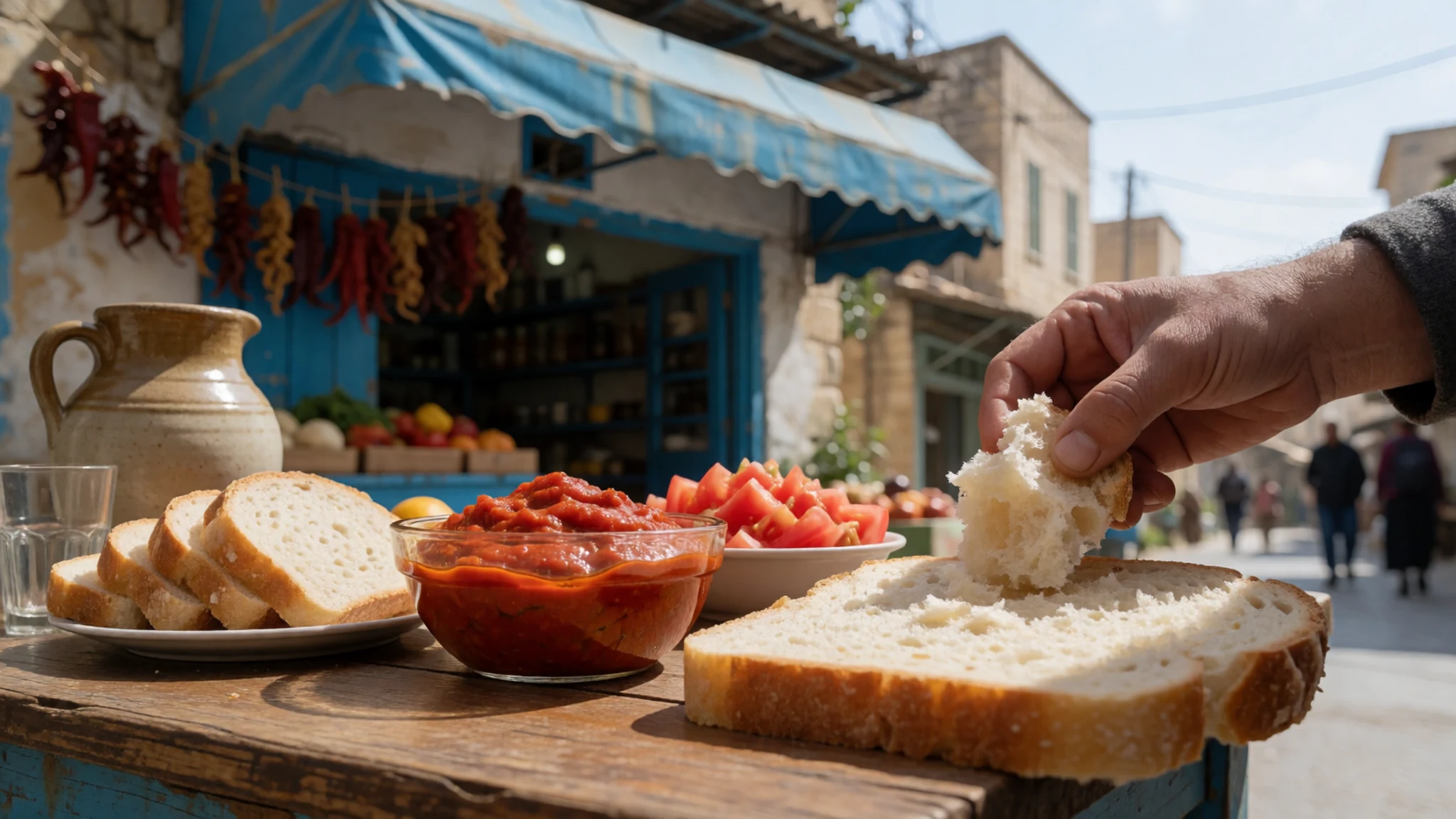
- Burek — Bakeries in any town centre
Burek is a flaky pastry filled with minced meat, cheese or sometimes spinach, baked in a large round tray and cut into portions. It is a standard breakfast or snack, usually eaten with plain yoghurt, and bakeries open early.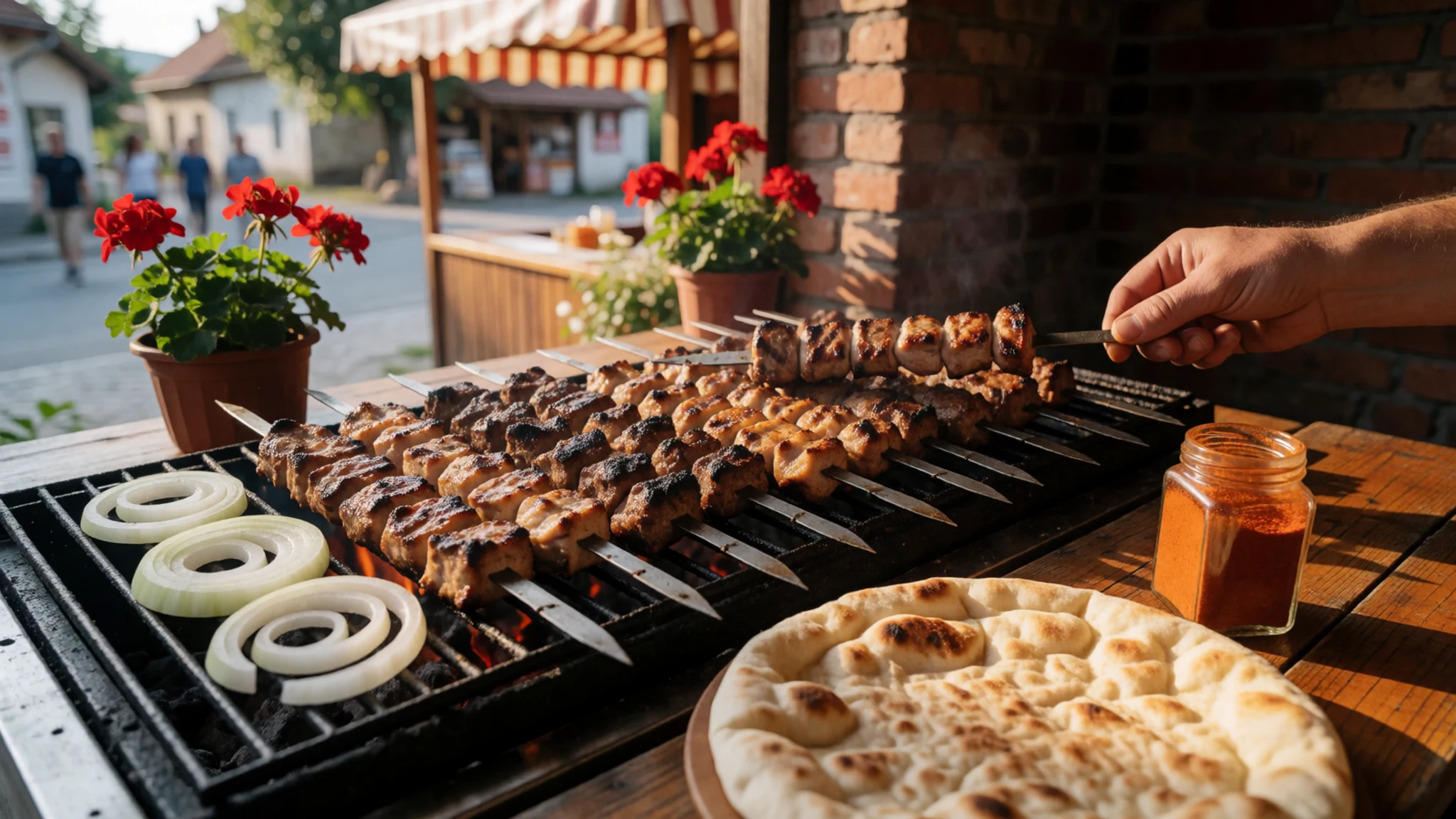
- Ajvar — Town markets, especially in autumn
Ajvar is a relish of roasted red peppers, sometimes with aubergine, cooked down slowly and spread on bread or served beside grilled meat. Autumn is the season when families make it at home, and jars appear at local markets. - Kajmak — Open-air markets and village stalls
Kajmak is a soft, salty, creamy dairy spread, somewhat like clotted cream, eaten with bread or alongside grilled meat. Its flavour varies from mild to sharp depending on age, and village producers often sell their own at markets. - Pasulj — Traditional eateries in Lebane and Leskovac
Pasulj is a slow-cooked bean stew, usually with smoked sausage, ribs or bacon and paprika. It is a hearty, warming meal, especially in cooler months, and many simple eateries serve it as a daily dish.
Plan it
Best time. April–June and September–October, when the weather is mild and the grass and views are pleasant. July and August can be hot with little shade on the ruins, and winter brings cold, wet or snowy conditions that make the ground slippery.
How long. 1
Getting there. Fly to Belgrade or Niš, then continue by road to Leskovac and on to Lebane. The last leg to the ruins is best done by car or taxi, since public transport to the site itself is limited. Check local options before setting out.
Budget. low
Tips
- Check the official heritage and tourism pages for current opening arrangements before travelling
- Read a little about the city beforehand, because on-site explanation may be limited
- Bring water and snacks, as there is little shade and few services at the site
- Carry some cash for small shops and cafés in nearby villages
- Go in the morning for cooler weather and better light on the stones
Etiquette
- Stay on marked paths and do not climb on the old walls
- Do not remove stones, tile or any fragments from the site
- Cover shoulders and knees if you visit a village church
Nearby
Sources
- Wikidata Q164205 (CC0)
- Wikipedia: Justiniana Prima (rev 1383363752) (CC BY-SA 4.0)
- Wikivoyage: Justiniana Prima (CC BY-SA 4.0)
- Photo 01-cari-in-grad-2.jpg (Public domain)
- Photo 02-justiniana-prima-cari-in-grad.jpg (CC BY-SA 4.0)
- Photo 03-justiniana-prima-aeroimage.jpg (Public domain)
- Photo 04-cari-in-grad-ostaci-zidina-01.jpg (CC BY 3.0)
- Photo 05-cari-in-grad-ostaci-zidina-02.jpg (CC BY 3.0)
- Photo 06-cari-in-grad.jpg (CC BY 3.0)
- Photo 07-fragment-mozaiki-panoramio.jpg (CC BY 3.0)
- Photo 08-grb-lebane.png (CC BY 3.0)


