Gamzigrad
Gamzigrad, Serbia
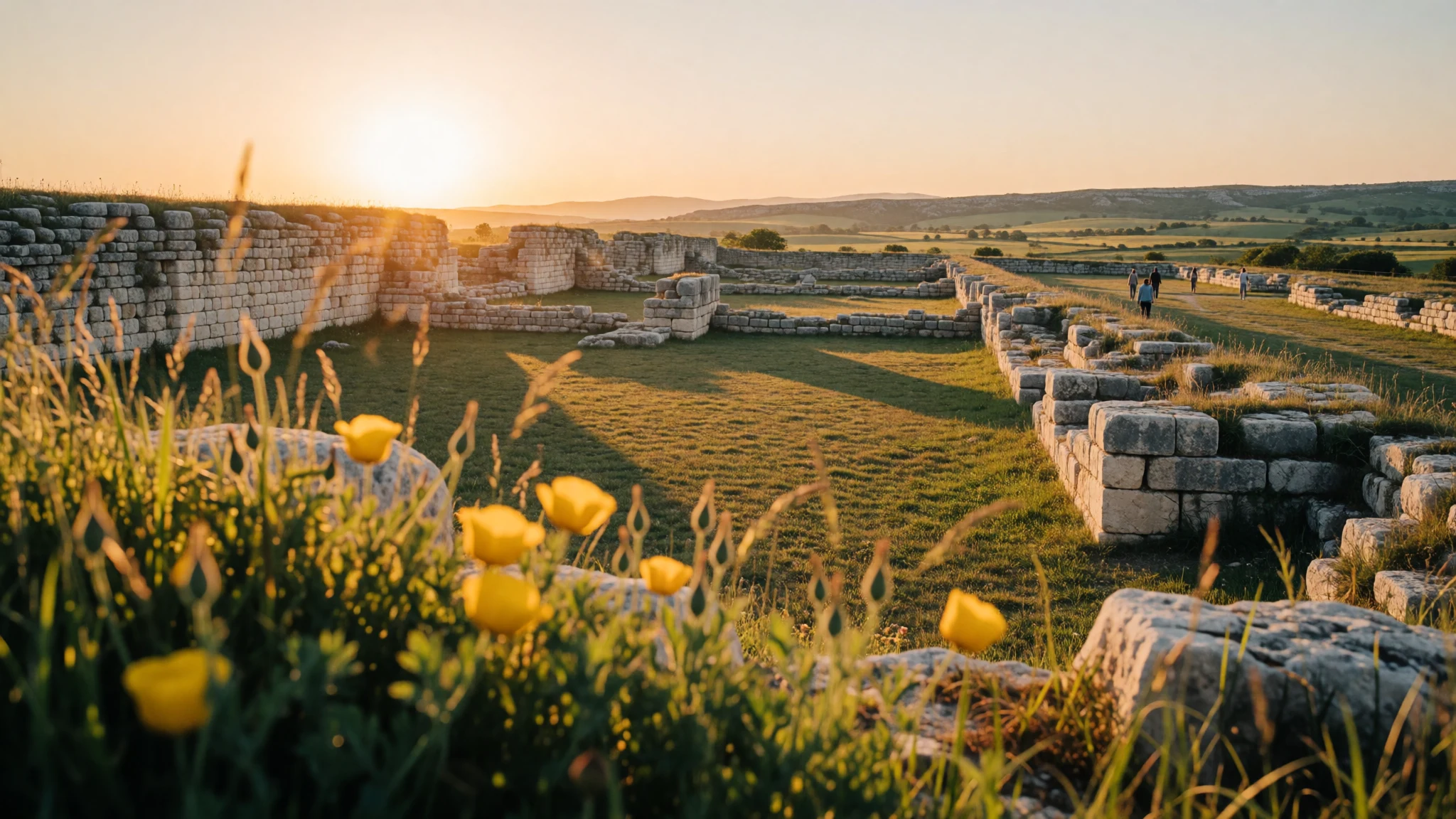
Gamzigrad’s Felix Romuliana lets you walk through a late Roman imperial complex, with UNESCO status and space to breathe.
The place
Gamzigrad (Гамзиград) is an archaeological site in eastern Serbia, set south of the Danube river near the city of Zaječar. Most visitors come for Felix Romuliana, the late Roman palace-and-temple complex associated with Emperor Galerius—big enough to feel like an entire small world rather than a single monument.
The site sits in an open, uneven landscape, so the experience is as much about light, shadows and the walk between structures as it is about the stones themselves. That also means practicalities matter: good footwear helps, and weather changes feel immediate—sun can be bright, and even on mild days the ground and wind can make you slow down.
Serbia in summer brings most of the tourist flow, and you’ll usually notice travellers gathering in bigger hubs first; at Gamzigrad, the crowd level is generally gentler than what people expect from a “UNESCO site”. Still, if you’re visiting around popular travel windows, do expect a few tour groups and a busier car park.
What makes Gamzigrad stand out is the combination: archaeology with a spa-resort association nearby, plus the sense of planning behind the complex—temples and palace areas designed for worship, commemoration and residence. With the setting around the ruins and a day’s worth of wandering, it’s the kind of place where you can take your time, stop often, and keep looking back at how the buildings sit within the terrain.
Its story
Gamzigrad’s story starts with a mystery that early explorers couldn’t quite place. Because the ruins are so extensive—complete with towers and a layout that hints at defences—some visitors and antiquarians first assumed they were a Roman military camp. Over time, excavations clarified that it was something more tailored and personal: an imperial palace complex.
Systematic archaeological work began in 1953, and that shift in understanding changed how the site reads today. Felix Romuliana was conceived and built by Emperor Galerius, one of the Tetrarchs, who is described as having Dacian origins. The complex was designed not just for living, but for ceremony and commemoration.
Construction is linked to the period when Galerius had a major victory and the resulting political momentum. The name Felix Romuliana points to his mother, Romula, described as both a religious figure and connected to a pagan Dacian cult. In other words, this wasn’t only a residence: it was also a symbolic setting for worship of the divine status connected to Romula, a monumental statement of Galerius’s deeds, and a luxury villa.
Like many late Roman projects, the complex didn’t last untouched. Its later decline is often associated with plundering by the Huns in the mid 5th century. Today, those surviving walls and contours let you trace how power and belief were built into architecture—then, quietly, absorbed again by the landscape.
What to see
- Felix Romuliana palace and temple zone — Gamzigrad / Felix Romuliana complex
Gamzigrad’s centre is Felix Romuliana, a late Roman complex where palace spaces meet temple areas. Walk between the remains and notice how the layout supports both ceremony and daily life within the same planned setting.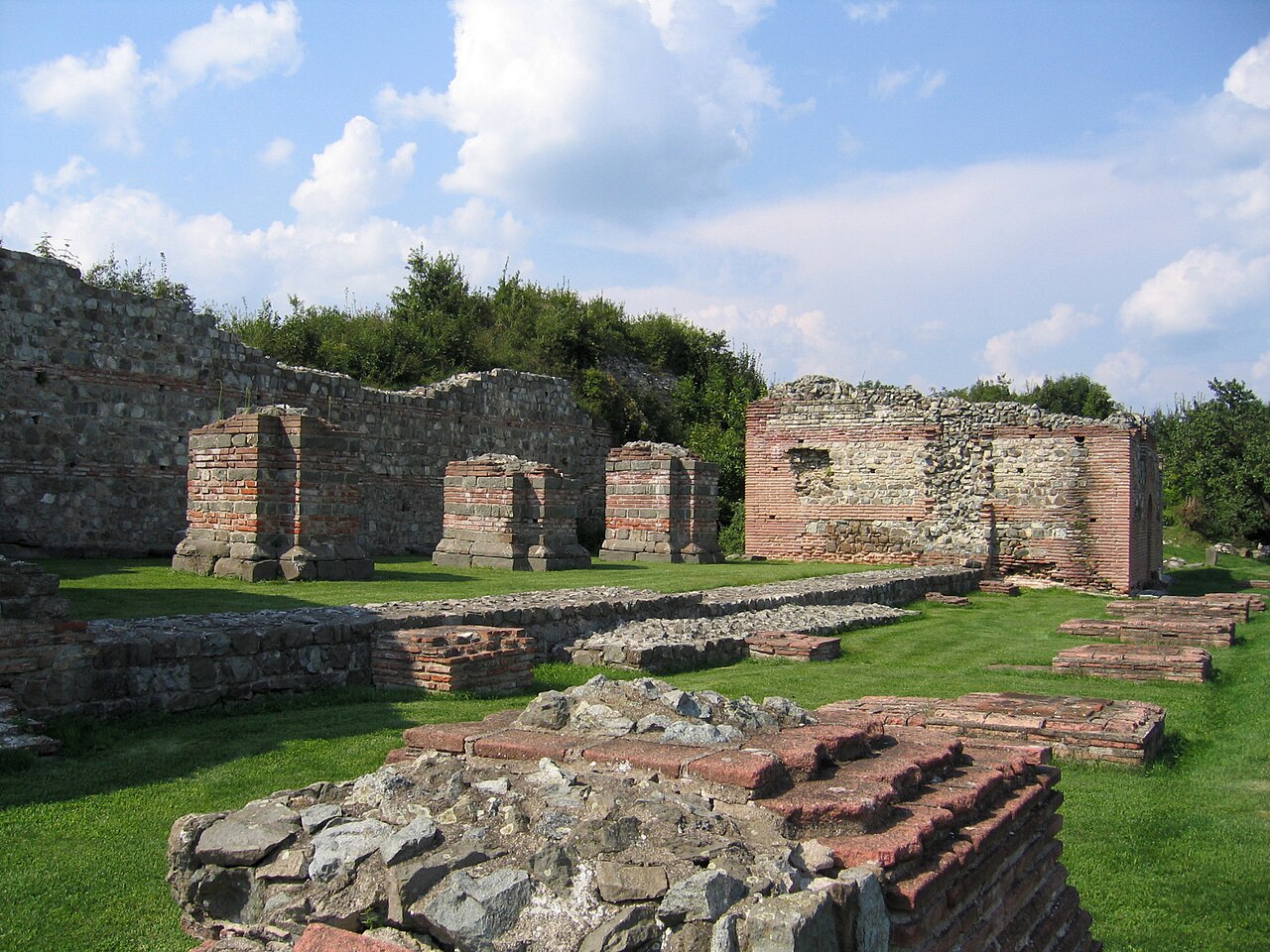
- Approach and east gate views — East Gate area
Gamzigrad’s open approaches give you room to scan the stonework against the wider horizon. If you start early, angles through the approach corridors feel calmer—sunlight brings out the textures of the ruins without crowds pressing in.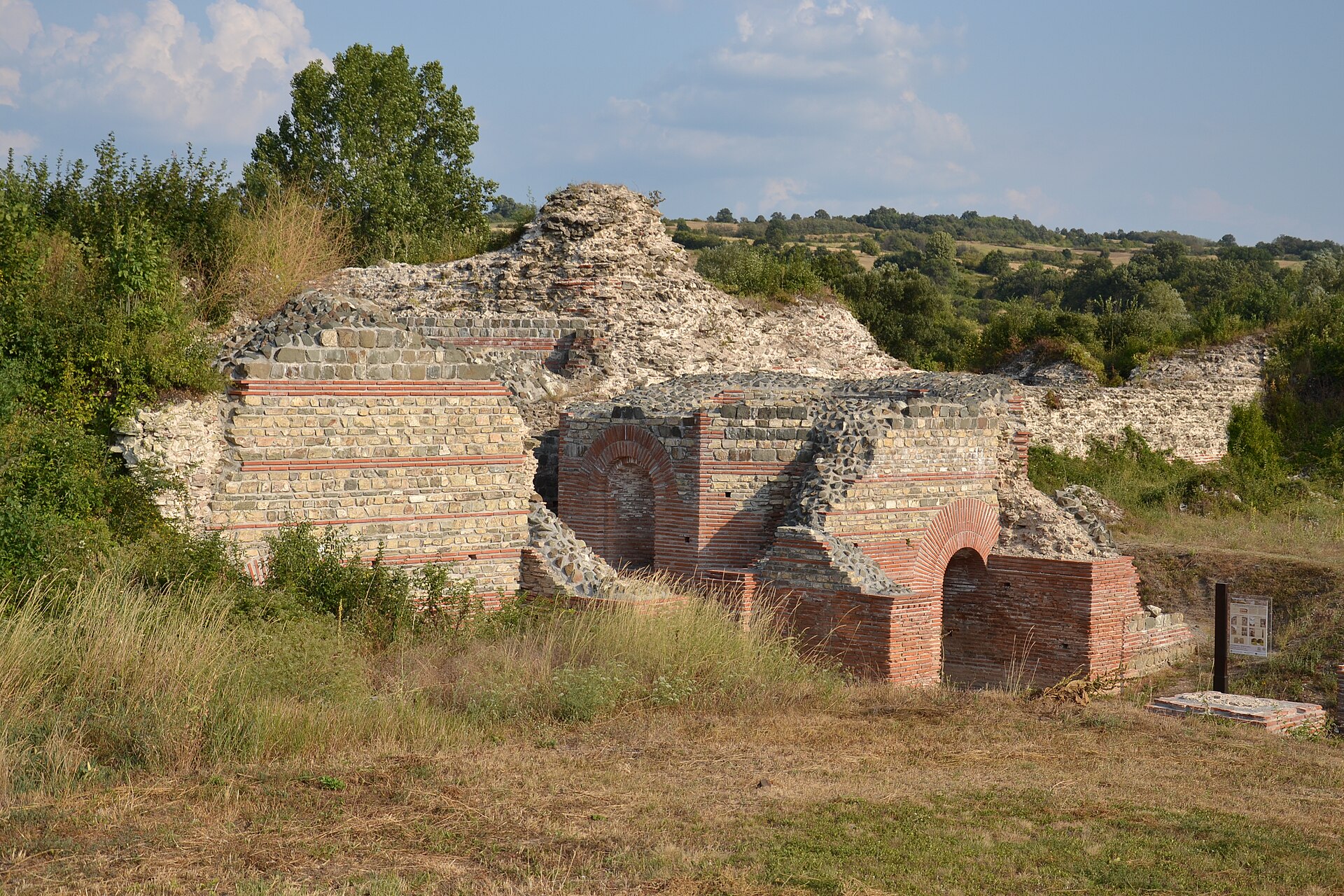
- Ruins in different light — Across the open archaeological grounds
Gamzigrad changes character from morning to afternoon because it’s set in open countryside. In softer morning light, wall lines read clearly; later, higher sun makes surfaces glow and edges sharpen, so keep returning to the same viewpoints.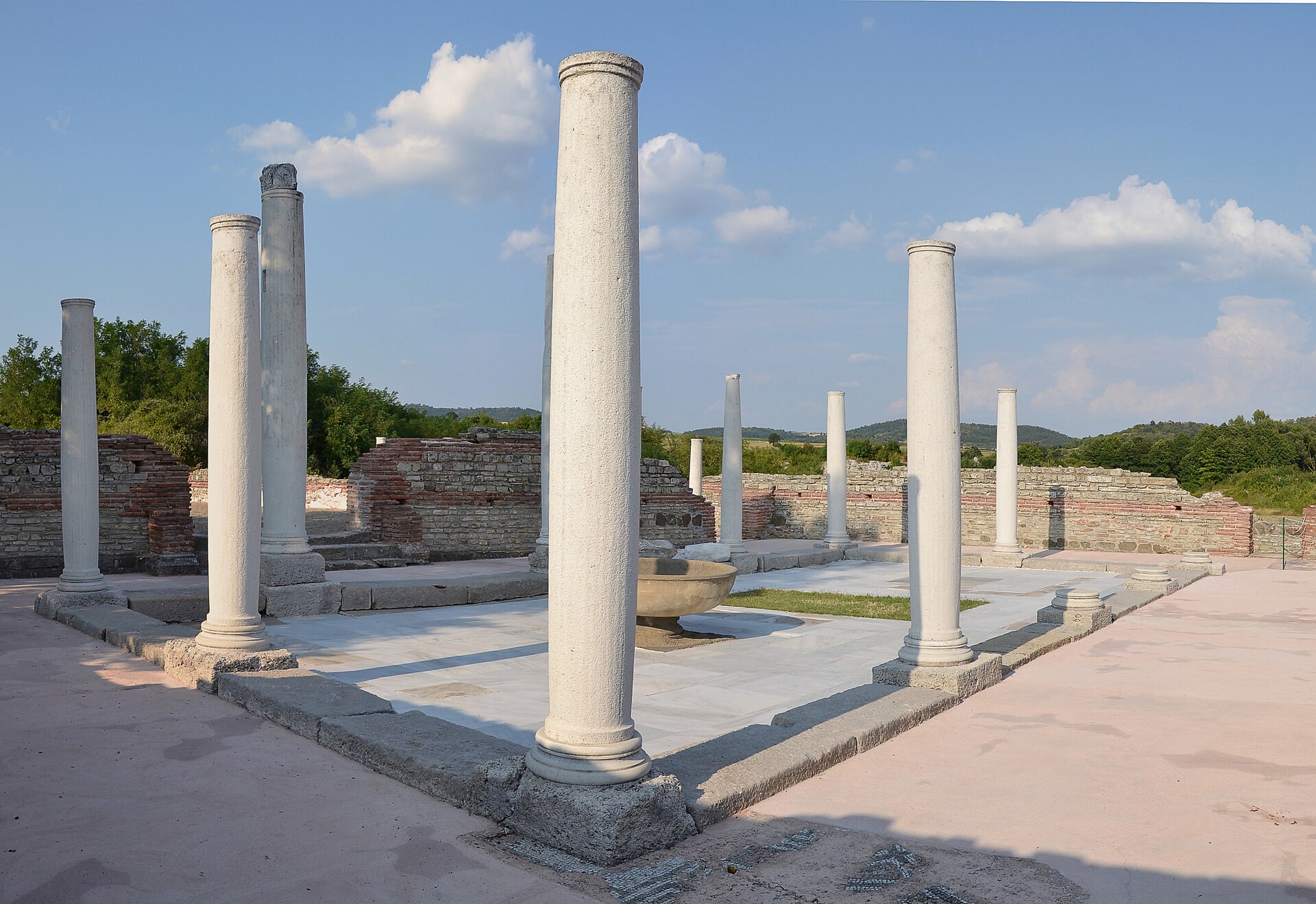
- Archaeological landscape context — Walking routes around the complex
Beyond the buildings, the setting is part of the show. Gamzigrad sits in terrain that feels varied and grounded—plains to one side, hills and limestone ranges hinted nearby—so the site doesn’t feel boxed in like an inner-city ruin.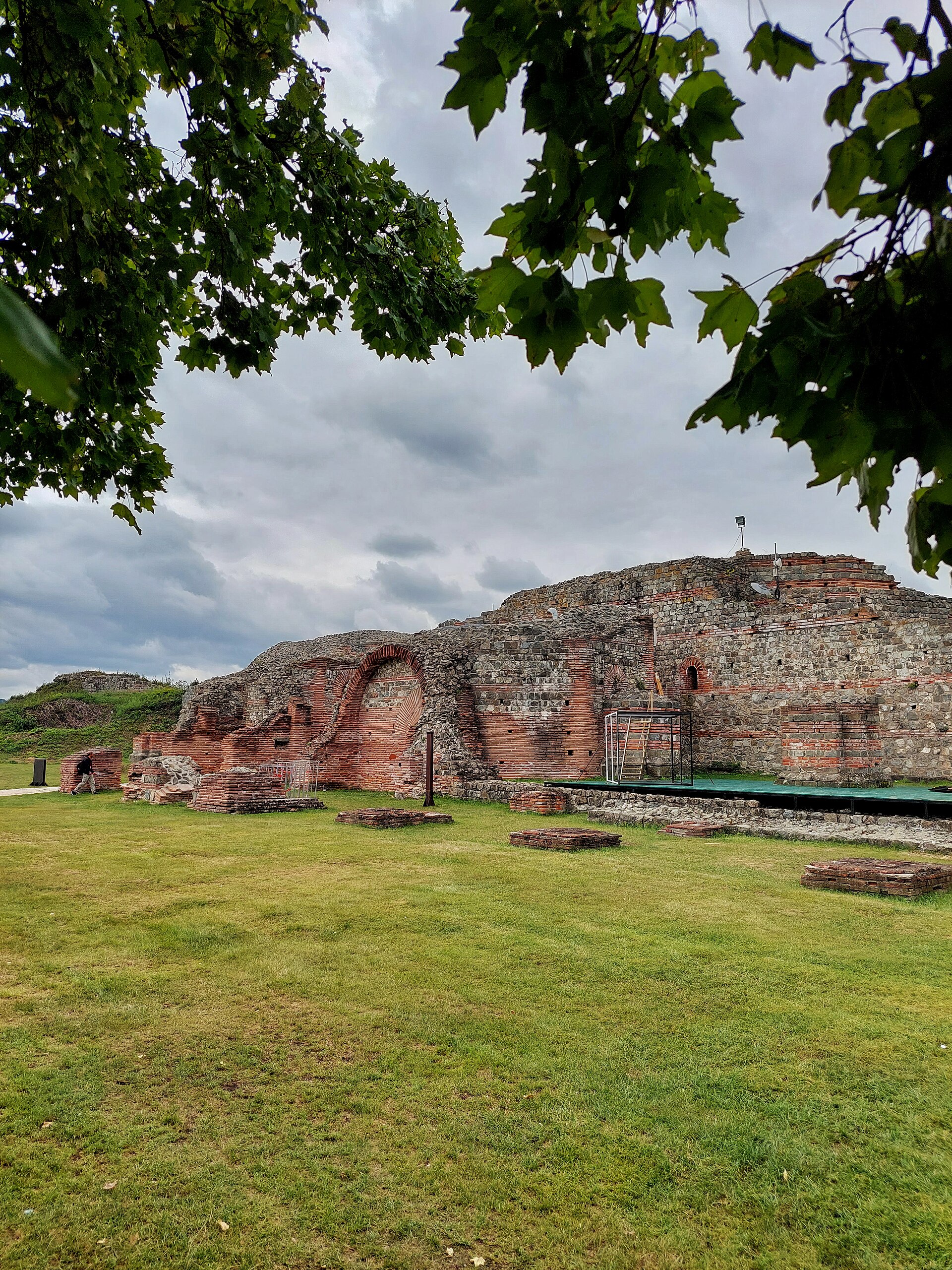
- On-site artefact glimpses — Museum/interpretive points at Felix Romuliana
Artefact displays and finds associated with Felix Romuliana help you connect the ground plan to real objects from the palace world. Even when you’re mostly outdoors, look for interpretive moments that tie fragments to daily and ceremonial use.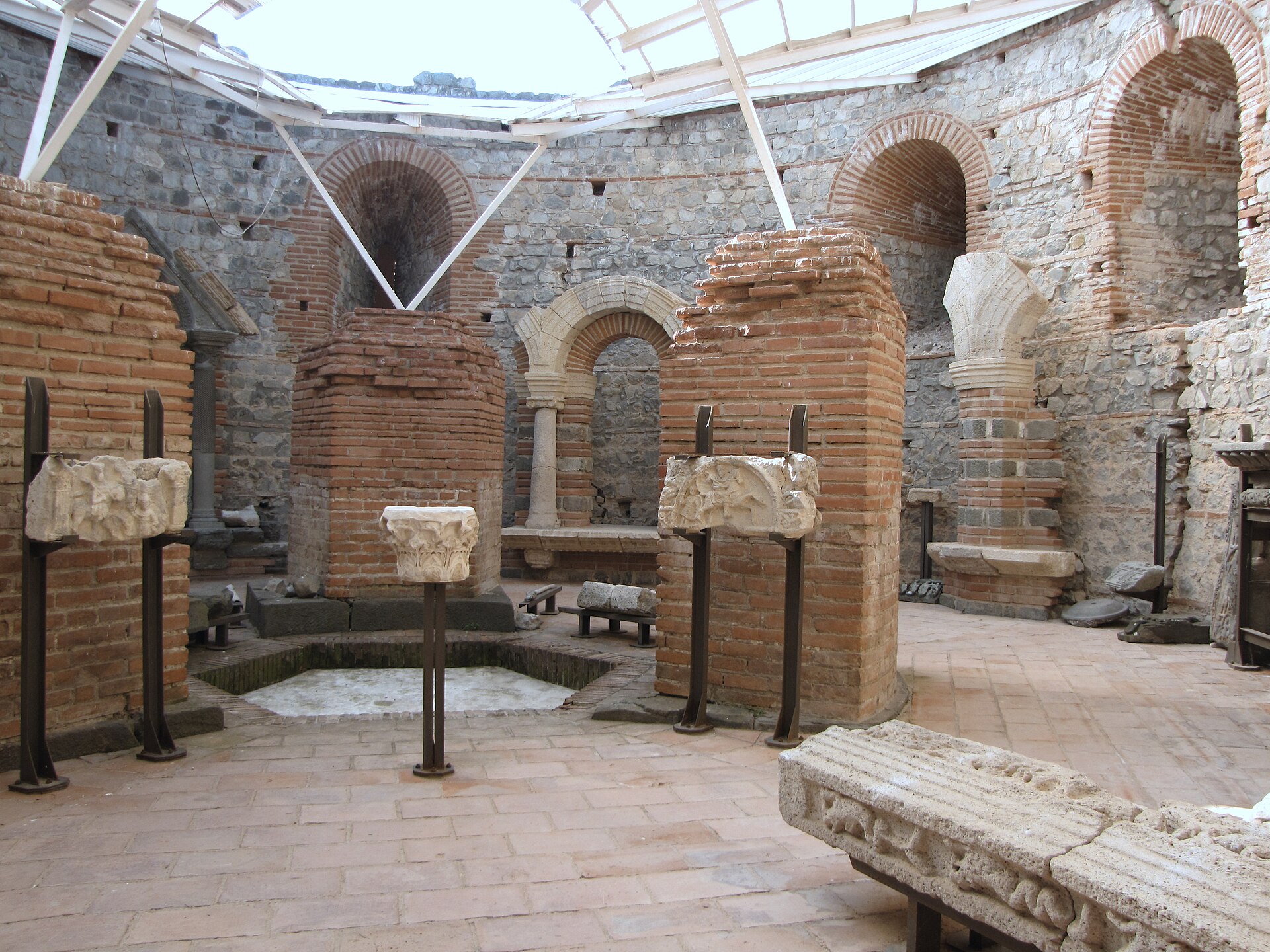
Culture
Gamzigrad sits within Serbia, and the social tone you’ll meet around Zaječar is generally warm and hospitable. Serbs are often friendly toward visitors, and many younger people speak some English, while older generations may lean more towards German or French. The practical takeaway is simple: if you need directions or recommendations, asking with a calm, patient attitude tends to work well.
If you’re invited into a Serbian home, gifts are a good idea for a first visit—flowers or chocolate are commonly appreciated. Inside, shoes can come off unless the host says otherwise. On-the-spot hospitality also matters: hosts usually offer something to drink, so it can be polite to ask if a glass of water isn’t already in front of you.
In public transport, Serbian etiquette includes making room for elderly people or pregnant women.
Because political history has been heavy for many families, it’s wise to avoid starting conversations about the wars of the 1990s or the NATO bombing of Yugoslavia.
Visitor etiquette: be respectful around the archaeological structures and keep noise low, especially when other visitors are reading or photographing close-up details.
What to wear
Gamzigrad is an outdoor archaeological site, so what people wear is mostly about comfort and practicality rather than any single traditional dress requirement. In everyday Serbia, you’ll see modern clothes in towns and near travel areas, but the wider region’s traditional styles are still part of cultural life—especially during festivals—often featuring embroidered folk costumes and distinctive textile patterns.
For textiles, traditional Serbian folk attire is commonly associated with decorated fabrics, embroidery and coordinated garments, usually worn for celebrations rather than for hot midday walking. At a site like Felix Romuliana, visitors generally dress for weather and terrain.
What to wear now: breathable tops and trousers or a long skirt that won’t restrict movement, plus a light layer if evenings cool down. For shoes, choose proper walking footwear—gravel paths, uneven ground and stone surfaces make trainers with soft soles a bit risky. If you plan to enter any indoor interpretation spaces, modest dress helps too, even when there’s no strict rule.
In short: dress like you’re touring ruins—sun protection, comfortable bottoms, and good shoes—because the best part of Gamzigrad is the time you spend walking between structures.
What to eat
- Roštilj (grilled meats platter) — Restaurants across Zaječar and other towns in southern/eastern Serbia
Roštilj is a broad plate of grilled meats, the kind of meal that turns up in many Serbian restaurants. It’s usually the easiest “start here” dish if you want the classic Balkan grilling vibe without overthinking the menu. - Grilled chicken variations — Serbian restaurants serving roštilj and grill-led menus
You’ll find grilled chicken prepared in several Serbian styles, sometimes paired with rich flavours and cheese. It’s a good choice if you want something lighter than a full mixed-meat platter but still properly grilled. - Sausage and grilled sides — Local eateries and casual grill spots
A typical Serbian grill meal often includes sausages alongside other grilled bites, with bread that’s made for wiping plates. Expect hearty, savoury flavours rather than delicate, slow-cooked sauces. - Local cheeses and bread — Restaurants and simple eateries that serve Balkan-style plates
Cheese and bread show up often as part of a meal, whether as part of a bigger spread or as an appetiser-style pairing. If you like savoury breakfasts, this can also be the easiest way to sample regional flavours. - International options in larger towns — Major cities and busier tourist areas
If you get tired of grilled food, larger Serbian cities commonly offer international chains and restaurants. In practice, this means you can switch to Italian, Chinese, Mexican, Thai or similar comfort meals when travel days stack up.
Plan it
Best time. March–April for comfortable spring walking and late October–November for calmer temperatures and autumn light; winter is cold and the summer season can be hot and humid in the northern parts.
How long. 2–3
Getting there. Fly to Belgrade or another Serbian airport, then continue by road to the Zaječar area; the final approach is typically a local drive into the Gamzigrad vicinity.
Budget. mid
Tips
- Start in the morning to get softer light on the stonework and fewer groups around the main viewpoints
- Plan for walking on uneven ground—good footwear makes the day feel easier
- Bring water and sun protection because the site’s open landscape exposes you quickly
- If you’re travelling in summer, expect stronger heat and humidity and build in slower breaks
Etiquette
- Ask before photographing people close-up, especially if you spot staff or visitors gathered for a guided moment
- Keep voices down in quiet areas so others can read and look without disruption
- If you’re visiting a rural home or someone’s private space, remove shoes unless the owner says otherwise
Nearby
Sources
- Wikidata Q904128 (CC0)
- Wikipedia (Gamzigrad) (CC BY-SA 4.0)
- Wikivoyage (Serbia) (CC BY-SA 4.0)