Novi Sad
Novi Sad, Serbia
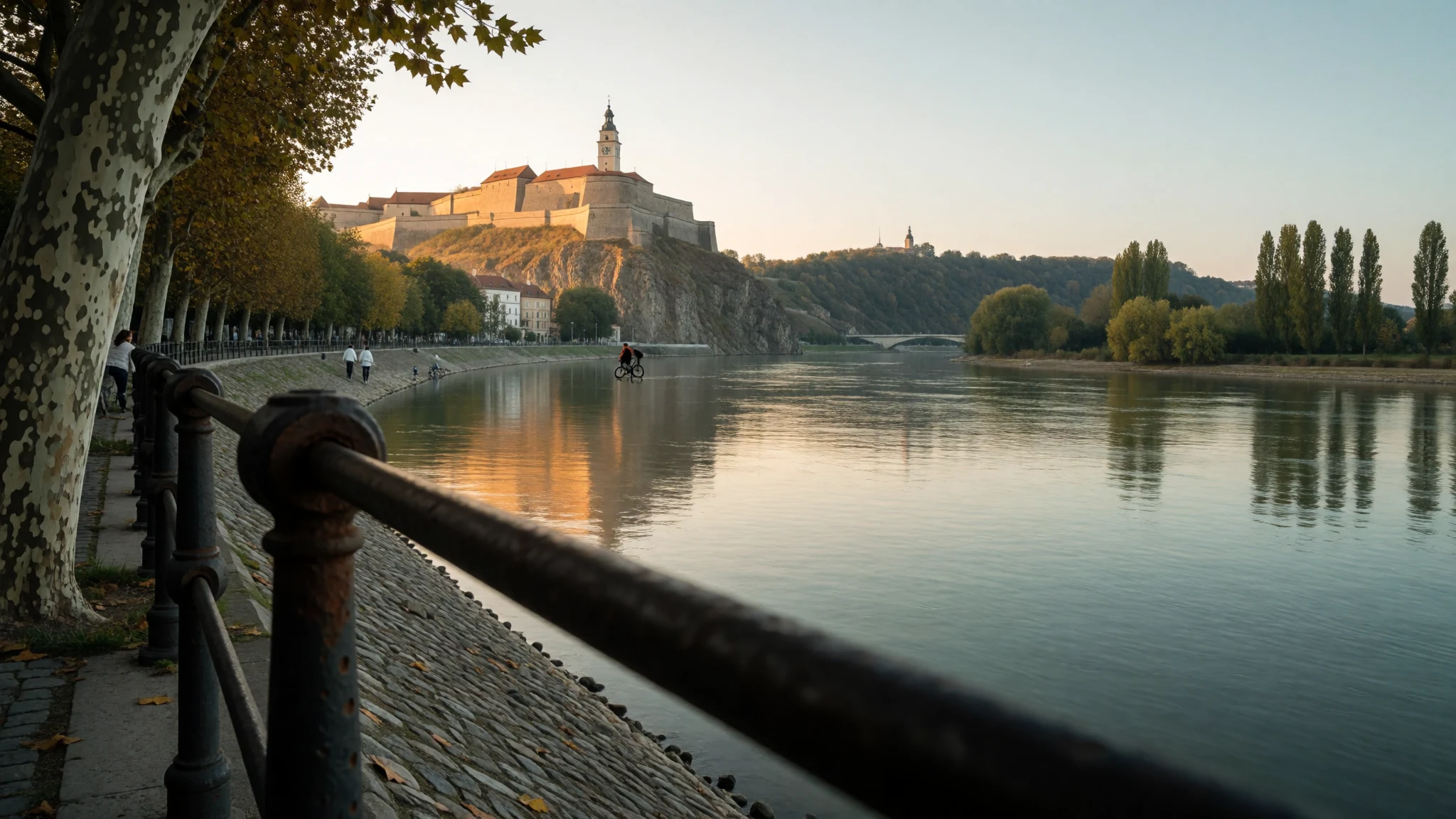
Novi Sad is an unhurried Danube city of Habsburg-era squares, a rocky hilltop fortress and a cultural life far bigger than its size.
The place
Novi Sad sits on the left bank of the Danube in the northern Serbian plain, with the wooded ridge of Fruška Gora rising on the far side of the river. It is the capital of the autonomous province of Vojvodina and Serbia's second city, with about 260,000 people in the city proper. The setting is flat, green and wide: the plain runs north towards Hungary, and the river brings breezes, a city beach and a handful of bridges. The centre is compact enough to cover on foot. A pedestrian main square holds the town hall and a tall Gothic Revival Catholic church, and the streets around it are lined with pastel Central European façades, cafés and bookshops. Across the water, Petrovaradin Fortress watches over the river from its rock, and the two banks together give the city its real shape. The mood is closer to a university and festival town than a capital: slow mornings, long café sittings, and a lively summer when the fortress fills with music. It also works well as a base for the monasteries and wine villages of Fruška Gora. A few honest caveats: the list of headline sights is short, July heat can be heavy, and big festival weeks push up prices and fill beds quickly. Outside those weeks the city feels spacious and relaxed, and the riverside promenade is where most evenings drift to a close.
Its story
People have lived around Novi Sad since the Stone Age, and the Danube crossing here mattered long before the city did. Celtic tribes built a fortress on the south bank, and the Romans later raised a larger one called Cusum inside their province of Pannonia, until Hunnic raids wrecked it. Medieval Hungarian rule gave way to Ottoman control, and the modern city begins only after the Ottomans left. In 1694 Serb merchants founded a colony on the left bank, facing the Habsburg garrison at Petrovaradin Fortress. The arrangement suited both sides: soldiers needed supplies, and traders wanted the protection of the walls. Trade, crafts and a growing educated class turned the settlement into a place of printing, schools and newspapers, and in time it was nicknamed the Serbian Athens. The city was badly damaged in the revolution of 1848, then rebuilt, which is why much of the centre has a later nineteenth-century look rather than a baroque one. Over the following decades the same streets were governed under the Habsburg monarchy, the Austro-Hungarian Empire, the Kingdom of Yugoslavia, socialist Yugoslavia and finally Serbia, with a spell of Hungarian rule during the Second World War. That layering shows in street names, in the mix of churches and in the languages still heard across the province. The fortress still dominates the skyline, and the city grew up in its shadow.
What to see
- Petrovaradin Fortress — Petrovaradin, right bank of the Danube
The fortress rises above the right bank, a walk across the bridge from the centre. Its terraces and clock tower give the widest view of the city and the river, best near sunset. An annual music festival fills the trenches and walls, so expect noise and crowds then. Wear shoes with grip for the old stone.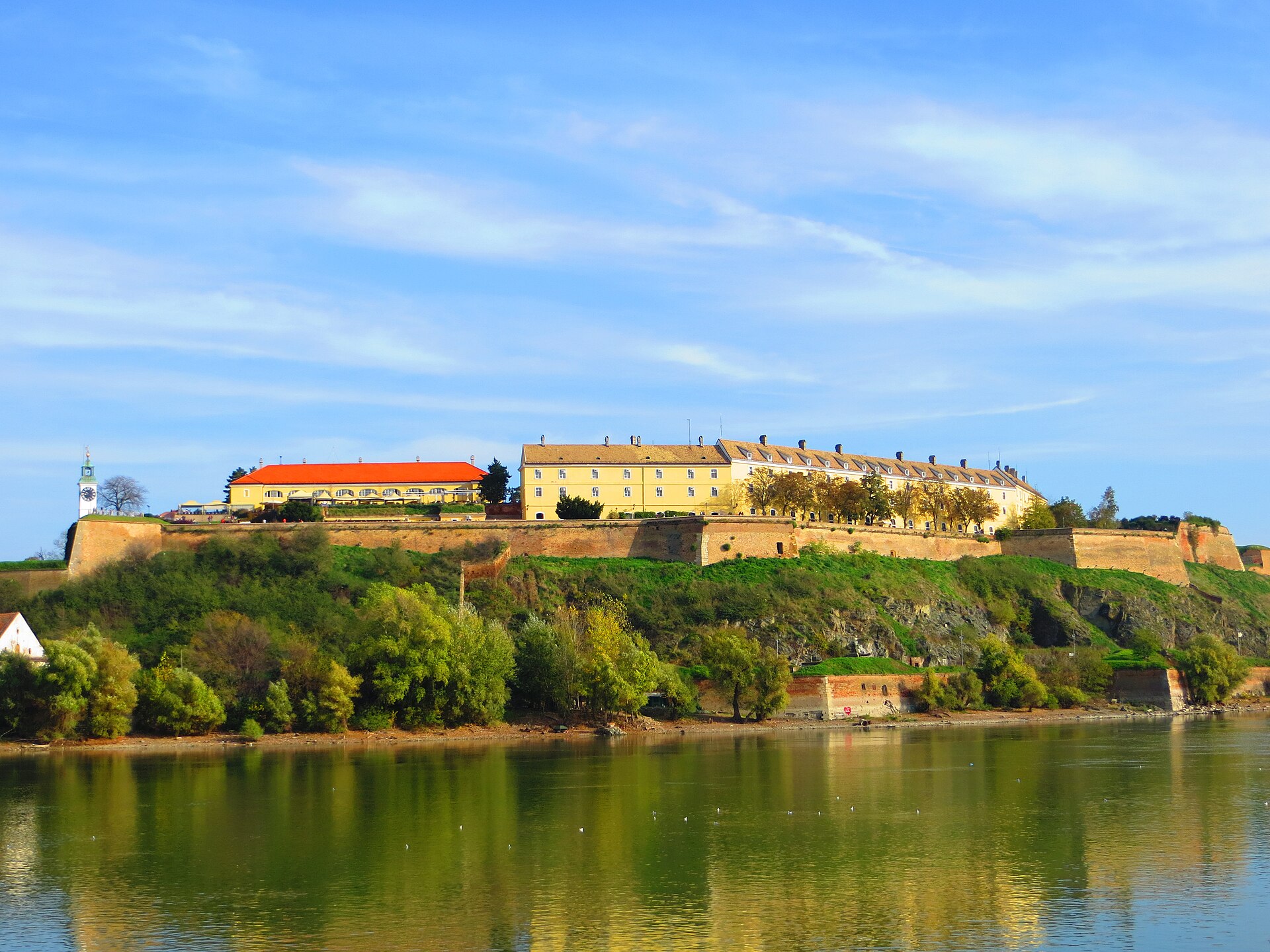
- Town Hall and the main square — Old centre, main square
The Town Hall faces the main square, the default meeting point for locals, who arrange to see each other under its tower. Standing in the middle, the surrounding façades, cafés and statues all come into view. Early mornings are quiet, while evenings fill with strollers, buskers and café tables.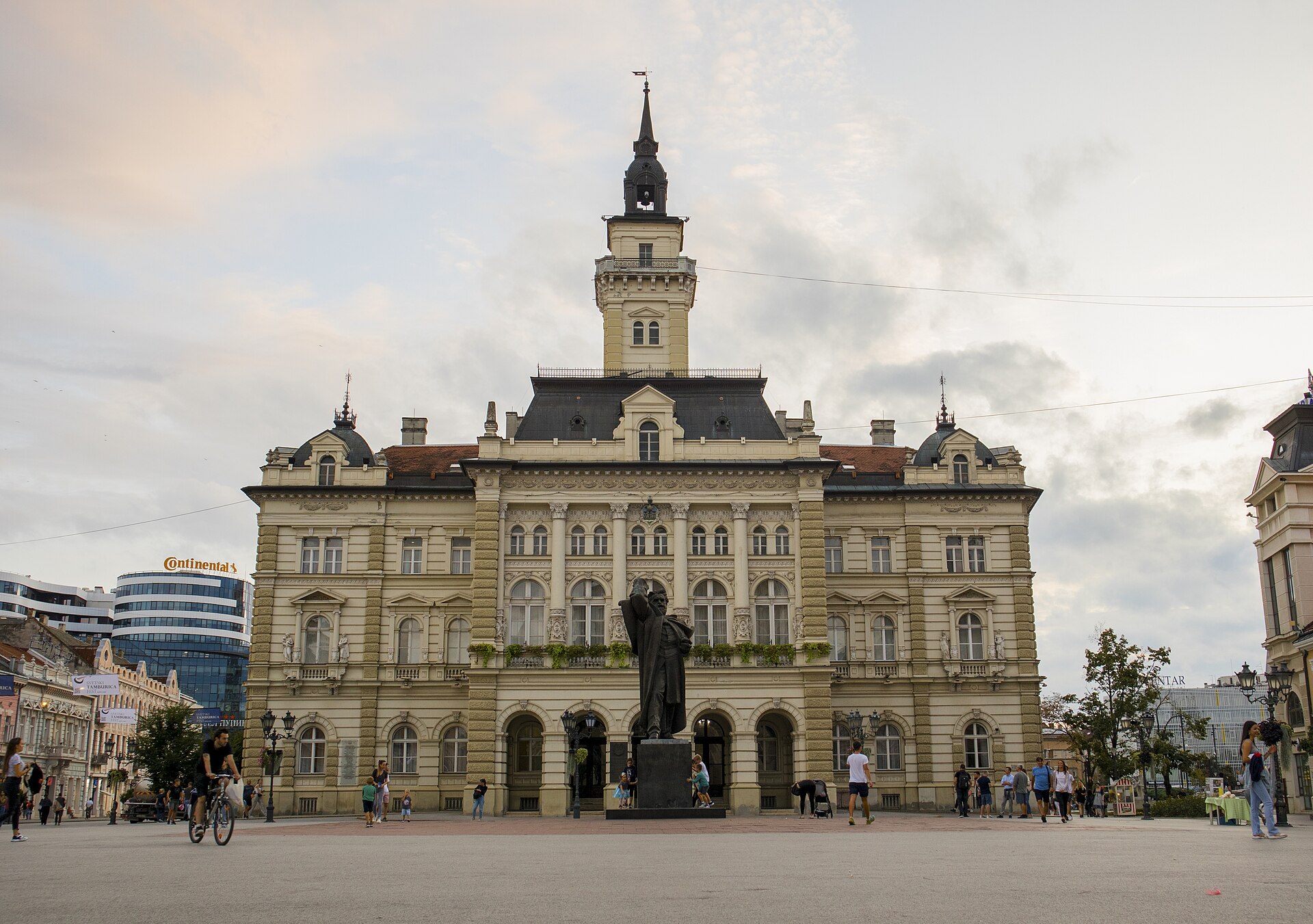
- Name of Mary Church — Old centre, main square
This Catholic church closes the other side of the main square from the Town Hall. Built in the late nineteenth century in Gothic Revival style, it is the largest church of that style in the city and the tallest in the Bačka region. Step inside for a quiet few minutes outside service times.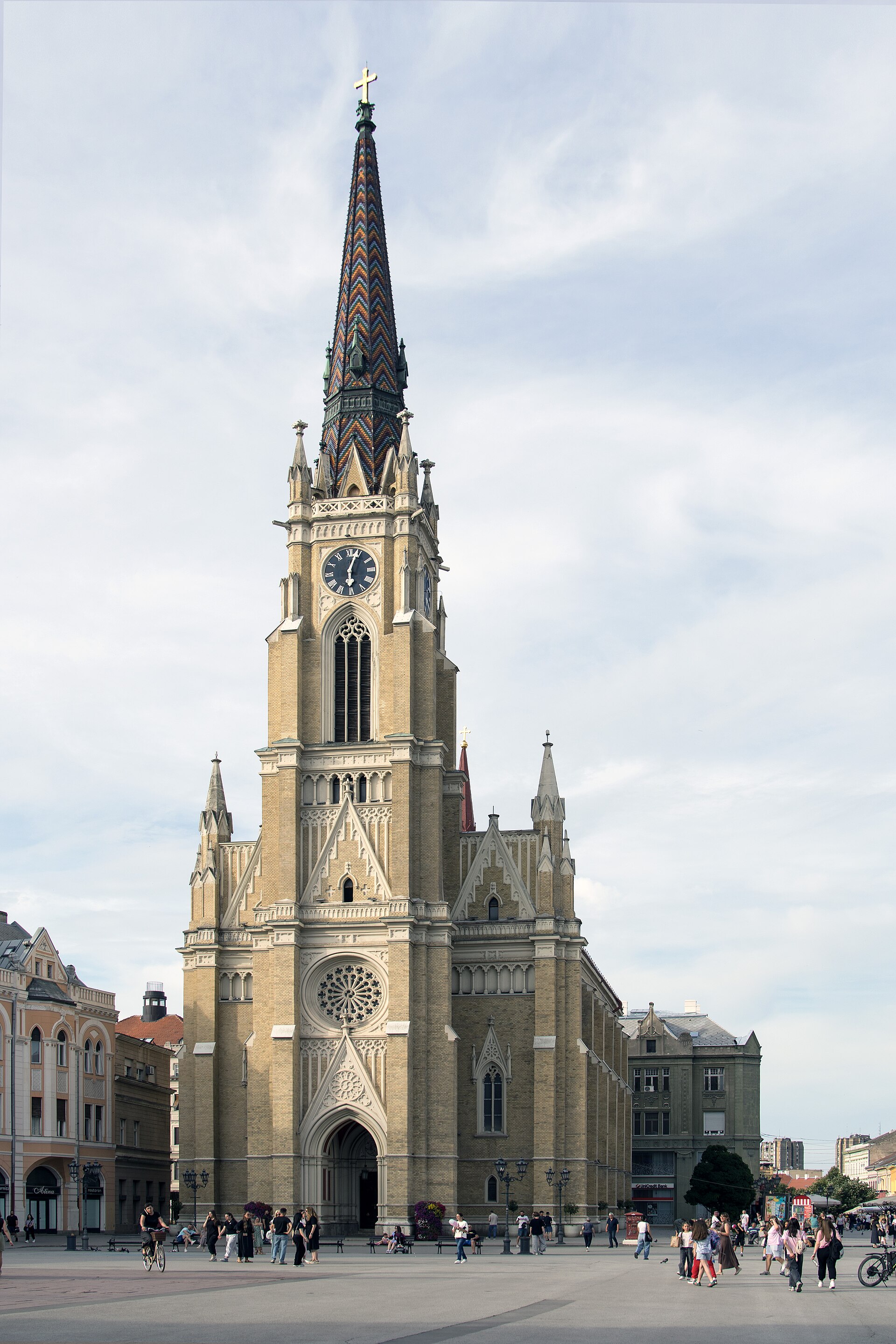
- Matica Srpska — Old centre
Matica Srpska is the Serbian cultural and scientific society that moved to Novi Sad from Budapest in the nineteenth century. Its building stands in the old centre, and its library is the second largest in the country. The place explains how the city earned its Athens nickname; the façade is worth a look even when the reading rooms are closed.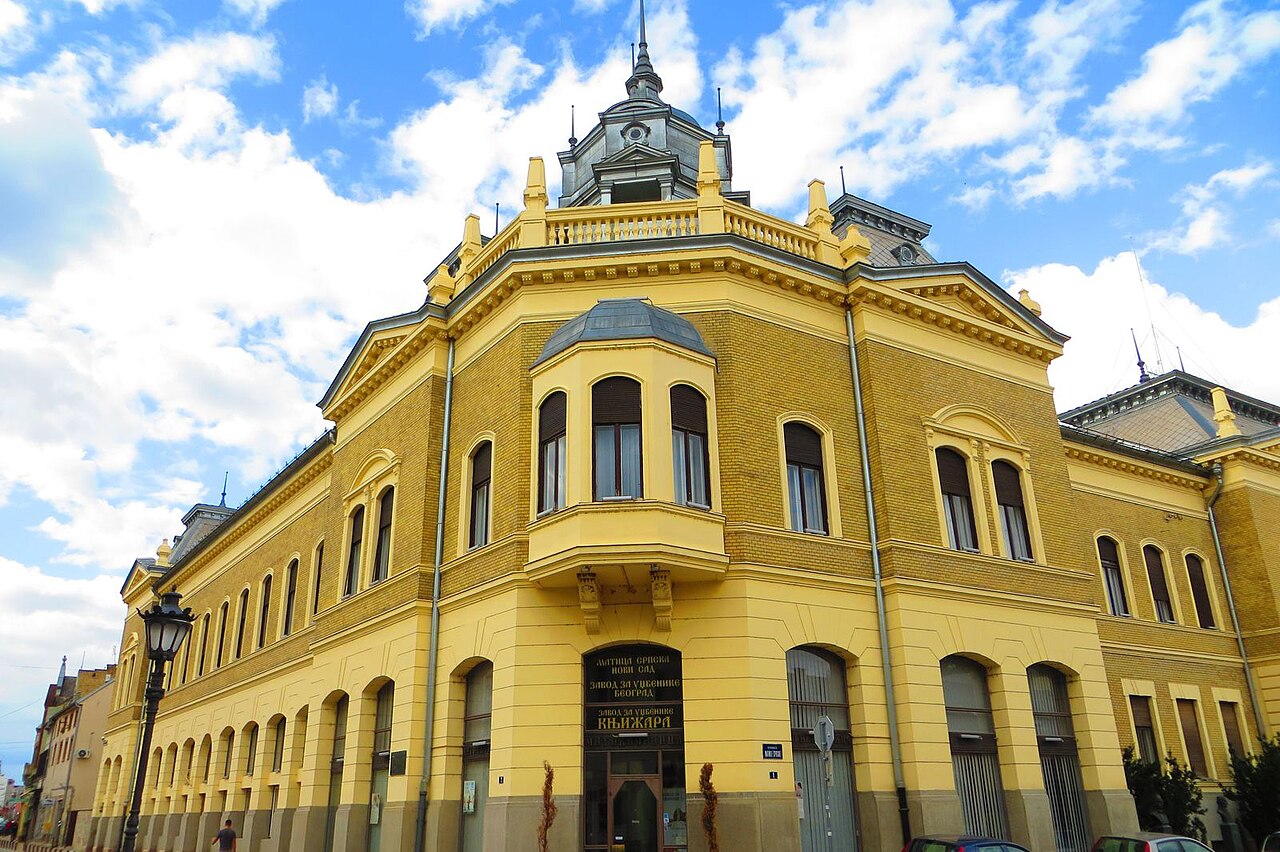
- Saint George's Orthodox Cathedral — Old centre
The Orthodox cathedral of Saint George stands in the old centre, a short walk from the main square, and shows the city's Serbian church tradition. Visit when it is open to see the interior, and glance at the nearby bishop's palace, whose courtyard front is a fine piece of period architecture.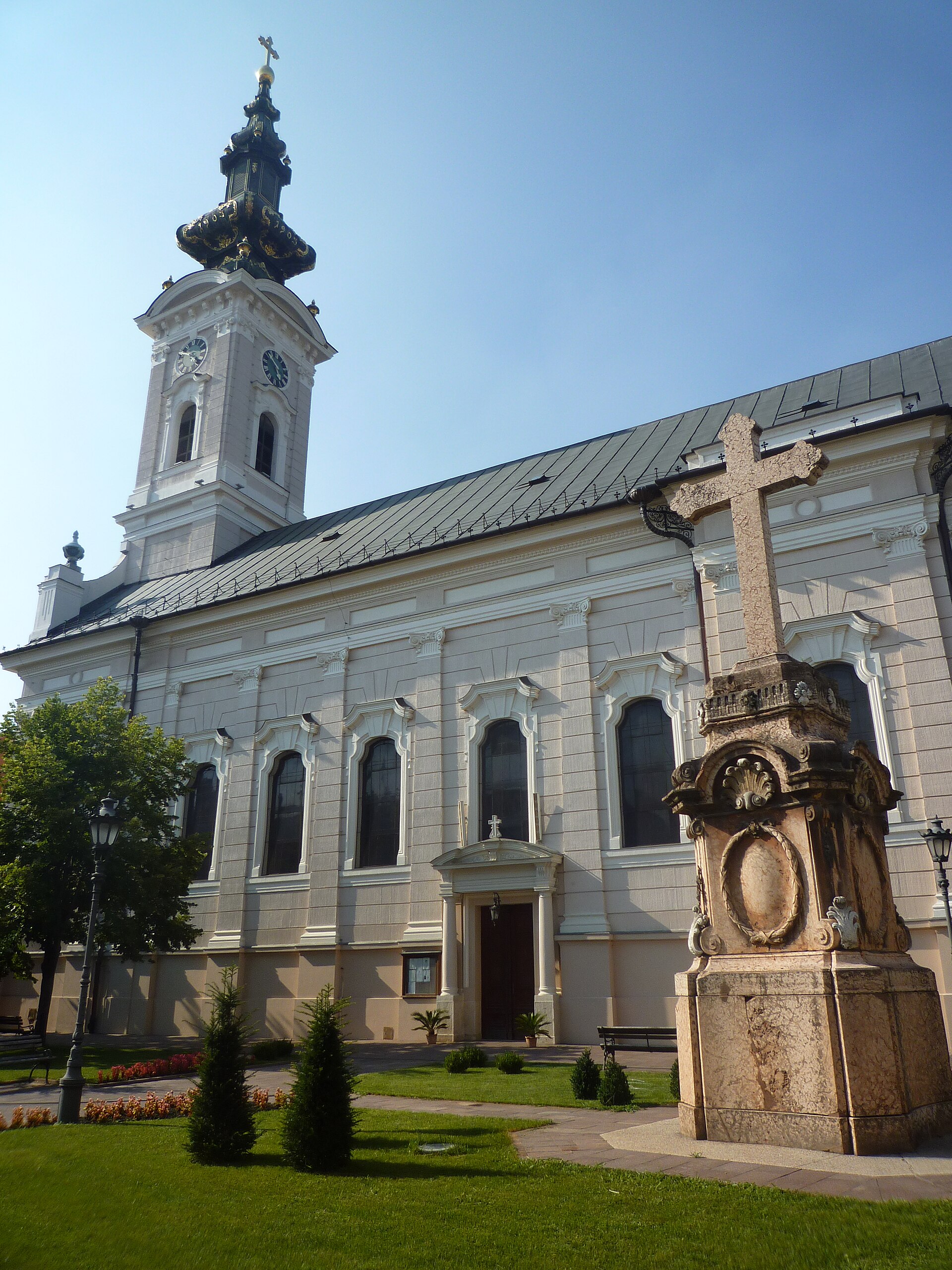
- Monument to the Victims of Fascism — Danube promenade
A memorial stands on a small square beside the Danube, along the riverside promenade. It makes a short, quiet stop on a walk from the centre towards the water, and a reminder of wartime suffering in the city. Combine it with a stroll along the embankment and a coffee by the river.
Culture
Novi Sad built its reputation on books and stages. Through the nineteenth century and a little beyond, the city was the capital of Serbian culture, which is how it won the nickname Serbian Athens. Writers and publishers such as Vuk Stefanović Karadžić, Jovan Jovanović Zmaj and Đura Jakšić worked here at various points, and Matica srpska, the country's oldest cultural-scientific institution, moved to the city from Budapest. The Serbian National Theatre, among the older professional theatres of the South Slavs, was founded here too. Today the city is Serbia's second cultural centre after Belgrade, and officials have leaned into that with a steady calendar of concerts and events. For a visitor, though, the culture is mostly lived at street level. Evenings are for strolling the centre, sitting a long time over coffee or a glass of rakija, and meeting friends on the main square. Orthodox and Catholic churches stand within minutes of each other, and the wider province has long been home to Hungarians, Slovaks and other communities, so signs and menus may appear in more than one language or script. Summer brings open-air events on the fortress and along the river. Cover shoulders and knees in churches, keep voices low, and ask before photographing worshippers or services.
What to wear
Traditional dress in Vojvodina belongs mostly to folk ensembles, weddings and church holidays. Women's costume centres on embroidered linen or cotton blouses, layered skirts and aprons, woollen or velvet waistcoats and headscarves; men wear white shirts, dark woollen waistcoats and trousers, leather opanci shoes and the šajkača, a soft pointed cap. Slovak, Hungarian and other communities in the province keep their own variations, with their own embroidery patterns. In daily life, people dress much as in the rest of Central Europe: jeans, trainers and jackets by day, neat smart-casual clothes for restaurants and the theatre. Students and festival crowds in summer lean towards shorts, bright T-shirts and sandals, while winter calls for dark coats and boots. Visitors should pack for the season. Summers are hot, so light cotton, a sun hat and sunscreen help, especially on the exposed fortress terraces, and a thin layer is useful for breezy evenings by the river. Winters are cold, so bring a proper coat and gloves. Comfortable shoes with grip matter more than style, since the fortress and older streets have uneven stone and cobbles. For churches, carry a scarf or light shirt to cover shoulders and avoid short skirts or shorts.
What to eat
- Kobasica (Vojvodina sausage) — Sausage grills and traditional restaurants in the old centre
Paprika-seasoned pork sausage is the signature of the plain, grilled or fried and served with bread, mustard and pickled peppers. Look for it at sausage grills and traditional Vojvodina restaurants near the centre, which are quick, informal and busy at lunchtime. - Fiš paprikaš — Riverside restaurants along the Danube
A river-fish stew in a deep red paprika broth, often cooked slowly in a cauldron and served with noodles. The Danube makes it the local dish to try; look for it at riverside restaurants, for lunch or a long evening meal. - Ćevapi — Grill houses and counters around the centre
Small grilled rolls of minced meat, tucked into flatbread with raw chopped onion and sometimes kajmak, a soft dairy spread. Grill houses and fast-food counters in the centre serve them, and they make a cheap, filling lunch before the climb to the fortress. - Burek — Neighbourhood bakeries
Flaky pastry filled with cheese or minced meat, eaten warm and often with a cup of yoghurt. Neighbourhood bakeries sell it from early morning, which suits breakfast or a quick snack between sights. - Palačinke — Pancake counters and cafés on the pedestrian streets
Thin pancakes, rolled with jam, walnuts or chocolate, are the standard sweet ending to a meal or an afternoon walk. Pancake counters and cafés on the pedestrian streets serve them, and many offer savoury fillings too.
Plan it
Best time. May–June and September–October for mild weather and café terraces; July–August is hot, and festival week at the fortress is loud and busy; winters are cold and grey.
How long. 2
Getting there. Belgrade airport is the usual gateway, about 70 km away and under an hour by road; pre-booked transfers and taxis run to Novi Sad. Trains between Belgrade and Novi Sad are fast on the Soko service, which takes well under an hour. Check which station your train uses, as some services call at Petrovaradin across the river.
Budget. low
Tips
- Book beds early if your dates overlap with the fortress festival, and check the official city site, novisad.rs, for event dates
- Climb to the fortress early or near sunset to avoid midday heat, and carry a light layer for the breezy evenings
- Carry some cash in dinars for bakeries, market stalls and small cafés, though many places take cards
- Use Novi Sad as a base for a day trip to Fruška Gora's monasteries and wine villages
- Take a taxi or pre-booked transfer from the airport rather than relying on land crossings from other countries, which can be slow
Etiquette
- Cover shoulders and knees and keep voices low inside churches
- Ask before photographing worshippers, services or people at cafés
- Round up the bill or leave a small tip for table service
Nearby
Sources
- Wikidata Q55630 (CC0)
- Wikipedia: Novi Sad (rev 1385075078) (CC BY-SA 4.0)
- Wikivoyage: Novi Sad (rev 5427630) (CC BY-SA 4.0)
- Photo: Gradska kuća u Novom Sadu (Vanja Kovac) (CC BY-SA 4.0)
- Photo: Ansichten in Novi Sad (Bybbisch94, Christian Gebhardt) (CC BY-SA 4.0)
- Photo: Matica Srpska (Mister No) (CC BY 3.0)
- Photo: Petrovaradin Fortress (Mister No) (CC BY 3.0)
- Photo: Clock tower, Petrovaradin Fortress (Karolina Đukić) (CC BY-SA 4.0)
- Photo: Name of Mary Church (Alexkom000) (CC BY 4.0)
- Photo: Saint George's Orthodox Cathedral (Niels Broekzitter) (CC BY 2.5)
- Photo: Vladičanski dvor, Novi Sad (Vanja Kovac) (CC BY-SA 4.0)


