Smederevo Fortress
Smederevo Fortress, Serbia
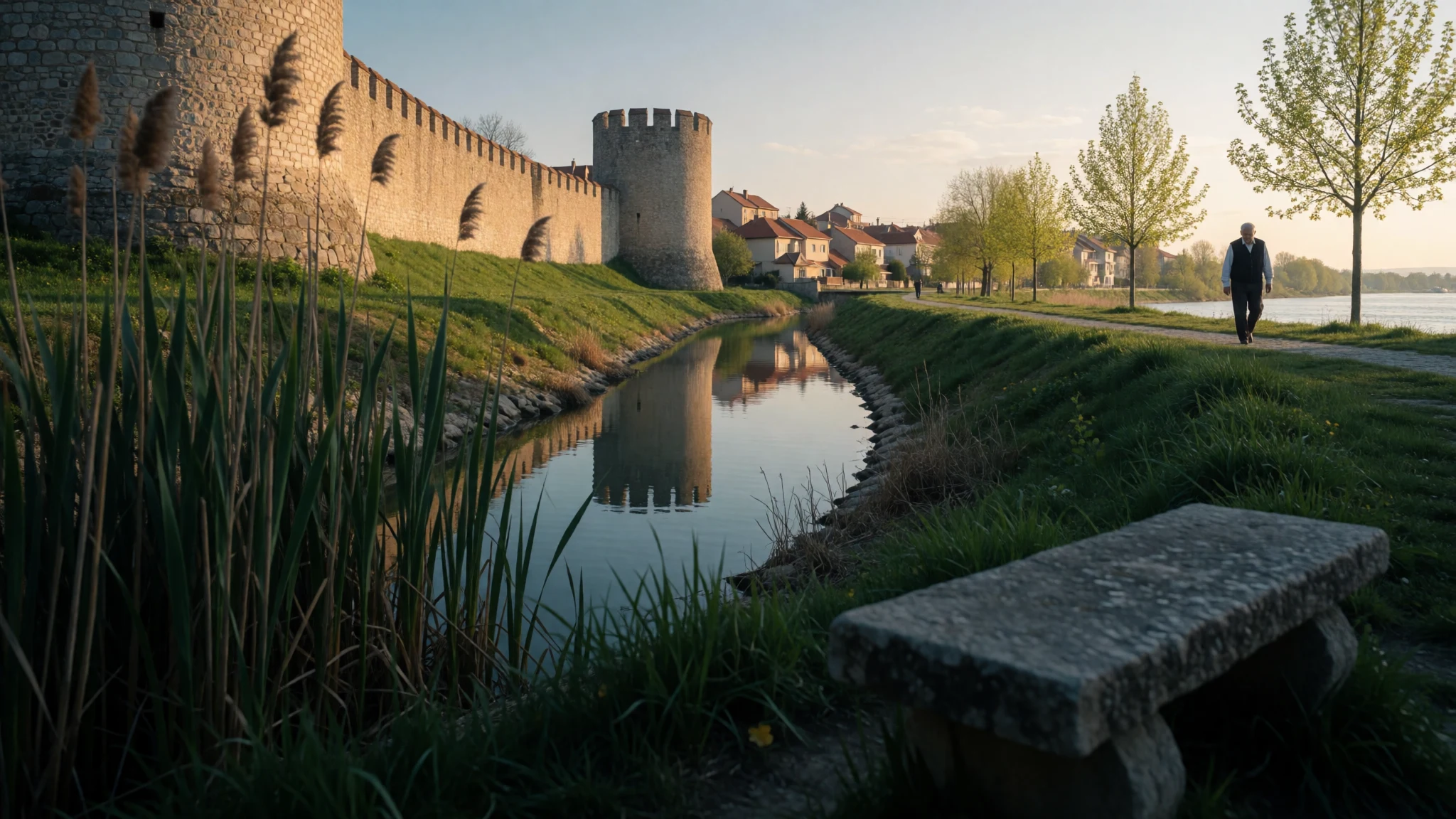
A walled medieval capital on the Danube, built in a hurry by a ruler who had just lost Belgrade, and still standing in the middle of a living town.
The place
Smederevo Fortress stands in the middle of the modern town of Smederevo, on the right bank of the Danube, about 45 kilometres southeast of Belgrade. It is a walled city rather than a lone castle, covering 11.3 hectares on a triangle of flat ground where the Jezava river meets the Danube. The site lies only 72 metres above sea level, so there is no hilltop drama. Its defence came from water on two sides, a wet trench and thick walls studded with towers. Inside, the plan divides into a smaller inner town, where the palace ruins stand, and a much larger outer enclosure that once held a fortified suburb. Today the outer enclosure is mostly open ground, and the town presses right up to the walls. Cafés, a riverside promenade and ordinary streets surround the fortress, which gives it a lived-in feel that quieter ruins lack. The location explains the whole design. Despot Đurađ Branković wanted a capital close enough to Hungary to keep that kingdom reassured, yet placed so that Hungarian forces could not pass freely into the Morava valley, which kept the Ottoman sultan content. The Danube also links the fortress to other historic places: Belgrade, Novi Sad, Golubac Fortress, Lepenski Vir and Viminacium all lie along the river or near it, and a major European road corridor runs close by. The fortress was declared a Monument of Culture of Exceptional Importance in 1979 and has been on Serbia's tentative list for World Heritage since 2010. It is not yet inscribed. Damage from the Second World War is still visible in places.
Its story
Smederevo Fortress exists because Serbia lost a capital. After Despot Stefan Lazarević died in 1426, his nephew and successor Đurađ Branković had to hand Belgrade back to Hungary. He needed a replacement, and he picked a spot with no earlier settlement at the meeting of two rivers. The politics were delicate. Serbia owed homage to Hungary yet also answered to the Ottoman sultan, so the new capital had to sit on the Hungarian side without giving Hungarian armies a road south. Smederevo managed both, and it let the ruler watch traffic on the Danube. Building began in the autumn of 1428. By 1430 the first phase, with a palace and enough buildings to count as an inner town, was finished, while the fortified suburb and further defences kept growing until 1439. The new court quickly became a stage for dynastic bargaining. In 1434 the Despot's youngest daughter Katarina married Ulrich II of Celje here, a match that leaned towards Hungary. An Ottoman envoy soon arrived with a counter-demand: the older daughter, Mara, should be engaged to Sultan Murad II. A council at the palace agreed. Independence did not last. The Ottomans took the city in 1459 and strengthened the walls themselves. The fortress then survived several sieges largely intact, until bombing and explosions in the Second World War caused heavy damage. Enough remains that historians still treat it as a rare example of a medieval Serbian ruler's court.
What to see
- The entrance gate and small town — Inner (small) town, main entrance
The inner, older part of the fortress is the best place to begin. Walk in through the gate and then climb for a view back over the enclosed courtyard, its towers and the wall circuit. The panorama from above the gate shows how compact the original capital was before the suburb was added.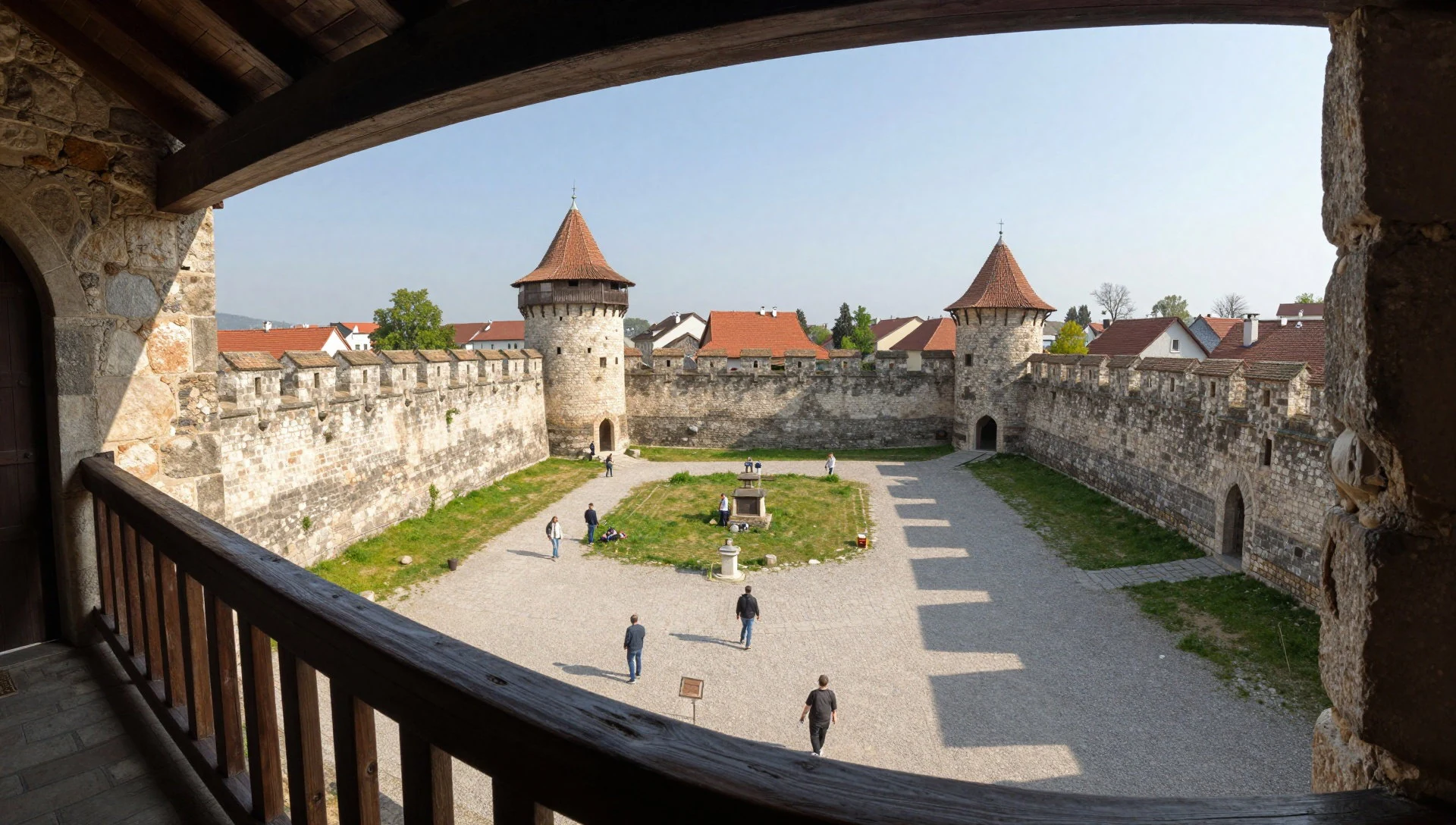
- The water trench and walls — Outer edge of the inner town walls
A trench fed by river water runs along part of the inner town's walls, and it is the clearest reminder that this was a defensive design. Stand on the outer edge and look up at the stone curtain and towers. In calm weather the reflections are good for photographs, and the grass banks are pleasant for a slow walk.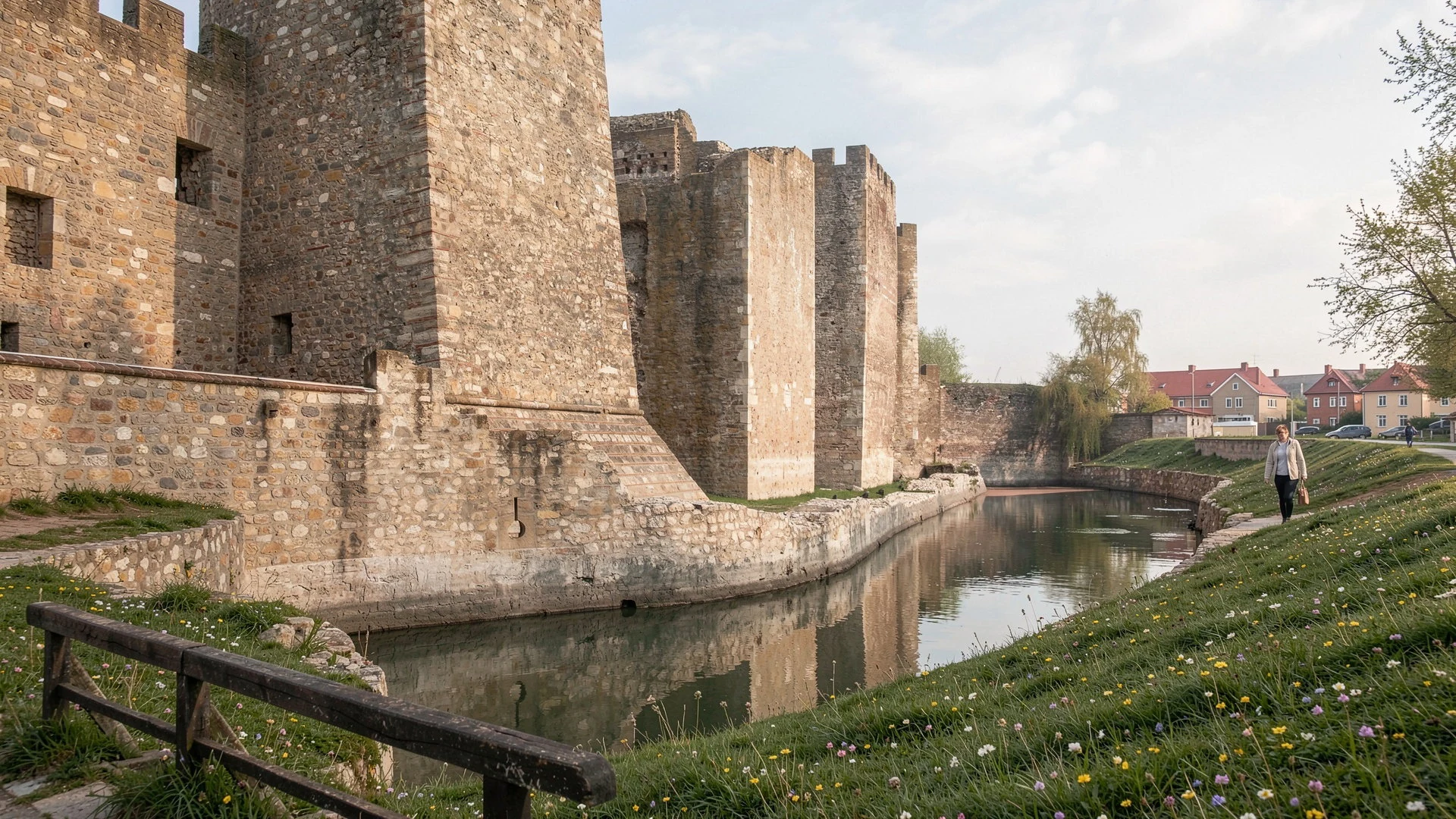
- The palace remains — Inside the inner town
Little of the Despot's palace stands to full height, but the surviving walls hint at its scale. Look for the double-arched windows high in the stonework, a rare touch of decoration in a fortress that is otherwise plain and practical. This is where the council that decided Mara's engagement is believed to have met.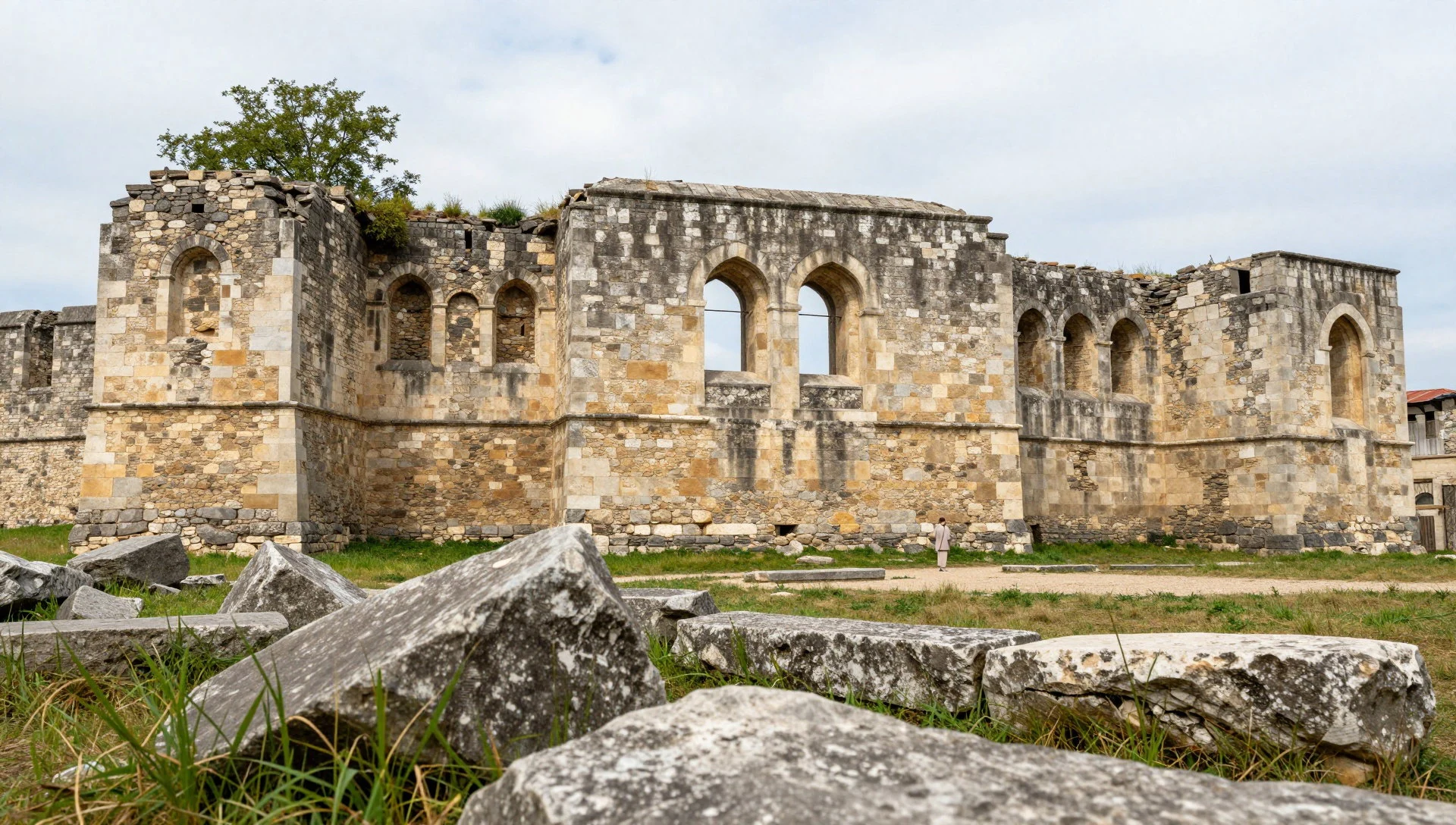
- Corner tower and the Danube — Northern corner of the inner town
Climb one of the corner towers, where access allows, for the view along the northern wall to the Danube. The river explains why the capital was placed here, and the tower shows how the walls meet at the water's edge. Wind can be strong up here, so bring a layer even on sunny days.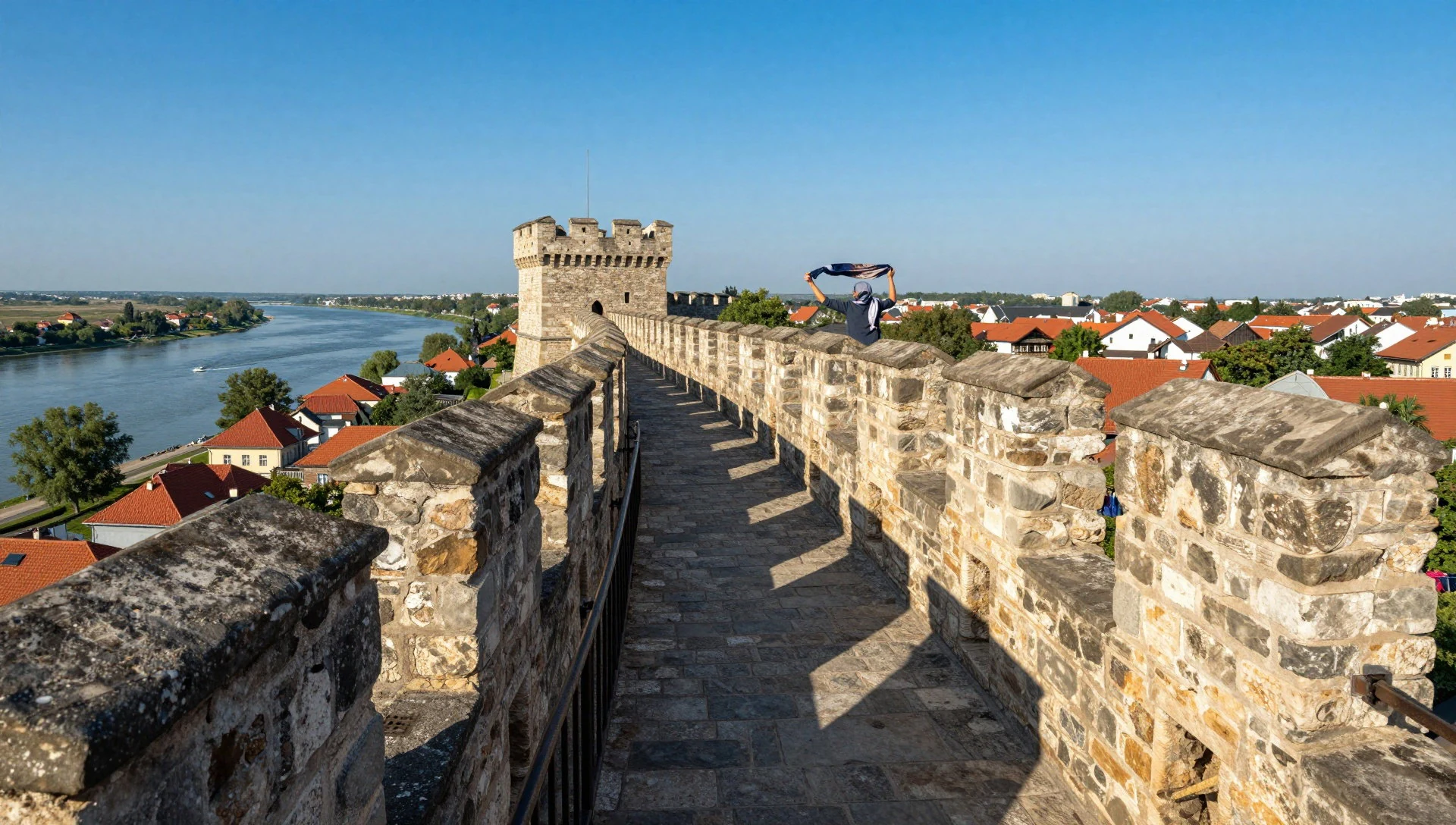
- The Despot's inscription — Tower of the inner town
On one of the small town's towers, carved lettering names the Despot as the builder. It is easy to walk past, so look up when passing the towers. The text begins with an invocation of Christ and God, which says something about how a Christian ruler wanted his new capital to be remembered.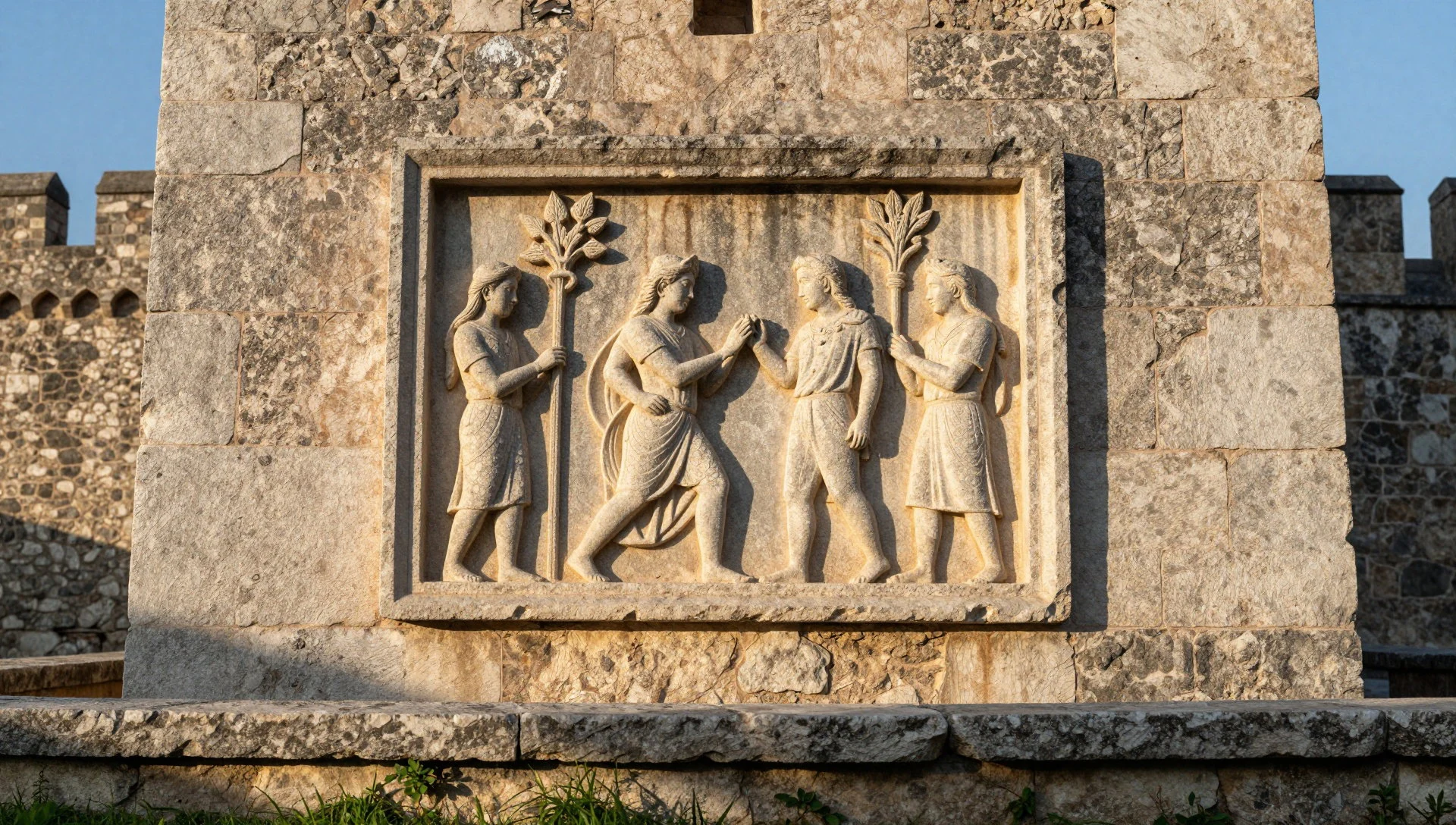
Culture
Smederevo Fortress belongs to a Serbian Orthodox and Balkan story, and the town around it still carries that heritage. The Despotate was Christian, and rulers such as Đurađ Branković were also patrons of the church, so the fortress is remembered not only as military architecture but as a seat of court and faith. Local people treat it as a shared park and a source of civic pride. Families stroll the grounds in the evening, and events are staged within the walls during the year, so check local listings for concerts, fairs and commemorations. The town is known for its wine tradition, and the Smederevka grape takes its name from it. A visit pairs naturally with a long, unhurried meal at a kafana, the traditional Serbian tavern where coffee, rakija and conversation matter more than speed. History here is also recent: wartime damage is not hidden, and older residents may remember repairs. Serbs commonly use Cyrillic and Latin script interchangeably, so signs may appear in either. A few words of greeting in Serbian, such as dobar dan for good day, are appreciated and often returned warmly. Stay on the marked paths and off the crumbling wall tops, and ask before photographing people who are relaxing or celebrating in the grounds.
What to wear
Around Smederevo and the wider Šumadija and Danube lands, traditional dress was built from home-spun wool, linen and hemp, often in muted browns and creams with bright embroidery. Men wore woollen trousers and waistcoats with the šajkača, a flat-topped cap, and opanci, soft leather shoes with turned-up toes. Women wore embroidered blouses, woven aprons and headscarves. Such clothing now appears mostly at folk festivals, weddings, dance groups and church celebrations rather than in daily life, so regional details vary and are best asked about locally. Everyday dress in Smederevo is ordinary European: jeans, shirts, trainers, light jackets, and smarter clothes for evenings out. Visitors can dress the same way. The main concern is terrain and weather. Paths inside the fortress are uneven, with cobbles, grass and loose stone, so sturdy closed shoes are better than sandals. The site is open and exposed, so bring a hat and sunscreen in summer, and a windproof layer in spring and autumn when the river breeze cuts through. Winters are cold and damp. No special modesty dress is needed for the fortress itself, but cover shoulders and knees if you step into an Orthodox church, and remove any hat inside.
What to eat
- Burek — Bakeries around the town centre
A flaky pastry coiled or layered with cheese or minced meat, eaten warm at breakfast or as a quick snack. Any bakery in the town centre will sell it by the slice, often with plain yoghurt on the side.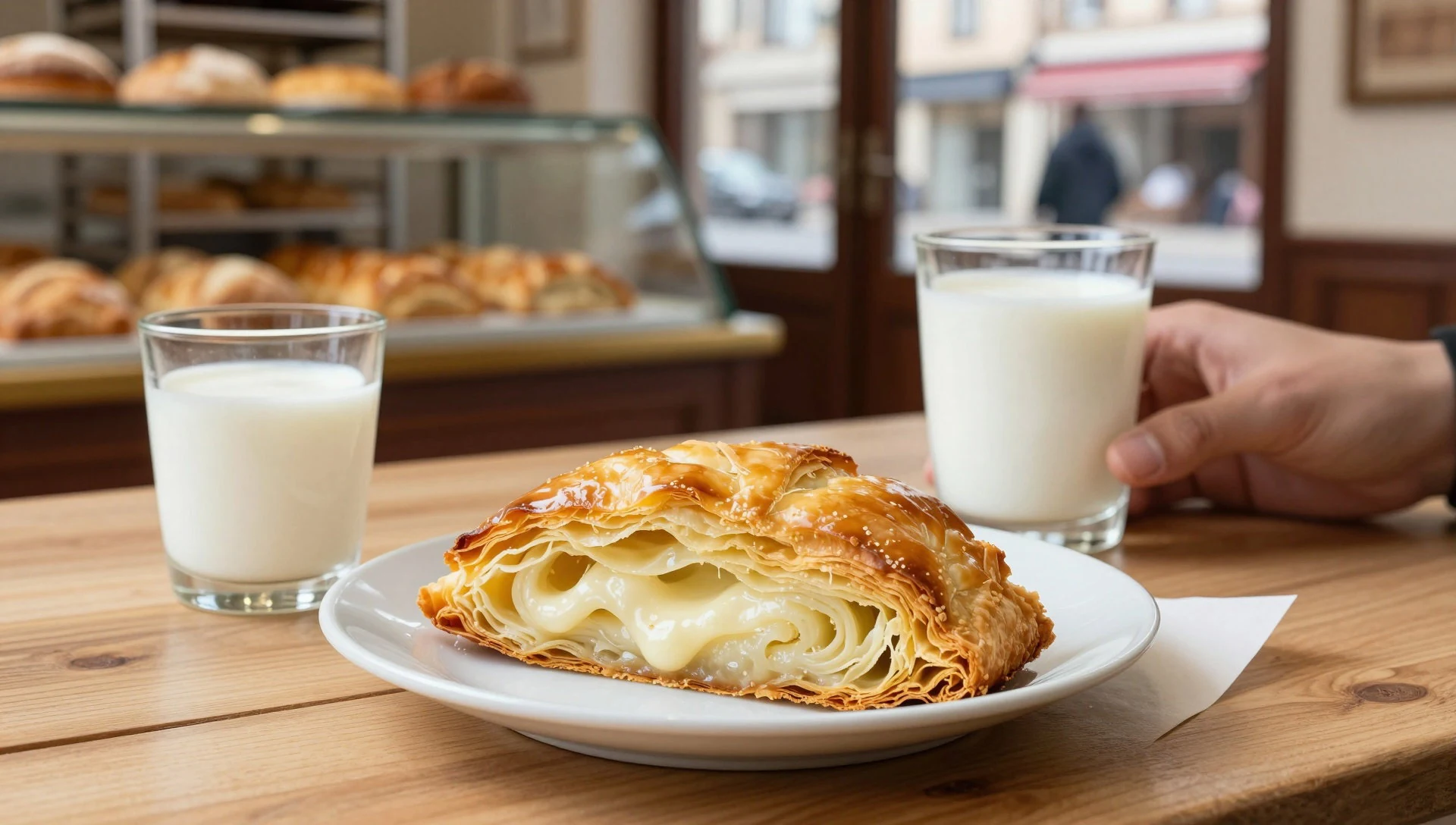
- Ćevapi — Grill houses and kafanas in the town centre
Small grilled minced-meat sausages served with flatbread, chopped raw onion and sometimes kajmak, a creamy dairy spread. A simple, filling lunch, and a staple at grill houses and kafanas near the main streets.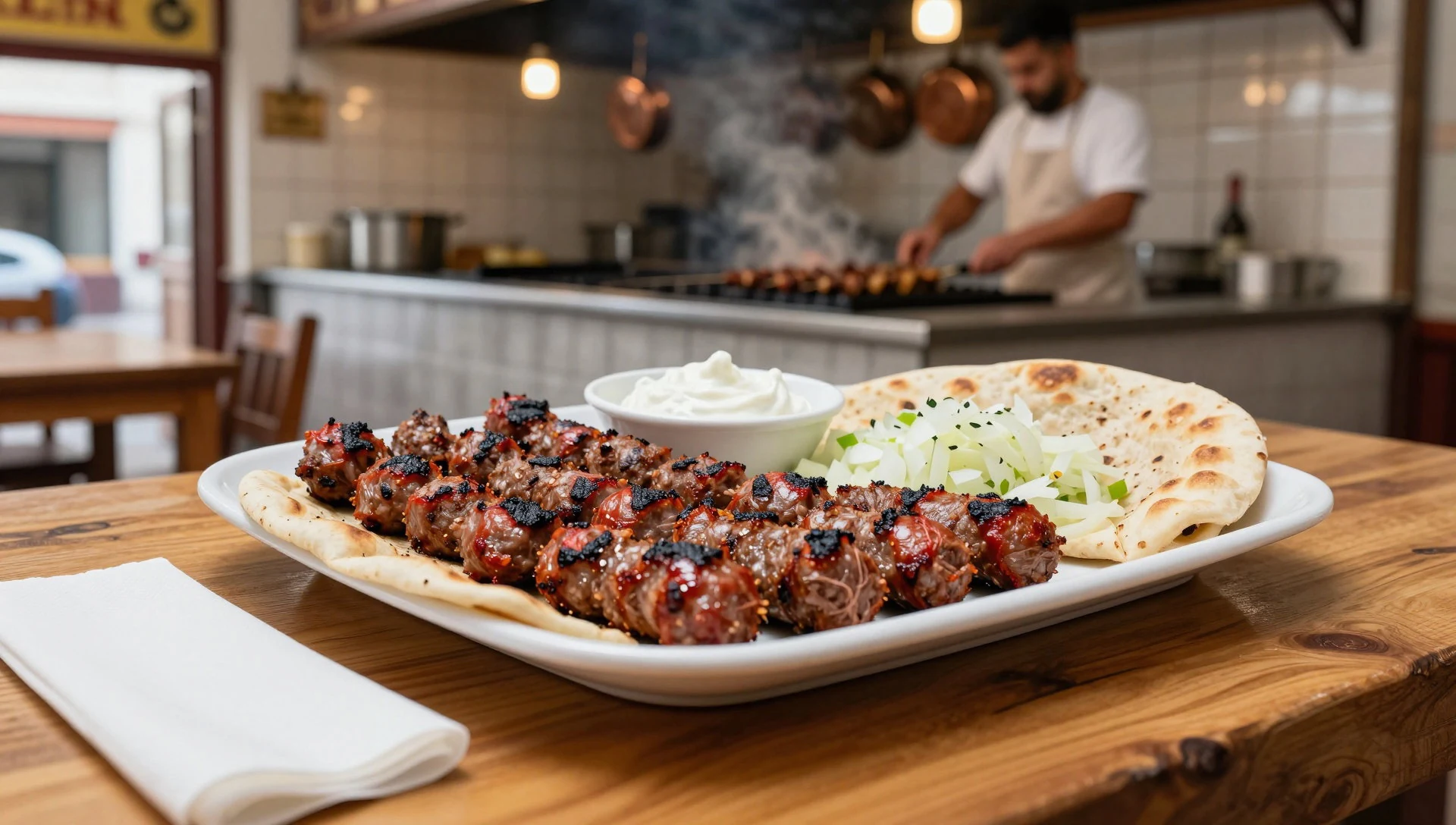
- Riblja čorba — Riverside eateries along the Danube
A paprika-red river fish soup, cooked in a pot with whatever the Danube provides. It is warming and spicy, and is best eaten in cooler months at a casual eatery by the water. - Šopska salad — Almost any restaurant or kafana
Chopped tomato, cucumber and onion under a snowy layer of grated white cheese. It is a cooling side dish for grilled meat and hot days, found on almost every menu in the region. - Smederevka wine — Taverns and wine bars in the town
A dry white wine from the grape named for the town. Light and fresh, it suits grilled fish and salads. Ask for local bottles at a wine bar or tavern, and drink with food rather than alone.
Plan it
Best time. April–June and September–October, when days are mild and the open grounds are comfortable to walk. July and August can be hot with little shade inside the walls, while winter is cold, damp and windy off the river.
How long. 1
Getting there. Fly to Belgrade Nikola Tesla Airport, then continue by road or public transport to Smederevo, about 45 kilometres southeast. The fortress sits in the middle of the town, a short walk from the centre. Check current bus and rail timetables locally, as they change.
Budget. low
Tips
- Go in the morning or late afternoon for softer light and cooler air
- Check locally for opening arrangements and any event days, as no official website is listed here
- Carry some cash for cafés and small shops, though cards are common in town
- Bring water and sun protection in summer, as shade inside the walls is limited
- Combine with a Danube day trip, since other riverside sites lie within reach
Etiquette
- Stay on marked paths and off unsecured wall tops
- Ask before photographing people, especially at weddings and family gatherings
- Take your litter with you from the grounds
Nearby
Sources
- Wikidata Q2588696 (CC0)
- Wikipedia: Smederevo Fortress (rev 1371468512) (CC BY-SA 4.0)
- Duja, Smederevo small town panorama 1 (CC BY 3.0)
- Duja, Smederevo water trench (CC BY 3.0)
- Duja, Smederevo palace 1 (CC BY 3.0)
- Duja, Smederevo view from top (CC BY 3.0)
- Duja, Smederevo small town panorama 3 (CC BY 3.0)
- Duja, Smederevo panorama 2 (CC BY 3.0)
- Duja, Smederevo window (CC BY 3.0)
- Duja, Smederevo Despot's inscription (CC BY 3.0)
- Wikivoyage (CC BY-SA 4.0)


