Jost Van Dyke
Jost Van Dyke, United Kingdom
Jost Van Dyke is a small British Virgin Island of beach bars, clear bays and a harbour life that still runs on boats.
The place
Jost Van Dyke sits in the British Virgin Islands, a hilly green island with a handful of sandy bays and a population that has long lived by the sea. The name is the one used on charts and in the territory; people also shorten it to Jost. There is no town in the city sense. Settlement clusters in Great Harbour, the principal anchorage and the place where arriving boats clear in; in White Bay, a long pale beach on the south side facing the open water between the island and St John; and in Little Harbour, a quieter cove toward the east. Hills rise behind the bays, covered in dry scrub and trees that throw shade over the footpaths linking the settlements. Most of what a visitor thinks of as the island's public life happens at the water's edge. Yachts and day boats fill the anchorages, dinghies shuttle to wooden docks, and beach bars line White Bay under sea-grape and palms. Roads are few and short. People walk, they ride in an open truck that serves as a taxi, or they stay on the water and treat the island as a series of landings. Sandy Spit, a slip of sand on a nearby cay, belongs to the same day on the water even though it is not part of Jost Van Dyke itself. The pace follows weather and boat schedules rather than traffic. Afternoons can be hot, the light hard, and the beaches busy when a flotilla of charter yachts arrives together. Evenings fall back on the harbours, where music from a bar carries across still water and the hills go dark early.
Its story
Jost Van Dyke takes its name from Joost van Dyk, a Dutch privateer remembered in island tradition as the man who used these bays in the age of Caribbean privateering. What came after that legend is quieter and more agricultural than the pirate tale suggests. Families fished, kept small stock, and grew provisions on thin soil, trading with Tortola and with the islands to the west when the weather allowed a crossing. Great Harbour grew into the civic centre because it offered a sheltered hold for boats and, later, the customs desk that still meets arrivals. For much of its settled life Jost Van Dyke stayed peripheral to Road Town: a place people left for work and came home to, known inside the territory and barely known outside it. That changed when recreational sailing spread through the Virgin Islands and charter boats began to treat the island as an overnight stop. A bar opened by Philicianno Callwood, known as Foxy, became Great Harbour's parlour: sailors, residents and musicians on the same benches, with a wooden-boat gathering and a New Year's party now part of the island calendar. Beach bars on White Bay, among them the Soggy Dollar, gave sailors another shore and a rum punch called a Painkiller. Storms still tear at docks and roofs; the island rebuilds because the economy is the arrival of boats and someone ashore to meet them.
What to see
- White Bay — White Bay
White Bay is the long south-facing beach on Jost Van Dyke, pale sand and clear water with beach bars set under sea-grape. The path from Great Harbour crosses a low hill; many visitors arrive by dinghy and wade in. The beach is lively once charter boats anchor, and calmer early, before the day boats. Shade is scarce at midday, so the bars' trees are where people actually sit.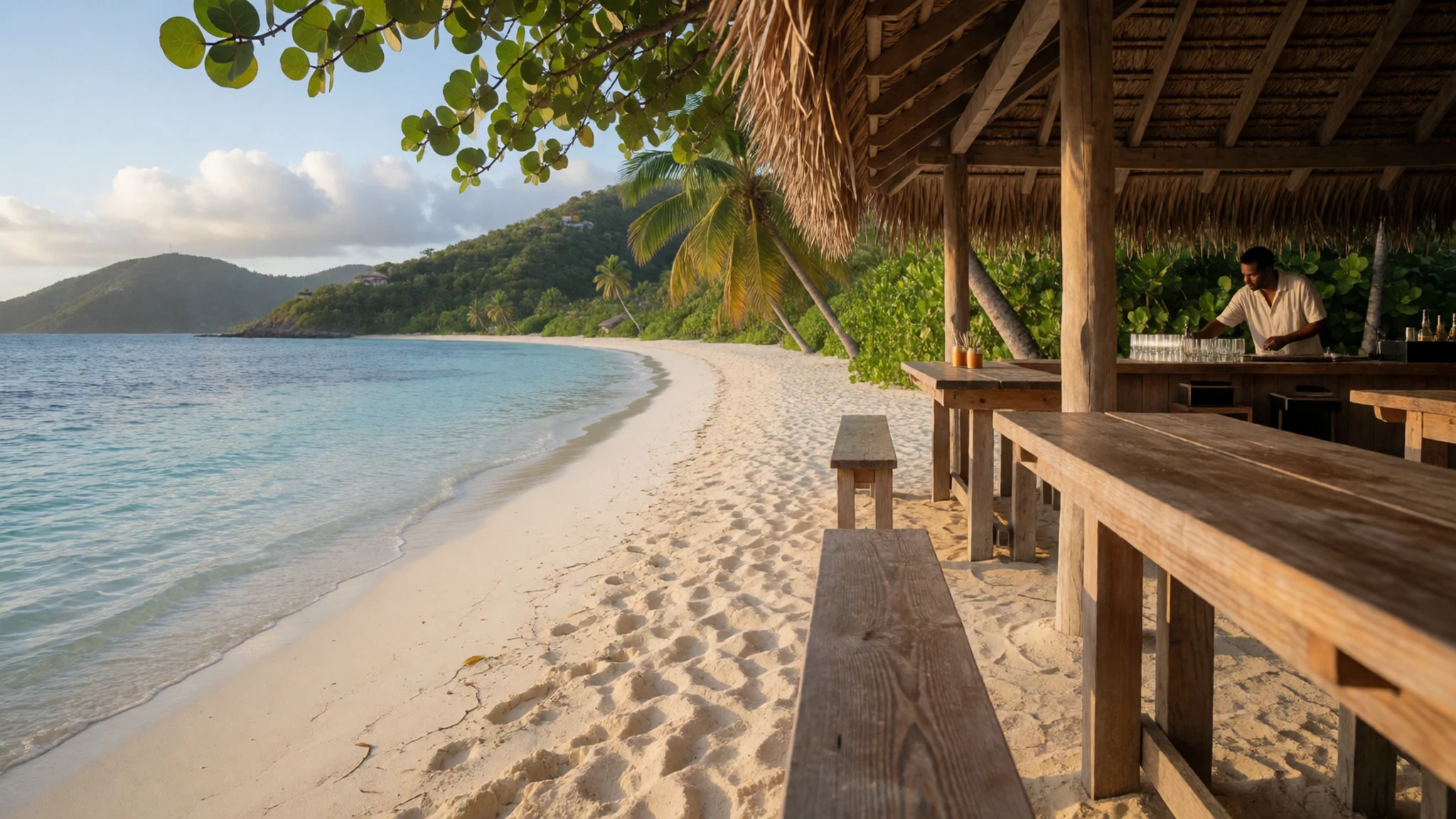
- Great Harbour — Great Harbour
Great Harbour is the working heart of Jost Van Dyke, a sheltered bay where yachts anchor, ferries land and boats clear customs. The waterfront holds the customs office, a few shops and the bars that turn the dock into the evening's main room. It is a harbour settlement rather than a beach: people come for provisions, paperwork and company, then walk the hill paths to the other bays.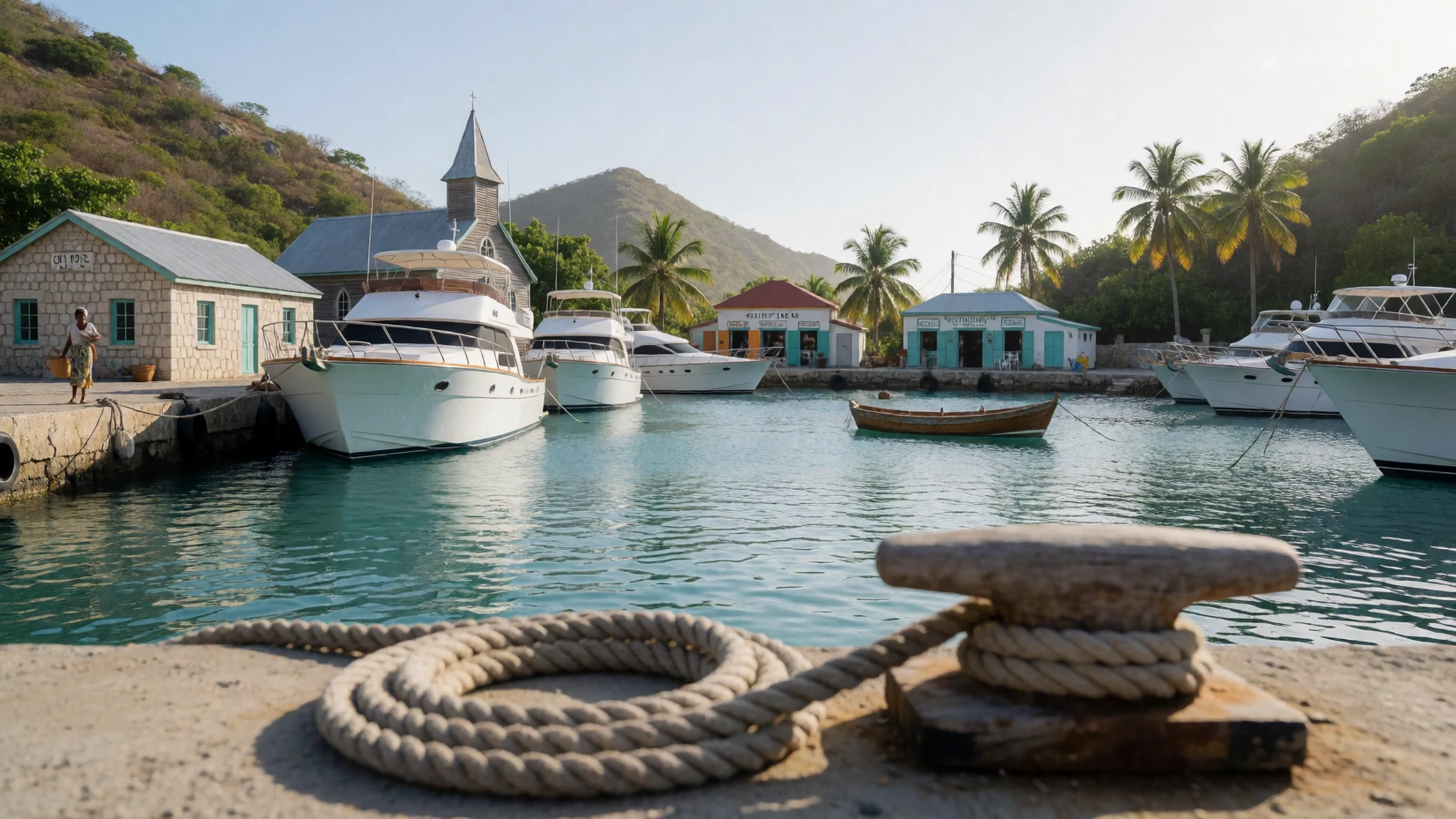
- Foxy's Bar — Great Harbour
Foxy's Bar stands on the Great Harbour waterfront, a wooden room bound up with how sailors picture Jost Van Dyke. Residents and visitors share the benches for music, storytelling and a long-running New Year's gathering. Names and souvenirs cover the walls. A wooden-boat regatta linked to the bar brings classic yachts around late winter. The draw is company and live music as the harbour darkens, rather than a beach.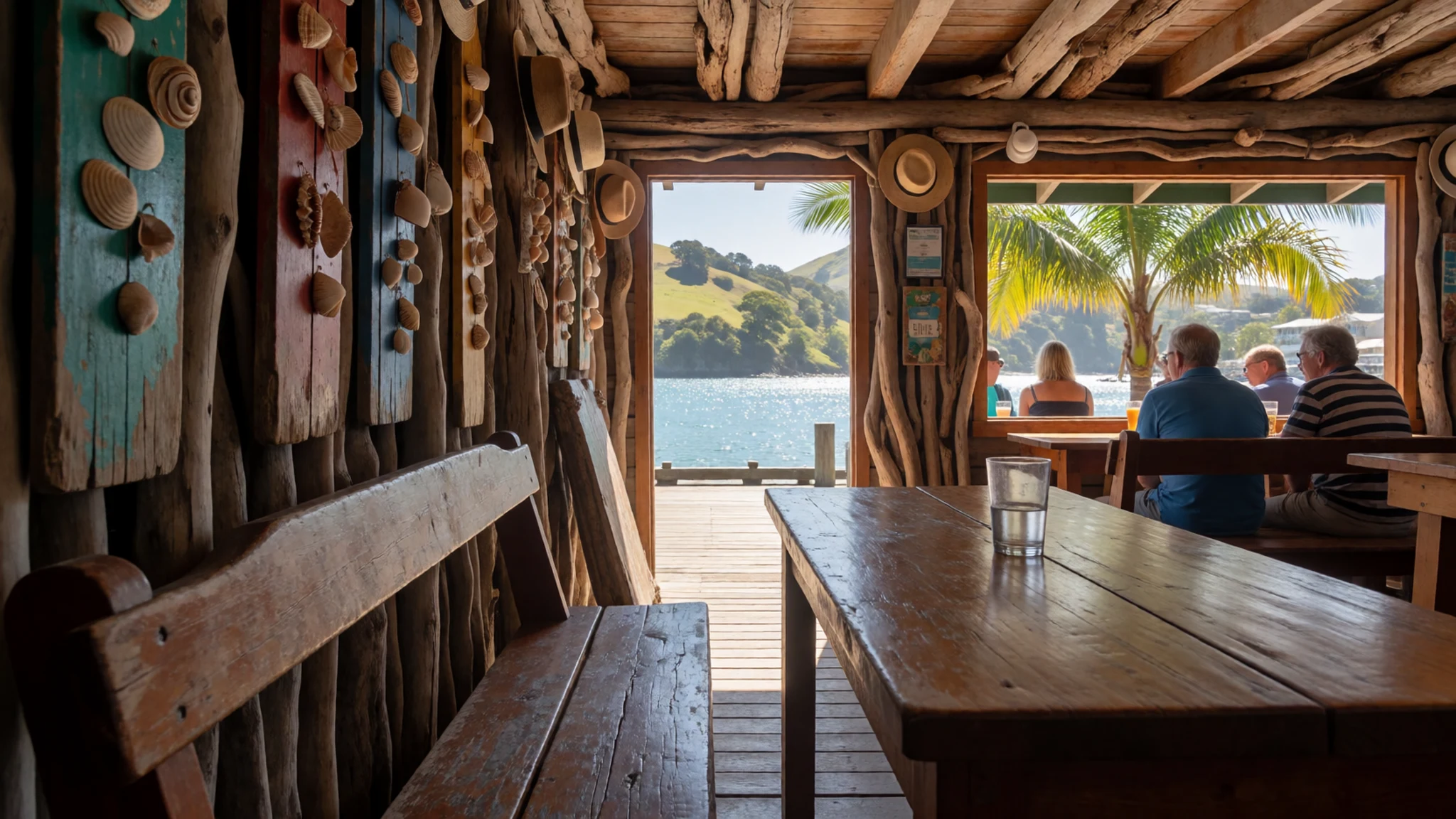
- Sandy Spit — Sandy Spit
Sandy Spit is a bare sandbar on a cay just off Jost Van Dyke, reached by dinghy or day boat from Great Harbour or White Bay. A beach, a few palms and water that shifts from pale turquoise to blue make up the whole place. Boats anchor off the spit and people wade in. Shade and services are absent, so visits stay short and rubbish leaves with the boat.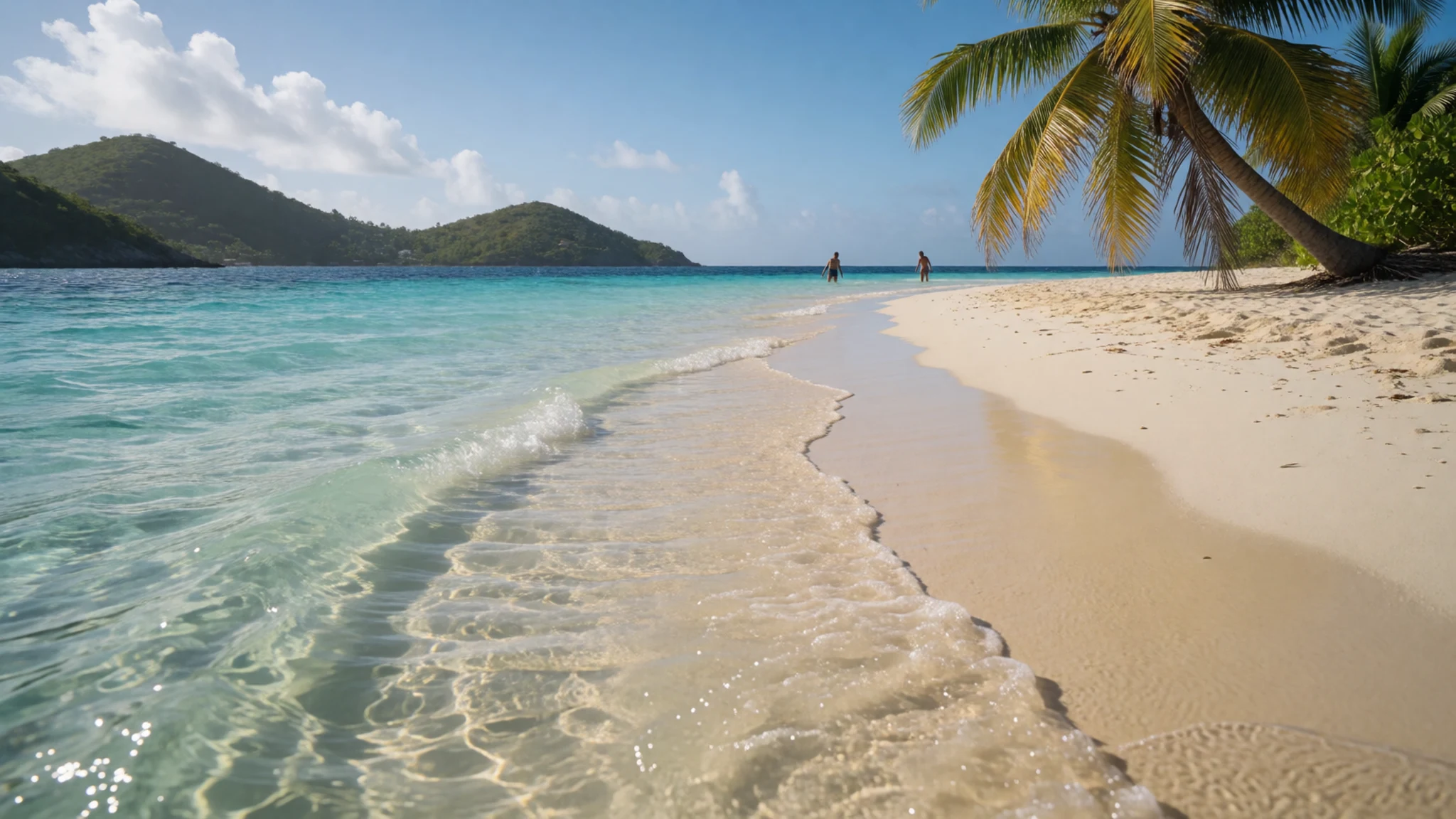
- Little Harbour — Little Harbour
Little Harbour is the quieter eastern cove of Jost Van Dyke, a small anchorage with a beach, low buildings and bars that feel like neighbours' verandas. Hills close in around the water. The walk or ride from Great Harbour is short but steep in the heat. It suits a slow lunch and a swim clear of White Bay's boats. Snorkelling along the rocky edges is why people get in.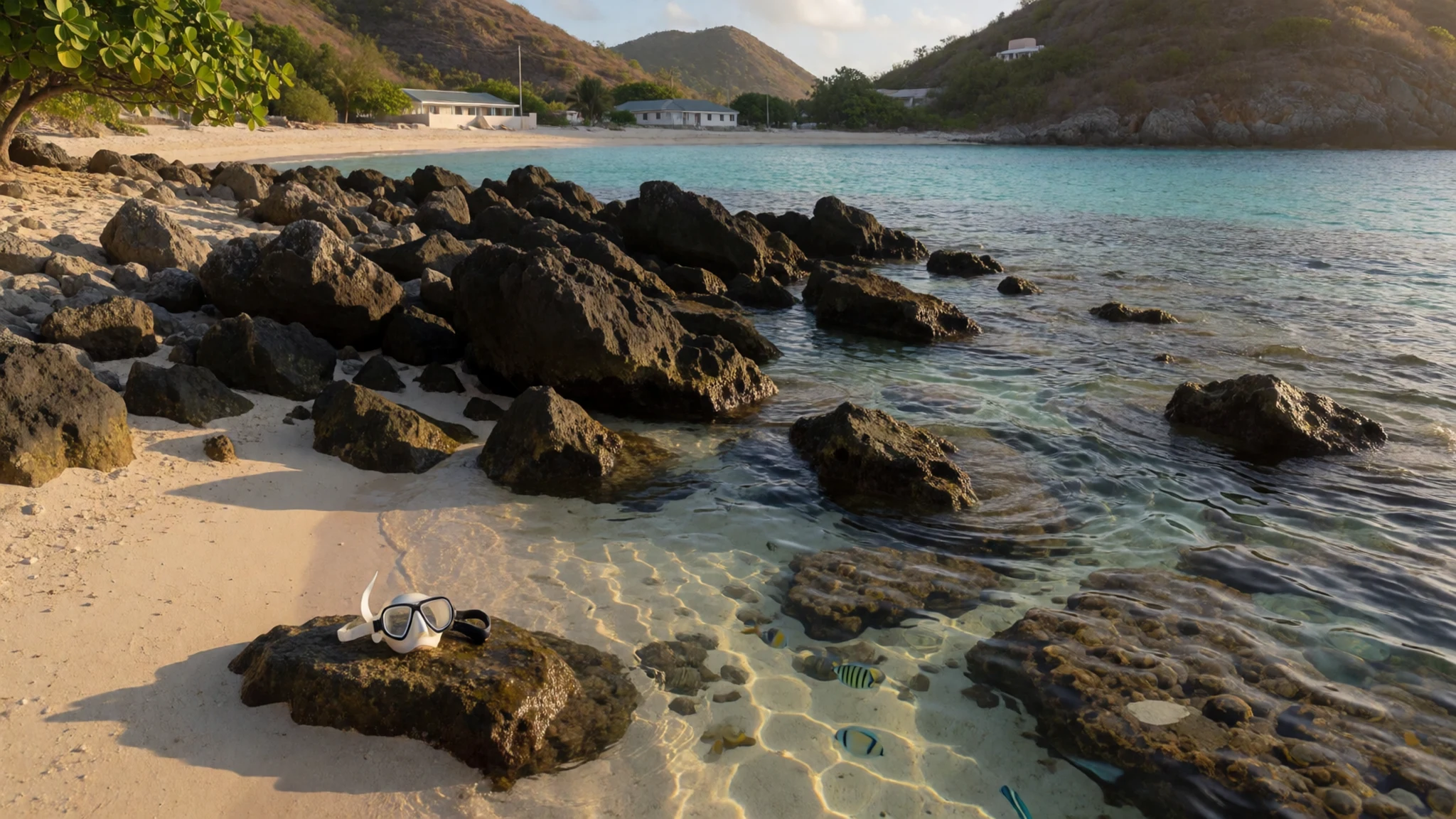
Culture
Jost Van Dyke's culture is a harbour culture: small, oral, and organised around boats, churches and a few bars that double as community halls. Residents are outnumbered for much of the year by sailors and day visitors, yet the island's own calendar still sets the tone. Music is the social glue. Calypso and fungi bands, storytelling and call-and-response songs belong to the bars and to backyard gatherings, and a New Year's Eve party in Great Harbour is treated as a homecoming as much as a night for visitors. A wooden-boat regatta keeps an older kind of seamanship in public view, with local crews and visiting yachts sharing the same start line. Church remains part of ordinary Sunday life, and family ties run across to Tortola, St John and the wider Virgin Islands, so the island never feels fully separate from its neighbours. People are direct, unhurried and used to strangers asking the way to a path or a dock. The courtesy that matters is practical. Clear in with customs before you treat the island as open, ask before you photograph residents, and do not take beach-bar chairs or freshwater showers unless you are a customer.
What to wear
Jost Van Dyke has never had a court costume of its own; dress here comes from the wider British Virgin Islands and from the work people actually do. For festivals, church and Emancipation celebrations, that tradition shows up as bright cotton prints, madras checks and, for some women, a headwrap, with shirts and trousers cut loose for heat. Those clothes are for occasions, not for the dock. Day to day, residents wear what the harbour demands: T-shirts, shorts, sundresses, caps and sandals or bare feet, with a collared shirt kept for church and for customs or government business. Fishermen and boat crews add rash vests, long sleeves against the sun, and shoes that can get wet. Visitors fit the same climate. Swimwear belongs on the beach and on the boat, with a shirt or cover-up added for Great Harbour, for shops and for any church. Midday sun on White Bay is severe, so a hat, sunglasses and a long-sleeve layer earn their place in the bag. The paths between bays are rough and the dinghy landings are wet, which makes water shoes or sturdy sandals more useful than flip-flops once off the sand. Evenings stay casual; a clean shirt is enough for Foxy's, and nothing about the island asks for formal shoes.
What to eat
- Painkiller — beach bars along White Bay
A Painkiller is Jost Van Dyke's rum drink: dark rum, cream of coconut, pineapple and orange juice, with nutmeg on top. Beach bars along White Bay mix it by the jug. It is cold, sweet and stronger than the fruit suggests, so it suits an hour in the shade.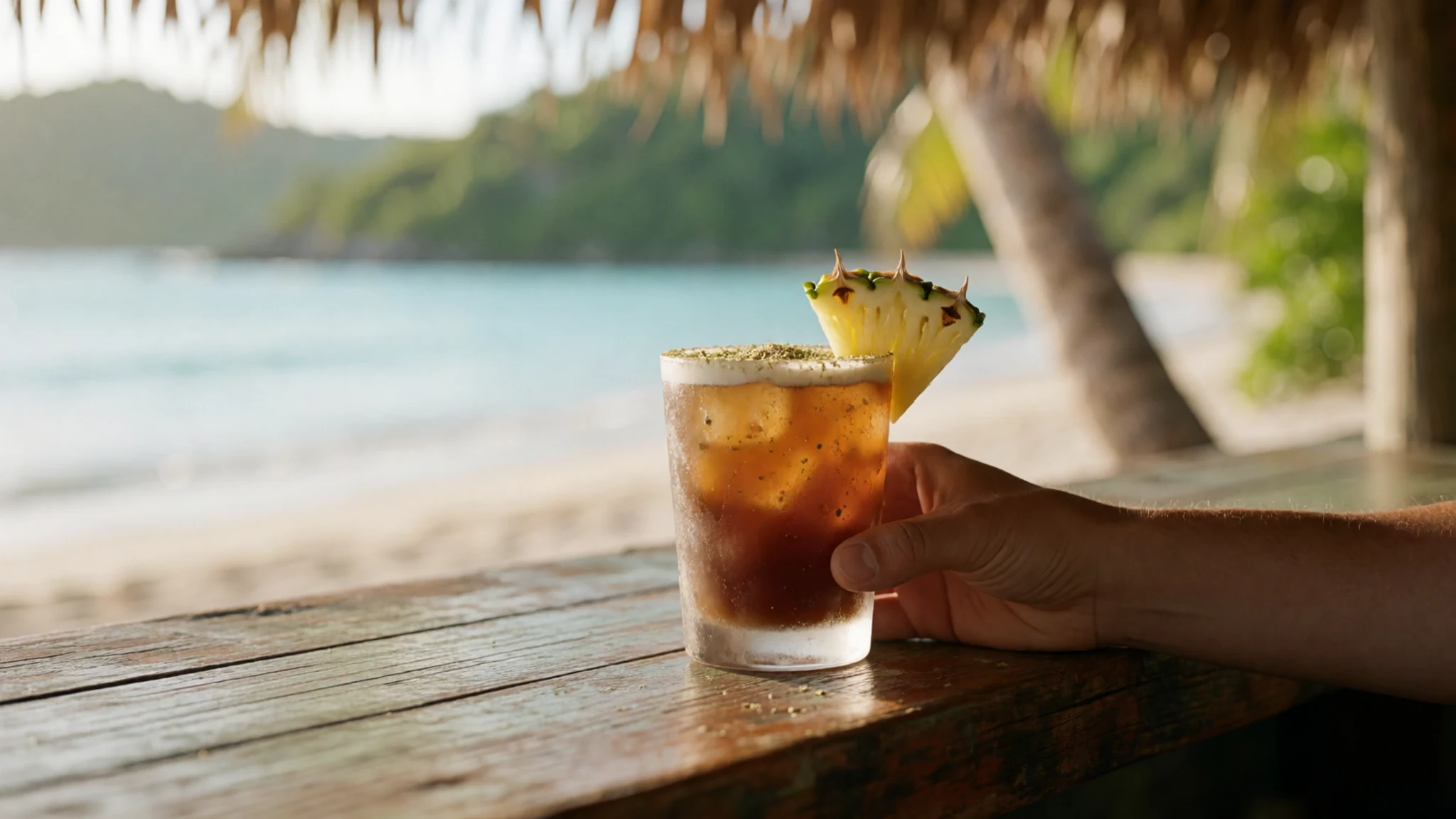
- Conch fritters — beach bars and harbour grills in Great Harbour
Conch fritters on Jost Van Dyke are chopped conch in a seasoned batter, fried crisp and served with a tangy dip. Beach bars and harbour grills in Great Harbour offer them as a starter before fish. The conch should taste of the sea, not of the fryer.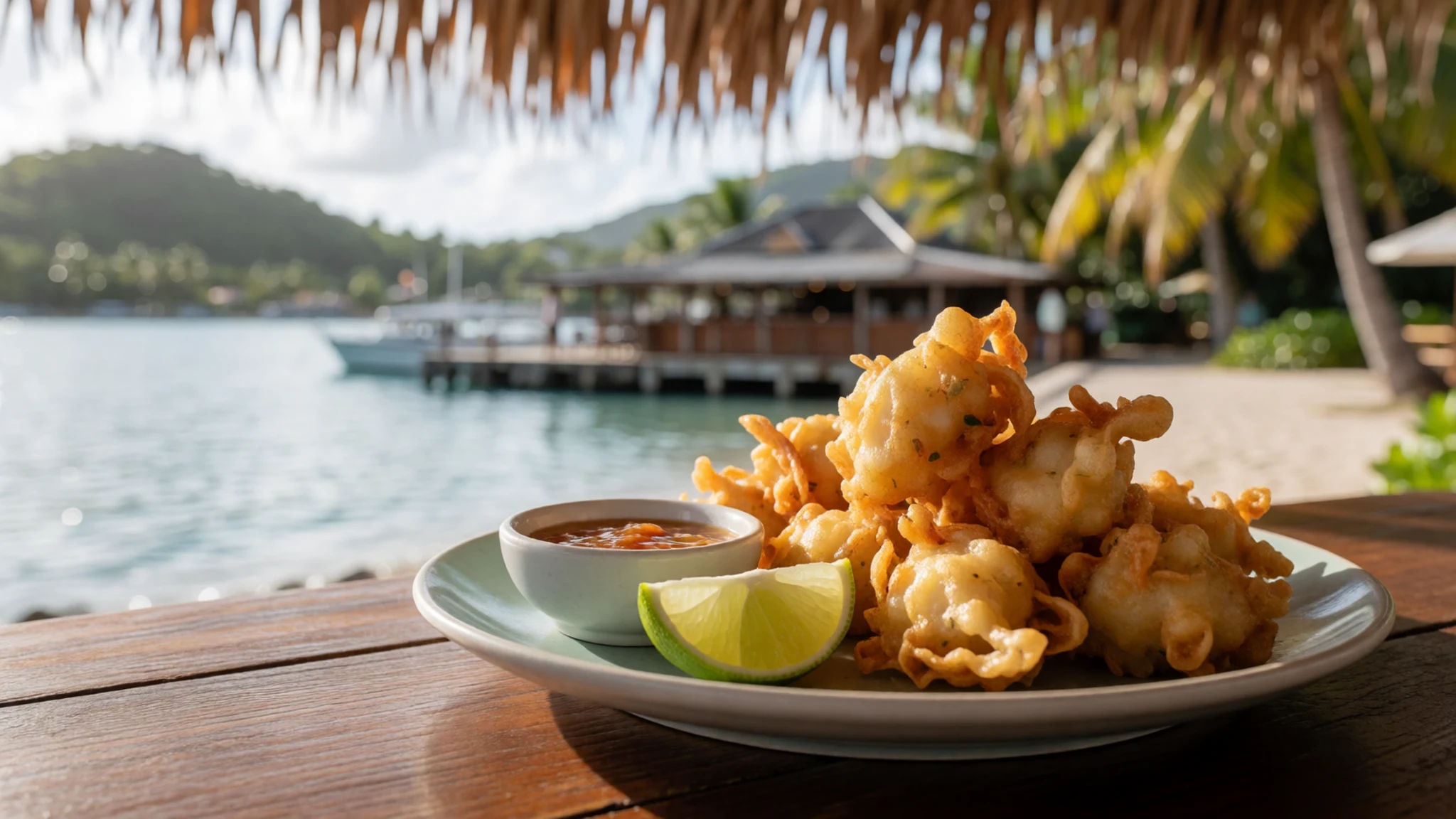
- Grilled lobster — harbour eateries in Great Harbour and Little Harbour
Grilled lobster on Jost Van Dyke is spiny lobster split and cooked on a grill with butter, lime and spice. Harbour eateries in Great Harbour and Little Harbour serve it when boats have landed a catch. It comes as a messy plate, eaten with the fingers at dusk. - Fungi and fish — simple eateries around Great Harbour
Fungi and fish is an old everyday plate, and Jost Van Dyke still serves it: boiled fish beside cornmeal pudding made with okra, plus pepper sauce. Simple eateries around Great Harbour cook it for residents. The dish is plain and closer to home cooking than to charter fare. - Roti — casual eateries in Great Harbour and beach bars on White Bay
Roti on Jost Van Dyke is a West Indian flatbread wrapped around curry of chicken, goat or vegetables. Casual eateries in Great Harbour and some beach bars on White Bay sell it as lunch. The heat sits in the sauce rather than the bread.
Plan it
Best time. December to April is the drier, more settled season on Jost Van Dyke, with steadier trade winds and fewer tropical storms. June through November is wetter and sits inside the hurricane season, and late summer into early autumn is when weather most often rearranges plans. May is a greener, quieter shoulder between the two.
How long. 2–3
Getting there. Jost Van Dyke has no airport. Most people fly to Terrance B. Lettsome International Airport on Beef Island, Tortola, or into St Thomas, then take a ferry. Ferries and water taxis link West End on Tortola with Great Harbour; check the operator for the current timetable. Many visitors arrive by charter yacht or their own boat and must clear customs in Great Harbour before going ashore.
Budget. high
Tips
- Clear customs in Great Harbour before you head for the beaches.
- Start White Bay early; the sand fills once the charter fleets are in.
- Carry cash, because smaller bars and the open-truck taxis may not take cards.
- Bring drinking water and a hat; the paths between bays have little shade and few shops.
- Check the swell before you land at Bubbly Pool or Sandy Spit.
Etiquette
- Do not take coral, shells or sand.
- Ask before you photograph residents.
- Use a beach bar's chairs and showers only if you are buying something.
- Keep voices and speakers low in the anchorages after dark.
Nearby
Sources
- Wikidata (CC0)
- Wikipedia: Jost Van Dyke (CC BY-SA 4.0)
- Wikivoyage: Jost Van Dyke (CC BY-SA 4.0)