Jinhae
Jinhae, South Korea
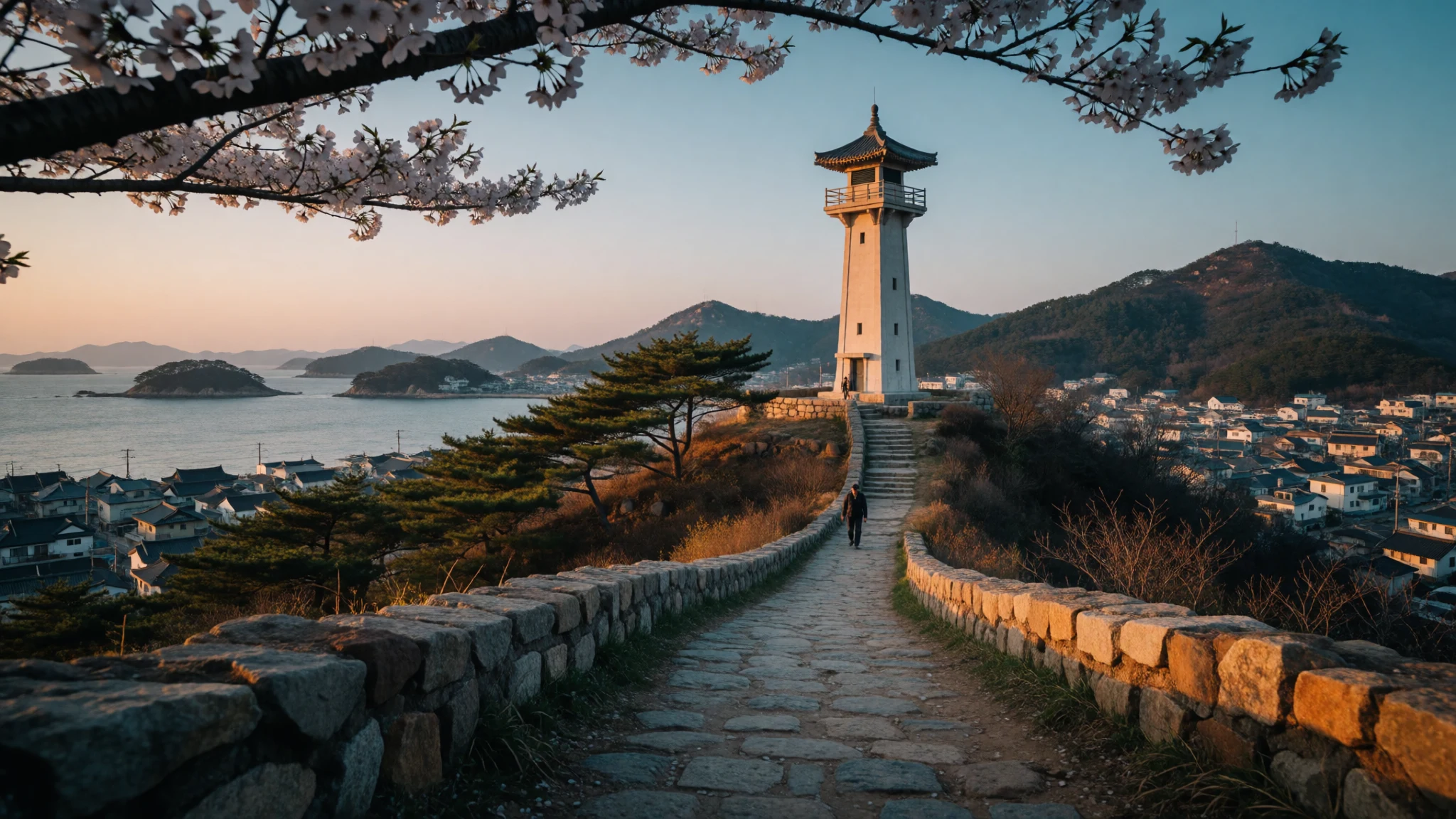
Jinhae is a navy town on a sheltered southern bay, known for its spring cherry blossom festival and its mix of harbour, hills and markets.
The place
Jinhae is a district on the south coast of South Korea, part of the city of Changwon since 2010. It sits on a sheltered bay dotted with islands, with pine-covered mountains close behind, so the town feels tucked into a bowl between hills and water. The cherry blossom is its emblem, and the spring festival is what draws most visitors. Away from the blossom, Jinhae is a working naval town. Its economy has long depended on the Republic of Korea Navy, its personnel and families, and the shipyard and base facilities. That gives the streets a tidy, institutional character, with the sea always close at the end of a road.
Next door, the wider city of Changwon is a planned industrial centre, home to large electronics and machinery firms. A broad main avenue divides factory districts in the west from residential areas in the east. Masan, the third old town in the merger, brings a working harbour and a large fish market. The three parts still feel distinct, which matters for planning, because stations and bus terminals are spread between them.
Summers are hot and humid, with the heaviest rain in July and August. Winters are comparatively mild and snow is uncommon. Spring and autumn are the easiest seasons for walking. Busan, to the east, is the main regional city and the usual gateway.
Its story
Jinhae owes its modern outline to the navy. In the early twentieth century, during the Japanese occupation, the Imperial Japanese Navy developed the sheltered bay as a base, then called Chinkai Naval Station. Calm water, islands to break the weather and mountains behind made it a natural anchorage, and the town grew up around the dockyard and its needs. That naval identity survived the change of flag: today the Republic of Korea Navy, its families and the shipyard still anchor the local economy.
The neighbouring places took a different route. Changwon was developed in the 1970s as a planned city, designed to be a new seat for Gyeongsangnam-do and a fallback capital if Seoul were ever invaded, with the surrounding mountains offering natural protection. Masan, on the bay to the west, had its own harbour and market traditions.
All three were separate cities until 1 July 2010, when Jinhae, Changwon and Masan merged into a single Changwon, now the seat of the South Gyeongsang Provincial Council. Jinhae became a district, with the Korean name 진해구. Buses, culture and infrastructure have since been tied together, which is why a trip often crosses old boundaries without any visible line. The naval base, the planned avenues and the fish harbour are three different chapters of Korean coastal life sitting inside one administrative city.
What to see
- Jinhae cherry blossom festival (Gunhangje) — Jinhae town centre and nearby streets
The Jinhae festival is the reason for the town's fame. Blossom trees are planted along streets, rail lines and slopes, so there are a few well-groomed viewing spots and plenty of unplanned corners. Crowds are heavy at peak bloom, so go early in the day and expect slow-moving queues.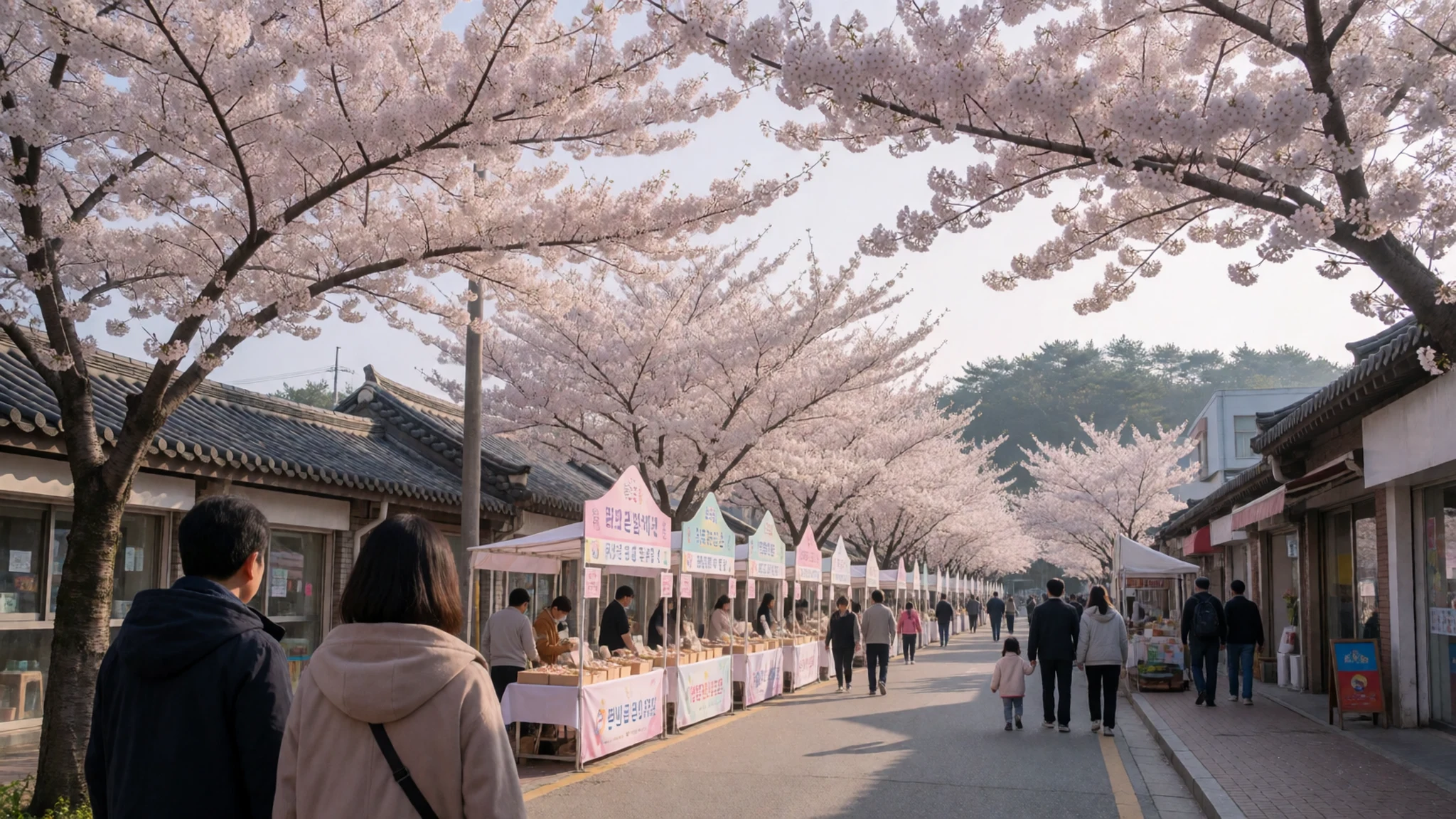
- Jinhae Tower viewpoint — Jaehwangsan Park, Jinhae
The tower in Jaehwangsan Park gives the clearest picture of how Jinhae is laid out: low buildings spread along a bay, islands offshore and pine-covered mountains behind. It is a good first stop to understand the town's geography, and a calm place to look over the harbour.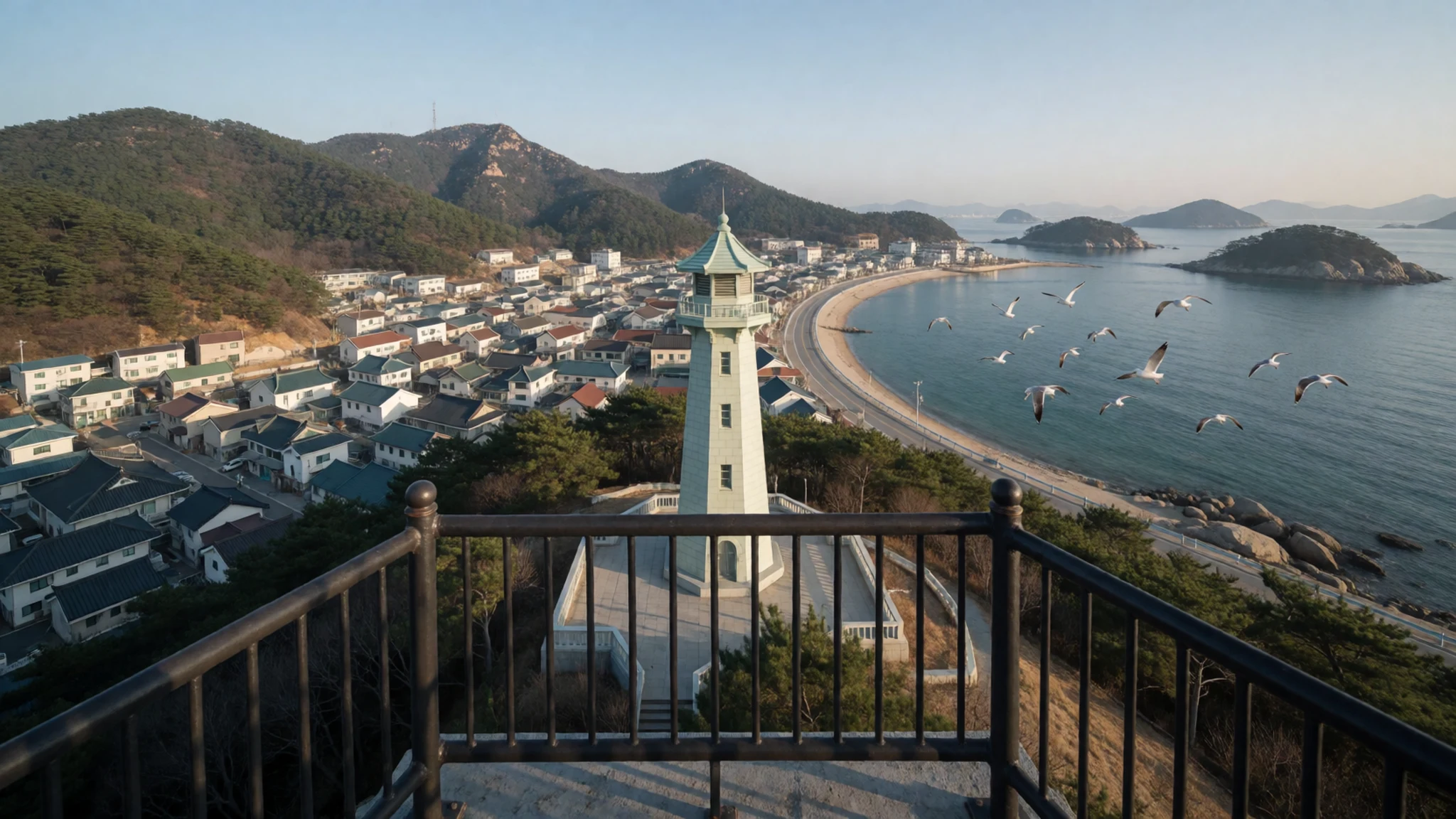
- Kyungwha Market and Kyungwha Station — Kyungwha, Jinhae
Kyungwha Station is a well-known blossom spot in Changwon, making it a popular destination for those visiting the area. The area around the station is famous for its stunning cherry blossoms, which create a scenic canopy for visitors to walk under.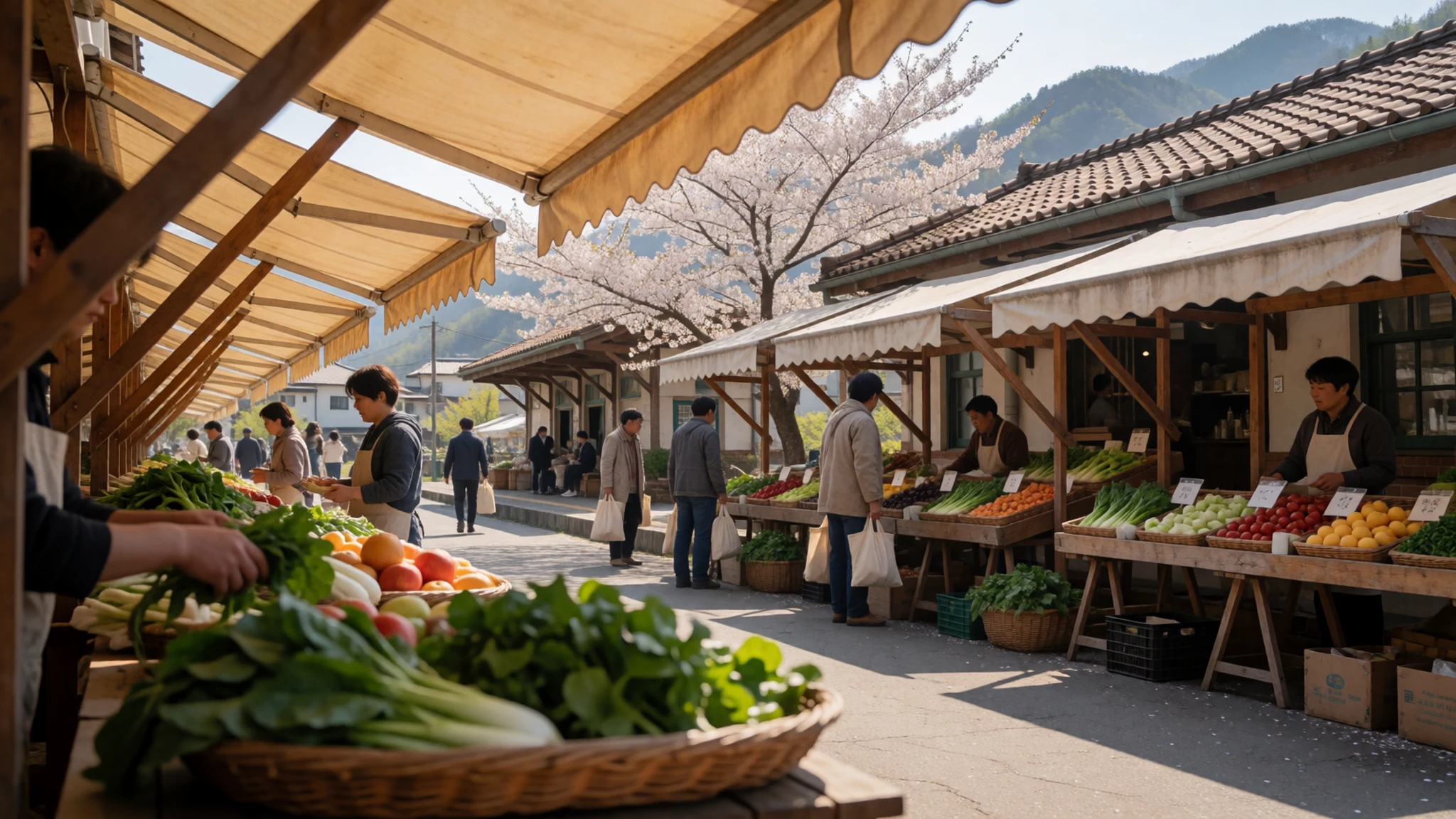
- Jinhae Marine Park — Jinhae waterfront
Dott Island is a marine amusement park located in the bay. It suits an unhurried afternoon after the town centre, with sea views and open ground. It offers a variety of attractions and leisure activities for visitors looking to enjoy the coastal scenery.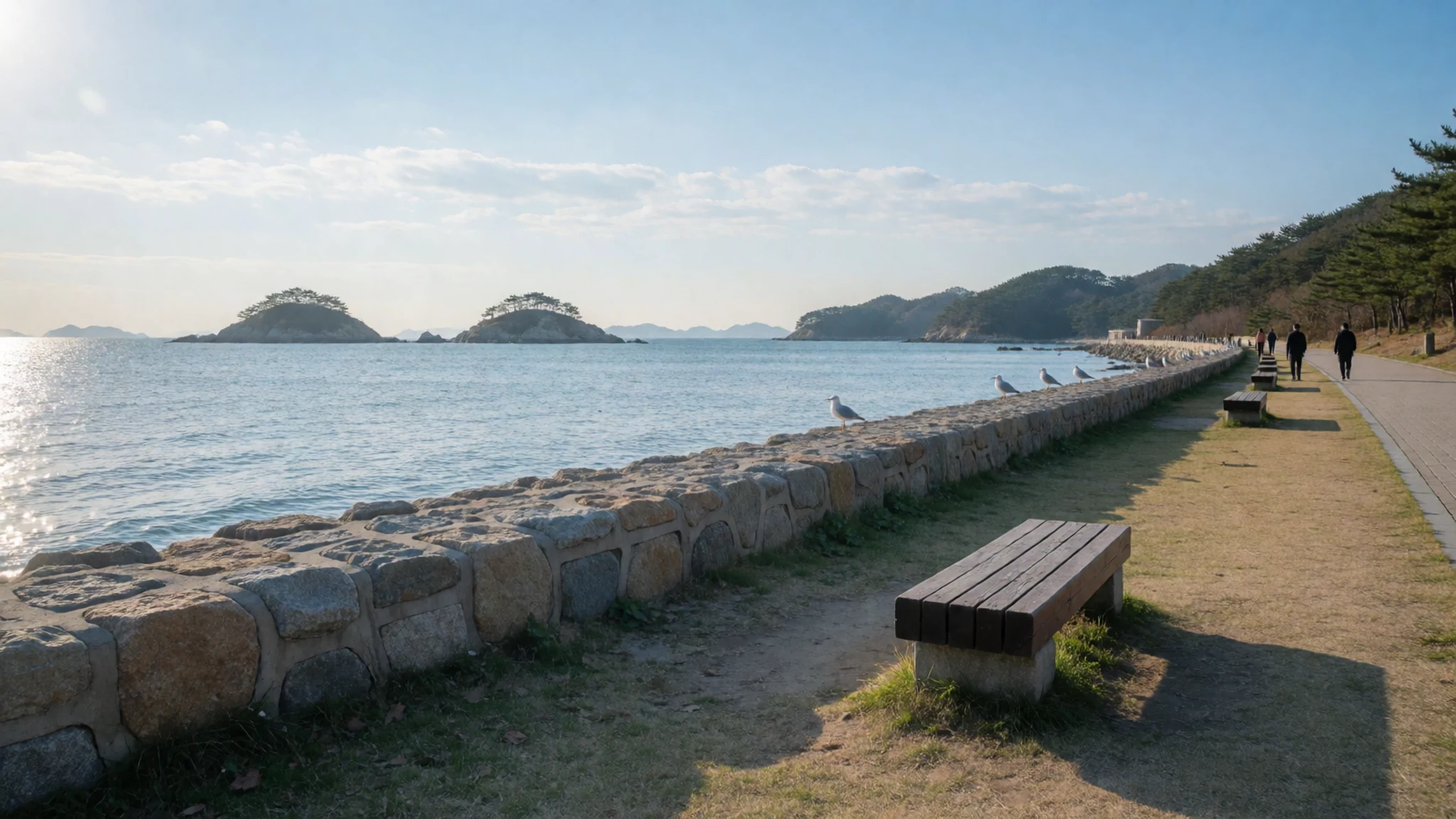
- Junam Reservoir — Junam, north of Changwon
Junam is a reservoir and wetland where migratory birds gather, especially in the cooler months. Paths and observation points look across the water, and the light around sunset draws photographers. It sits north of Jinhae, so it works best as a separate half-day outing with a car or taxi.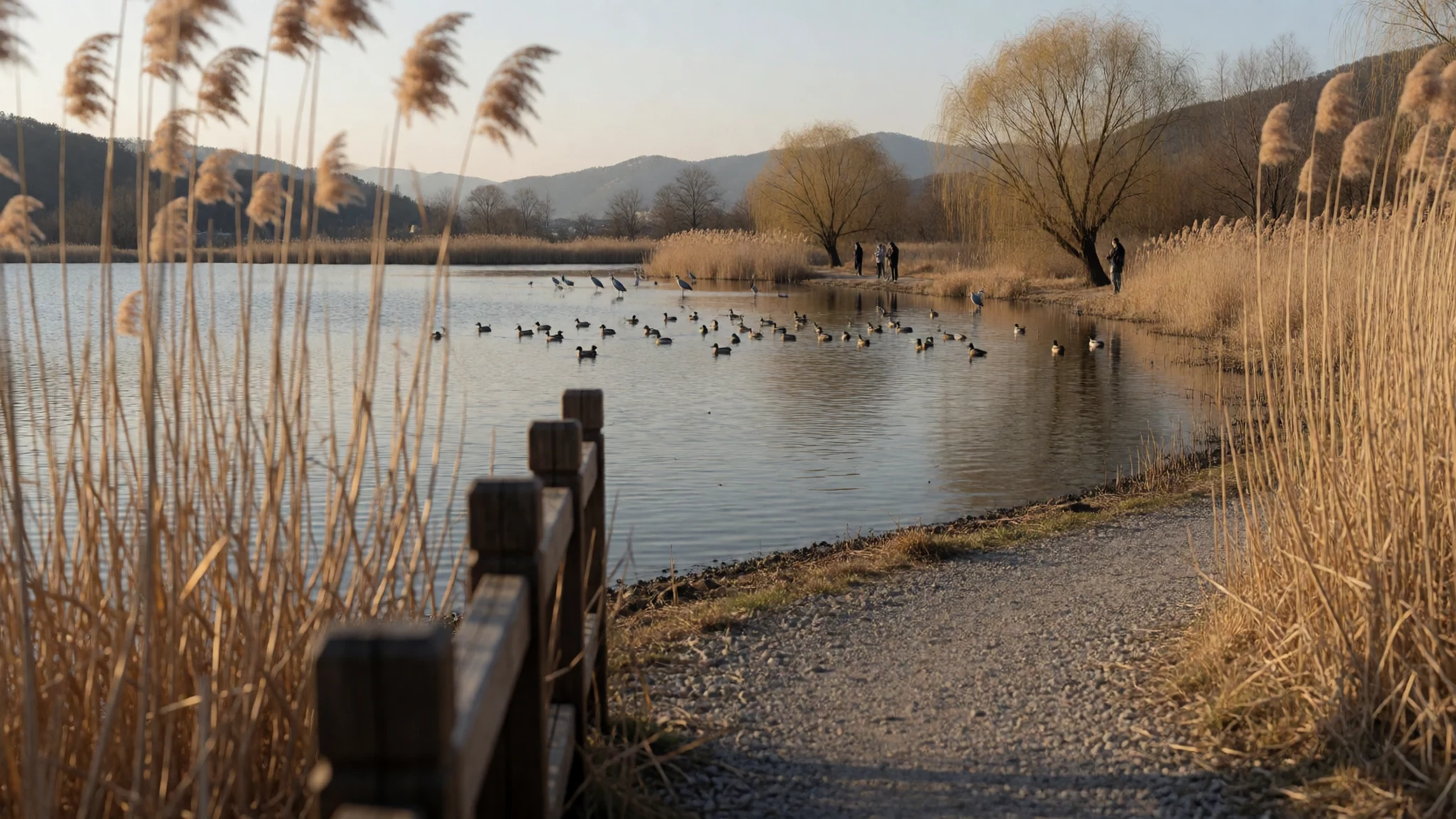
- Masan Fish Market — Masan waterfront, Changwon
Masan's fish market has been trading for generations beside the bay and draws large daily crowds. Tanks and trays of fish, shellfish and other catch fill the lanes. Go in the morning when stock is freshest, and expect wet floors, strong smells and busy walkways.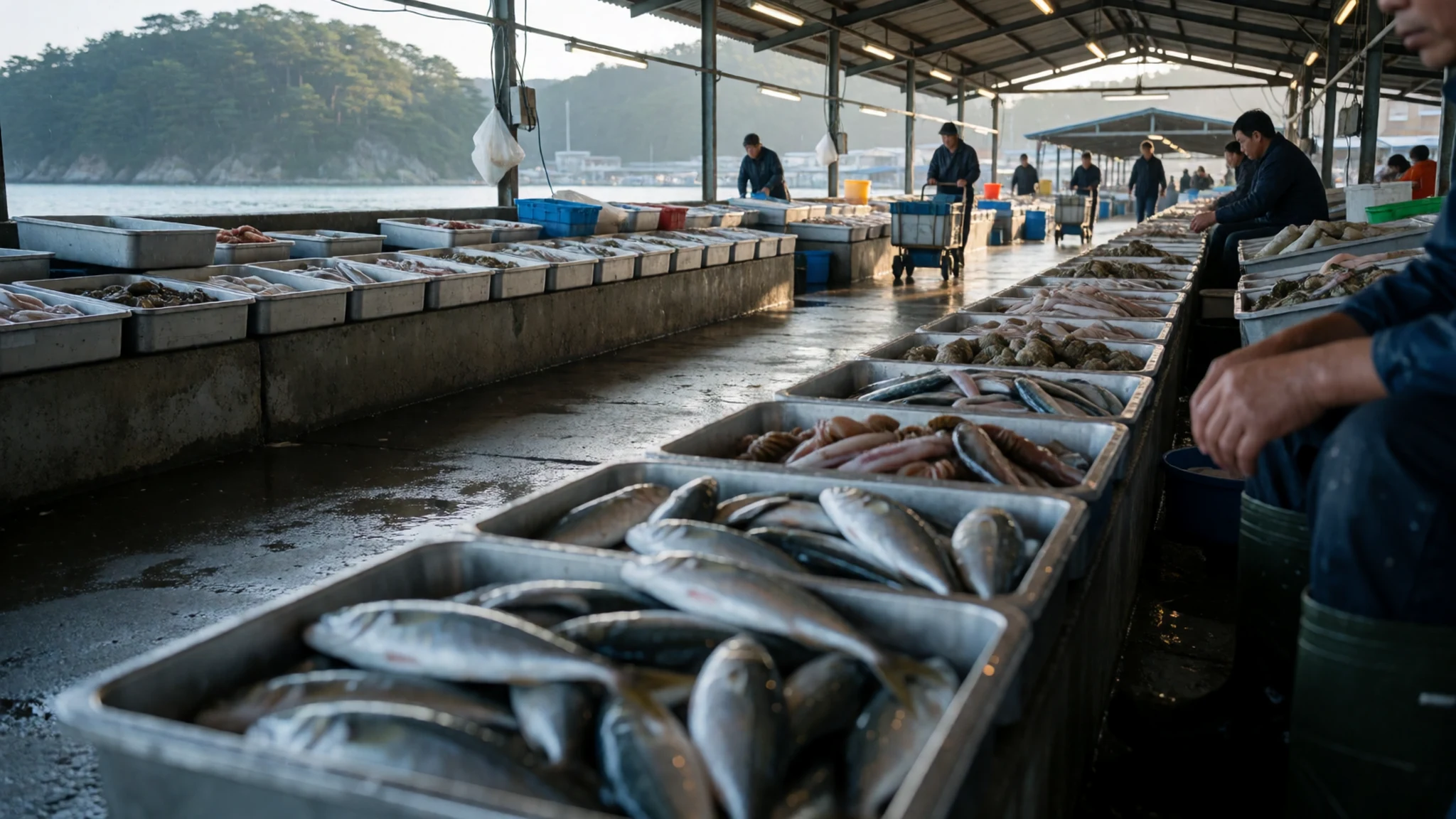
Culture
Jinhae's character comes from three strands: the navy, the blossom, and the older market and temple life of the wider Changwon area. The naval presence gives the town an orderly, quiet feel for most of the year. Then, for a short spring season, the cherry trees turn it into a place where families, couples and photographers fill the streets from morning until night. The blossom is more than decoration here. It appears on the town's emblem, and the festival is the main date in the local calendar.
Beyond the festival, daily life follows the rhythm of regional Korean towns. Local markets in the region sell produce and household goods to shoppers throughout the week. Masan's fish market keeps a long harbour-side trade alive. In the hills around the city, Buddhist temples such as Gwangsansa and Uilimsa offer forest quiet. Tradition credits the monks Wonhyo and Eunsin with founding Gwangsansa, though surviving records do not confirm it.
The industrial side of Changwon, with its large factories and planned avenues, adds a working-city culture of shift patterns and weekday commuting. Weekends in blossom season therefore feel very different from weekdays, and locals often plan around that.
At temples and under the blossom, keep your voice low, never pull or shake branches for photographs, and remove your shoes before stepping into any prayer hall.
What to wear
Jinhae wears modern clothes day to day, but the traditional Korean dress, hanbok, still turns up on special occasions. Hanbok pairs a short jacket (jeogori) with a full wrap skirt (chima) for women, and a jacket with loose trousers (baji) for men. Fabrics range from silk for formal wear to ramie and hemp for hot weather and cotton for everyday use. It is worn at weddings, family milestones and festival days such as Seollal and Chuseok, and some people choose it for blossom-season photographs.
What people actually wear in Jinhae is practical and casual: jeans, jackets, trainers, and workwear for those in the shipyard and factories. Naval uniforms are a common sight around the base. Spring brings light coats and scarves, since mornings can be cool even when afternoons are mild. In the festival crowds, people dress for long walks rather than for show.
Visitors should wear comfortable, closed shoes with good grip, because blossom walks can be long and slopes can be wet. Pack layers for spring and autumn. Summers are hot and humid, so choose light, breathable fabrics and carry rain protection for July and August. For temples, cover shoulders and knees and wear shoes that slip off easily. Winter is comparatively mild, so a medium jacket is usually enough.
What to eat
- Fresh seafood and raw fish — Masan fish market and the harbour-side eateries around it
Masan's fish market sells a wide range of catch, and many stalls will prepare fish and shellfish to eat on the spot or nearby. Quality is the draw, and locals compare it to what high-end department stores sell. Go in the morning and choose from what looks freshest.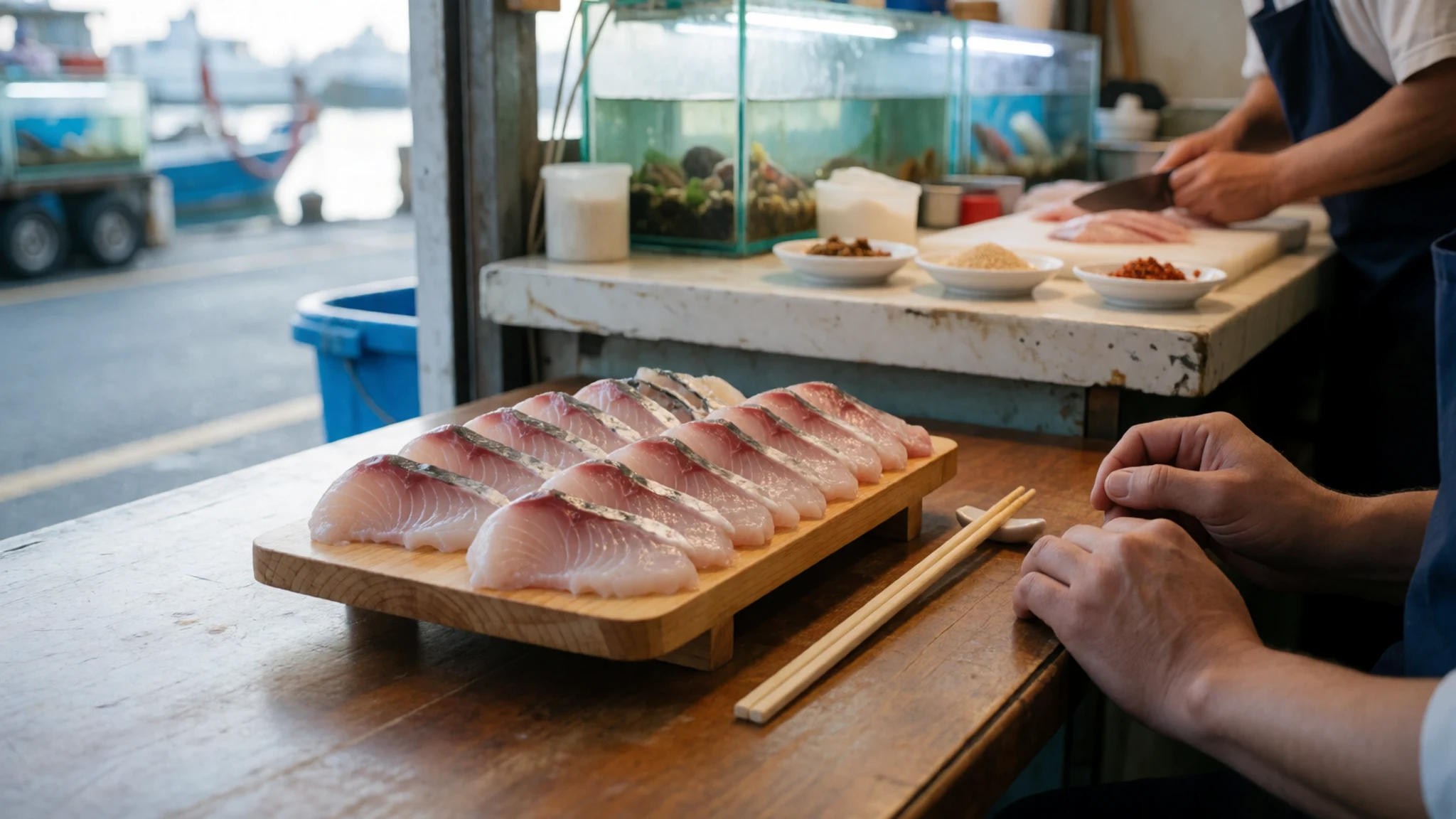
- Kkulkkuri-juk — Traditional Korean home kitchens and older eateries, as a historical dish
Kkulkkuri-juk is a thin, improvised porridge made from whatever could be found, and it belongs to the lean years after the war. It is more a memory than a menu staple today. Ask older local residents about it, and treat it as a story as much as a meal.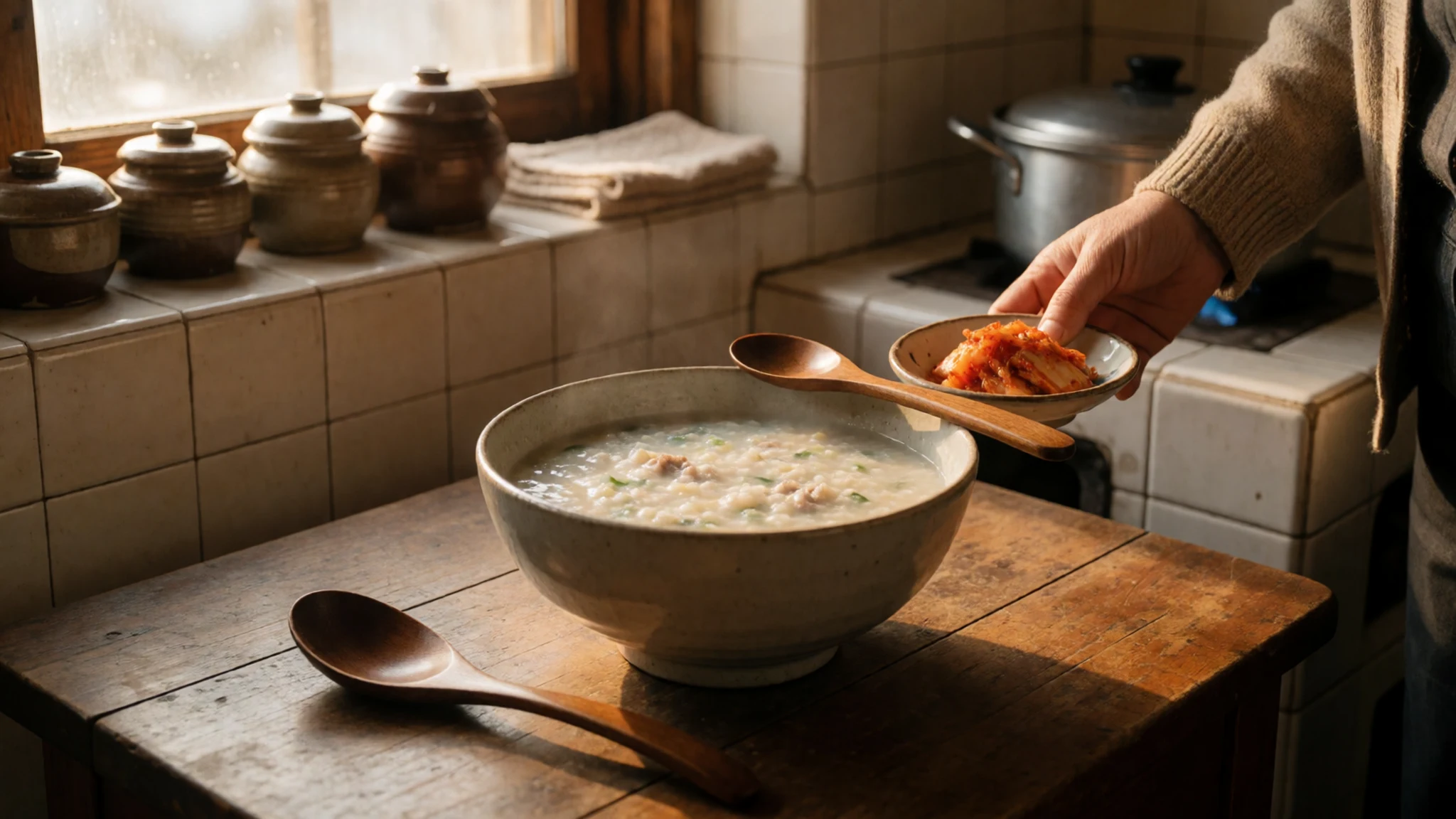
- Small rice soup with grilled meat — Local Korean restaurants around Changwon
A common local meal pairs a small bowl of rice soup with grilled meat. It is simple, filling and made for sharing, and it is easy to find in neighbourhood restaurants away from the festival crowds. Order a set to taste both parts at once. - Pancakes and café plates — Independent cafés in central Changwon and Jinhae
Several local cafés serve pancakes in different styles, and some are set in converted older buildings, such as a former garage. They make a relaxed stop between walks, especially on cool or wet spring days when the blossom crowds thin out. - Sushi and omu-rice fusion plates — Casual dine-in restaurants in Changwon
Some casual restaurants mix sushi with pasta, pilaf and omu-rice, which is a Japanese-style omelette over rice. These are everyday dishes for local families rather than traditional Korean cooking. They suit a quick lunch when the weather or the festival queues make a longer meal inconvenient.
Plan it
Best time. Late March to early April for the cherry blossom festival, though crowds peak then; October and November are quieter, with comfortable walking weather. July and August are hot, humid and rainy.
How long. 2–3
Getting there. Fly to Gimhae International Airport (PUS) near Busan, then continue to Changwon by bus, rail or taxi. Changwon has three main rail stations (Changwon, Changwonjungang and Masan), and buses from Seoul run to Changwon several times a day. From Busan, check departures at the Seobu (Sasang) bus terminal, near Sasang subway station. Choose the station or terminal closest to Jinhae, Masan or central Changwon before booking.
Budget. mid
Tips
- Visit the blossom early in the morning, and avoid weekends in peak bloom if you can
- Check which Changwon station or terminal is nearest your base before buying a ticket, as the three old towns are spread apart
- Check the latest travel information for Dott Island and other local attractions before you go
- Carry a small amount of cash for market stalls, though cards are widely accepted in towns
- Bring a light rain layer from late June to August, and water in summer
Etiquette
- Keep your voice low at temples and remove shoes before prayer halls
- Do not pull branches or pick blossom for photographs
- Ask before photographing people, especially at markets
Nearby
Sources
- Wikidata Q50446 (CC0)
- Wikipedia, Jinhae District (rev 1377798419) (CC BY-SA 4.0)
- Wikivoyage, Changwon (rev 5424635) (CC BY-SA 4.0)
- Photo: Jinhae City 2009 (Av3037) (CC BY 3.0)
- Photo: kkulkkuri-juk, 1952 (한국저작권위원회) (CC BY 4.0)
- Photo: Bank of Korea Changwon branch (kimhs5400) (CC BY 3.0)
- Photo: Changwon City Hall 2016 (Ossewa) (CC BY-SA 4.0)
- Photo: Jinhae Sacred Heart kindergarten (ALEXGOODMEN) (CC BY-SA 4.0)
- Photo: An Abandoned Machine And Sunset (Lee Kyeong Hwan) (CC BY 3.0)
- Photo: An Abandoned Machine In The Evening 2 (Lee Kyeong Hwan) (CC BY 3.0)
- Photo: Bank of Korea Changwon (iTurtle) (CC BY 3.0)


