Cheongju
Cheongju, South Korea
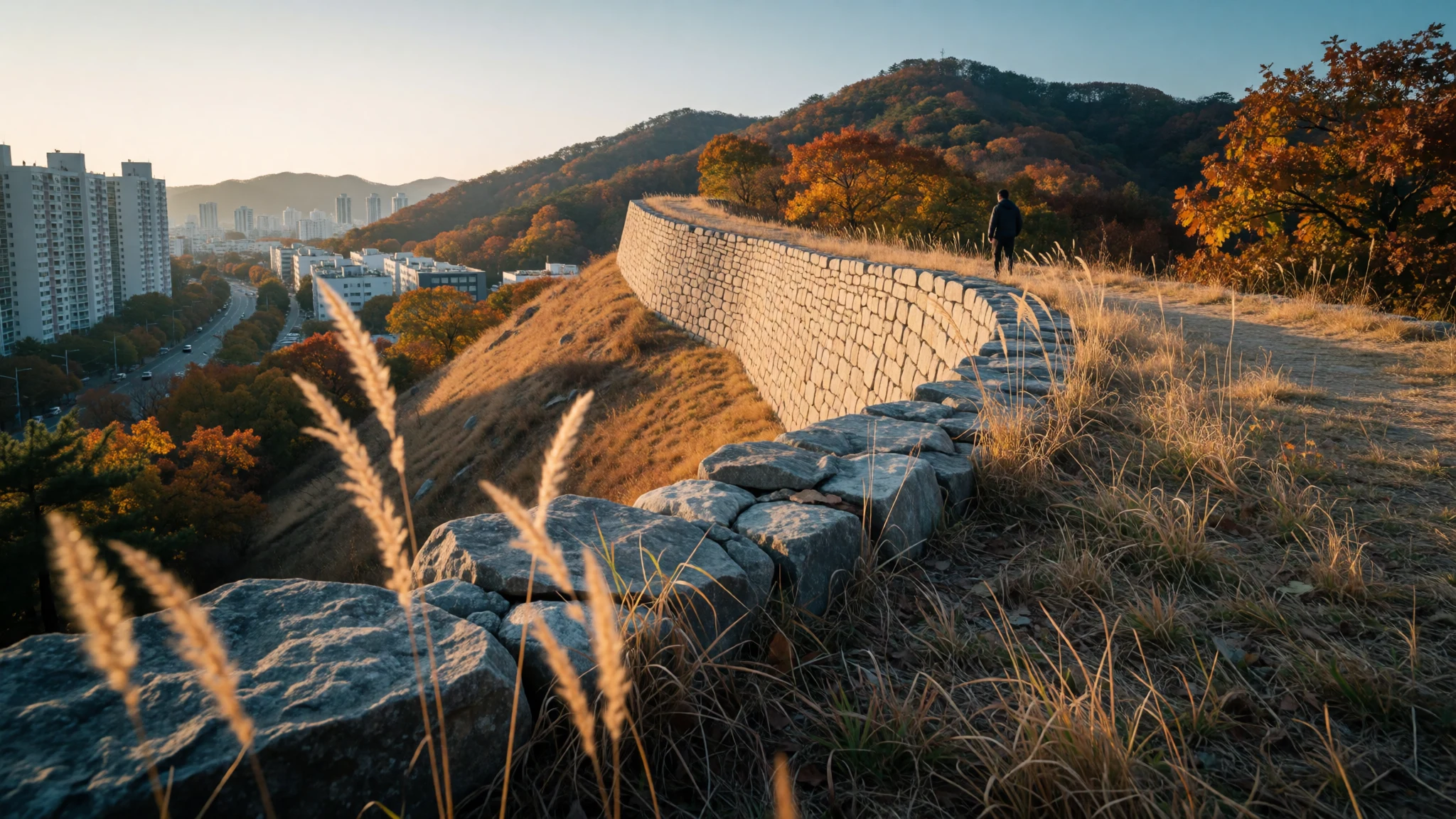
Cheongju is a calm provincial capital where a hill fortress, a Buddhist printing heritage and mural lanes fit comfortably into a day or two.
The place
Cheongju is the capital of North Chungcheong Province, in the middle of South Korea, and home to about 848,000 people. The city lies on a basin at an elevation of 39 m, with the Uam hills rising to the east and the Bumo hills to the west. The Geum River passes through the centre, the Musimcheon stream cuts across the middle of town, and the Miho and Musim tributaries join in the north. As a municipality it dates from 1946, though people have lived in this basin for far longer. It is a working provincial capital rather than a postcard. Apartment blocks, university districts and busy shopping streets sit around an older core, and a hill fortress is a short bus ride from the centre. The city's best-known link with the wider world is printing history: Jikji, a Buddhist text printed with movable metal type, is tied to a temple site here, although the surviving copy is kept in France. What Cheongju offers is a museum and a place rather than the object itself. The climate is humid continental, with a cold winter, a hot, damp summer and clear, pleasant stretches in spring and autumn. Foreign visitors are few, so English signs and menus thin out away from the centre, and weekends bring Korean families to the fortress and lake parks rather than tour groups. Cheongju suits a slow day or two, often as a stop between Seoul and the south.
Its story
Cheongju has been a provincial centre for a very long time. Excavations around the Sangdang hills have turned up remains from the Stone Age through the Bronze Age, and the Durubong cave is a known Paleolithic site. Buddhism spread across the Korean peninsula after Silla brought the old kingdoms together in 676, and Cheongju took it up along with its neighbours. Under the Goryeo dynasty a tall iron flagpole, used to hold a banner honouring the Buddha, was raised in 962 beside what was then Yongdu Temple; it still stands downtown as a National Treasure. Temples here also mattered for the history of the book. At Heungdeok Temple in 1377, monks printed Jikji, a collection of Buddhist teachings, using movable metal type, and that is why the city now builds part of its identity around early printing. Under the later Joseon dynasty the region turned towards Confucianism as its guiding creed. War arrived in 1593, when Japanese troops and Joseon forces fought the Battle of Cheongju during Hideyoshi's invasions, and more than 8,000 warrior monks fought on the Korean side. The hill fortress of Sangdangsanseong gained weight in those years as a strongpoint for moving troops between regions. A modern school opened in 1896, and in 1908 the provincial government moved here from Chungju, confirming the city's role as the regional capital.
What to see
- Sangdangsanseong — Mt Uam, east of the centre
Sangdangsanseong is a hill fortress on the slopes of Mt Uam, inside the city limits. Its stone walls follow the ridge, and the loop along the top gives views over the basin and its apartment towers. It suits a half-day in decent shoes; weekends bring local walkers, while weekdays are quiet.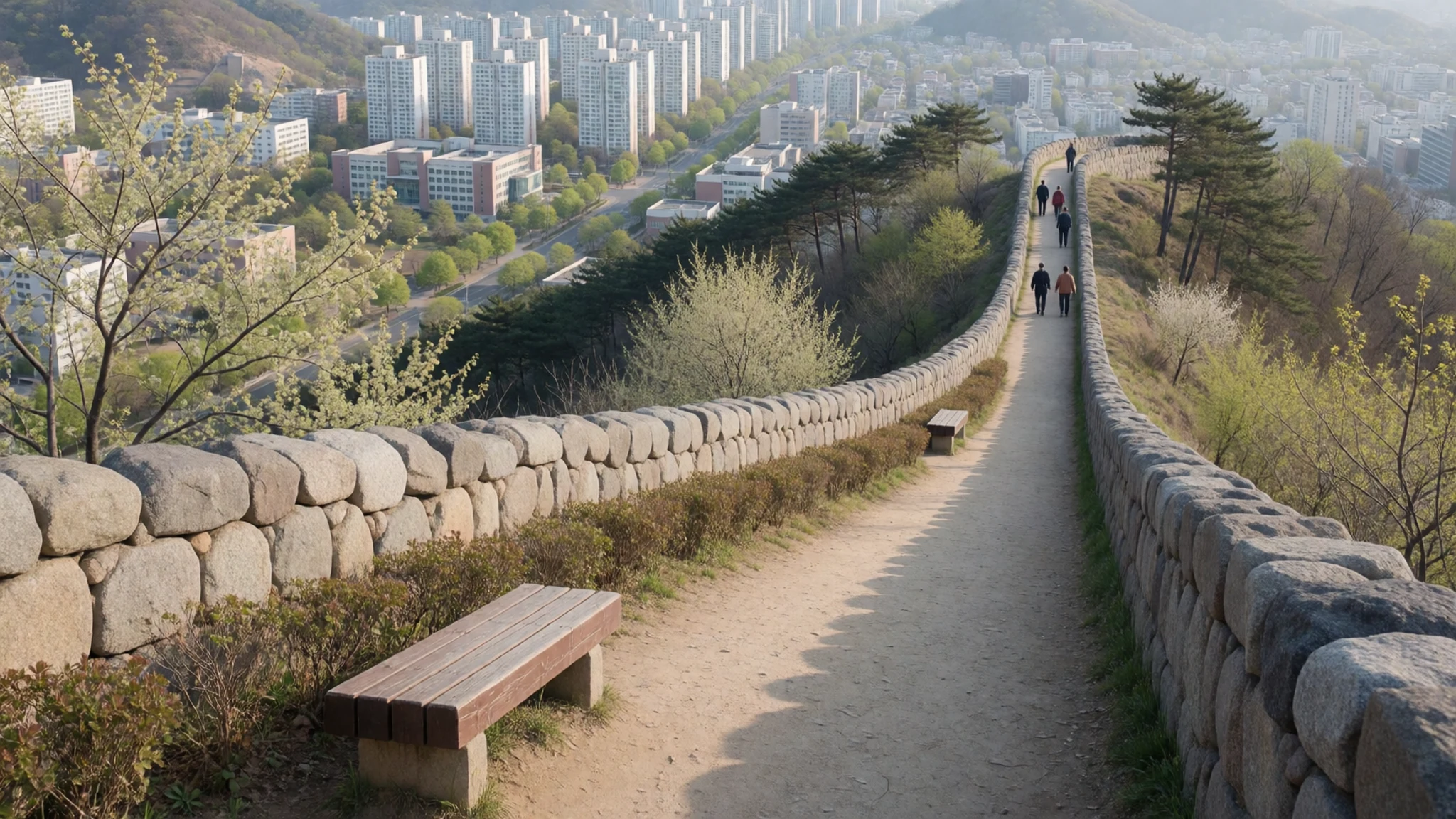
- Yongdusaji Cheoldanggan — Downtown Cheongju
Cheoldanggan is the iron flagpole left from the old Yongdu Temple, tucked behind a shopping complex in the downtown. It is a National Treasure, and the visit takes minutes: a tall metal column on a small site among shops. Pair it with a wander through the old town lanes nearby.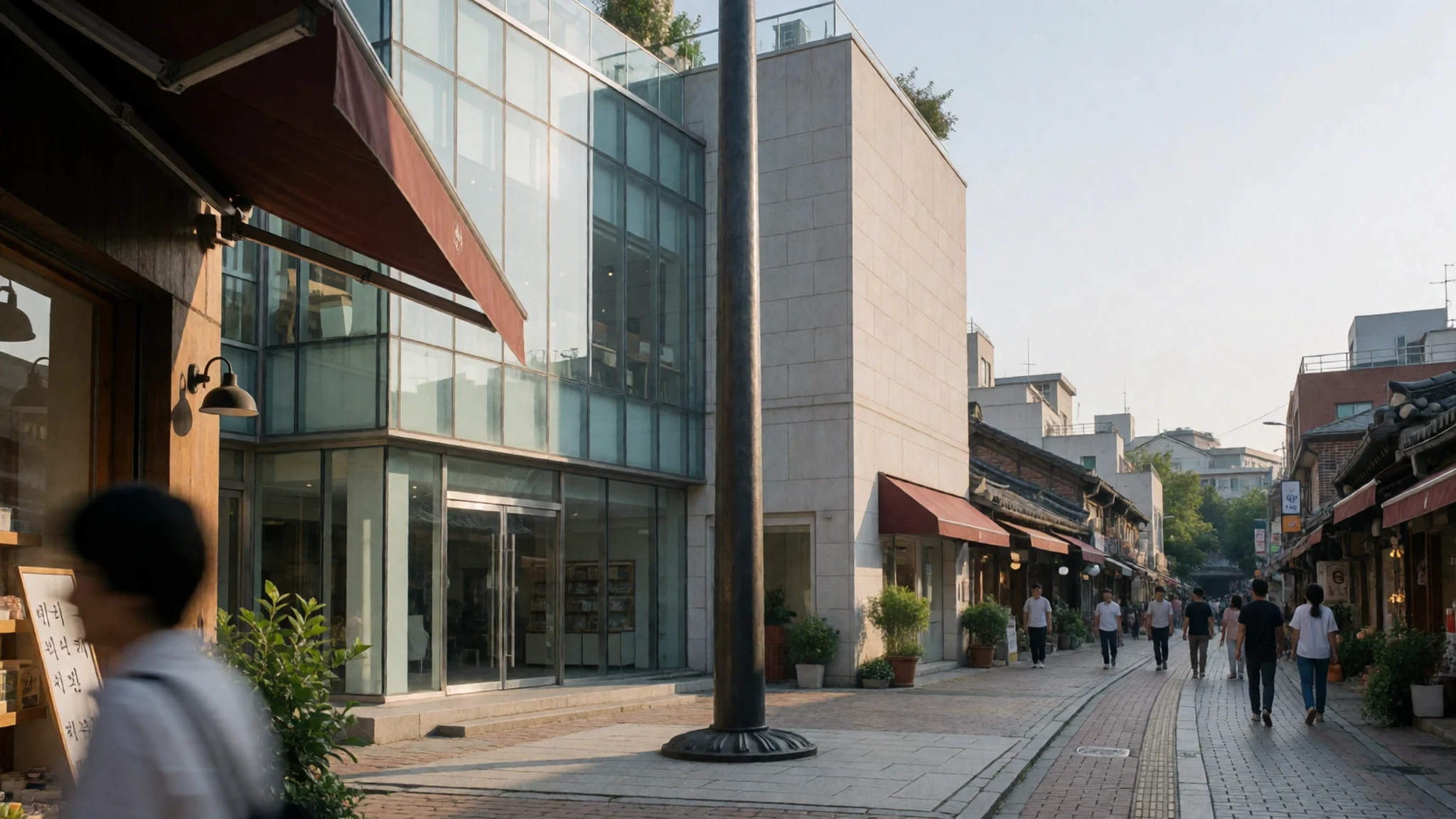
- Heungdeok Temple Site and Early Printing Museum — West of the centre
The Heungdeok Temple Site is where Jikji is said to have been printed, and it houses the Early Printing Museum. The exhibits explain how movable metal type worked and why the book matters. The original is in France, so this is the place to understand the story; check the official city website, cheongju.go.kr, for opening times and fees.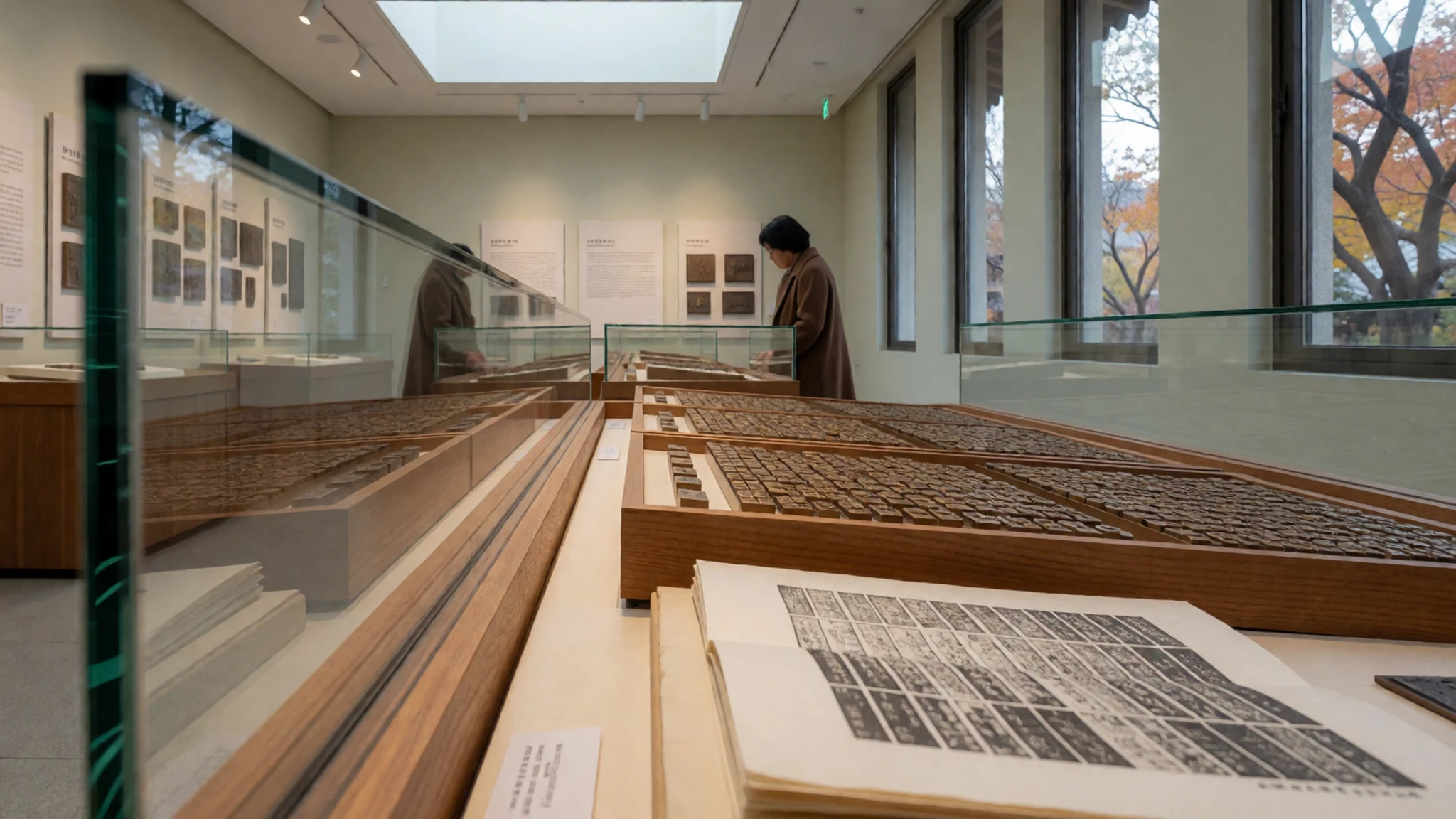
- Suamgol — North of the old centre
Suamgol is a hillside neighbourhood where refugees settled during the Korean War, its narrow houses packed close together. A public art project later covered the walls in murals, which make for a pleasant short wander. People live here, so keep voices low and ask before photographing anyone.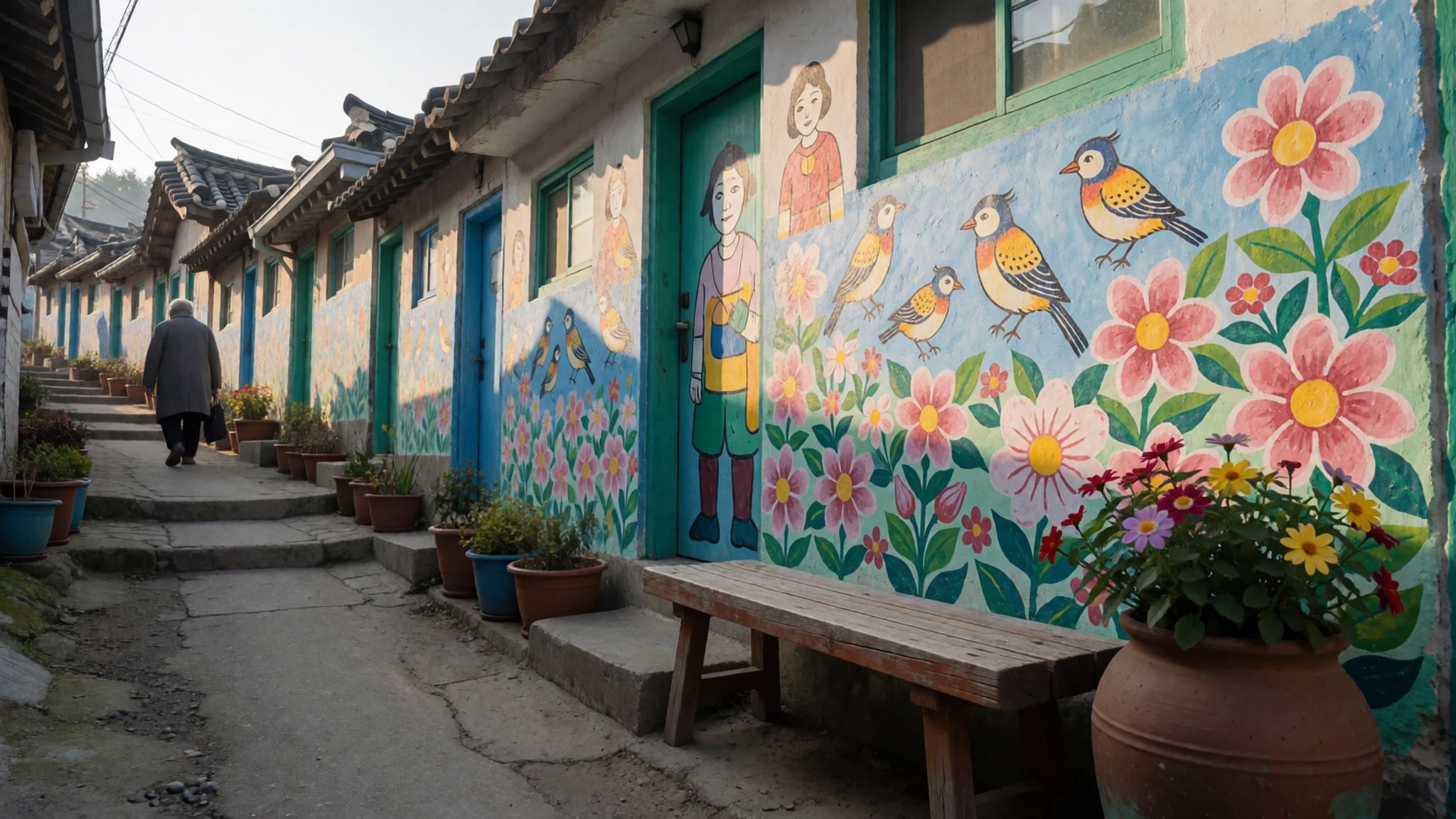
- Cheongju National Museum — Foot of Mt Uam
Cheongju National Museum stands near Mt Uam and shows cultural objects from the surrounding area, a useful way to connect the prehistoric sites, Buddhist temples and Joseon history of the region. It sits close to the fortress, so the two combine well in one outing. Check the official site for hours.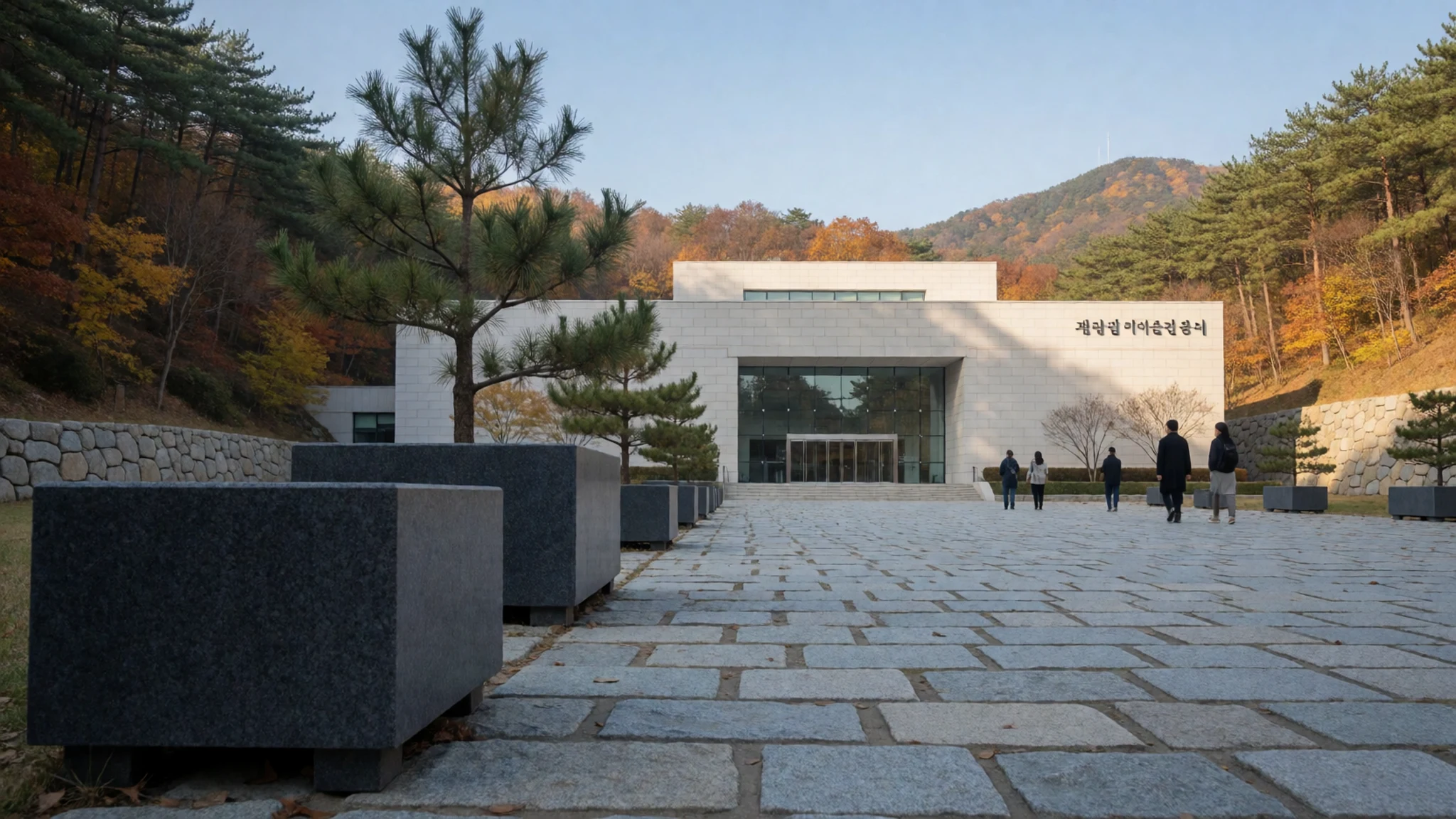
- Osong Lake Park — Osong, west of the centre
Osong Lake Park lies on the western side of the city, a walk from Osong Station. Pine trees line the water and paths loop around it, making it a good late-afternoon stroll in spring or autumn. It is a local park rather than a sight, so expect joggers and families more than visitors.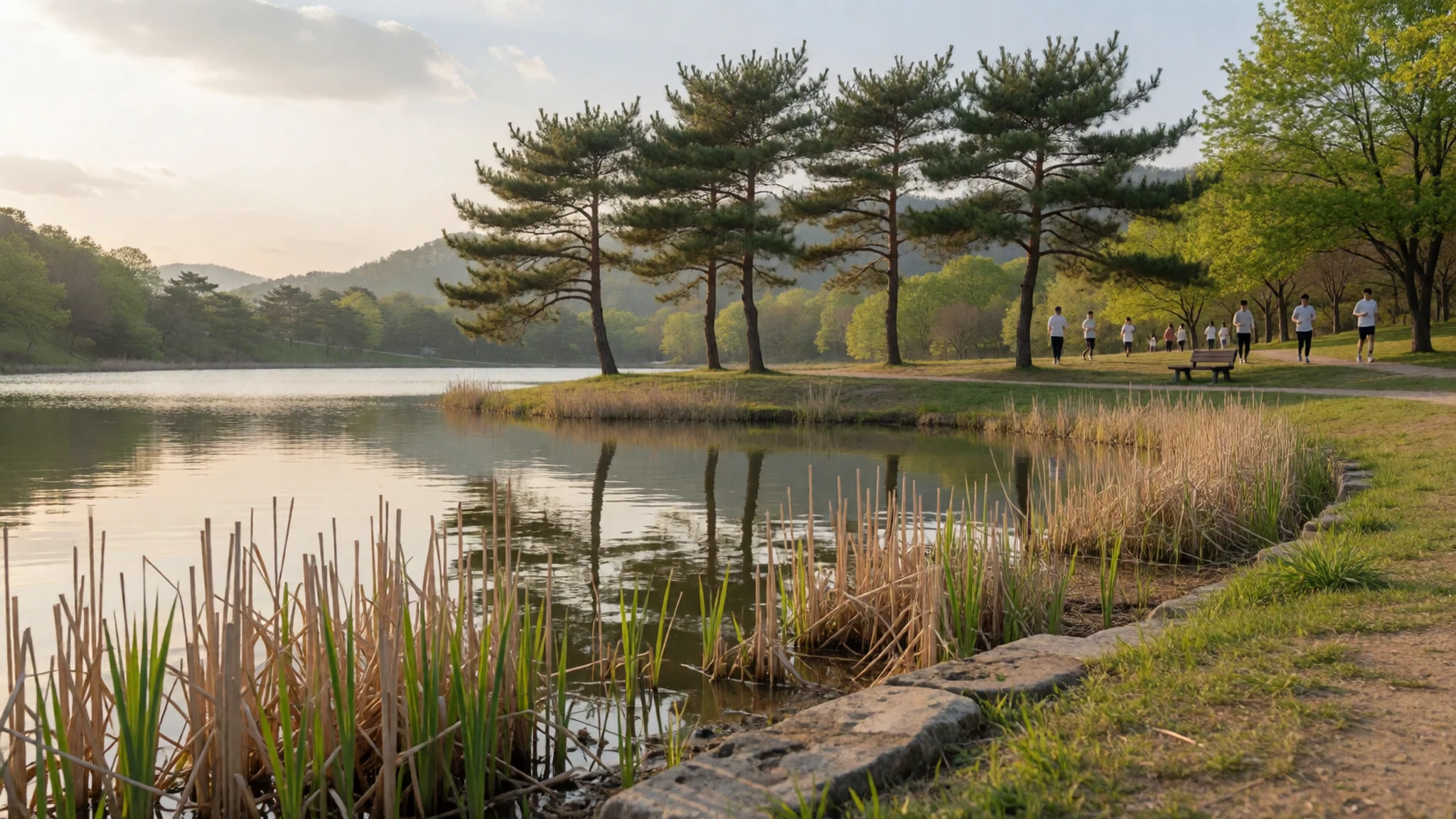
Culture
Cheongju's cultural identity rests on a Buddhist past, visible in its temple sites and the iron flagpole downtown, and on a Confucian habit of respect for scholarship, age and family that shaped the Joseon centuries and still colours daily manners. The city is proud of its printing heritage, which is why the museum and plaques about Jikji matter more locally than their modest size suggests. Festivals follow the national calendar: Seollal (Lunar New Year) and Chuseok (the autumn harvest holiday) empty the city as families travel to their home towns, and many small shops close for a few days. Younger Cheongju is a university and research town, so cafés, study spots and late-night eateries cluster around the campuses. People are courteous but reserved with strangers; a slight bow and a simple greeting go a long way, and offering or receiving things with both hands shows respect, especially towards older people. English is limited, and a translation app helps in small eateries. The murals of Suamgol recall the Korean War years, when refugees settled there, so those lanes are homes first and attractions second. At temples and in restaurants with raised floors, take your shoes off at the step, keep your voice low, and ask before photographing residents or worshippers.
What to wear
Cheongju's traditional dress is the hanbok, the national costume shared across Korea. Women wear a short jacket (jeogori) over a full wrapped skirt (chima); men wear a jacket or long coat (durumagi) with loose trousers (baji). Silk is used for formal and festive pieces, ramie and hemp for hot summers, and cotton for everyday and padded winter wear. Hanbok appears at Seollal, Chuseok and weddings, and in photographs at heritage sites. Day to day, people in Cheongju dress in neat, practical, mostly muted clothes: smart casual in offices, trendy layers among students, and technical sportswear and hiking gear at weekends, when the hills above town fill with walkers. Visitors should dress for the season. Winters are cold, so bring a proper coat, hat and gloves; summers are hot and humid, so light breathable fabrics and a rain jacket suit the wet months. Comfortable walking shoes with some grip matter for the fortress trails and stairs, and slip-on styles save time at doors where shoes come off. Temples ask for covered shoulders and knees, but nothing formal is expected anywhere else.
What to eat
- Roasted chestnuts — Tourist stalls and convenience counters in the centre and around the bus terminals
Chestnuts are Cheongju's best-known local product, sold in small packets across the province. Look for them roasted or lightly sweetened, ready to eat on the move. They make an easy snack and a gift to carry onward.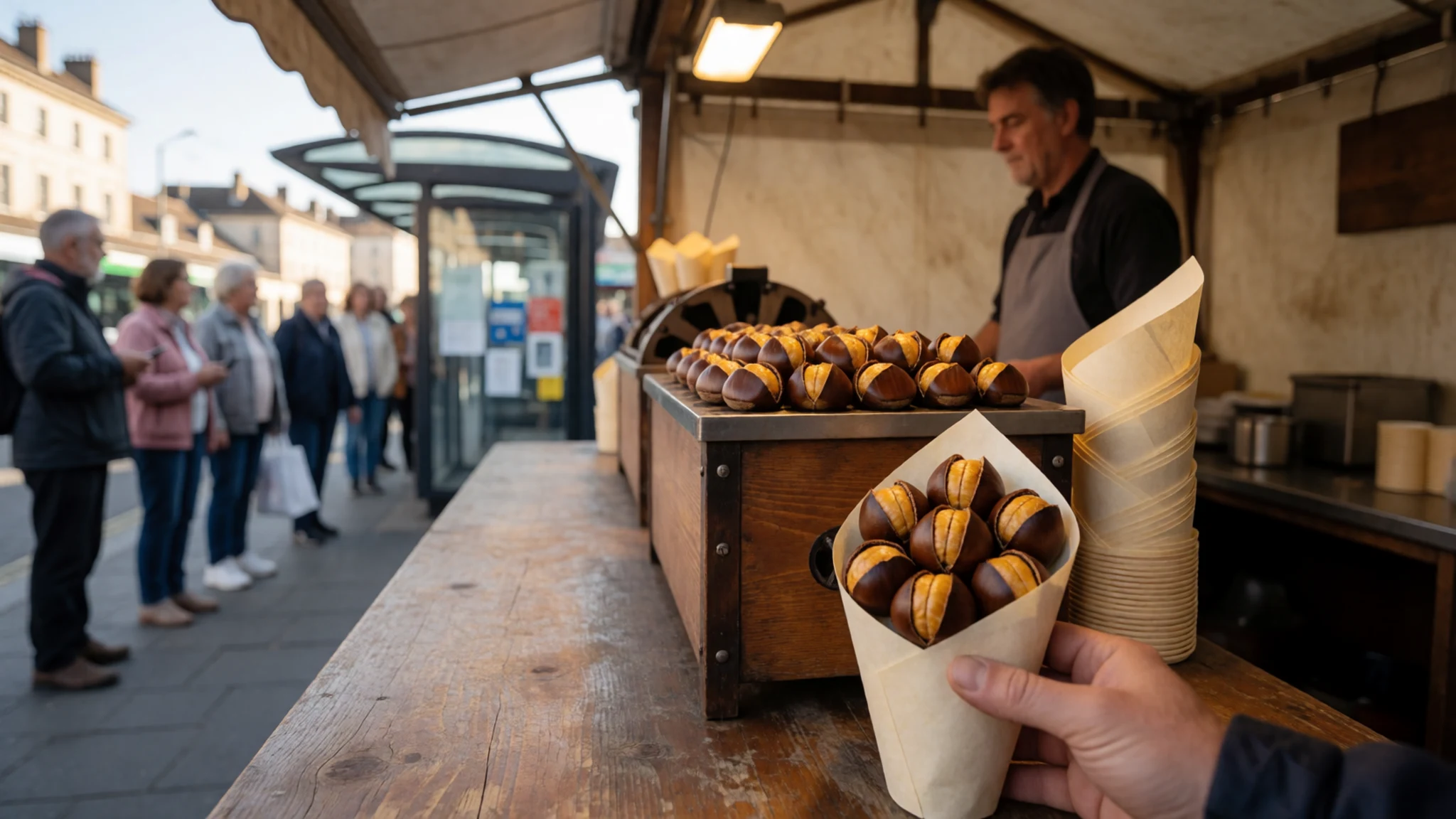
- Orchard fruit — Fruit stalls and traditional markets in the downtown area
The region grows apples, pears and peaches, and fruit is at its best in season, with crisp apples and pears in autumn. Buy it by the bag, ready to peel and share on a hillside walk.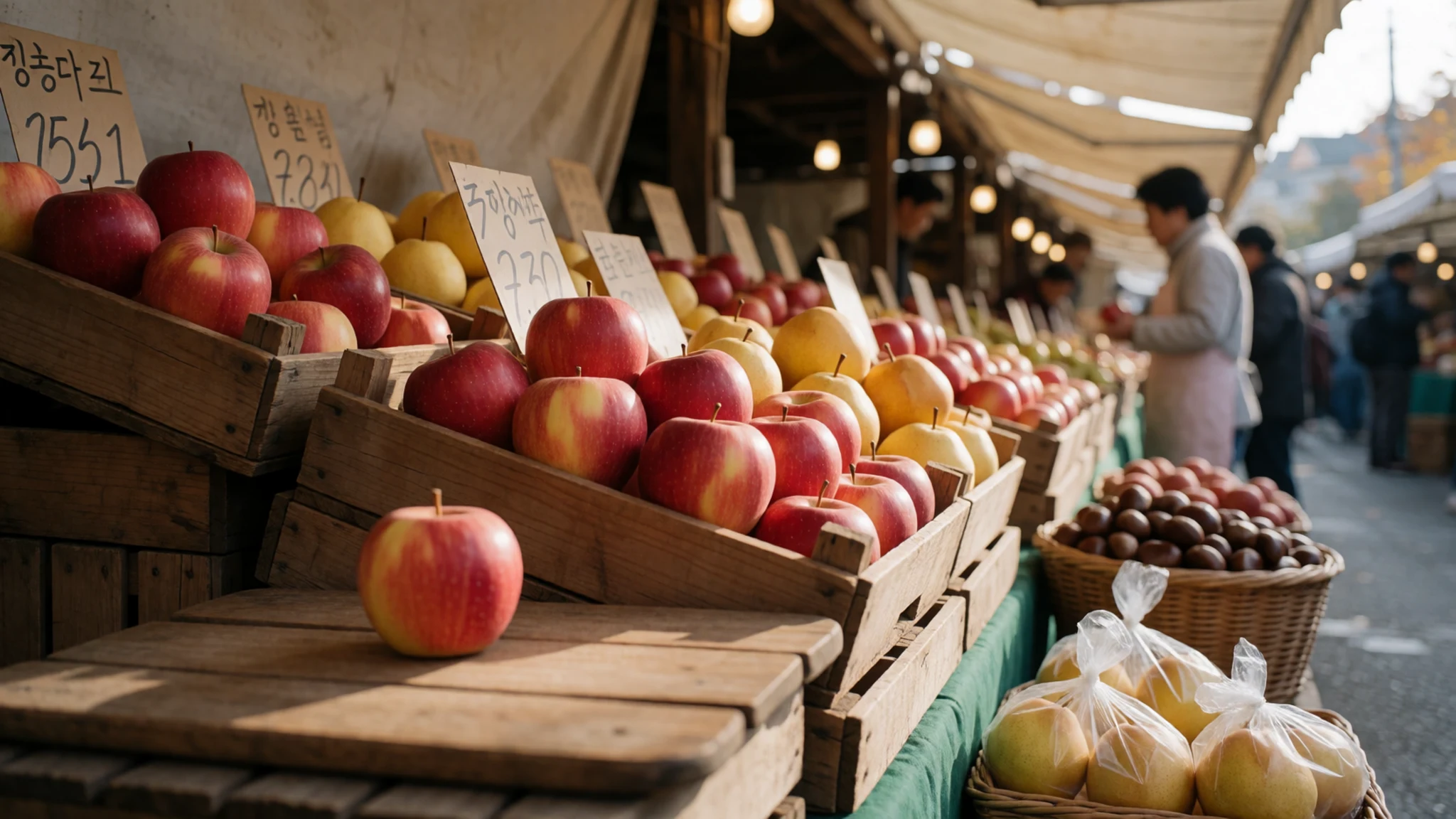
- Bulgogi — Grill restaurants in the downtown streets
Thin slices of marinated beef, cooked at the table or in a pan and wrapped in lettuce with rice and side dishes. It is a gentle introduction to Korean barbecue flavours and works well for sharing. - Donkatsu — Casual cutlet eateries near the old centre
A breaded, fried pork cutlet served with shredded cabbage, sauce and rice. It is a Japanese-influenced Korean staple, filling and quick, and a safe choice when the menu is hard to read. - Tendon and rice bowls — Small Japanese-style eateries in the central shopping streets
Small counters serve rice bowls topped with tempura (tendon) or other toppings, a quick lunch with a short menu. Portions are generous, and the bowls are easy to order by pointing.
Plan it
Best time. April–May and October–November. The climate is humid continental, so spring and autumn are mild and comfortable for hill walks. Summer is hot, humid and wet, and winter is cold.
How long. 1–2
Getting there. Express buses reach the Cheongju Express Bus Terminal from Seoul, Busan, Daegu and Gwangju, and the Intercity Bus Terminal serves other cities and the Incheon and Gimpo airports. Trains call at Ogeunjang Station but are limited, so buses are more reliable. The tourist information centre is next to the bus terminal.
Budget. mid
Tips
- Use the information centre beside the bus terminal if your Korean is limited
- Do the fortress walk in the morning and in dry weather; the paths are uneven
- Carry a card and some cash for small eateries and market stalls
- Check the official city website, cheongju.go.kr, for museum hours and fees before going
- Plan around Seollal and Chuseok, when many shops close and buses fill up
Etiquette
- Take off your shoes where there is a raised floor or a temple step
- Use both hands when giving or receiving something from an older person
- Ask before photographing residents in Suamgol
Nearby
Sources
- Wikidata Q42147 (CC0)
- Wikipedia: Cheongju (rev 1385473000) (CC BY-SA 4.0)
- Wikivoyage: Cheongju (rev 5424667) (CC BY-SA 4.0)
- Cheongju Sangdangsangseong.jpg — Hutch1225, via Wikimedia Commons (Public domain)
- Cityscape of Cheongju, South Korea — Minseong Kim, via Wikimedia Commons (CC BY-SA 4.0)
- A Lake (57147996) — Dongsu Kim, via Wikimedia Commons (CC BY 3.0)
- A Lake (57164832) — Dongsu Kim, via Wikimedia Commons (CC BY 3.0)
- Cheongju Old Town at Night — Minseong Kim, via Wikimedia Commons (CC BY-SA 4.0)
- CheongJu Sports Complex — kykoh, via Wikimedia Commons (CC BY 3.0)
- Exterior view of the main stand at Cheongju Stadium — Haena96, via Wikimedia Commons (CC0 1.0)
- Cheongyeongdae and Okcheon supergroup Changri Formation — Dittwjfsdgkvkdjg, via Wikimedia Commons (CC BY 3.0)


