Andong
Andong, South Korea
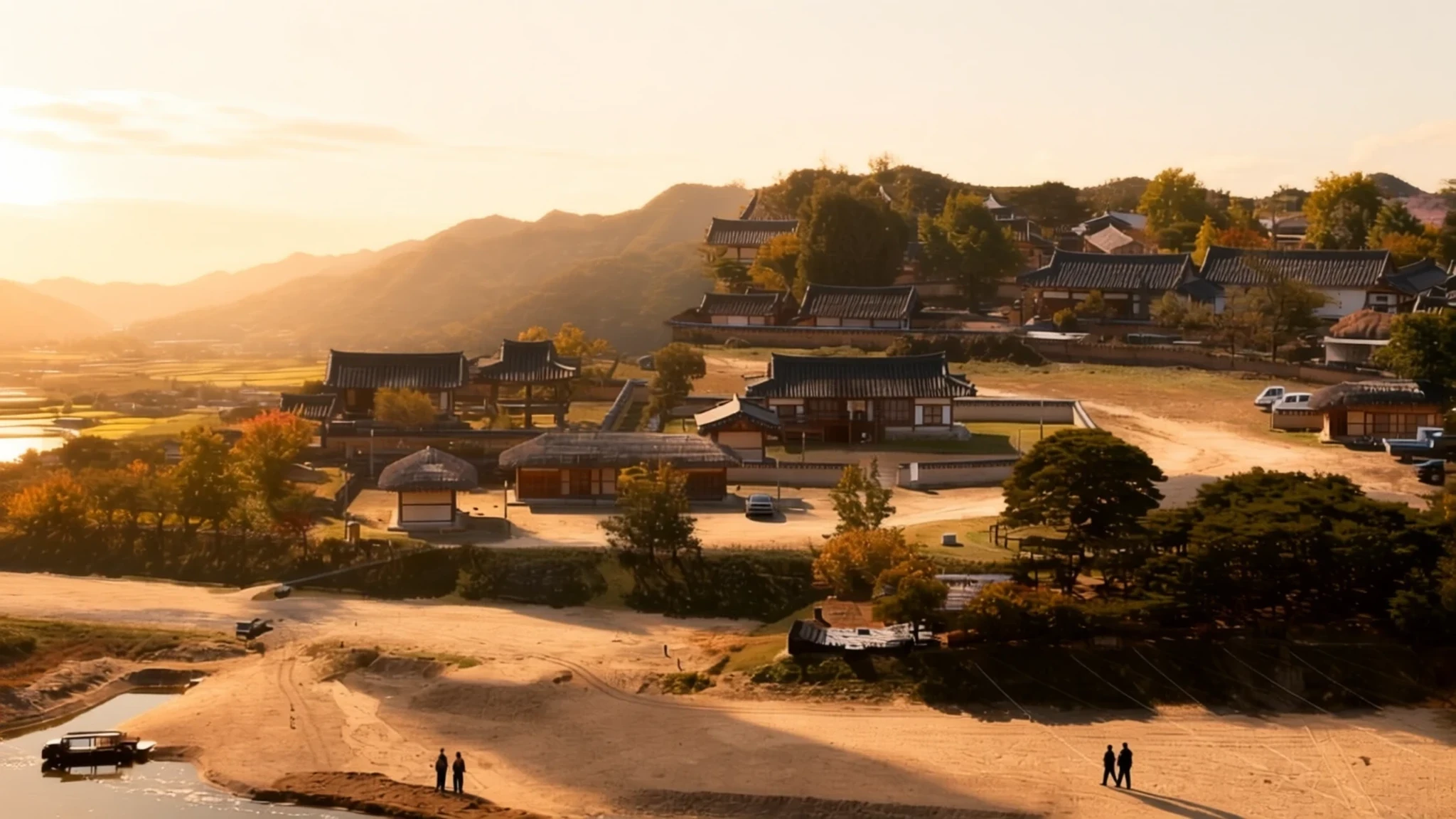
Step into Andong to experience South Korea's cultural heartland, where ancient Confucian traditions, riverside folk villages, and heritage mask dances endure.
The place
Andong serves as the capital of North Gyeongsang Province in the central part of the Korean peninsula. The Nakdong River flows right through the terrain, shaping a landscape defined by surrounding agricultural fields and forested mountains. As a regional market centre, the municipality balances modern development with deep historical roots. Although many residents moved away to larger urban centres over the decades, the municipality has transformed into a dedicated cultural and tourism destination. Visitors find an environment where preserved scholarly estates, riverside paths, and local folklore remain prominent. The terrain experiences distinct seasonal shifts, bringing cold winters and warm summers with considerable fog across the valleys. International visitors often discover the destination because of its reputation for preserving traditional architecture and ceremonies largely untouched by rapid industrial expansion. Academic institutions, including local colleges and universities focused on regional folklore, contribute a youthful energy to parts of the settlement. Yet the overall atmosphere remains defined by quiet courtyards, pine forests, and stone monuments commemorating past scholarly achievements. Walking along the riverbanks or through the central districts reveals a municipality proud of its heritage, offering an honest look at provincial Korean life far from the mega-city bustle. Check the official site https://www.andong.go.kr for local municipal updates before your journey.
Its story
The roots of the settlement stretch back centuries to early tribal groups, evolving through various regional kingdoms and dynasties. During the period of the Three Kingdoms, the territory fell under Silla authority before pivotal military encounters shifted regional control and established the settlement under a new name. Following the ascent of the Joseon dynasty, the area transformed into a formidable bastion of Neo-Confucian philosophy. Conservative scholarly clans dominated local society, producing influential thinkers and statesmen who shaped national politics. Scholars retired to the countryside to establish great Confucian academies along the rivers, creating intellectual hubs that trained generations of students. Prominent local families maintained immense political sway through royal marriages and scholarly prestige, steering royal court decisions for generations. Later centuries brought political shifts, territorial conflicts, and dramatic modern history, including heavy fighting during mid-century wartime clashes that left much of the urban area damaged. Reconstruction followed swiftly, bringing modern infrastructure, public utilities, and the construction of a major dam that provided reliable power to the growing region. Towards the close of the twentieth century, the municipality welcomed distinguished international visitors interested in Korean heritage, cementing its status as a living museum of regional customs.
What to see
- Hahoe Folk Village — Western Andong
Wander through a historic clan village surrounded by a sweeping river bend where thatched and tiled roof houses dating back centuries still stand. Descendants of the Ryu family continue to live here, maintaining traditional lifestyles and historic family shrines amidst ancient trees and winding dirt lanes.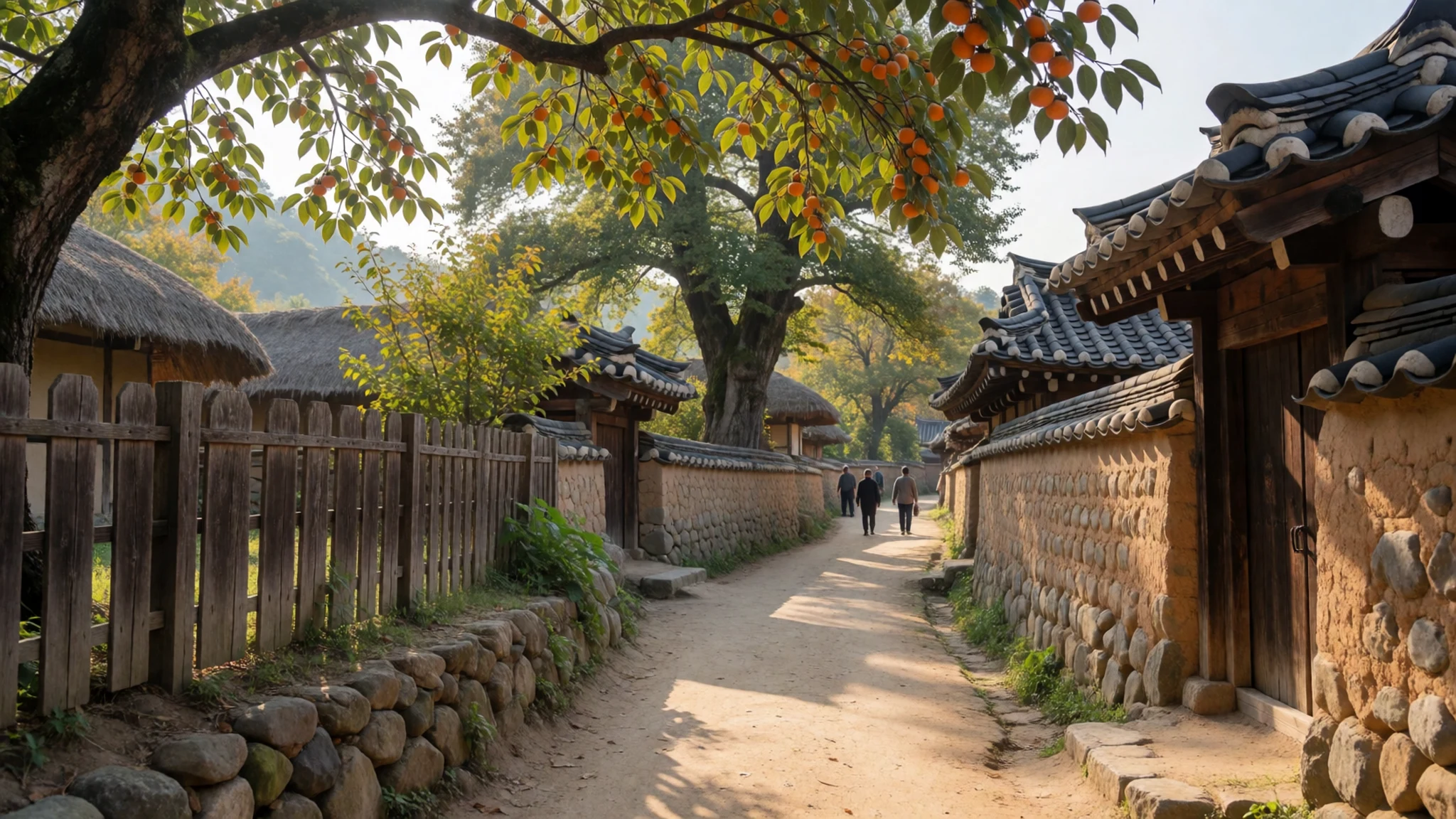
- Dosan Seowon — Northern Andong
Explore this historic Confucian academy established in honour of a prominent scholar, set quietly against a forested hillside overlooking the water. The complex features austere lecture halls, serene courtyards, and wooden pavilions designed for quiet contemplation and scholarly study during the Joseon dynasty.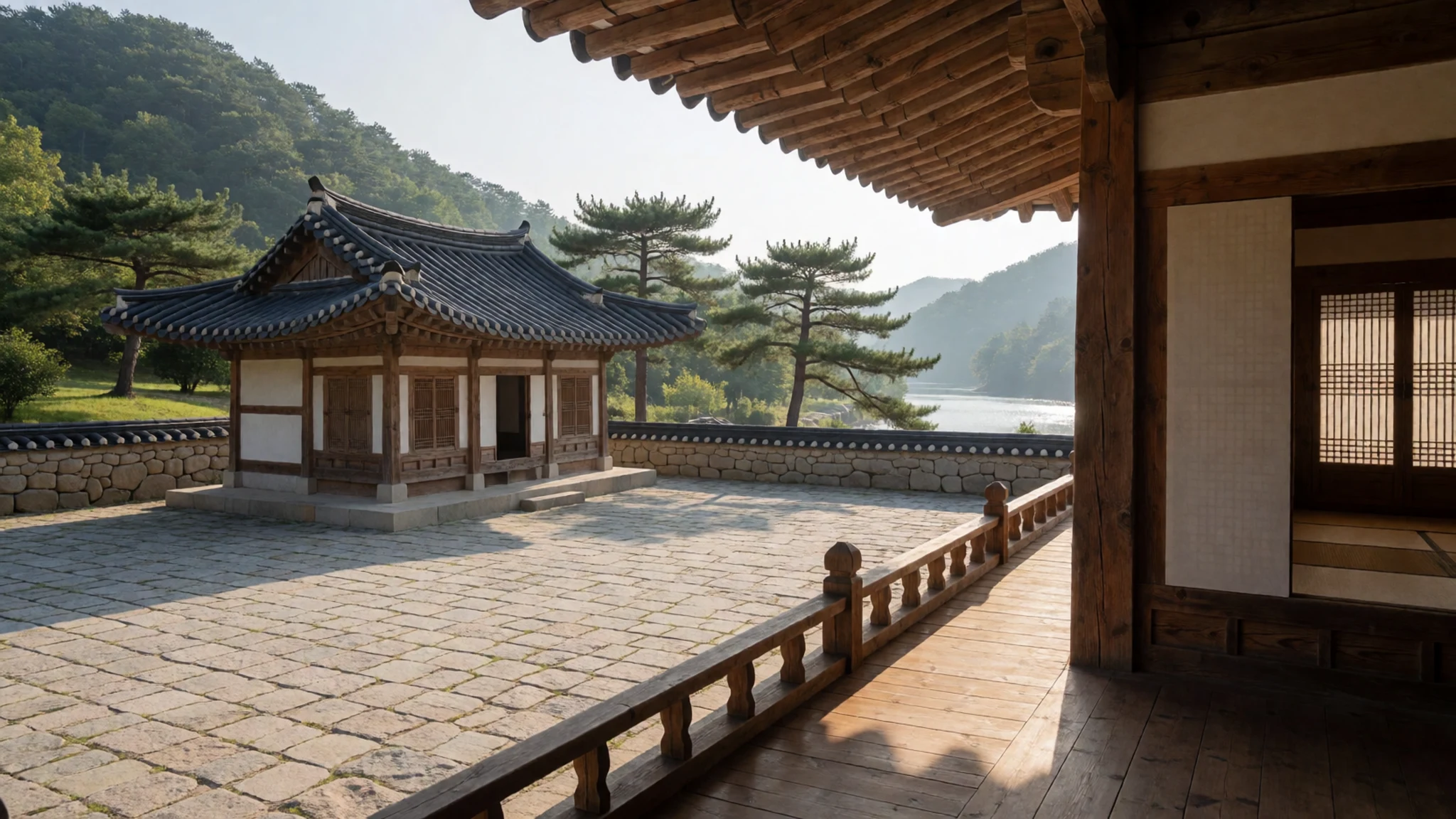
- Andong International Mask Dance Festival — Central Andong
Join the autumn celebrations featuring energetic performances of traditional mask dance dramas from across the country and around the world. The festivities fill the streets with colourful costumes, lively percussion music, and open-air theatrical spectacles that celebrate satirical folk traditions.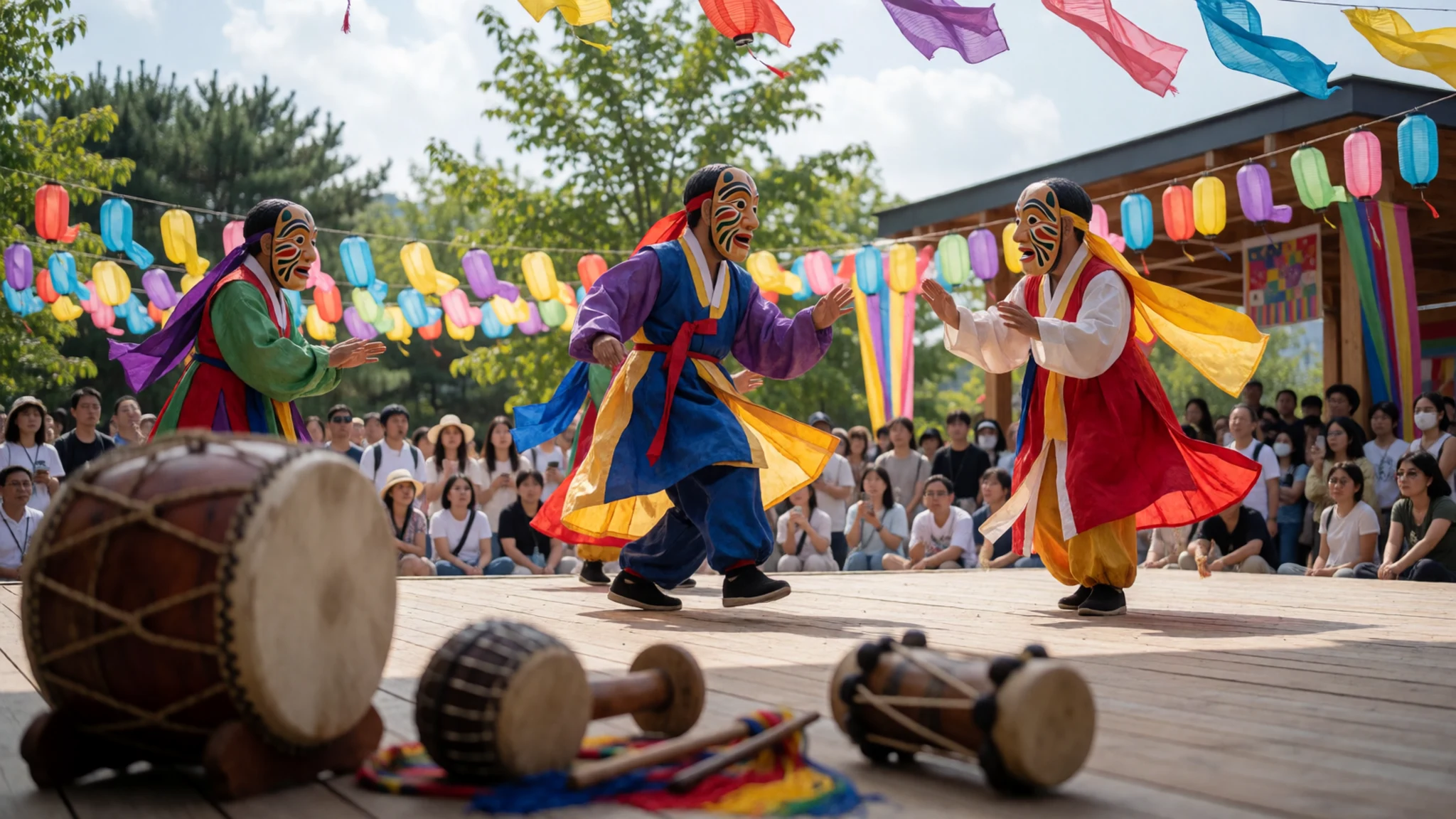
- Byeongsan Cliff and Academy — Southern Andong
Marvel at the sheer rock face towering over the river bend opposite another historic Confucian academy. Cross the water by wooden ferry or walk the scenic paths to appreciate the harmonious architectural design intended to blend seamlessly with the surrounding natural mountain topography.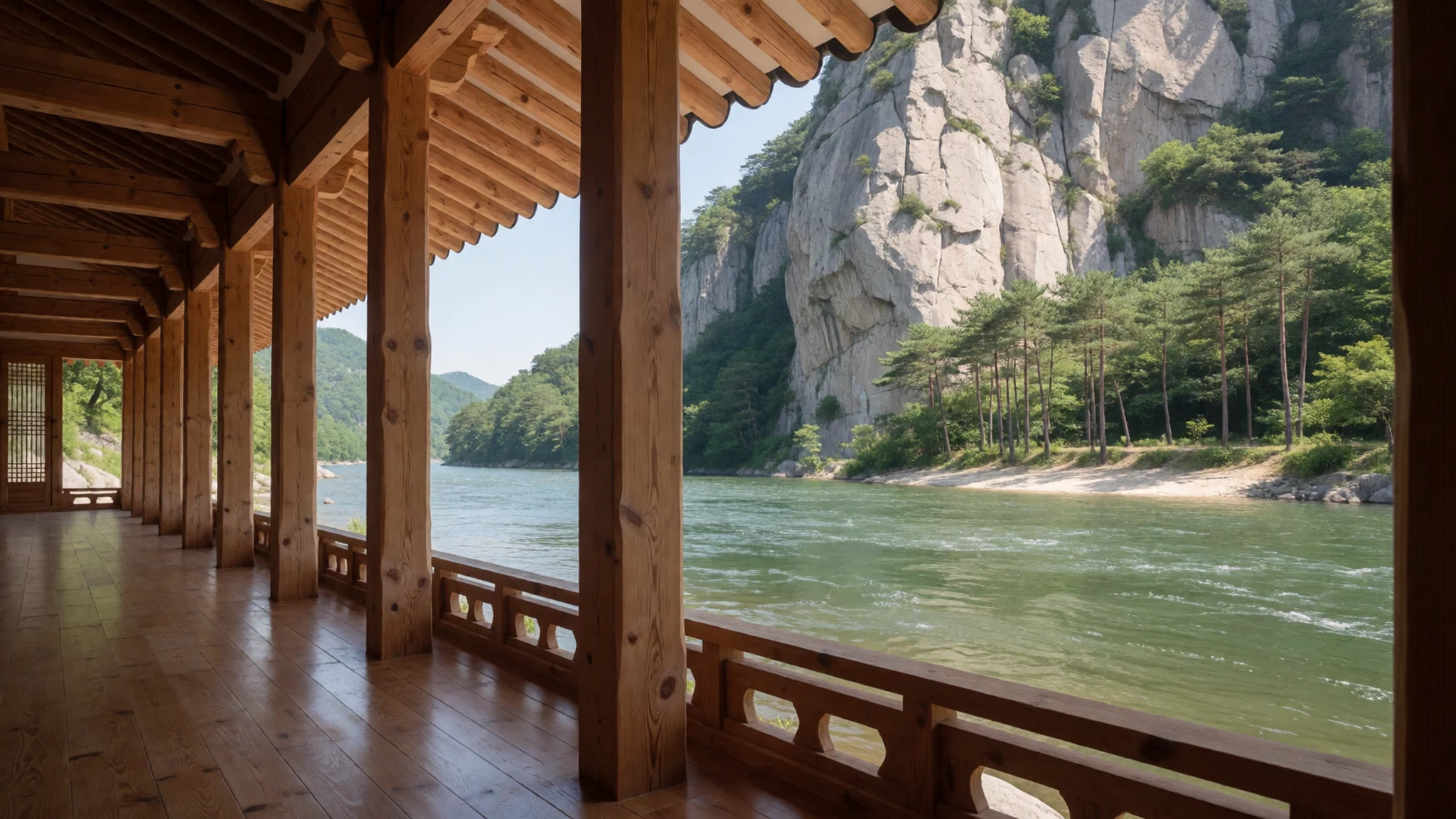
- Sisadan Monument — Southern Andong
Visit this commemorative stone monument erected on a riverside platform to honour special state examinations held for provincial scholars. The stone tablet stands as a unique testament to the rigorous academic traditions that once dominated the local administrative and social landscape.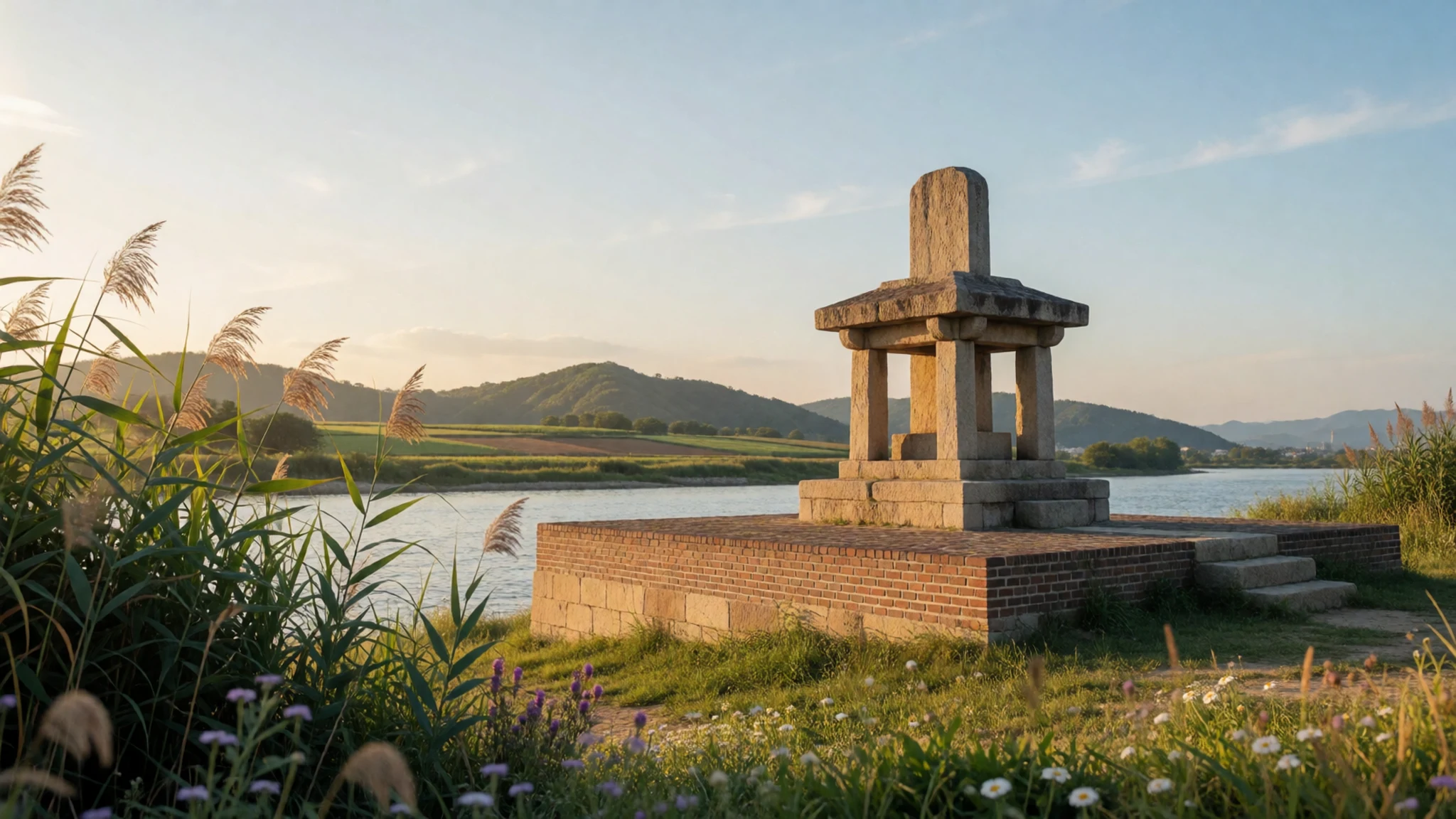
Culture
Local society remains deeply anchored in ancestral rites, scholarly heritage, and community folklore preserved through generations of prominent clans. Museums, forest science centres, and municipal exhibition halls document the region's rich literary and agricultural traditions. Throughout the year, seasonal festivals celebrate regional crafts, wooden mask carving, and dramatic storytelling that once mocked the ruling elite. Traditional social hierarchies and Confucian ethics continue to influence community interactions, respect for elders, and family gatherings. Visitors engaging with local artisans and village elders will find a welcoming atmosphere built on quiet hospitality and pride in historical preservation. Always remove your shoes before stepping onto wooden floors or entering traditional residential quarters and heritage rooms.
What to wear
Traditional attire in the region reflects historic Joseon dynasty aesthetics, featuring layered silk and cotton garments such as traditional robes and jackets designed with flowing lines. These garments were historically worn by nobility and scholars, distinguished by specific colours and weaves indicating social standing. Today, local residents wear contemporary, practical urban clothing identical to styles found in major global metropolitan centres. Traditional garments are now primarily reserved for national holidays, village weddings, seasonal festivals, and cultural ceremonies. Visitors should pack comfortable, weather-appropriate clothing suited for walking on uneven village terrain, country paths, and hillside academy grounds. Bring modest layers that cover shoulders and knees when visiting sacred pavilions, ancestral shrines, and heritage temple sites, along with slip-on footwear for easy removal at historic doorways.
What to eat
- Andong Jjimdak — Andong Old Market Jjimdak Golmok
A savoury dish of chicken braised with cellophane noodles, potatoes, carrots, and vegetables in a rich, slightly spicy soy sauce reduction. Find this local speciality at the dedicated chicken restaurant street in the central market area.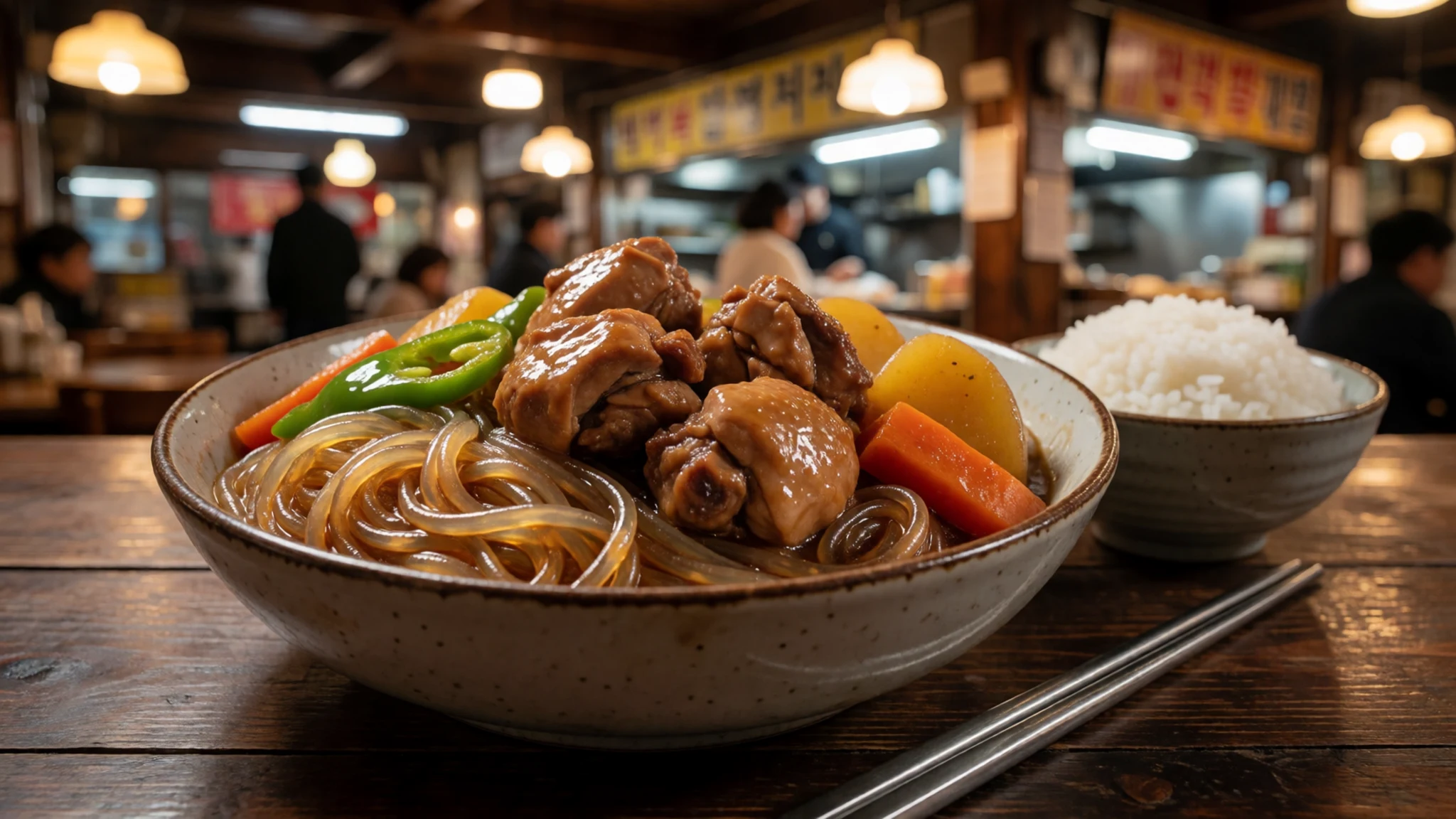
- Heotjesabap — Traditional eateries across the municipality
A traditional variation of rice mixed with seasoned mountain vegetables, served with soy sauce instead of red chilli paste. This preparation originates from historical scholar meals and can be found at specialized heritage eateries.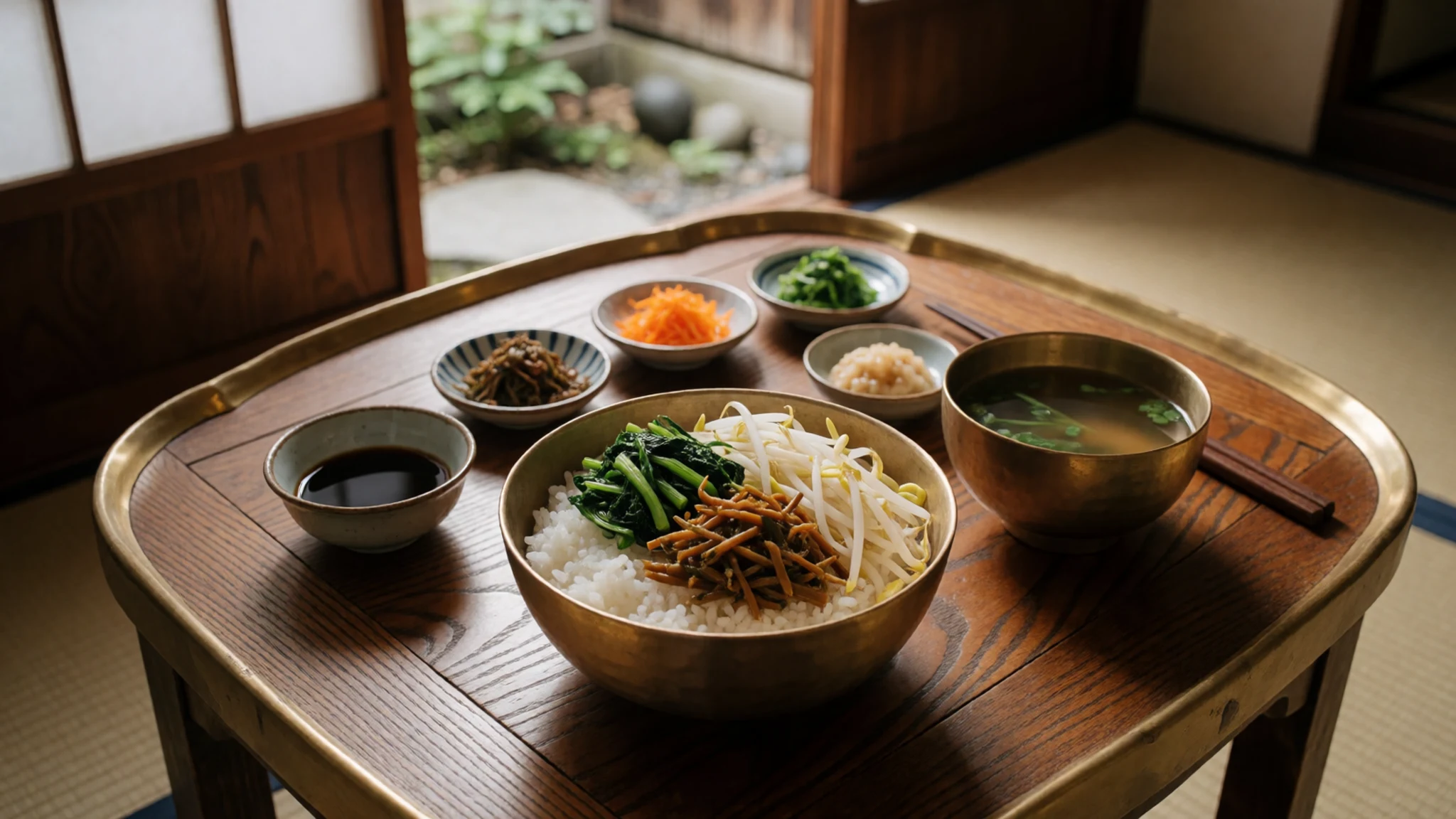
- Salted Mackerel — Specialist restaurants throughout Andong
Locally cured and salted fish grilled over coals until crispy on the outside and tender within, reflecting historical transport routes from the eastern coast. Enjoy this classic regional protein at specialized fish restaurants throughout town. - Andong Soju — Andong Soju and Traditional Food Museum
A potent, clear traditional distilled spirit made from fermented grains, carrying a long history rooted in local brewing techniques. Sample or view traditional production methods at regional cultural museums and food heritage exhibition centres. - Assorted Baked Goods — Mammoth Bakery in the central district
European-style breads, pastries, and artisanal baked goods served alongside freshly roasted espresso drinks in local bakeries. This offers a modern sweet contrast to traditional provincial dining.
Plan it
Best time. March to April for spring blossoms, or October to November for crisp autumn foliage and the annual mask festival; avoid the heavy summer rains and humid heat.
How long. 2–3
Getting there. Arrive by high-speed train or expressway bus from Seoul, Busan, or Daegu; the regional transit station provides straightforward connections to central attractions.
Budget. mid
Tips
- Wear comfortable walking shoes for exploring unpaved village lanes
- Carry local currency for small market stalls and rural shops
- Check festival dates ahead of time if visiting in October
- Book accommodation early during peak autumn foliage months
Etiquette
- Remove footwear when entering traditional rooms or heritage buildings
- Lower your voice in quiet residential clan areas and shrines
- Ask permission before photographing local residents close up
Nearby
Sources
- Wikidata Q42116 (CC0)
- Wikipedia (rev 1378924154) (CC BY-SA 4.0)
- Wikivoyage (rev 5396914) (CC BY-SA 4.0)
- Photo 01 (CC BY-SA 2.0)
- Photo 02 (CC BY 3.0)
- Photo 06 (CC BY-SA 2.0)
- Photo 08 (CC0 1.0)


