Chiaksan National Park
Chiaksan National Park, South Korea
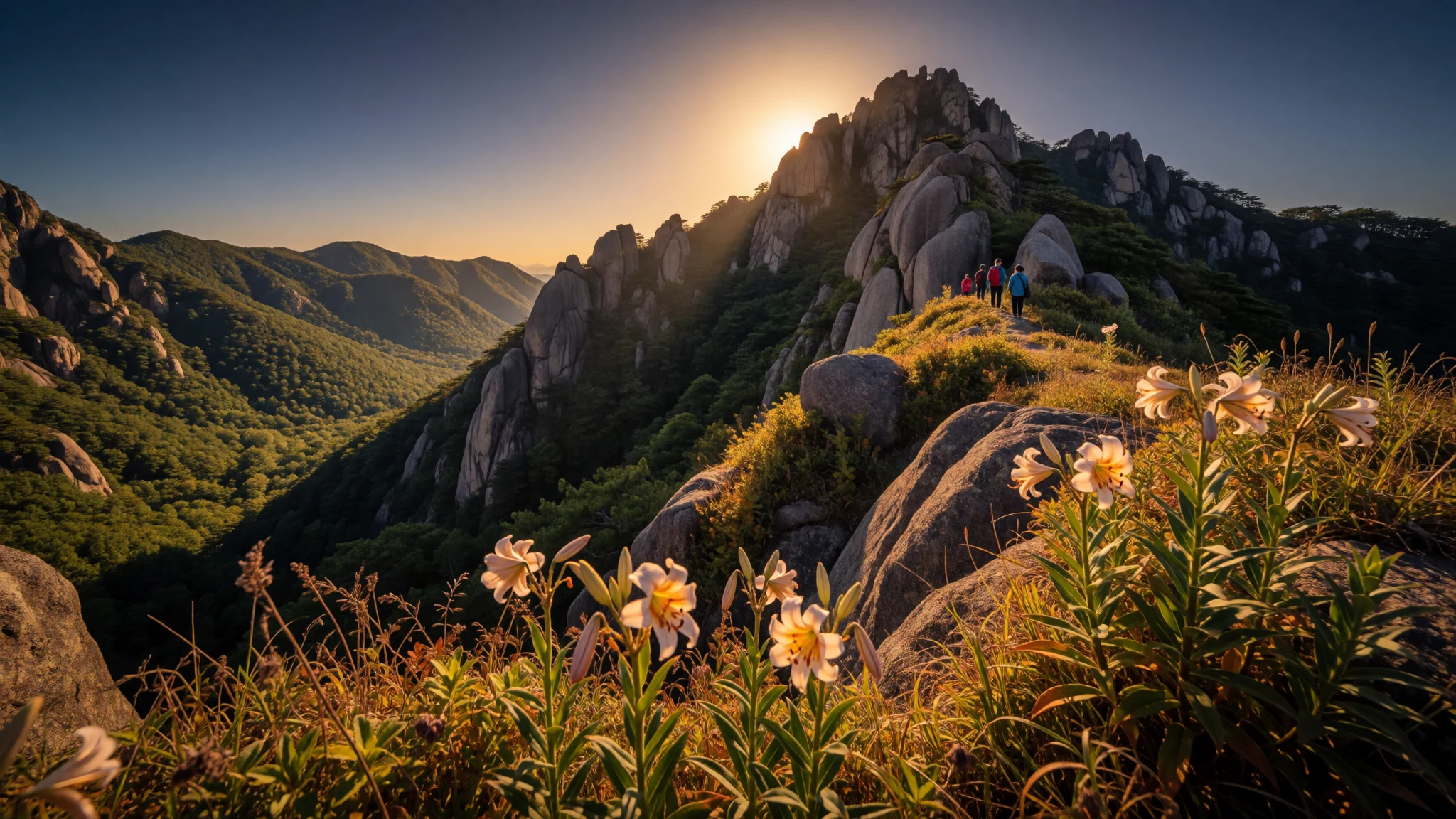
Chiaksan National Park offers steep, forested Korean mountain trails and old temples within easy reach of Seoul, with far fewer crowds than the famous peaks.
The place
Chiaksan National Park lies in Gangwon-do, the mountainous province of eastern South Korea, and has had park status since 1984. It is a rugged, forested massif rather than a single scenic set piece. Ridgelines run on for hours, valleys are narrow and steep, and most trails climb through hardwood and pine woods before reaching rocky summits. Wonju, the city on the western side, is the usual base for visitors. Seoul is close enough that the trails fill with day-hikers at weekends, above all when the autumn leaves turn, while weekdays and the quieter valleys feel far emptier. The park shelters a wide range of plants and animals, among them flying squirrels and Hodgson's bat, both listed as endangered. Facilities are simple: trailheads with ticket kiosks, a temple or two, basic eateries, then wooded paths with stone steps and rope rails. Signs are mostly in Korean with some English, and English is not widely spoken in the countryside around, so a downloaded offline map is worth having, as is the national travel helpline, 1330, which offers interpreting. Seasons shape the experience. Spring brings fresh green and blossom on the lower slopes, summer is hot, humid and wet, autumn is the colourful and crowded season, and winter is cold and snowy, with icy ground that calls for proper footwear. The wider province has hot-spring resorts and ski areas for those wanting comfort after a hard day.
Its story
Chiaksan National Park takes its name from the mountain at its heart, and the name comes with a folk tale. The peak was once called Jeokaksan, but the name changed to Chiaksan, usually rendered as Pheasant Peak, after a legend about a traveller who rescued a pheasant from a snake. In the versions people tell, the bird later repaid him, and the mountain's name became its memorial. Like most mountain legends in Korea, it is told at temples along the slopes, where Buddhist ideas of kindness and gratitude sit easily beside it. The landscape holds a more official piece of history too. In Joseon-era Korea, certain pine forests were reserved for royal use, and stone markers were set up to warn local people off cutting the timber. The hwangjanggeumpyo markers near Hakgok-ri in Wonju are examples of these boundary stones, and they are among the few places in the area where a written ban from centuries ago can still be read in the rock. Mountains such as this one also mattered as retreats. Monasteries were built on rocky, forested ground far from the cities, and many survived because the terrain made them hard to reach and hard to attack. Today the park is a protected area, which has kept the woods largely intact, while the town of Wonju and the farmland of the surrounding valleys remain the everyday world of the people who live under the mountain.
What to see
- The ridge trails — Throughout the park
Chiaksan National Park is above all a walking park, and its network of trails climbs from valley floors to rocky ridges through dense woodland. Routes vary from half-day loops to long, steep traverses with stone stairs. Autumn weekends are busy, so an early start helps. Check current trail status with the park office before setting out.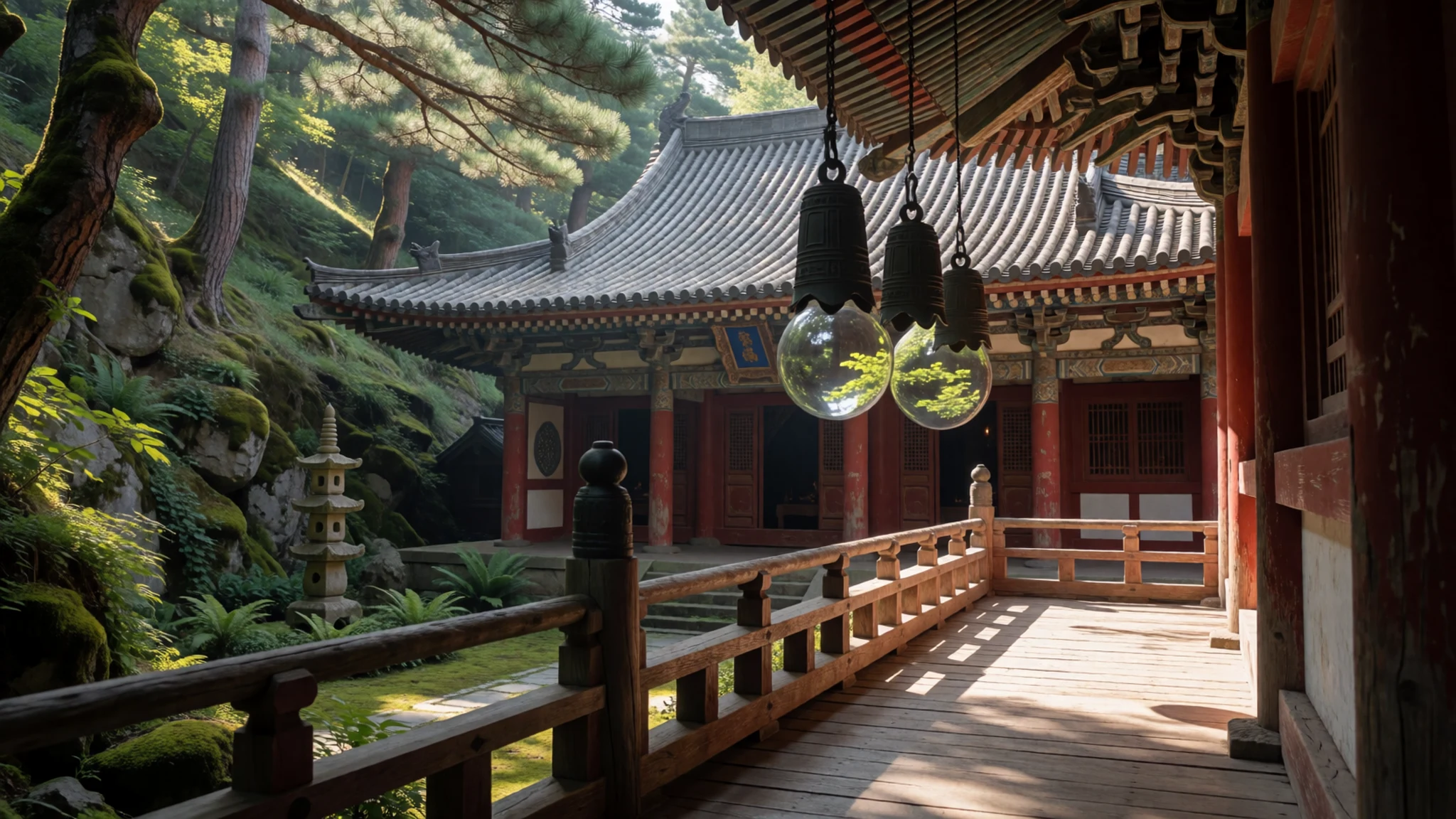
- Guryongsa temple — Chiaksan valley, near Wonju
Guryongsa is a Buddhist temple at the foot of the mountain, reached on foot along a valley path. Its name refers to dragons, and the setting among steep, wooded slopes is the main draw. It works as a gentle first walk for those not ready for the summit routes, and temple grounds stay quiet on weekdays.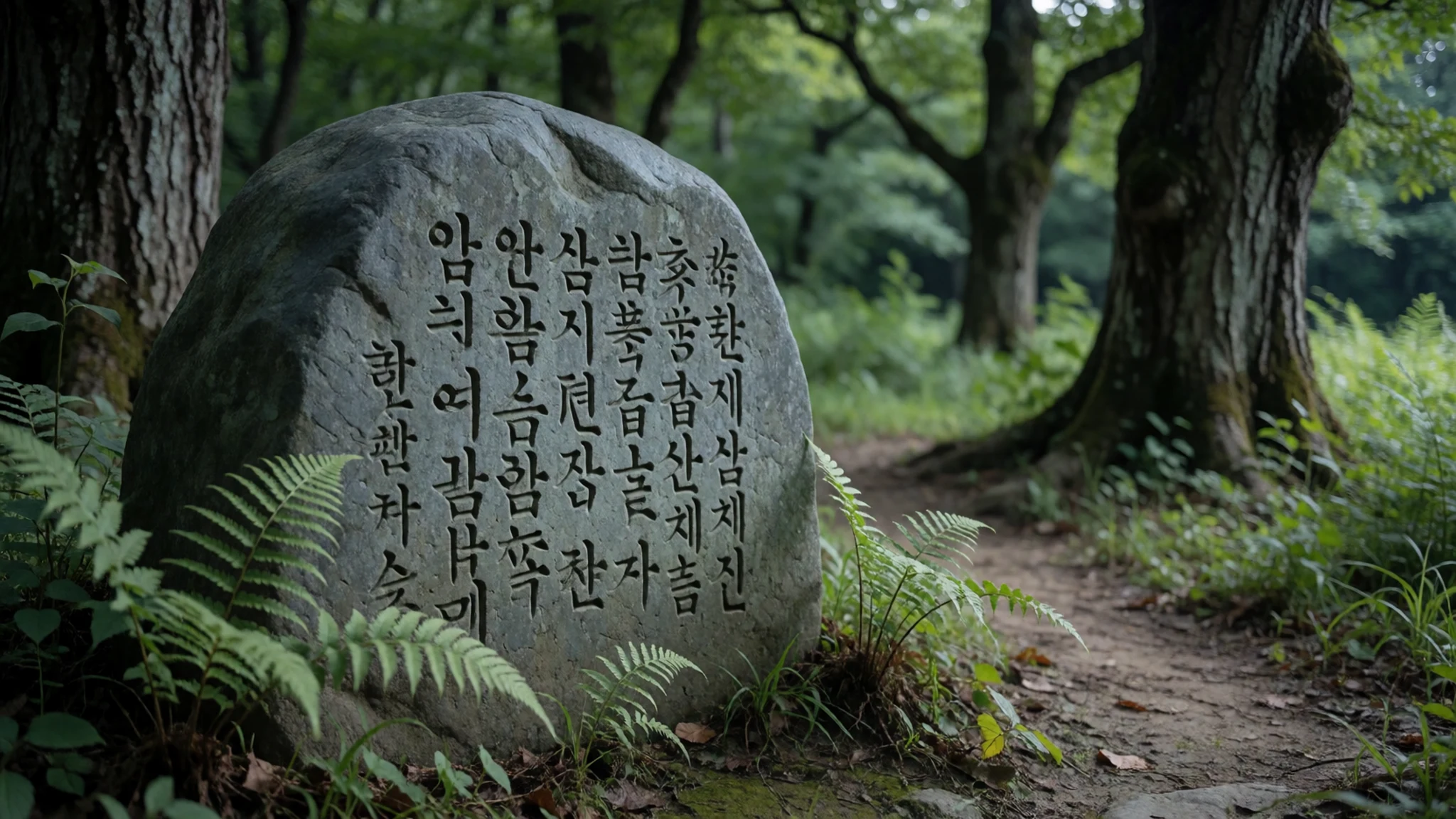
- Sangwonsa temple — Upper slopes of Chiaksan
Sangwonsa sits higher on the mountain and is the temple most often linked with the pheasant legend, including a story about a temple bell. Reaching it takes a steady climb, which also filters out casual visitors. The quiet and the forest air make the effort worthwhile, especially on a clear autumn morning.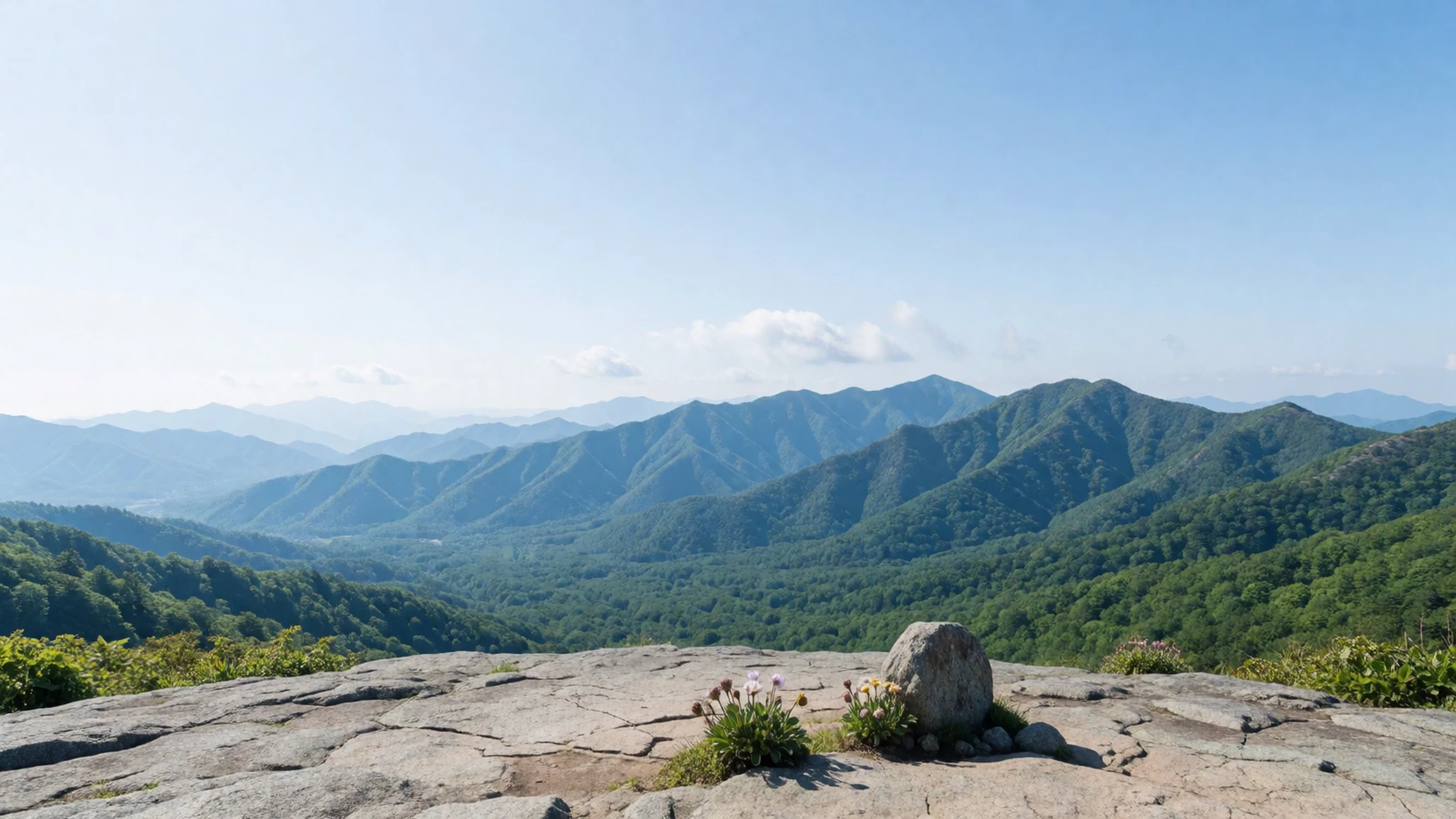
- Hwangjanggeumpyo markers — Hakgok-ri, Wonju
Hakgok-ri, in Wonju, has stone markers carved to forbid logging in reserved pine forest during the Joseon period. They are small, weathered and easy to miss, so they reward a slow look rather than a long visit. Seeing one makes the park's long record of protection feel tangible.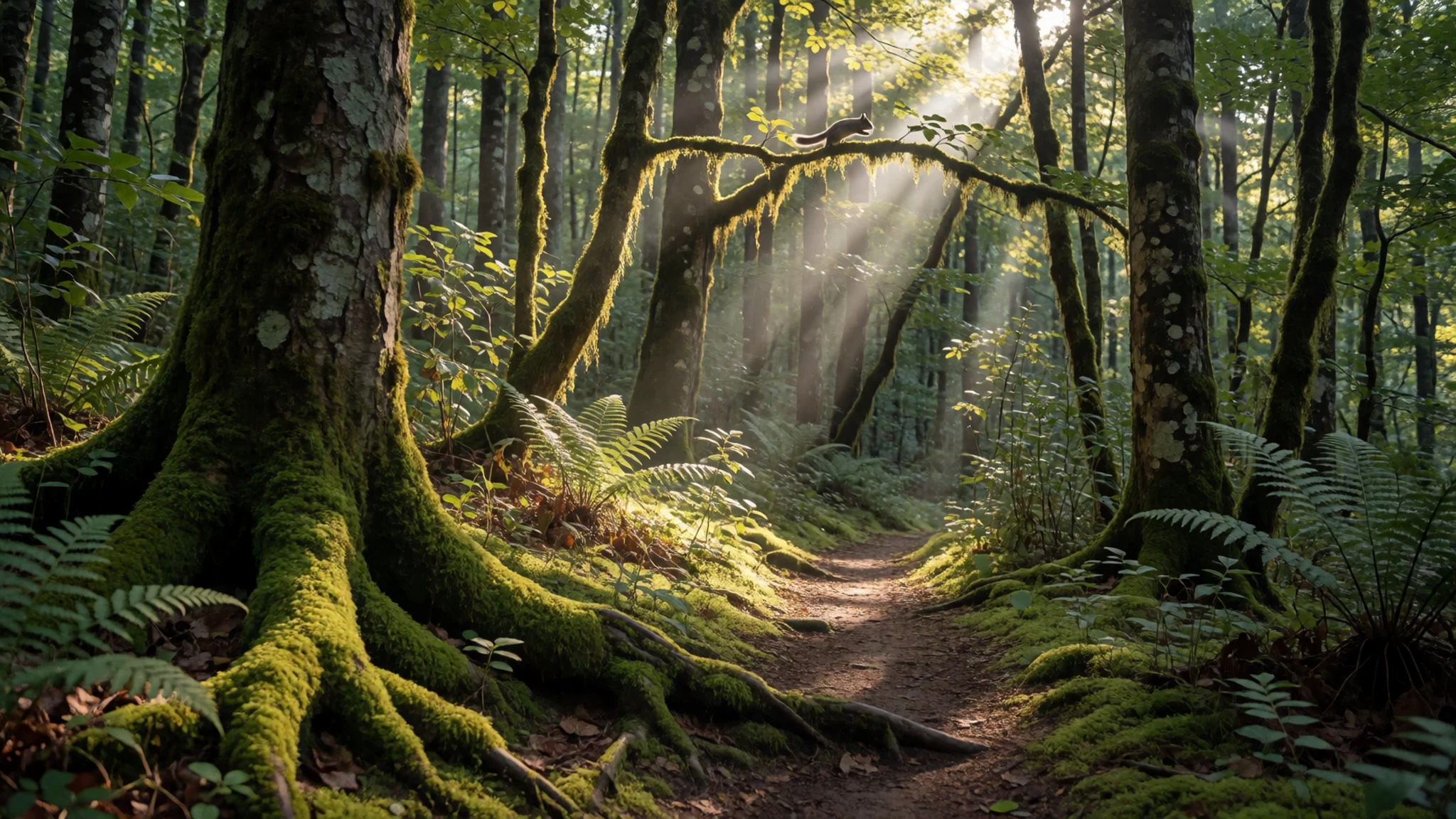
- Farmland and village edge at Hakgok-ri — Socho-myeon, Wonju
The lanes around Hakgok-ri in Socho-myeon give a quieter view of the mountain from below, across fields and low hills. It suits a slow afternoon walk or cycle rather than a hike, and shows the working countryside that surrounds the park beyond its trail entrances.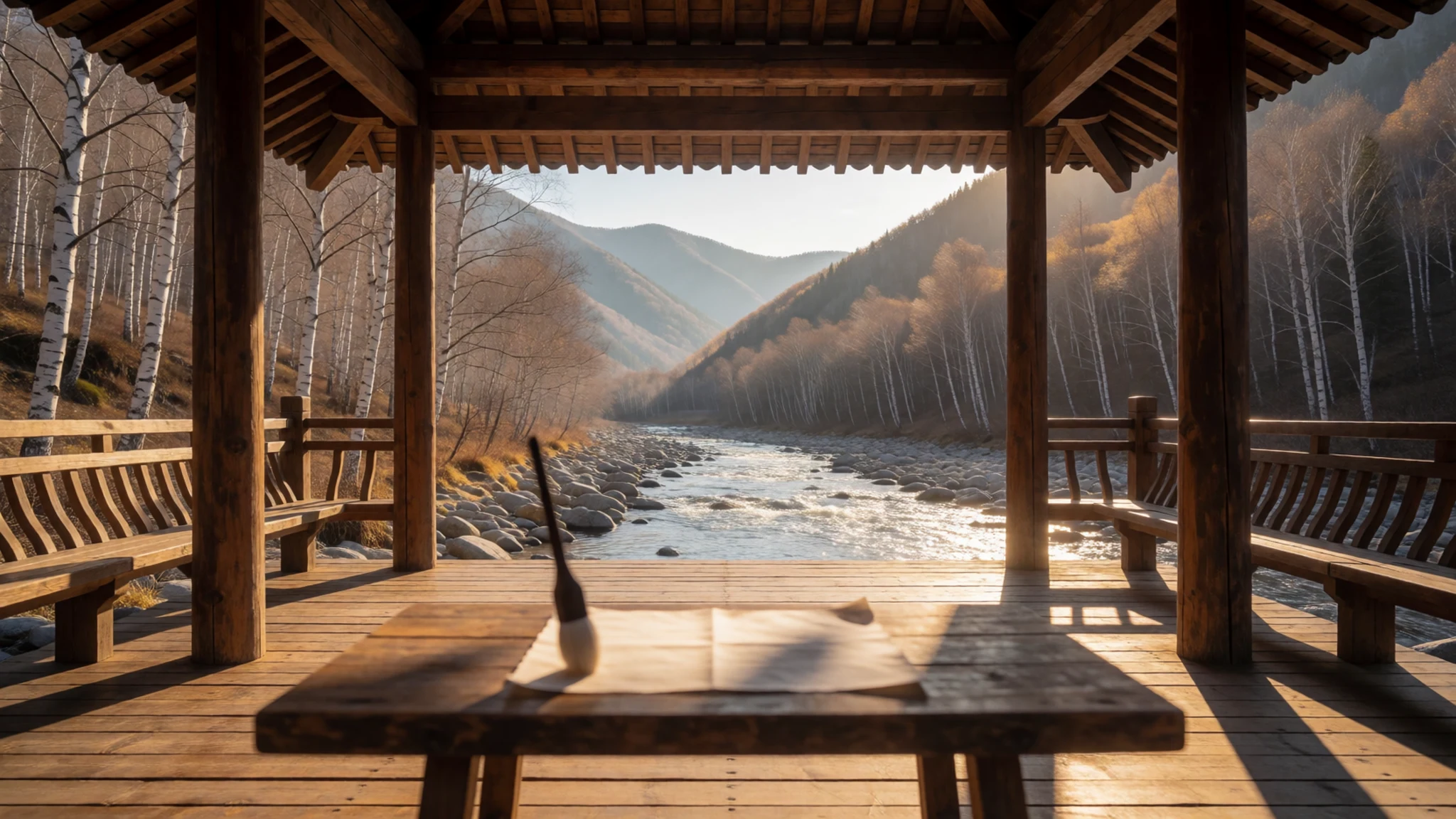
Culture
Chiaksan National Park sits within a strong Korean hiking culture, in which walking up a mountain is a social habit for all ages rather than a specialist sport. Groups of friends, families and retired walkers set out early, share food at a summit or a rock ledge, and greet people they pass on the trail with a polite hello. Rice rolls, fruit and flasks of tea are typical picnic fare, and a bowl of mountain vegetables or a glass of rice wine in a trailhead eatery is a common reward afterwards. Buddhism shapes the cultural landscape too. Temples such as Guryongsa and Sangwonsa are working places of worship as well as sights, with monks, daily ceremonies and visitors who come to pray rather than to look. Folk tales, including the pheasant legend that gave the mountain its name, are part of how locals relate to the place, and they are often told with humour and affection. Older records of the region, such as the boundary markers cut to protect royal pine forest, show that the idea of guarding woodland is not a modern one. Elders in rural villages around Wonju tend to speak little English, but kindness to a visitor who tries a few words of Korean is common. At temple halls, remove your shoes before entering, keep your voice low, and ask before photographing monks or people at prayer.
What to wear
Chiaksan National Park is far from any fashion capital, but clothing here still tells a story. The traditional Korean dress is the hanbok, made up of a short jacket called jeogori and a wrap skirt, chima, for women, or jeogori with loose trousers, baji, for men. Textiles include silk for formal wear, plus cotton and ramie or hemp, which are cooler in summer. People wear hanbok now mainly for weddings, the Lunar New Year, Chuseok and festivals, so a visitor will rarely see it on a mountain trail, though it may appear in temple ceremonies and village events. Everyday clothing in the area is practical and casual, and on the trails hiking gear is almost a uniform: bright technical jackets, quick-dry trousers, visors or caps, walking poles and sturdy boots, often worn by walkers of all ages. For a visit, dress in layers, because mornings can be cold and summits windy even in warm months. Choose boots or trail shoes with a good grip, as rock steps and wet leaves are slippery. Bring a waterproof layer in summer, when rain arrives quickly, and gloves and a warm hat for winter, when ice may need light traction aids. At temples, covered shoulders and knees are respectful, and shoes that slip off easily are handy for entering halls.
What to eat
- Sanchaejeongsik (mountain vegetable set meal) — Family-run eateries near park trailheads and in nearby villages
Sanchaejeongsik is a set meal built around wild and mountain greens, with rice, soup and many small side dishes. It suits the forest setting and makes a satisfying meal after a long hike. Look for family-run eateries in the villages and trailhead streets around the park.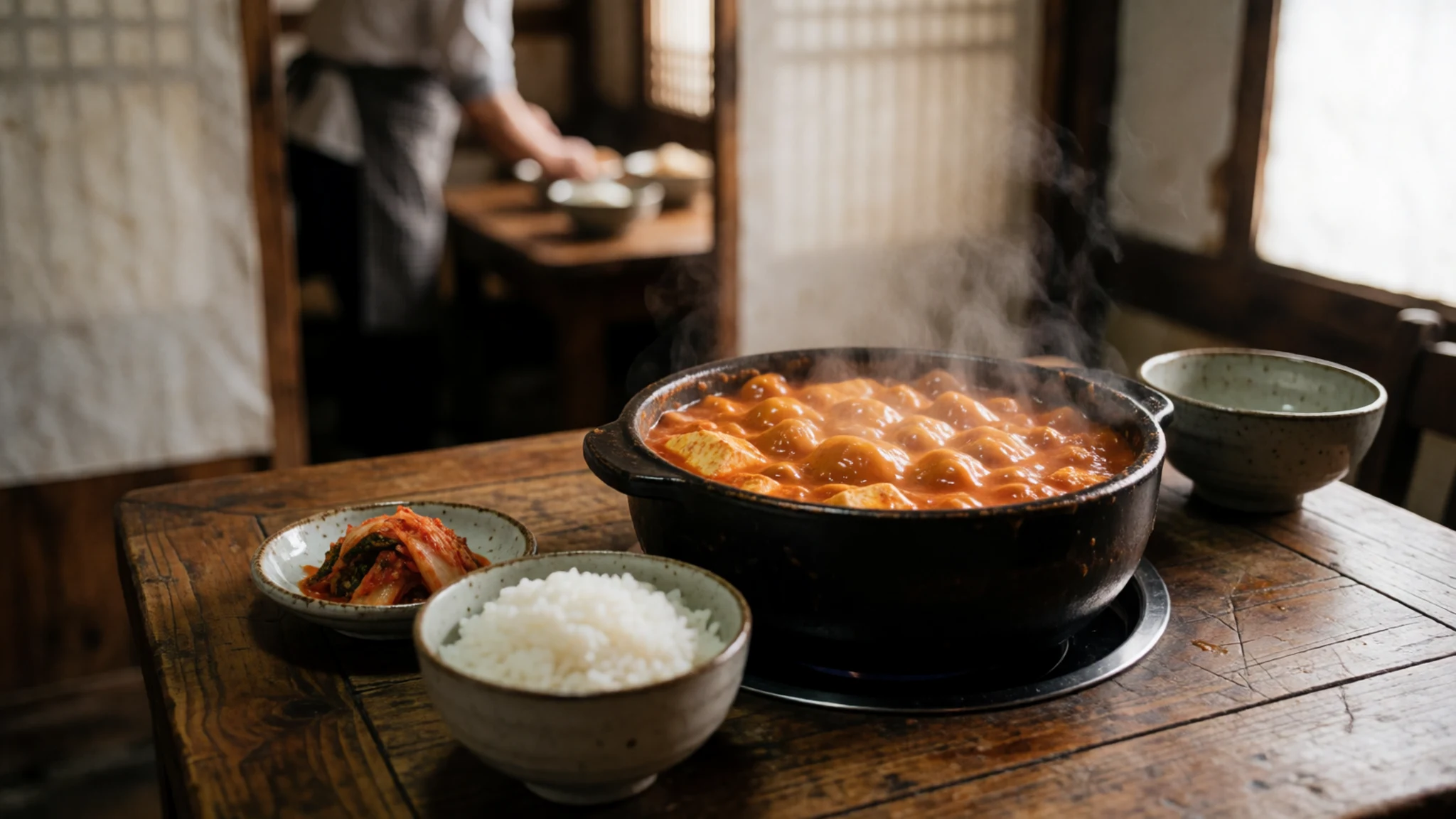
- Bibimbap — Everyday Korean restaurants in Wonju and village eateries
Bibimbap is a bowl of rice topped with cooked and fresh vegetables, sometimes meat, to be mixed with spicy red pepper paste at the table. It is filling, adaptable for vegetarians, and found almost everywhere in Gangwon-do, from simple restaurants to market stalls.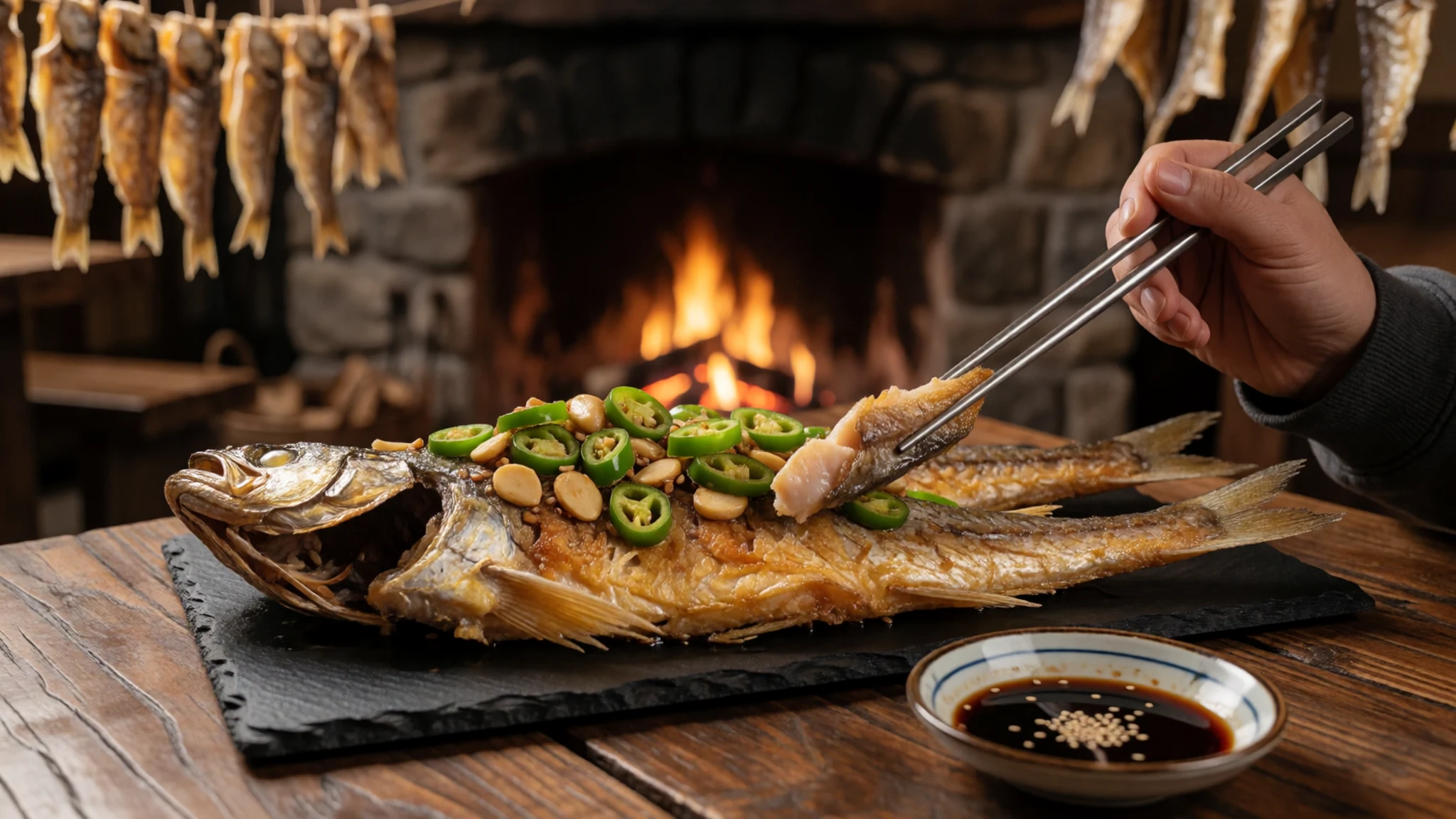
- Hanu beef — Beef restaurants and butchers around Hoengseong and Wonju
Hanu is Korean native beef, and nearby Hoengseong is known for it. It is usually grilled at the table and eaten wrapped in lettuce with garlic and paste. It is a rich, social meal, and the local festival and butcher-restaurants are where visitors usually try it. - Hwangtae (dried pollack) — Specialist soup and grill restaurants across Gangwon-do
Hwangtae is pollack dried in the cold, dry mountain air of Gangwon-do over winter, giving a soft, golden flesh. It is served roasted with spicy seasoning or in a mild soup, often as a morning-after dish. It is a regional pride and a good test of local taste. - Sundubu (silken tofu stew) — Tofu villages and small tofu restaurants in Gangwon-do
Sundubu is soft, freshly set tofu, served in a hot stew or plain with a dipping sauce. The mild flavour comes from the quality of the water and the beans. It is a comforting meal in cold weather, and many villages in the province have streets dedicated to it.
Plan it
Best time. April–May for fresh green and spring blossom on the lower slopes, and October–November for autumn colour, though autumn weekends are crowded. Summer is hot, humid and wet, and winter is cold and snowy, with icy trails.
How long. 1–2
Getting there. The simplest route from abroad is Incheon International Airport near Seoul, then a direct bus or train towards Wonju. Wonju Airport has a daily flight from Jeju only, and Yangyang International Airport serves the east of the province. In Wonju, take a local bus or taxi to the trailhead you want; check the national park website or ask locally for the current route.
Budget. mid
Tips
- Go on a weekday or start early, as autumn weekends are very busy
- Download an offline map and a Korean translation tool, since English signage and speakers are limited; the 1330 helpline offers interpreting
- Carry water and snacks, because trails are long and steep with few shops above the trailheads
- Check trail openings and weather with the park office before setting off, especially in winter
- Carry some cash for small village eateries and rural shops
Etiquette
- Remove shoes before entering temple halls and keep your voice low
- Take all litter back down with you
- Greet other walkers politely and give way to people climbing uphill on narrow paths
Nearby
Sources
- Wikidata Q3375188 (CC0)
- Wikipedia: Chiaksan National Park (rev 1362712196) (CC BY-SA 4.0)
- Wikivoyage: Gangwon (rev 5402593) (CC BY-SA 4.0)
- Photo: Chiaksan National Park, Lcarrion88 (CC BY-SA 4.0)
- Photo: Hwangjanggeumpyo Marker in Hakgok-ri, Wonju, Trainholic (CC BY 4.0)
- Photo: Hwangjanggeumpyo Marker, Trainholic (CC BY 4.0)
- Photo: Near Chiaksan National Park, Korea, gary4now (CC BY 3.0)


Wildlife
- Pheasant (animal)
Think of the common pheasant as a blue-headed bird from the pheasant family, a relative of fowl but not a close one. Chiaksan's legend speaks of a compassionate man who stepped in when a snake threatened a pheasant, which gives this bird a special place in local memory. The notes do not say where or when it appears, so ask at the park. Observe from far off, keep your voice low, join a guide, and never feed it.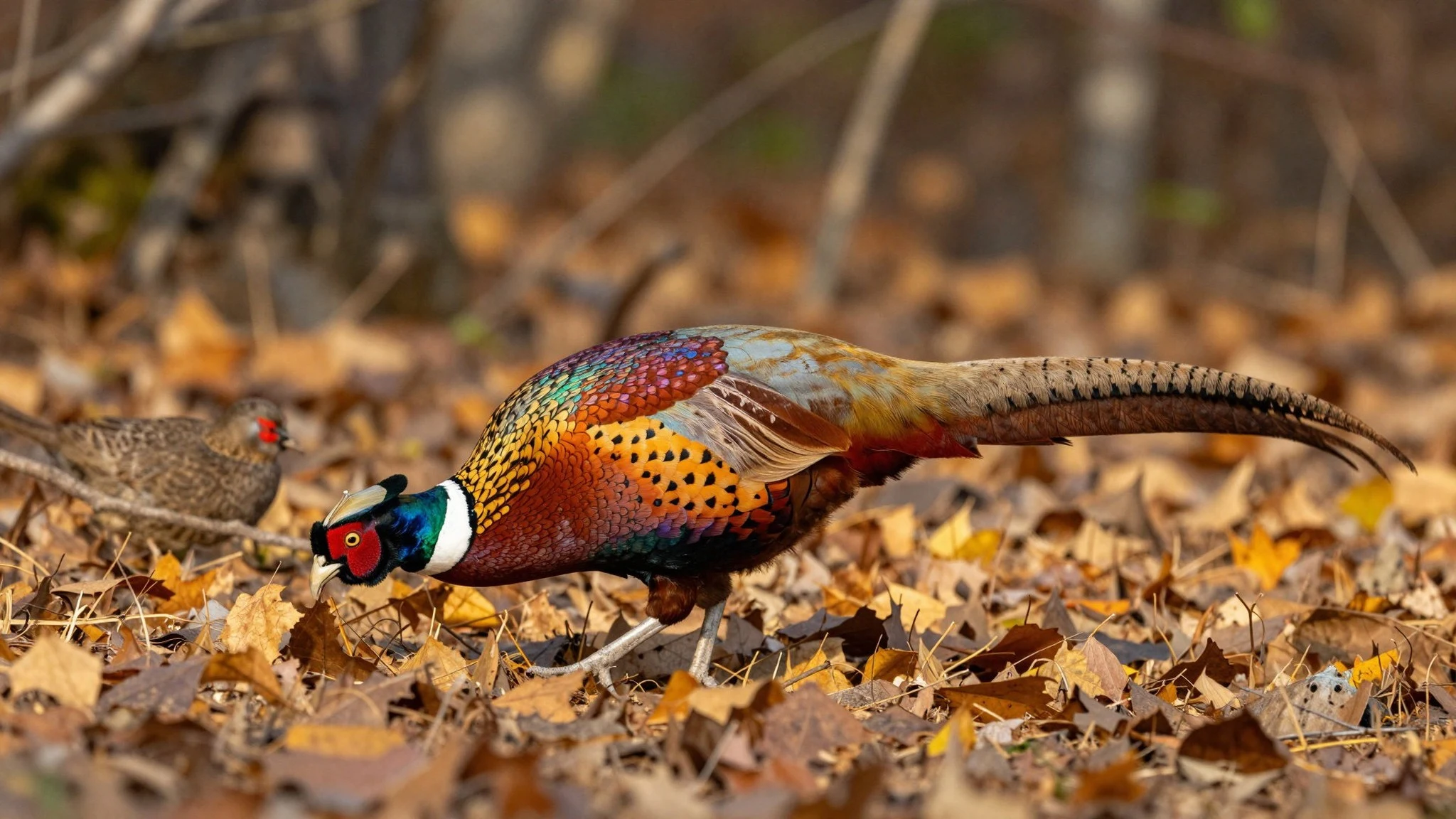
- Flying squirrel (animal)
The Siberian flying squirrel is a squirrel that lives across northern Asia, from the Baltic Sea all the way to the Pacific coast. In Chiaksan it is counted among the park's endangered animals, and walking the marked trails gives visitors a chance of spotting one. The notes give no season or hour, so ask a ranger. Keep well back, stay quiet, consider a guide, and never offer food.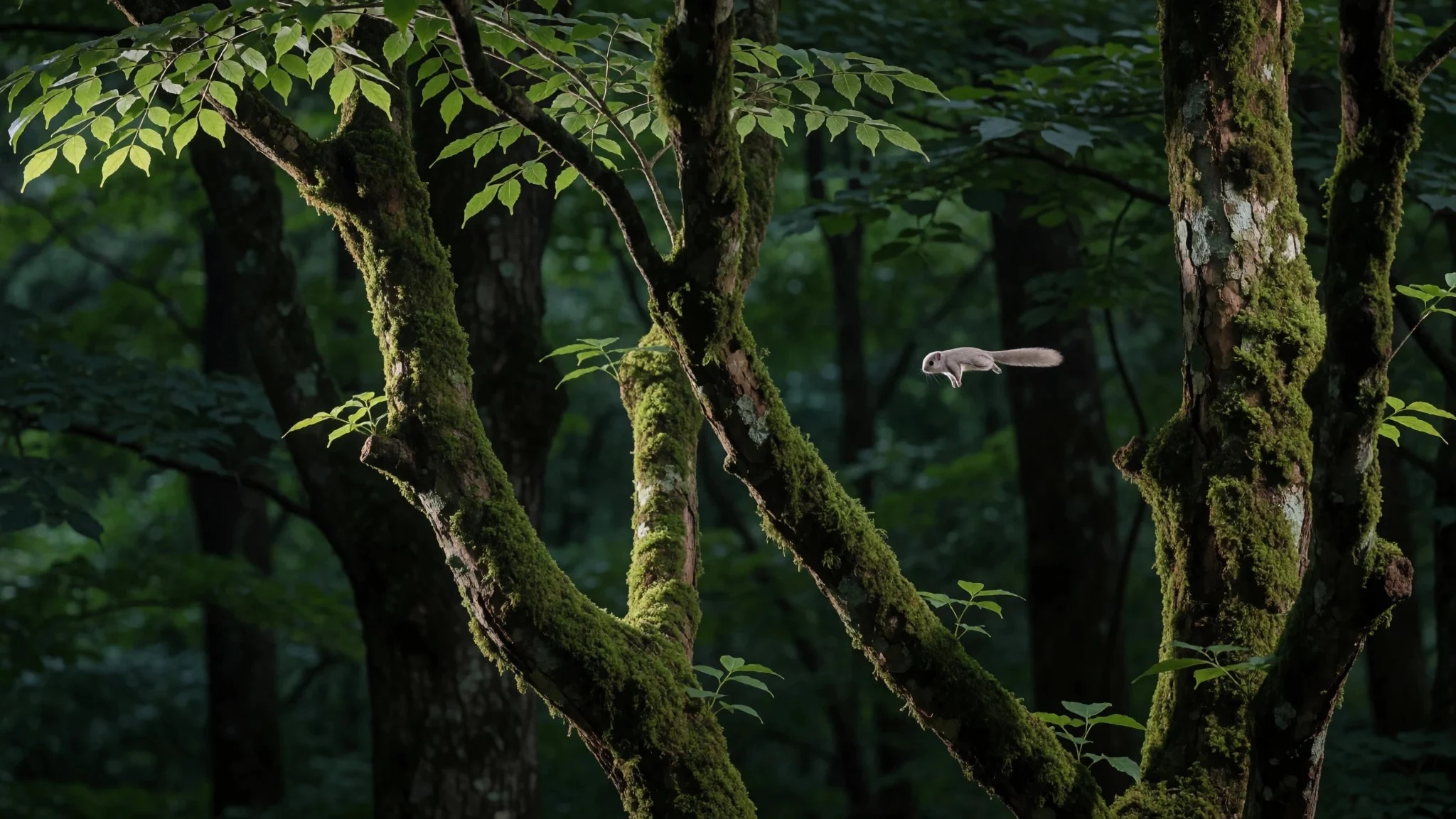
- Pheasant (bird)
Think of the common pheasant as a blue-headed bird from the pheasant family, a relative of fowl but not a close one. Chiaksan's legend speaks of a compassionate man who stepped in when a snake threatened a pheasant, which gives this bird a special place in local memory. The notes do not say where or when it appears, so ask at the park. Observe from far off, keep your voice low, join a guide, and never feed it.