Seoul
Seoul, South Korea
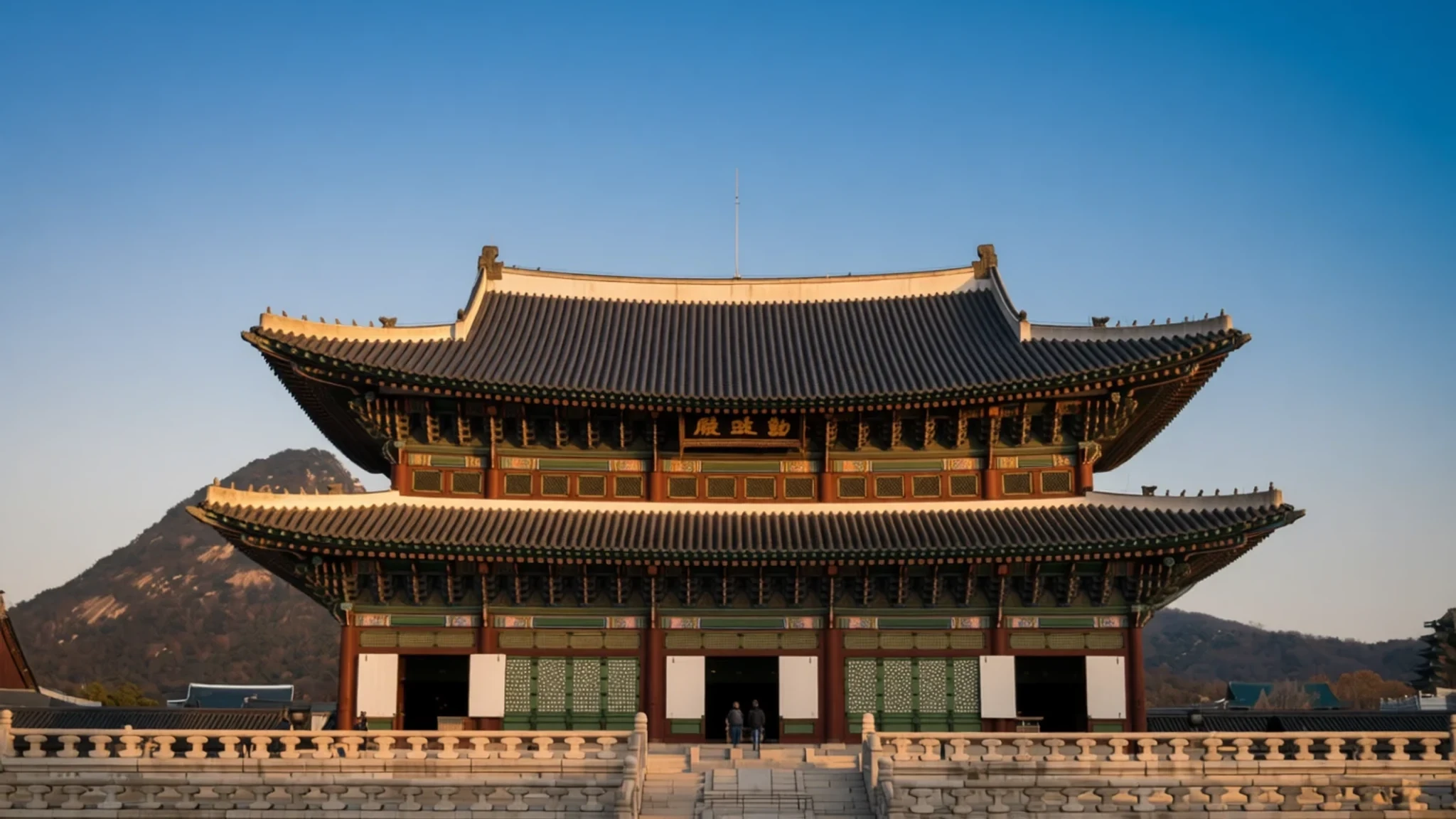
Seoul pairs centuries of royal dynasty heritage with a relentless ultra-modern pulse, offering quiet temple courtyards alongside electric night markets.
The place
Seoul stands as the sprawling capital of South Korea, cradled by a natural amphitheatre of rugged granite mountains and bisected by the wide sweep of the Han River. Home to about 9.6 million residents, the city anchors a colossal metropolitan region, the Seoul Metropolitan Area, where more than half the nation's population lives and works. Though high-rise glass towers, neon avenues and digital plazas define much of the contemporary view, Seoul carries a deep historical anchor dating back thousands of years. Founded originally in ancient times, the settlement grew into its true imperial grandeur during the Joseon dynasty, when defensive stone ramparts encircled the royal core and magnificent palaces were established beneath the peaks. Turbulent chapters in the early twentieth century brought profound trials, including Japanese colonial rule and the devastating wreckage of the Korean War, which left the capital largely in ruins. From those ashes rose a remarkably driven metropolis that reconstructed its historic landmarks while leaping ahead into the digital age. Modern administrative functions have gradually spread southward to newer planned zones, yet Seoul remains the undisputed cultural, financial and historic pulse of the country. Visitors navigating the city find themselves moving seamlessly between silent palace gates, bustling traditional alleys tucked behind glassy commercial strips, and quiet hillside neighbourhoods where low-slung tile roofs brush against the shoulders of the mountains.
Its story
Human footprints in the Seoul basin reach back tens of thousands of years, tracing an ancient story etched into the fertile river terraces. Long before royal banners flew over grand courtyards, prehistoric hunter-gatherers constructed sunken pithouses known as umjip, leaving behind scattered stone tools and pottery shards now unearthed at riverside excavation sites like Amsa-dong. As the Bronze Age yielded to ironworking techniques imported across the Yellow Sea, the Han River valley became a contested prize. Numerous small tribal statelets vied for dominance until the Baekje kingdom emerged as a regional power in the early centuries of the common era, establishing early royal footholds in the territory. Centuries later, the dramatic pivot of history arrived with the founding of the Joseon dynasty, which officially designated the valley as the capital in the late fourteenth century. Engineers and geomers laid out the city according to strict cosmological principles, erecting stout defensive walls and grand ceremonial gates that anchored the capital beneath guardian peaks. The centuries that followed saw brilliant cultural flowerings interspersed with devastating foreign invasions, palace intrigues and fires. When the twentieth century brought colonial occupation and the fierce artillery exchanges of the Korean War, the ancient capital was battered and broken. Yet the rebuilding of monuments such as Gwanghwamun gate reflects a resilient civic memory, ensuring that the layered centuries—from neolithic hearths to dynastic thrones—remain visible beneath the modern glass.
What to see
- Hangang Citizen's Park — Multiple districts along the Han River
Stretching alongside the Han River across numerous districts, this expansive green ribbon offers cycling paths, grassy picnic lawns, and sweeping views of the illuminated bridges and skyline towers after dark.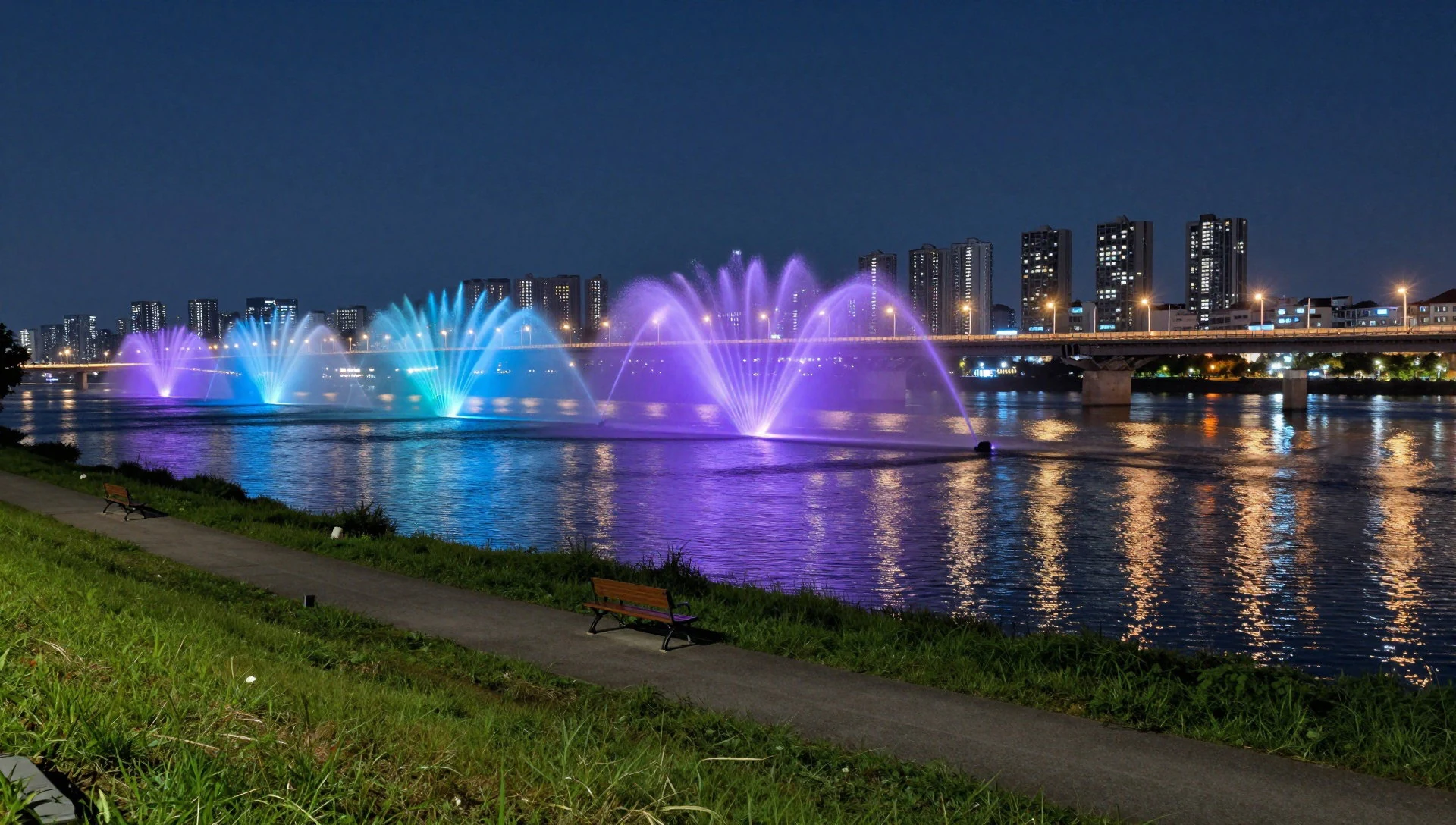
- National Museum of Korea — Yongsan District
A vast cultural institution housing a staggering collection of Korean art, historical artefacts and archaeological treasures spanning from paleolithic handaxes to exquisite Joseon dynasty porcelain masterpieces.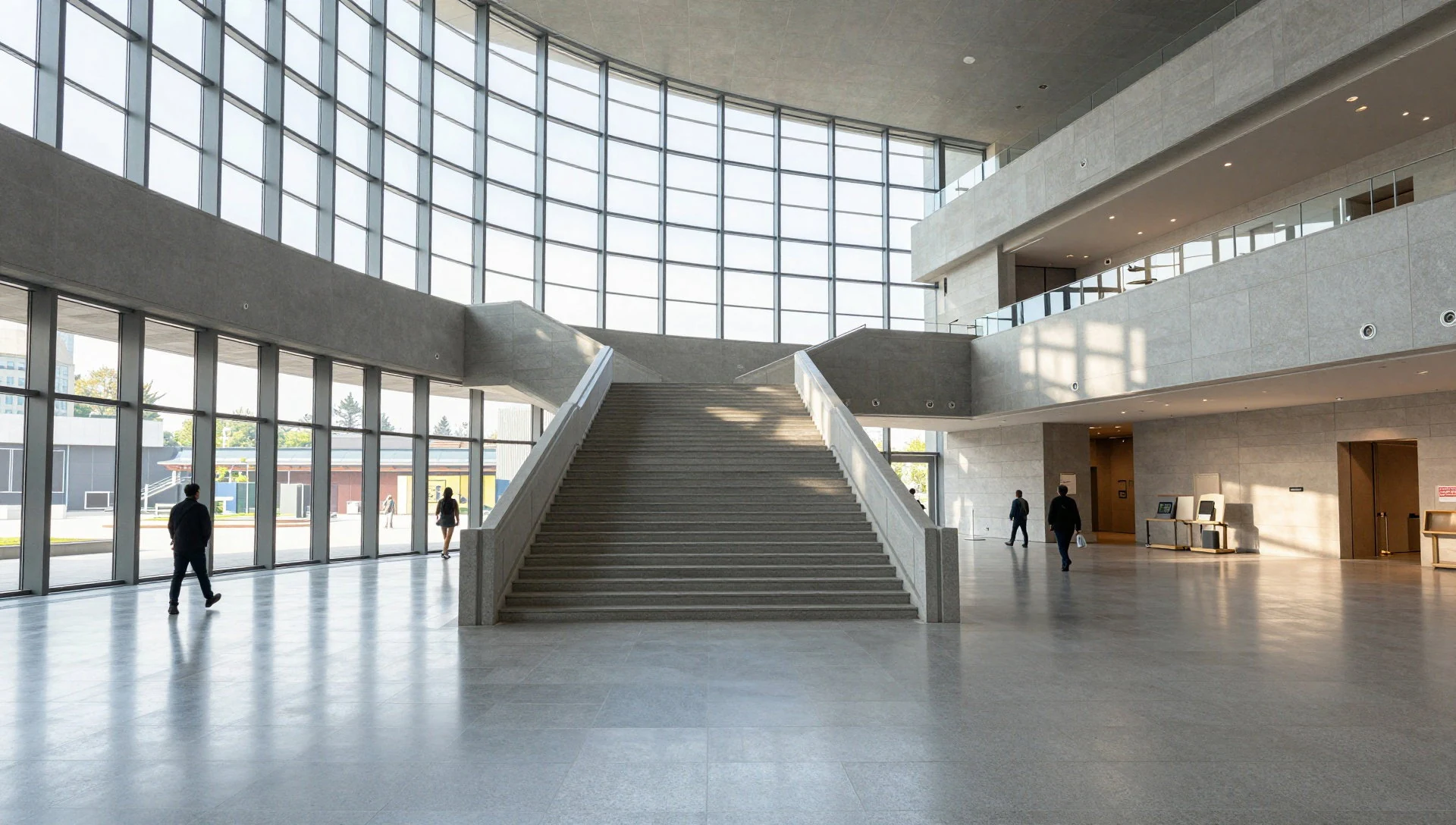
- Gwanghwamun Gate and Palace Grounds — Jongno District
The grand ceremonial front gate of the primary royal palace, flanked by restored stone guard terraces and backed by the stately timber halls where Joseon monarchs once governed.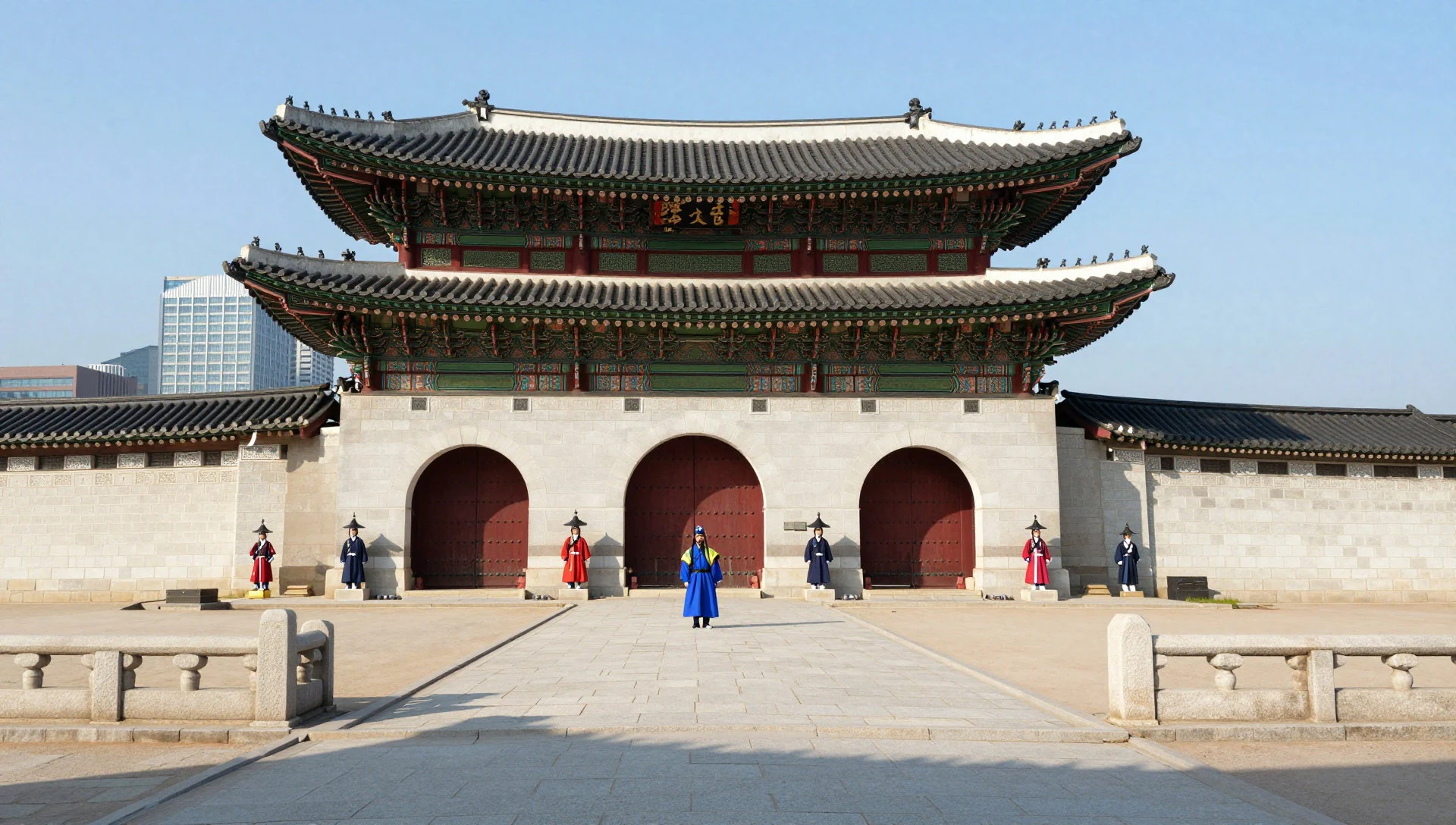
- Amsa-dong Prehistoric Settlement Site — Gangdong District
An evocative archaeological park preserving reconstructed neolithic pit dwellings on the eastern river flats, offering a rare glimpse into the hunter-gatherer roots of the local basin.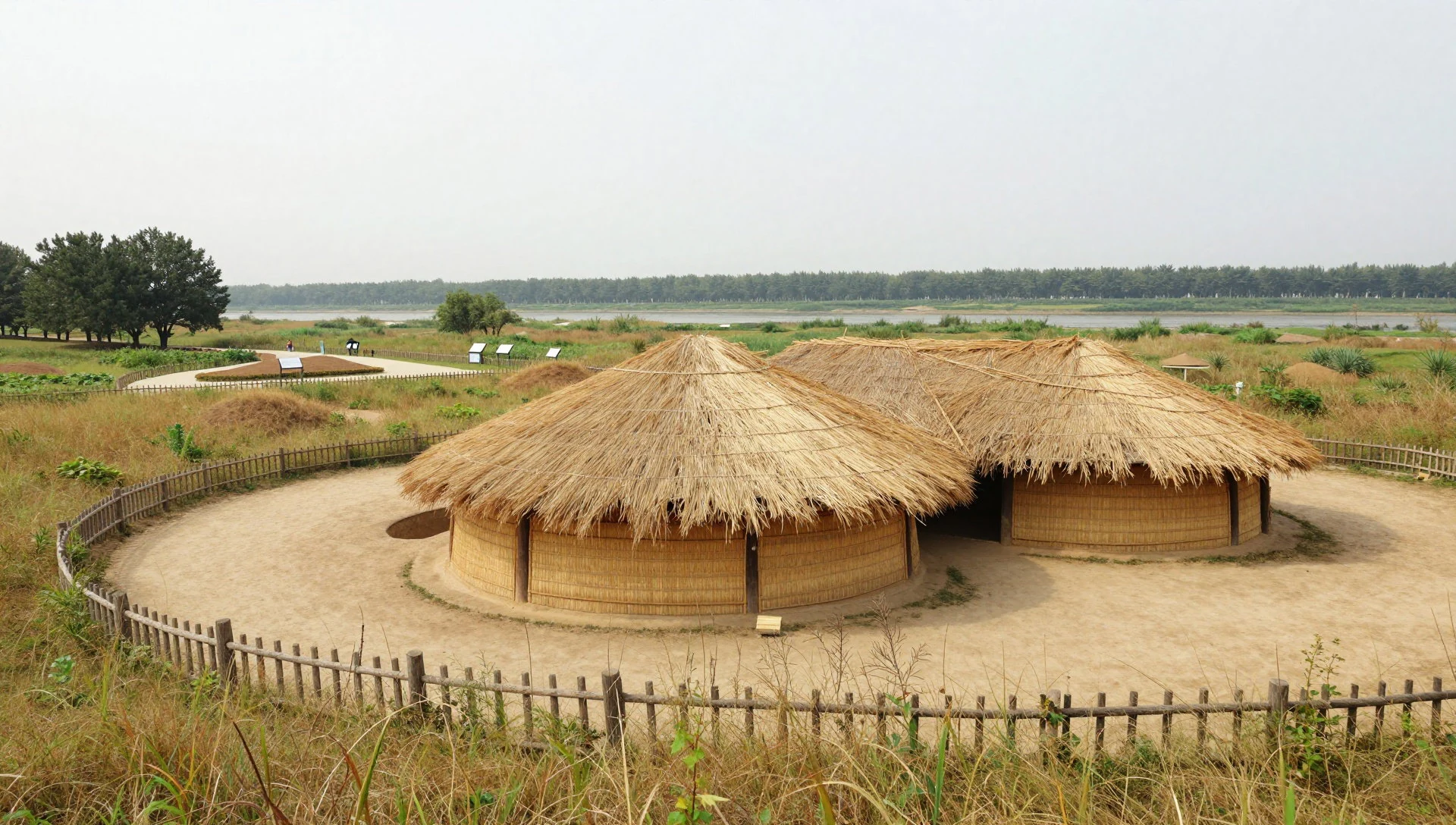
Culture
Social life in Seoul thrives on a vibrant communal energy balanced by deep-rooted Confucian etiquette and respect for age and hierarchy. The urban landscape is a study in contrasts, where futuristic digital districts abut quiet alleyways and centuries-old temples where monks chant at dawn. Neighbourhoods are knit together by bustling traditional markets and linear parkways like the restored Cheonggyecheon stream, which brings flowing water and pedestrian life right through the downtown core. Conversations often revolve around shared meals, steaming bowls of soup, and energetic gatherings over barbecue in crowded neighbourhood eateries. Daily interactions are softened by polite bows, two-handed exchanges for money or cards, and an unspoken mindfulness of personal space in crowded subway cars. Visitors find that local hosts are unfailingly generous and eager to assist, even across language barriers, provided travellers approach them with patience and curiosity. Remove your shoes when entering traditional lodgings, homes, or temple sanctums where raised wooden flooring and slippers indicate a sacred boundary.
What to wear
Traditional Korean attire, known as hanbok, is celebrated for its graceful lines, vibrant jewel tones and high-waisted skirts or jackets crafted from lightweight silks and ramie. While everyday street wear has long since shifted to sleek, fast-paced contemporary styles—featuring oversized silhouettes, minimalist tailoring and cutting-edge streetwear brands seen across trendy districts—hanbok enjoys a lively resurgence. Visitors routinely rent colourful traditional ensembles to wear while strolling through palace courtyards, where admission is often waived for those in historical dress. For everyday exploration, locals dress with a sharp eye for presentation, favouring neat, polished layers regardless of the season. Travellers should pack versatile, comfortable clothing suitable for walking extensive concrete avenues and uneven palace flagstones. Summers call for breathable, lightweight fabrics to counter the sticky humidity, while winters demand a heavy windproof coat, thermal layers and sturdy footwear to endure biting sub-zero temperatures. Modest dress is appreciated when visiting sacred temple sites, though general casual wear is widely accepted across the bustling metropolis.
What to eat
- Korean Barbecue (Gogigui) — Any neighbourhood barbecue alley or night market
Slices of marinated beef or pork grilled at your table, wrapped in fresh lettuce leaves with garlic and fermented soybean paste, found in lively alleyway eateries across every district.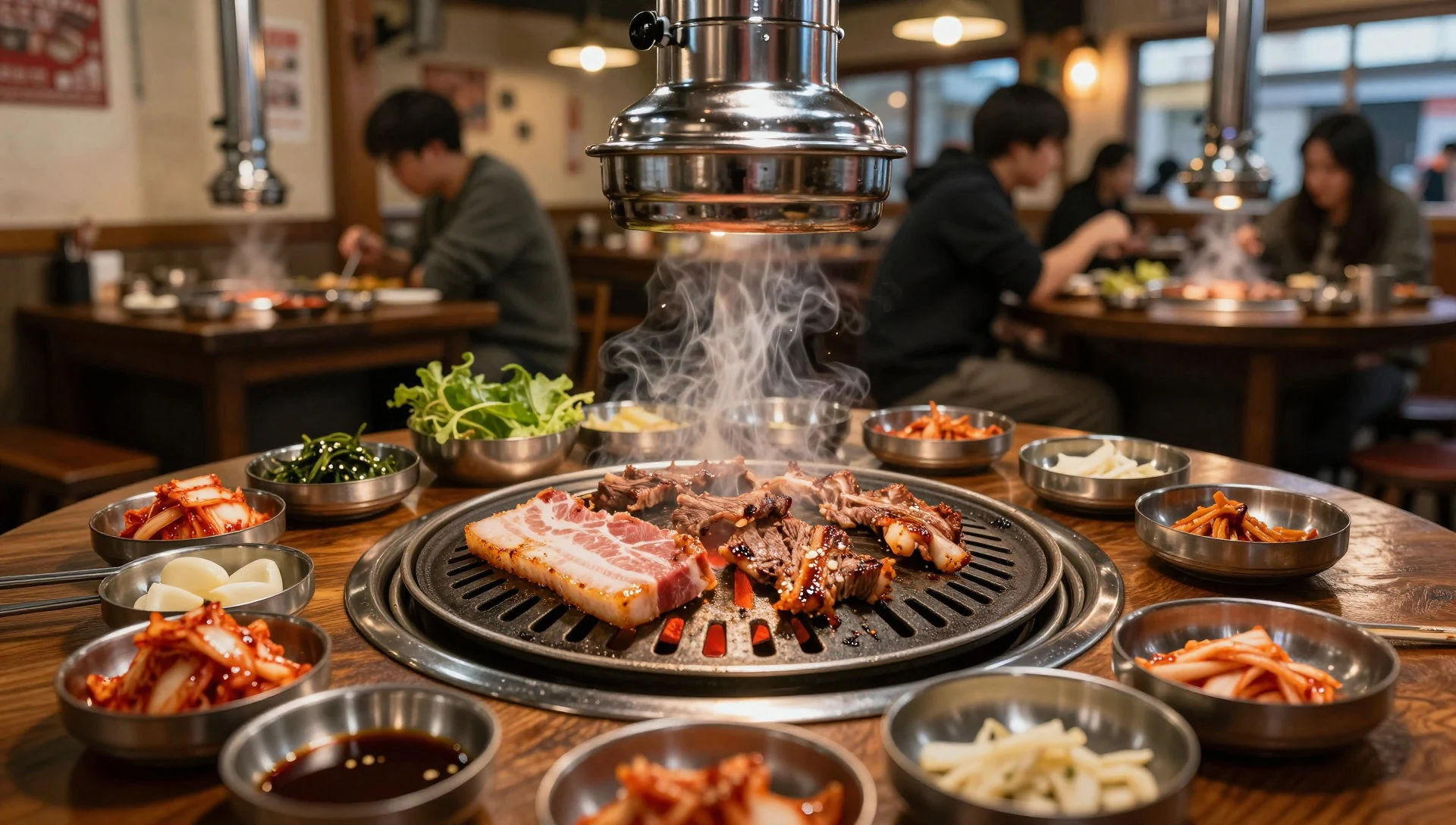
- Department Store Basement Delicacies — Basements of major department stores downtown
Sprawding underground food halls beneath major luxury stores offering an incredible variety of dumplings, noodle dishes, stews and sweets at affordable local prices.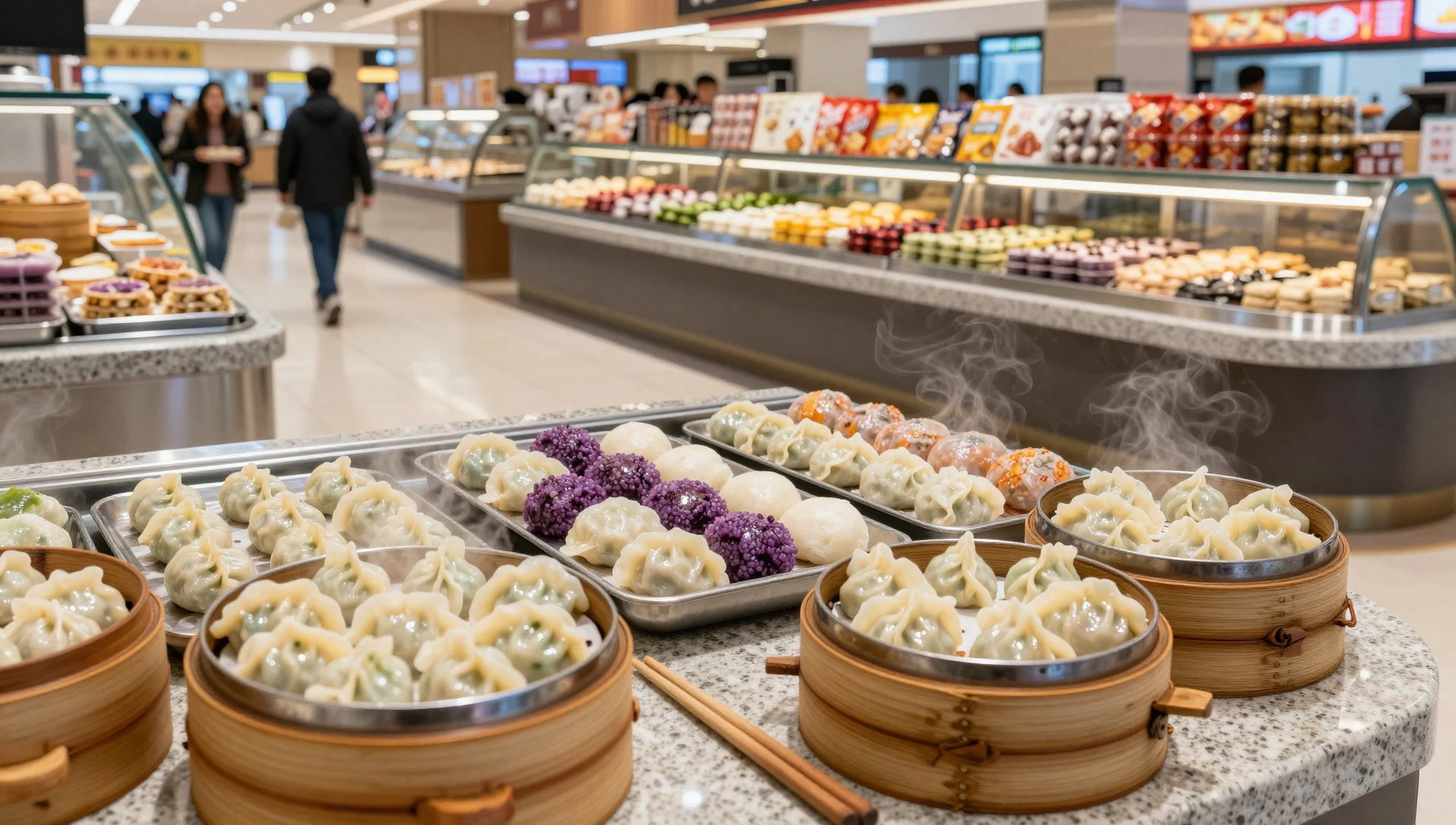
- Traditional Market Street Snacks — Jongno and traditional market alleys
Steaming portions of spicy rice cakes, savoury mung bean pancakes and filled pastries enjoyed while standing shoulder-to-shoulder with locals in historic labyrinthine markets. - Japanese-Korean Fusion Sushi — Districts throughout central and southern Seoul
Exceptional neighborhood sushi counters and sashimi dining rooms offering remarkably fresh seafood prepared with meticulous local culinary craft.
Plan it
Best time. March to May for mild spring weather and cherry blossoms, or September to November for crisp autumn air and vibrant foliage; avoid the rainy summer months, when July is the wettest month, typhoons strike, and August is the hottest and most humid.
How long. 3–4
Getting there. Arrive at Incheon International Airport or Gimpo Airport, then take the Airport Railroad Express (AREX) directly into the heart of Seoul Station.
Budget. mid
Tips
- Purchase a transportation card at a station convenience store for seamless subway and bus travel
- Download a reliable local mapping app as standard international navigation apps have limited walking directions
- Carry a small amount of cash for smaller vendors in traditional markets
- Start early at major palace gates to enjoy the courtyards before midday tour groups arrive
- Drink tap water with confidence or purchase bottled water widely available at convenience stores
Etiquette
- Bow slightly when greeting or thanking elders and service staff
- Use both hands when handing over credit cards, money, or gifts
- Keep voices muted on public transport and escalators
Nearby
Sources
- Wikidata Q8684 (CC0)
- Wikipedia (rev 1382191336) (CC BY-SA 4.0)
- Wikivoyage (rev 5394897) (CC BY-SA 4.0)