Jason Islands
Jason Islands, United Kingdom
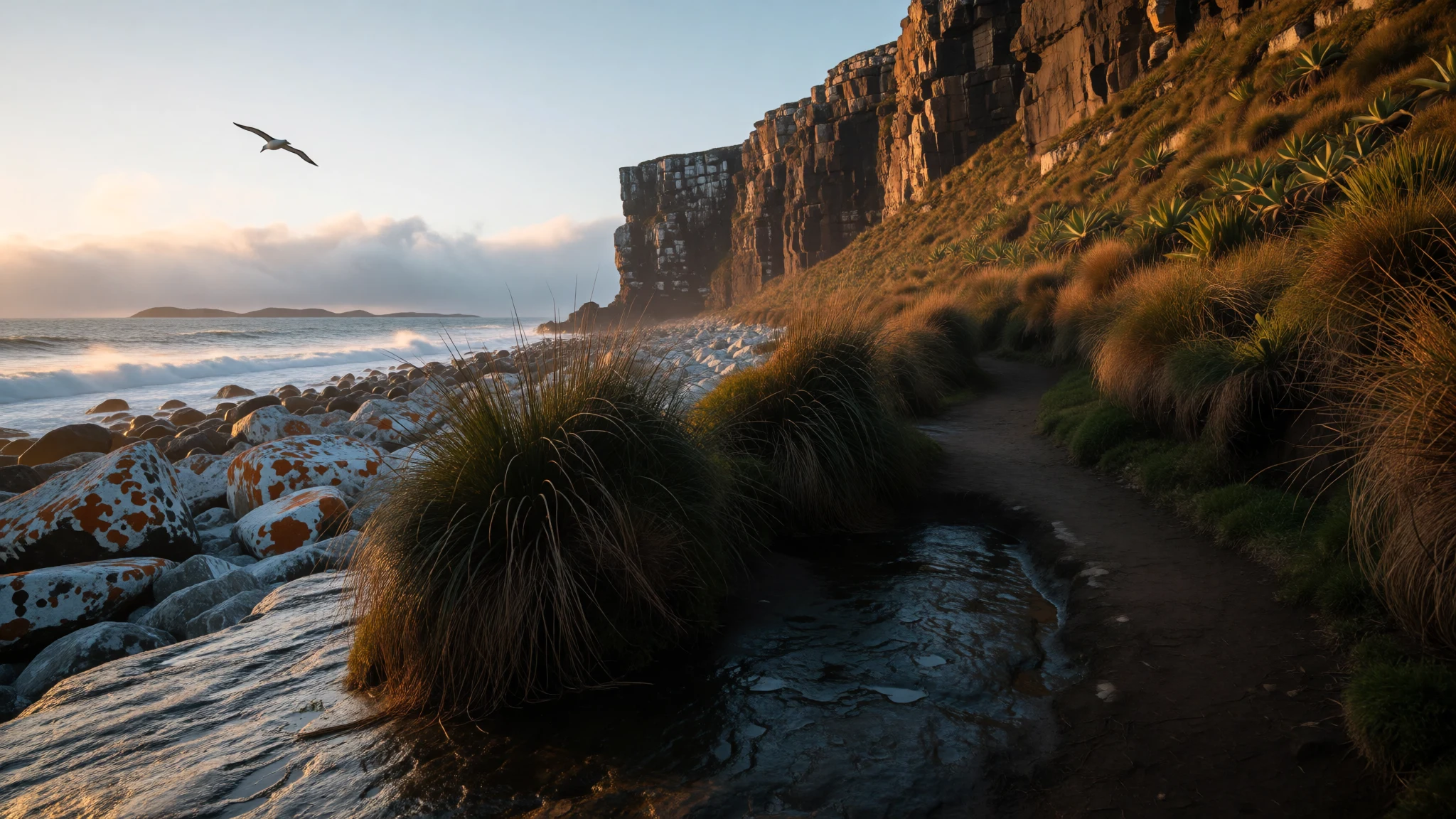
The Jason Islands are a remote Falklands outpost of cliffs, tussac grass, albatrosses and penguins, reached only with careful planning and a good deal of patience.
The place
The Jason Islands sit off the north-western corner of West Falkland, a scatter of rock and grass that Spanish speakers call Islas Sebaldes. Politically they belong to the Falkland Islands, a British territory, but in character they are closer to a seabird colony with a few islands attached. Nobody lives here in any settled way. The largest island is Grand Jason, cut by cliffs, gullied plateaux and slopes of tussac grass facing west and south. At the exposed ends the ground has eroded badly, and higher up the cover thins to low grasses and small cushion plants. Steeple Jason is long and narrow, running south-east to north-west and pinched at a slim neck, so it reads as two humps joined by a thread. Its northern tip flattens into a broad, low plateau where seabirds breed. Elsewhere in the chain, Flat Jason is low and level, while Elephant Jason carries a long ridge reaching 208 metres. Steeple Islet is low too, and almost smothered in dense tussac. Ownership is mixed. Steeple Jason and Grand Jason are reserves held by a New York conservation society, while other islands are national nature reserves under the Falkland Islands government. For a visitor that means access is arranged, never casual. The weather is cool, windy and changeable, and landings depend on the sea. The reward is wildlife at close range in a place with no shops, no roads and very few people.
Its story
The Jason Islands have a murky first chapter, one they share with the Falklands as a whole. Maps from the 16th century show an island group in roughly this part of the South Atlantic, which has encouraged guesses about Portuguese or Spanish sailors getting there first. None of those guesses stands up well to close reading. A better-known claim belongs to the English navigator John Davis, who in 1592 is thought to have sighted the Falklands after his ship was carried off course by the cold current flowing north. If that is right, these north-western islands were probably the first land he saw. The firmer record comes from the Dutch captain Sebald de Weert. In January 1600 he was sailing home to the Netherlands after leaving the Strait of Magellan when he spotted islands that appeared on none of his charts. He wanted fresh supplies, but the sea and wind made a landing impossible, and he sailed on. Those were today's Jason Islands. His countrymen named them for him, and for generations the group was the Sebald Islands, with Spanish versions such as Sebaldes and Sebaldinas lingering long after. The current English name became official in 1766. The story has a modest moral: for centuries these rocks were a place that sailors noted, failed to reach, and left behind. Rough water still decides who gets ashore today.
What to see
- Steeple Jason's seabird plateau — Northern tip of Steeple Jason
The low plateau at the northern end of Steeple Jason is the main reason naturalists care about these islands. Black-browed albatrosses nest here in huge numbers, wheeling over the tussac in the wind. Landings are controlled because the reserve is protected, so this is usually a wildlife outing arranged through an operator.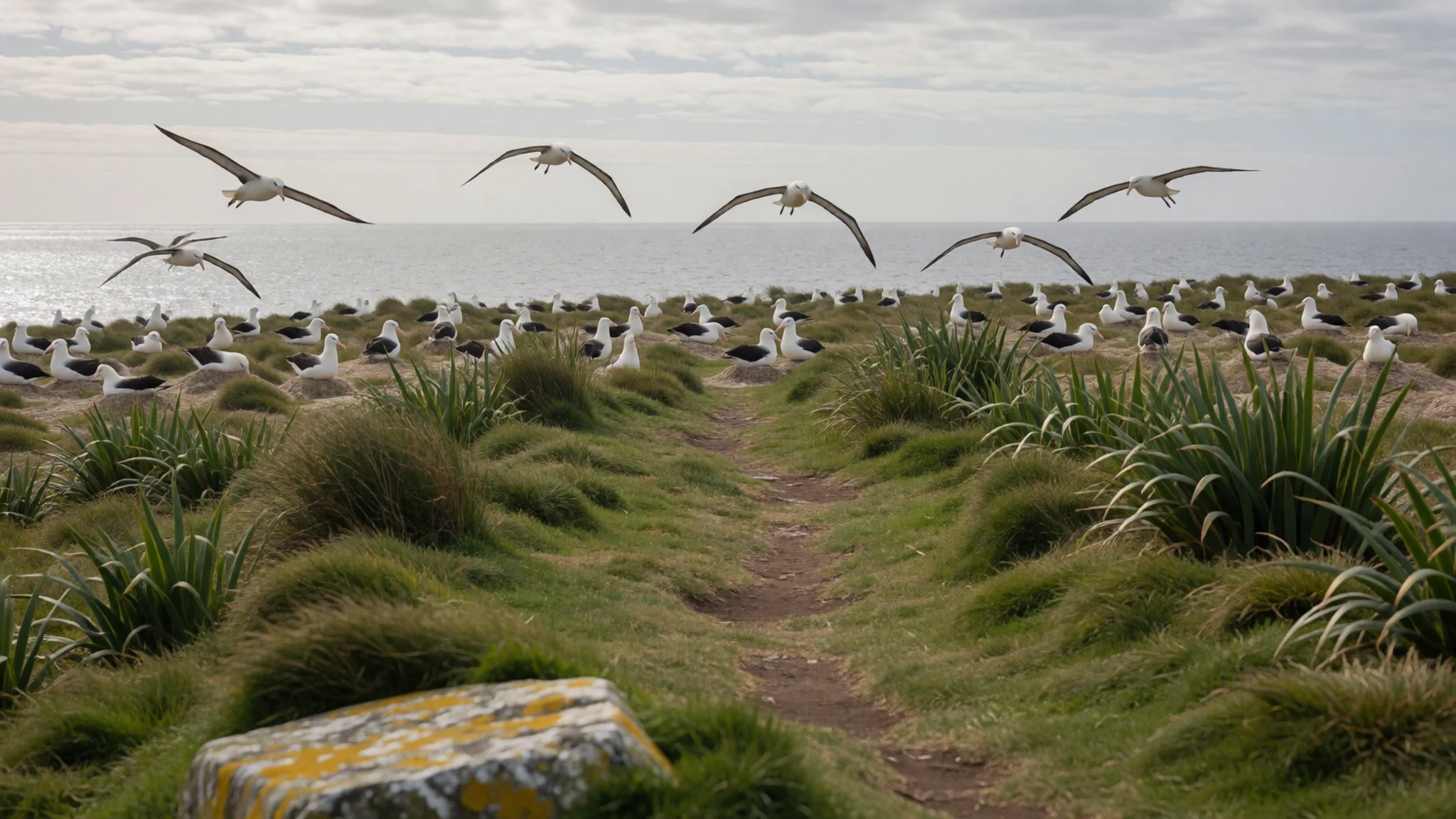
- Grand Jason's cliffs and tussac slopes — Grand Jason
Grand Jason is the biggest island of the group and the most varied, with steep cliffs, high plateaux and gullies running down to the sea. Tussac covers the western and southern slopes. It is best appreciated from a boat or a careful shoreline walk, with the wind doing most of the talking.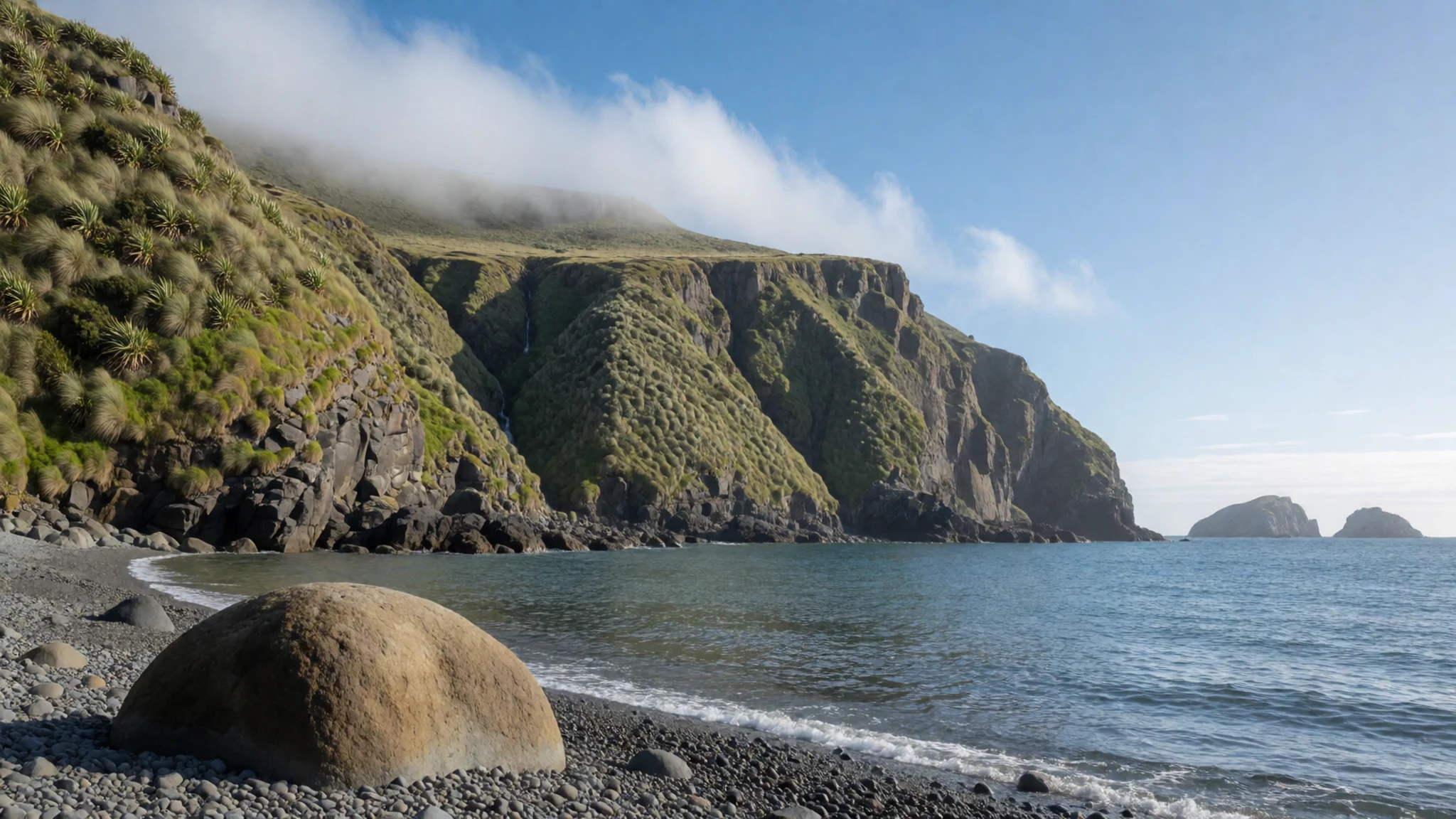
- Gentoo penguin colonies — Steeple Jason shoreline
Gentoo penguins nest on Steeple Jason, trundling between the beach and their colonies across open ground. They are easiest to watch from a sitting position at a respectful distance, where they often wander closer by choice. Several penguin species live in the Falklands, so ask your guide what is present that week.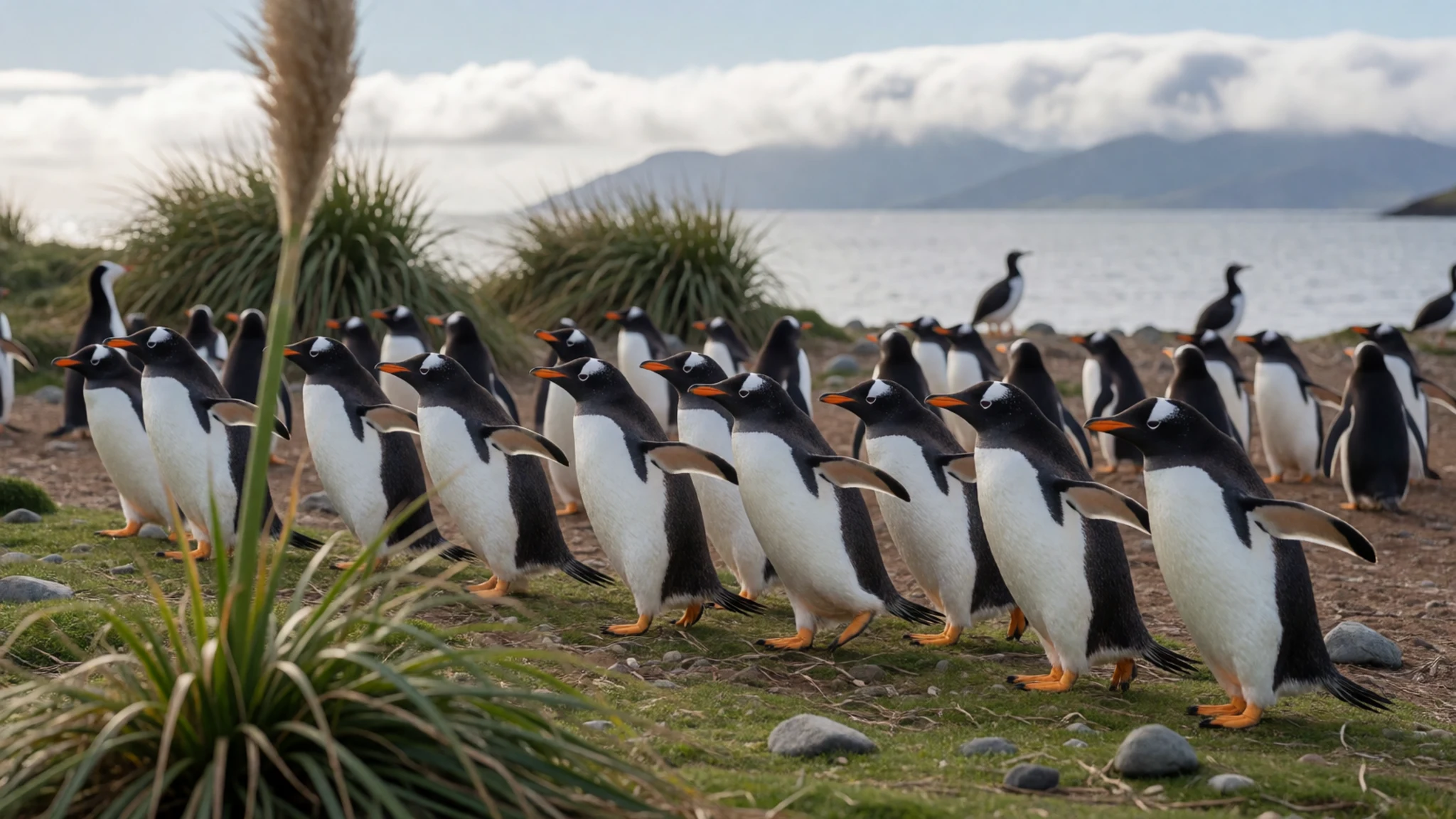
- Striated caracara on Grand Jason — Grand Jason
The striated caracara, a bold, dark bird of prey with a famously inquisitive streak, is a regular sight on the islands. It will often inspect visitors and their bags. Keep food, hats and camera straps secure, and enjoy a bird that seems as curious about you as you are about it.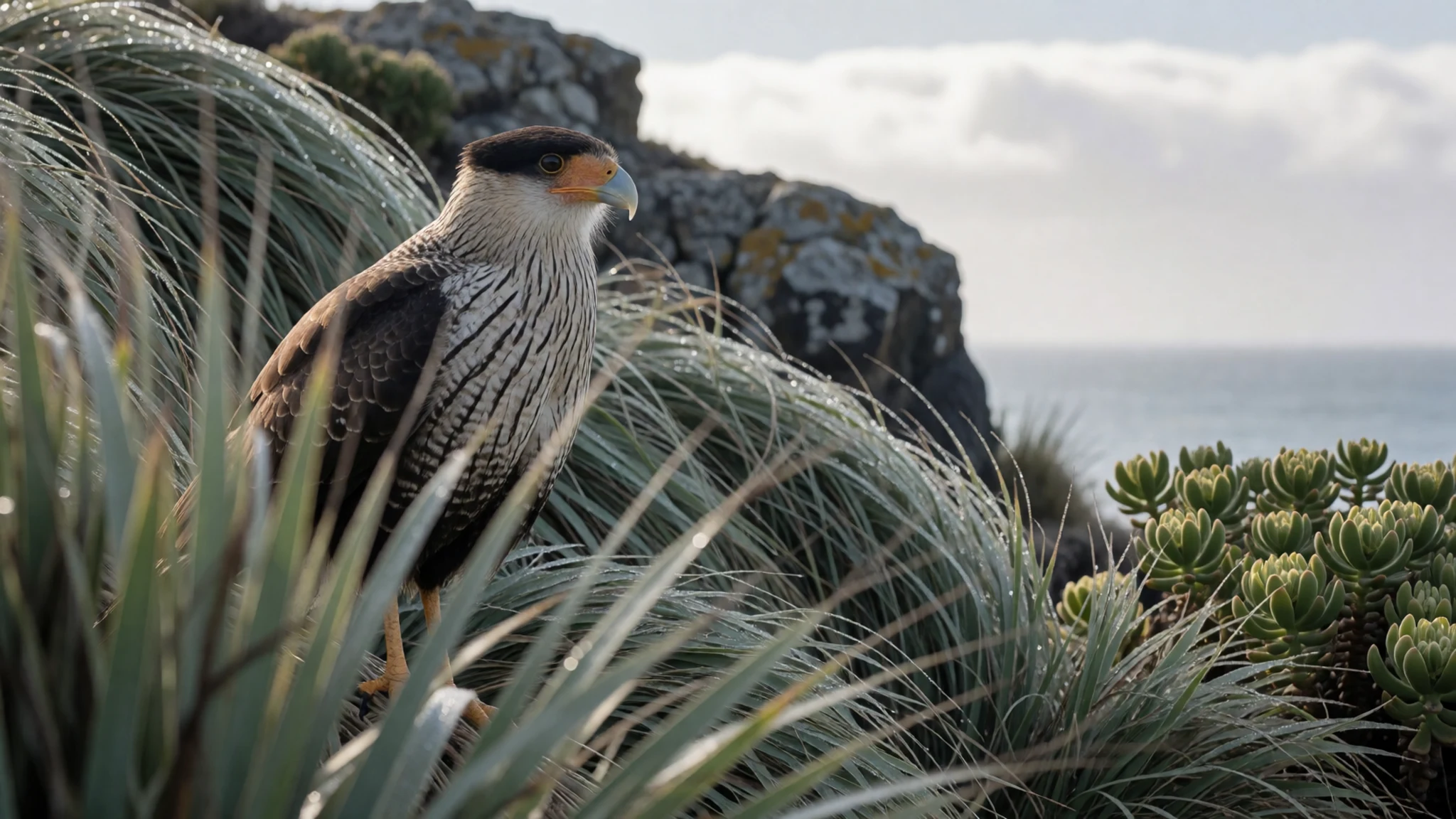
- Elephant Jason's ridge — Elephant Jason
Elephant Jason is notable for a long ridge that climbs to 208 metres, giving the island a distinct profile among its low neighbours. It is mostly seen from the water, where the line of the ridge helps you pick out the individual islands in the group. The sea state decides whether any landing is possible.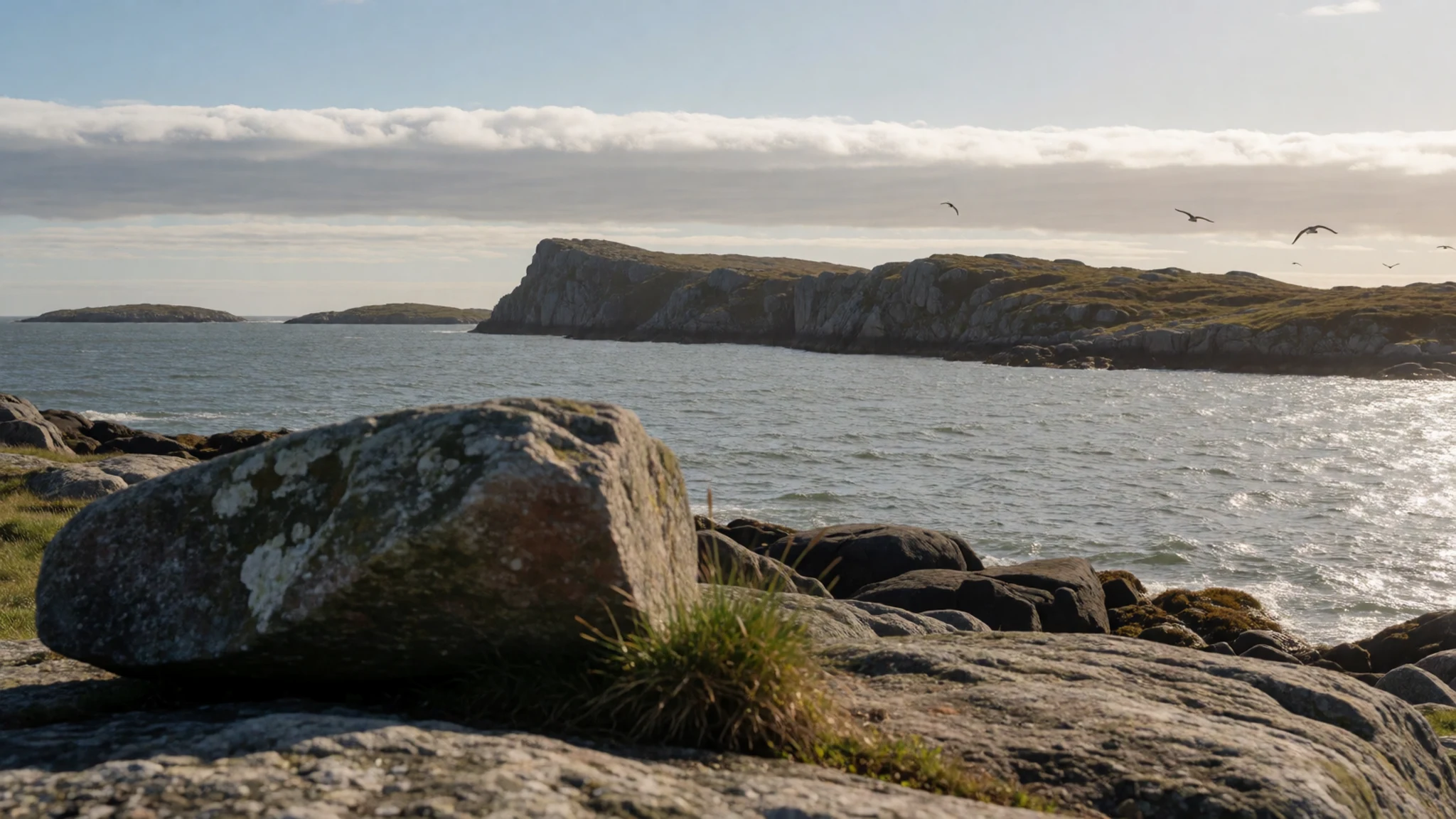
- The museum on Holdfast Road, Stanley — Stanley, East Falkland
The museum on Holdfast Road in Stanley is a useful place to set the islands in context before or after a trip west. Stanley is the territory's only town and the usual gateway, so the museum is an easy stop between flights and lodges. Opening times change, so check the official site before relying on it.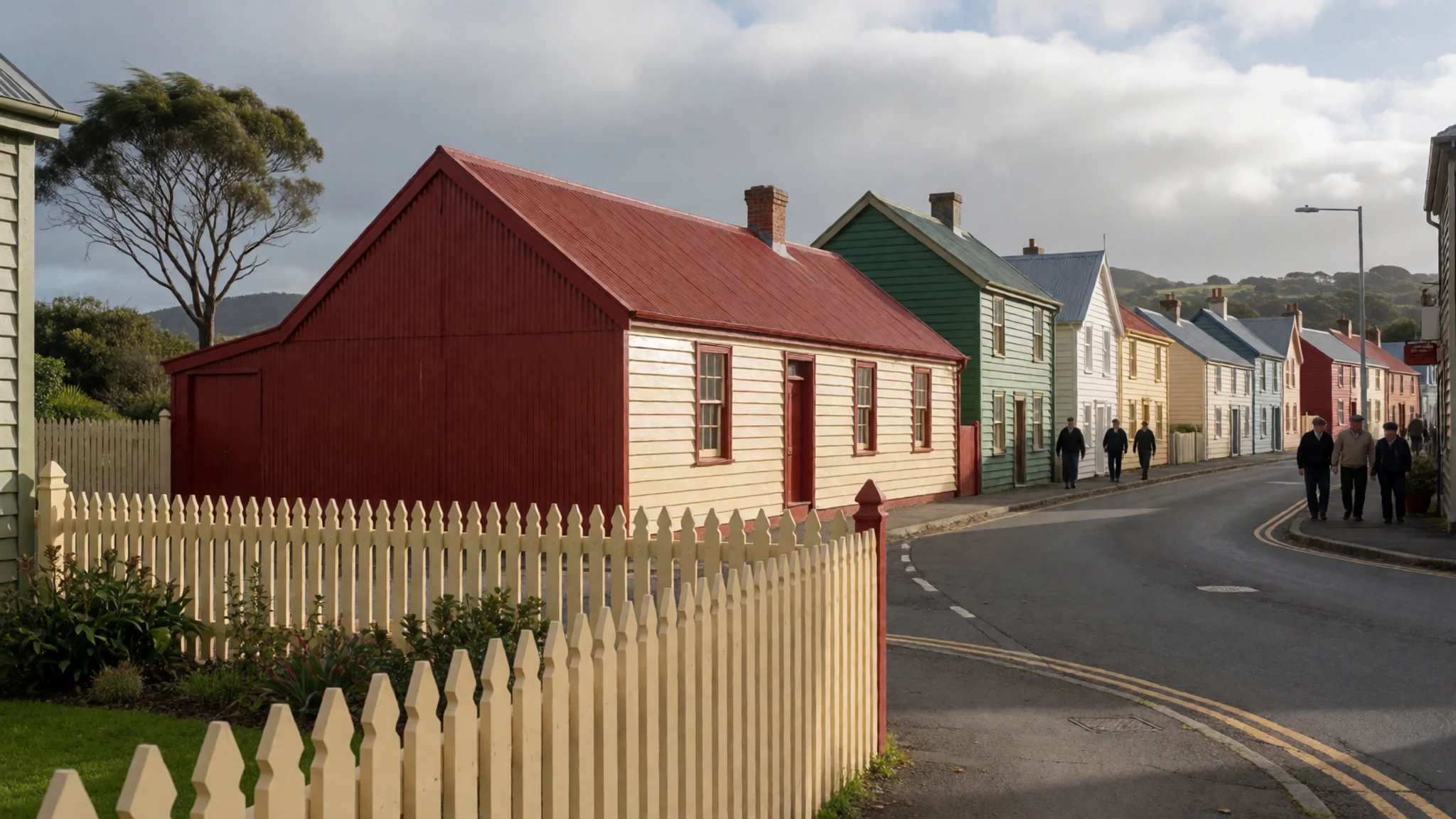
Culture
Culture on the Jason Islands is really the culture of the Falkland Islands, since the group has no community of its own. The people who greet visitors are islanders of largely British descent, and everyday manners follow British habits: politeness, queuing, tea offered on arrival and a fondness for understatement. In some respects the islands are more traditional than Britain, and illegal drugs are firmly unwelcome. Public attitudes are tolerant; same-sex marriage became law in 2017 and discrimination over sexual orientation is outlawed. The war of 1982 is still within living memory, and many residents lived through it, so politics is a sensitive subject. Some feel lingering distrust of Argentines, and the 2013 referendum, in which 99.8% of voters chose to stay British, shows how settled local opinion is. Margaret Thatcher, prime minister at the time of the war, is regarded warmly rather than as a divisive figure. Rural life, known locally as being in camp, revolves around sheep farms, weather and neighbours who may live hours apart by track. Visitors who show real interest in the wildlife, the conservation work and the islanders' own story tend to get a warm welcome. Never call the islands Argentine in conversation, and keep well back from seals and sea lions, which can turn on anyone who gets too close.
What to wear
Fashion around the Jason Islands is practical rather than ceremonial. The Falklands have no distinct national costume, and no textile tradition tied to a festival or a rite. The nearest thing to heritage dress is the working kit of the sheep farms: wool jumpers, tweed or wool caps, waterproof oilskin jackets and rubber boots, all chosen to survive wind and wet. Wool is the natural local fabric, and knitwear is sold in Stanley's gift shops. Today people wear what a British rural community would: waterproof jackets, fleeces, jeans, sturdy shoes, and something smarter for a pub evening or church. Nobody dresses up for visitors. For a trip to the islands, think in layers. Pack a windproof, waterproof shell, a warm mid-layer, a hat and gloves, even in the summer months, because the wind can make a mild day feel cold. Trousers that dry quickly beat jeans. Waterproof boots with a good grip matter most, since landings are often wet and shorelines are rocky, boggy or covered in tussac. There are no religious dress rules to worry about, though modest, neat clothes are appreciated in town and at lodges. Bring sunglasses and sun cream too, as bright light off the sea catches people out.
What to eat
- Fish and chips — Pubs and cafés in Stanley
The islands' food follows British lines, and fish and chips is the standard order in Stanley's pubs and cafés. It is simple, filling and well suited to cold weather. Expect a fairly small choice of places, so the habit of asking locals where they eat pays off.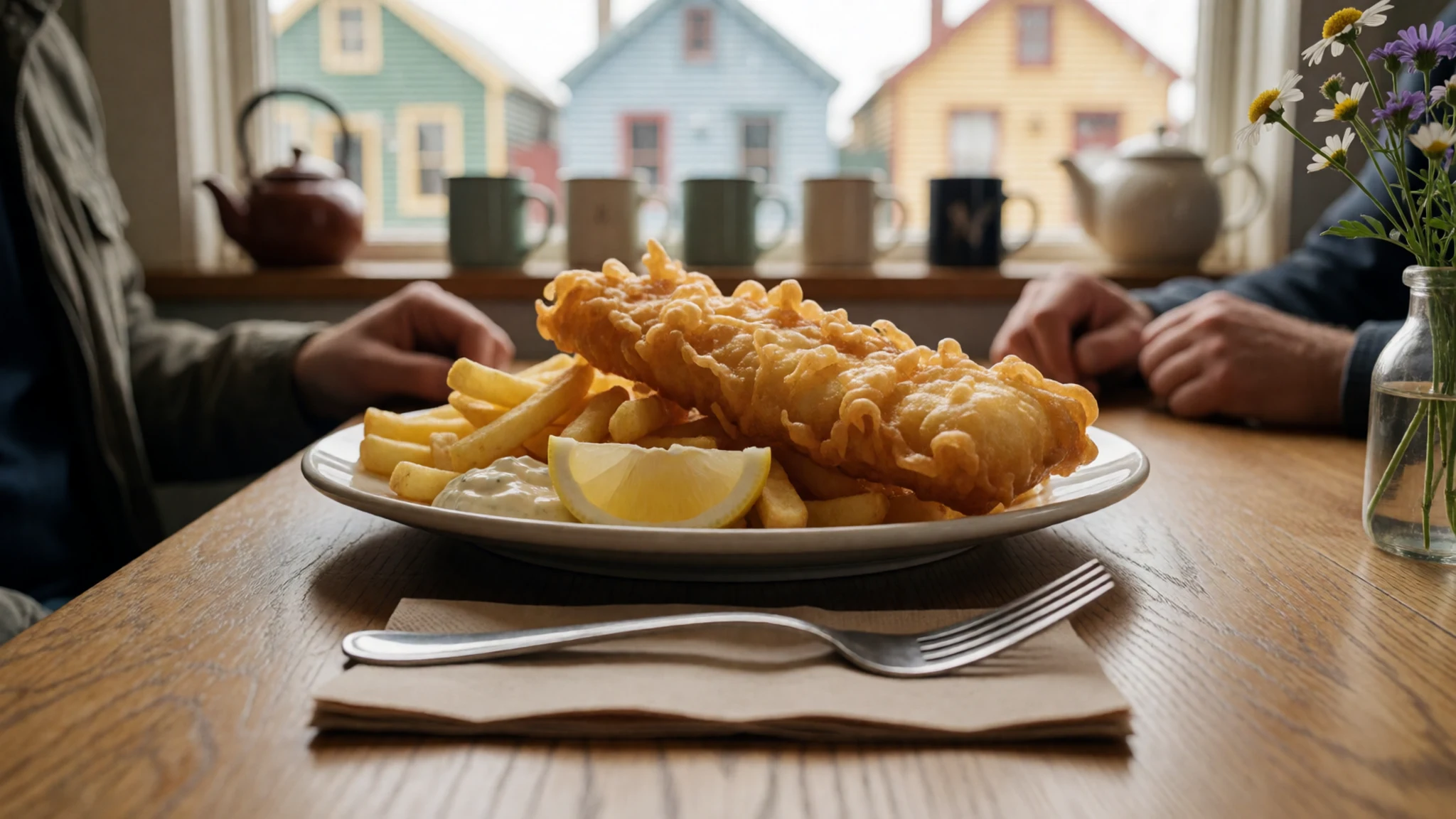
- Roast mutton — Farm lodges in camp
Mutton is the everyday meat here, coming from the sheep that dominate rural life. Lodges in camp serve it roasted with vegetables, in generous portions and with home cooking that many visitors rank above town restaurants. It is a hearty meal after a day outdoors.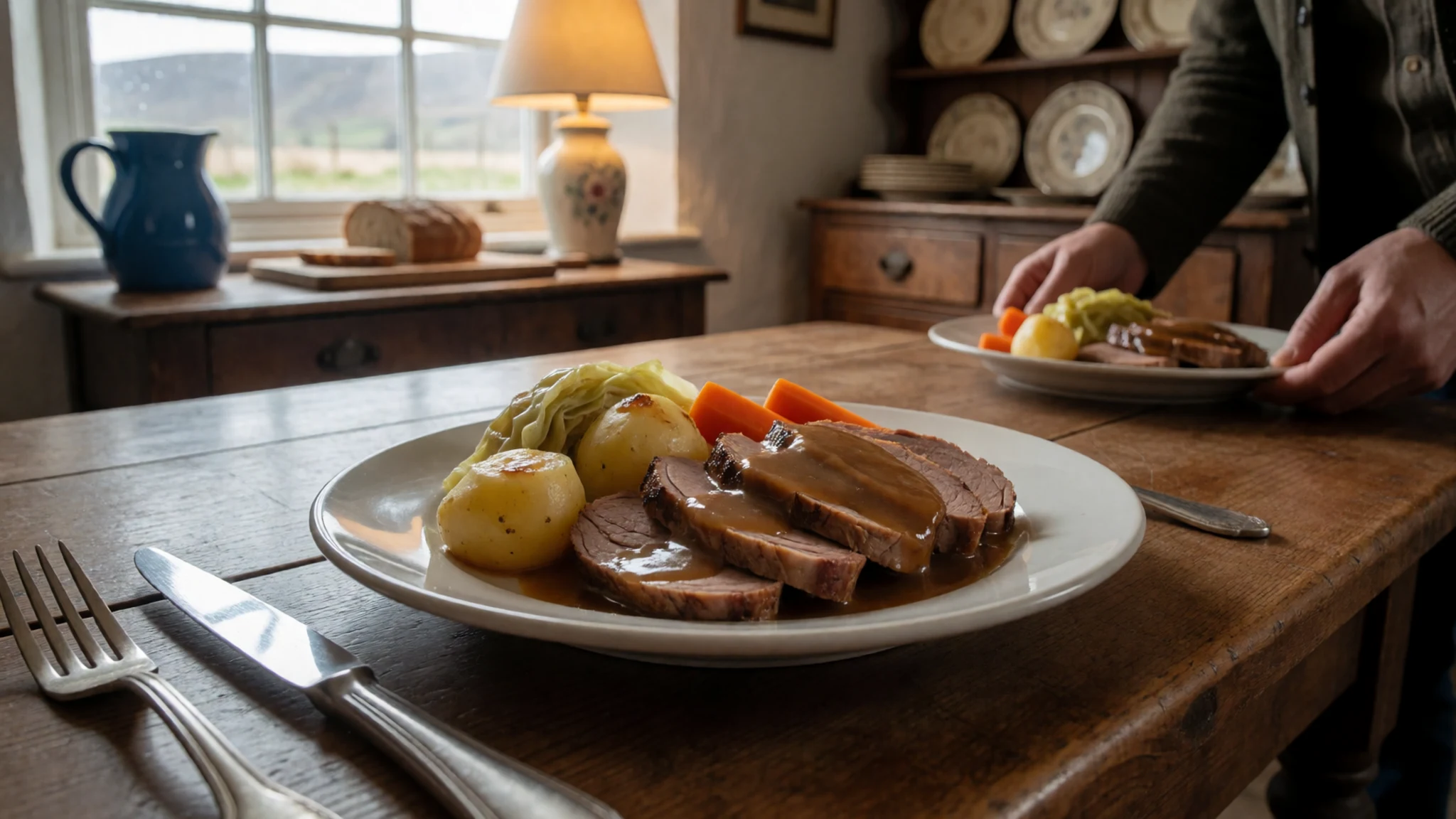
- Diddle-dee jam — Lodge breakfast tables and gift shops
Diddle-dee is a wild red crowberry that grows on the heaths, and it is turned into a tart, deep-red jam. It is the best-known local speciality, served with bread or scones at breakfast and tea, and sold in jars as a souvenir. - Milanesa — Stanley restaurants
Milanesa, a breaded and fried cutlet, shows the Spanish and South American influence on the islands' otherwise British table. It is a reminder of links across the water. Casuela, a slow-cooked stew, is another dish you might see on a Stanley menu. - Local microbrewery beer — Bars in Stanley and island gift shops
A few small breweries make beers inspired by the surrounding landscape. Some are on tap in Stanley's bars, and others are sold in bottles or cans in gift shops. Alcohol is untaxed here, so it is often kinder on the wallet than most other things.
Plan it
Best time. The southern summer, roughly November to March, when days are long and the seabird colonies are active. Wind, rain and cool temperatures can arrive in any month, so treat the weather as part of the plan.
How long. 3–5
Getting there. Fly to the Falklands, then reach Stanley by road from the airport. From there, local flights or boats serve West Falkland, and trips to the Jason Islands themselves must be arranged in advance through an operator or the reserve owners, with landings depending on the sea.
Budget. high
Tips
- Book lodges and any island trip many months ahead, as capacity is small
- Allow spare days in the schedule, since wind and swell can cancel flights and landings
- Bring waterproof layers and boots, and expect the weather to change within the hour
- Carry cash and a card, as Stanley has the only real shops and services
- Check the official Falkland Islands government site for current entry rules, insurance and fees before you book
Etiquette
- Keep a safe distance from seals, sea lions and nesting birds; if an animal notices you, you are too close
- Follow your guide's instructions on reserves and stay on marked routes
- Never refer to the islands as Argentine
Nearby
Sources
- Wikidata Q1683932 (CC0)
- Wikipedia: Jason Islands (rev 1372209398) (CC BY-SA 4.0)
- Wikivoyage: Falkland Islands (rev 5400949) (CC BY-SA 4.0)
- Jason Islands ISS006-18935, NASA (Public domain)
- Grand Jason, Christopher Michel (CC BY 2.5)
- Seale 1744, Richard William Seale (CC BY 2.5)
- 091126_grand_jason_falklands_8361, Christopher Michel (CC BY 2.5)
- Phalcoboenus australis, Falkland Islands, christopher (CC BY 2.5)
- Black-browed Albatross Rookery, David Stanley (CC BY 2.5)
- Gentoo Penguins in the Falklands, David Stanley (CC BY 2.5)
- Grand Jason, Falkland Islands, michael clarke stuff (CC BY-SA 2.0)


Wildlife
- Black-browed albatross (animal)
The black-browed albatross is a great seabird of the open ocean, and the most common and widespread of all the albatrosses. In the Jason Islands it nests in huge numbers, and you can watch it wheeling over the tussac grass when the wind is up. Keep a respectful distance, stay quiet and move slowly so that nesting birds are not unsettled. A local guide can show you the best places to stand. Never feed them.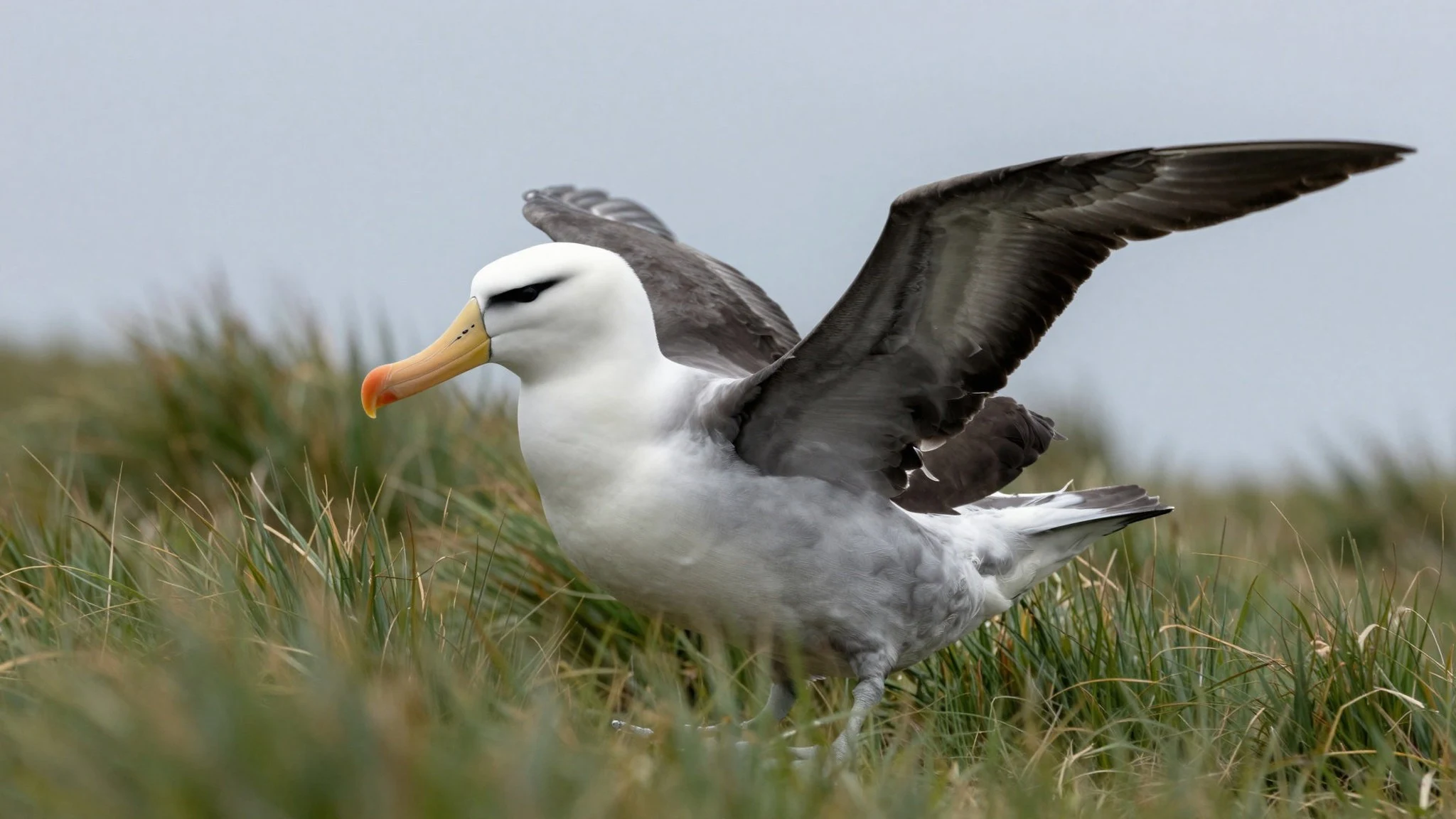
- Gentoo penguin (animal)
The gentoo penguin is a bird that swims instead of flying, and it greets the world by throwing back its head and trumpeting loudly. On Steeple Jason it nests in colonies, and you may see it trundling over open ground between the beach and its nesting place. Watch from a good distance, keep your voice low and let the penguins choose their own path. Go with a guide, and never feed them.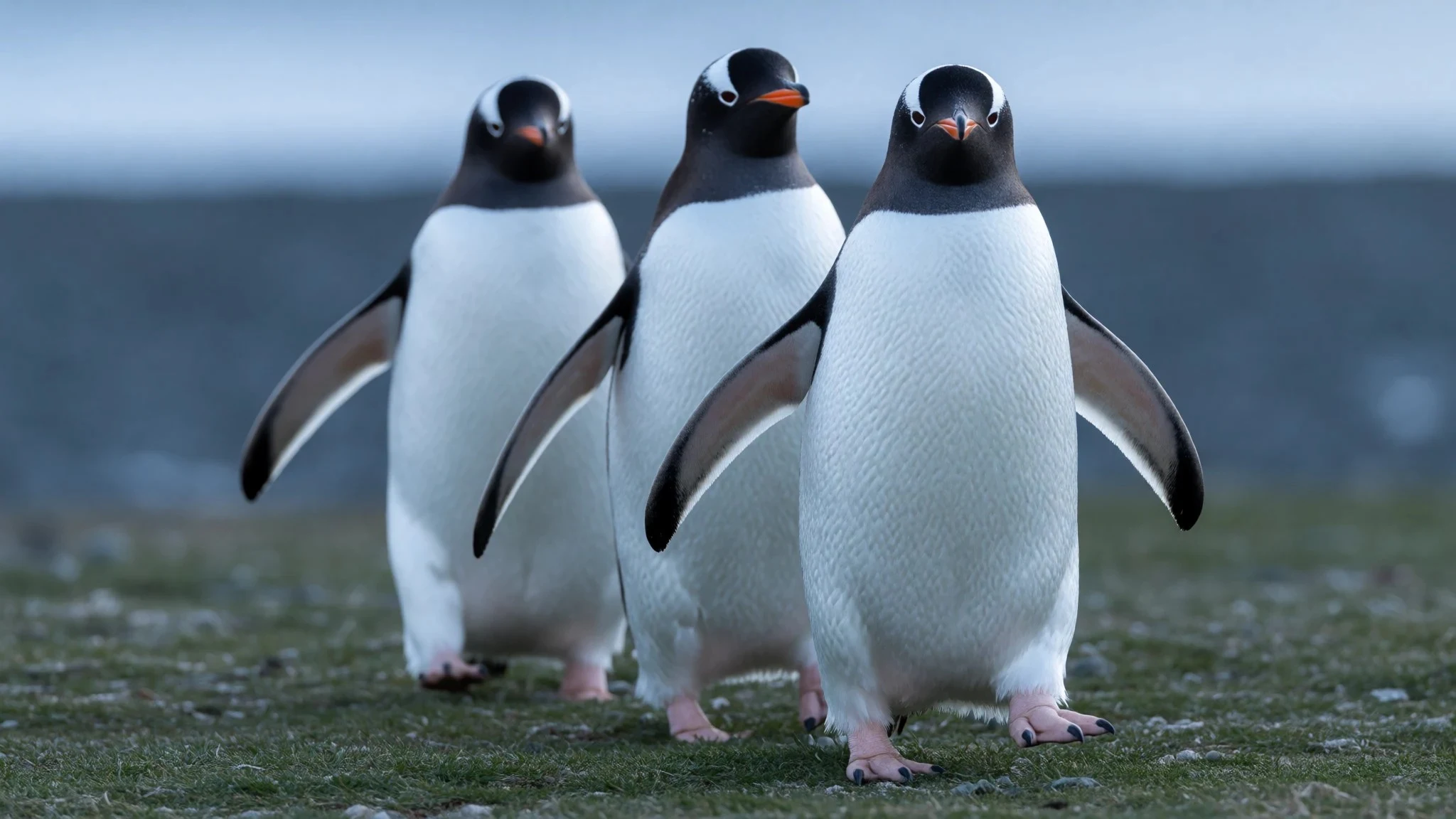
- Black-browed albatross (bird)
The black-browed albatross is a great seabird of the open ocean, and the most common and widespread of all the albatrosses. In the Jason Islands it nests in huge numbers, and you can watch it wheeling over the tussac grass when the wind is up. Keep a respectful distance, stay quiet and move slowly so that nesting birds are not unsettled. A local guide can show you the best places to stand. Never feed them. - Gentoo penguin (bird)
The gentoo penguin is a bird that swims instead of flying, and it greets the world by throwing back its head and trumpeting loudly. On Steeple Jason it nests in colonies, and you may see it trundling over open ground between the beach and its nesting place. Watch from a good distance, keep your voice low and let the penguins choose their own path. Go with a guide, and never feed them.