Machu Picchu
Machu Picchu, Peru
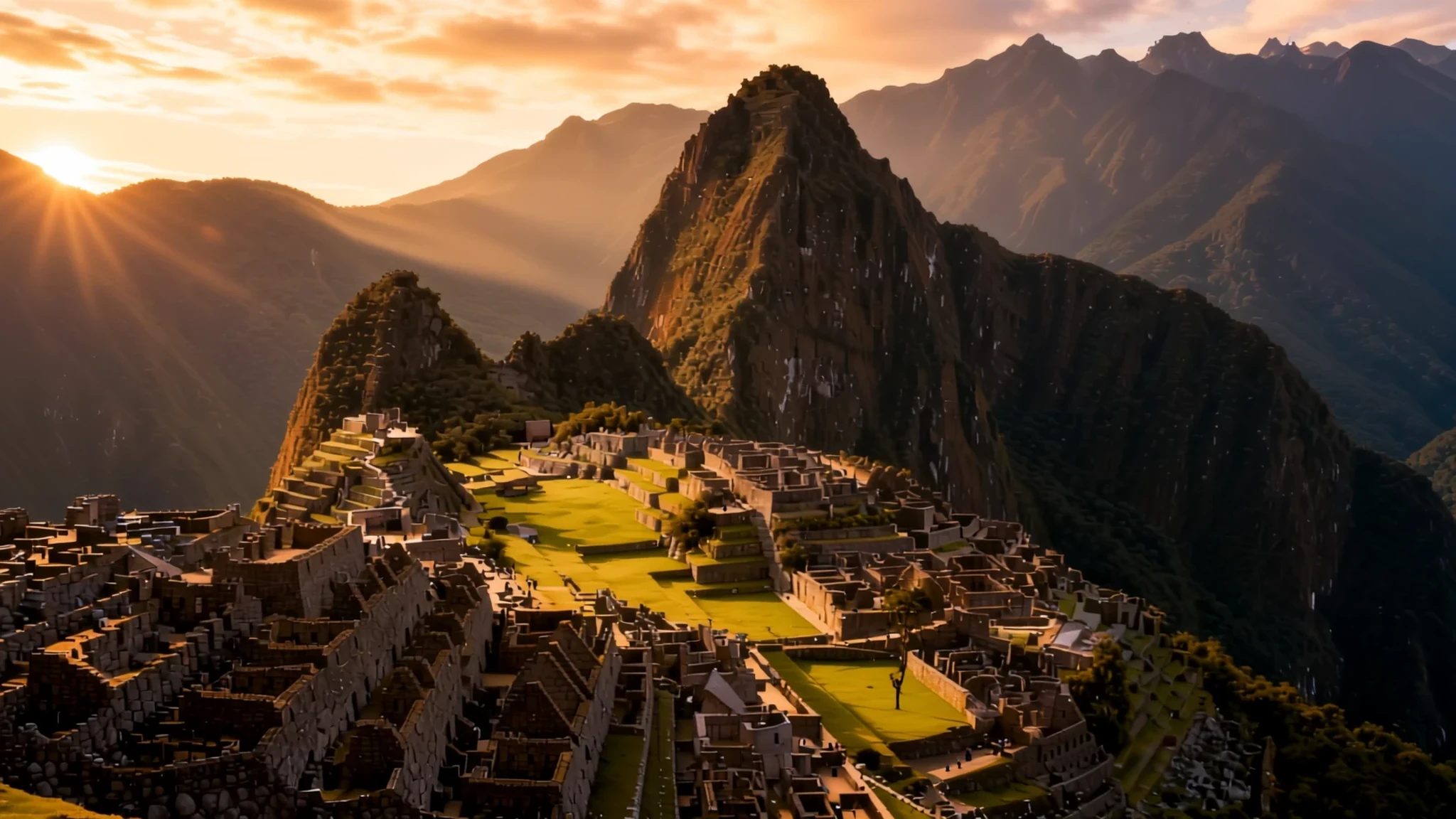
Perched high on a misty Andean ridge, this legendary Inca citadel offers an unmatched encounter with classical dry-stone architecture and dramatic mountain scenery.
The place
Machu Picchu is a remarkable stone citadel set deep within the Eastern Cordillera of southern Peru. Straddling a narrow mountain ridge high above the roaring Urubamba River, the site enjoys a subtropical mountain climate shaped by the surrounding deep river canyon. The geography leaves the citadel seemingly suspended between dense cloud forests and jagged alpine peaks, creating shifting veils of mist that clear to reveal sweeping vistas of terraced hillsides and precipitous drops.
The layout of the ancient settlement demonstrates a masterful adaptation to extreme terrain. Builders carved steps and terraces directly into the rock face, creating agricultural zones alongside refined residential and ceremonial sectors. Classical Inca architecture defines the complex, featuring meticulously fitted dry-stone walls built without mortar yet sturdy enough to withstand centuries of seismic activity. Notable features integrated into the rocky topography include the Temple of the Sun, the sacred Intihuatana ritual stone, and the Temple of the Three Windows. While clouds frequently shroud the heights during early morning hours, midday sun often breaks through to illuminate the intricate grey granite stonework against the vivid green backdrop of Huayna Picchu and surrounding summits.
Its story
Machu Picchu’s historical origins have long been a subject of academic inquiry and debate. Earlier chronological models linked the site's genesis directly to the reign of the Inca emperor Pachacuti, suggesting construction began following territorial expansions in the Urubamba region. Modern scientific analyses, including radiocarbon measurements of human remains from the site, point to an occupation spanning the early decades of the fifteenth century through the mid-sixteenth century, encompassing periods under multiple Sapa Incas.
Scholars generally agree that the complex functioned as a royal estate and seasonal retreat for Inca nobility rather than a traditional administrative hub or fortress. The settlement was inhabited for roughly a century before being abandoned, an event closely tied to the upheavals of the Spanish conquest in other parts of the empire. Although local communities retained knowledge of the ruins and regional explorers visited the area in the early twentieth century, the site gained widespread international renown following explorations that brought its architectural splendour to global attention, transforming it into a definitive symbol of Andean heritage.
What to see
- Huayna Picchu
Rising steeply behind the northern edge of the citadel, this sheer mountain provides the iconic backdrop seen in countless photographs. The trail to its summit is currently closed with no set reopening date, so the dizzying aerial views of the ruins and river loop below are best enjoyed from the citadel itself.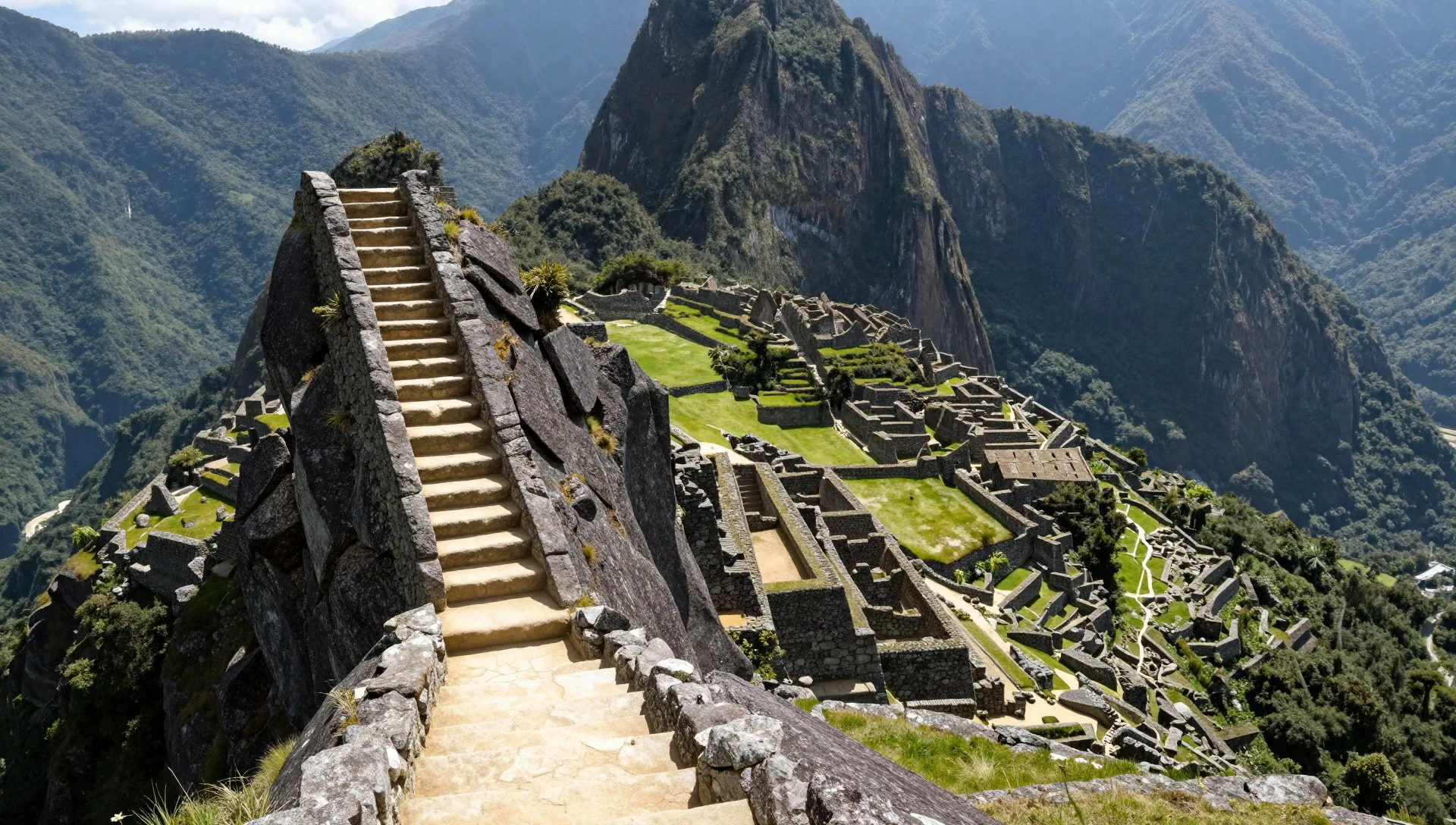
- The Sacred Plaza
Positioned at the heart of the urban sector, this open rectangular area gathers some of the finest architectural achievements at the site. It contains monumental structures including the Principal Temple and the Temple of the Three Windows, showcasing masterclass masonry with enormous, perfectly joined stone blocks.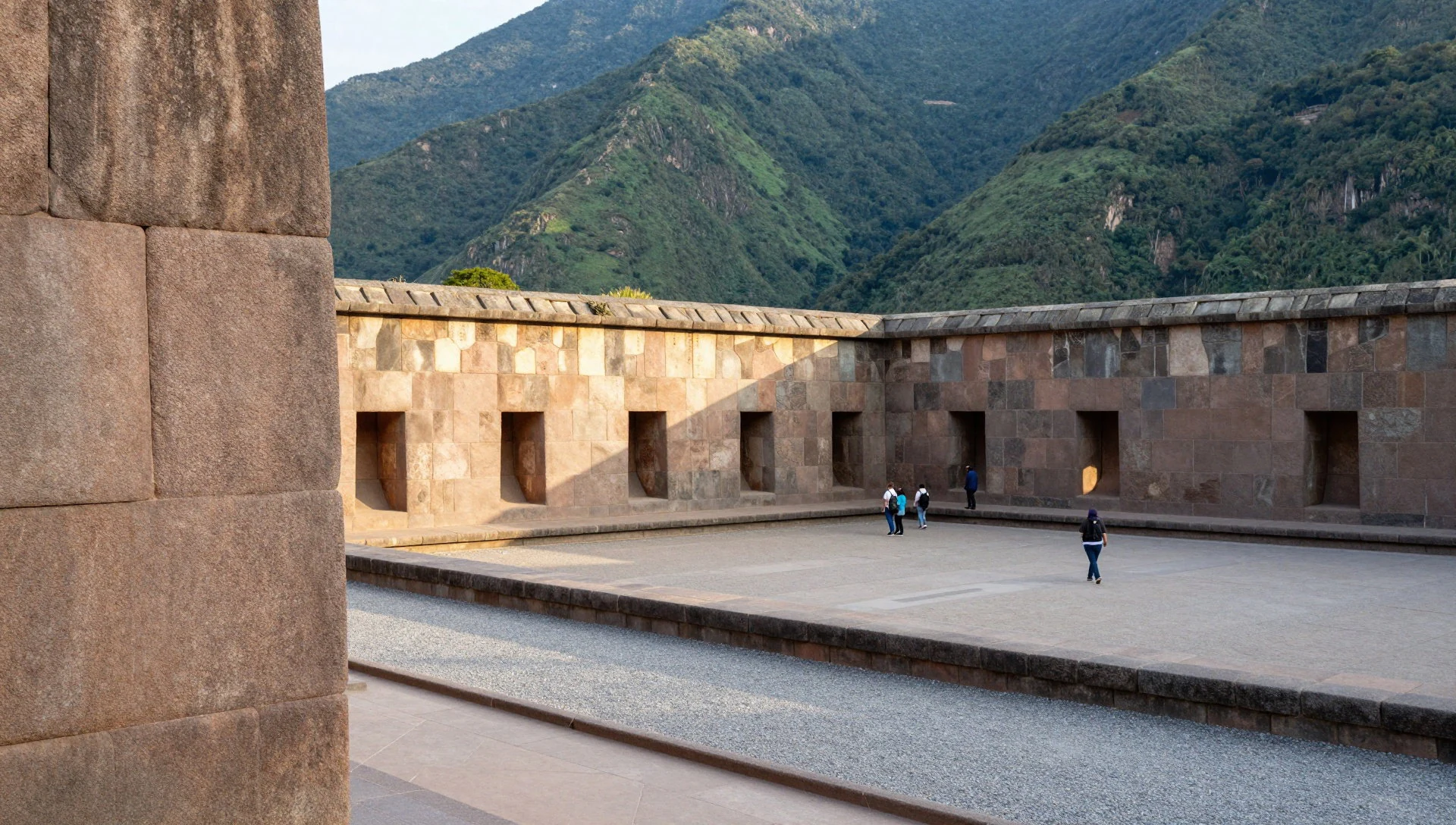
- Intihuatana Stone
Carved from the living bedrock atop an elevated knoll, this ritual stone served as an astronomical clock or calendar used by Inca priests to track the sun's movement. Its polished facets and precise angles reflect sophisticated Andean understanding of celestial cycles and solstices.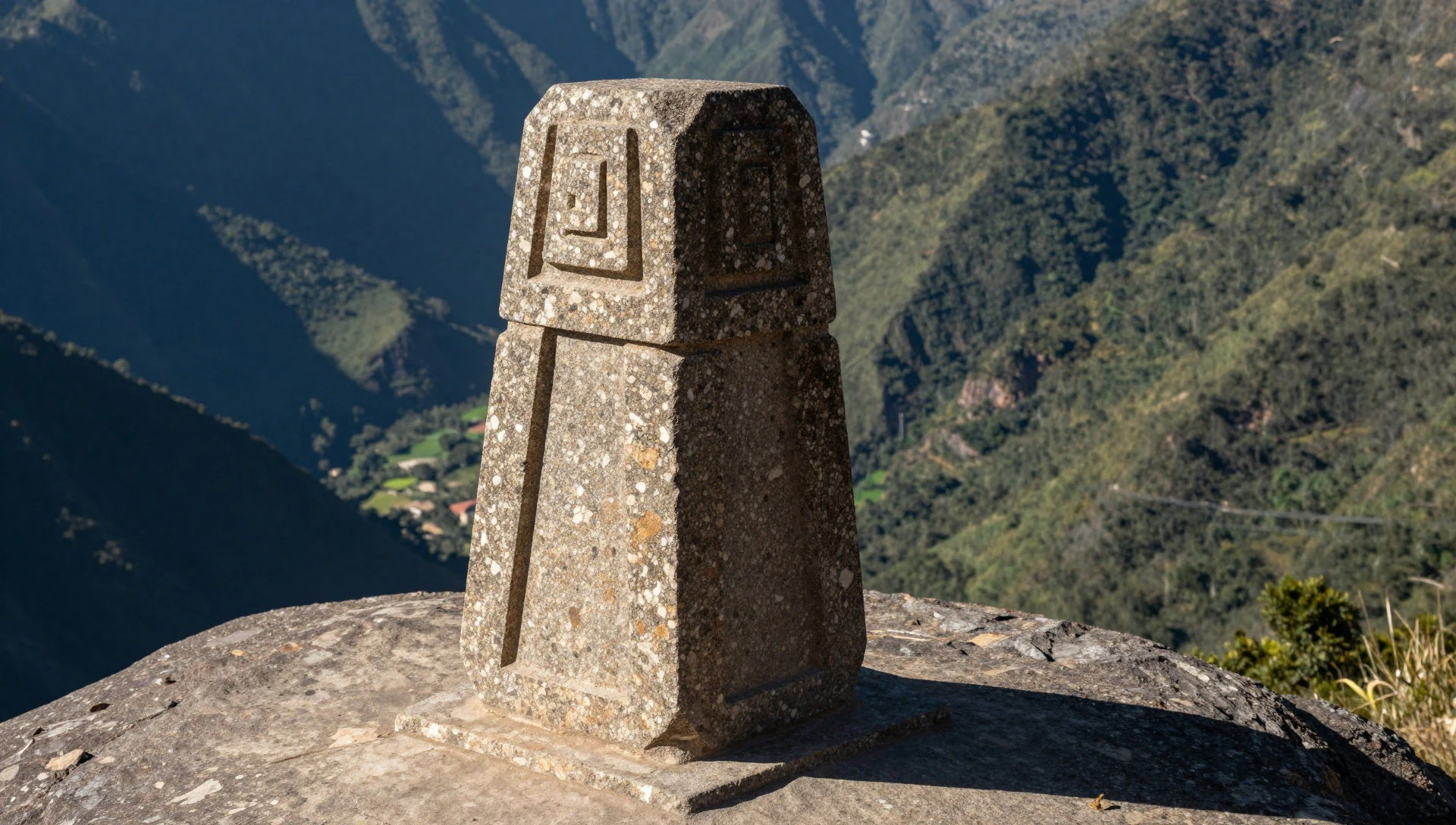
- Sun Gate (Intipunku)
Serving as the first glimpse of the ruins for hikers arriving on the traditional trek along the mountain paths, this elevated checkpoint frames the first sweeping vista of the entire citadel. Reaching it requires a steady uphill walk back along the historic trail from the main ruins.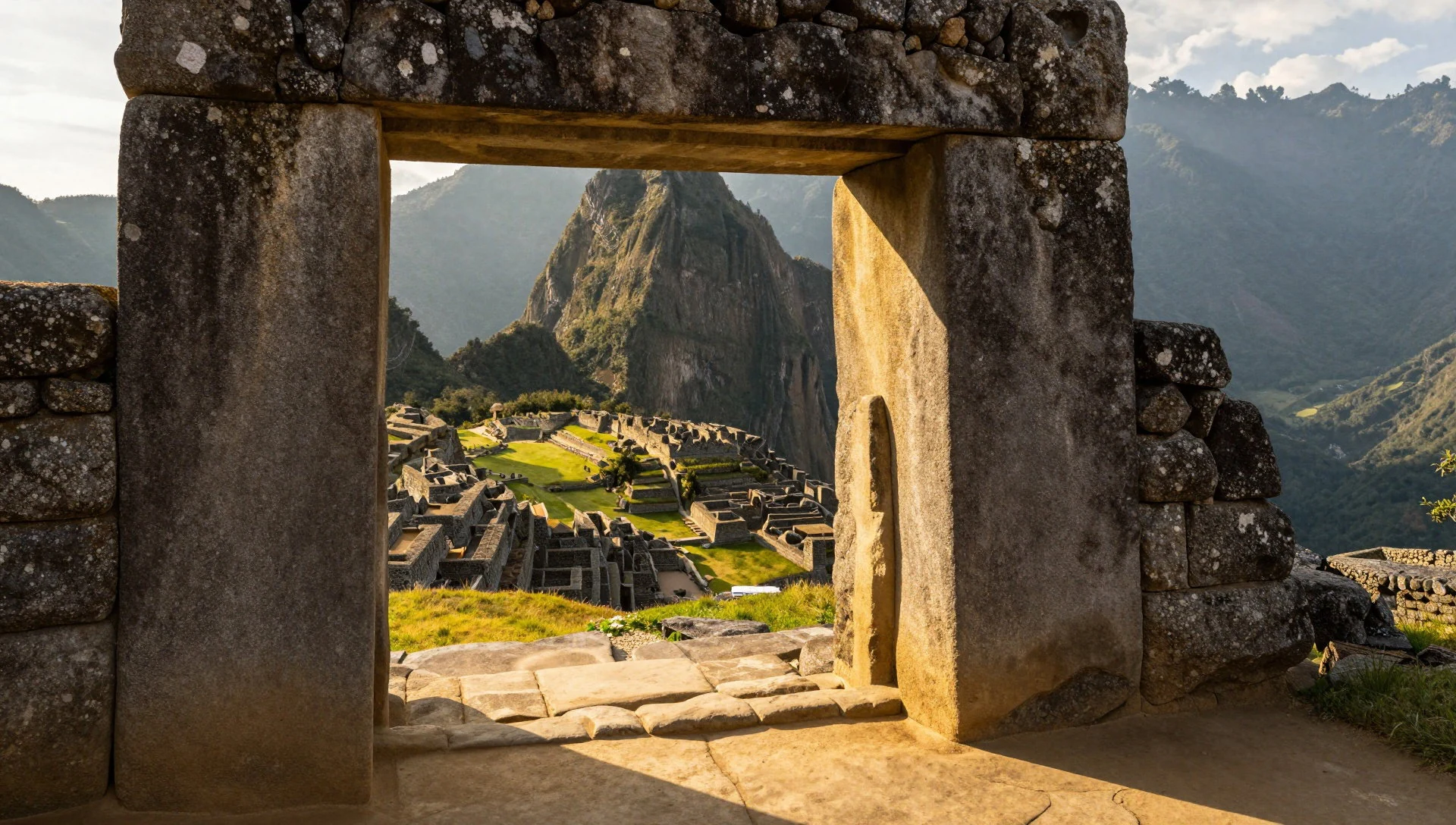
- Agricultural Terraces
Sprawling across the western and southern slopes, these expansive stair-stepped platforms served multiple purposes. They stabilized the steep mountainside against erosion, created arable microclimates for crops, and efficiently drained heavy rainwater away from the residential quarters.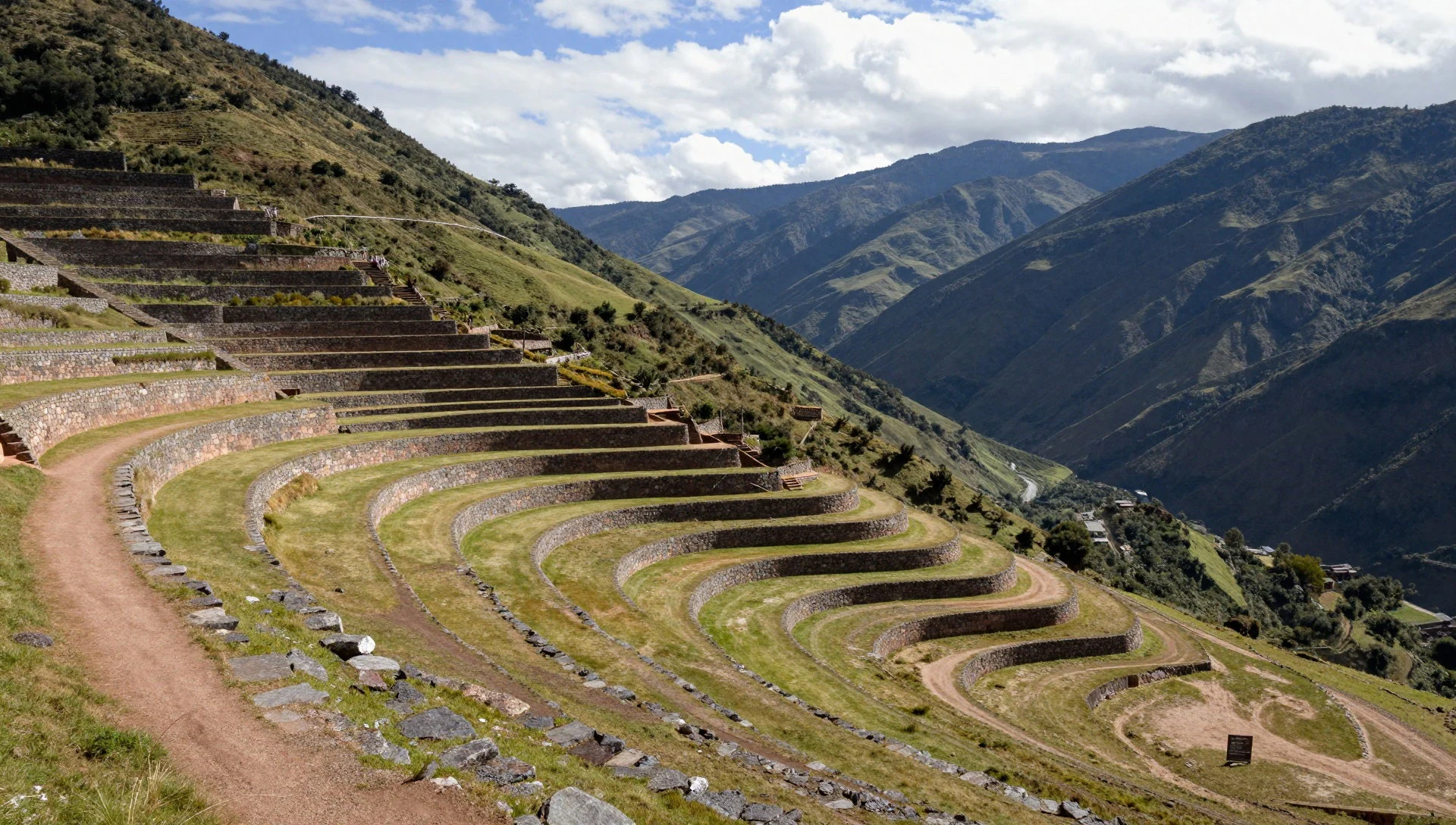
Culture
The cultural resonance of the region is deeply rooted in Andean traditions, Quechua heritage, and reverence for the surrounding natural world. Local communities maintain ancestral ties to the mountains, rivers, and earth, often viewing peaks as protective ancestral spirits known as apus. Traditional textile arts, featuring intricate geometric patterns woven from alpaca and sheep wool using time-honoured techniques, remain central to daily life and identity throughout the wider Cusco region. Music played on traditional panpipes and flutes echoes the acoustic qualities of the mountain valleys, keeping ancient sonic landscapes alive. Visitors encountering the archaeological complex and surrounding settlements engage with living indigenous cultures whose customs predate the Inca empire. When exploring the sanctuary, respect the ancient stonework by keeping to designated paths and never touching or climbing on delicate archaeological ruins.
What to wear
Traditional dress across the Peruvian Andes is renowned for its vibrant colour and exceptional textile craftsmanship. Artisans spin natural fibres from alpaca, llama, and sheep, dyeing them with native plants and minerals before weaving them on backstrap looms into heavy ponchos, mantles, and skirts adorned with symbolic iconography that denotes community origins and status. In nearby towns and markets, residents frequently wear elements of this traditional attire alongside practical contemporary clothing.
For visitors exploring the archaeological sanctuary and surrounding mountain trails, practical outdoor wear is essential. Temperatures can fluctuate dramatically between chilly morning mist and intense midday sun at high elevation. Layering is key: breathable moisture-wicking shirts, a warm fleece or insulated jacket for cool mornings, and a windproof or waterproof outer shell to handle sudden Andean showers. Sturdy, broken-in hiking boots with reliable grip are mandatory for navigating steep, uneven stone staircases and slick surfaces, while a wide-brimmed hat, sunglasses, and high-SPF sunscreen protect against strong UV radiation.
What to eat
- Ceviche — Traditional restaurants in Cusco
Fresh raw fish cured in freshly squeezed lime juice, tossed with sliced red onions, chilli peppers, and served with chunks of sweet potato and giant Andean corn kernels. Found in traditional eateries throughout the Cusco region.
- Lomo Saltado — Local eateries and restaurants
A savoury stir-fry combining strips of beef tenderloin with red onions, tomatoes, and soy sauce, sizzling in a hot wok. It is tossed with crisp fried potato chips and served alongside fluffy white rice.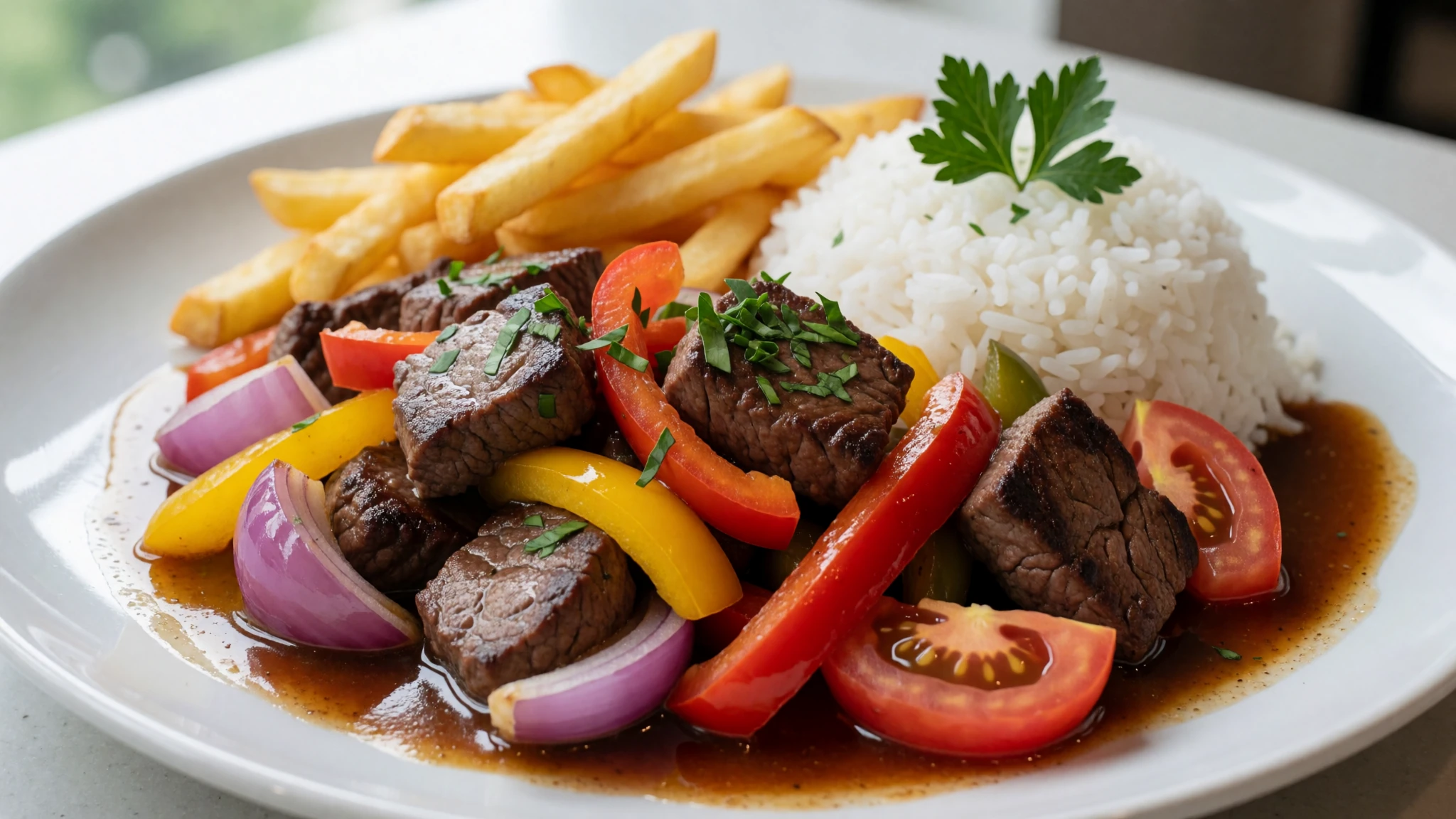
- Causa Rellena — Traditional markets and lunch spots
A chilled layered dish made from smooth yellow potato mash spiced with ají amarillo chilli, wrapped around a savoury filling of shredded chicken or tuna mixed with mayonnaise and avocado. - Chicha Morada — Cafes and local markets
A refreshing, alcohol-free beverage brewed by boiling purple corn with pineapples, apples, cinnamon cloves, and sugar, then chilled and finished with a squeeze of fresh lime juice. - Ají de Gallina — Family-run restaurants and eateries
A comforting, creamy stew featuring shredded chicken simmered in a velvety sauce made from yellow chilli peppers, ground walnuts, garlic, cheese, and milk, served over boiled potatoes and rice.
Plan it
Best time. May through September offers the most reliable dry weather and clear skies, though it coincides with peak visitor crowds. The wet season brings heavy rainfall and potential trail disruptions.
How long. 2–3
Getting there. Fly into Cusco, then take a train through the Sacred Valley or hike the trail to Aguas Calientes, followed by a short bus ride or steep walk up to the citadel gates.
Budget. mid
Tips
- Book entry tickets and train reservations well in advance through official channels
- Arrive early in the morning or later in the afternoon to avoid the heaviest tour groups
- Carry your passport, entry tickets, and sufficient cash for small purchases
- Pack a reusable water bottle and light snacks, as food options inside the gate are limited
- Allow time in Cusco to acclimatise to the high altitude before attempting steep walks
Etiquette
- Stay strictly on marked paths and do not touch or lean on ancient stone walls
- Carry all rubbish out with you and avoid leaving any trace behind
- Respect local guides and fellow travellers by keeping noise levels low
Sources
- Wikidata Q676203 (CC0)
- Wikipedia (rev 1380992747) (CC BY-SA 4.0)
- Wikivoyage (rev 5410066) (CC BY-SA 4.0)