Incheon
Incheon, South Korea
Incheon is South Korea's port city beside Seoul: a Chinatown, tidal flats, island ferries and seafood markets, reached by train from the airport.
The place
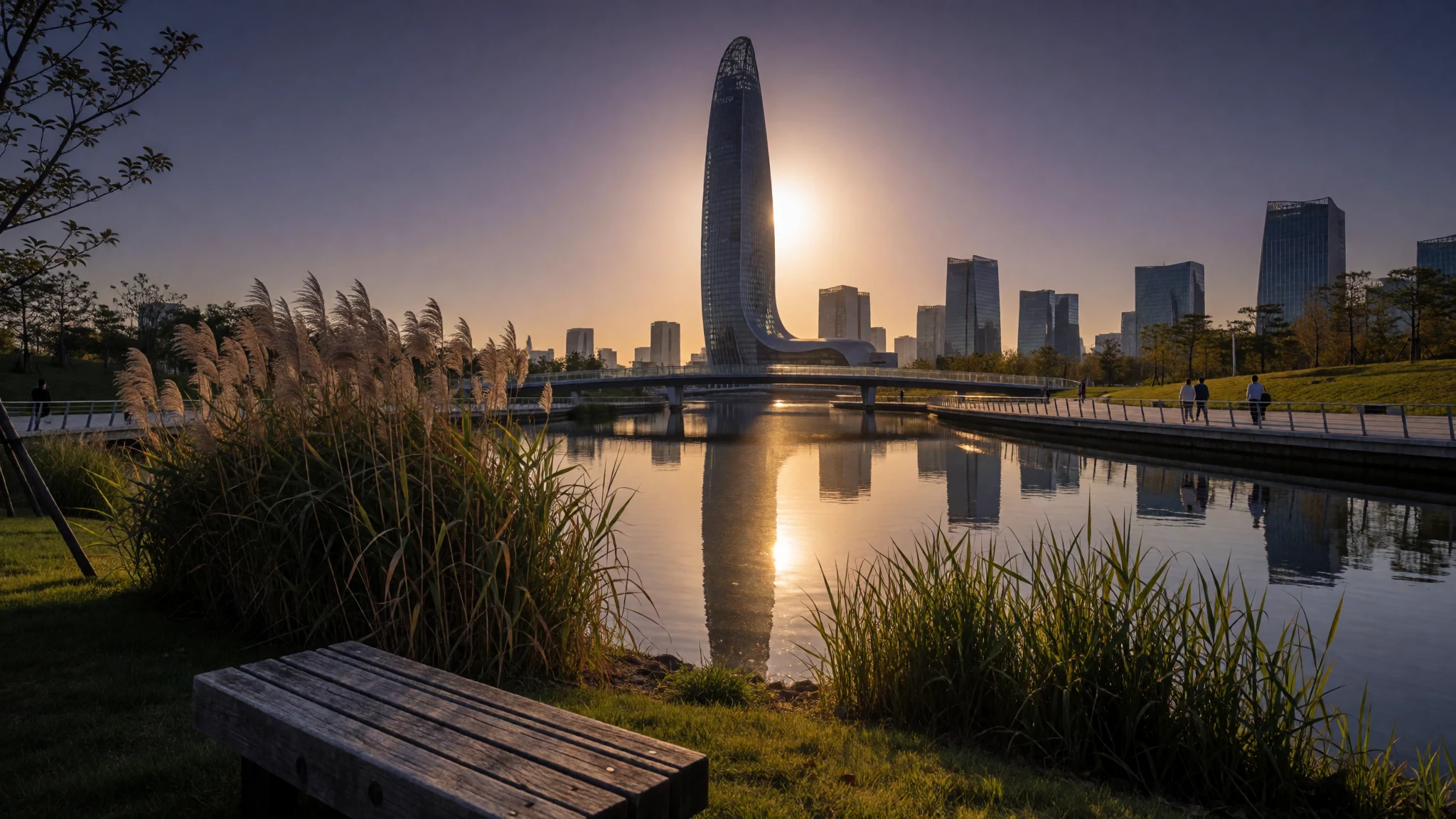
Incheon sits on the north-western coast of South Korea, west of Seoul, with the Yellow Sea on its other side. About 3 million people live in the city, yet it is often treated as an arrival lounge for the capital because the country's main international airport lies within its boundaries. That undersells it. The city runs from dense harbour districts in the old centre, through apartment-lined suburbs, out to reclaimed land at Songdo and across to islands reached by ferry or bridge. The land is low, with an elevation of just 7 metres at the centre, so the sea shapes everything: the tides, the fish markets and the wind off the water in winter. Incheon was a small settlement until the port opened to foreign trade in 1883, and much of what interests visitors dates from that opening: the Chinatown, the old trading quarter around Jayu Park, the ferry terminals and the harbour streets. Newer districts tell a different story, with glass towers, a central park and an economic zone built for international business. Seoul's subway and the airport railway make the city an easy day trip, but a night near the harbour gives a better sense of a working port that still handles cargo, ships passengers and employs a great many people. Summers are humid and winters cold, so timing matters.
Its story
Incheon's written history begins with a place called Michuhol, recorded in 475 AD under the Goguryeo kingdom and traditionally linked with Munhak Hill, in the south of today's city. Later kingdoms renamed the area several times; under Goryeo it appeared as Gyeongwon and Inju, and the name Incheon was settled in 1413. For centuries the administrative heart lay inland at Gwangyo-dong, where the district government offices and the Confucian school stood. Two original buildings from that office survive in the grounds of a primary school, and a newer reconstruction stands opposite the baseball stadium. The move to the coast came with the opening of the port in 1883, the founding date in the city's facts. A harbour settlement then called Jemulpo, also written Chemulpo, grew into the new centre. A French print from 1890 shows it as a modest anchorage at the mouth of the river that leads up to Seoul. Foreign traders, Chinese among them, settled near the water, and the name Jemulpo stayed in everyday use until the Japanese annexation. Today the area around Jemulpo and Gwangyo-dong is sometimes called 'Original Incheon' (원인천), a reminder that the modern city grew from two older cores, one inland and one on the quay.
What to see
- Wolmido Island — Jung District, western waterfront
Wolmido is a small island joined to the mainland and set up as a seaside amusement strip, with a boardwalk, fairground rides and seafood places facing the water. It is busy at weekends and in fine weather, and loud rather than quiet. The viewing platform looks across the sugar and flour works and the industrial waterfront. Go late afternoon for the light.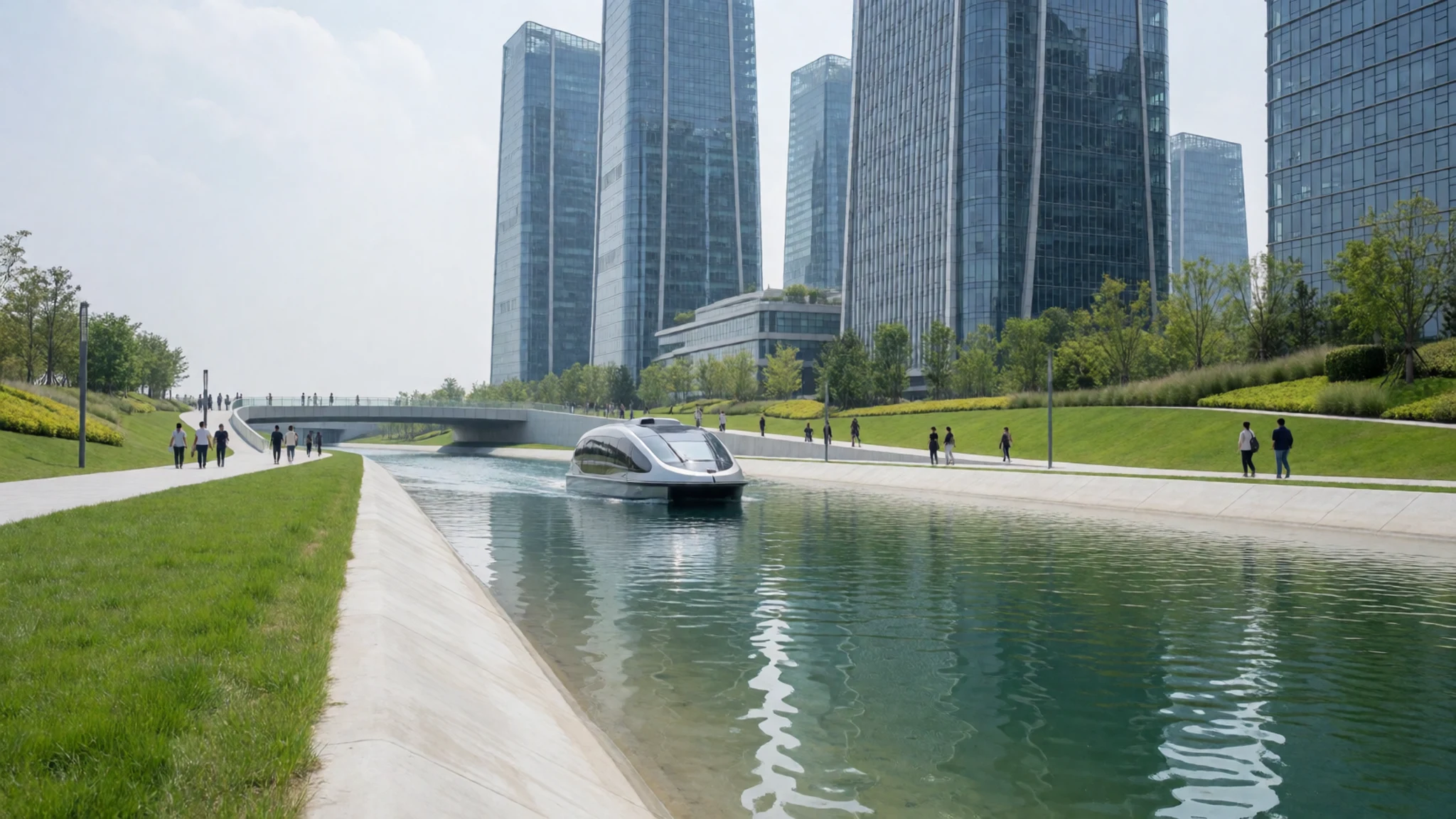
- Chinatown — Jung District, near the old port
Incheon Chinatown grew after the port opened in 1883, when Chinese traders and labourers settled beside the new harbour. The streets now are painted in red and gold, lined with restaurants and snack stalls, and best walked slowly with an appetite. It is touristy, particularly at weekends, but the Korean-Chinese cooking here has its own local history. Side lanes up the slope are quieter.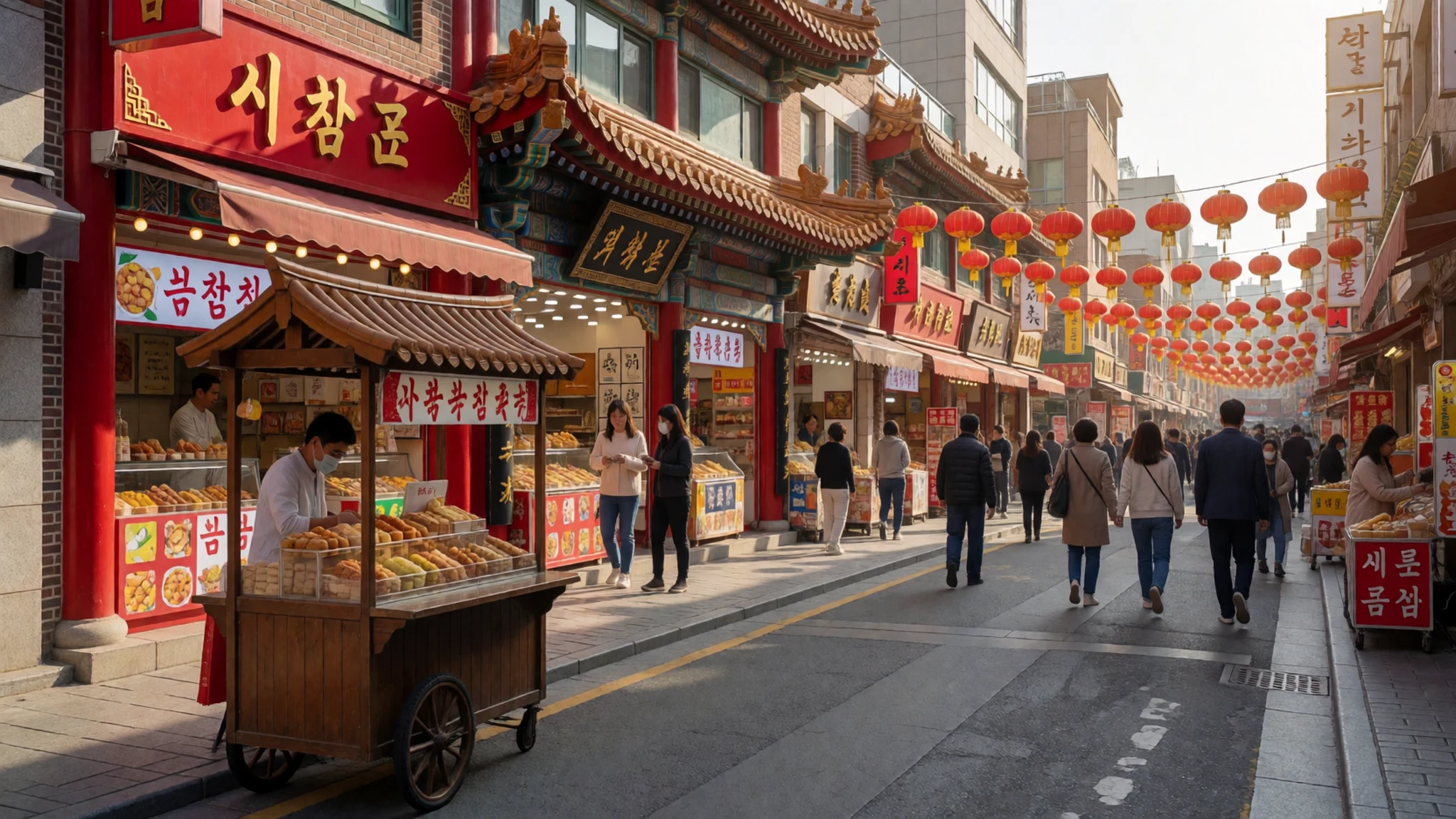
- Sorae Port — Namdong District, south of the city
Sorae Port is a working fishing harbour in Namdong district, known for its seafood market. Stalls sell shrimp, blue crab and salted seafood, and customers often pick their fish and have it cooked at a nearby eatery. Expect strong smells, wet floors and early trading. It rewards a morning visit more than an evening one, and cash helps at the smaller stalls.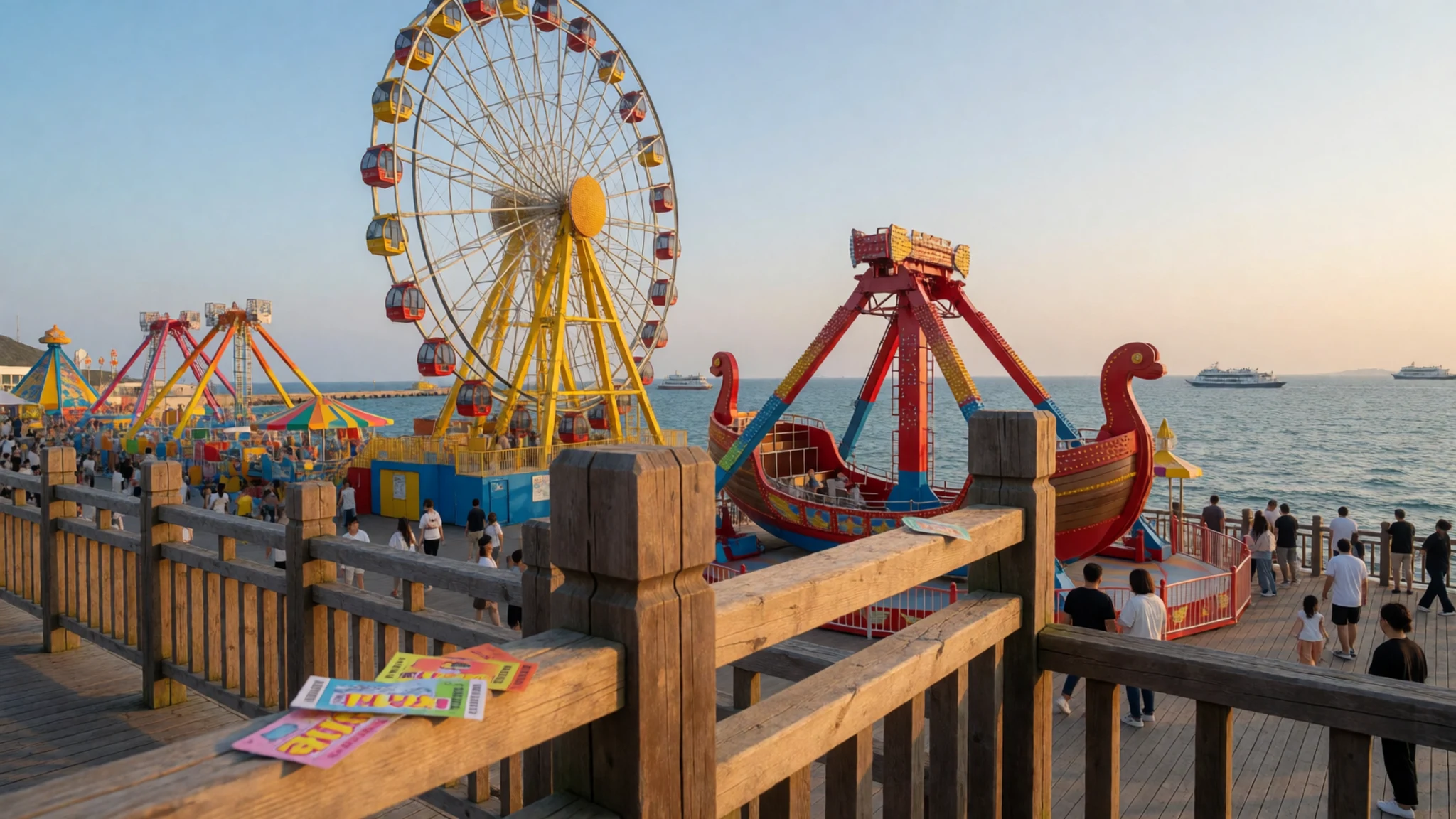
- Dongmak Beach — Ganghwa Island
Dongmak Beach lies on the southern shore of Ganghwa Island, a sandy strip backed by pines. The tide is the main event: at low water the sea draws far out, exposing flats where small crabs and clams can be watched. Check tide times before going, and wear shoes that can get muddy. Reaching it from the city centre takes a bus or car journey.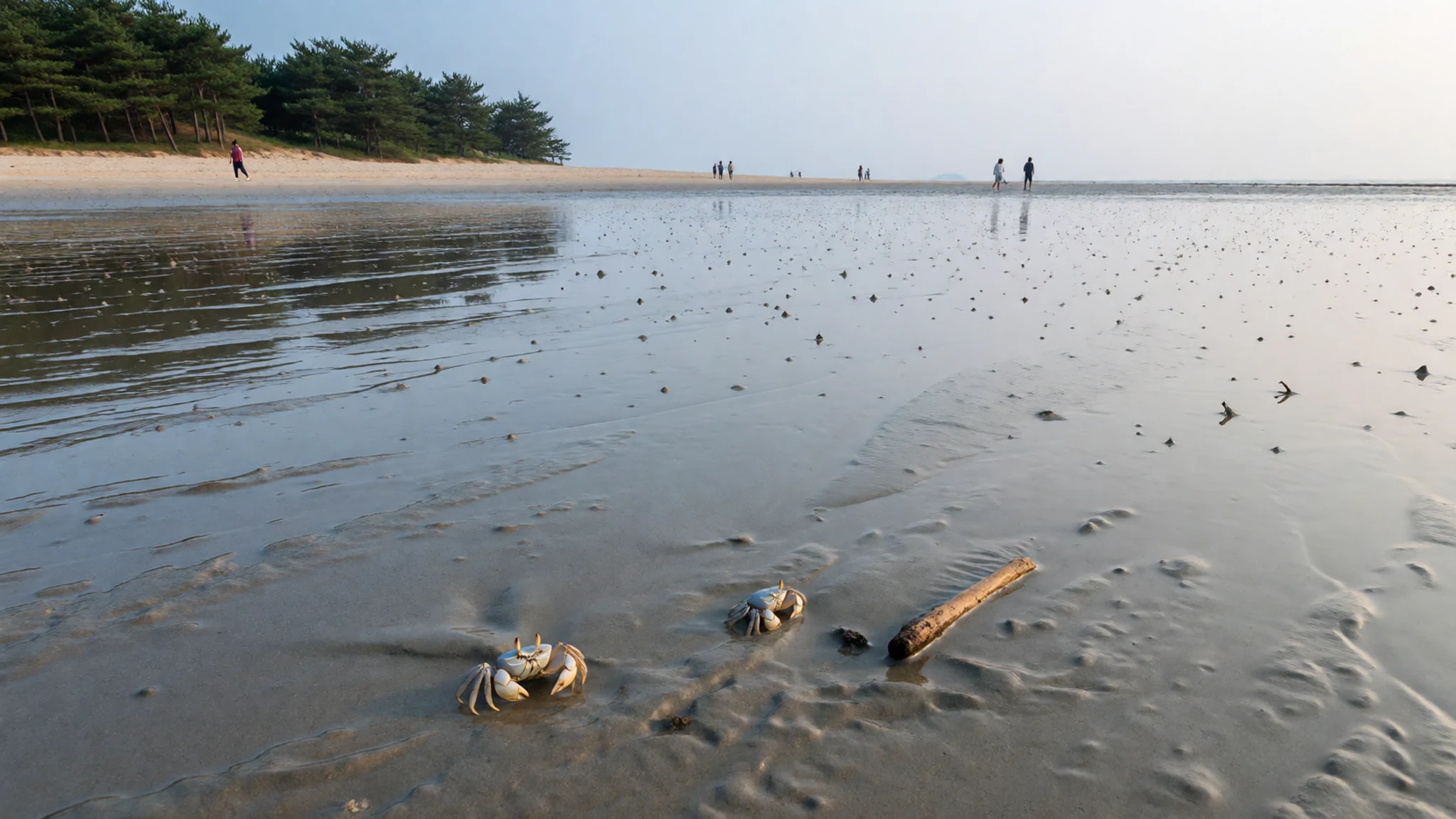
- Jeondeungsa Temple — Ganghwa Island
Jeondeungsa is a Buddhist temple on Ganghwa Island, and its Daeungjeon is the main worship hall, listed as a Korean national treasure. The temple sits among trees on the island's slopes, and a visit combines well with Dongmak Beach on the same day. Dress modestly, keep voices low and stay clear of services in progress.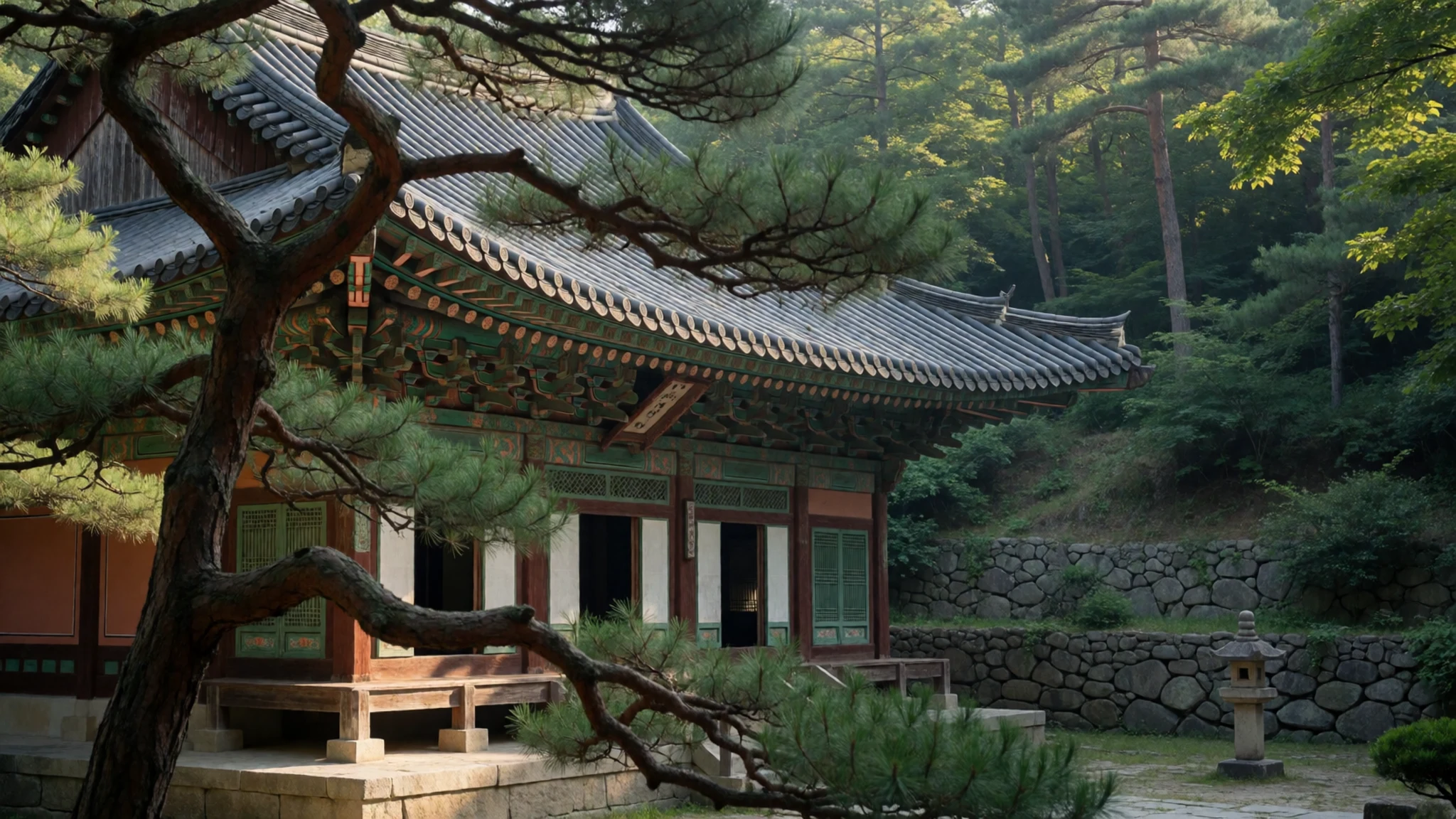
Culture
Incheon's culture is that of a port which took in outsiders earlier than most Korean cities. After 1883, Chinese, Japanese and Western traders arrived alongside Korean workers, and the layers they left are still visible in the old quarter: brick and stone buildings, a Chinatown, and Korean-Chinese dishes that locals treat as their own. Daily life revolves around the harbour, the markets and the commuter lines that tie the city to Seoul. Sport is local and loud; the baseball ground at Munhak and the football stadium draw crowds who sing and chant through the match. Drinking culture is relaxed and social, with snacks such as spicy chicken feet served beside soju or beer in casual eateries. Religious life is quieter. Buddhist temples on Ganghwa Island still hold services, and families visit them around seasonal festivals. Incheon is often described as practical rather than polished, which suits a city of docks, airports and trade zones. People tend to be direct and helpful to visitors who try a few words of Korean, and a simple greeting goes a long way in markets. At Ganghwa's temples, remove your shoes before entering a hall, keep your voice low and do not photograph worshippers without asking.
What to wear
Incheon follows the dress habits of the wider Seoul region, and the traditional garment is the hanbok. Women's hanbok pairs a short jacket, the jeogori, with a full wrapped skirt, the chima; men wear a jacket with loose trousers, the baji, sometimes with a long overcoat for formal occasions. Silk is used for weddings and formal wear, ramie or hemp for light summer versions, and cotton for plainer everyday clothes in the past. Today the hanbok appears at Seollal (Lunar New Year), Chuseok (the autumn harvest festival), weddings and family photographs, and rented hanbok are popular with young visitors at heritage sites. Everyday clothing in the city is practical and fairly neat: jeans or trousers, layers, trainers, a padded coat in winter, and dark tailored clothes for office workers. A visitor should dress for the weather: light cotton and a compact umbrella in the humid summer, and a windproof padded coat, hat and gloves in winter, when northwesterly winds sweep in off the sea. Comfortable walking shoes help on wet market floors and the muddy tidal flats at Dongmak. For temples such as Jeondeungsa, cover shoulders and knees and wear shoes that slip off easily.
What to eat
- Dakgangjeong — The Sinpo market area in the old centre
Fried chicken pieces glazed in a sweet and spicy sauce, known for staying crisp even after cooling. Incheon's version is closely tied to the Sinpo market area, where shops sell it in boxes to eat on the spot or carry away.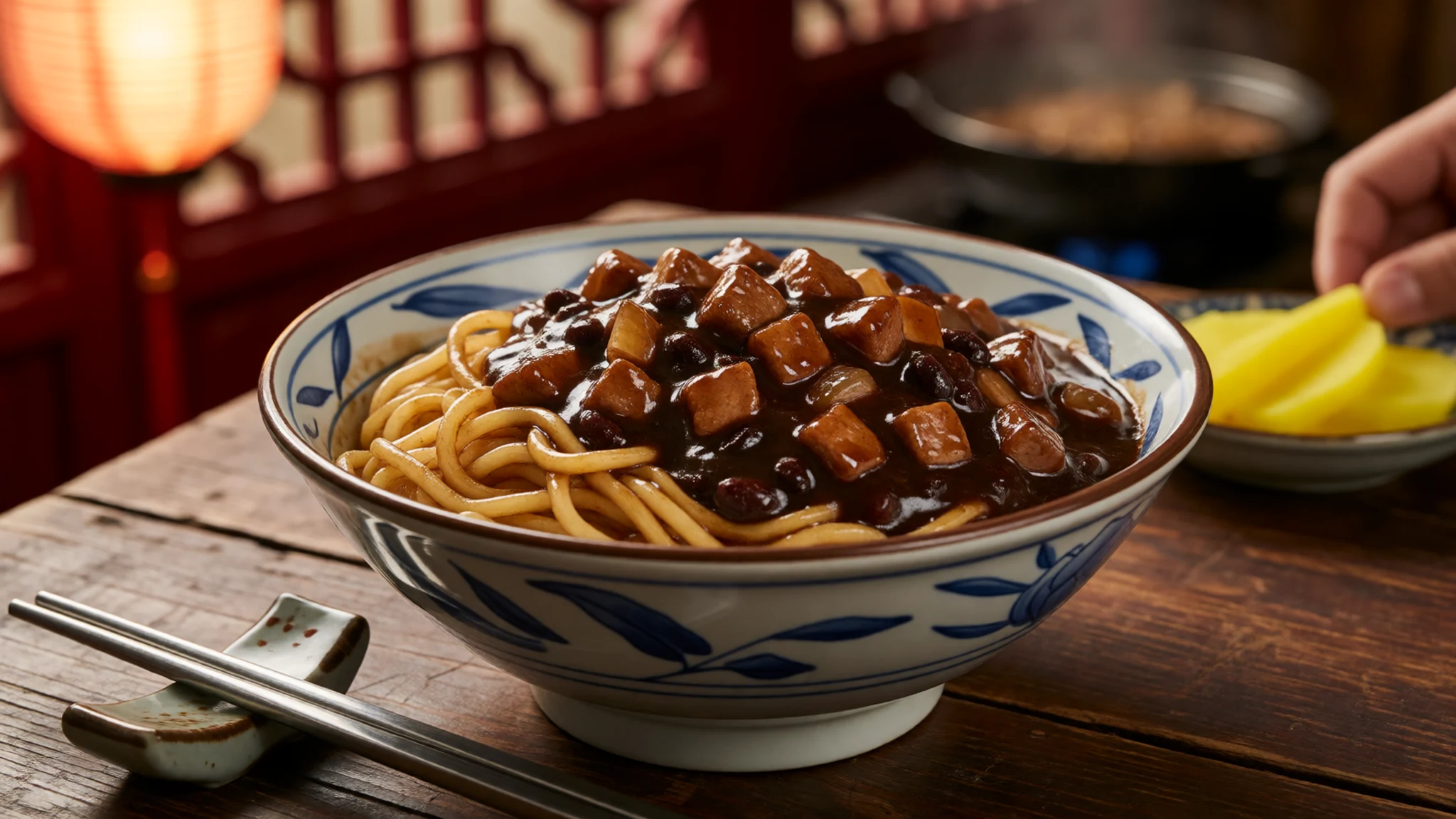
- Jjajangmyeon — Chinatown, in the old port district
Wheat noodles in a thick black bean sauce, a Korean-Chinese dish usually linked with Incheon's Chinatown. Eat it at one of the long-established Chinese restaurants along the main streets, then try a sweet snack from the stalls nearby.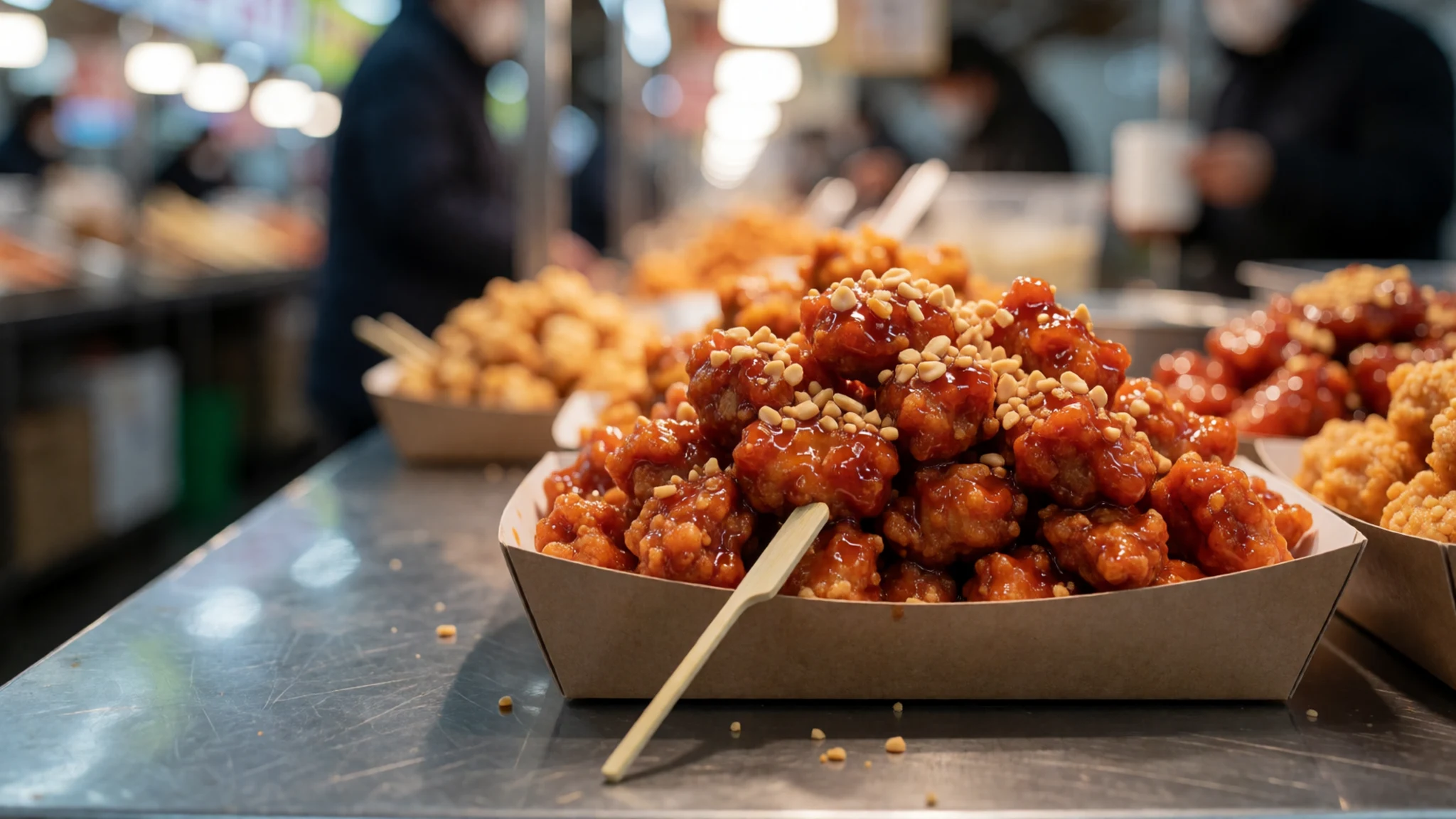
- Dakbal — Casual drinking eateries in the southern districts
Spicy chicken feet, a well-known local drinking snack, grilled or stir-fried in a sticky red sauce with a strong chilli bite. It is usually eaten with beer or soju and a bowl of rice to calm the heat. - Seolleongtang — Neighbourhood eateries in the old centre
A milky broth made by simmering ox bones and cuts of meat for hours, served with rice and seasoned at the table with salt and spring onion. Look for a plain, old-style eatery; it is a morning and lunchtime comfort food. - Shrimp and blue crab — The fish market at Sorae Port
Shrimp and blue crab are bought raw at the harbour market and often grilled or steamed at a nearby eatery, while salted seafood is sold to take home. Go in the morning, when stocks are freshest and the crowds thinner.
Plan it
Best time. April–May and September–October, when the weather is mild and the air less heavy. Summer is humid, warmed by southwesterly winds; winter is cold, with northwesterly winds off the sea.
How long. 2–3
Getting there. Incheon International Airport (ICN) is South Korea's main gateway. The AREX airport railway runs to Gyeyang and Geomam stations, where the city's subway lines begin; limousine buses and taxis also cover the last leg. Domestic ferries arrive at the Incheon Coastal Passenger Terminal near Yeonan Pier.
Budget. mid
Tips
- Check tide times before heading to Dongmak Beach or any tidal flats, as the sea can be far out or close in.
- Visit Chinatown and Wolmido on weekday mornings; both fill up at weekends.
- Carry a payment card and some cash for market stalls at Sorae and the old centre.
- For island ferries from Yeonan Pier, check sailing times and routes on the official site, https://www.incheon.go.kr/.
- Bring a windproof layer even in spring, as the wind off the water can feel sharp.
Etiquette
- Remove shoes at temple halls and wherever a raised floor or shoe rack signals it.
- Keep voices low in temples and do not photograph worshippers without asking.
- At markets, ask before taking photographs of stallholders or their goods.
Nearby
Sources
- Wikidata Q20934 (CC0)
- Wikipedia: Incheon (rev 1385620094) (CC BY-SA 4.0)
- Wikivoyage: Incheon (rev 5433034) (CC BY-SA 4.0)
- Photo: View of Incheon taken from Mount Gyeyang (JNicol) (CC BY 3.0)
- Photo: Songdo Central Park and Posco Tower Songdo (Jaehyuk Lee) (CC BY-SA 2.0)
- Photo: Jayu Park (Incheon) (Mobius6) (CC BY-SA 4.0)
- Photo: Simply Aviation flight take off from ICN (Simply Aviation) (CC BY-SA 4.0)
- Photo: Incheon Football Stadium (Waka77) (CC0 1.0)
- Photo: Wolmi Observatory view (Raccoon Dog) (CC BY 4.0)
- Photo: Ville de Chémulpo, 1890 (d'Amade) (Public domain)
- Photo: Incheon City Hall main building sign (Narubaru7) (CC BY 4.0)


Wildlife
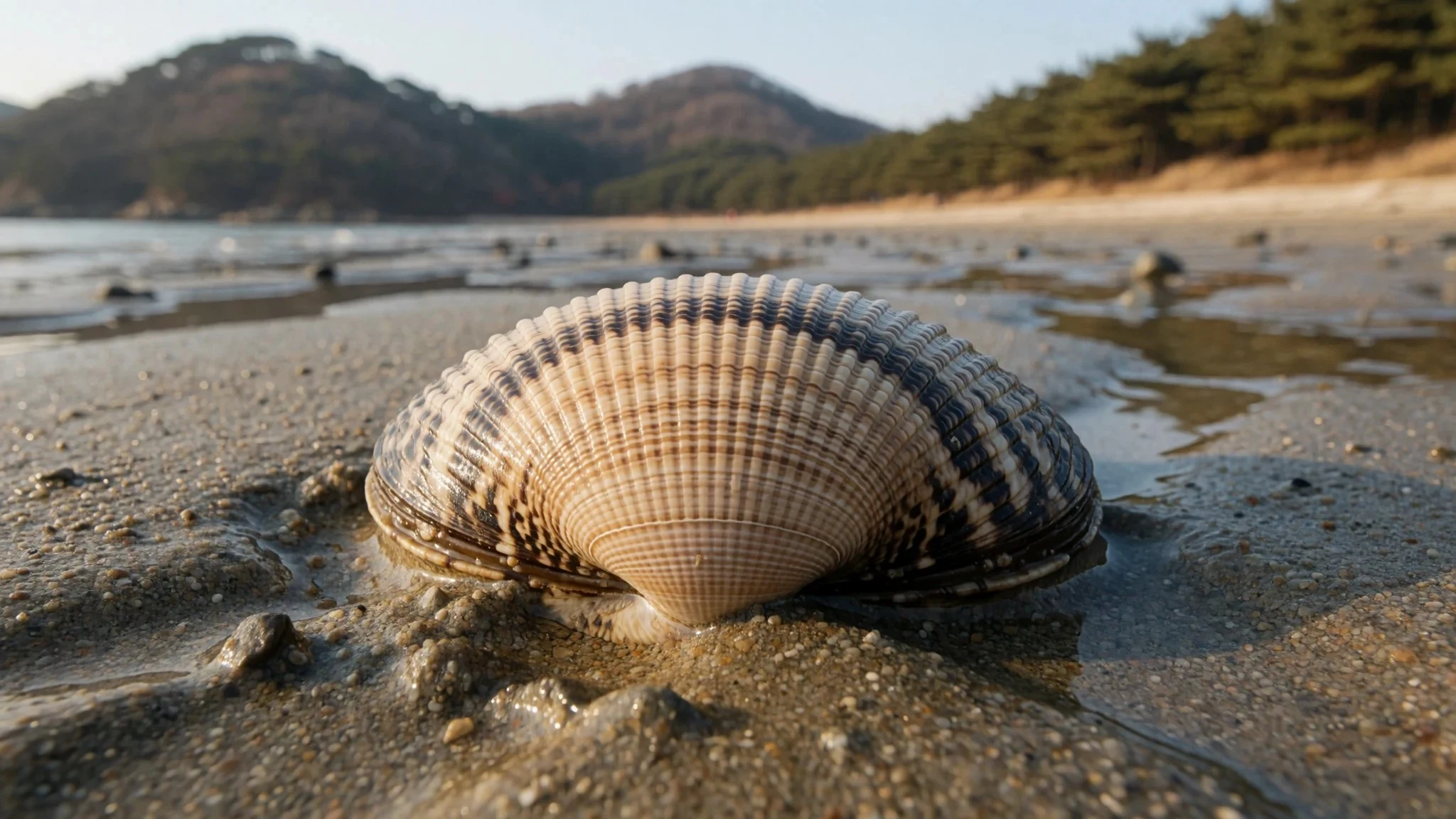
- Manila clam (animal)
The Manila clam is a small saltwater shellfish with a shell like a tiny stone, and people enjoy eating it. It belongs to the Venus clam family. In Incheon, you can look for clams, alongside small crabs, on the broad tidal flats that appear when the sea draws far back at low tide. Check the tide times, then look closely and gently at the exposed sand, leaving everything just as you found it.