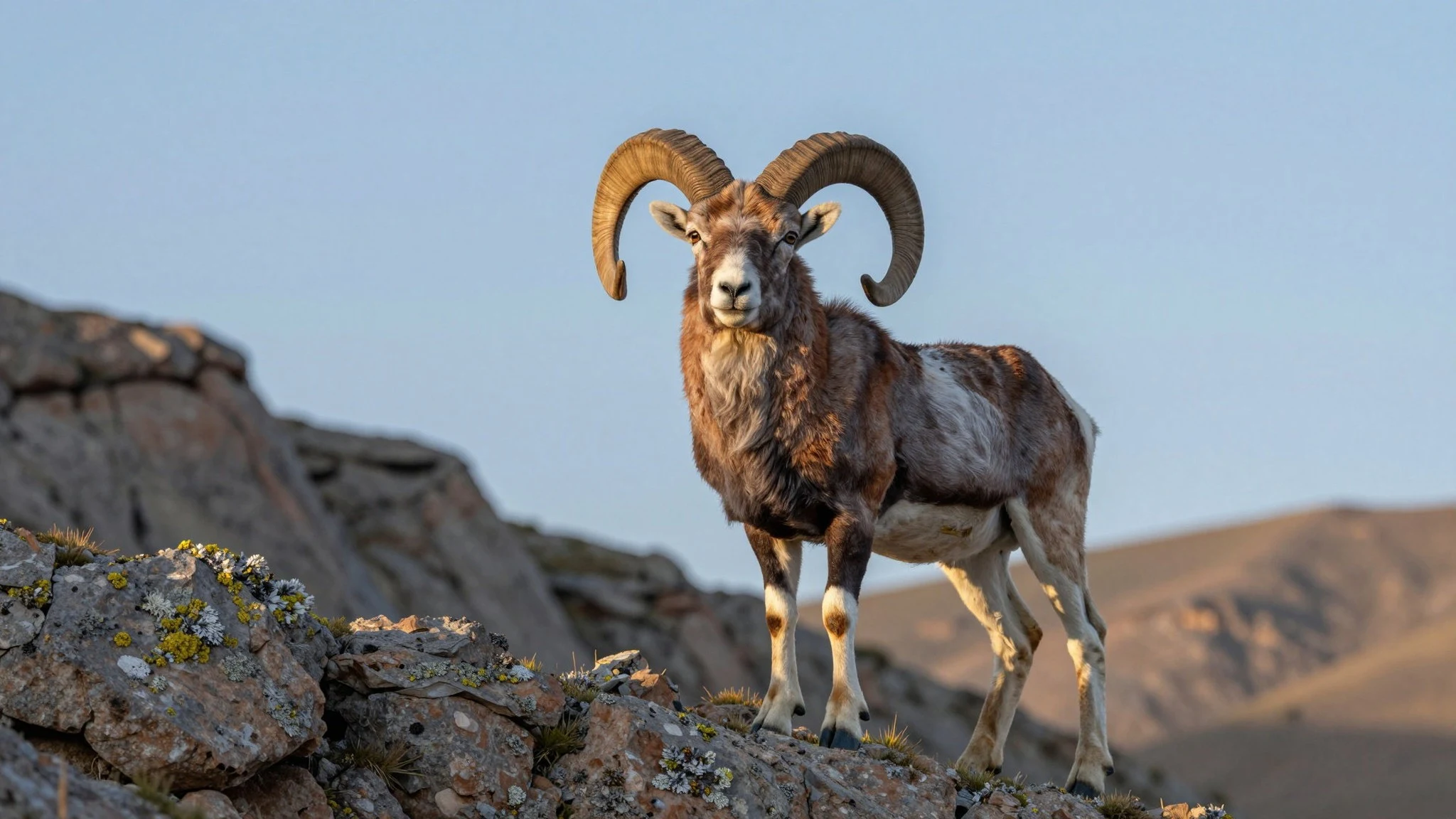
Ikh Nart Nature Reserve
Ikh Nart Nature Reserve, Mongolia
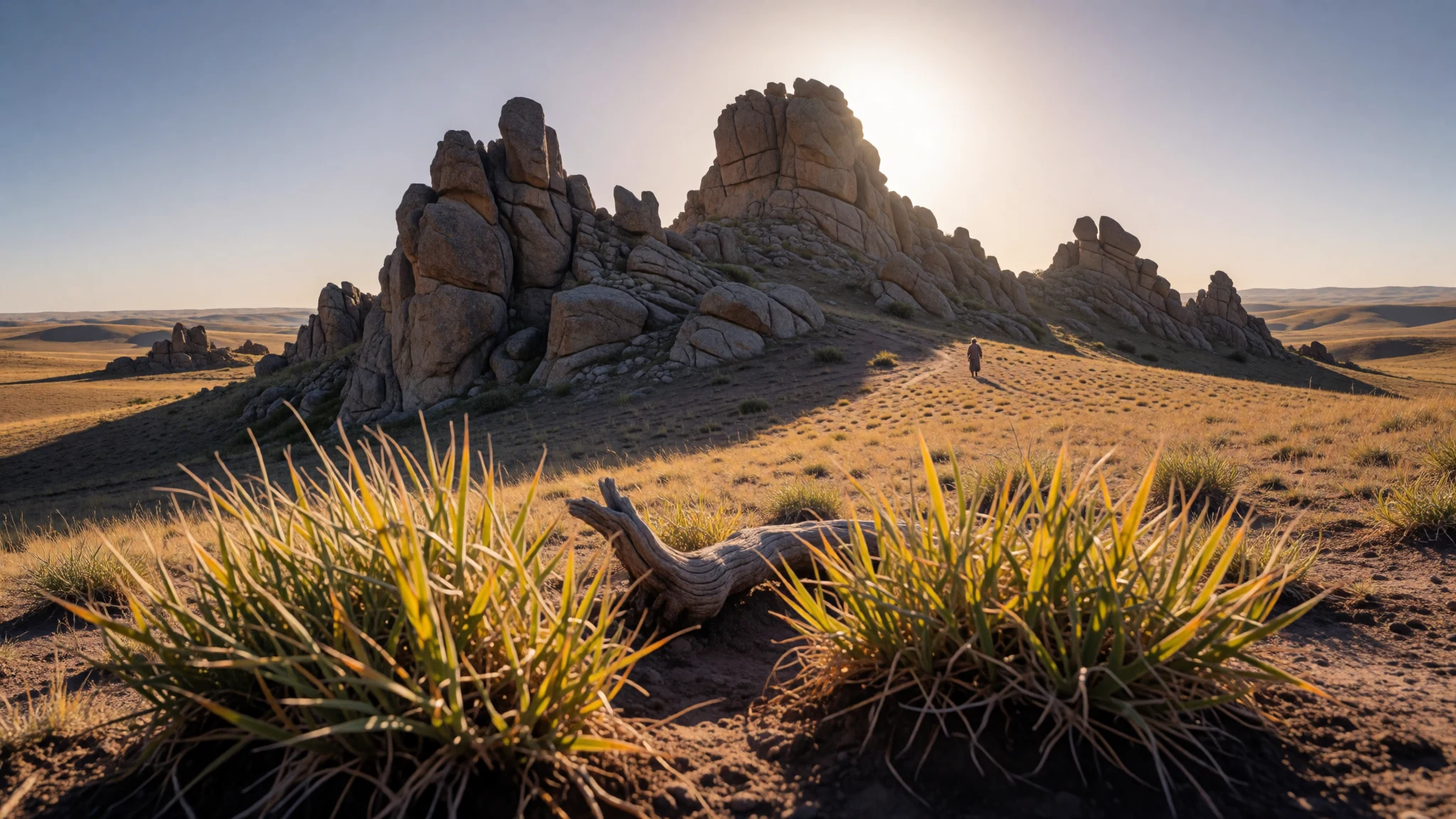
Ikh Nart is a quiet Mongolian reserve of rocky outcrops and open steppe where rare argali sheep still live.
The place
Ikh Nart Nature Reserve lies in Dornogovi Province, in the dry south-east of Mongolia, and takes in parts of two counties, Dalanjargalan and Airag. It covers about 66,000 hectares and was established in 1996. The full name is Ikh Nartiin Chuluu, and spellings vary because Mongolian Cyrillic is transliterated in several ways, so a map, a driver and a sign may each use a slightly different version. The landscape is easy to describe and hard to forget: bare rock stands up from pale grass and thin desert steppe, with almost no shade and almost no buildings. The outcrops hold shelter and seasonal water for animals, which is why the reserve matters for wildlife. Argali, a rare wild sheep, is among the species that live on these rocks. Distances are big and the horizon is wide. Mongolia is nicknamed the Land of Blue Skies, and the country is said to enjoy about 250 sunny days a year, so clear light is the rule rather than the exception. Summers are generally hot, with cool nights, while winter is bitterly cold. There is no town at the reserve's edge. Most visitors arrive with a driver and a guide and sleep in a ger camp or with a herding family, so simple arrangements, wind, grazing livestock and the sound of very little else are what to expect, not resort comforts.
Its story
Ikh Nart Nature Reserve is a young protected area set in a very old landscape. It was established in 1996, setting aside about 66,000 hectares of rock and steppe as a refuge for argali and other wildlife. Scientists have since used the reserve to study the sheep and the dry country they depend on, which gives the place a quiet importance beyond its modest profile. Around it, herding families have moved animals across the steppe for as long as records go back. The Xiongnu, a nomadic power, rose in the region by the third century BC, and the Mongol Empire later grew out of the same grassland way of life. Yet Mongolia left remarkably little architecture behind. Apart from the short-lived imperial capital at Karakorum, the great steppe rulers built few lasting monuments at home. After the empire faded, Tibetan Buddhist monasteries became the most visible mark on the land, and most were destroyed in the Stalinist religious purges, with only a few surviving. So the story of a place like Ikh Nart is told less in stone than in use: seasonal camps, tracks worn by livestock, wells, and the slow business of keeping wild sheep alive beside herds of domestic ones. The country was long hard for outsiders to enter, and travel here is still rough in places, which is part of why the reserve feels so unspoiled.
What to see
- The rocky outcrops — Central reserve
The outcrops are the reserve's defining feature, bare rock rising from open ground in clusters and low ridges. Walking among them early or late in the day gives the best light and the coolest air. Watch your footing on loose stone, and treat them as shelter for wildlife rather than climbing frames.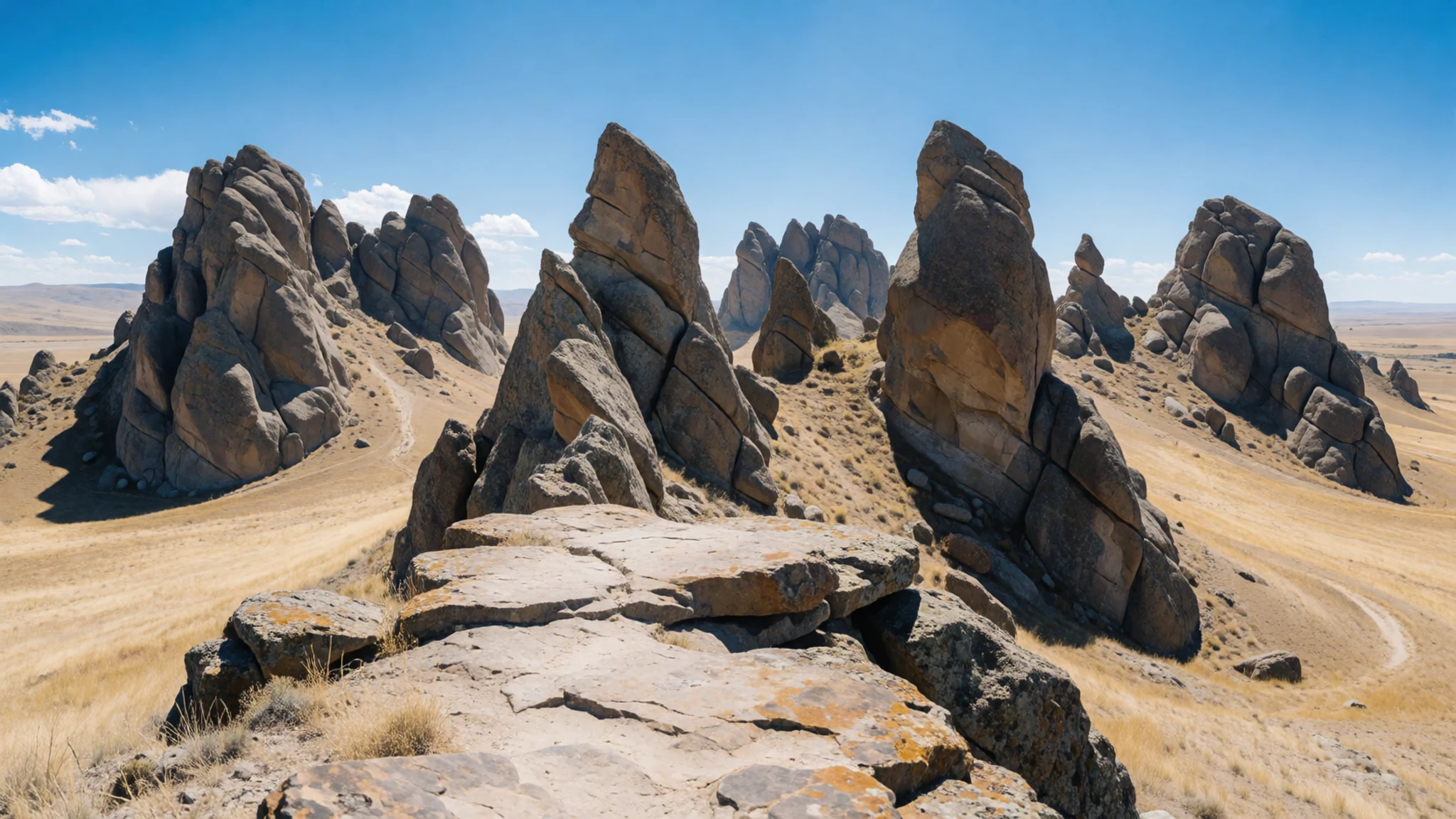
- Watching argali — Rocky slopes of the reserve
Argali are the reserve's best-known residents, a rare wild sheep that favours rocky ground. Sightings are never guaranteed, so patience and a local guide help far more than a long lens. Keep a respectful distance, move slowly, and let the animals decide how close the encounter gets.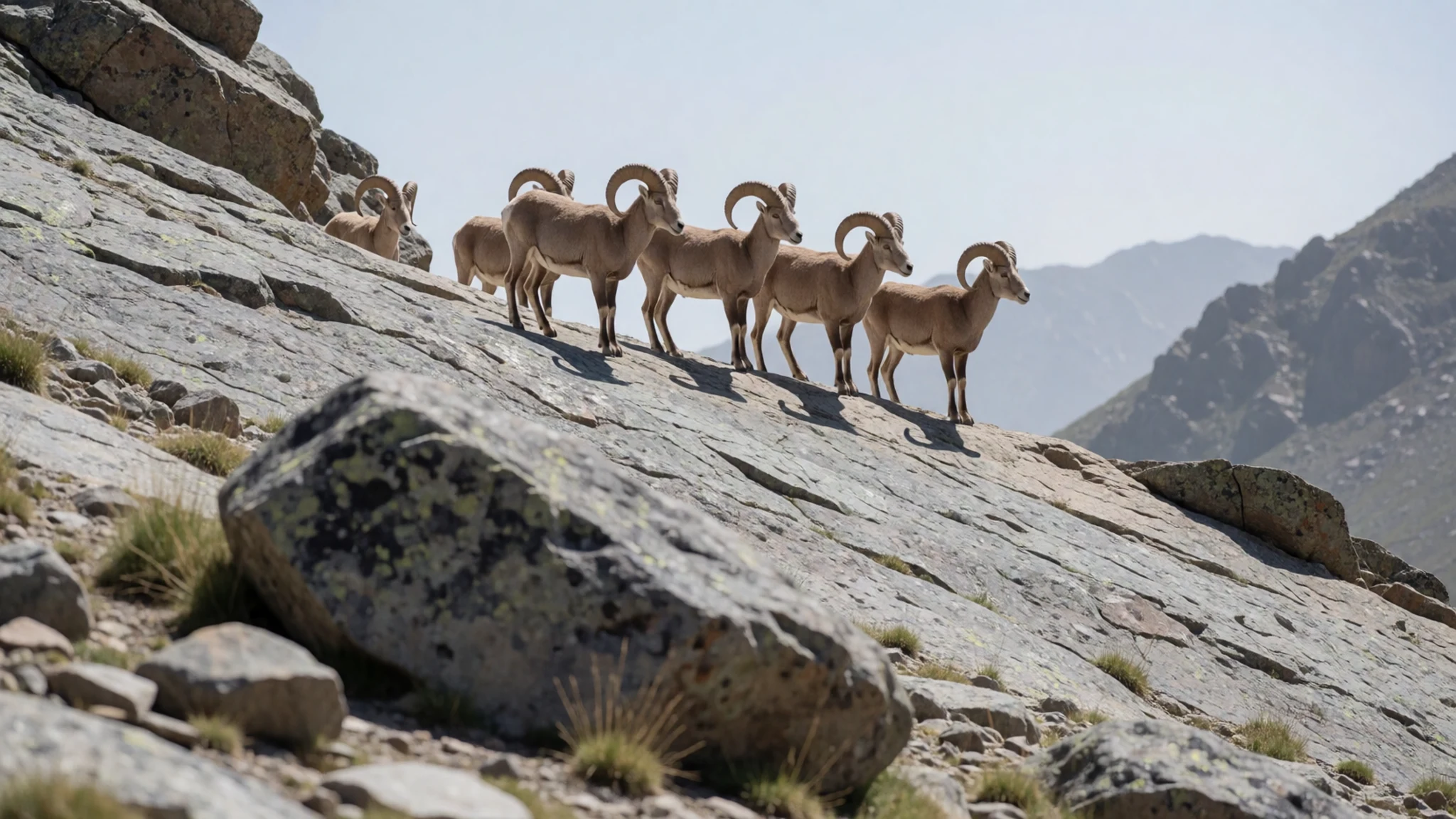
- Steppe and semi-desert walks — Plains surrounding the outcrops
Around the rocks the ground is dry grassland shading into semi-desert, with sparse plants and long views. Short walks from camp reveal tracks, birds, small burrows and herds in the distance. Carry water and a hat, because shade is rare and the sun is strong on most days.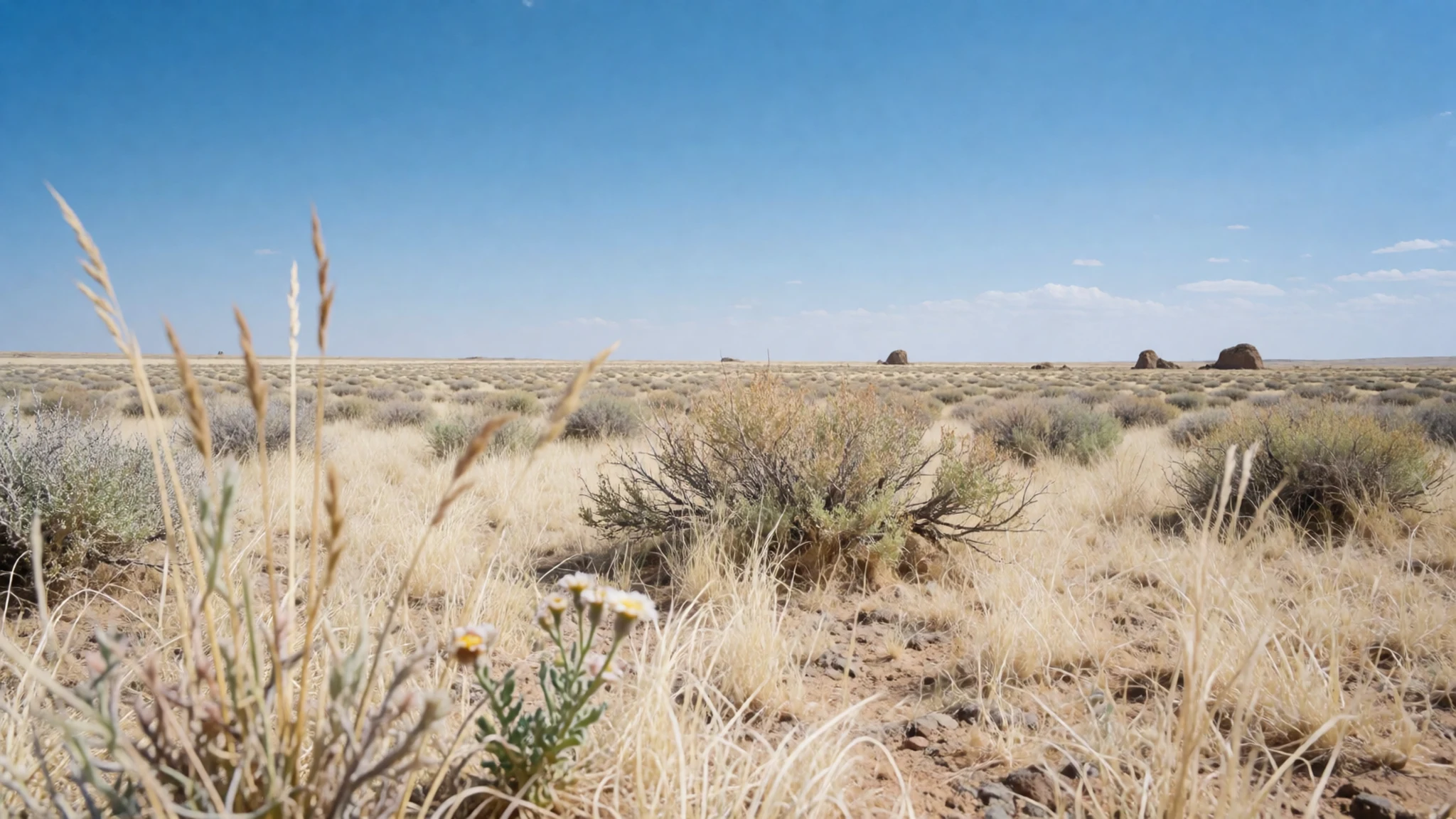
- A visit to a herding family's ger — Dornogovi countryside
Herders live and move through this country with their animals, and an invited visit to a ger is a window into the way of life that shaped Mongolia. Expect salted milk tea and dried snacks on arrival. A small gift such as sweets or tea is a courteous thing to bring.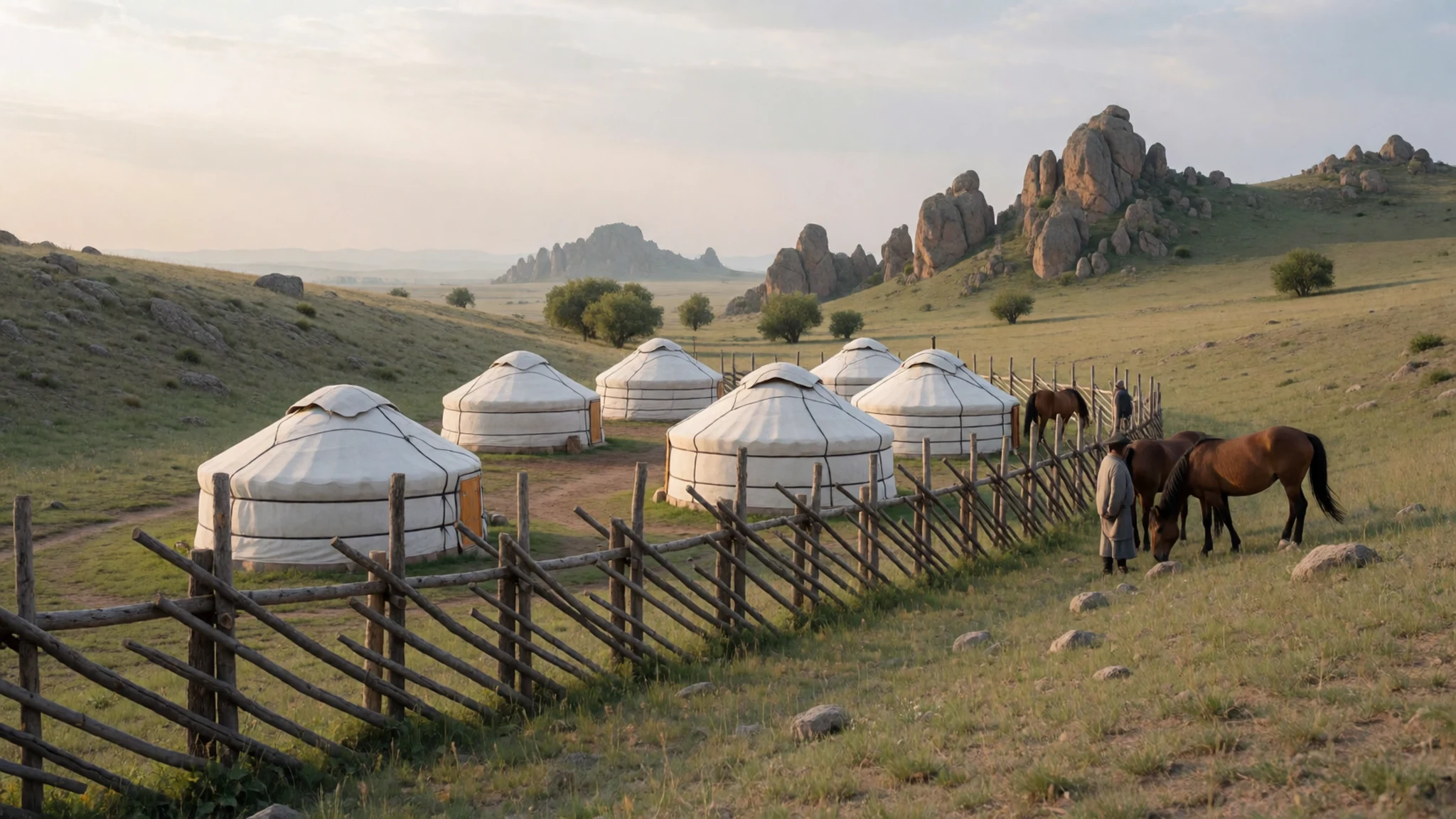
- Wide skies at dusk and night — Open ground near camp
With so little light pollution and so many clear days across Mongolia, evenings at Ikh Nart can be spectacular. Sunsets turn the rocks copper and stars fill the sky once the wind drops. Bring a warm layer, since summer nights turn cool and winter is bitterly cold.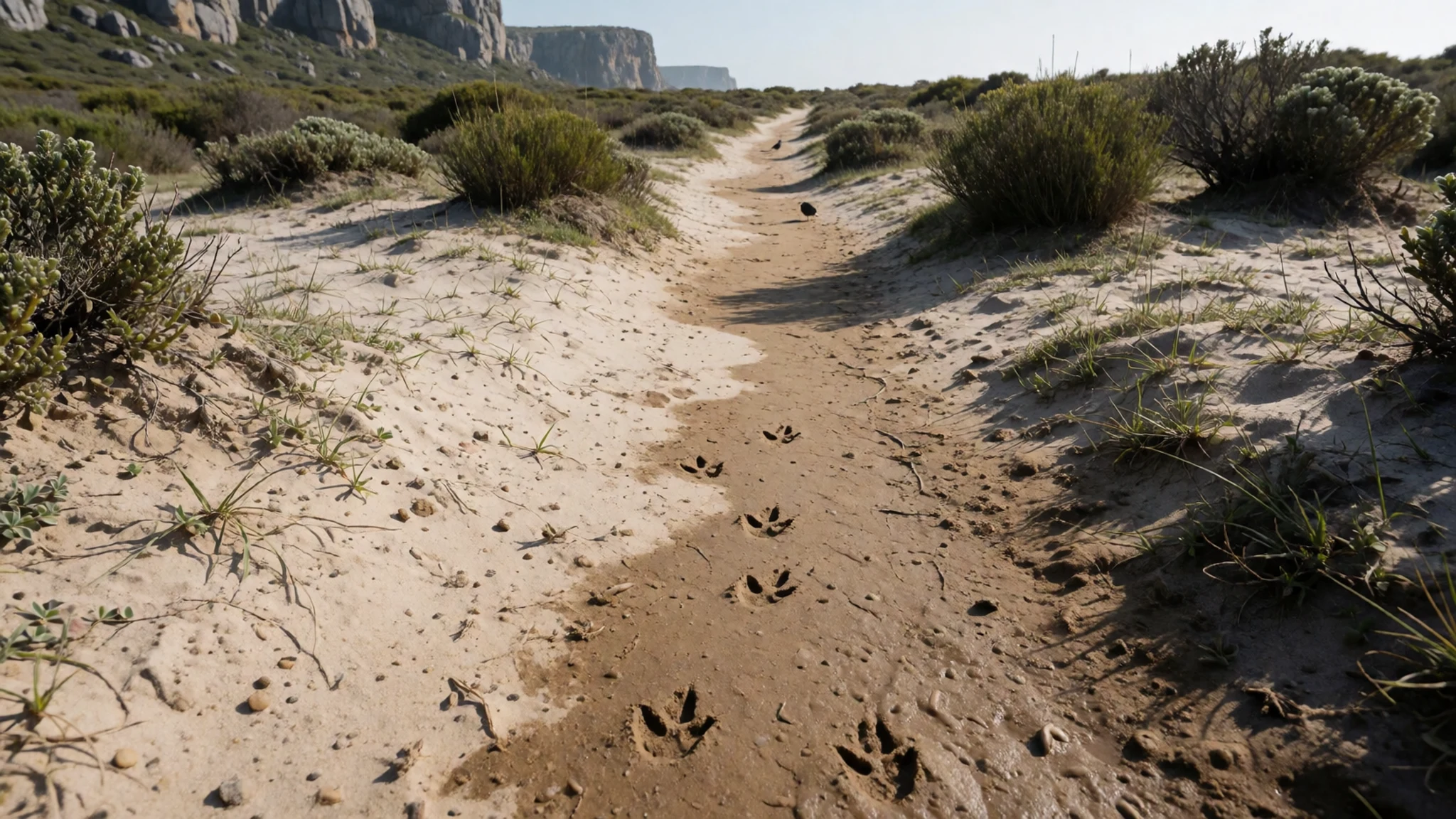
Culture
Ikh Nart Nature Reserve sits in a country where steppe herding is still a living tradition, and the manners of the countryside follow from it. Mongolians are generally direct, so expect honest opinions and plain questions, and do not read bluntness as rudeness. Western pleasantries do not always land the way they would at home, so it helps to follow local habits instead. Hospitality matters a great deal: a visitor to a ger is first given salted milk tea and a bowl of dried snacks, and refusing a gift or offering is considered rude. Accept even a small nibble and a few sips. Objects pass from one person to another with the right hand, palm up, and drinking follows the same custom. Livestock is wealth here, so animals are never treated as scenery. Guard dogs at gers can be fierce, so call out and wait to be noticed before approaching. History with neighbouring China is a sensitive subject for many Mongolians, so it is wise to let locals raise it and to avoid clothing or souvenirs that carry Chinese associations. Buddhism, shamanic traditions and respect for the land all shape daily life, and a host's sense of what is appropriate is worth following. Always receive tea, food and gifts with your right hand and palm up, and never turn down a host's offer without at least tasting it.
What to wear
Around Ikh Nart Nature Reserve the traditional garment is the deel, a long wrap-over robe closed at the side and fastened with a broad sash. Everyday versions are cotton or wool, padded or lined for winter, while festival and wedding deels are often silk, brocade and bright colours with contrast trim. Felt or leather boots with upturned toes and soft hats complete the outfit. Deels are worn on special days such as the Naadam festival, the Lunar New Year and family celebrations, and some herders still wear them daily because the cut suits riding and cold wind. In towns and on ordinary days, most people wear jeans, trousers, fleeces, jackets and trainers or boots, with a deel pulled on over the top in bad weather. A visitor should dress for the climate and terrain. Layers are essential, since days can be hot and nights cool, and winter is bitterly cold. Pack a sun hat, sunglasses, long sleeves for sun and wind, and sturdy closed boots with good grip for loose rock. Dress modestly at monasteries, with shoulders and knees covered, and remove hats on entering. Avoid clothing associated with China, which can cause offence. A scarf or buff helps against dust and wind on the steppe tracks.
What to eat
- Buuz — Canteens, tea shops and ger camps
Buuz are steamed meat dumplings, usually mutton, with a thin dough case and a juicy centre. They are eaten by hand, often in a small group, and appear at festivals as well as everyday meals. Look for them in canteens, tea shops and ger camps.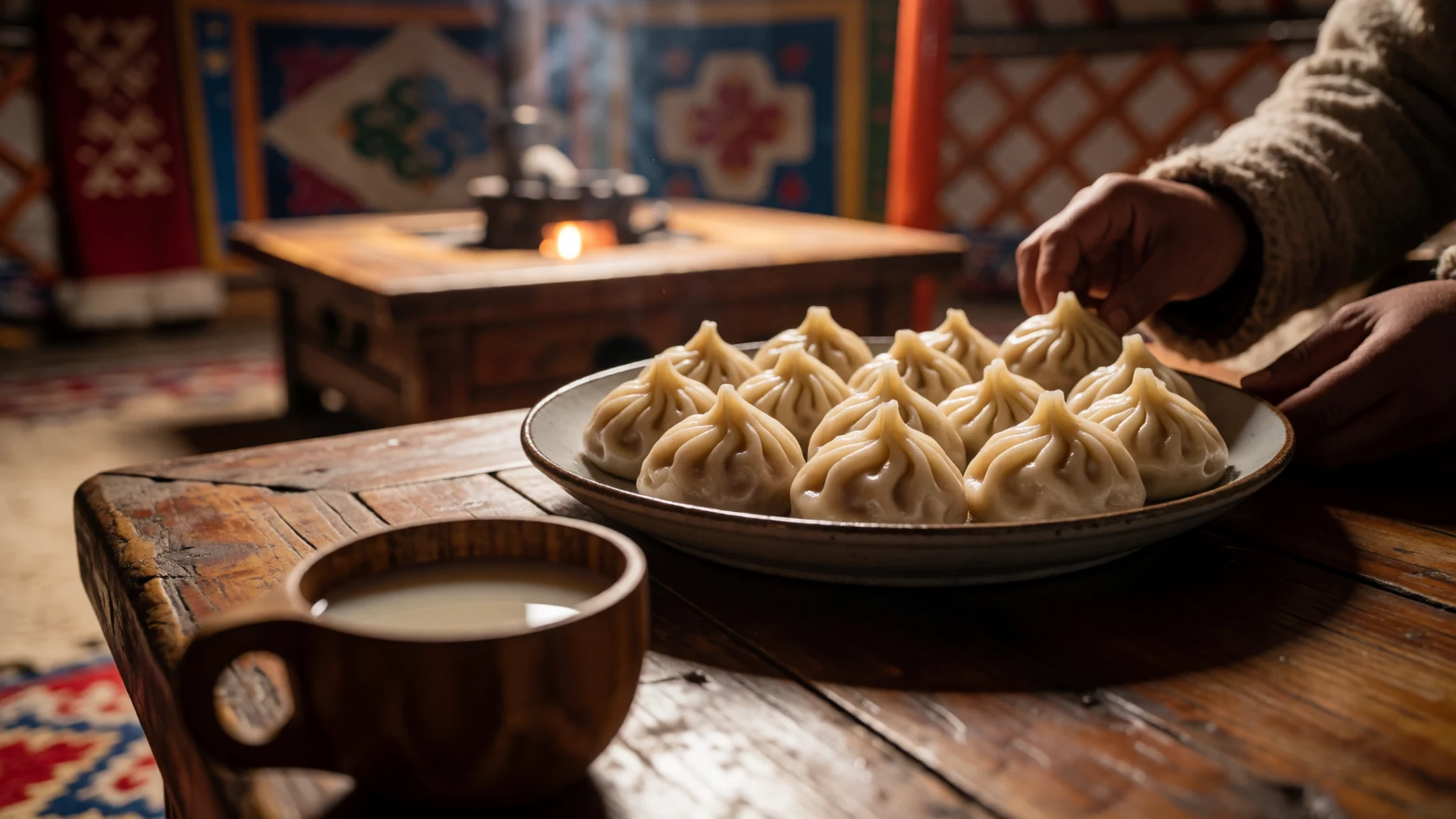
- Khuushuur — Roadside eateries and town canteens
Khuushuur is a fried flat pastry folded around minced meat and onion, crisp outside and greasy in the best way. It began as festive food and is now an everyday staple. Two or three make a solid lunch after a day on rough tracks.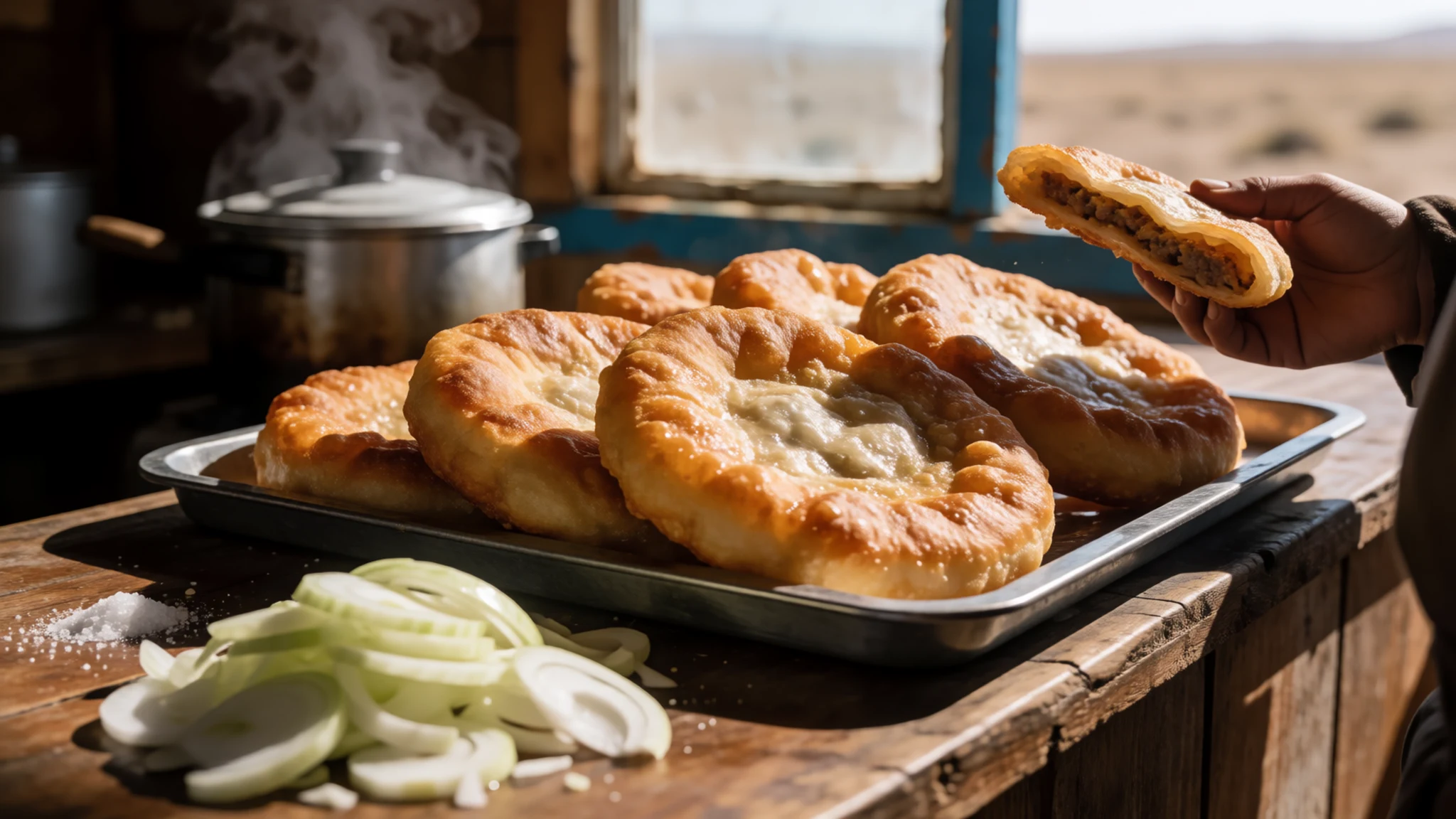
- Tsuivan — Provincial eateries and ger camps
Tsuivan is a stir-fried noodle dish with meat and a few chopped vegetables, filling and simple. Cooks vary the noodles and seasonings, and some serve it with sauces on the table. It is a dependable choice in provincial eating places. - Süütei tsai — Any ger, camp or restaurant
Süütei tsai is salted milk tea, made from boiled milk and water with a little tea and a pinch of salt. It is the first thing offered in a ger and often served alongside meals. It tastes mild and savoury, so it takes some getting used to. - Aaruul — Herding families' gers and town markets
Aaruul is dried curd, set hard in the sun and sold or shared as a snack. It is chewy only after patient sucking, and its sour, cheesy flavour divides visitors. Herding families often put a bowl out with tea as a gesture of welcome.
Plan it
Best time. May–June and September are the most comfortable months, with long clear days and cooler nights. July and August can be hot, and winter is bitterly cold, so most visitors avoid it.
How long. 2–3
Getting there. Fly to Ulaanbaatar, then travel south-east into Dornogovi Province by road, or take the Trans-Mongolian railway to Sainshand and continue by vehicle. The final leg is on unsurfaced tracks, so book a four-wheel-drive vehicle and driver through a local operator.
Budget. mid
Tips
- Arrange a driver and guide in advance, since tracks are unmarked and reception is patchy
- Carry plenty of drinking water, sun protection and a warm layer for cool nights
- Bring cash for fuel, camps and small purchases, as card machines are scarce away from towns
- Check the reserve's official channels or your operator for current access rules and fees
- Set off early, as heat and wind build through the day and distances are long
Etiquette
- Call out and wait before approaching a ger, because guard dogs are common
- Take a small nibble of food and tea when offered, and receive with your right hand
- Keep your distance from wildlife and take all rubbish away with you
Nearby
Sources
- Wikidata Q25247782 (CC0)
- Wikipedia: Ikh Nartiin Chuluu Nature Reserve (rev 1362766381) (CC BY-SA 4.0)
- Wikivoyage: Mongolia (rev 5427090) (CC BY-SA 4.0)
- Relief map of Mongolia, NordNordWest (derivative work Виктор_В), via Wikimedia Commons (CC BY 3.0)

Wildlife
- Argali (animal)
The argali is the biggest wild sheep of all, a mountain-dwelling giant that a child might remember as the king of the sheep. In Ikh Nart it is a rare treat to spot, among the craggy stone hills and dry, open grassland. Ask your guide when and where to look, as luck plays its part. Keep a respectful distance, stay quiet and still, use binoculars for a closer view, and never feed it.