Heimaey
Heimaey, Iceland
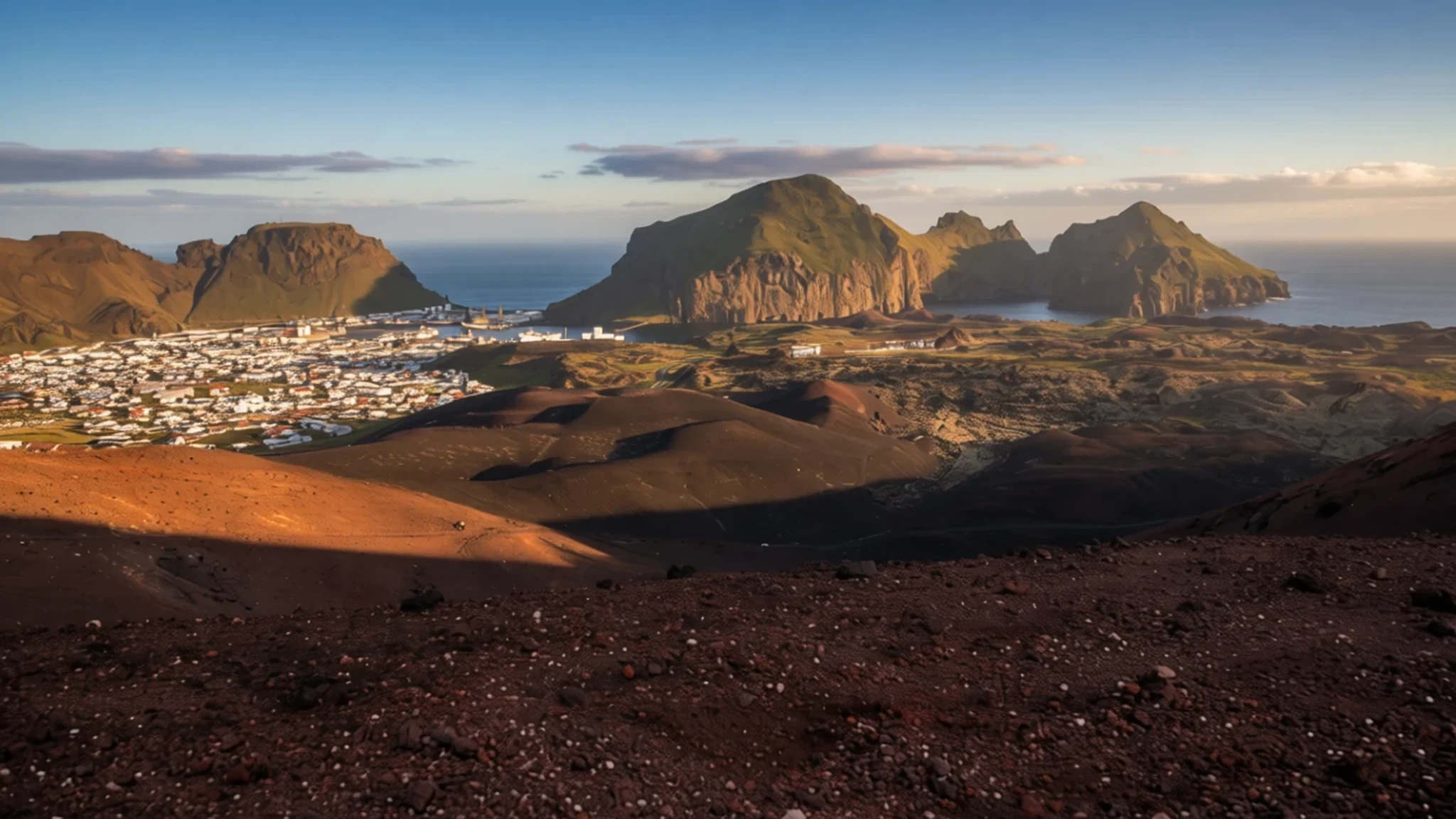
Heimaey is a small, wind-scoured Icelandic island where a town lives in the shadow of a volcano that erupted in living memory.
The place
Heimaey is the largest island of the Vestmannaeyjar archipelago, a scatter of steep green and black rock a short sea crossing off Iceland's south coast. About 4,470 people live here, nearly all of them in the single town, Vestmannaeyjabær, which wraps around a working harbour. The other islands in the group are uninhabited, though some carry small hunting cabins, and they sit on the horizon like a row of broken teeth in most photographs.
The land is young. The islands sit in the South Iceland volcanic zone and were built by eruptions across roughly the last ten to twelve thousand years. Cliffs drop straight into the sea, grassy slopes hold nesting seabirds in summer, and the newest ground, the lava field left by Eldfell, is still bare and dark above the town rooftops.
Weather is the island's real character. The climate is subpolar oceanic, wet for such a high latitude, and wind is a constant companion, mostly from the east and south-east. The southern headland of Stórhöfði has recorded the strongest gust ever measured in Iceland. Fog and rain can arrive in an hour, then clear just as fast.
Day to day the place feels like a fishing village with a museum's worth of memory. Cafés cluster by the harbour, the swimming pool is a social hub, and the pace is unhurried. Visitors tend to come for walks, boat trips and the eruption story, and many arrive on a day trip from the mainland, though an overnight stay gives the island back to its residents and the evening light.
Its story
The islands take their name from the Old Norse word for Westmen, a term Norse settlers used for the Gaels of Britain and Ireland. According to the sagas, the name arose soon after Iceland's first settlement, when Ingólfr Arnarson hunted down the thralls who had murdered his blood brother Hjörleifr and killed them on these islands. Tradition places this around 875.
The darkest chapter came in 1627. Three pirate ships from the Barbary Coast, in what is now Morocco and Algeria, landed in mid-July and stayed only a few days. In that time they killed or captured a huge share of the islanders, close to half by most accounts, and carried the captives to Algeria as slaves. They burned the church and killed one of its pastors; the other was taken. Icelanders still remember the episode as the Turkish Abductions.
The modern turning point was 1973. An eruption opened on the edge of the town, burying many buildings and forcing the whole population onto the mainland for about a month. Roughly a fifth of the town was lost. Then came an extraordinary response: crews pumped enormous quantities of cold seawater onto the advancing lava, some 6.8 billion litres, until the flow stopped short of the harbour. The harbour, and with it the fishing economy, survived. Residents returned, dug out ash-covered houses and rebuilt. Eldfell, the new cone, is now a landmark and a walking destination.
What to see
- Eldheimar — Eastern edge of Vestmannaeyjabær
This museum is devoted to the 1973 eruption and its effect on islanders' lives. It is built around the excavated remains of a house buried in ash, so the story feels physical rather than abstract. Allow an hour or so, and check the official site for opening times.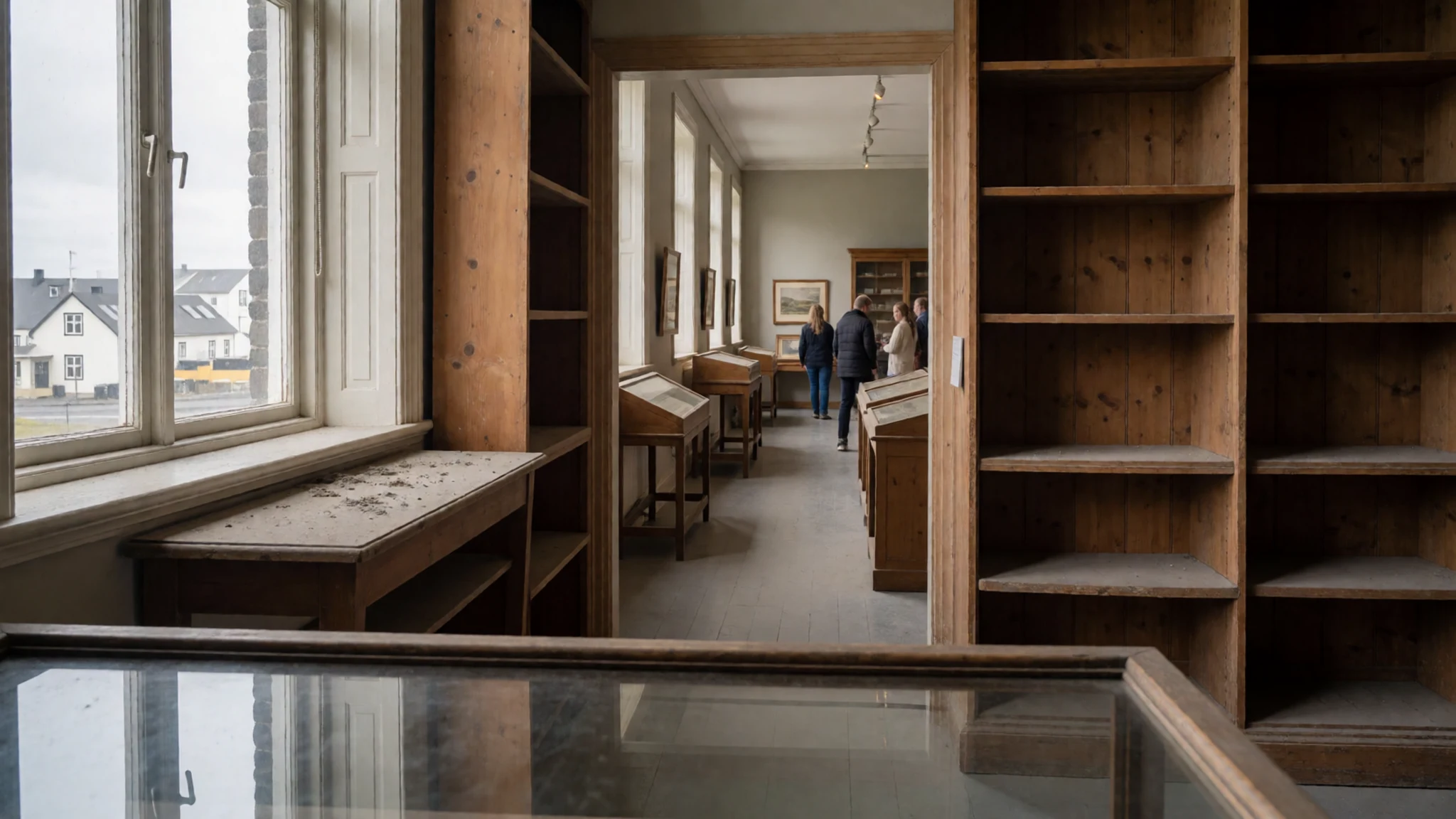
- Stórhöfði — Southern tip of Heimaey
The southern headland is a drive or hard walk from town and is known for ferocious wind, with gusts that have passed 100 km/h and calm days a rarity. Come for sea views, cliffs and seabirds, and wear proper layers even on a bright day.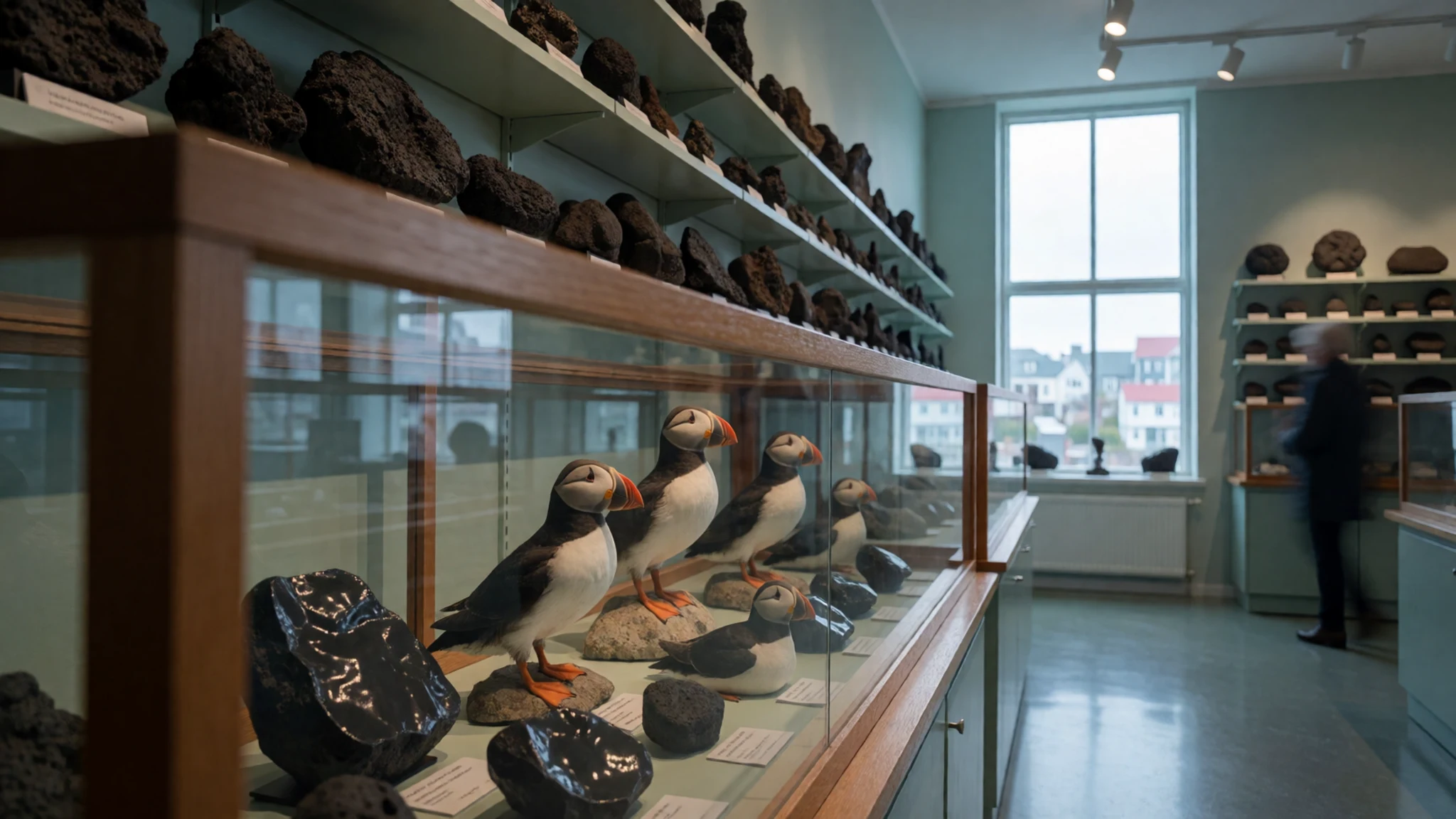
- Heimaey Circle Tour — Harbour, Vestmannaeyjabær
A boat trip of about 90 minutes circles the island's cliffs and sea caves, with a guide on board. Some guides have been known to play a trumpet or saxophone inside a cave for the acoustics. Sailings depend on swell, so book ahead and expect cancellations in rough weather.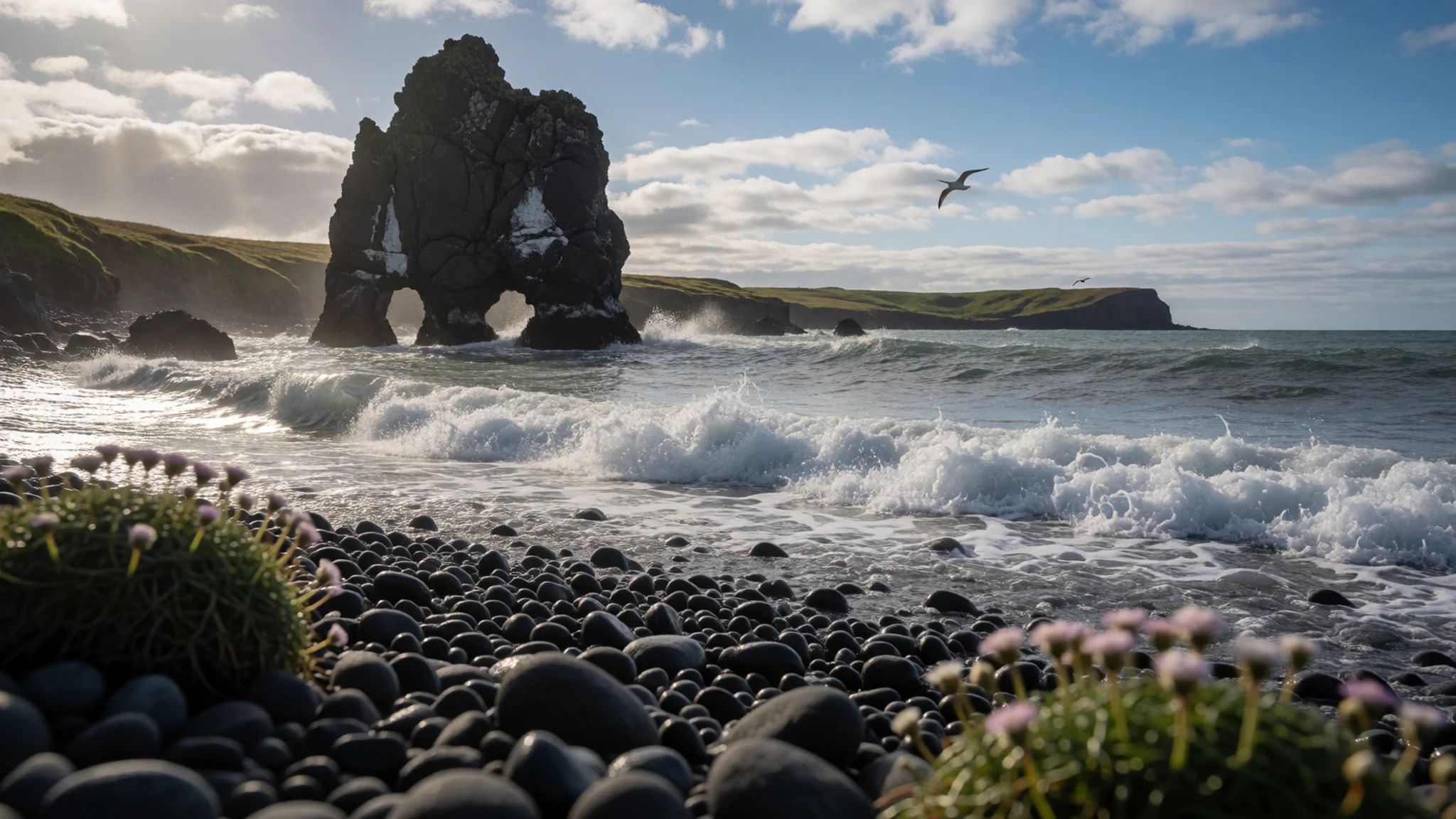
- Natural History Museum — Town centre
A compact museum covering the wildlife and geology of the archipelago, including the sea life that sustains the local fishing industry. It is a good wet-weather option, and it helps make sense of the cliffs and birds you will see once you are back outdoors.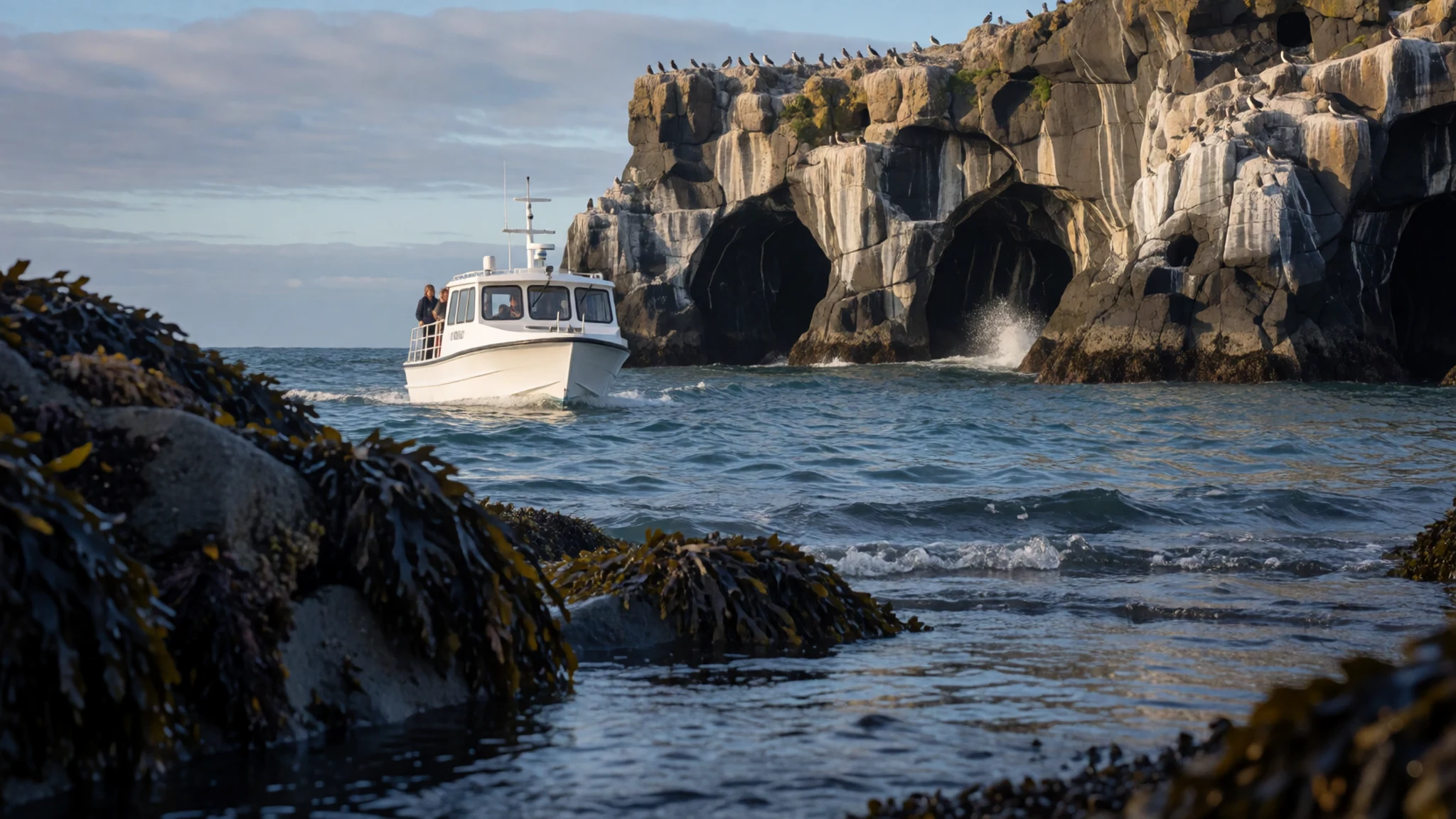
- Salt-water swimming pool — Vestmannaeyjabær
The town pool uses salt water, which makes floating easier, and it works as a community meeting place as much as a sports facility. A soak after a windy walk is the island's most reliable comfort. Bring a towel or ask about hire, and rinse first as Icelandic rules require.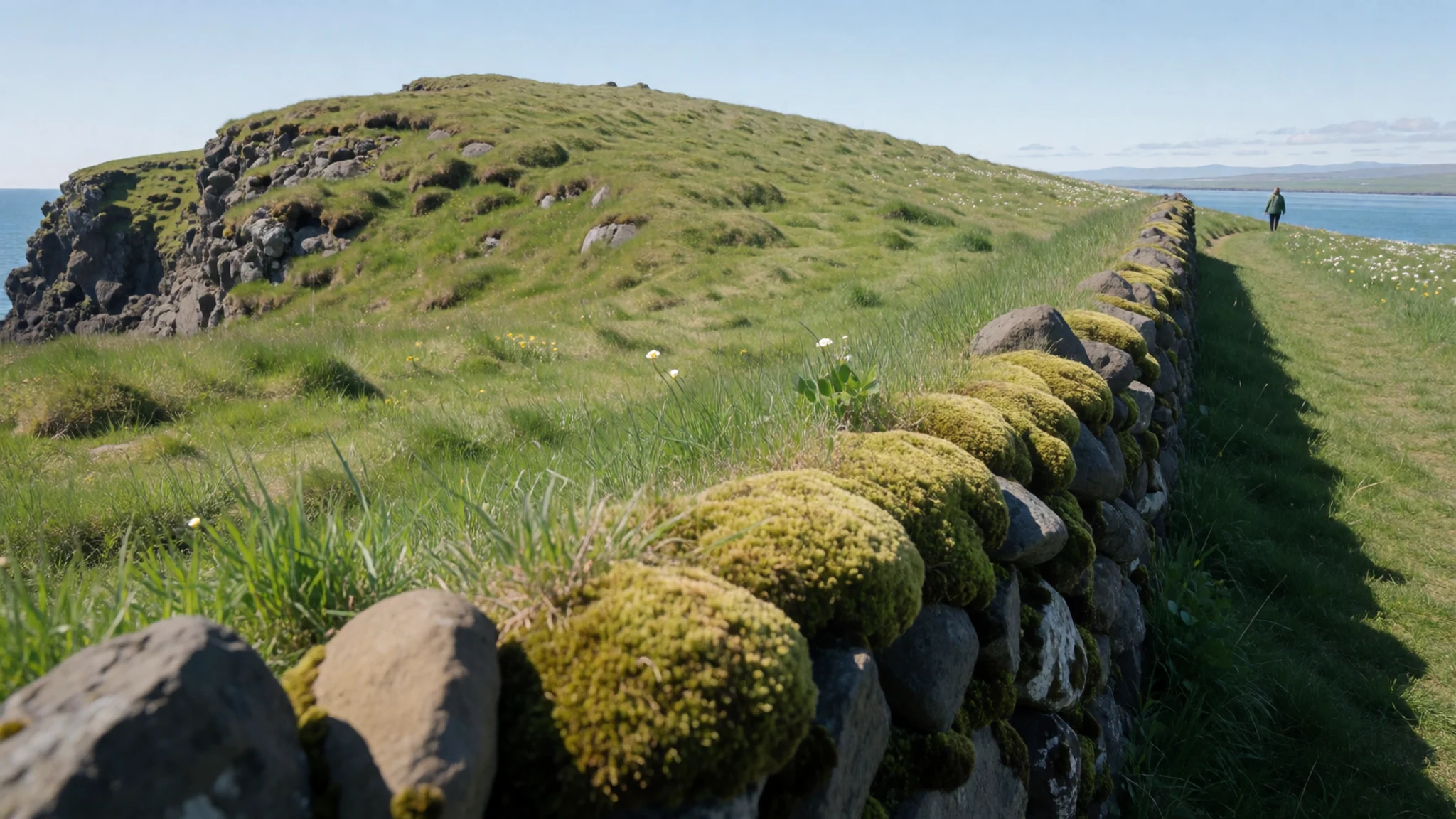
- Golf course — Near the Eldfell lava field
Nine or eighteen holes are available on a course set among lava and sea cliffs that a golf magazine ranked among Europe's most enjoyable. Wind shapes every shot. Even non-golfers sometimes walk its edges for the dramatic views toward the neighbouring islands.
Culture
Heimaey's culture is that of a fishing community that has been tested twice, by pirates in 1627 and by fire in 1973, and the memory of both is part of everyday talk. Fishing still shapes the rhythm of the harbour, and boats, nets and the smell of the catch are ordinary background rather than a show for visitors.
The island's big social moment is Þjóðhátíð, an outdoor festival held on a summer weekend, when the town fills with tents, music and singing. Locals take it seriously and plan around it all year, and accommodation and ferries book out well in advance. At other times the evening scene is relaxed, with talk in cafés and bars, a beer from the local brewery, and long conversations about weather and sailings.
Icelandic is the everyday language, and English is widely understood. People tend to be direct and unfussy rather than effusive, and they respect those who prepare for conditions. Memory of the eruption is handled with pride and some wryness, since the lava that nearly ended the town also improved its harbour. Many families have stories of the evacuation night, and visitors who listen well are often told them.
When you walk on the lava fields or near the cliffs, stay on the marked paths and keep clear of nesting birds and unstable edges, as the turf is fragile and the drops are real.
What to wear
Heimaey has no distinctive island costume of its own. The traditional dress of Iceland is the national costume, the þjóðbúningur, worn by women on formal occasions such as national holidays, weddings and confirmations. It is made of dark wool with silver or gilt belts and embroidery, and an Icelandic knitted sweater, the lopapeysa, is the everyday cousin, patterned around the yoke and spun from the wool of local sheep.
What people actually wear is practical. Waterproof shells, fleece, wool base layers and sturdy boots are the norm, with outdoor brands everywhere, because the weather is wet and windy and changes quickly. A smart jumper and clean trainers are fine for dinner out, and festival weekends bring a more colourful, casual mood.
For visitors, think in layers. Pack a windproof and waterproof jacket with a hood, waterproof trousers if you plan to walk or take a boat, a warm hat and gloves even in summer, and a wool or fleece mid-layer. Footwear matters more than anything: boots with grip for wet grass, lava rock and gravel paths. A swimsuit is needed for the pool. No dress code applies at churches or museums, although modest, tidy clothing is appreciated in a church. Bring sunglasses too, as low light off the sea can be sharp.
What to eat
- Fresh local fish — Harbour-front eateries in Vestmannaeyjabær
Haddock, cod and other catch come straight off the island's boats, usually pan-fried with butter and potatoes or served in a simple fish soup. Look for it at harbour-side restaurants and cafés in Vestmannaeyjabær, where the daily choice depends on the weather.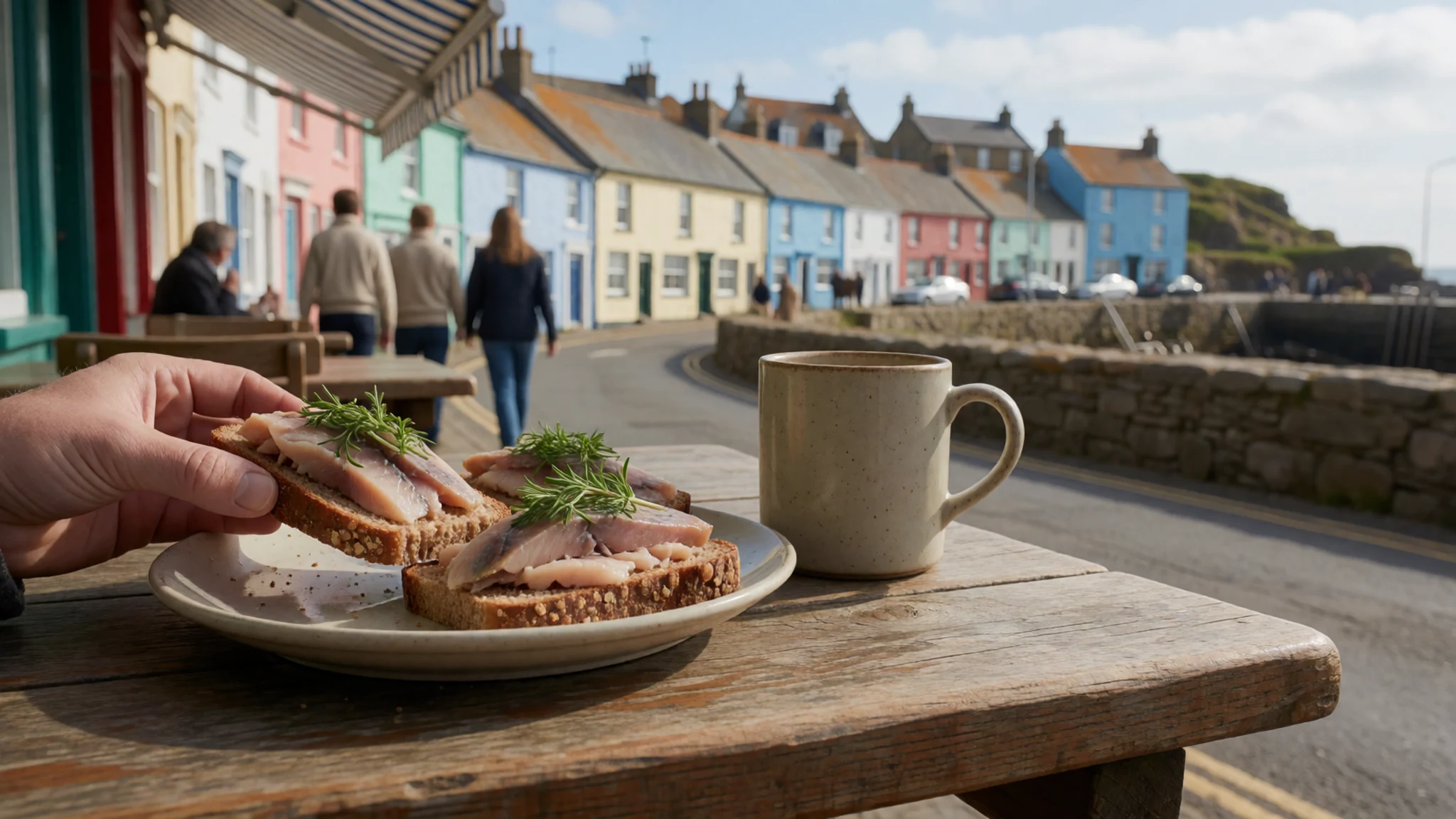
- Seasonal tasting menus — Small restaurants in the town centre
Some of the island's smaller restaurants build short, seasonal menus around local seafood, lamb and foraged ingredients. Opening depends on the season, and tables are limited, so check the website of the restaurant you choose and book ahead for dinner.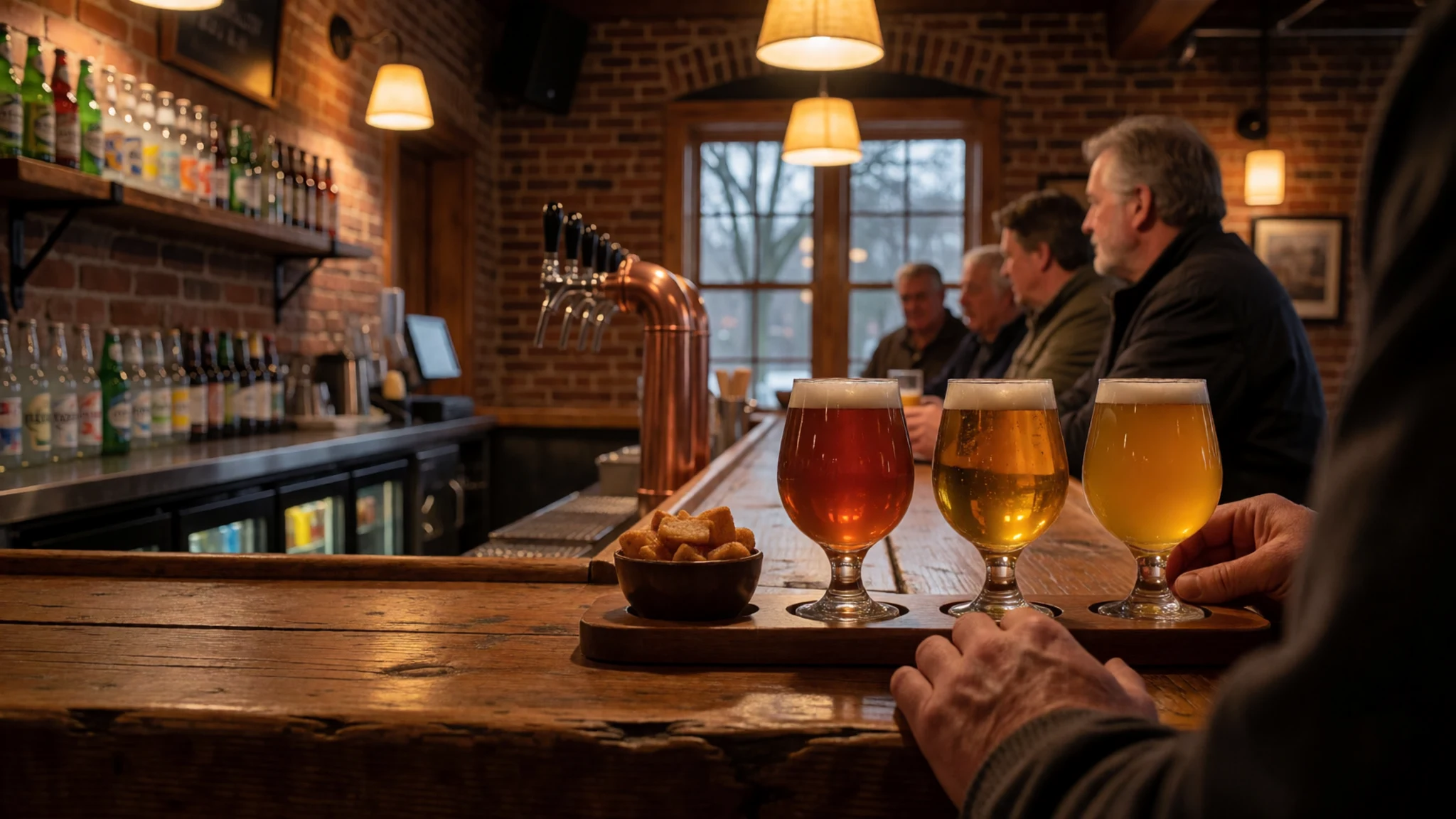
- Local craft beer — The Brothers Brewery taproom, near the harbour
A local brewery and taproom pours its own beers and craft seltzers, with light bar snacks to go alongside. It is a relaxed place to dry off after a windy day and chat with residents, especially on quieter evenings outside the festival weekend. - Café coffee and baked goods — Cafés around the harbour and town centre
Harbour and town-centre cafés serve strong coffee, soft drinks and cakes or pastries, and they double as shelter from the weather. Staff are used to walkers and boat-trip passengers coming in wet, so linger over a warm drink and a slice of something sweet. - Cocktails and natural wine — Næs, in the town centre
One seasonal restaurant and drinking spot offers carefully made cocktails and a short list of natural wines. It suits a slow evening after a day outdoors. Full-strength wine and spirits to take away come from the state shop, not the supermarkets.
Plan it
Best time. June to August has the longest days and the most reliable boat crossings and walking conditions, though wind is still likely. Winter is dark, stormy and prone to cancelled sailings, so only go then with flexible plans.
How long. 1–2
Getting there. Fly to Reykjavik, then take a bus to Landeyjahöfn on the south coast. The Herjólfur ferry crosses to Heimaey in about 30 minutes, or from Þorlákshöfn in about 2 hr 45 min when conditions are rough.
Budget. mid
Tips
- Book the Herjólfur ferry well ahead in summer and check the official site on the morning you travel, since weather can change the route
- Tap water is safe to drink, so carry a reusable bottle
- Buy wine and spirits from the state shop before Sunday or public holidays, when it may be closed
- Pack waterproofs and a windproof layer whatever the forecast
- Avoid the Þjóðhátíð weekend unless you want the festival, as rooms and ferries fill up
Etiquette
- Stay on marked paths on lava and clifftops, and keep away from nesting birds
- Shower without a swimsuit before using the pool, as local rules require
- Respect the memorials and ask before photographing residents at close quarters
Nearby
Sources
- Wikidata Q187251 (CC0)
- Wikipedia: Vestmannaeyjar (rev 1376969433) (CC BY-SA 4.0)
- Wikivoyage: Vestmannaeyjar (rev 5421331) (CC BY-SA 4.0)
- Vestmannaeyjar018, Hansueli Krapf (CC BY 3.0)
- Isla Elliðaey, Diego Delso (CC BY-SA 4.0)
- Islas Suðurey, Hellisey, Súlnasker y Geldungur, Diego Delso (CC BY-SA 4.0)
- Islas Smáeyjar, Diego Delso (CC BY-SA 4.0)
- Gulf stream map, RedAndr (CC BY-SA 2.5)
- Aerial view of the Westmen Isles, Bruce McAdam (CC BY-SA 2.0)
- Vestmannaeyjar044, Hansueli Krapf (CC BY-SA 2.5)
- Vestmannaeyjar as seen from route 1, Gruesome Gary (CC BY 3.0)


