Iceland
Iceland, Iceland
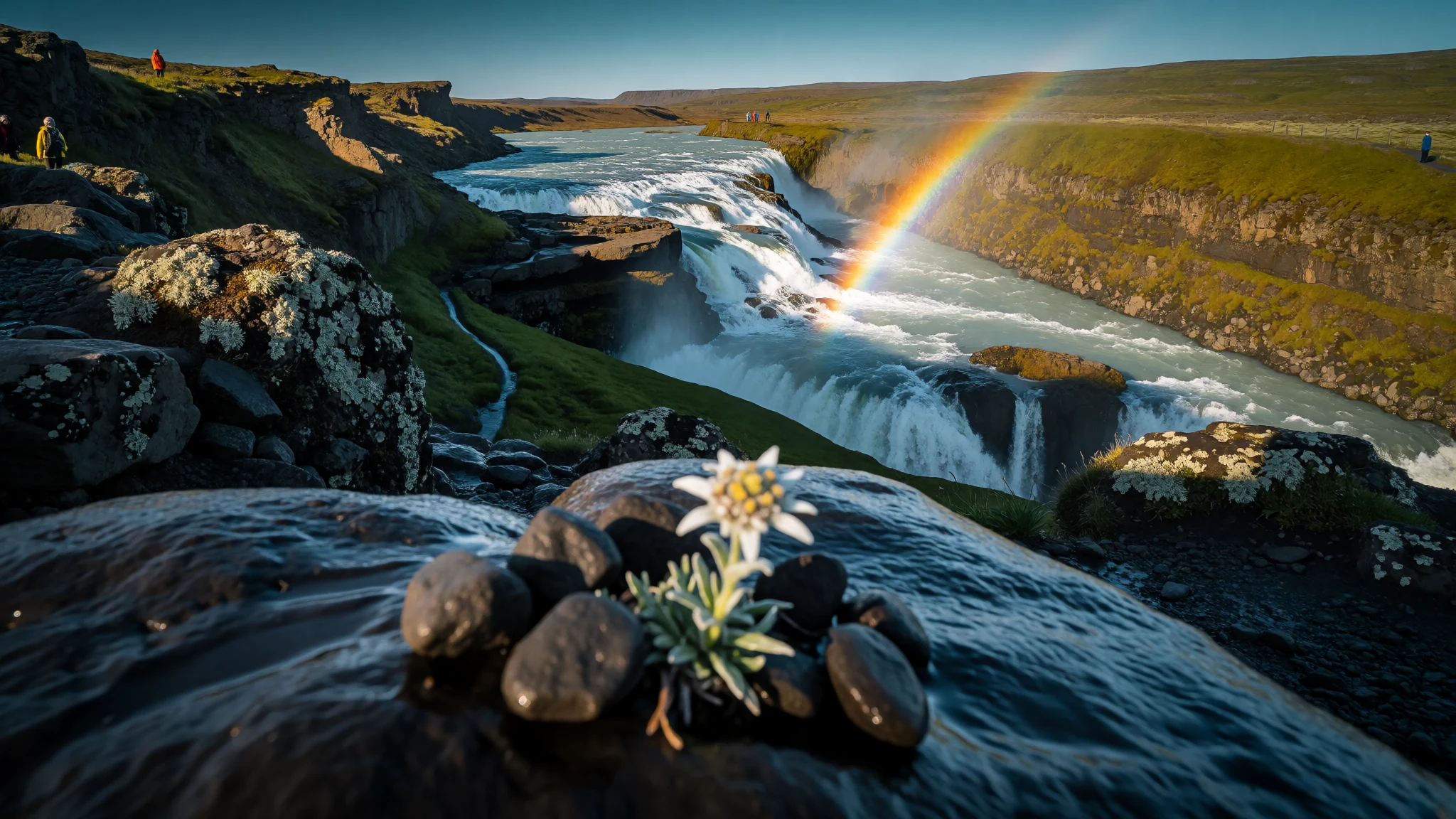
Iceland offers a rare combination of active volcanoes, massive glaciers, and prime locations for viewing the aurora borealis.
The place
Iceland is a Nordic island nation situated in the North Atlantic, positioned uniquely on the Mid-Atlantic Ridge where the Eurasian and North American tectonic plates diverge. With a population of approximately 376,248, it is one of the most sparsely populated countries in Europe. Reykjavík serves as the capital and largest city, anchoring the western part of the island. The geography is defined by dramatic contrasts: the interior is dominated by a high volcanic plateau covered in sand and lava fields, while the periphery features lowlands through which glacial rivers carve their way to the sea. Despite its high latitude, just south of the Arctic Circle, the climate is tempered by the Gulf Stream. This marine influence creates a polar climate on many of the smaller islands but allows for milder conditions on the main island. Summers are typically chilly, while winters can be harsh, though geothermal activity provides significant warmth to both the environment and the local energy supply. The country is rich in geothermal features, including hot springs and active geysers, alongside a landscape frequently shaped by volcanic eruptions. The terrain is rugged and varied, offering a sense of isolation and wildness that is rare in modern Europe. The official language is Icelandic, a North Germanic tongue that preserves many archaic features of its ancestors.
Its story
The settlement of Iceland began in the late ninth century, with the arrival of Scandinavian explorers and chieftains. In 874, the chieftain Ingólfr Arnarson established his homestead in what is now Reykjavík, marking the start of permanent settlement. Prior to this, the island was known to earlier voyagers, including Garðar Svavarsson who circumnavigated the island around 870. By the early tenth century, most of the arable land had been claimed, leading to the eventual establishment of the Althing in 930, a legislative assembly that operated for centuries as a commonwealth. The culture that developed was deeply rooted in North Germanic traditions, with a strong emphasis on independence and self-sufficiency. Centuries of relative isolation helped preserve linguistic and cultural identities, keeping the Icelandic language remarkably close to Old Norse compared to other modern Nordic languages. The sagas, written during the medieval period, remain a central pillar of cultural identity. The country’s history is also marked by its strategic position in the North Atlantic, leading to periods of rule by Norway and then Denmark, with sovereignty as a kingdom from 1918 and a republic from 1944. The modern state continues to reflect its old-world roots, with a society that highly values freedom of expression and assembly.
What to see
- Þingvellir National Park — Inland east of Reykjavík
This area is historically significant as the location of the Althing, the ancient parliamentary site. The landscape offers a clear view of the rift where the tectonic plates pull apart, through which a river has carved a deep canyon. It is a place where history meets geology, offering a profound sense of the island's ongoing geological evolution and its political heritage.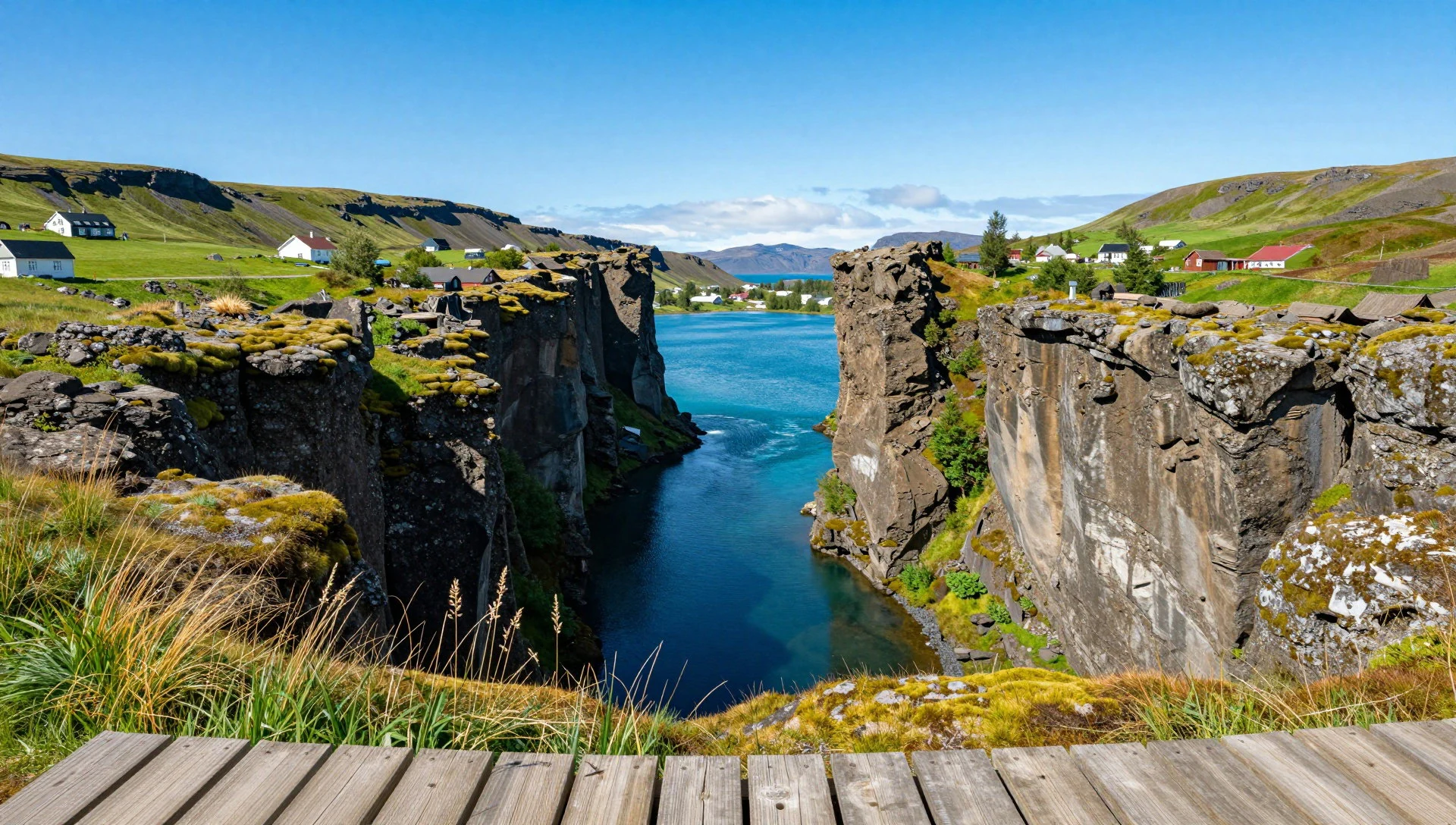
- Geysir and Strokkur — Haukadalur, South Iceland
Located in the Haukadalur geothermal area, these are the most famous hot springs. Strokkur erupts regularly, shooting columns of steam high into the air. The area is characterized by bubbling mud pots and white silica deposits, representing some of the most active geothermal areas on the main island. It is a reliable stop for witnessing the earth's internal heat on the surface.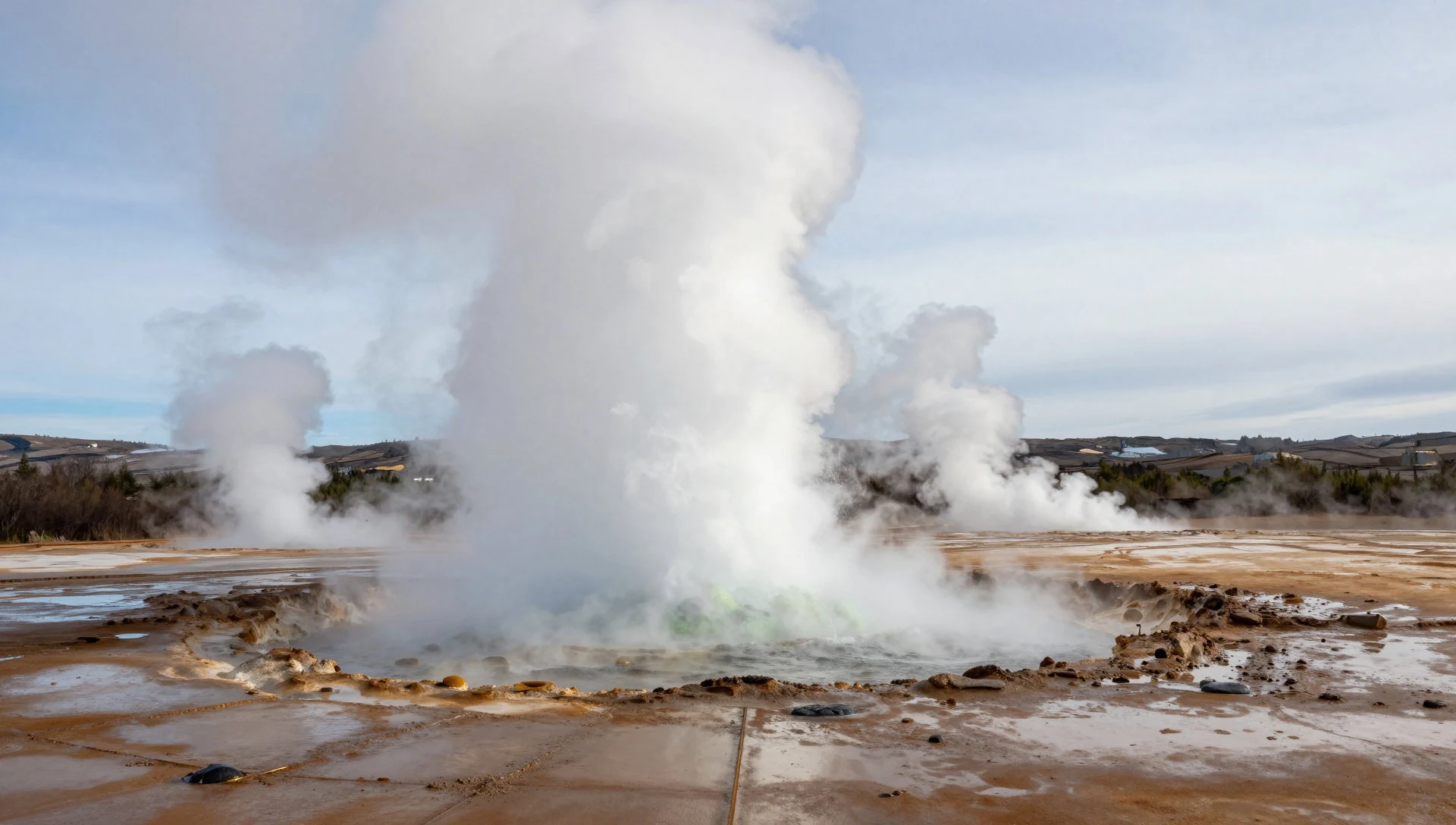
- Gullfoss — South Iceland
A powerful waterfall on the Hvítá river, Gullfoss cascades in two stages, plunging into a deep canyon. The flow volume changes with the seasons, but even in low-flow periods, the roar and the mist create a dramatic experience. The surrounding basalt columns and sheer drops emphasize the raw power of the glacial meltwater systems in the region.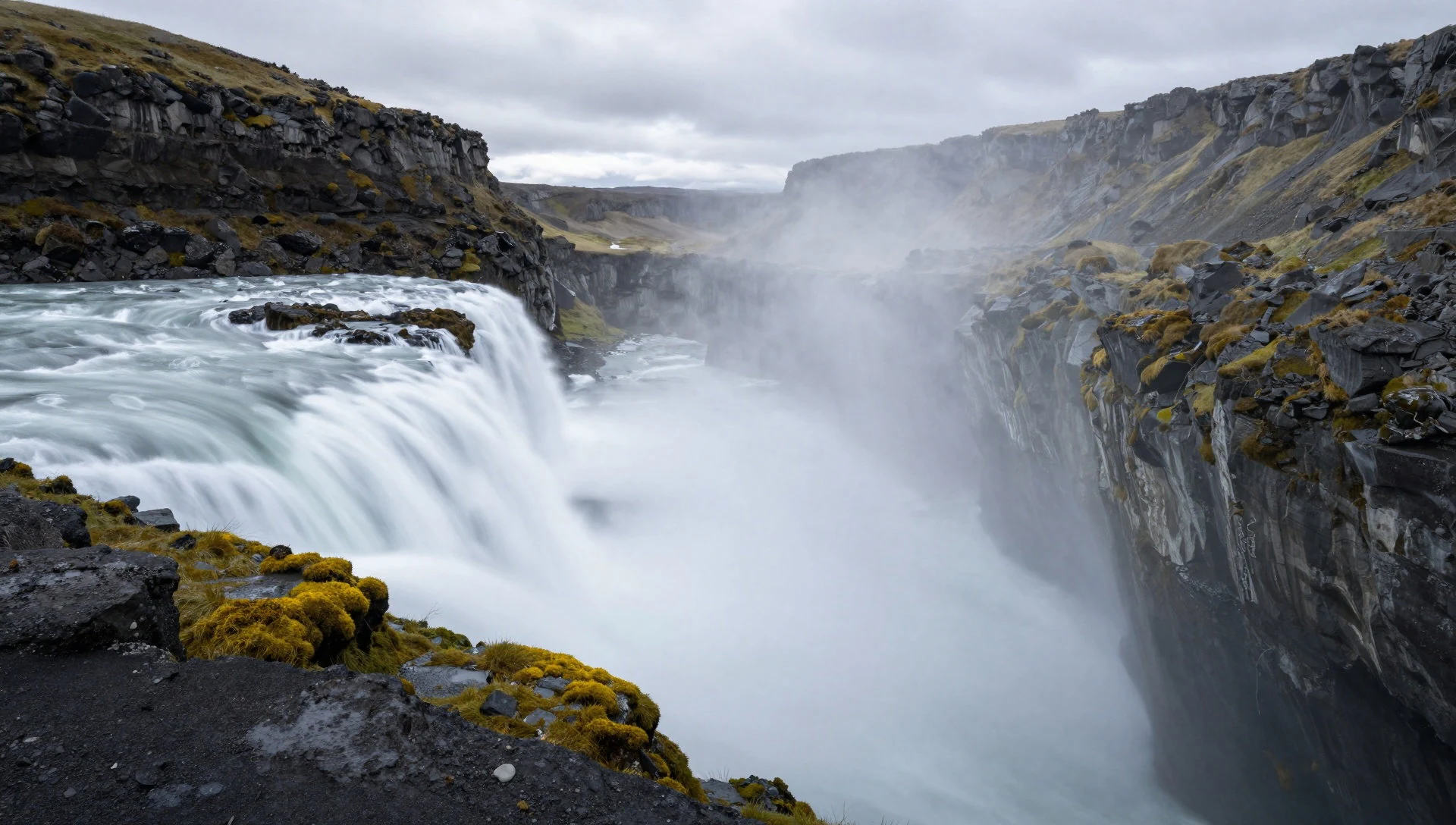
- Jökulsárlón — Southeast Iceland
A large glacial lake formed by the retreat of the Breiðamerkurjökull outlet glacier. Large icebergs calve from the glacier front and drift slowly towards the ocean. The water is a distinctive turquoise color due to glacial flour. The lake is a popular spot for boat tours and observing seals that inhabit the bay, offering a unique perspective on glacial retreat.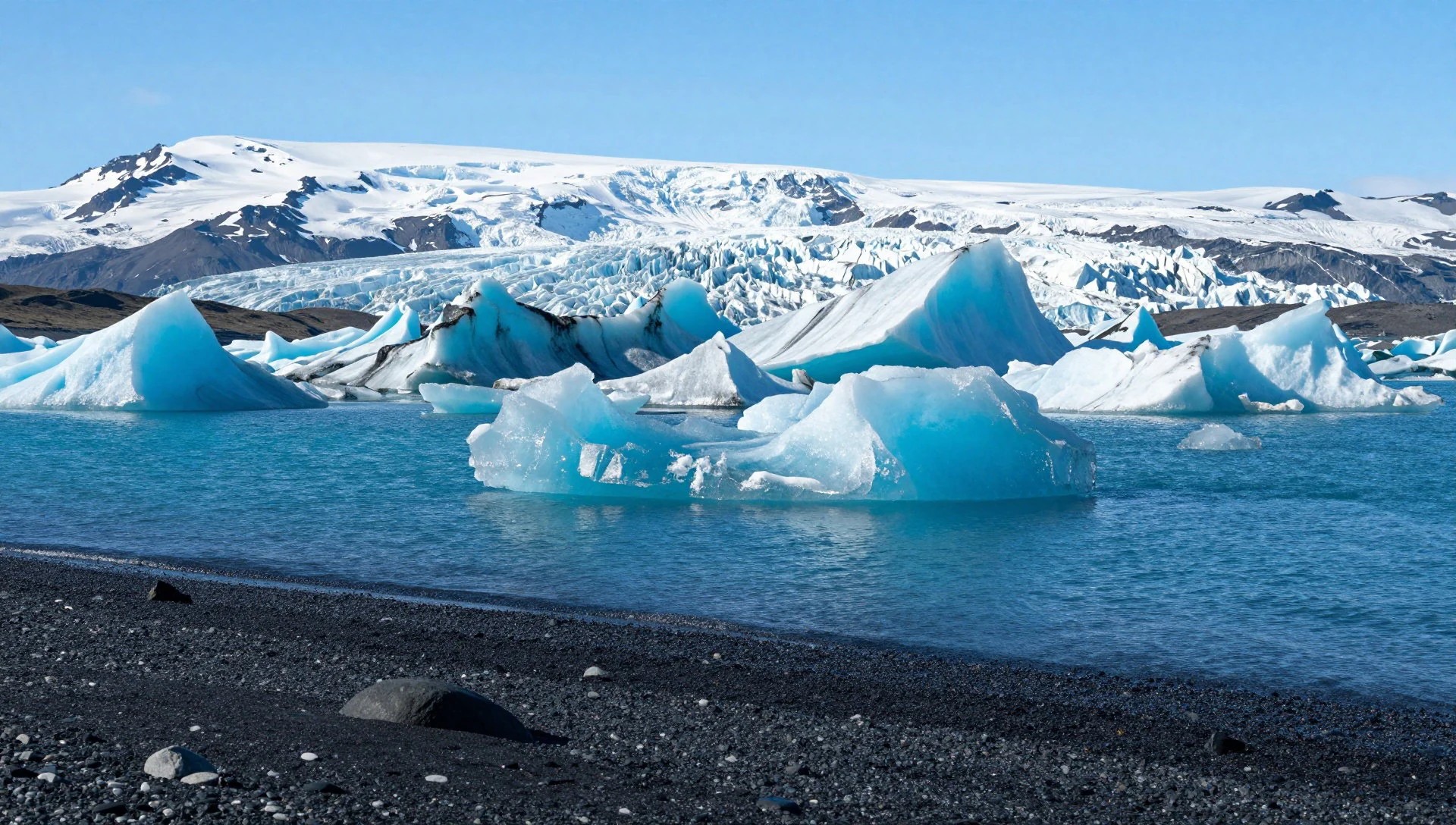
- Aurora Borealis Sites — Nationwide, away from lights
The northern lights are visible from many locations away from city lights, typically between September and April. Viewing conditions depend on dark skies, low cloud cover, and solar activity. Rural areas and coastal stretches offer the best chances, with the green and purple lights reflecting on the water or illuminating snow-covered landscapes during the long winter nights.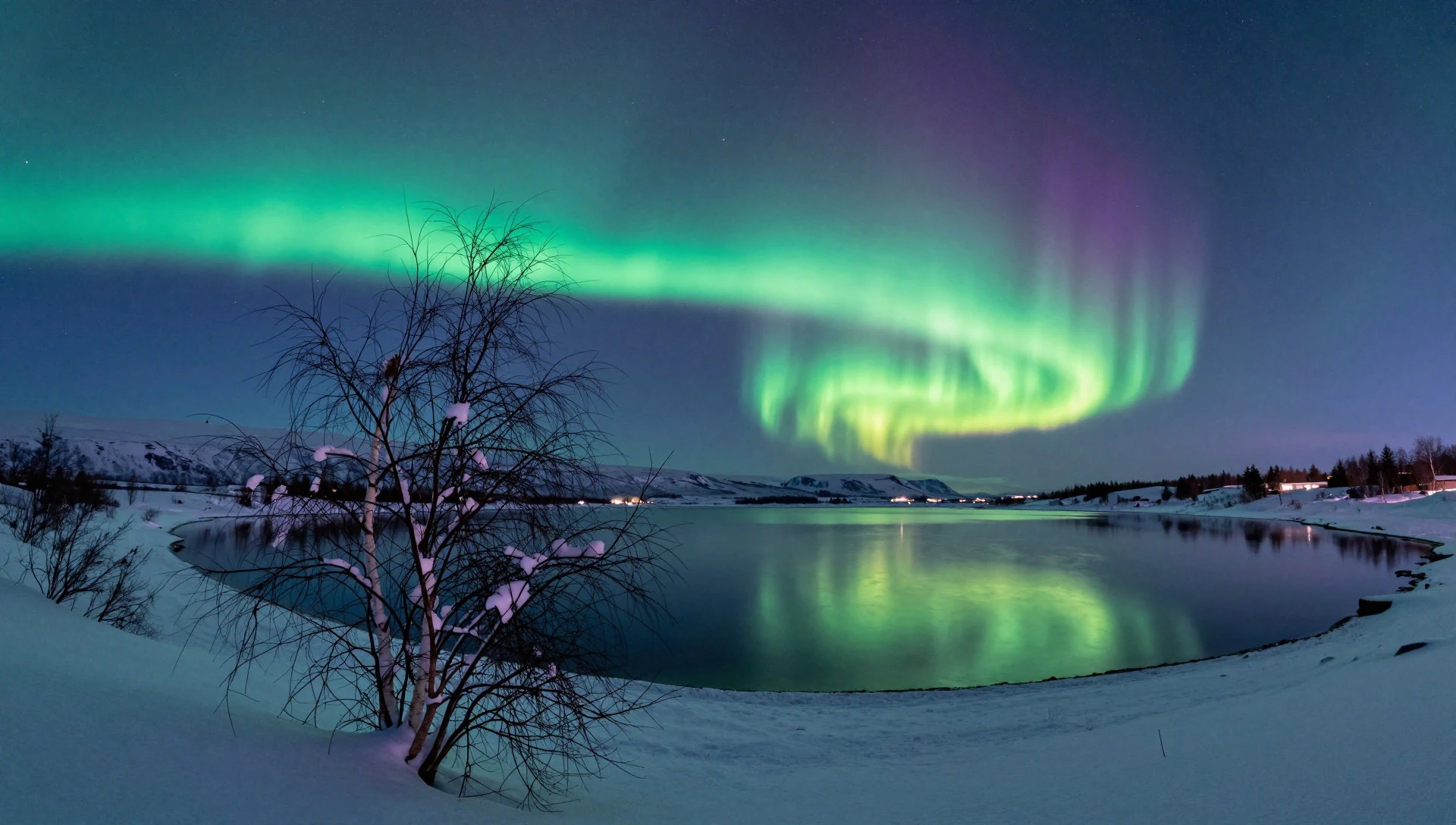
Culture
Icelandic culture is deeply rooted in North Germanic traditions, heavily influenced by the isolation of the island. The sagas, written in the medieval period, continue to be central to the national identity, providing a sense of continuity with the past. The Icelandic language is a living expression of this heritage, remaining very close to Old Norse. Independence is a core value, with a high percentage of the population placing significant importance on self-sufficiency. The society has a strong tradition of upholding human rights, including freedom of expression, religion, and assembly. The arts, particularly music and literature, are vibrant and widely supported by the state and the community. The small population size fosters a tight-knit social environment, though visitors are often welcomed with polite hospitality. The relationship with the natural environment is complex; geothermal energy is used for heating and electricity, demonstrating a practical integration of nature and modern life. The culture values pragmatism and a strong work ethic, with a focus on outdoor activities and community events. Visitors should note that the culture is direct and open, with little emphasis on formal hierarchy. A specific etiquette for visitors is to always treat geothermal areas with respect, staying on marked paths and not entering the water in pools where it is prohibited, as the heat is actively managed for safety and sustainability.
What to wear
Traditional Icelandic dress features heavy wool knits and simple, functional designs adapted to the harsh climate. The lopapeysa, a knitted sweater with a distinctive V-shaped pattern across the chest, is a national symbol, typically worn by both men and women. Historically, clothing was made from home-spun wool and sheepskin, reflecting the agrarian and pastoral roots of the population. Today, everyday fashion is modern and aligns with broader European trends, with urban centres like Reykjavík reflecting global styles. However, the climate dictates practicality. Rain is frequent throughout the year, and temperatures can drop sharply, even in summer. For visitors, layering is essential. A reliable waterproof and windproof outer layer is necessary, along with warm mid-layers and thermal base layers. Footwear should be waterproof and robust, with good grip for wet grassy or rocky terrain. Sturdy boots are recommended for hiking and exploring geothermal areas, where the ground can be slippery and uneven. It is common to see people in practical, warm clothing, and visitors should prepare for cold rain and wind in all seasons.
What to eat
- Skyr — Supermarkets and local dairies nationwide
A thick, yogurt-like dairy product that is a staple of the Icelandic diet. It is traditionally made from skírir, a type of whey, and is high in protein and low in fat. It is often served with milk, sugar, or fresh berries and is available in many different flavours in supermarkets and local stores across the country.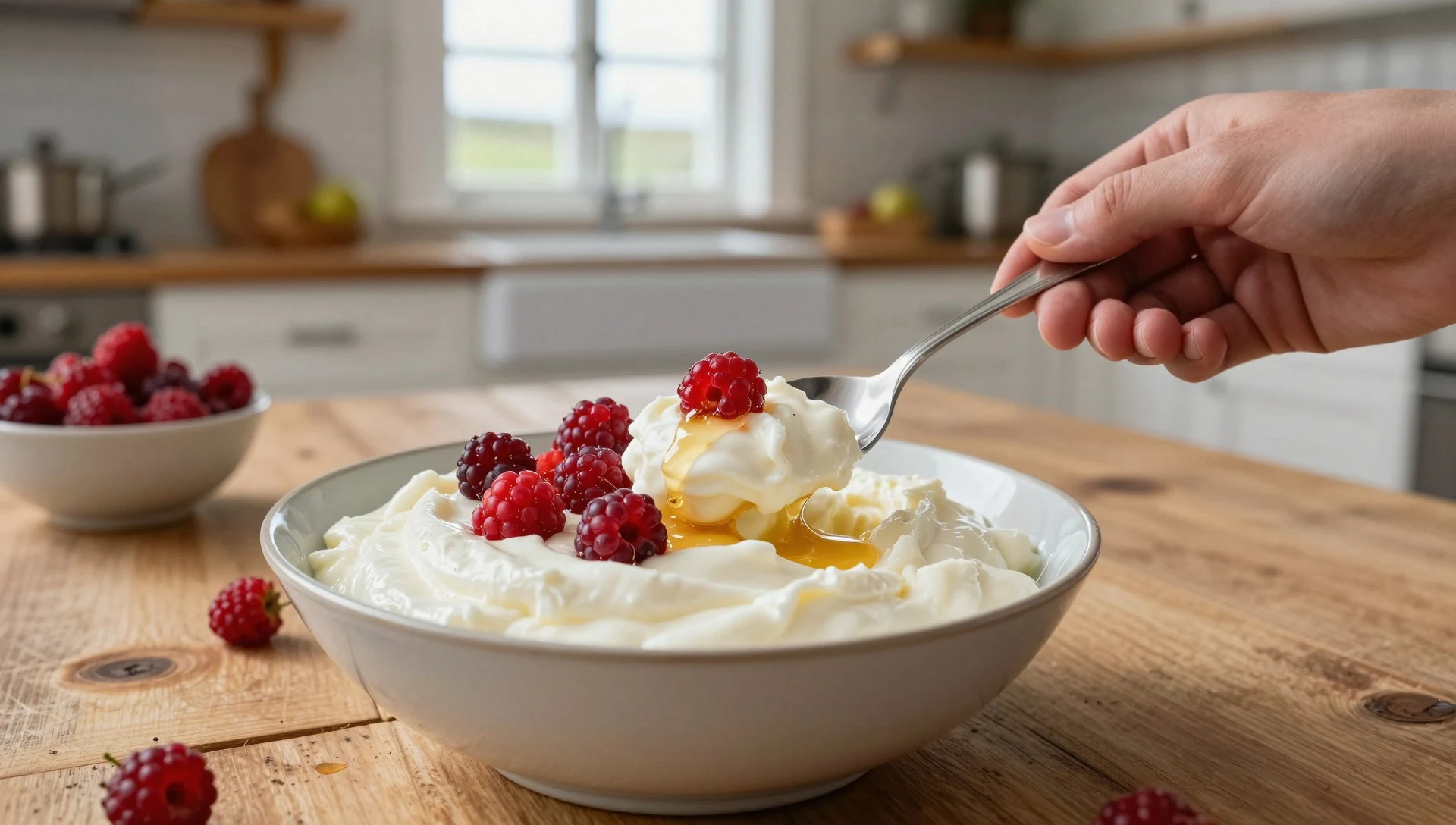
- Harðfiskur — Traditional rural households and specialty food shops
Dried and cured fish, often served as a snack or appetizer with fermented butter. The process of drying the fish in the wind and sun gives it a distinct, chewy texture and a concentrated flavour. It is a traditional way to preserve catch and reflects the importance of the sea in the island's history and diet.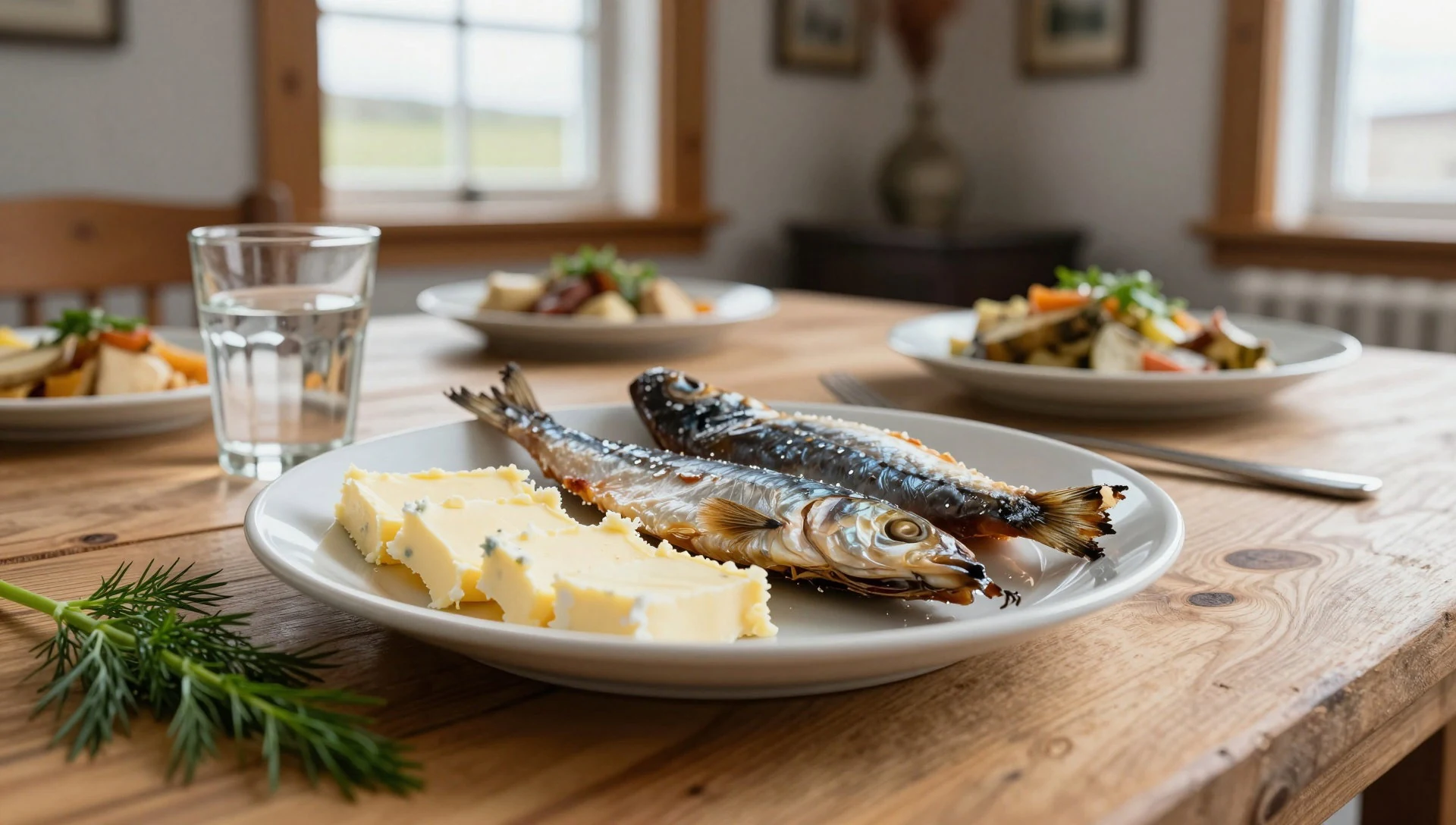
- Lamb Soup — Traditional eateries and family home kitchens
A hearty and common winter dish made with local lamb, root vegetables, and potatoes. The meat is usually smoked or fresh and is slow-cooked to ensure tenderness. It is a comforting meal that utilizes locally available ingredients and is a staple in many family homes and traditional restaurants throughout the colder months. - Arctic Char — Fish restaurants and coastal towns
A freshwater fish often served grilled, smoked, or fried. It is a local specialty, particularly in the northern and eastern parts of the country. The fish is known for its mild, delicate flavour and is often a feature of tourist menus and local fish markets, representing the country's diversity in aquatic resources. - New Nordic Cuisine — Fine dining restaurants in Reykjavík
Modern Icelandic dining in Reykjavík has embraced the New Nordic movement, focusing on local, sustainable, and organic ingredients. Chefs reinterpret traditional ingredients in contemporary forms, creating fine-dining experiences. This trend has gained international recognition, with several high-end restaurants gaining acclaim for their innovative and high-quality menus.
Plan it
Best time. June to August is the standard tourist season, offering the mildest weather and the midnight sun. September to April is best for aurora hunting, but weather is colder and days are shorter.
How long. 7–10
Getting there. Fly into Keflavík International Airport (KEF), located on the southwest peninsula. From there, it is a road journey of approximately 30 to 40 minutes (about 50 km) to Reykjavík. Renting a car or joining a tour is the most efficient way to explore the country due to the lack of a nationwide rail network.
Budget. high
Tips
- Book accommodation early for July and August, as these months are the busiest, and book September a month or more ahead.
- Check the weather forecast daily, as conditions can change rapidly.
- Do not drive off-road; Icelandic roads are specifically permitted, and damage to vegetation is a serious offence.
- Tap water is safe to drink in most hotels; hot geothermal water is for heating and pools.
- The midnight sun in summer can disrupt sleep; bring an eye mask if needed.
- Carry a waterproof jacket, as rain is frequent even in summer.
Etiquette
- Stay on marked paths in nature reserves and geothermal areas.
- Do not touch or disturb animals, especially seals and seabirds.
- Respect local privacy; knock before entering homes or private properties.
Nearby
Sources
- Wikidata Q189 (CC0)
- Wikipedia: Iceland (CC BY-SA 4.0)
- Wikivoyage: Iceland (CC BY-SA 4.0)