Reykjavík
Reykjavík, Iceland
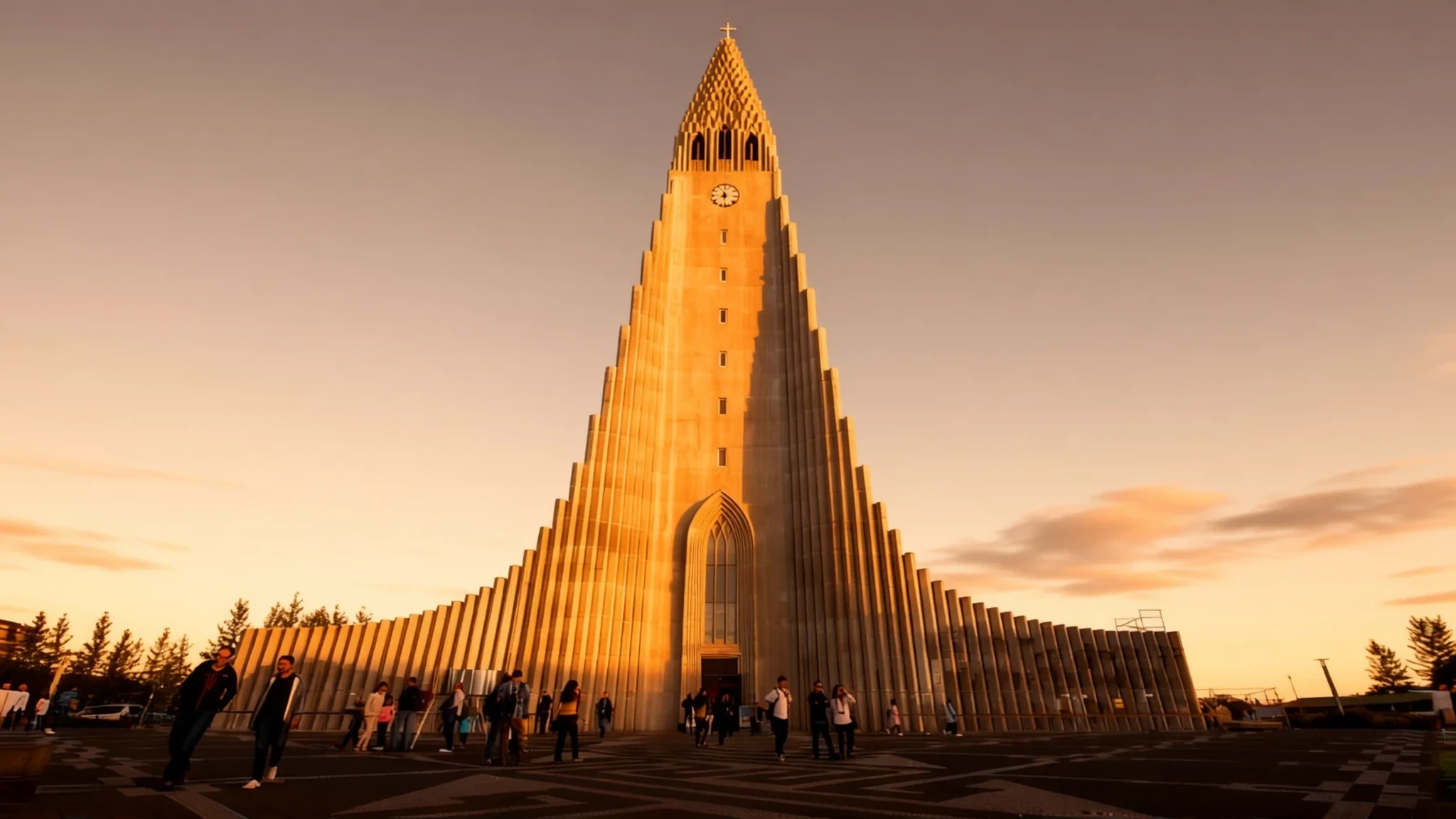
Reykjavík is a small, walkable capital where geothermal pools, harbour life and a dramatic coastline sit within easy reach of the city centre.
The place
Reykjavík is the capital of Iceland and its largest city, set on the southern shore of Faxaflói bay in the southwest of the island. Its population is a little under 140,000, and the wider Capital Region holds a large share of the country's people, so the city feels busy by Icelandic standards yet quiet by most European ones. Sitting at about 64 degrees north, it is among the most northerly national capitals anywhere, and the daylight swings dramatically between midsummer and midwinter.
The city is compact. The old centre runs down to the harbour and climbs gently towards the church tower, while newer neighbourhoods spread around the bay and the lakes. Much of the coastline is made up of peninsulas, coves, straits and small islands, so the sea is never far away. On clear days the mountains across the bay are easy to see, and the surrounding landscape of lava fields and hot springs is a short drive out.
Reykjavík runs on geothermal heat. Hot water drawn from the ground warms most homes and fills the outdoor swimming pools that are a daily habit for locals, not just a tourist attraction. Cafés, galleries and music venues cluster in the centre, and the streets feel safe enough to walk late. Expect cool, changeable weather, strong wind and rain at any time of year, and prices that run well above most European capitals.
Its story
The island was settled by Norse people in the late ninth century, and the story of Reykjavík begins with a settler named Ingólfr Arnarson, who sailed in from Norway. The Book of Settlement says he chose his land by an old Norse method. As the coast came into view, he threw his high-seat pillars, the carved posts from his chief's seat, into the sea and vowed to settle wherever the gods carried them ashore. He sent two enslaved men to search the coasts. After a long search they found the pillars in a bay, and that spot became the site of the settlement.
The name comes from Old Norse: reykr means smoke and vík means bay. It is usually linked to steam rising from nearby hot springs, which is why English guides often render it as the Bay of Smoke. The name first belonged to the bay and the farm, then fell out of use for a long time before being revived as the town grew.
For many centuries there was no town here at all. The land that now forms the city centre was farmland until the eighteenth century. The town was officially founded in 1786 as a trading settlement, and it gradually became the seat of Iceland's government, culture and business.
Long before people arrived, the area was shaped by ice. During the Ice Age a glacier reached out over parts of the city area, while in other places the sea covered the land. Hills such as Öskjuhlíð were once islands, and clam shells in the sediment on its slopes mark where the sea stood far above today's level.
What to see
- Tjörnin — City centre
A small lake in the middle of the city and the easiest place to see Reykjavík at a slower pace. Families, students and older residents come to feed the ducks, and in the cold months the edges can freeze. The Icelandic name simply means the pond, which suits its size. The path around the water takes less than an hour, with cafés along the way.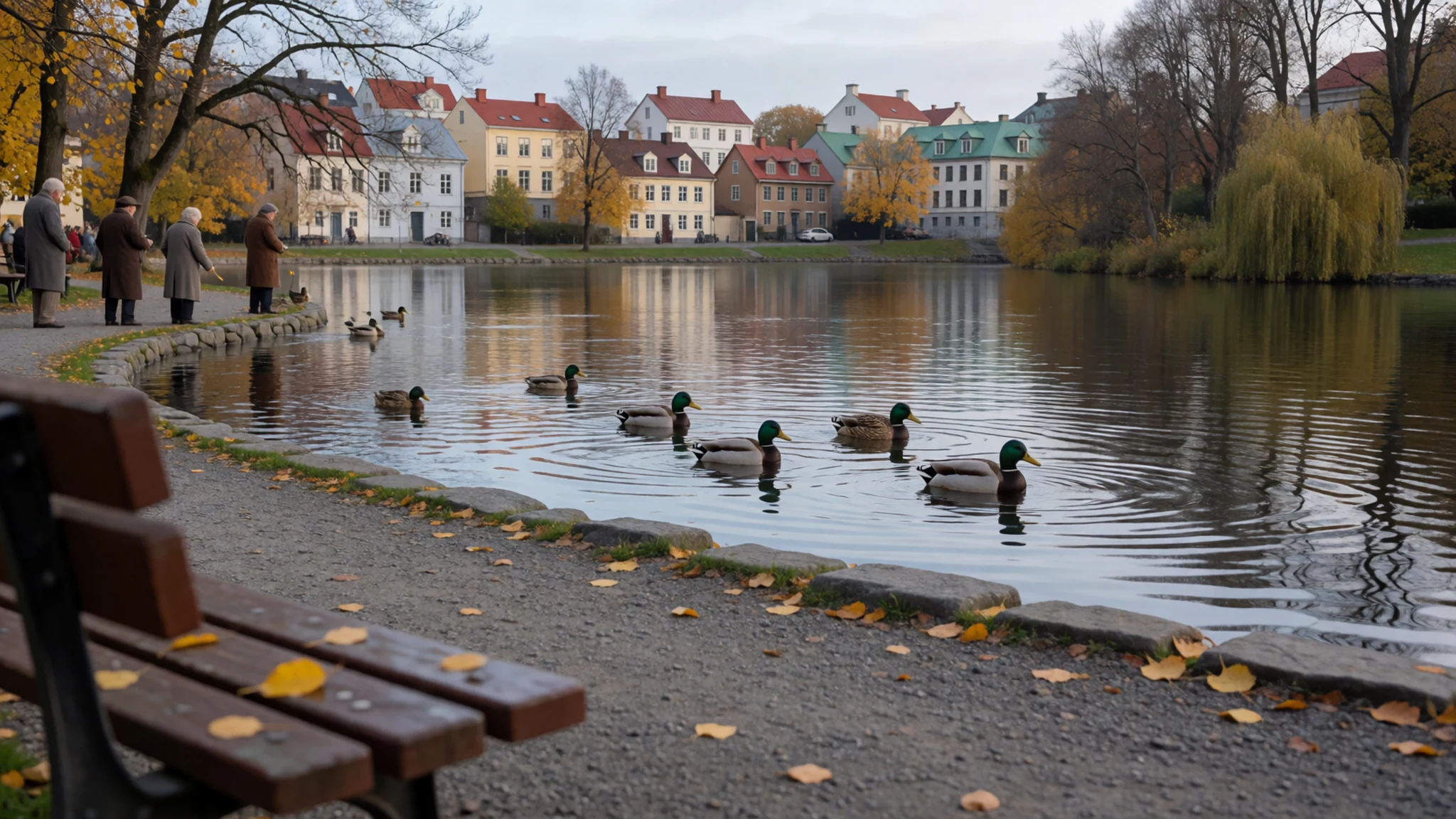
- Austurvöllur — Old town
A small square in the heart of the old town and a favourite spot for locals on sunny days. Cafés line its northern edge, and people spread picnics on the grass whenever the weather allows. It makes a good starting point for a walk, since the parliament building stands at its southern edge and the streets down to the harbour are close by.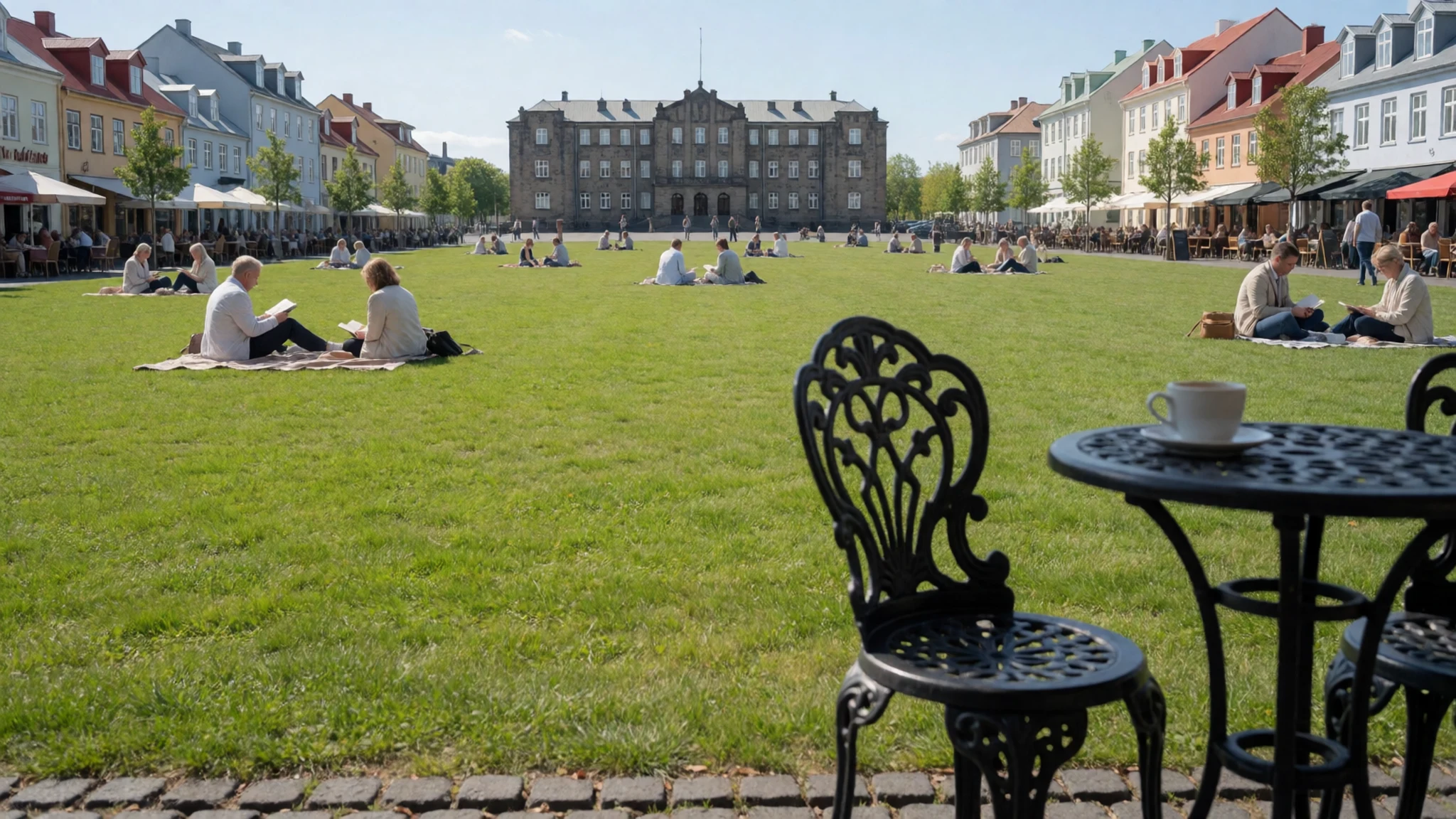
- Alþingi — Old town, beside Austurvöllur
The Icelandic parliament meets in a modest building of hewn stone on the southern edge of Austurvöllur. It is smaller than many visitors expect, but its plain, dignified form suits the square. Access and any visiting arrangements can change with parliamentary business, so check the official site before planning a visit around it.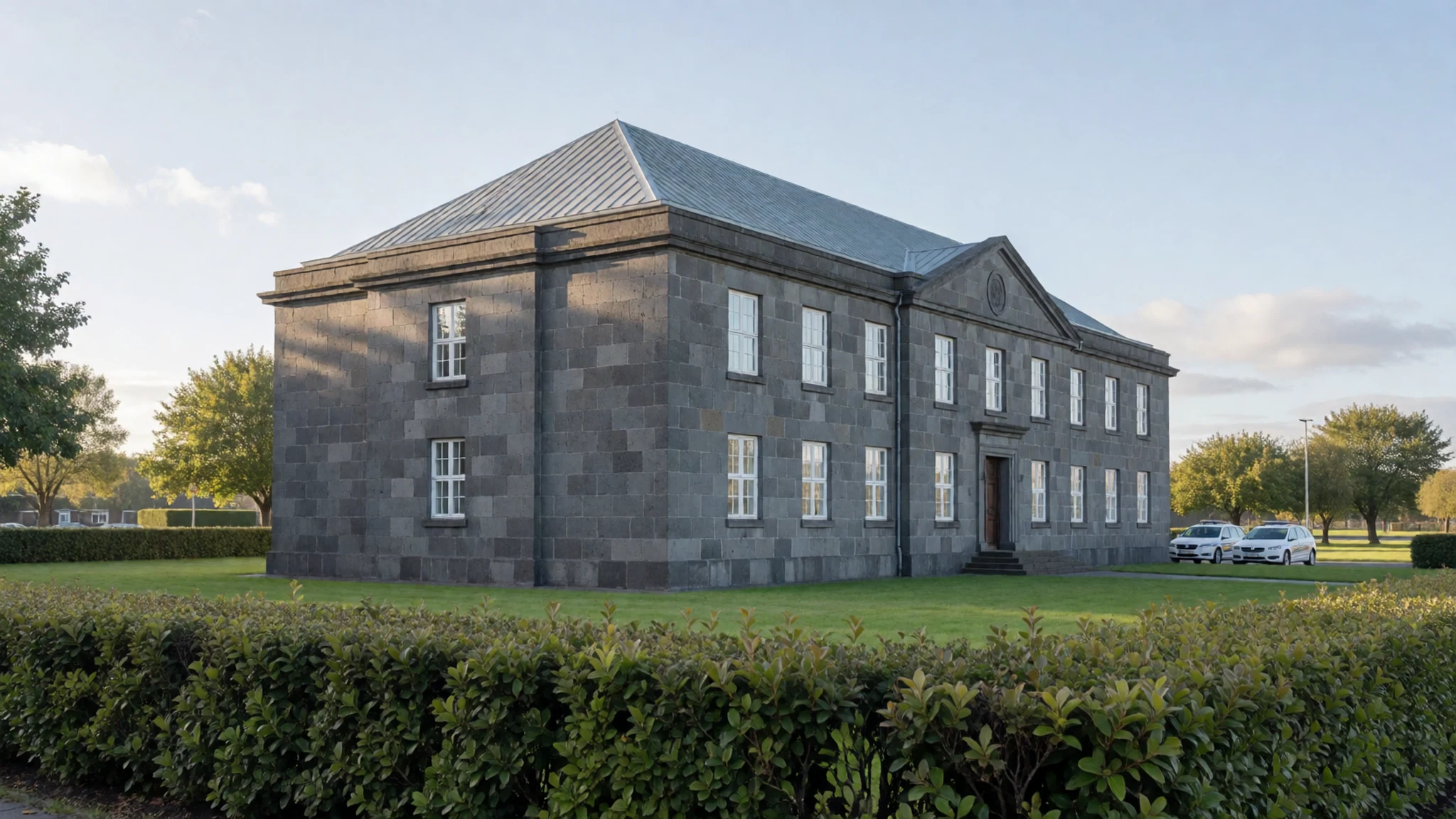
- Viðey — Kollafjörður fjord, by ferry
A large island in the fjord north of Reykjavík, reached by ferry rather than by bridge. It was once inhabited, and in the early twentieth century it had a small fishing village. Its old buildings and open fields make a quiet contrast with the city. Plan the crossing around the ferry timetable published by the operator, and bring wind-proof clothes.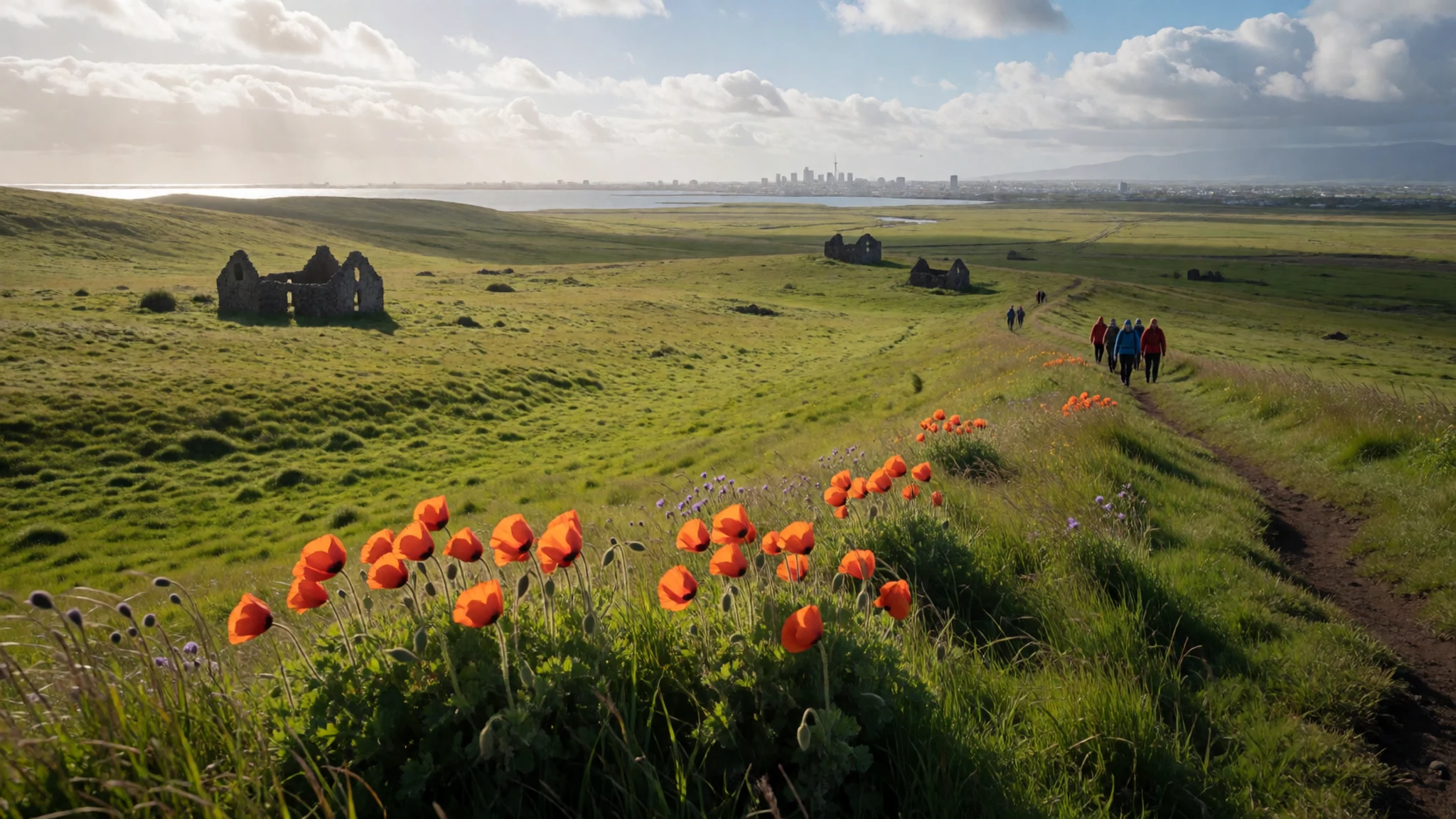
- Klambratún — East of the city centre
A park just east of the city centre, on land that stayed farmland while the town was built up around it. It is a simple place for a walk or a picnic, with open grass and room to stretch out. From here the route back into the centre is short, through quiet residential streets.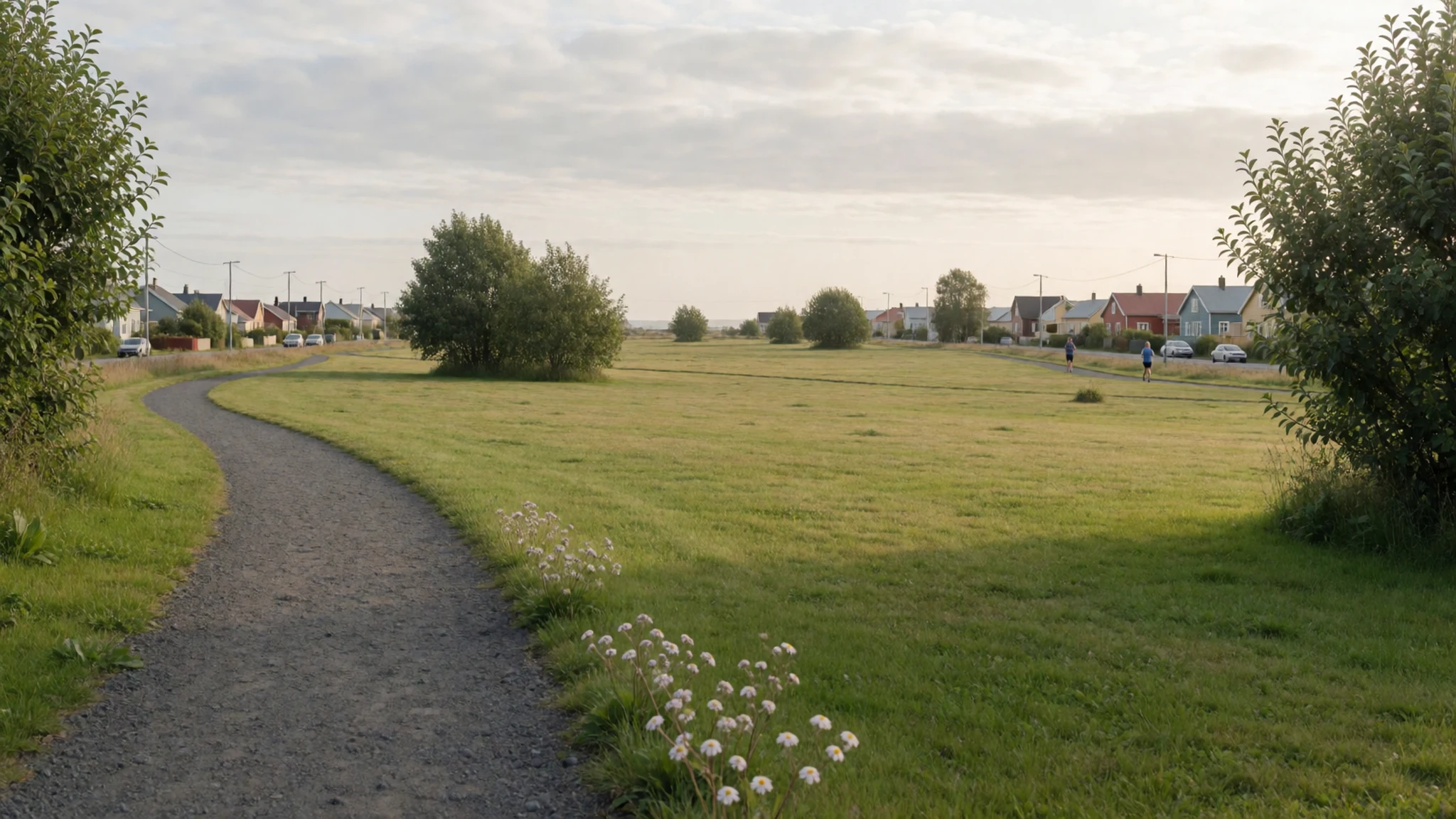
Culture
Reykjavík is an informal, secular city, and much of its social life happens in cafés, pools and bars rather than in churches. Icelanders value privacy and quiet in public. Conversation on buses and in cafés tends to be low, and strangers do not usually start chatting with one another. Queues are orderly, so join the end and wait your turn at counters and food stands.
Public swimming pools are central to daily life. Most have open-air hot tubs, and every pool has a changing area with showers that everyone uses. Staff expect bathers to wash thoroughly, without a swimsuit, before entering the water, and this is taken seriously. Swimwear is worn in the pool itself, and photographing people in changing areas is not acceptable.
The churches are open to visitors, but services come first and the atmosphere inside is quiet. Speak softly, keep phones on silent, and do not treat a service as a performance. Nature is a shared resource as well: stay on marked paths across the lava fields and leave the moss alone, because it grows very slowly.
Before you enter a swimming pool, shower thoroughly without a swimsuit, as the attendants expect.
What to wear
Reykjavík dresses for wind and rain more than for show, and the traditional dress of Iceland reflects the same practicality. The national costume, the búningur, is worn at celebrations and is built from heavy wool, with finer versions in silk and set off by silver ornament. Everyday knitwear matters more in daily life: the lopapeysa, a sweater knitted in undyed Icelandic wool with a yoke pattern, grew out of rural knitting traditions and is now sold across the city.
Today people wear waterproof shells, thermal layers, wool and practical boots. Dark and muted tones dominate in winter, and dress codes are relaxed, from cafés to bars. Smart clothes appear at concerts, weddings and official occasions, but nobody is judged for keeping a jacket on.
For a visit, pack for changeable weather in any month: a windproof, waterproof outer layer, a fleece or wool mid-layer, and a warm hat and gloves. Sturdy waterproof footwear with good grip matters on wet pavements, lava fields and coastal paths. Religious sites ask for no special dress, though a respectful, quiet manner is expected. Pool visits call for a swimsuit in the water and the usual shower routine.
What to eat
- Pylsur (Icelandic hot dog) — The hot dog stand by the old harbour
Icelandic hot dogs are made with lamb and pork and come with raw onion, crispy fried onion, sweet mustard and a remoulade-style sauce. The best-known stand by the harbour draws long queues at lunchtime and late in the evening. Eat it standing at the counter or on a nearby bench.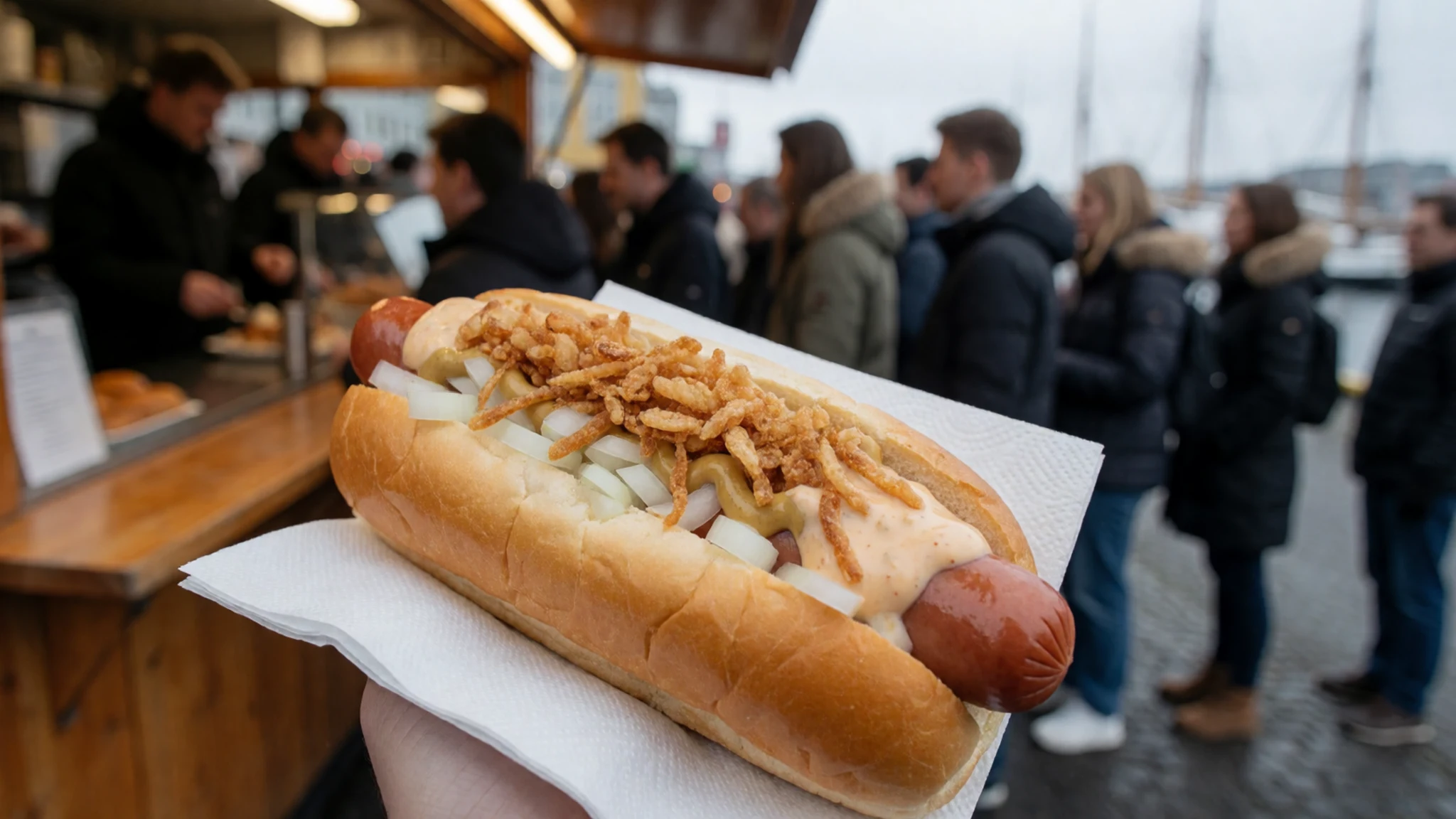
- Hamburger — A small diner beside the old harbour
Reykjavík has a strong burger culture, and the favourite places serve thick patties in soft buns with fried onion and a simple sauce. The style follows the American diner, with a counter and a few stools. The menu is short and the seats fill quickly at lunch, so arrive early.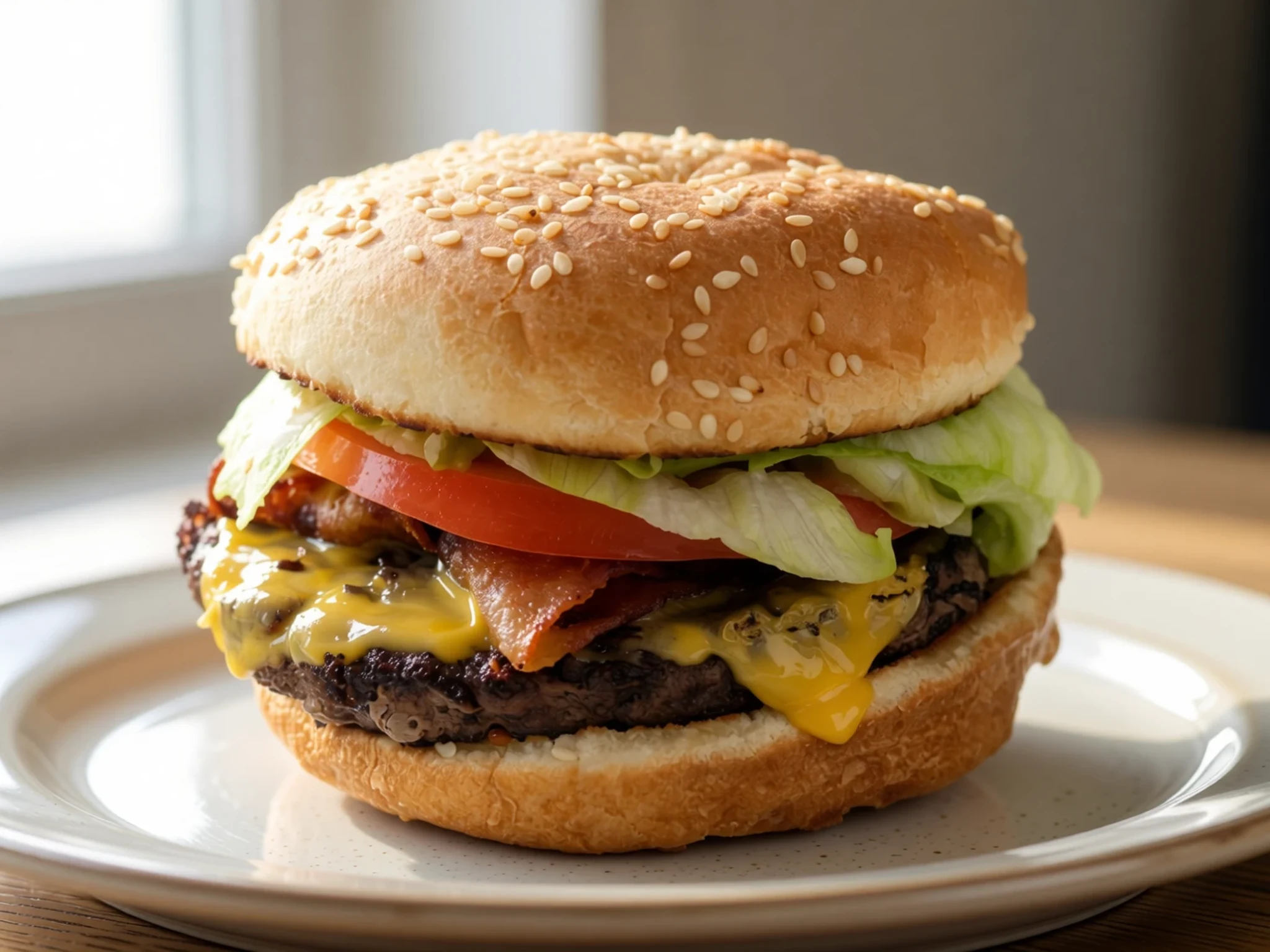
- Plokkfiskur (fish stew) — Canteen-style lunch rooms a short way from the centre
Plokkfiskur is a mash of boiled white fish, potatoes and onion, bound with a white sauce and served with rye bread. It is everyday home cooking, and canteen-style cafeterias serve it at lunch. Ask for it with pickled beetroot for a filling and inexpensive meal. - Skyr — Any café, bakery or supermarket dairy shelf
Skyr is a thick dairy product, close to yoghurt but firmer and less sour. It appears at breakfast in cafés and bakeries and in flavoured tubs on supermarket shelves. Eat it plain with berries or a drizzle of honey. Try a plain tub first, since flavoured versions are much sweeter. - Hákarl (fermented shark) — Specialist food counters and midwinter feasts
Hákarl is shark that has been fermented and dried, then cut into small cubes. It has a sharp ammonia smell and a strong, lingering taste, and most people eat it as a challenge. It is served at specialist food counters and at midwinter feasts, usually with a small glass of local schnapps.
Plan it
Best time. June to August bring the longest days and the mildest weather, though wind and rain can arrive at any time. Winter brings darkness and the chance of northern lights, while the shoulder months bring changeable weather with fewer visitors.
How long. 2–3
Getting there. Keflavík International Airport is the main international gateway, and the last leg is a transfer by bus or car into the city. Domestic flights use Reykjavík Airport, which is close to the centre. Reykjanesbraut is the main road in from the west, and the Ring Road enters from the east and north.
Budget. high
Tips
- Book a rental car or airport transfer early for summer, since prices rise with demand
- Check road and weather conditions on the official site before driving, as wind can close routes
- Carry a waterproof layer and a hat even on sunny days
- Expect heavy traffic leaving the city on summer Sundays and holiday weekends
- Carry a card; cash is rarely needed in cafés and shops
Etiquette
- Shower without a swimsuit before entering swimming pools
- Keep to marked paths across lava fields and moss
- Keep voices low on buses and in cafés
Nearby
Sources
- Wikidata Q1764 (CC0)
- Wikipedia (rev 1381945176) (CC BY-SA 4.0)
- Wikivoyage (rev 5386341) (CC BY-SA 4.0)
- Photo 01 Reykjavík (Hedwig Storch) (CC BY 3.0)
- Photo 02 View from Hallgrímskirkja (Olga Ernst) (CC BY-SA 4.0)
- Photo 03 Höfði House (Rob Young) (CC BY 2.5)
- Photo 04 Reykjavik Free Church (Diego Delso) (CC BY-SA 4.0)
- Photo 05 Alþingishúsið (APK) (CC BY-SA 4.0)
- Photo 06 Reykjavik Cathedral (APK) (CC BY-SA 4.0)
- Photo 07 Statue of Leifur Eiríksson (Mitchel Jones) (CC BY-SA 2.0)
- Photo 08 Ingólfr Arnarson painting (Johan Peter Raadsig) (Public domain)


