Háifoss
Háifoss, Iceland
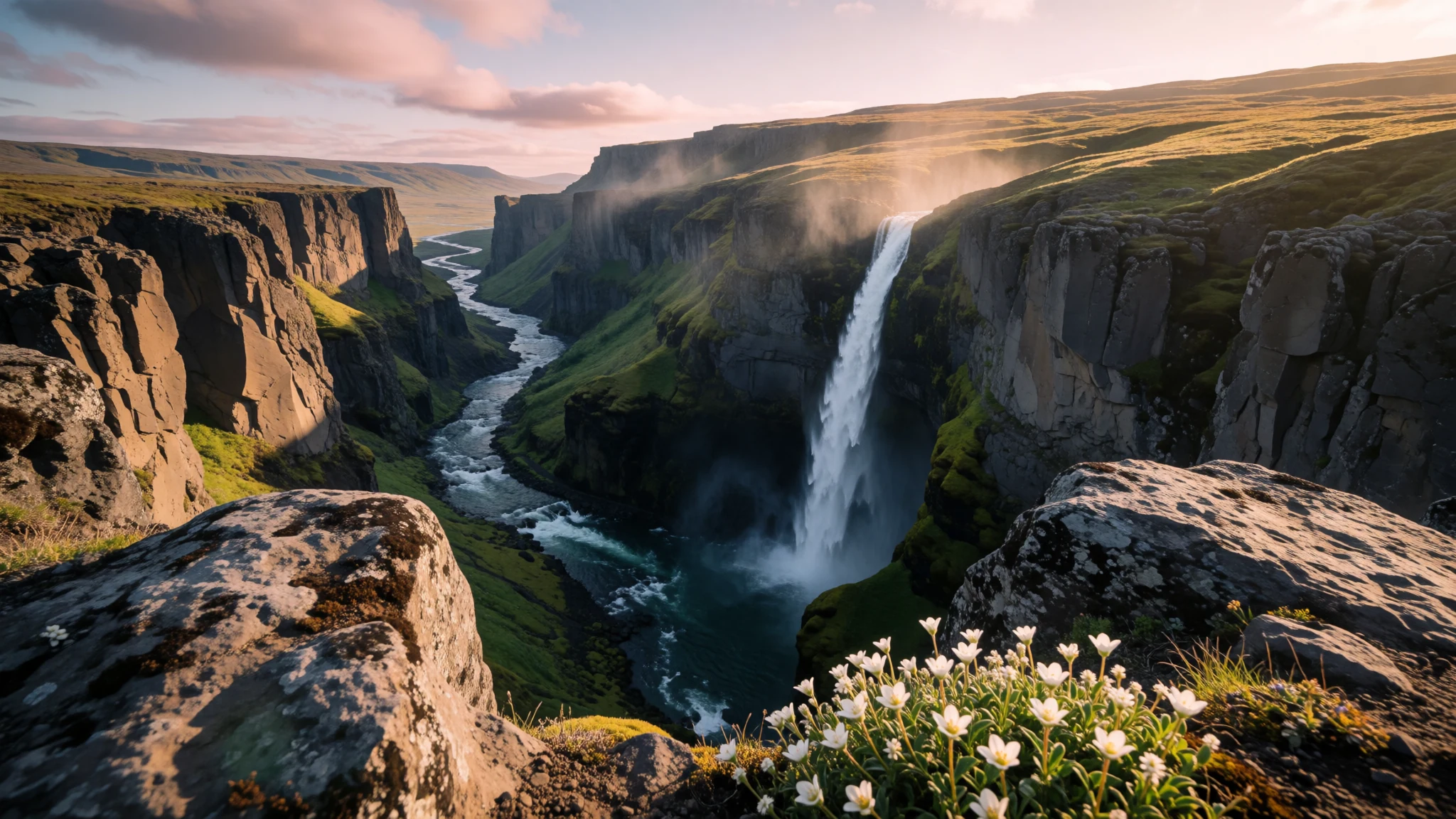
Visit Háifoss to witness one of Iceland's most dramatic waterfalls plunging into a sweeping, volcanic canyon alongside its neighbour Granni.
The place
Háifoss stands as a striking natural monument in southern Iceland, located near the volatile volcano Hekla. Here, the river Fossá plunges down from a high cliff into a rugged gorge, creating a scene of immense geological power. Right beside it, twin torrents tumble over the edge, as the neighbouring cascade known as Granni runs closely alongside. The surrounding terrain is defined by dark volcanic rock and sweeping upland vistas, shaped over millennia by glacial activity and subterranean fire. Visitors approaching from the upper car park look down into a vast expanse where the green of moss contrasts sharply with the black basalt walls and the white rush of water. For those who prefer a longer journey on foot, a well-trodden route connects the historic reconstruction at Þjóðveldisbærinn Stöng with the falls, following the winding course of the river through the valley. The atmosphere is quiet and remote, far removed from the busier tourist circuits, allowing travellers to experience the raw, untamed character of the southern highlands. Weather in this region can shift rapidly, bringing sudden gusts of wind or low-hanging mist that sweep across the plateau, adding an unpredictable element to any excursion into the valley.
Its story
Háifoss and its surrounding valleys are deeply embedded in the historical and literary landscape of Iceland, serving as the backdrop for some of the nation's most enduring sagas. The nearby region was home to notable historical figures and heroes whose exploits were recorded centuries ago. While original medieval homesteads perished long ago during eruptions of the nearby volcano, the locations where these dramas unfolded remain part of the local consciousness. Further down the valley, ancient seats of ecclesiastical power once anchored the region's administration and spiritual life for generations. These religious and administrative hubs governed vast territories across the island, coordinating communities that relied on hardy livestock and resilient farming practices to survive the harsh winters. Modern visitors walking near the river trace paths that historical travellers, farmers, and outlaws crossed centuries ago. Although the old turf structures have vanished, replaced by twentieth-century farmsteads further down the lowlands, the unchanging contours of the river canyon and the distant peaks offer a tangible link to the past. The stories preserved in medieval manuscripts breathe life into the silent gorges, reminding every visitor that this stark landscape was once home to passionate, complex characters struggling against the elements.
What to see
- Háifoss Main Viewpoint — Upper Plateau Car Park
The primary vantage point sits right by the upper car park, offering a dizzying look down into the gorge where the river plunges into the abyss. Standing at the precipice, visitors can take in the sheer scale of the cliff walls and watch the spray catch the sunlight on clear days.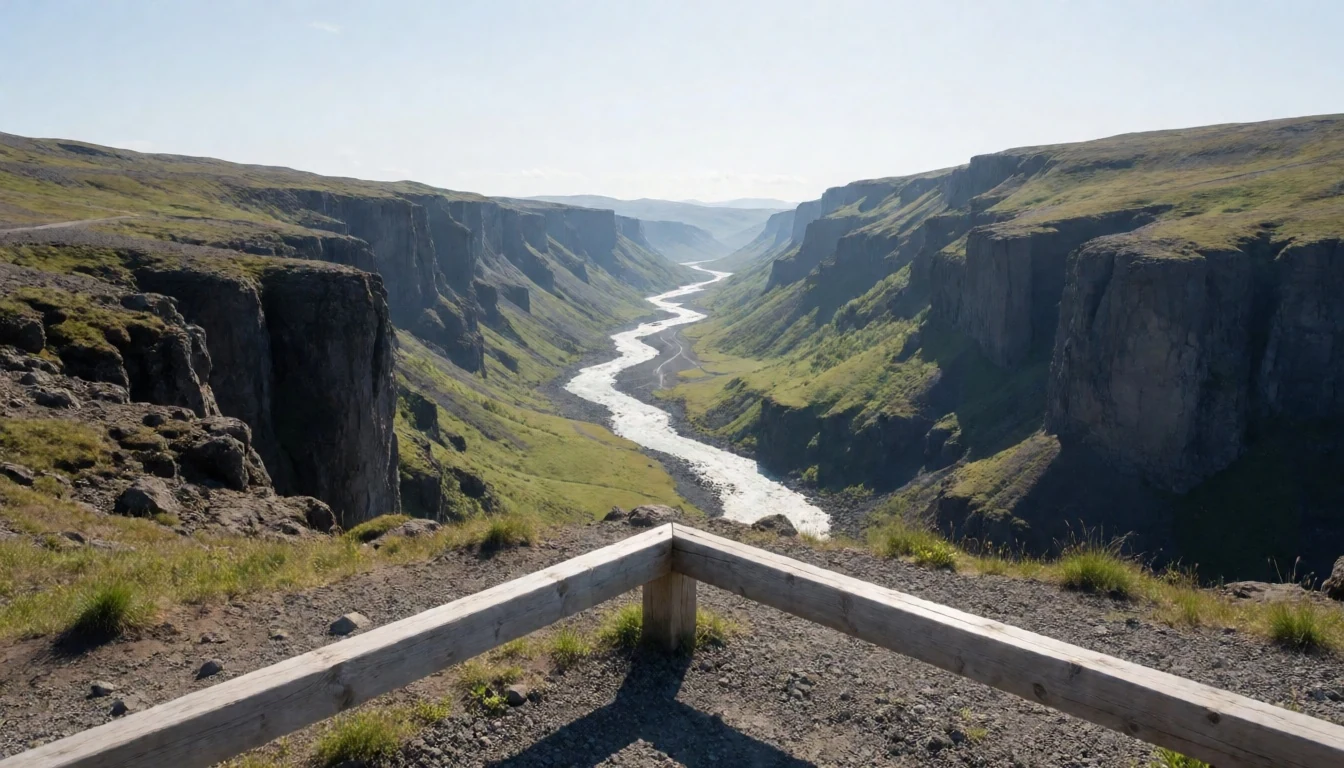
- Granni Waterfall — Upper Gorge Rim
Positioned immediately adjacent to its taller sibling, this twin cascade adds a wonderful balance to the canyon view. While slightly smaller, its robust flow and separate drop create a stunning double feature that rewards travelers who take time to admire both falls from the rim.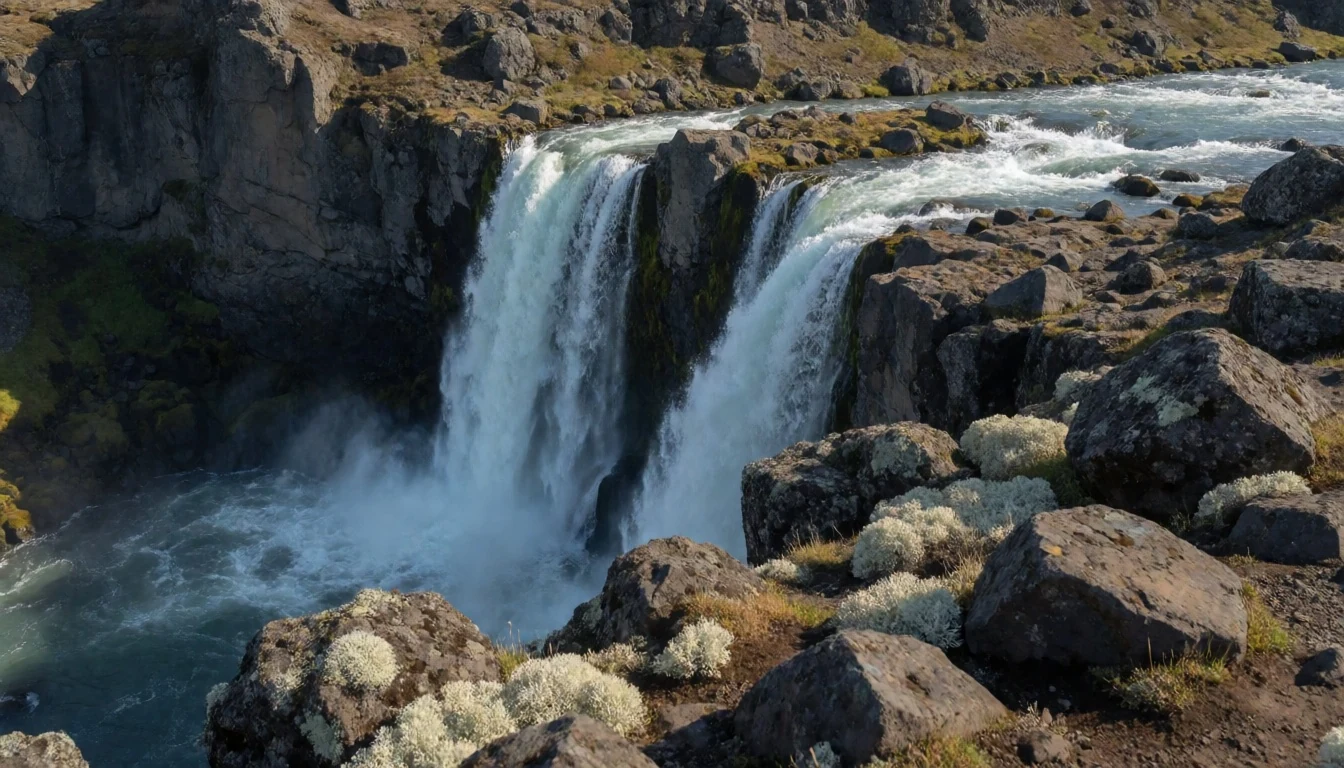
- Fossá River Valley — Fossá Valley
The winding river valley follows the watercourse down toward historical lowland settlements. Walking along sections of this route reveals quiet pools, ancient volcanic rock formations, and peaceful meadows where sheep graze during the short summer months under an expansive northern sky.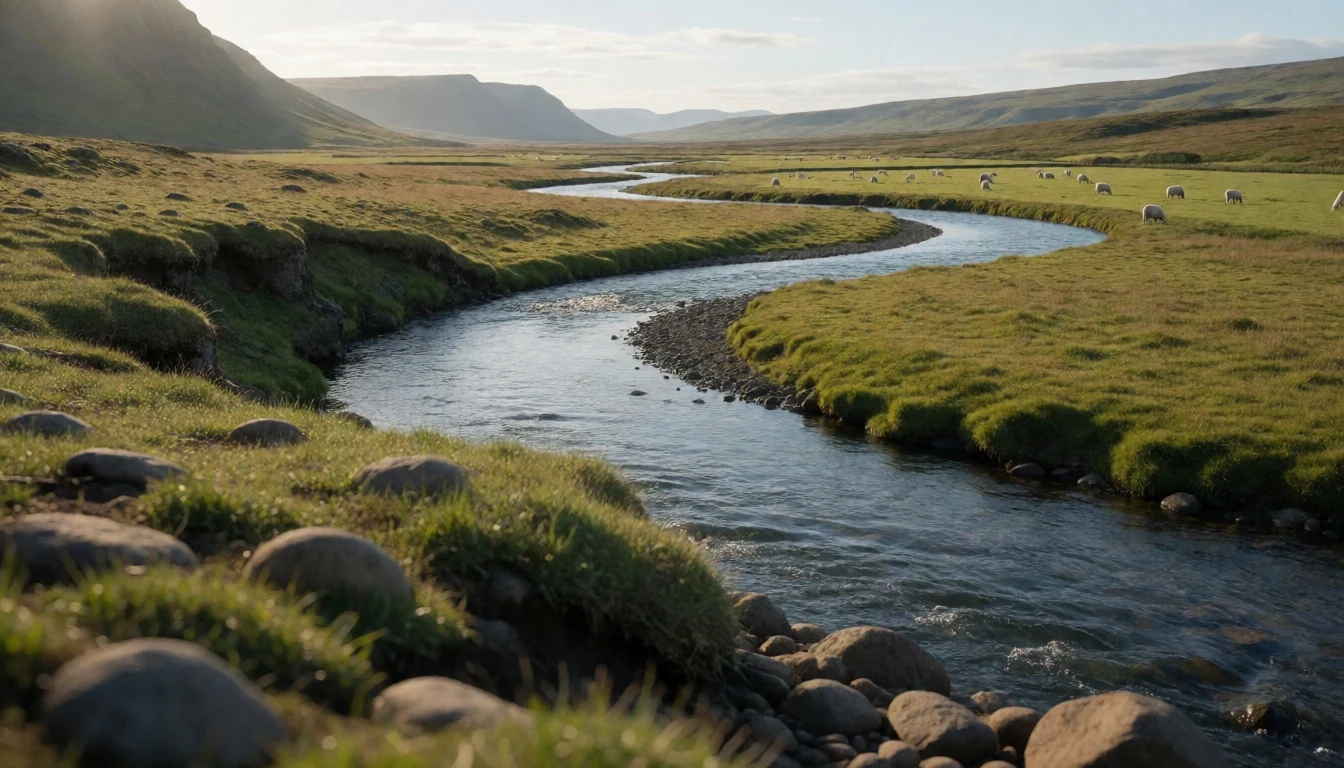
- Þjóðveldisbærinn Stöng — Þjóðadalur Valley
This reconstructed medieval farmstead sits at the lower end of the hiking route, offering a glimpse into traditional turf-house architecture. Built to resemble the structures destroyed by volcanic ash centuries ago, it provides essential context for understanding early domestic life in the rural interior.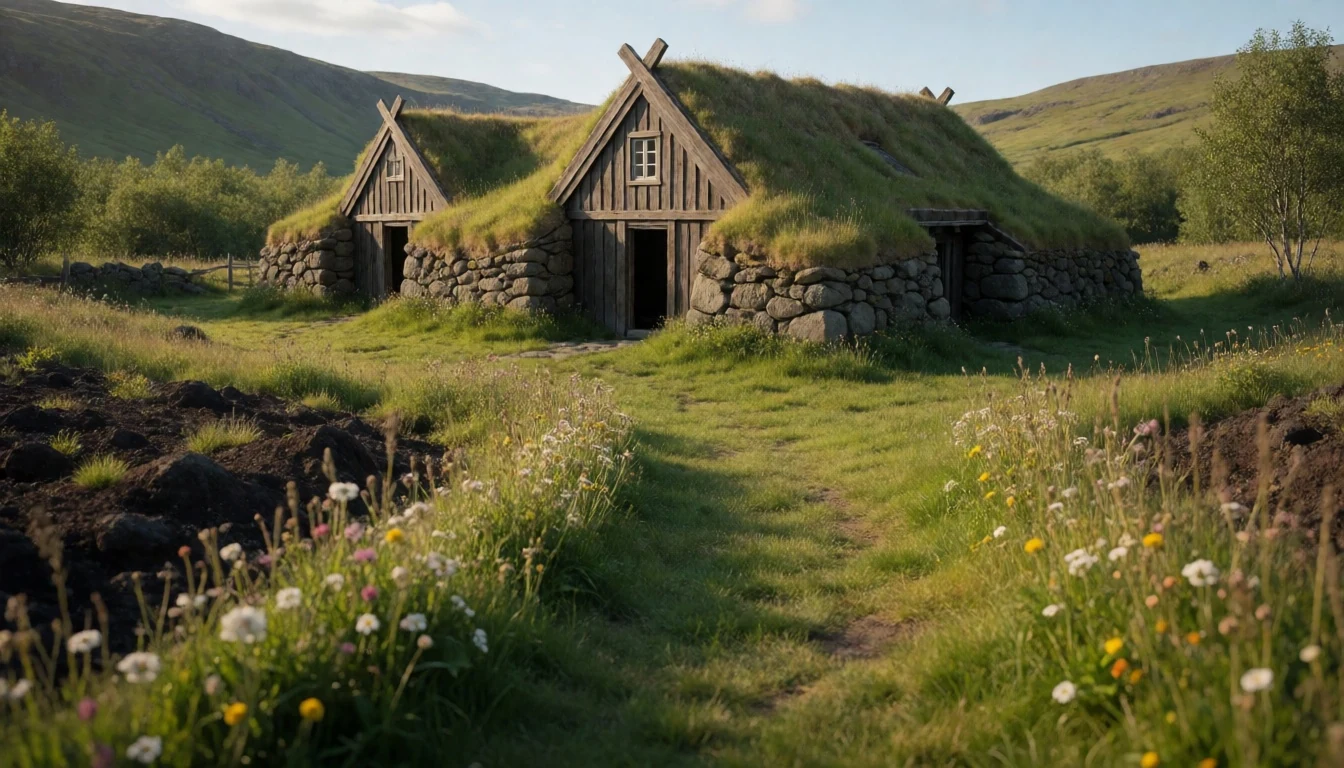
- Seljalandsfoss — South Coast Highway
Located further toward the southern coast, this famous waterfall invites visitors to walk completely behind the cascading sheet of water. The plunging stream tumbles off an ancient sea cliff, creating a misty, immersive experience that contrasts nicely with the wilder interior gorges.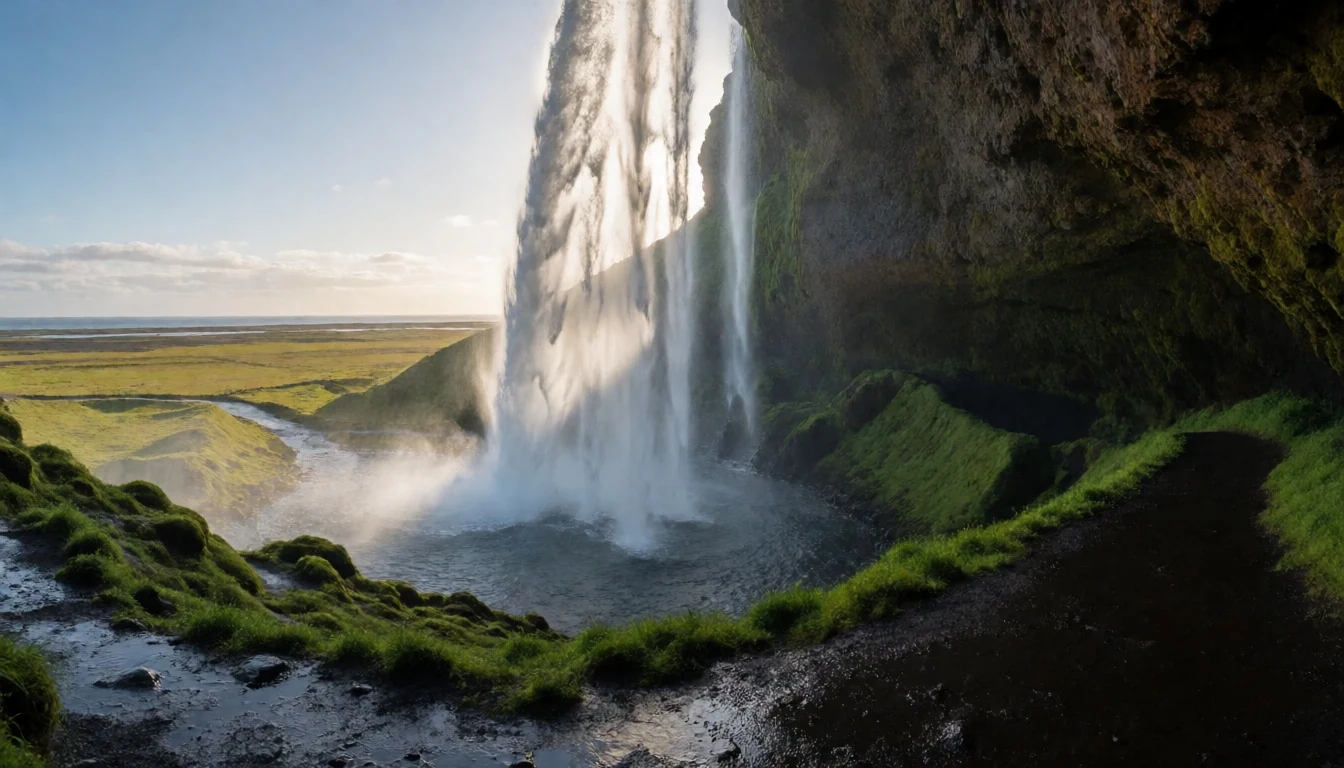
Culture
Cultural life in the southern rural districts is deeply rooted in agricultural heritage, equine traditions, and storytelling customs that stretch back to the settlement era. Communities here maintain a strong connection to the land, balancing modern farming methods with a profound respect for local folklore and sagas. Traditional craftsmanship, wool spinning, and folk music continue to thrive in community halls and rural workshops across the region. Visitors will find that locals appreciate polite curiosity about rural history, farming practices, and outdoor preservation efforts. When exploring remote areas, it is customary to greet fellow travellers and maintain quiet mindfulness so that everyone can enjoy the natural tranquility of the landscape. Always stay strictly on marked paths to protect fragile Arctic moss from permanent footprint damage.
What to wear
Traditional Icelandic dress, known as the 'skautbúningur' or 'faldbúningur', features elaborate embroidered bodices, ornate silver clasps, and dark pleated wool skirts traditionally worn by women on festive occasions, while men historically wore wool trousers and tailored jackets. These garments rely heavily on locally produced wool, prized for its natural insulation against harsh weather. Today, everyday wear across the region is practical and modern, dominated by durable outdoor gear, fleece layers, and waterproof shells designed to withstand sudden wind and rain. For a visitor exploring Háifoss and the surrounding southern highlands, proper clothing is essential regardless of the season. Essential items include sturdy, waterproof hiking boots with good ankle support, thermal base layers, a windproof and waterproof outer jacket, a wool hat, and gloves. Weather conditions can change rapidly in the valleys, making layered clothing the safest choice for any outdoor excursion.
What to eat
- Arctic Char — Local restaurants and cafes throughout the southern region
Freshwater fishing in the eastern districts yields this prized delicacy, known for its delicate flavour and tender texture. It is commonly served lightly pan-fried or grilled in regional eateries, highlighting the clean waters of local rivers and lakes.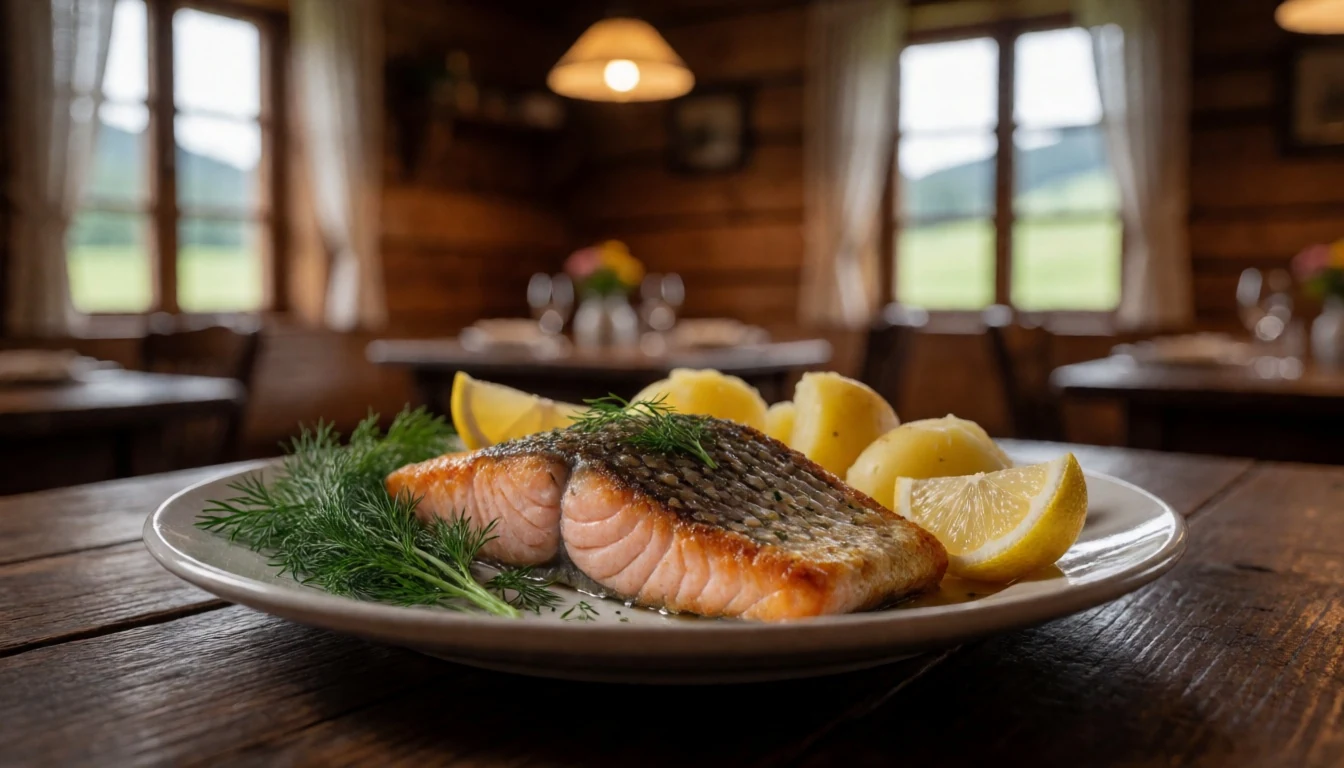
- Local Dairy Products — Supermarkets and farm shops throughout South Iceland
As an agricultural heartland, the western part of the south produces rich milk, butter, and traditional strained dairy products enjoyed daily by residents and visitors alike across the country.
- Icelandic Farm-Grown Wheat — Directly from the grower at the Þorvaldseyri farm
Cultivated at a specialized local farm in the southern district, this rare domestic grain represents a unique agricultural experiment taking advantage of sheltered microclimates in the region. - Mountain Lamb — Traditional eateries and country hotels in South Iceland
Free-roaming sheep graze on wild herbs and grasses across the upland pastures during the summer months, producing lean, flavorful meat that forms the cornerstone of traditional Icelandic cuisine.
Plan it
Best time. June through August offers the most accessible road conditions, milder weather, and extended daylight hours for exploring the highlands.
How long. 1–2
Getting there. Take the Ring road east from Reykjavík, then turn north onto gravel highland access roads suitable for vehicles with good clearance.
Budget. mid
Tips
- Check road and weather conditions daily before setting out into the interior.
- Rent a high-clearance vehicle, as access roads to the waterfall can be rough.
- Bring sturdy waterproof footwear and warm layers for unpredictable weather.
- Carry drinking water, as facilities near the waterfall are extremely limited.
Etiquette
- Stay strictly on marked trails to protect fragile Arctic moss.
- Take all rubbish with you and leave natural sites undisturbed.
Nearby
Sources
- Wikidata Q1244151 (CC0)
- Wikipedia (CC BY-SA 4.0)
- Wikivoyage (CC BY-SA 4.0)