Dynjandi
Dynjandi, Iceland
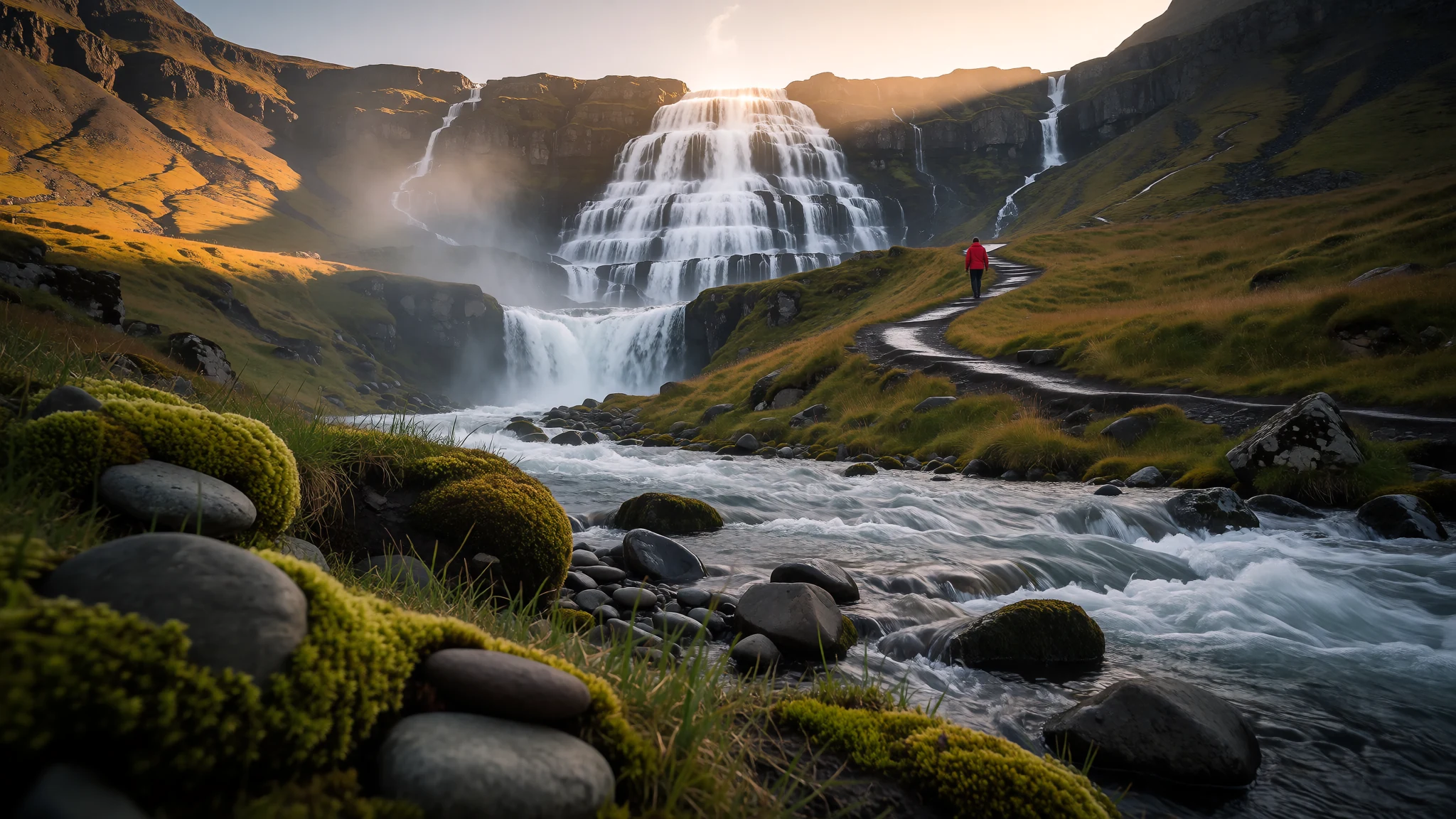
Visit Dynjandi to experience the largest and most magnificent terraced waterfall in the remote Westfjords of Iceland.
The place
Dynjandi stands as the undisputed crown of the Westfjords region in Iceland, tumbling down a steep mountain slope in a wide, tiered veil that resembles the folds of an elaborate white gown. Known also by its alternative name, this striking cascade commands attention within the shores of Arnarfjörður, drawing travellers into a landscape defined by dramatic peninsulas and deep ocean inlets. The surrounding region is one of two in the country characterised by exceptionally steep hillsides, creating a topography where roads cling precariously to coastal ledges and cut through massive mountain tunnels.
Visitors arriving at the site encounter not a single drop, but a magnificent series of distinct waterfalls cascading one after another along the river's course. Below the main roaring veil lie several smaller, equally enchanting tiers, each contributing to the musical rush of water that echoes across the quiet valley. The entire area, including the surrounding riverbanks and slopes, has been protected as a natural monument to preserve its pristine wilderness and geological character. Access to this remote northwestern corner has historically depended on challenging mountain passes, such as the high route over the nearby ridge, though modern engineering has steadily improved connectivity across the rugged terrain. Travellers exploring these northern shores find an environment largely untouched by mass tourism, where the raw forces of wind, water, and ice remain the primary sculptors of the land.
Its story
Dynjandi sits within a landscape deeply shaped by ancient geological forces and centuries of oral folklore told around turf-house hearths through the long polar nights. The dramatic geography of the Westfjords, with its labyrinth of deep ocean channels and towering headlands, provided fertile ground for stories of giants, hidden folk, and restless spirits who walked the high ridges before modern roads were ever blasted through the rock.
According to traditional Icelandic folk tales, the very shape of the region's geography was carved by mythological beings attempting to sever the peninsula from the mainland entirely. Legend tells of two determined trolls who toiled through the hours of darkness, digging frantically to separate the northern finger of land from the rest of the island. As they laboured against the clock, seeking a place to hide from the oncoming rays of the morning sun, dawn caught them in the open. As the first light touched their weary shoulders, both trolls turned instantly to stone, leaving behind the narrow, low-lying isthmus that connects the region to the south.
Travellers crossing the mountain passes that approach the waterfall follow routes that were once narrow, treacherous tracks carved out by early farmers and postal carriers. These high roads have witnessed generations of hardy locals navigating fierce winter storms, seasonal isolation, and treacherous ice before the era of paved tunnels and all-weather connections. Today, standing near the roaring cascades connects the visitor directly to this heritage of resilience, where every fjord and cliff carries the memory of those who made these lonely shores their home.
What to see
- Dynjandi Waterfall — Arnarfjörður, Westfjords
Dynjandi is the crowning jewel of the area, cascading in dramatic, widening tiers down the steep cliff face into Arnarfjörður. Walking the footpath from the parking area allows visitors to ascend past each lower tier, experiencing the raw power and mist of the cascading waters up close.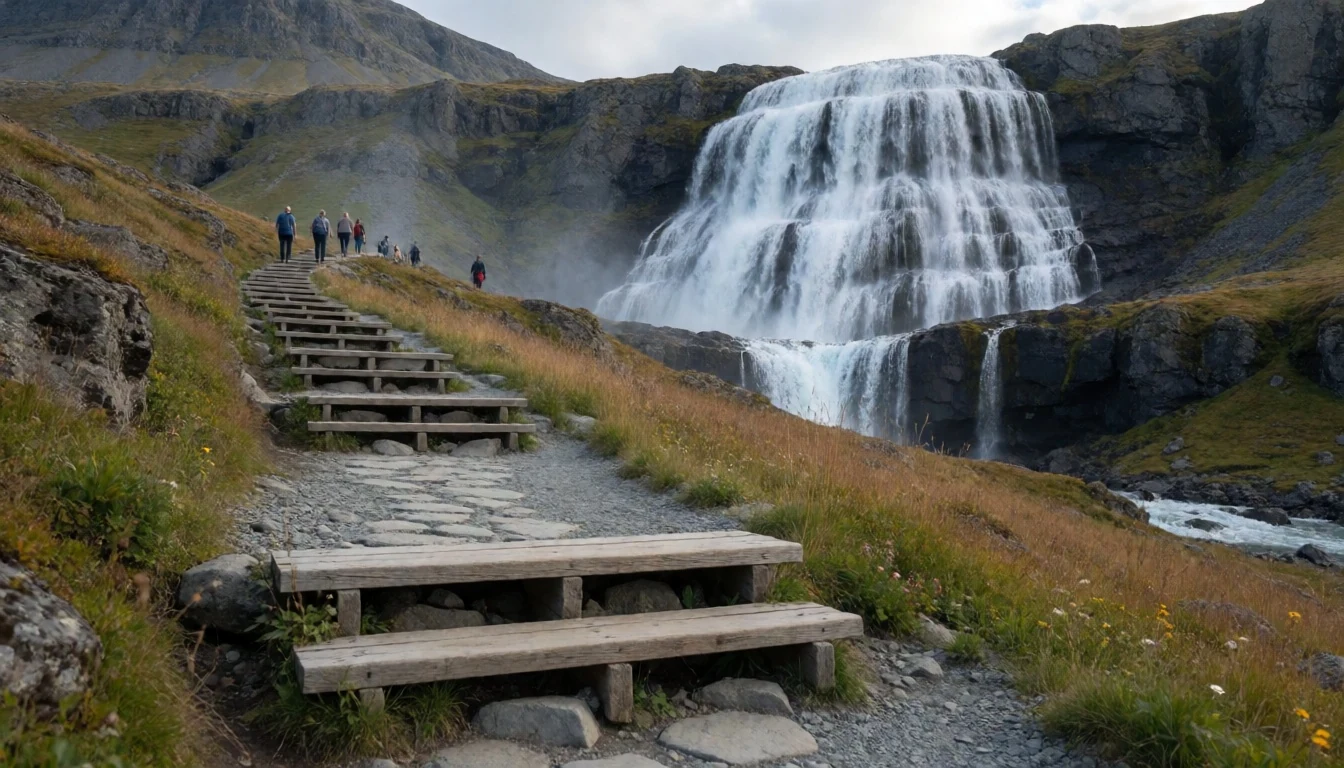
- Lower Tiers and Hrisvadsfoss — Dynjandisá River valley
Below the main cascade lie smaller, picturesque waterfalls including Hrisvadsfoss, Háifoss, Úðafoss, Göngufoss, Hundafoss, and Bæjarfoss. These successive drops offer wonderful photographic angles and calmer pools along the river before it empties into the fjord below.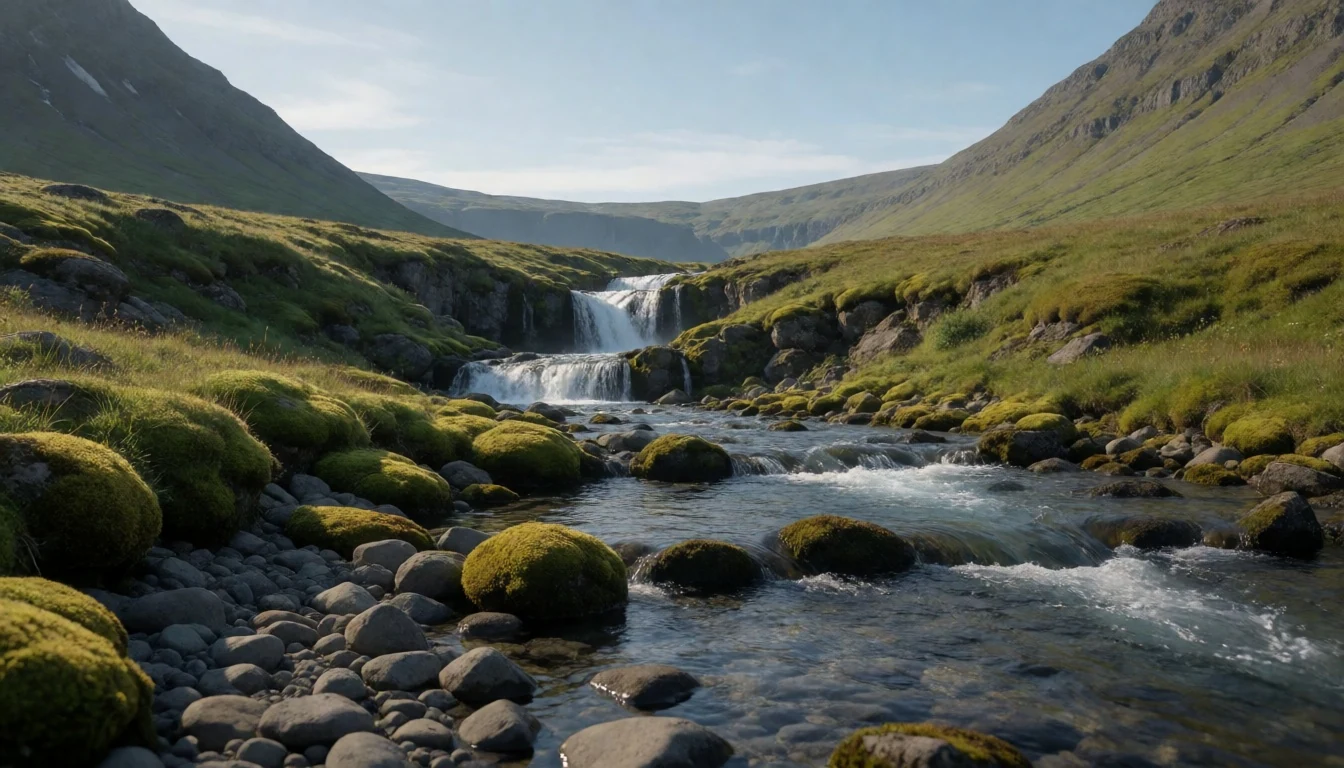
- Vigur Island — Ísafjarðardjúp fjord
Vigur is a tranquil island sanctuary renowned for its thriving bird populations, offering an authentic glimpse into traditional rural island life. Boat excursions depart regularly from nearby coastal settlements, welcoming travellers interested in seabird watching and quiet coastal landscapes.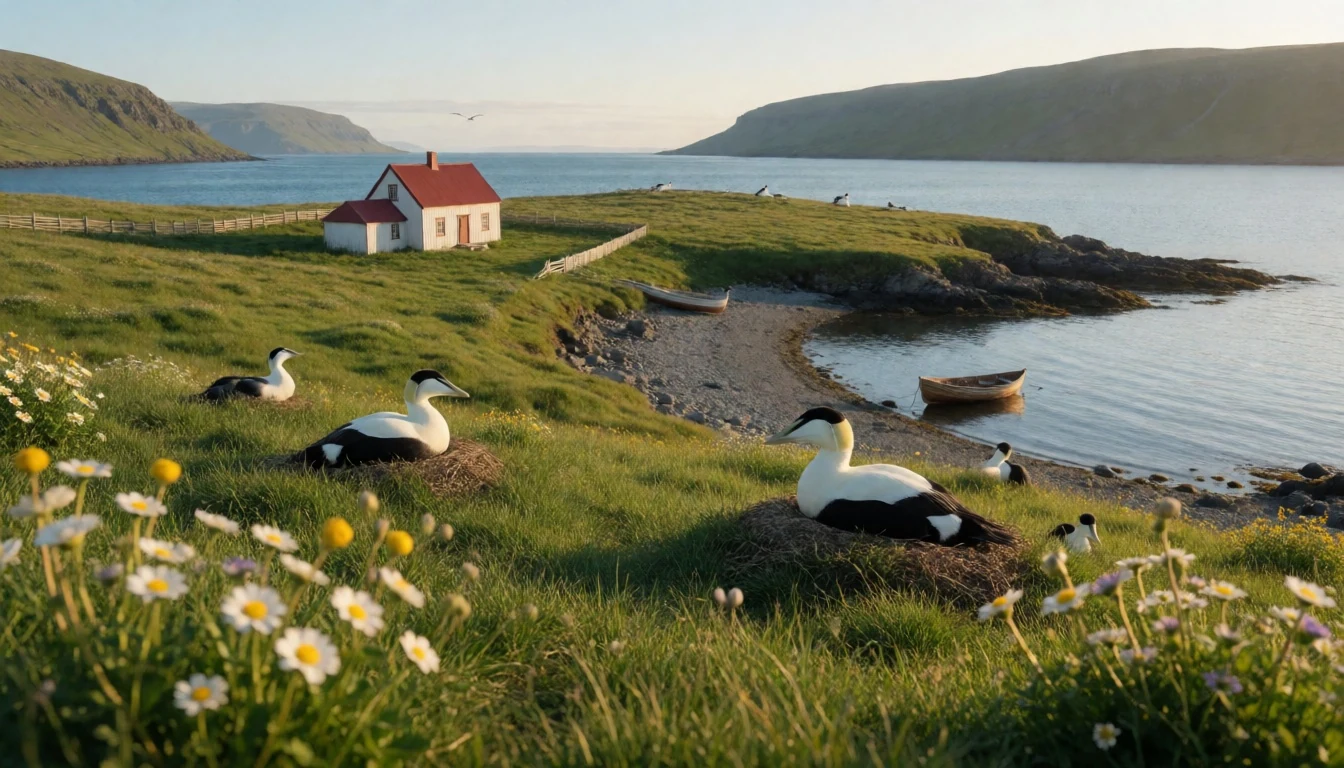
- Steingrimsfjordur — Eastern Westfjords coast
Steingrimsfjordur is a prominent coastal fjord serving as an important seasonal feeding ground for magnificent humpback whales. The calm waters and dramatic mountain backdrops make it an exceptional location for responsible wildlife watching and coastal exploration.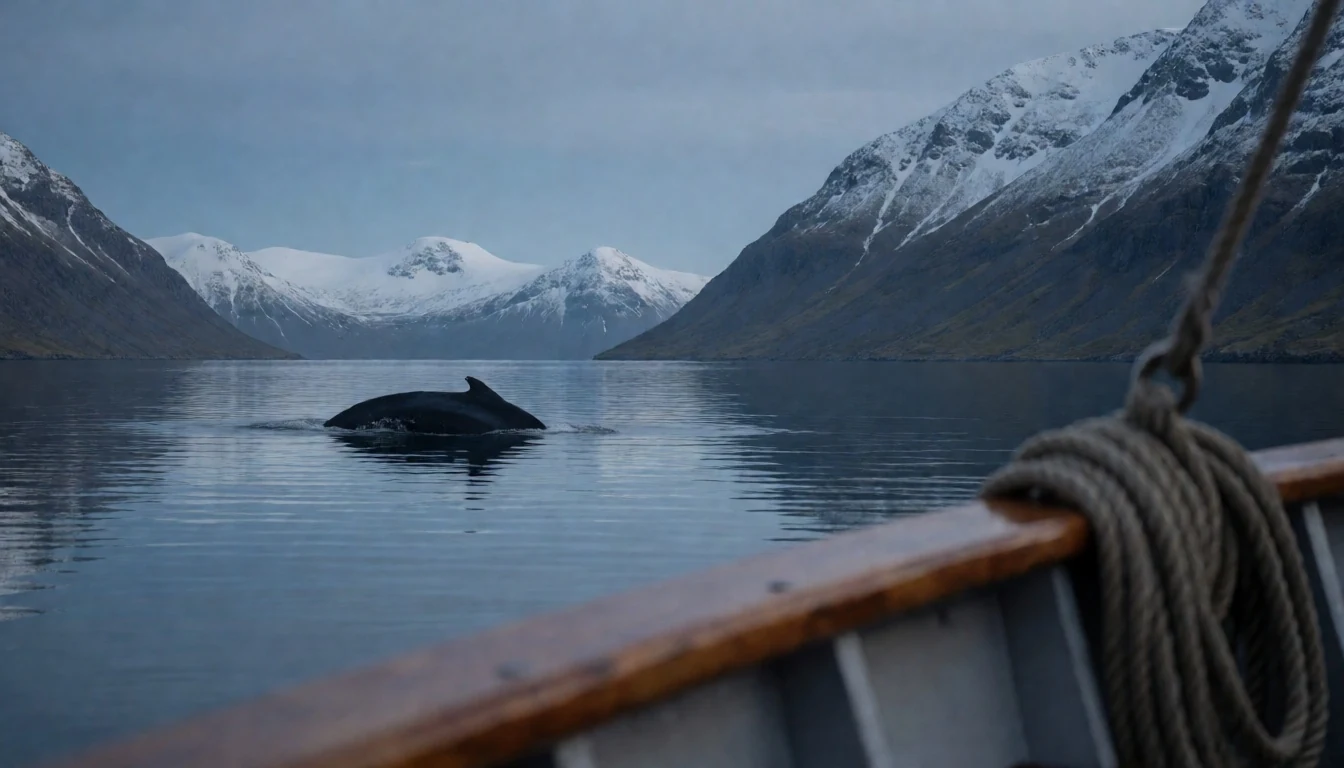
Culture
Dynjandi and the surrounding Westfjords communities share a culture forged by maritime traditions, isolation, and deep respect for the natural environment. Historically, communities here relied entirely on fishing, small-scale farming, and gathering eiderdown from coastal nesting colonies. Music, storytelling, and folklore remain central to social life, preserving memories of harsh winters and seafaring perils through long evenings. Modern residents maintain a strong sense of independence and stewardship over their dramatic landscape, welcoming curious travellers with quiet warmth and straightforward hospitality. When exploring natural monuments like Dynjandi, always stay on marked footpaths to protect fragile moss and vegetation from irreversible damage.
What to wear
Dynjandi and the surrounding Westfjords demand practical, weather-resilient attire rather than formal traditional dress in daily life, though historic woollen garments remain a point of national pride. Traditional Icelandic clothing relies heavily on hand-spun lopi wool, famously used to knit patterned lopapeysa sweaters designed to insulate against biting polar winds and damp coastal mist. Today, locals and travellers alike dress in high-performance outdoor gear, layering moisture-wicking thermals beneath waterproof and windproof shells. Visitors exploring the waterfall paths must wear sturdy, broken-in hiking boots with good grip, waterproof trousers, a reliable windproof jacket, and a warm hat or gloves, as mountain weather can shift from calm sunshine to freezing squalls within minutes.
What to eat
- Fresh Coastal Seafood — Local coastal village cafes and fishing ports
Sample freshly caught cod, Arctic char, and lumpfish prepared simply to highlight the clean flavours of the icy northern waters, commonly served in local coastal roadside eateries and village cafes across the fjords.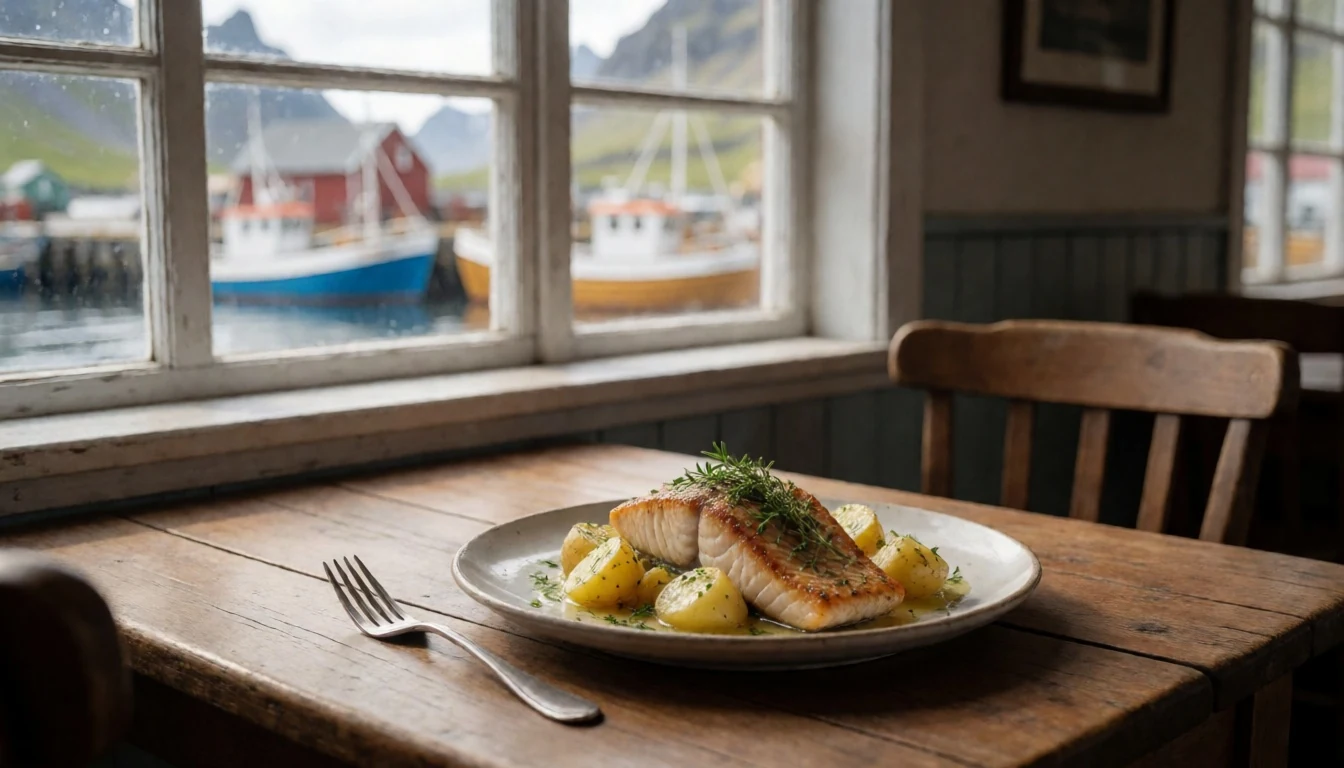
- Traditional Icelandic Lamb — Rural country hotels and traditional roadside restaurants
Enjoy tender free-range lamb that grazes freely on wild mountain herbs and grasses throughout the short summer, featured in hearty stews and roast dishes at family-run rural restaurants.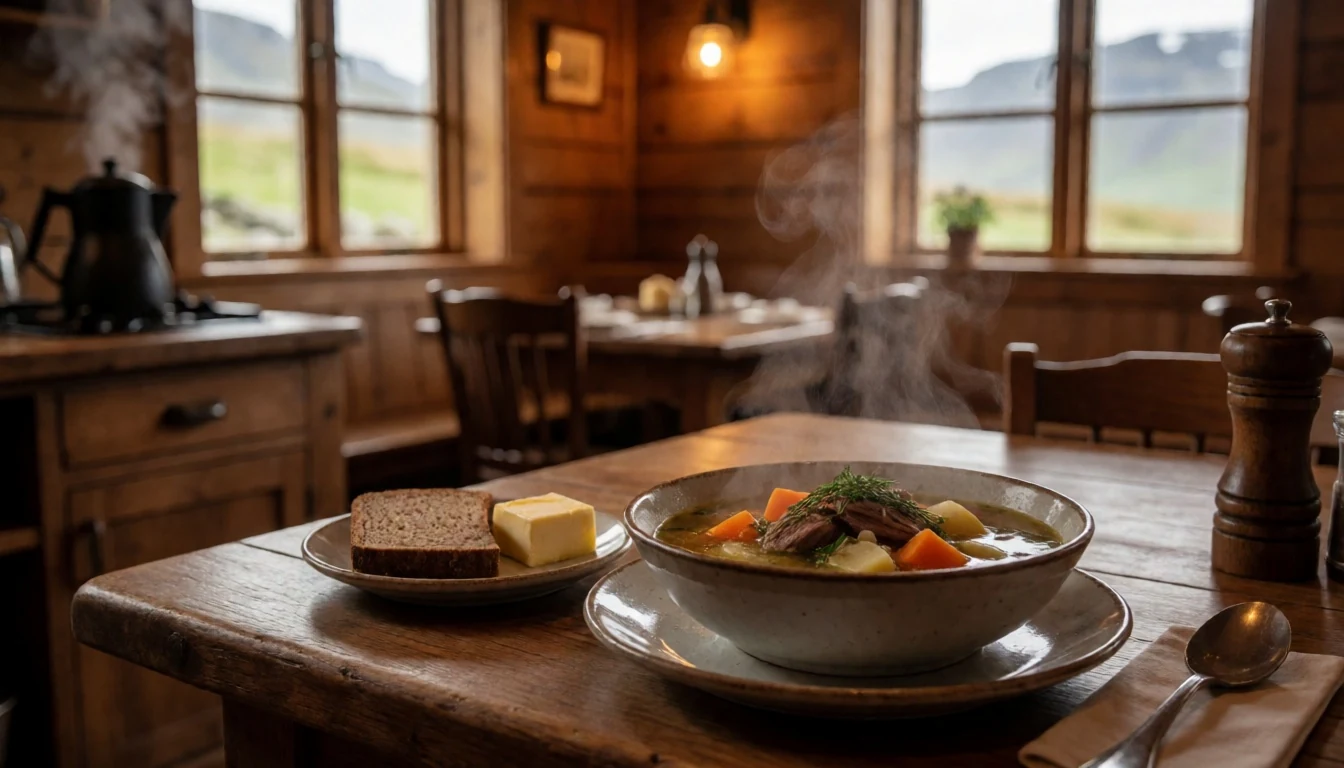
- Skyr — Village bakeries and local food markets
Taste this traditional thick dairy product with the texture of strained yoghurt, enjoyed plain with fresh berries or a drizzle of cream at local bakeries and grocery stores throughout the region. - Rye Bread and Smoked Fish — Guesthouse dining rooms and country stops
Try dense, sweet dark rye bread baked slowly, often served alongside thinly sliced smoked trout or butter at guesthouse breakfast tables and community gathering spots.
Plan it
Best time. June through August offers the most accessible mountain passes, longer daylight hours, and milder weather; winter brings heavy snow and frequent road closures.
How long. 2–3
Getting there. Fly into Keflavík International Airport, travel to Reykjavík, then take a domestic flight to Ísafjörður or drive north via Route 1 and regional coastal roads.
Budget. mid
Tips
- Check road conditions daily before setting out across mountain passes
- Rent a sturdy vehicle with good ground clearance for gravel roads
- Dress in reliable waterproof layers regardless of the summer forecast
- Carry snacks and check fuel levels, as services in remote areas are sparse
Etiquette
- Stay strictly on designated walking trails to protect fragile Arctic moss
- Pack out all personal rubbish and leave the natural landscape pristine
Nearby
Sources
- Wikidata Q281535 (CC0)
- Wikipedia (CC-BY-SA 4.0)
- Wikivoyage (CC-BY-SA 4.0)