Akureyri
Akureyri, Iceland
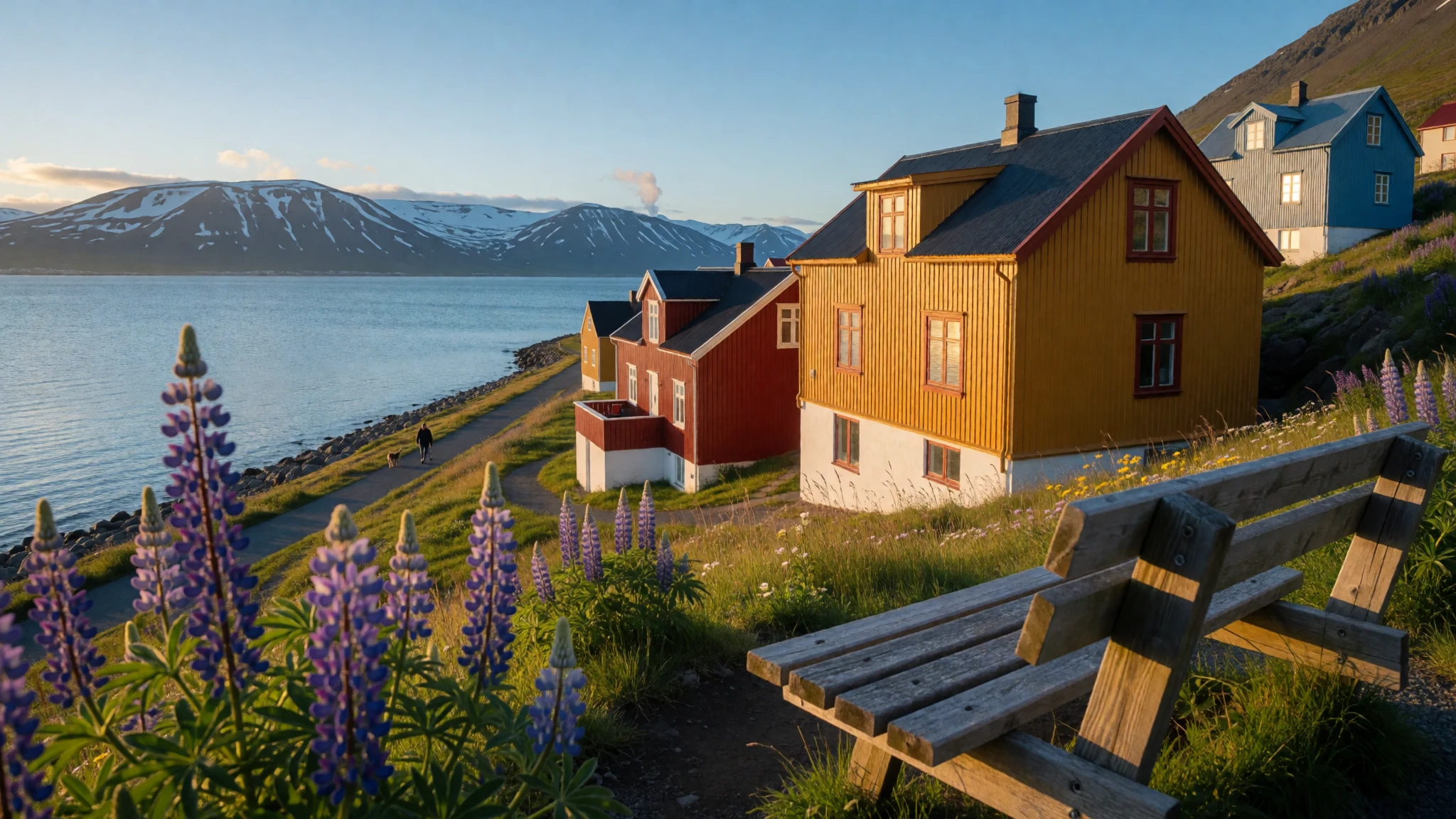
Akureyri offers a vibrant northern hub of culture, dramatic fjord landscapes, and a milder climate than you might expect so close to the Arctic Circle.
The place
Akureyri is the biggest town outside the capital region, located in northern Iceland along the western shore at the innermost point of the Eyjafjörður fjord. Often called the Capital of North Iceland, this important port and fishing centre occupies a narrow coastal strip of flat land bordered by a steep yet low hill, while majestic mountains tower in the distance. The surrounding waters and protected terrain create an environment that feels remarkably sheltered compared to the more exposed reaches of the island. Because of specific geographical factors, the area enjoys a relatively mild climate, and the natural ice-free harbour has shaped local life for centuries. Visitors arriving in Akureyri find a compact urban centre where colourful wooden houses climb the slopes, blending small-town maritime heritage with lively cultural institutions, botanical variety, and easy access to some of the most striking wilderness in the country. The town serves as a natural stopping point for travellers exploring the northern ring road, yet it holds enough independent character, excellent eateries, and outdoor recreation to warrant a dedicated stay. Whether you are watching the changing light over the fjord at midnight during the long summer days or seeking a snowy base for winter adventures, Akureyri maintains an inviting atmosphere that separates it from busier southern tourist tracks. Local life moves at a measured pace, balancing modern Scandinavian design sensibilities with deep-rooted maritime and agricultural traditions passed down through generations.
Its story
Akureyri has a history shaped by Viking exploration, royal decree, and maritime commerce. The Norse Viking Helgi magri Eyvindarson originally settled the wider area in the ninth century, establishing farms and claiming land along the fertile fjord. Written records first mentioned the settlement in sixteenth-century court documents, but meaningful commercial activity truly began during the seventeenth century when Danish merchants established seasonal trading camps on the local spits of land. These traders valued the exceptional natural harbour and the productivity of the surrounding agricultural valleys, though they returned home during the harsh winter months. A permanent settlement took root in the late eighteenth century, and the Danish king granted the community its municipal charter in the year founded to improve living conditions across the island. Initial growth was remarkably slow, and the fledgling settlement even lost its municipal status for a period before regaining it in the nineteenth century. From that point onward, the town expanded steadily, propelled by thriving port facilities and strong agricultural trade ties with the interior valleys. During the twentieth century, the community played a strategic role during global conflicts, serving as an allied air base during the Second World War. As the nation urbanised in the postwar decades, Akureyri cemented its role as the undisputed northern anchor of commerce, education, and culture, evolving from a modest trading post into a thriving modern municipality.
What to see
- Akureyrarkirkja — Town Centre
Dominating the central hill, this prominent church stands as a striking local landmark with its imposing concrete facade and wide tiered steps. Designed by a renowned state architect, it features distinctive modern architectural lines, beautiful stained glass panels depicting historical scenes, and a ship model suspended from the ceiling in a traditional maritime tribute to local seafaring heritage. - Akureyri Botanical Garden — Southern Residential District
Established to bring greenery to the northern climate, this lush municipal sanctuary showcases thousands of native and international plant species flourishing against the odds. Meandering gravel paths lead visitors past manicured flowerbeds, towering trees, and a charming historic wooden church, making it a peaceful retreat for afternoon strolls right within the town boundaries. - Hof Cultural and Conference Centre — Harbourside
Shaped in a striking circular design on the water front, this modern cultural hub welcomes visitors with architectural flair and artistic energy. It houses the regional symphony orchestra alongside diverse exhibition spaces and performance halls, hosting everything from classical concerts to contemporary music festivals throughout the year. - Akureyri Swimming Pool — Central Hillside
Popular with residents and visitors alike, this excellent municipal facility features geothermally heated outdoor pools, relaxing hot tubs of varying temperatures, and thrilling water slides. It serves as an essential social gathering space where locals catch up on community news while soaking in steaming mineral-rich waters under the open northern sky. - Icelandic Aviation Museum — Akureyri Airport Area
Housed inside a spacious hangar near the local airfield, this engaging exhibition preserves the dramatic history of flight in an island nation dependent on aviation. Visitors can inspect vintage aircraft, historical helicopters, and archival photographs illustrating how bush pilots and rescue crews conquered the rugged terrain from the air. - Gásir Medieval Trading Post — Eyjafjörður Coastline
Located a short drive north of the town along the fjord, this archaeological site marks an important medieval trading hub. While quiet for much of the year, the location springs to life every July when locals host lively historical reenactments, traditional crafts demonstrations, and medieval markets that evoke centuries-old mercantile gatherings.
Culture
Akureyri maintains a robust and independent cultural scene that often feels more traditionally grounded and community-focused than the capital further south. Folk arts, traditional music, and regional literature hold a prominent place in daily life, supported by active local societies, an esteemed drama troupe, and one of the largest libraries in the region. The town pulses with creative energy during summer months when outdoor festivals, concerts, and historical celebrations draw participants from across the country and beyond. Locals take immense pride in their northern identity, combining a welcoming openness to travellers with a strong commitment to preserving local customs, choral traditions, and regional dialects. Evening social life revolves around cosy neighbourhood bars, live music venues, and reputable eateries that champion local produce from the surrounding agricultural valleys and icy fjords. When visiting local public swimming pools, you must wash thoroughly without your swimsuit in the communal showers before entering the water.
What to wear
In Akureyri, traditional Icelandic dress historically featured durable wool garments crafted from home-spun textiles designed to withstand bitter cold, damp weather, and harsh outdoor labour. While the ornate national costume, known as the *skautbúningur* or *hlutaföt*, is now reserved for national holidays, confirmations, and weddings, the heritage of working with local sheep's wool remains visible everywhere in the form of patterned sweaters and knitted accessories. Today, residents dress in practical, contemporary Nordic fashion that prioritises comfort, functionality, and protection against unpredictable weather. You will see people wearing stylish waterproof coats, insulated jackets, sturdy footwear, and layered wool garments in everyday urban settings. For visitors exploring Akureyri and the surrounding northern landscapes, the golden rule of dressing is layering. You should pack a windproof and waterproof outer shell, thermal base layers, a warm fleece or wool jumper, sturdy walking boots with good grip, and a hat and gloves regardless of the season. Dressing in breathable layers allows you to adapt quickly when shifting from heated indoor spaces to crisp fjord breezes or sudden mountain squalls.
What to eat
- Salt-fish Pizza — Greifinn restaurant
A creative regional speciality combining traditional cured seafood with melted cheese and artisanal toppings on a crisp crust, offering a savoury taste of local maritime heritage. - Icelandic Lamb Burger — Hamborgarfabrikkan
A juicy burger crafted from free-roaming local lamb raised on mountain pastures, served on a toasted bun with fresh salad and signature sauces. - Fresh Seafood Soup — Strikið
A rich, warming broth packed with catches from the local fjord, accompanied by crusty bread and butter for a comforting meal after a cold day outdoors. - Artisanal Chocolate Cake — Strikið
A decadent, rich sweet treat baked fresh daily, perfectly paired with coffee while enjoying panoramic views through large dining room windows. - Classic Neapolitan Pizza — Sprettur-Inn
A popular local favourite featuring wood-fired crusts and generous toppings, enjoyed by residents in a relaxed, family-friendly neighbourhood dining atmosphere.
Plan it
Best time. May to August offers the best weather, long daylight hours, and accessible hiking trails, while winter months appeal to aurora hunters and skiers.
How long. 2–3
Getting there. Arrive via the Ring Road by bus or car, or fly into Akureyri Airport with connecting services or seasonal international flights, followed by local transfer options into town.
Budget. mid
Tips
- Check weather and road reports before driving through nearby mountain valleys
- Book accommodation well in advance if travelling during peak summer festival weeks
- Carry a mix of card and local currency, though contactless payment is accepted almost everywhere
- Pack flexible layers of clothing as northern weather can change rapidly within minutes
Etiquette
- Always shower thoroughly without swimwear before entering public geothermal pools
- Remove muddy hiking boots in hotel lobbies and guesthouse entryways
- Respect private farmland and stay on marked trails when exploring surrounding nature
Nearby
Sources
- Wikidata Q29042 (CC0)
- Wikipedia (rev 1380124775) (CC-BY-SA 4.0)
- Wikivoyage (rev 5423791) (CC-BY-SA 4.0)
- Photo photos/01-akureyri-08-panorama-2018-gje.jpg (CC BY-SA 4.0)
- Photo photos/02-akureyri-skapti-hallgr-msson.jpg (CC BY-SA 4.0)
- Photo photos/03-akureyrarkirkja-panoramio-1.jpg (CC BY 3.0)
- Photo photos/04-kjarnaskogur.jpg (CC BY-SA 4.0)
- Photo photos/05-islanda-akureyri-hof-cultural-and-conference-center.jpg (CC BY 4.0)
- Photo photos/06-akureyri-19th-century.jpg (Public domain)
- Photo photos/07-akureyri-iceland-openstreetmap-2024-09-11.png (CC BY 4.0)
- Photo photos/08-akureyri-from-the-sky.jpg (CC BY-SA 4.0)


