Hecatompylos
Hecatompylos, Iran
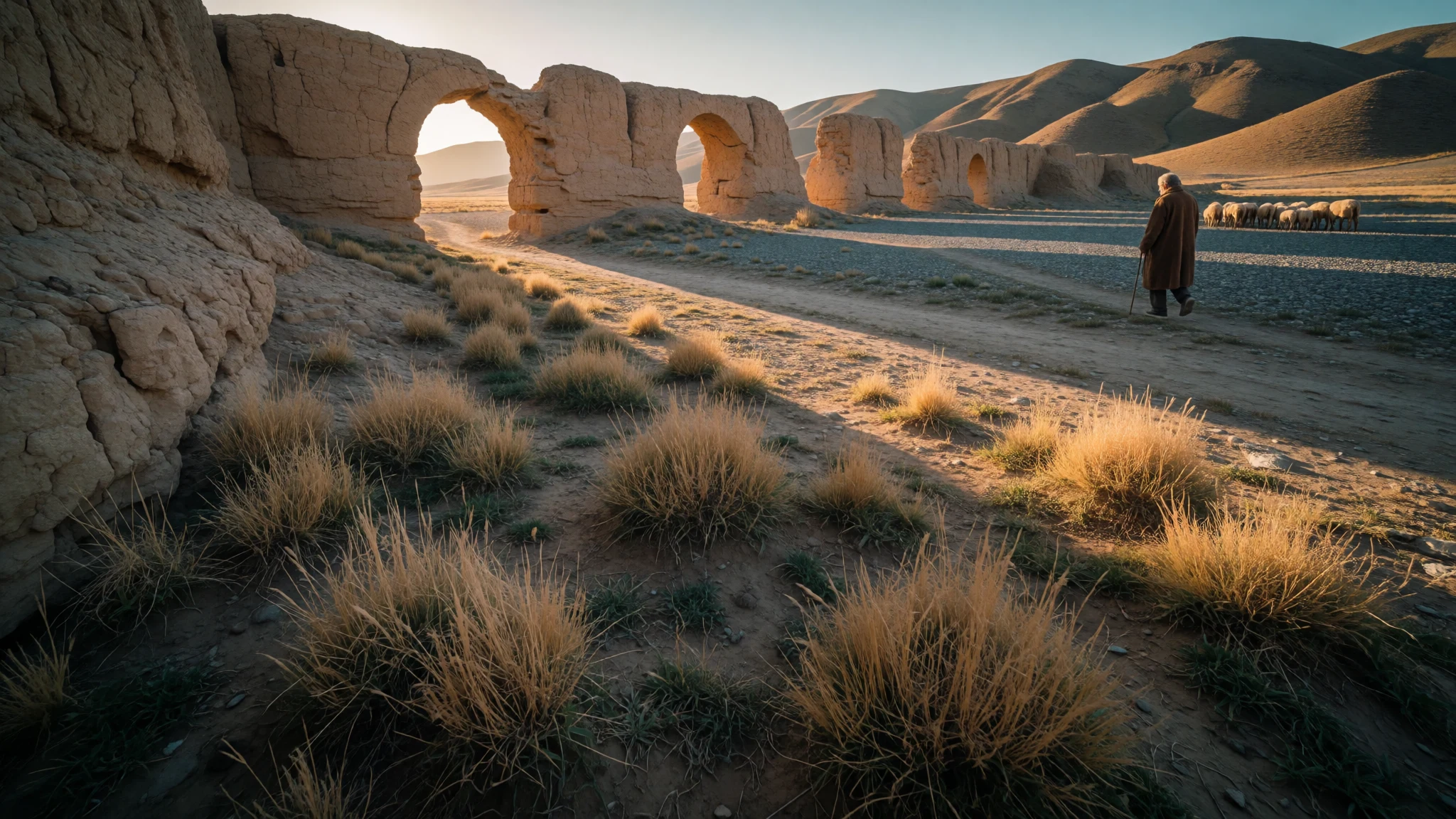
Hecatompylos, the 'city of a hundred gates', is a quiet Parthian capital site on the Iranian plateau, for travellers who enjoy imagining more than seeing.
The place
Hecatompylos is an ancient city site in Semnan province, northern Iran, on the dry plain between the towns of Semnan and Damghan. Most scholars place it at Sahr-e Qumis, in the old Qumis region of western Khorasan. Its Greek name means 'one hundred gates', and the Persian name, Saddarvazeh (صددروازه), says the same thing. Nobody thinks it really had a hundred. The title was handed to cities with more than the usual four gates, so 'Many Gated' is a fairer reading.
What survives today is an archaeological landscape rather than a monument: low mounds, traces of walls and scattered potsherds on open ground. There is no grand skyline to photograph, and a visitor should expect an empty plain, strong sun and plenty of wind rather than a developed attraction. The place rewards people who like reading a landscape.
It sits on the old route that ran along the southern foot of the Alborz mountains, the corridor that joined western Iran with Central Asia. That position explains why a capital stood here at all. The region is dry and open, with hot summers and cold winters typical of the Iranian plateau, so the shoulder seasons are the sensible times to come.
In 2011 a tourism and resort project borrowed the name Hecatompylos, but it was planned for land near Damghan, some distance from the historic site. The real city and the branded resort are different things, so check which one a booking or map pin actually refers to.
Its story
Hecatompylos enters history through Alexander the Great, whose army rested here in the summer of 330 BCE while chasing the fleeing Persian king Darius III. After Alexander's death the region passed to the Seleucid dynasty, one of the successor kingdoms that split his empire.
Around 237 BCE a tribe called the Parni seized the area. They became the Parthians, and Hecatompylos served them as an early royal seat. By about 200 BCE it was their capital. Greek and Roman writers, including Strabo, Pliny and Ptolemy, name it as the Parthian royal city. Yet the Parthians were a mobile, horse-based power, and they used several cities as centres at different times, so 'capital' here means something looser than it does for a modern state.
The city's end came from the ground itself. The Damghan earthquake of 856 destroyed it, and it was probably abandoned soon afterwards. Damghan itself, nearby, carried on as a town.
That is why the site is so spare now. The city was not conquered and rebuilt over; it was broken by a quake and left. Its Middle Persian name, Kōmis, survives in the region's name, Qumis, a small thread connecting the modern map to a capital that once ruled a vast empire.
What to see
- Sahr-e Qumis site — Between Semnan and Damghan, Semnan province
The probable location of Hecatompylos is an open plain of mounds, faint wall lines and pottery fragments in Semnan province. Little is signposted, so go with a local guide or a good map, bring water and a hat, and treat it as a place to imagine rather than inspect.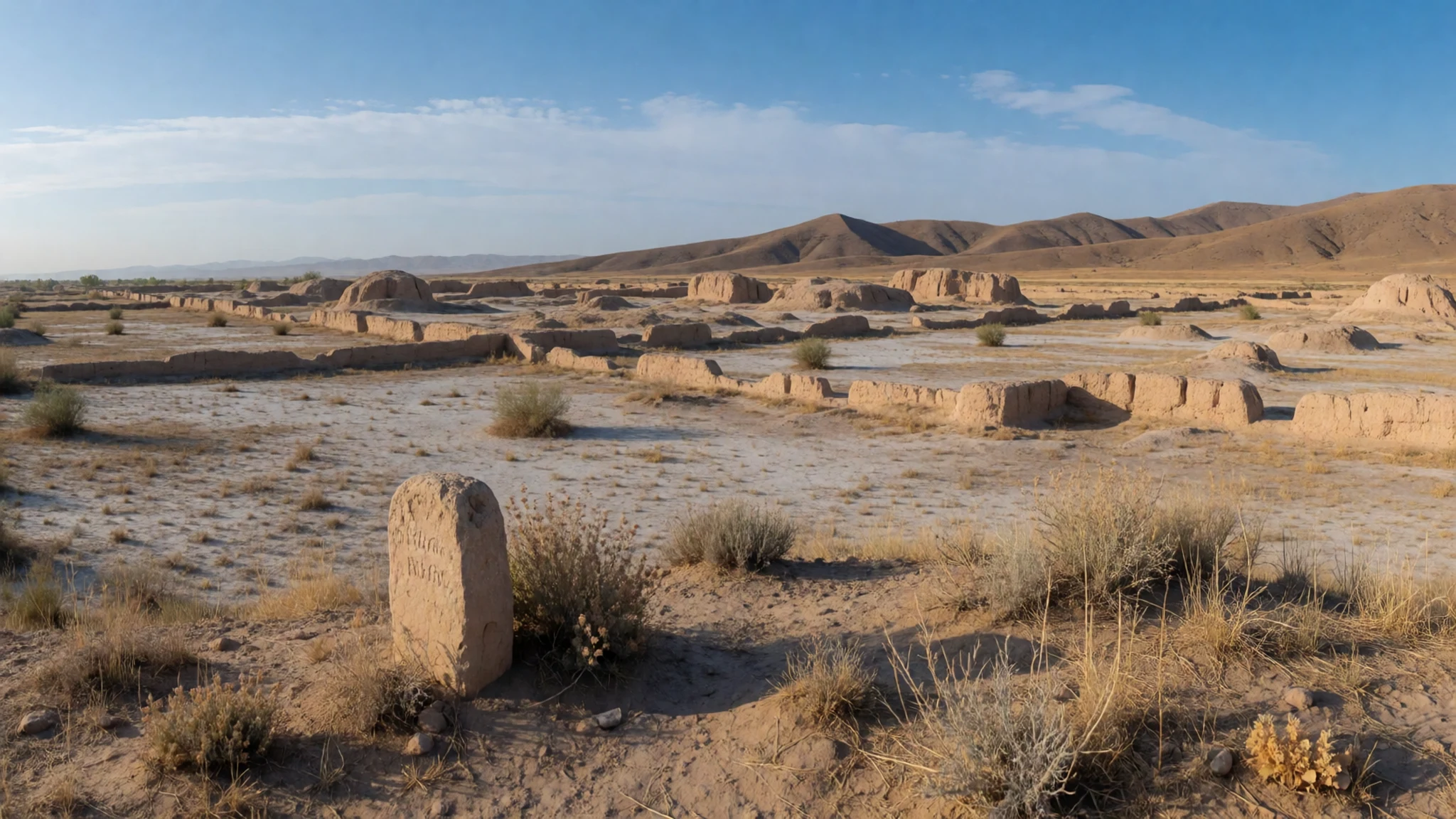
- Damghan — Semnan province, north-east of the site's neighbourhood
The nearest town of any size to the site, and the place most visitors use as a base. It is a modest, dry-climate market town, handy for finding a guide, a meal and a bed. The 2011 resort scheme that used the Hecatompylos name was planned in its surroundings.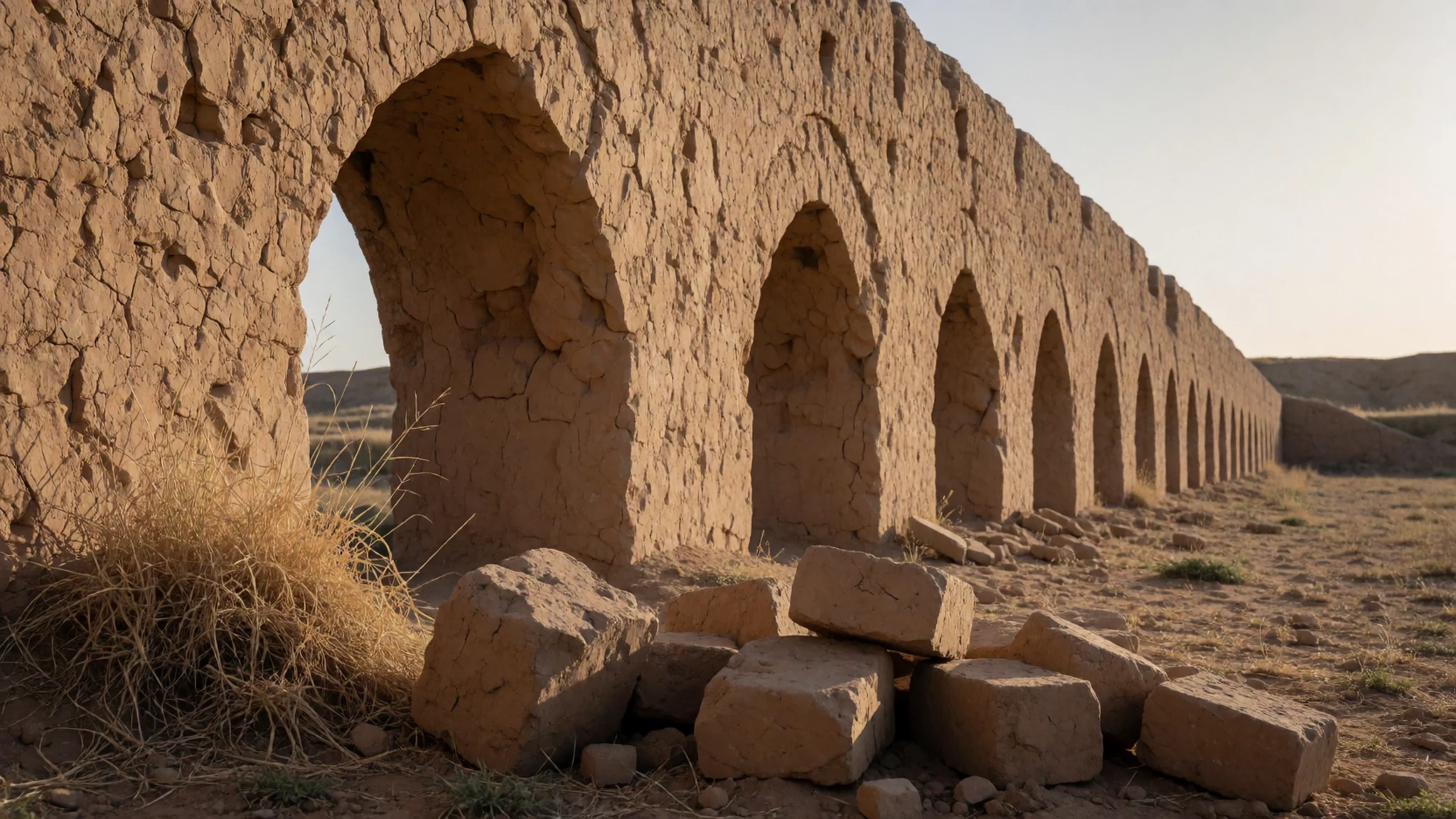
- Semnan — Semnan province
The provincial capital lies on the other side of the plain and gives a second base, with easier transport links. Together with Damghan it brackets the historic site, so most journeys here run between the two towns, passing through the same dry, open country the Parthians knew.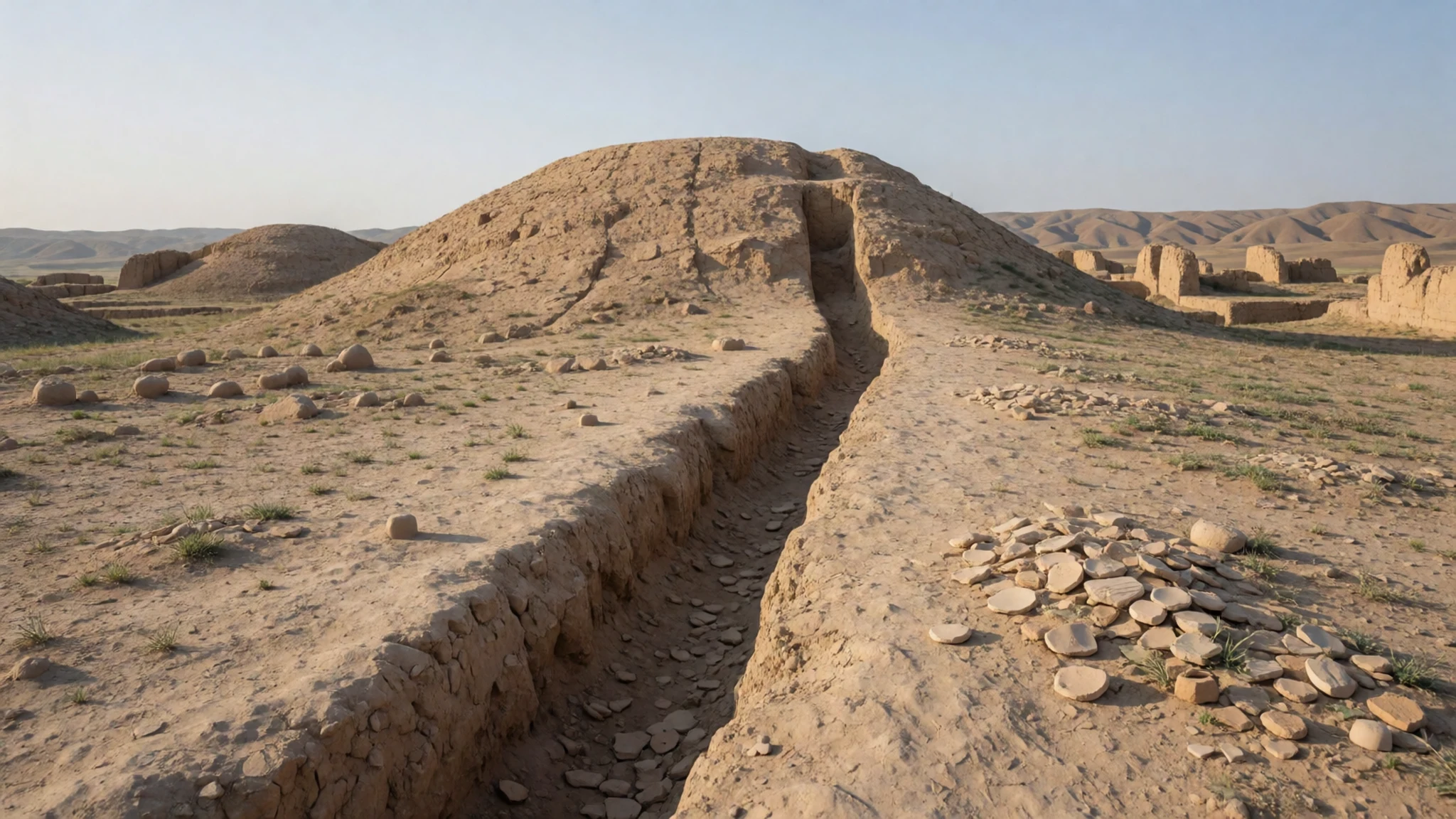
- Persepolis — Near Shiraz, Fars province
Far to the south near Shiraz, Persepolis was the capital of the Achaemenid Persian Empire, built by Darius. It is the Iranian site to pair with Hecatompylos if the trip is about ancient empires, and it has the standing stonework that the Parthian city lacks.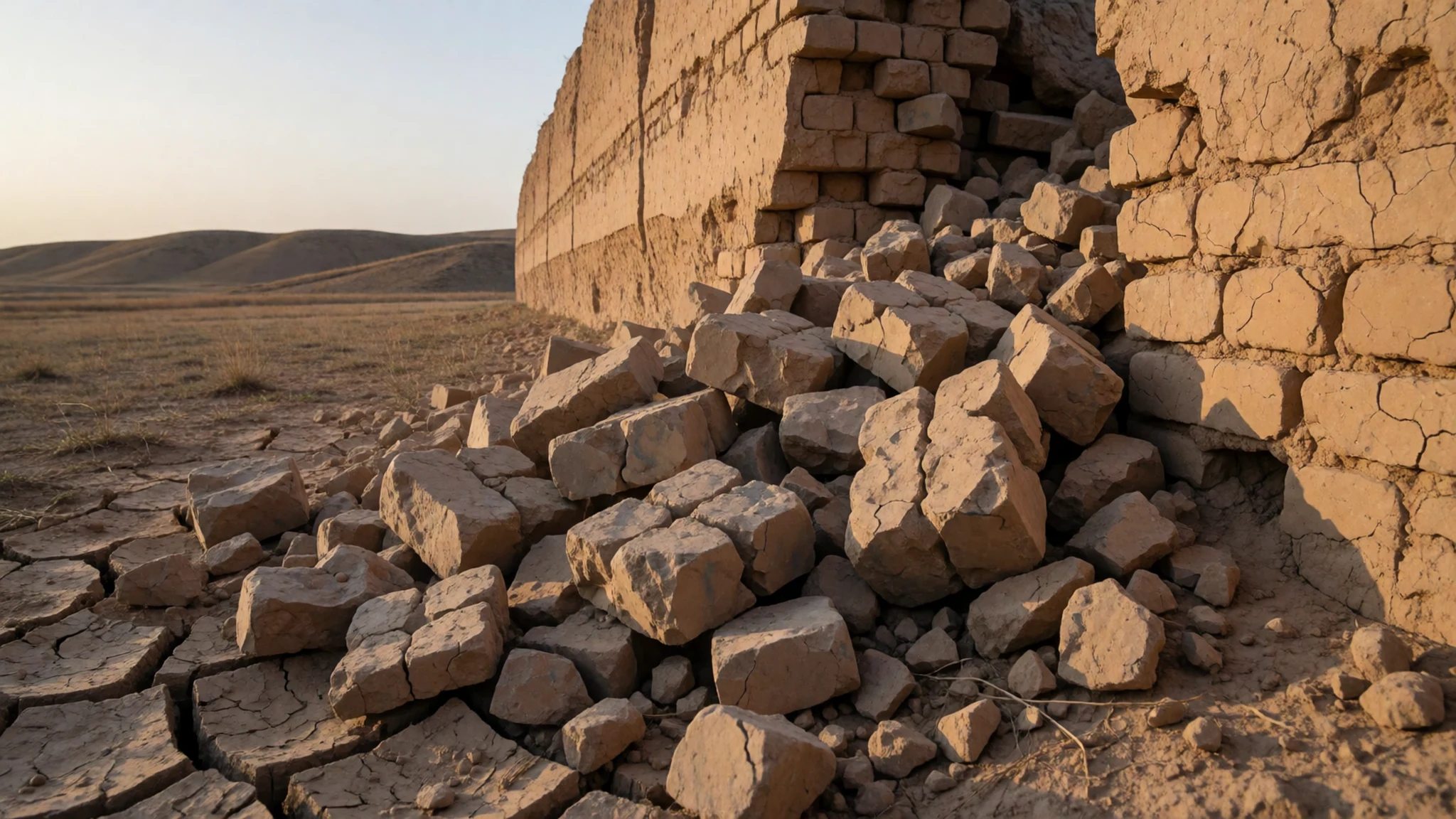
- Hegmatane (Ekbatana) — Hamedan
Beneath modern Hamedan lies Hegmatane, also spelt Ekbatana, the capital of the ancient Medes. It belongs to the same long story of Iranian cities rising and falling, and it is a useful stop on a western route, though much of it is buried under the living city.
Culture
Hecatompylos lies in a part of Iran where hospitality is a serious matter. Guests are generally looked after generously, and a foreigner arriving at a small town near the site is more likely to be offered tea than ignored. Polite forms matter: people say 'Aghaye' before a man's name and 'Khanoome' before a woman's, and use plural verbs out of respect. A common greeting is 'Kheili khosh amadid', meaning welcome.
Greetings are physical but have rules. Handshakes and hugs are normal between people of the same sex, but a man should not offer his hand to a woman unless she offers hers first. When you greet someone who is seated, they will usually stand up.
Tea is the heart of social life. It is served strong, often with a sugar cube held between the teeth, and refusing what a host offers can be taken as rude, so accept the plate even if you only taste it. Meals are long and unhurried, and dinner often starts late in the evening.
The region is conservative, and Islamic dress norms apply in public. There is also some natural reserve toward outsiders, which usually softens quickly once a conversation starts.
When you are invited into a home, bring a small gift, and ask before photographing anyone, especially women.
What to wear
Hecatompylos sits in Semnan province, where traditional dress follows the wider Iranian pattern more than any single local costume. Women's older village dress used layered, gathered skirts, long tunics and a headscarf or chador, in cotton and wool, with brighter prints for celebrations. Men wore loose trousers, long shirts and felt or wool caps, often in muted desert colours suited to heat and dust. Handwoven wool and cotton cloth were the practical choice on this dry plain.
Today, public dress is shaped by Islamic rules. Women are expected to cover everything except the face, hands and feet, which most do with a headscarf and a long, loose coat or tunic over trousers, in everything from black to bright colours in cities. Men wear ordinary trousers and shirts, usually long-sleeved or at least with sleeves, and shorts are rare in public. Western-style clothes are fine inside private homes.
For visitors, the rules are simple. Women should bring a light scarf, a loose long-sleeved top that covers the hips and long trousers or a skirt to the ankle. Men should pack lightweight long trousers and shirts. The site itself is open ground with almost no shade, so a wide-brimmed hat, sunglasses and sunscreen matter, and sturdy closed shoes suit the uneven, dusty ground. Layers help, because desert evenings and winter days turn cold.
What to eat
- Kebab — Simple eateries in Damghan and Semnan
Kebabs are the staple of Iranian eateries and the most reliable meal near Hecatompylos, since decent restaurants are few and stick to a short menu. Grilled meat comes with rice and bread. Look for them in the main towns of Semnan and Damghan.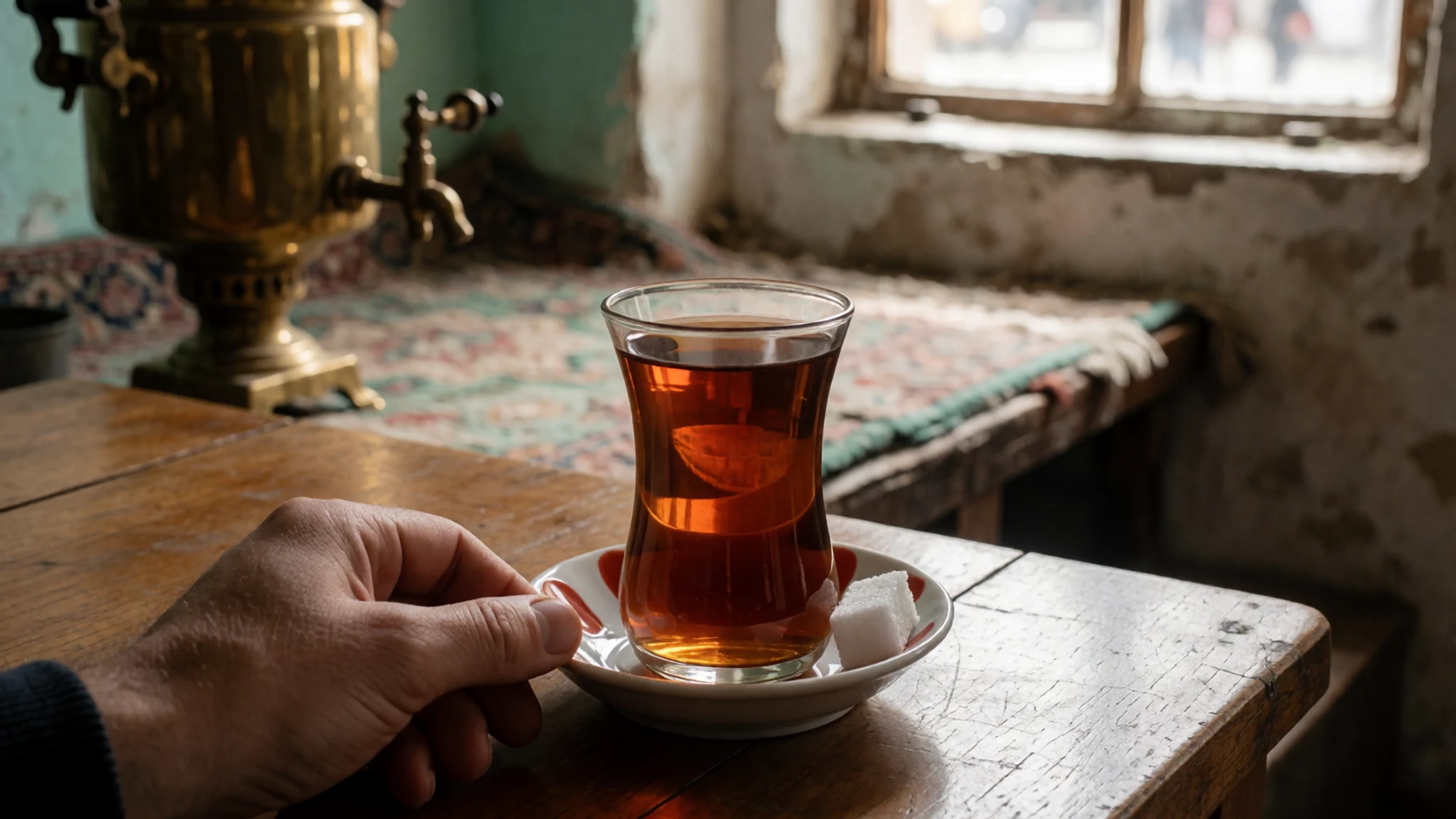
- Chai (black tea) — Tea houses (chāi khāneh) and private homes
Black tea is the national drink, served strong and usually with sugar cubes held between the teeth as you sip. It arrives at almost every stop, and a glass is often offered before any conversation begins. Accepting it is part of good manners.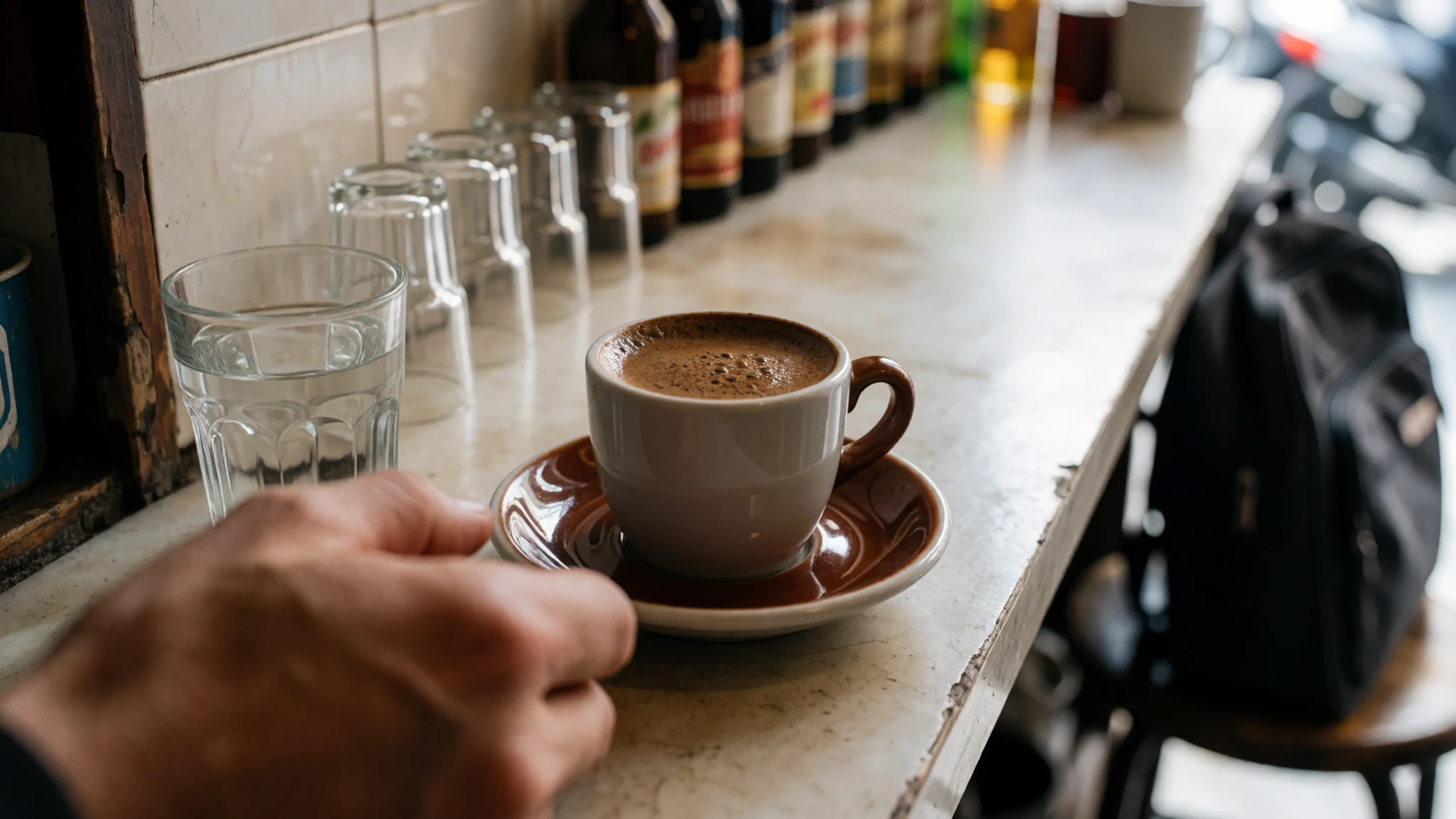
- Home-cooked dinner — A private household, by invitation
Iranians prefer to eat at home, and the best meal on a trip is often an invitation to someone's table. Dishes lean on fresh produce and aromatic herbs, with rice, stews and bread. Bring a small gift, and expect dinner to be eaten late. - Pastries, fruit and nuts — Offered in homes and at tea houses
Social visits and long gatherings come with plates of pastries, seasonal fruit and nuts, offered as hospitality rather than as a course. It is polite to accept what is put in front of you, even if you only take a small amount of each. - Coffee (ghahveh) — Cafés in town centres
Coffee has become fashionable with younger Iranians and can now be found in every city. It may be served Turkish style, as French coffee or as espresso, and instant coffee is also available. Cafés in Semnan and Damghan are the places to look for it.
Plan it
Best time. April–May and October–November, when the plateau is mild; summers are hot and dry with little shade at the site, and winters can be cold.
How long. 1–2
Getting there. Fly into Tehran, then take a train or bus east to Semnan or Damghan. The last stretch to the site is by taxi or hired car with a driver; ask a local guide for the exact spot.
Budget. low
Tips
- Hire a local guide or driver, as the site is barely signposted
- Carry plenty of water, a hat and sun protection, as there is no shade
- Carry some cash, as cards from abroad often do not work
- Check visa rules for your passport well before travel; Indian citizens arriving by air may visit visa-free for a short stay, but UK citizens need a visa
- Pair it with Persepolis or Hamedan only if you have time, as they are far away
Etiquette
- Women should cover their hair and wear loose, long clothing in public
- Accept tea and food when offered, even a small amount
- Ask permission before photographing people
Nearby
Sources
- Wikidata Q1518300 (CC0)
- Wikipedia: Qumis, Iran (rev 1364718337) (CC BY-SA 4.0)
- Wikivoyage: Iran (rev 5412767) (CC BY-SA 4.0)