Arg-e Bam
Arg-e Bam, Iran
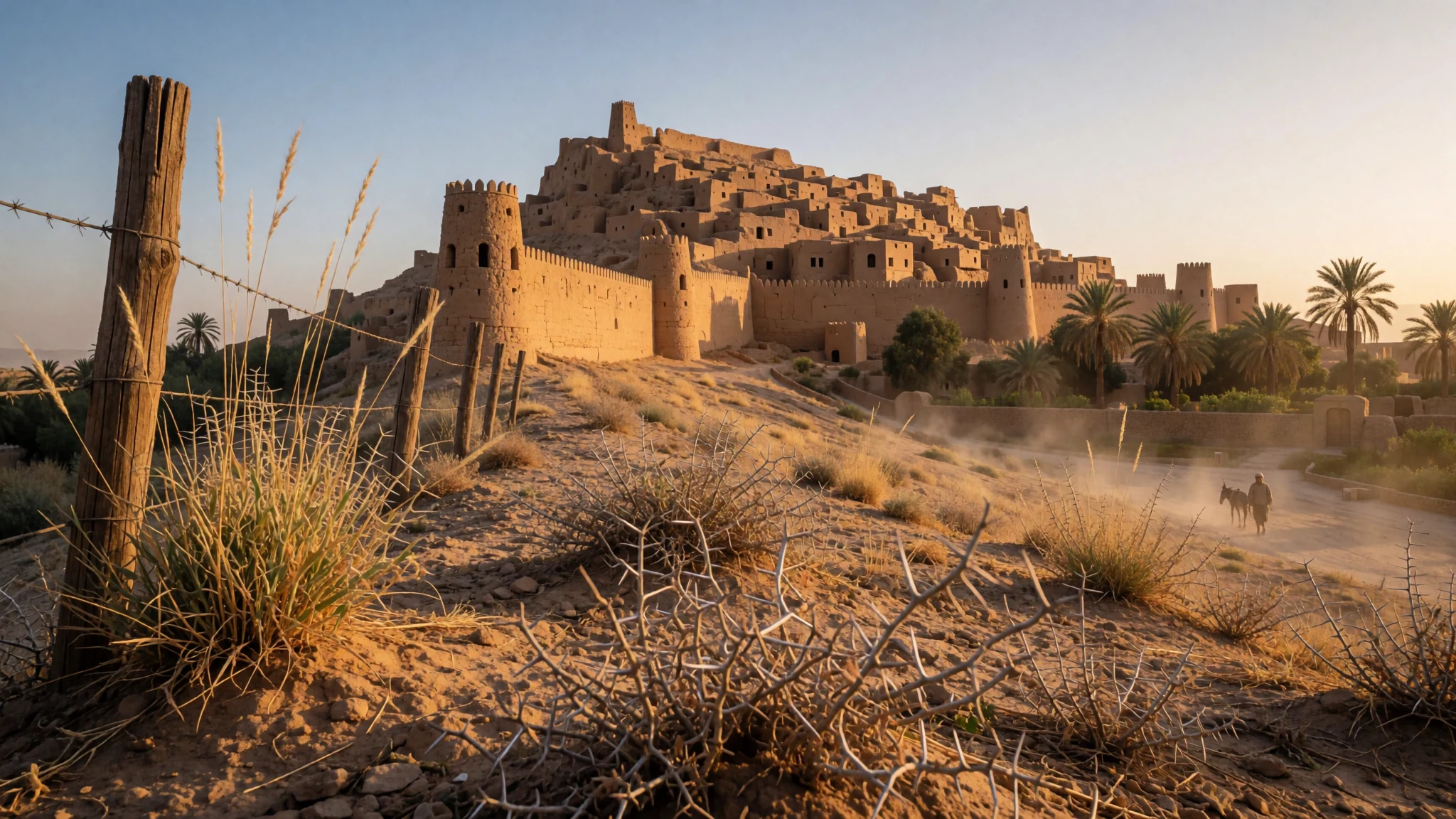
Come for one of Iran's most striking earth-built sites, best seen in spring or autumn before the summer heat sets in.
The place
Arg-e Bam is the ancient citadel that gives the city of Bam its best-known landmark. Bam sits in Kerman province in south-eastern Iran, around 1,060 metres above sea level, and serves as the capital of both its county and its district. The modern town has roughly 127,000 residents and has grown up around the old citadel, a large mud-brick complex on a rise above the date gardens. Its walls, towers and houses are built of earth, a material well suited to the dry climate but fragile after heavy rain or an earthquake.
The site is listed as a UNESCO World Heritage Site and draws most of the town's visitors. People come for the scale of the old settlement and for the chance to wander its lanes, which climb and turn so that the whole place feels like one connected building. The citadel also marks how far the town has come since 2003, when a severe earthquake devastated the district and caused a very high loss of life. Much of the surrounding city has been rebuilt, and parts of the citadel have been conserved, though much of it still stands as ruin.
Bam is first and foremost a farming town. Its orchards and palm groves depend on underground water channels called qanats, and its dates are sold across Iran. Expect a quiet provincial place rather than a large tourist hub, with a modest choice of places to stay and eat. Summer heat is intense, so most visitors plan their walk around the cooler hours and take a long midday break.
Its story
Arg-e Bam's story begins long before the modern town took shape. The citadel is thought to be around two thousand years old, with its origins in the Parthian period, but most of the buildings that survive were put up later, during the Safavid dynasty. Historians still disagree about when and why the settlement was founded, and that uncertainty is part of what makes the site interesting.
For centuries Bam was a commercial place. A medieval geographer who passed through praised its weavers, whose cotton cloth was sent to markets far away, and its finished garments, which sold well in Khorasan, Iraq and Egypt. Textiles made the town prosperous, and trade brought in other goods.
Its prosperity was not uninterrupted. In the early eighteenth century an Afghan army led by Mahmud Hotak took the city, and it was largely abandoned. People returned and rebuilt, only for the settlement to be abandoned a second time after an attack by invaders from Shiraz. For a period the old walls were used as an army barracks, which helps explain the wear visible across parts of the complex.
Water shaped the later town. Bam developed into an agricultural and industrial centre, known for its dates and citrus fruit, watered by an extensive network of qanats. Tourism grew steadily as more people visited the citadel. Then, on 26 December 2003, a magnitude 6.6 earthquake struck the city and the surrounding province, killing a very large number of people and causing severe damage.
What to see
- Arg-e Bam citadel — Old town, within the modern city of Bam
The citadel is the reason most people come. Its earth-built walls, towers and houses rise from a hill-like base, and much of the complex dates from the Safavid period, although its origins go back roughly two thousand years. Allow a couple of hours to see the main sections, and bring water, because shade inside the walls is limited.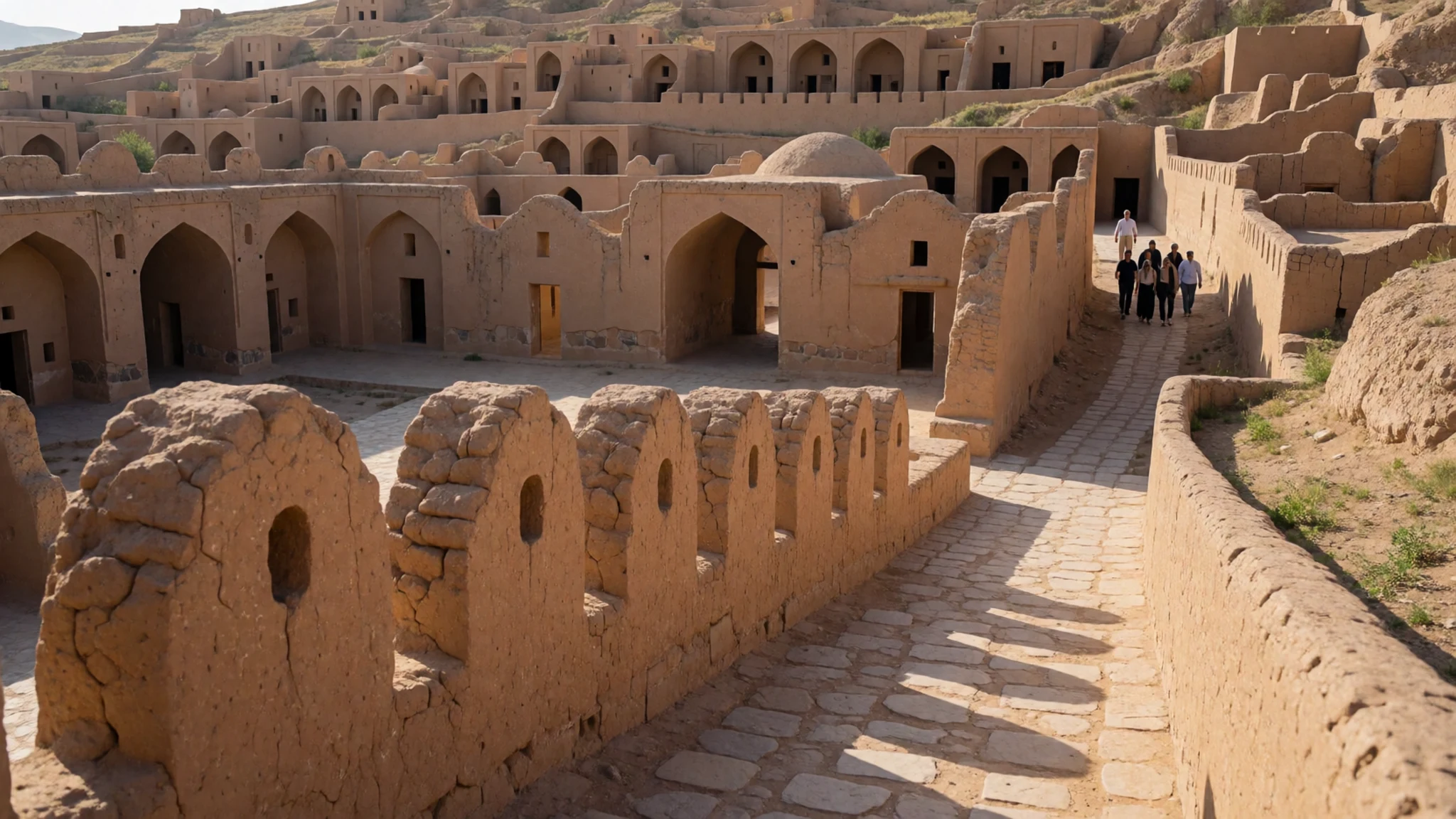
- Lanes of the old town — Inside and around the citadel walls
Narrow lanes and passageways connect the old houses, and walking them gives a clearer sense of daily life here than the larger courtyards alone. Some passages are dark and uneven, so go slowly and carry a torch or use your phone light. The lanes are quietest in the hottest part of the day, which makes early or late visits more comfortable.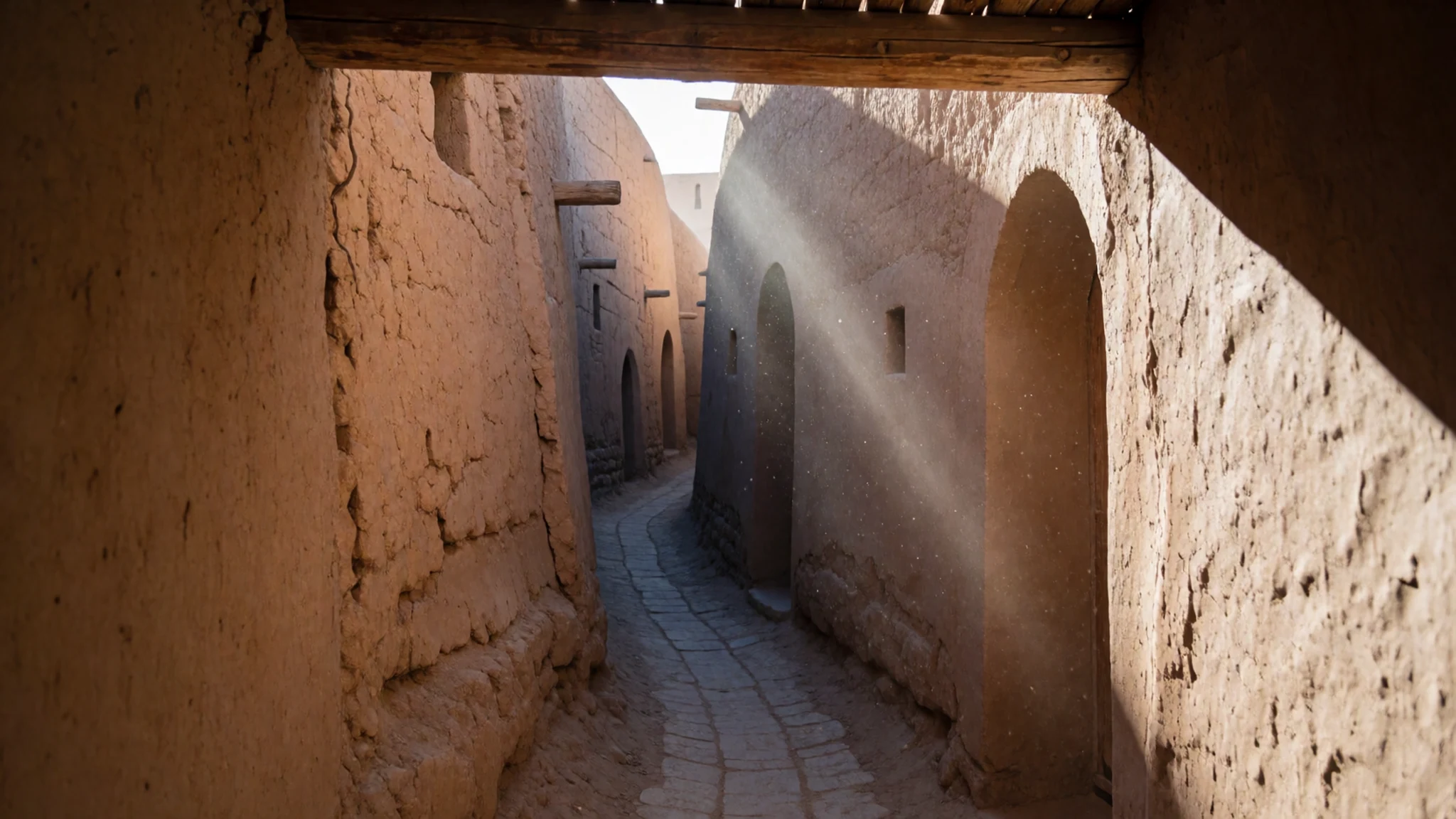
- Qanats and date gardens — Fields and palm groves on the edge of town
Bam's orchards depend on qanats, the underground channels that bring water down from the hills to the fields. Date palms, citrus trees and vegetable plots line the irrigated land around the town. A slow walk or short taxi ride out to the gardens shows how the settlement once worked, and it makes a useful contrast with the dry ground of the citadel.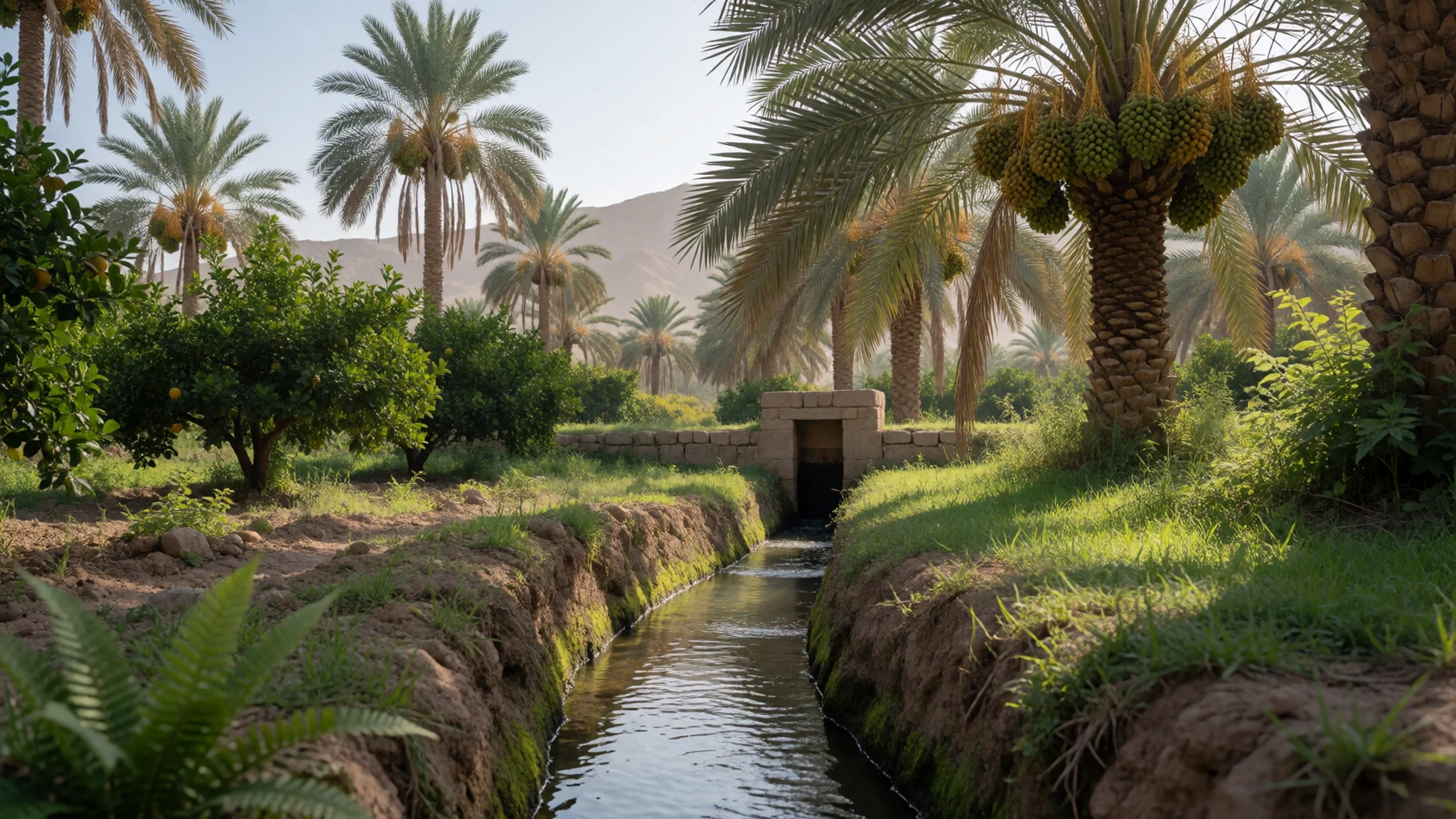
- Modern town centre — Main streets of the modern city
The modern city is where you will find places to eat, shops and transport connections. It has expanded since the 2003 earthquake, and rebuilding shows in newer housing blocks and wider roads. Use it as a base for meals and tea, then return to the citadel when the light is softer. English may be limited, so a translation app is helpful.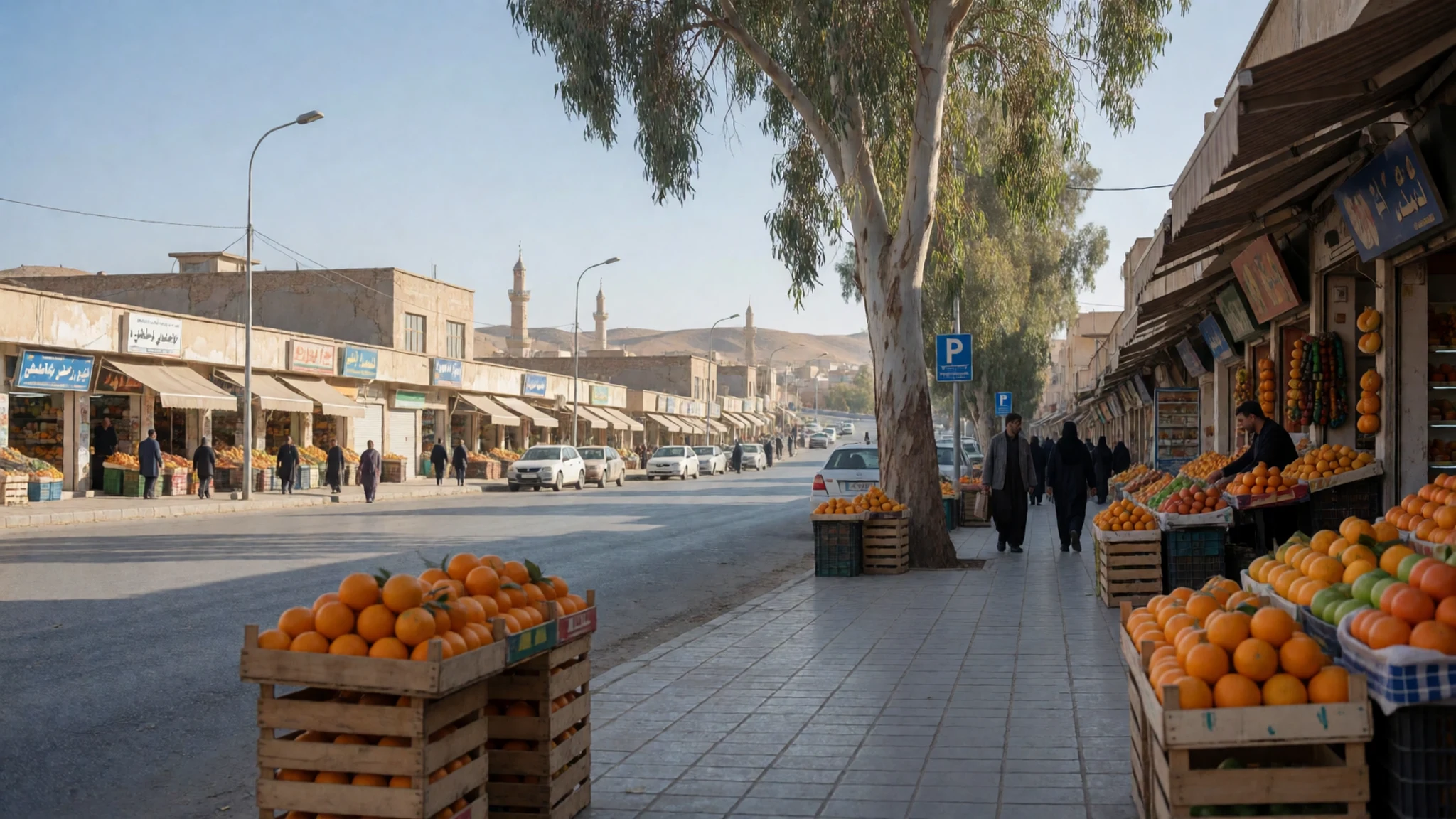
- Outer edge of the citadel — Outside the main walls, on the citadel's perimeter
The outer edge of the citadel gives a good view of the mud-brick mass against the desert beyond. Photographs taken from here show the scale of the site more clearly than those taken from inside the walls. Keep to the marked paths, because the earth is crumbly and loose stones can give way underfoot.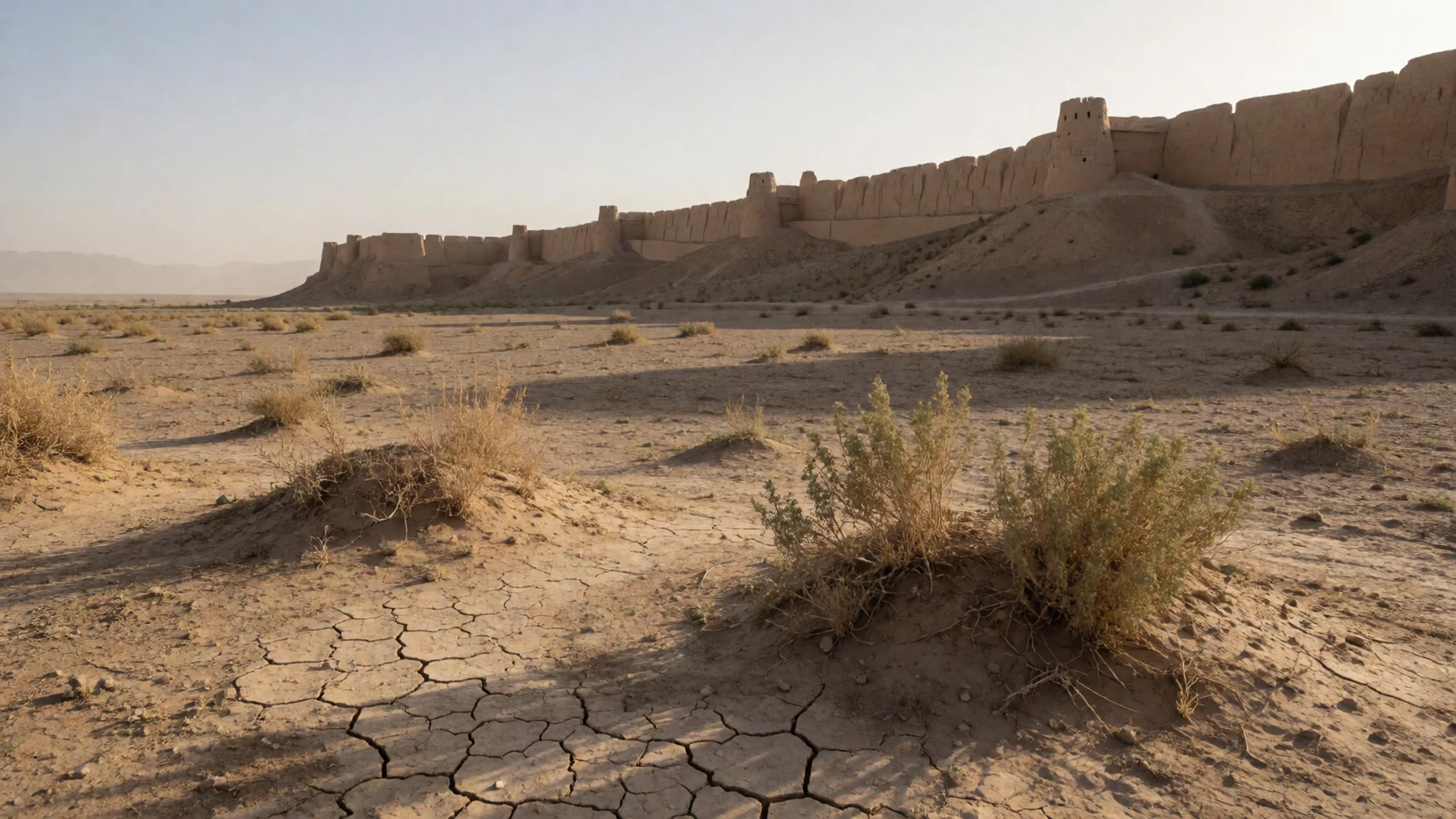
Culture
Bam is a conservative provincial city, and the citadel is also a place where local families come to walk, talk and spend a quiet afternoon. Friday is the weekly holiday, so many businesses close or slow down, and early and late hours are the most pleasant for visiting. Greetings matter, and a polite salam with a smile goes a long way; people are often curious rather than wary when they meet a foreign visitor. Tea is offered in homes and shops, and accepting a cup is a friendly gesture. Conversations about politics are best kept light unless your host raises them, and many people are glad to talk about family, food and the city. The earth paths are uneven and sometimes crumbling, so keep to marked routes and watch your footing. Photographing the ruins is usually fine, but photographs of women, children and families need permission first. Ask before photographing anyone, and dress with covered shoulders and knees at the citadel and around town.
What to wear
Bam's traditional dress grew out of the same cotton-weaving trade that once made the town known beyond Iran. Cotton was the everyday fabric of the region, and cloth woven locally was valued for its durability. Older women across Kerman province often wore long, loose garments with a headscarf, and the chador, a full-length cloak, was common in earlier generations and is still seen in some rural areas. Patterned and dyed textiles were typical of the wider region, though details varied from village to village.
Today most people in Bam dress in ordinary modern clothes. Men wear shirts and trousers, and young people wear jeans, sportswear and trainers. Many women wear a long, loose coat, known as a manto, with trousers and a headscarf, called a roosari, that covers the hair. Styles differ between the old town and the younger parts of the city, but modesty is the common thread.
For a visit, dress for heat and for modesty. Choose loose, long-sleeved tops, trousers or a long skirt that covers the knee, and light cotton or linen that breathes. Carry a headscarf so you can use it at the citadel and in religious places. Wear closed shoes with good grip, because the earth paths are uneven and dusty.
What to eat
- Bam Mozafati dates — Fruit sellers and date stalls around the town centre and near the date gardens
Bam is famous for its Mozafati dates, which have a delicate, rich sweetness and are sold fresh and unprocessed. Buy a small bag from a fruit seller and taste one before you commit to a box. They make a good gift to take home and keep well for several days.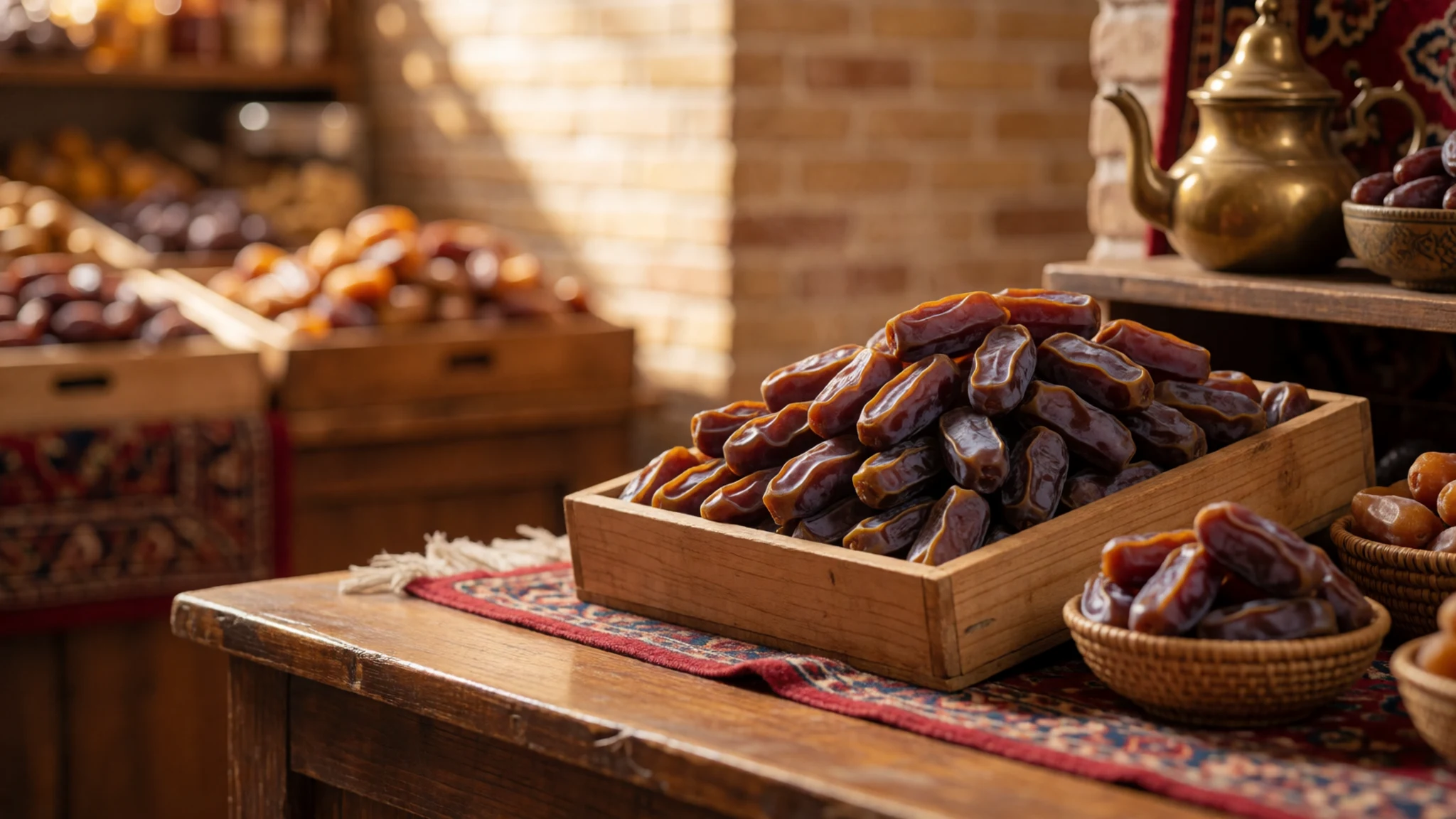
- Fresh citrus juice — Juice stalls along the main streets of the modern town
The town's citrus orchards supply juice stalls that squeeze oranges and other fruit to order. It is a refreshing stop after a walk through the hot lanes. Ask for it without added sugar if you prefer it sharper, and check that the glass has been rinsed in clean water.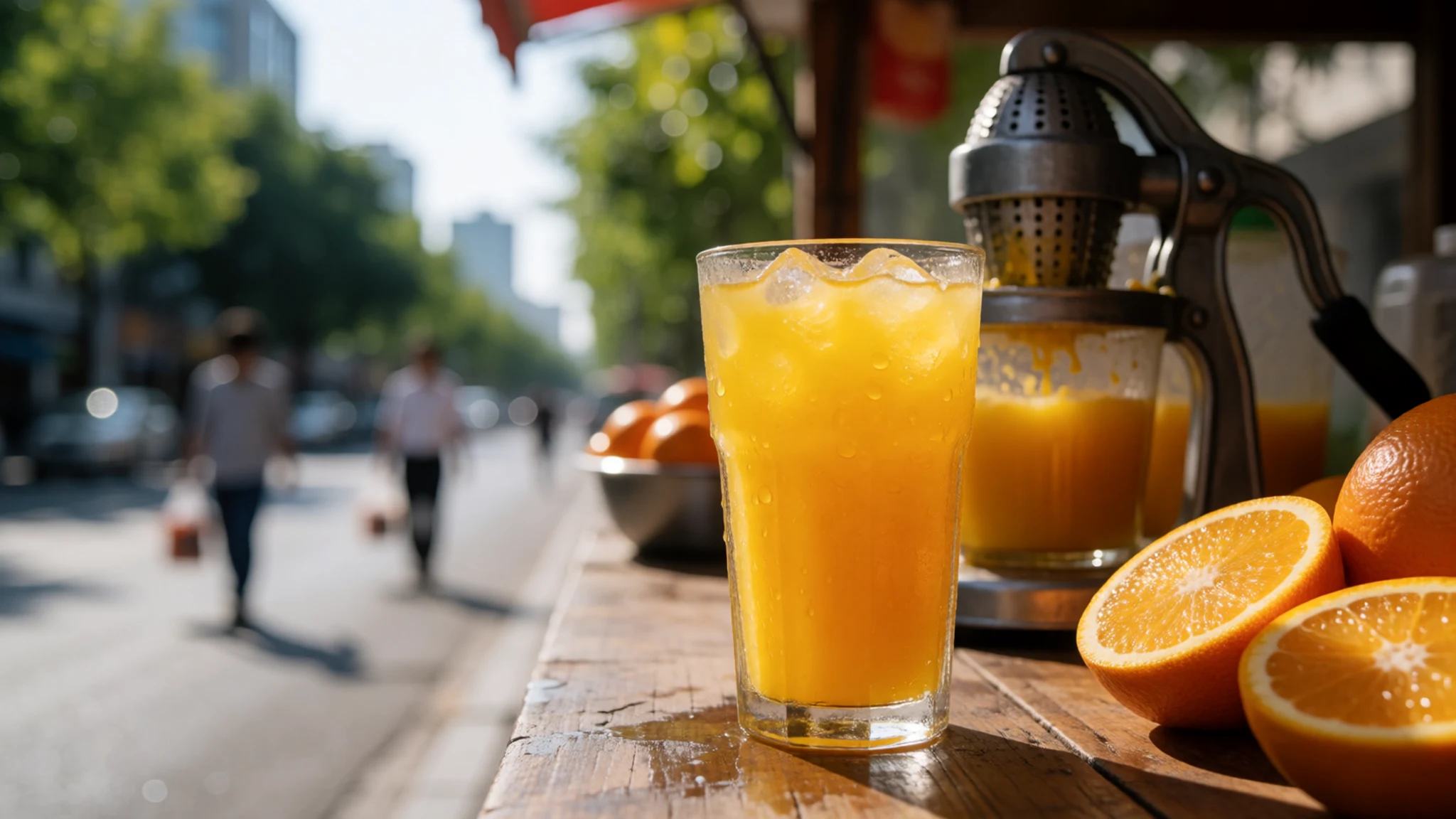
- Chelow kebab — Traditional kebab houses on the main roads of the town
Chelow kebab is the classic Iranian combination of grilled meat served with saffron-scented steamed rice and a raw egg yolk or sumac. Kebab houses are simple places with plain tables, and the meal is usually quick and filling. It is a reliable lunch after the morning at the citadel.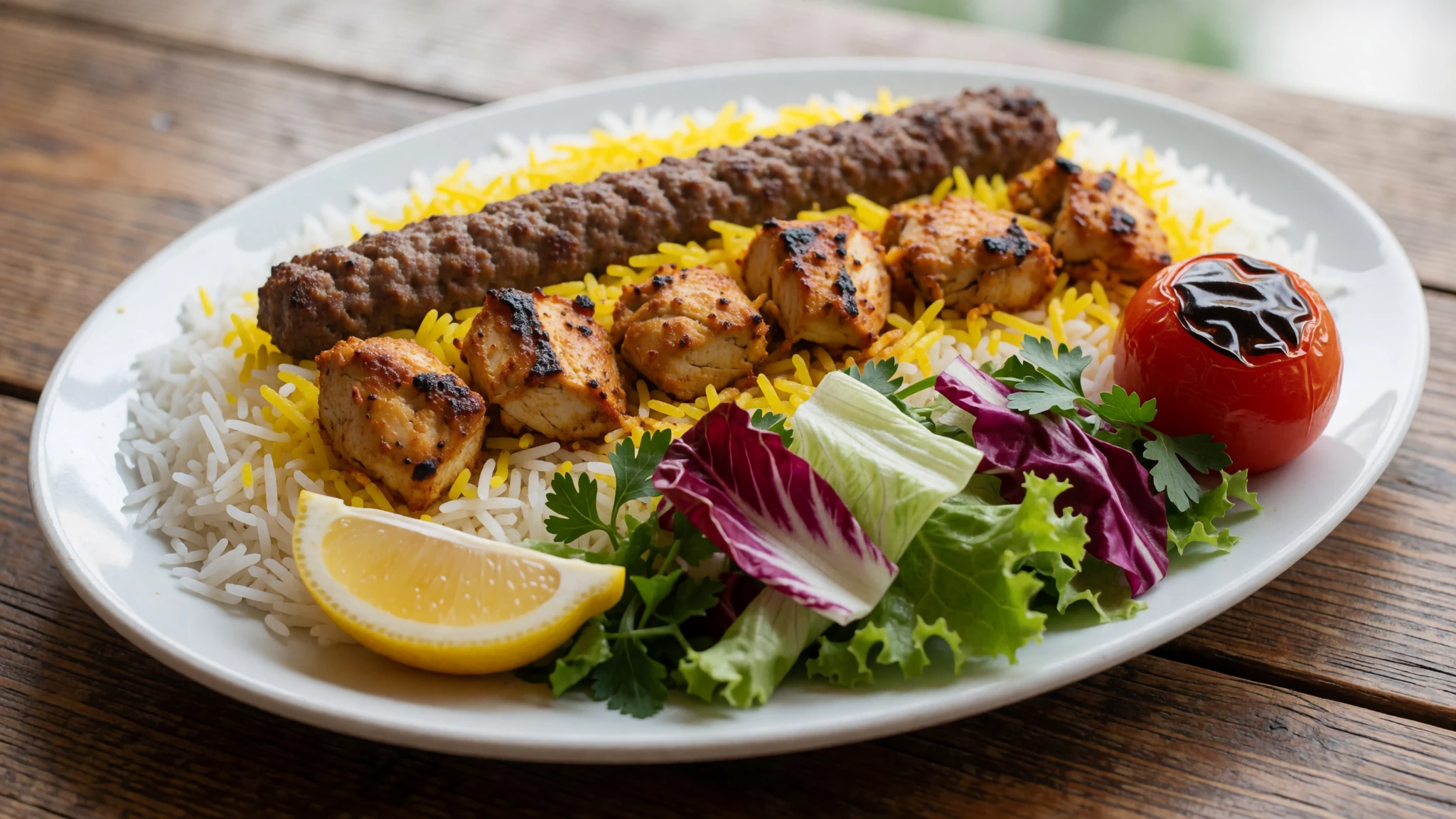
- Ash-e reshteh — Neighbourhood eateries and soup houses in the residential districts
Ash-e reshteh is a thick soup of beans, herbs and noodles, often topped with fried onion and a spoon of yoghurt. It is a comforting dish for cooler evenings in spring and autumn. Look for it at neighbourhood eateries that cook a single pot of soup each day. - Sholeh zard — Small sweet shops and tea houses in the town centre
Sholeh zard is a sweet saffron rice pudding, scented with rosewater and often sprinkled with cinnamon and pistachio. It is served at family gatherings and sold by small sweet shops. A dish of it after a hot afternoon makes a gentle end to a day of walking.
Plan it
Best time. Autumn (October–November) is the most comfortable time, with highs of about 30–34°C, while March and April are already close to summer heat. Summers are long and very hot, with highs around 41°C from June to August, and winters are cold, with nights often below freezing from December to February. Rainfall is light, averaging around 67 mm a year and falling mostly in winter, so rain is rarely a planning concern.
How long. 2–3
Getting there. Buses run to Bam from Kerman, and shared taxis from Kerman leave more often than the buses. The Tehran to Zahedan train stops in Bam once a day, which is the rail option. For the last leg into town, a shared taxi from Kerman is usually the simplest choice.
Budget. low
Tips
- Walk the citadel in the early morning or late afternoon, when the heat is lower
- Carry water and a hat, and plan for shade during the middle of the day
- Carry cash for small purchases and check whether cards are accepted before you rely on them
- Ask at the bus terminal for the next departure, since timings change
- Check the official site, bamcity.ir, for current visiting information before you go
Etiquette
- Dress modestly in town and at the citadel
- Ask before photographing people, especially women and families
- Keep to marked paths and avoid climbing on fragile walls
Nearby
Sources
- Wikidata Q106636 (CC0)
- Wikipedia, Bam, Iran (rev 1379862793) (CC BY-SA 4.0)
- Wikivoyage, Bam (rev 4411007) (CC BY-SA 4.0)
- Photo 01-panoramio-1.jpg, auoob farabi (CC BY 3.0)
- Photo 02-010213-kerman-img-0371-2.jpg, Safa Daneshvar (CC BY-SA 4.0)
- Photo 03-arge-bam-arad-edit.jpg, Arad Mojtahedi (CC BY 3.0)
- Photo 04-fortaleza-de-bam-ir-n-2016-09-23-dd-02.jpg, Diego Delso (CC BY-SA 4.0)
- Photo 05-panoramio.jpg, auoob farabi (CC BY 3.0)
- Photo 06-20250325-172807.jpg, M.afshari9 (CC BY-SA 4.0)
- Photo 07-20250325-173336.jpg, M.afshari9 (CC BY-SA 4.0)
- Photo 08-bam-2000-40.jpg, LBM1948 (CC BY-SA 4.0)


