Isfahan
Isfahan, Iran
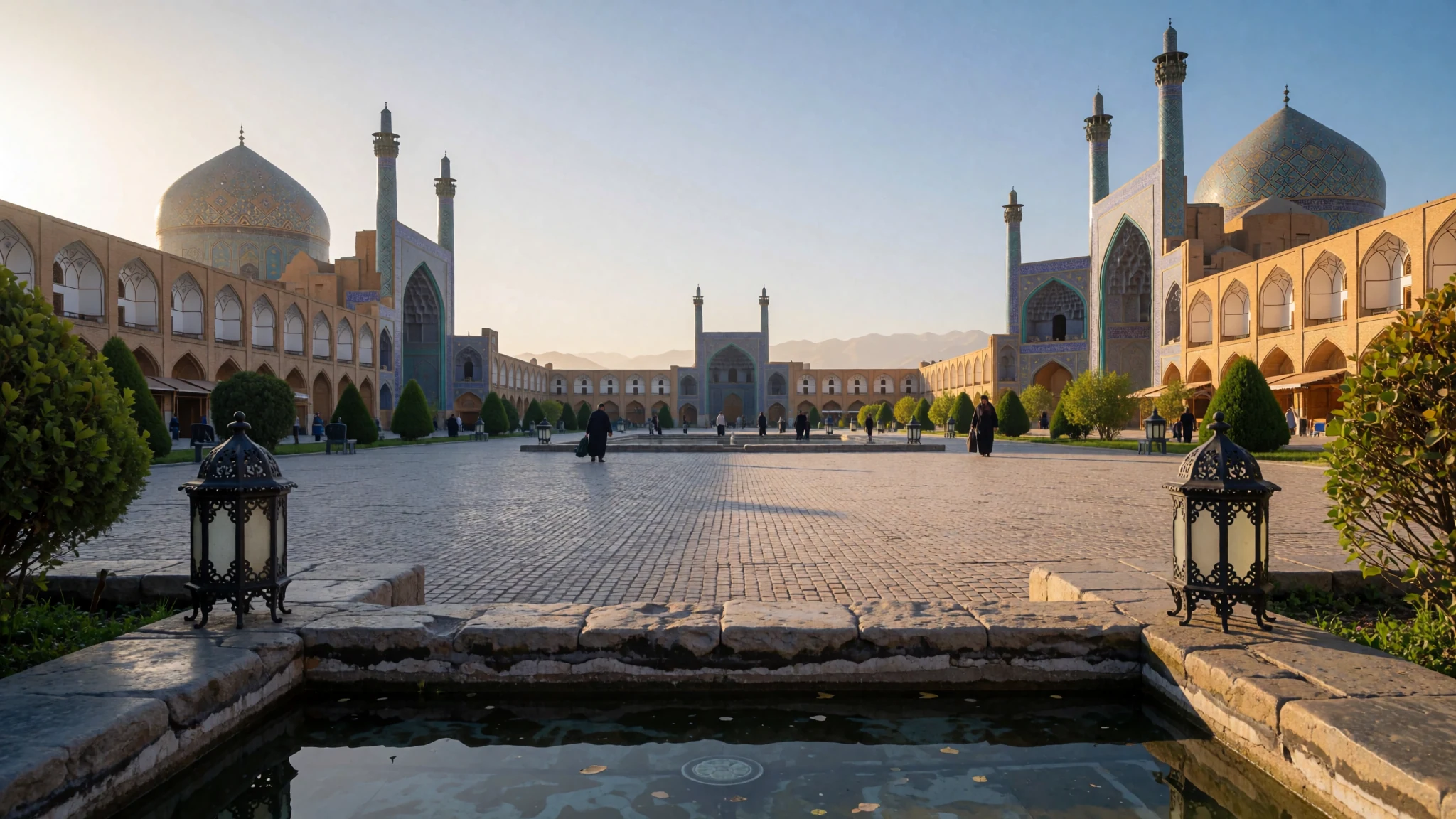
Isfahan invites travellers to wander through majestic Islamic squares, cross historic multi-arched bridges, and experience centuries of refined Persian heritage.
The place
Isfahan serves as a major urban centre and the capital of Isfahan Province in Iran. Situated on the plain of the Zayandeh River against the dramatic backdrop of the Zagros Mountains, the city stands at the intersection of traditional trade routes that once traversed the region. With a population approaching two million residents, it functions as one of the country's most significant cultural and economic hubs. The geographical setting provided early settlers with fertile land and steady water supplies, which were later enhanced during the Safavid dynasty by an intricate artificial network of canals known as madi. These water channels directed river water across various quarters of the settlement, supporting lush gardens and sustaining urban life through dry summers. Visitors arriving in Isfahan encounter wide avenues, sprawling public plazas, and monumental civic architecture that reflect centuries of urban planning. Mount Soffeh rises directly to the south, offering panoramic views over the sprawling cityscape and the surrounding plateaus. While modern development has expanded the municipal boundaries significantly, the historic core retains the distinct geometric layouts and turquoise tile facades that earned the city widespread renown among travellers across the centuries. The climate brings distinct seasonal shifts, balancing warm summers with crisp autumns and cold winters that occasionally dust the surrounding mountains with snow.
Its story
Human habitation in the Isfahan region stretches back deep into the Palaeolithic period, leaving behind archaeological layers spanning the Mesolithic, Neolithic, Bronze, and Iron ages. During the era of Median rule, the settlement emerged as an important regional centre, bolstered by the agricultural benefits of the local river network. Under Cyrus the Great, the community developed a reputation for religious and ethnic diversity, accommodating various populations in relative harmony. Following the Muslim conquest in the seventh century, Isfahan became the provincial capital of al-Jibal, continuing its steady growth through the Buyid and Seljuk periods. Although the city suffered a temporary decline after the fall of the Seljuks, it experienced an unprecedented golden age during the Safavid era after Abbas the Great chose it as his imperial capital. To secure the prosperity and artistic output of his new seat of power, the monarch strategically resettled skilled Persian, Turkish, and Armenian craftsmen within the urban quarters. Artisans transformed the skyline with monumental royal structures, grand residential palaces, and vaulted bazaars that remain central to the city's identity. Intellectual life flourished alongside the architectural boom, attracting scholars, poets, and theologians from across the Islamic world. This historical layering of empires, faiths, and artistic traditions created a dense urban fabric where ancient trade routes intersect with masterworks of medieval and early modern design.
What to see
- Naqsh-e Jahan Square — Central Isfahan
Also known as Imam Square, this monumental 17th-century public space forms the historic heart of the city. Surrounded by two-tiered arcades, the vast plaza connects royal mosques, a grand palace, and the sprawling traditional bazaar, creating one of the largest civic squares in the world.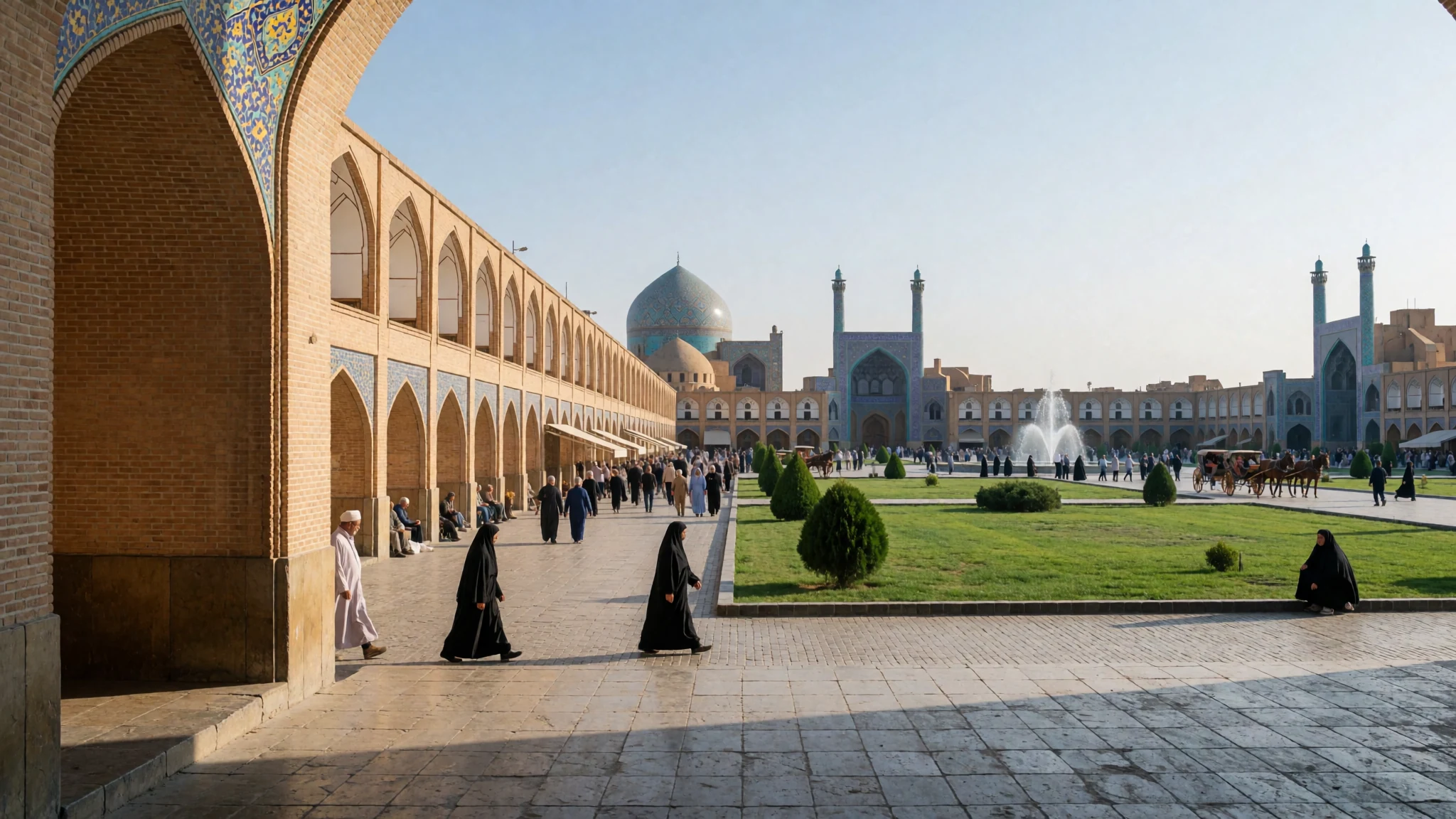
- Imam Mosque — Naqsh-e Jahan Square
Constructed during the Safavid period, this masterpiece of Islamic architecture dominates the southern side of the main square. The structure features magnificent seven-colour tile mosaics, soaring minarets, and an enormous dome engineered with sophisticated acoustic properties designed to amplify the speaker's voice.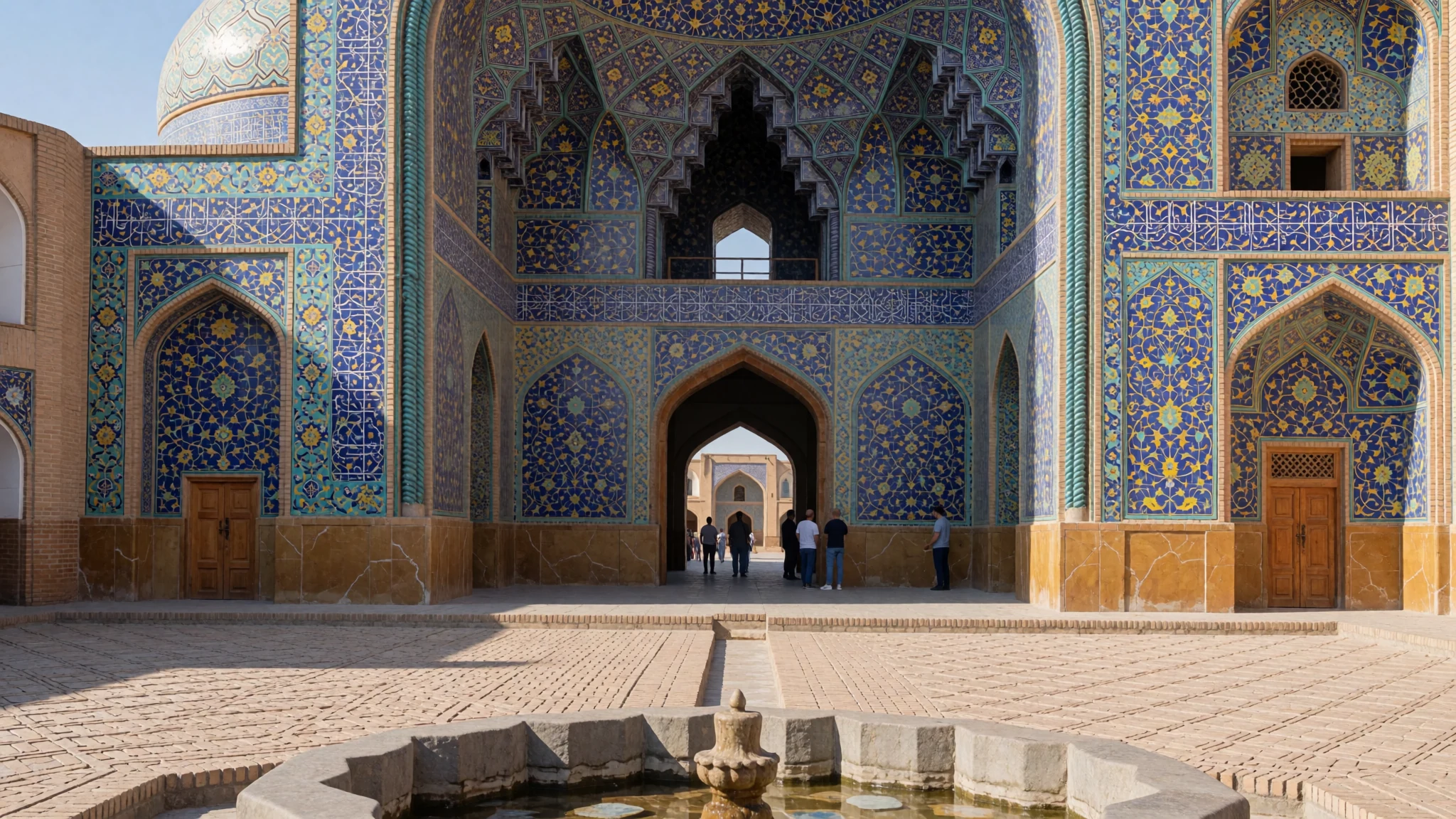
- Sheikh Lotf Allah Mosque — Eastern side of Naqsh-e Jahan Square
Commissioned by Shah Abbas I and designed by his chief architect, this unique sanctuary was built without minarets or a traditional courtyard. Its cream-coloured dome shifts hues throughout the day, while the interior showcases some of the finest tilework ever produced in the Islamic world.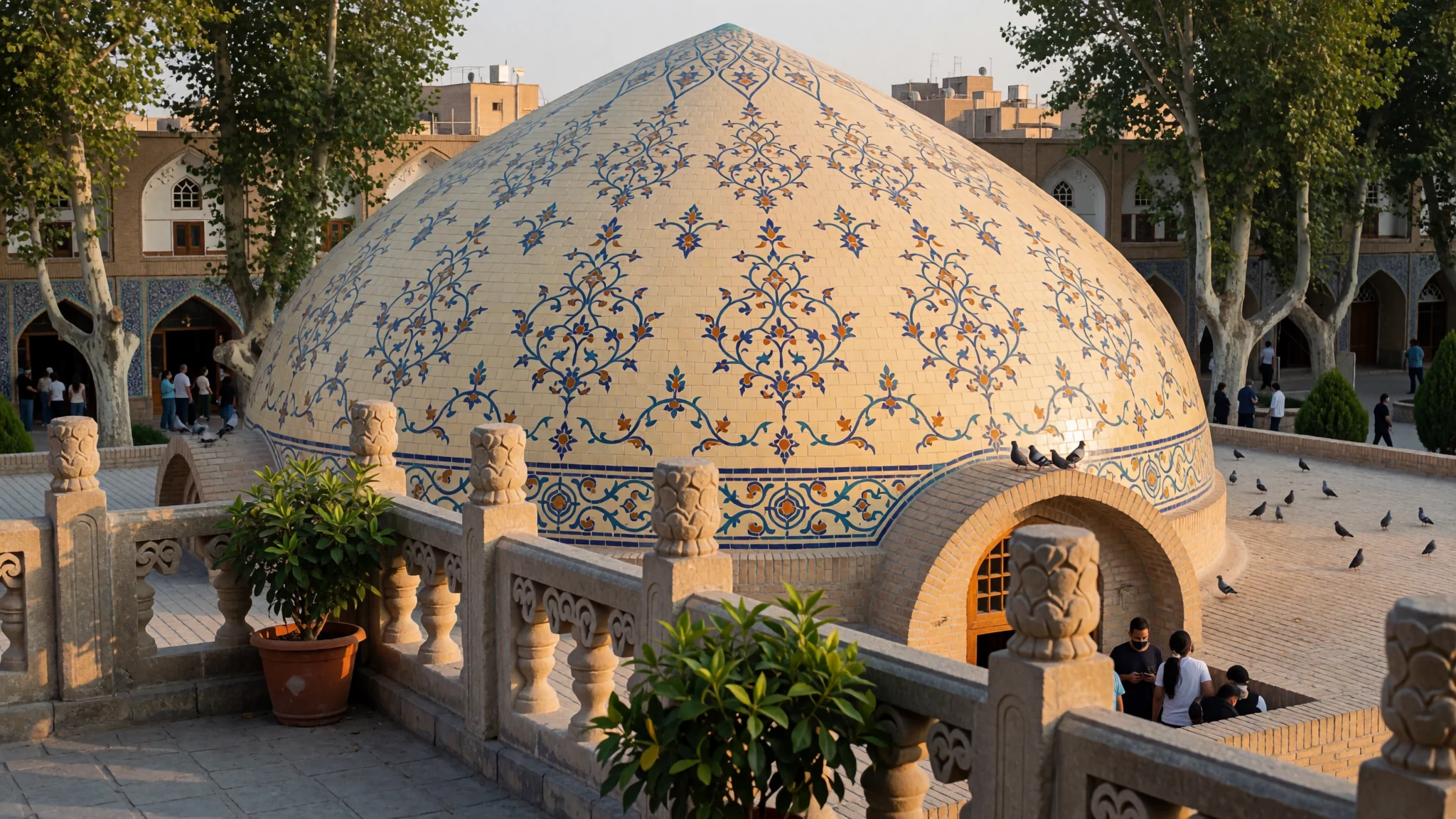
- Masjed-e Jāmé of Isfahan — Old Town
Serving as a vast architectural chronicle, this ancient congregational mosque began construction in the ninth century. It stands as the earliest Islamic building in the region to adopt the classic four-courtyard layout, incorporating structural additions from successive dynasties over a millennium.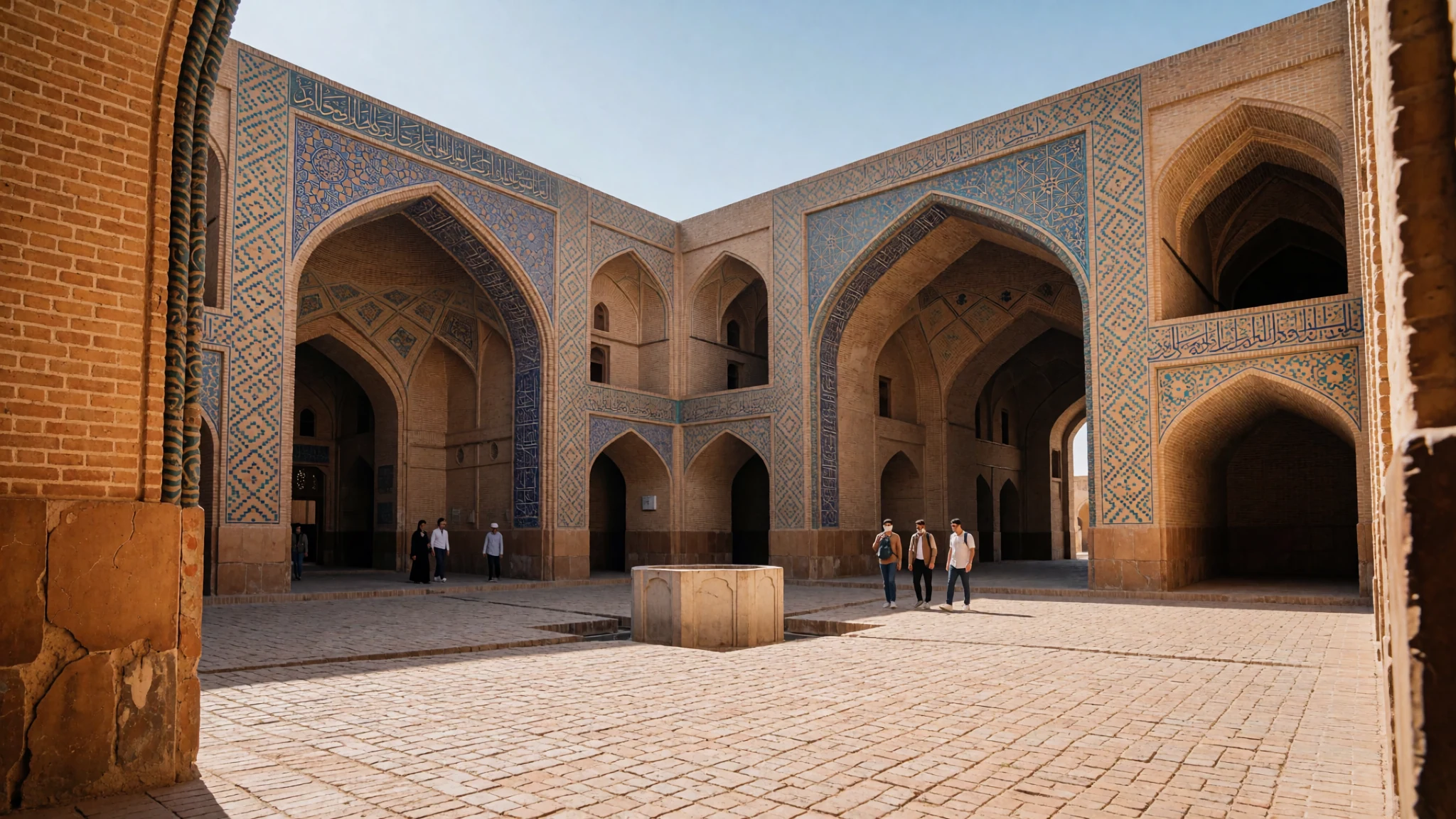
- Vank Cathedral — New Julfa district
Located in the historic Armenian quarter of New Julfa, this 17th-century cathedral blends traditional European church architecture with Islamic dome construction. The interior walls and ceiling are completely covered in intricate frescoes depicting biblical scenes, martyrdoms, and floral motifs.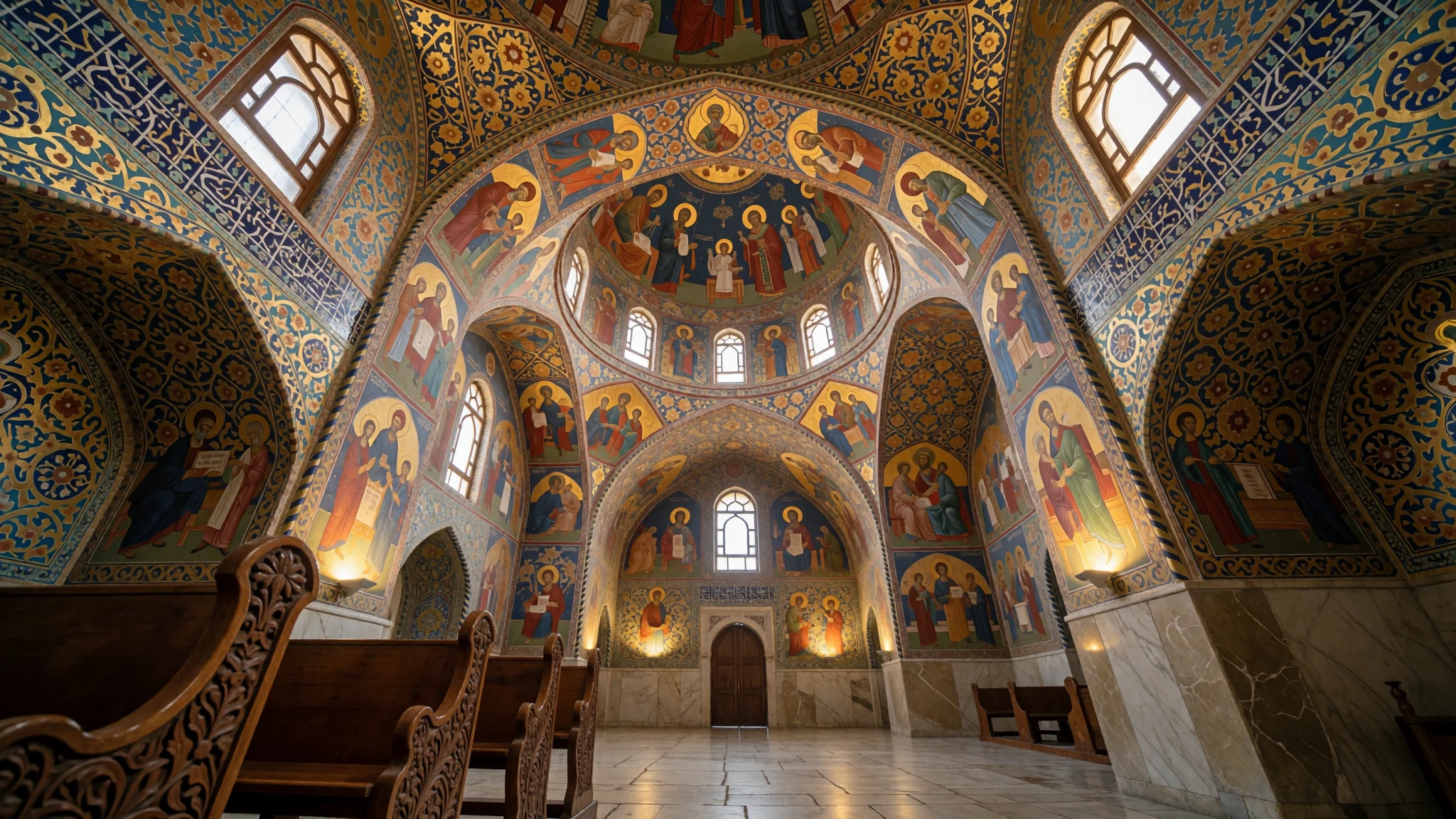
Culture
Isfahan has long operated as a mosaic of diverse communities, traditions, and artistic lineages. The cultural identity of the city is deeply rooted in the refined arts of carpet weaving, miniature painting, calligraphy, and metalwork, crafts that have been passed down through generations in the vaulted workshops of the grand bazaar. In the historic Armenian quarter of New Julfa, distinct Christian traditions thrive alongside the majority Islamic culture, evidenced by historic churches and community institutions that have endured for centuries. Hospitality remains a foundational social pillar, with local residents frequently engaging visitors in polite conversation and extending warmth to strangers. Poetry and literature hold a cherished place in daily conversation, reflecting an enduring appreciation for classical Persian verse. Social gatherings often revolve around leisurely tea drinking in historic caravanserais or public parks. Visitors must dress modestly in public spaces, ensuring that shoulders and legs are covered, and women should wear a headscarf at all times.
What to wear
Traditional dress in Isfahan historically reflected regional diversity, including embroidered tunics, layered robes, and distinctive headwear worn by Persian, Turkic, and Armenian communities. In contemporary Isfahan, daily clothing for local residents blends modern practical styles with national modesty requirements. Men typically wear trousers and shirts or casual jackets, while women wear a long coat or tunic known as a manto, paired with trousers and a headscarf or veil that covers the hair. For travellers visiting Isfahan, dressing appropriately is essential for respecting local customs and entering religious sites. Female visitors should pack loose-fitting long coats or tunics that reach below the hips, full-length trousers, and lightweight scarves to cover their hair comfortably. Male visitors generally wear full-length trousers and shirts with sleeves. Sturdy walking shoes are recommended for exploring the expansive stone plazas, uneven cobblestone alleys of the old bazaar, and historical monuments where footwear must occasionally be removed.
What to eat
- Beryani — Traditional eateries near the central bazaar
A signature local speciality consisting of minced mutton cooked with spices, served on small pieces of flatbread alongside fresh herbs and onions.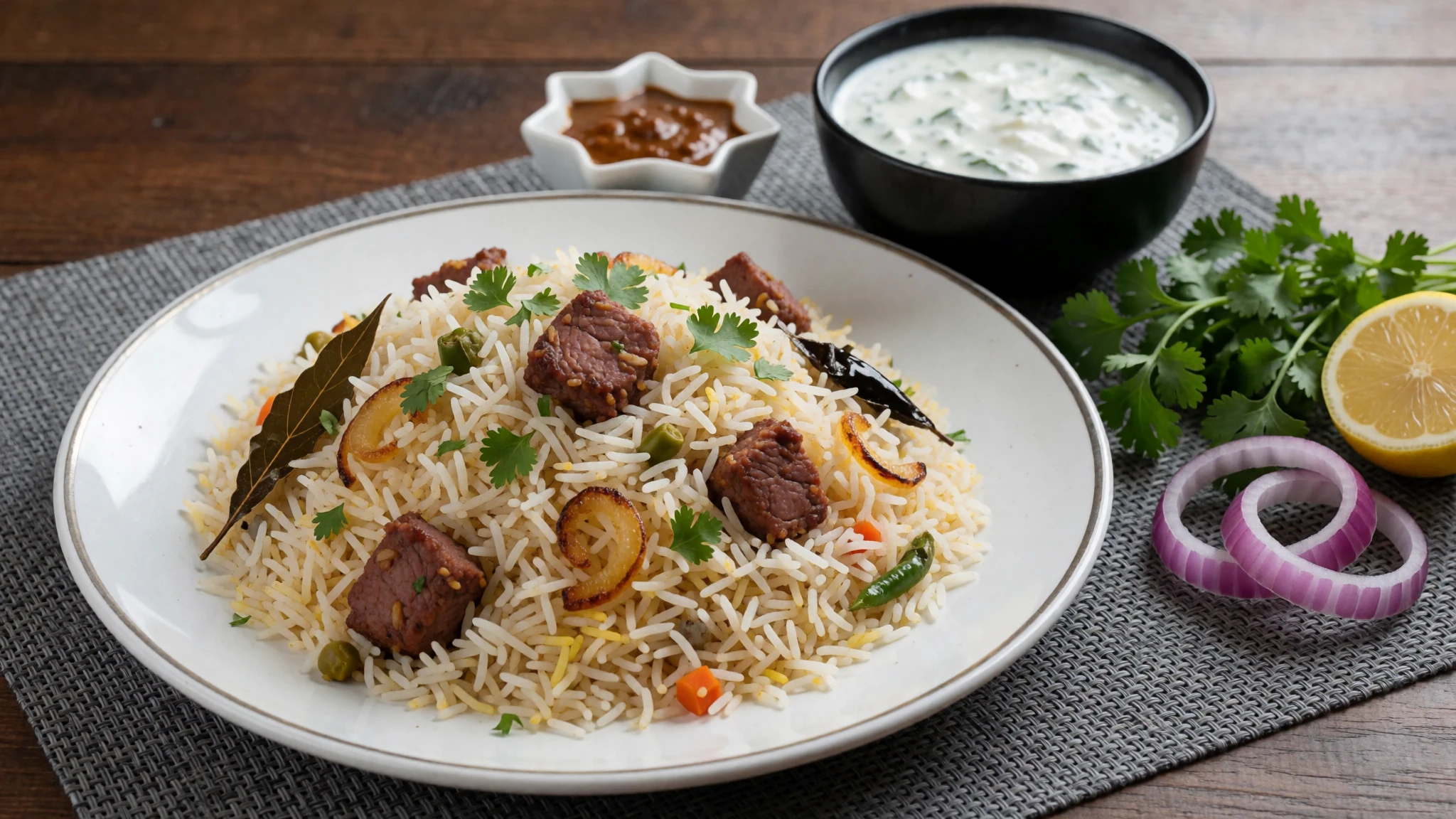
- Halim Bademjan — Local dining rooms throughout the old town
A savoury, slow-cooked dish blending mashed aubergines, meat, lentils, and whey, garnished with fried onions and mint oil.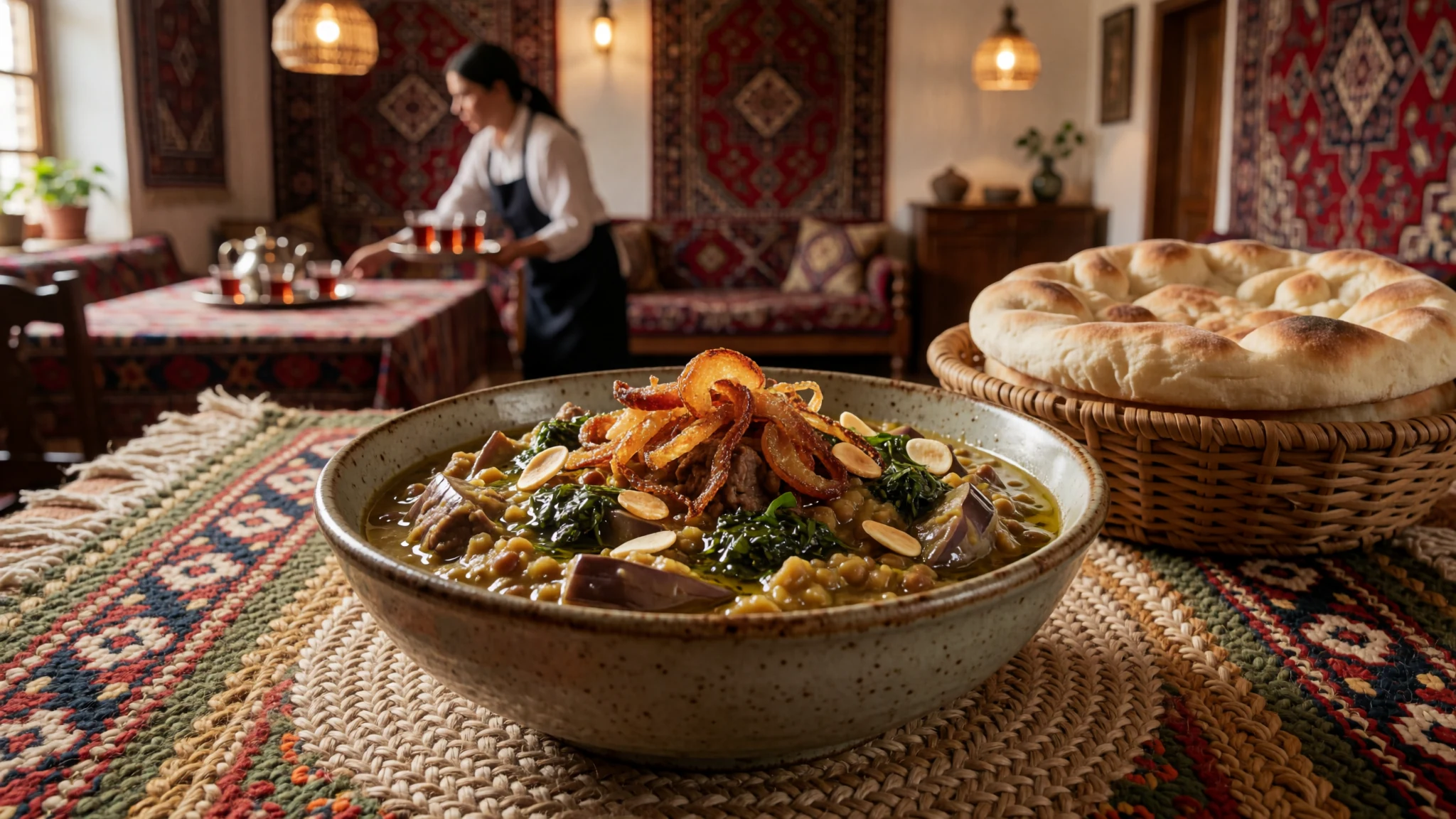
- Khoresht-e Mast — Traditional restaurants around Naqsh-e Jahan Square
A unique Isfahani dessert stew made from strained yoghurt, saffron, tender lamb, and sugar, served chilled with a rich custard-like texture. - Lamb Kebabs — Historic restaurants along Chaharbagh Boulevard
Juicy skewers of marinated lamb grilled over charcoal, traditionally served with saffron-infused rice, grilled tomatoes, and butter.
Plan it
Best time. March to April and October to November offer mild temperatures and pleasant weather ideal for exploring the historic squares and gardens.
How long. 3–4
Getting there. Fly into the local airport or take a comfortable long-distance bus or train from Tehran to the city's transport terminals.
Budget. mid
Tips
- Visit major monuments early in the morning before crowds arrive
- Carry sufficient cash as international credit cards are widely unusable
- Wear comfortable shoes for walking through expansive plazas and bazaars
- Stay hydrated while exploring during warmer afternoon hours
Etiquette
- Dress modestly with covered shoulders and legs, and women must wear a headscarf
- Remove shoes when entering mosques and private homes where indicated
Nearby
Sources
- Wikidata Q42053 (CC0)
- Wikipedia (rev 1381463170) (CC-BY-SA 4.0)
- Wikivoyage (rev 5405464) (CC-BY-SA 4.0)
- Photo 01-naghshe-jahan-01.jpg (CC BY-SA 4.0)
- Photo 06-shah-mosque-isfahan-aarash-257.jpg (CC BY 3.0)
- Photo 07-ispahan-vank-cathedral-20.jpg (CC BY-SA 4.0)


