Ardashir Palace
Ardashir Palace, Iran
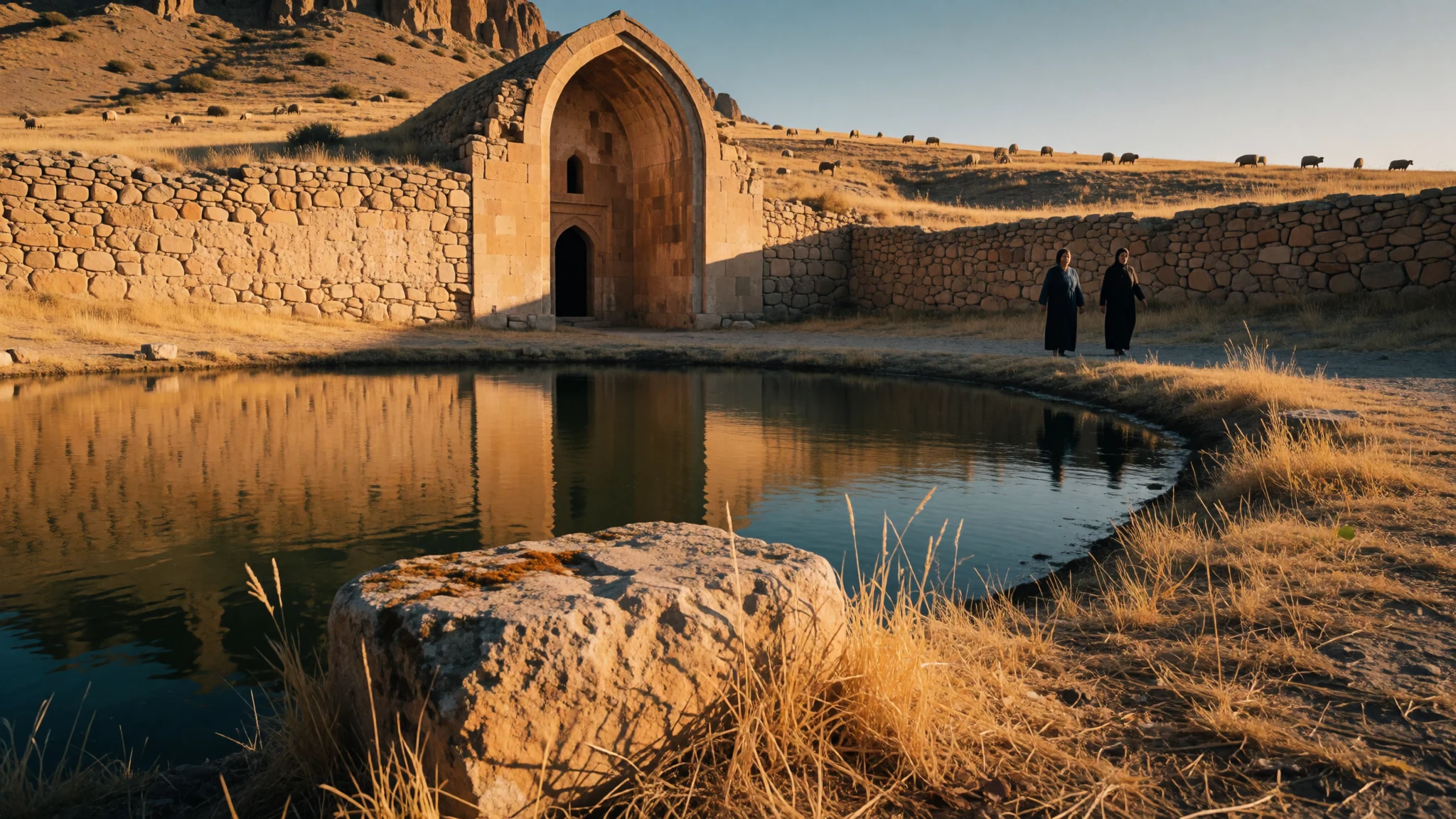
Ardashir Palace in Firuzabad is a ruined royal reception complex of the first Sasanian king, set beside a spring in southern Iran.
The place
Ardashir Palace stands on the lower slopes of the hill crowned by Qal'eh Dokhtar, a short way north of Firuzabad in Fars province, southern Iran. Locally it is also called the Atashkadeh (آتشکده), the 'Fire Temple', though the building reads far more like a court than a shrine. It is one of the sites that make up the UNESCO-listed Sassanid Archaeological Landscape of Fars Region, alongside other ruins in the Firuzabad, Bishapur and Sarvestan areas. The walls here are heavy, thicker than those of the fortress on the hill above, yet the layout is about reception rather than defence: a sequence of halls and domed chambers where guests would have been brought before the king. The architecture does not slot neatly into either Parthian or later Sasanian habits. It looks like a regional style belonging to the builders of Fars. Beside the ruin lay a pond fed by a natural spring, and the water probably also served a royal garden. Today the site is a quiet ruin of weathered stone and mortar, with the hill rising behind it and the fields of the Firuzabad plain around. It is usually visited as a day trip from Shiraz, the nearest big city, often combined with other Sasanian sites in the district. Visitor numbers are modest compared with the better-known ruins closer to Shiraz, which makes for a slow, contemplative visit.
Its story
Ardashir Palace belongs to the moment a regional dynasty became an empire. Ardashir I rose in Pars, overthrew Ardavan, the last Parthian king, and founded the Sasanian Empire. The nearby city was renamed Peroz, 'victorious', to mark that success; after the Arab conquest the name shifted to Firuz, and the modern town of Firuzabad still carries it. The site therefore matters well beyond its stones, since it ties a living town to the opening chapter of Sasanian history. The palace itself was probably a stage for kingship. Its thick outer walls and reception halls suggest a place where guests were presented at the throne and the royal image was carefully managed, rather than a stronghold meant to withstand a siege. The earlier fortress nearby, Dezh Dokhtar, handled the defensive side of things, and this later building is a little larger and more ambitious. The spring and pond tell a similar story of power expressed through water and greenery. Cyrus had set the precedent with his garden at Pasargadae, and Ardashir seems to have followed the idea, perhaps with a nod to Anahita, the Persian goddess of water and growth. The centuries since have left a ruin, and it has drawn European travellers, among them Jane Dieulafoy, whose book on Persia includes a drawing of the building. Iran now protects it as national heritage and as part of a wider UNESCO listing.
What to see
- The great iwan — Main facade, Ardashir Palace
Ardashir Palace is best read from its iwan, the tall vaulted opening that frames the entrance to the inner halls. Standing beneath it, the scale of the reception ritual becomes clear. Arrive early or late in the day, when low light picks out the texture of the masonry.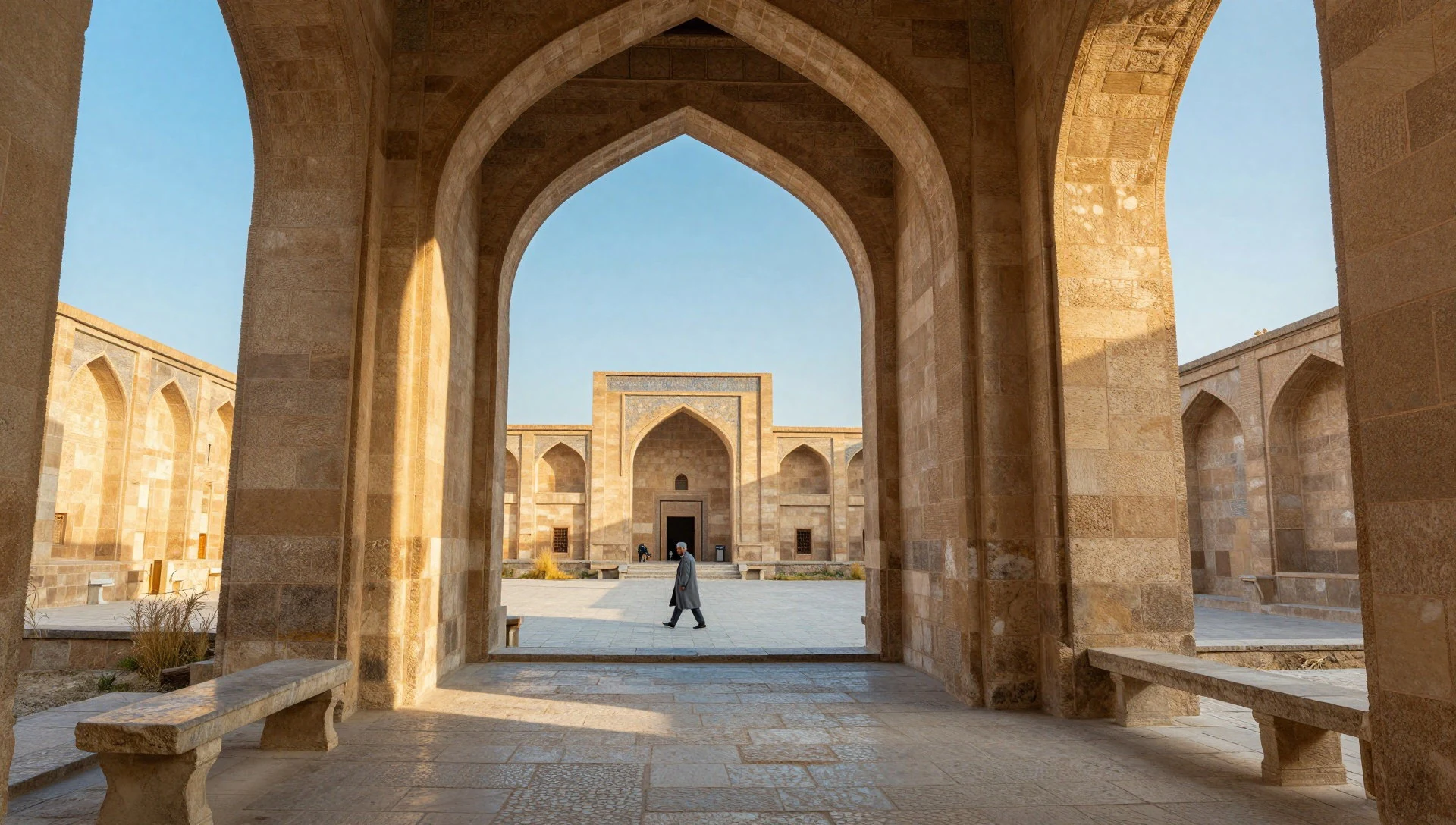
- Domed halls and ceiling — Inner halls, Ardashir Palace
Ardashir Palace keeps parts of its domed chambers, and looking up shows how builders in Fars shaped a circular dome over a square room. The ceiling views are among the most rewarding close-ups on site. Bring a torch or use a phone light for darker corners.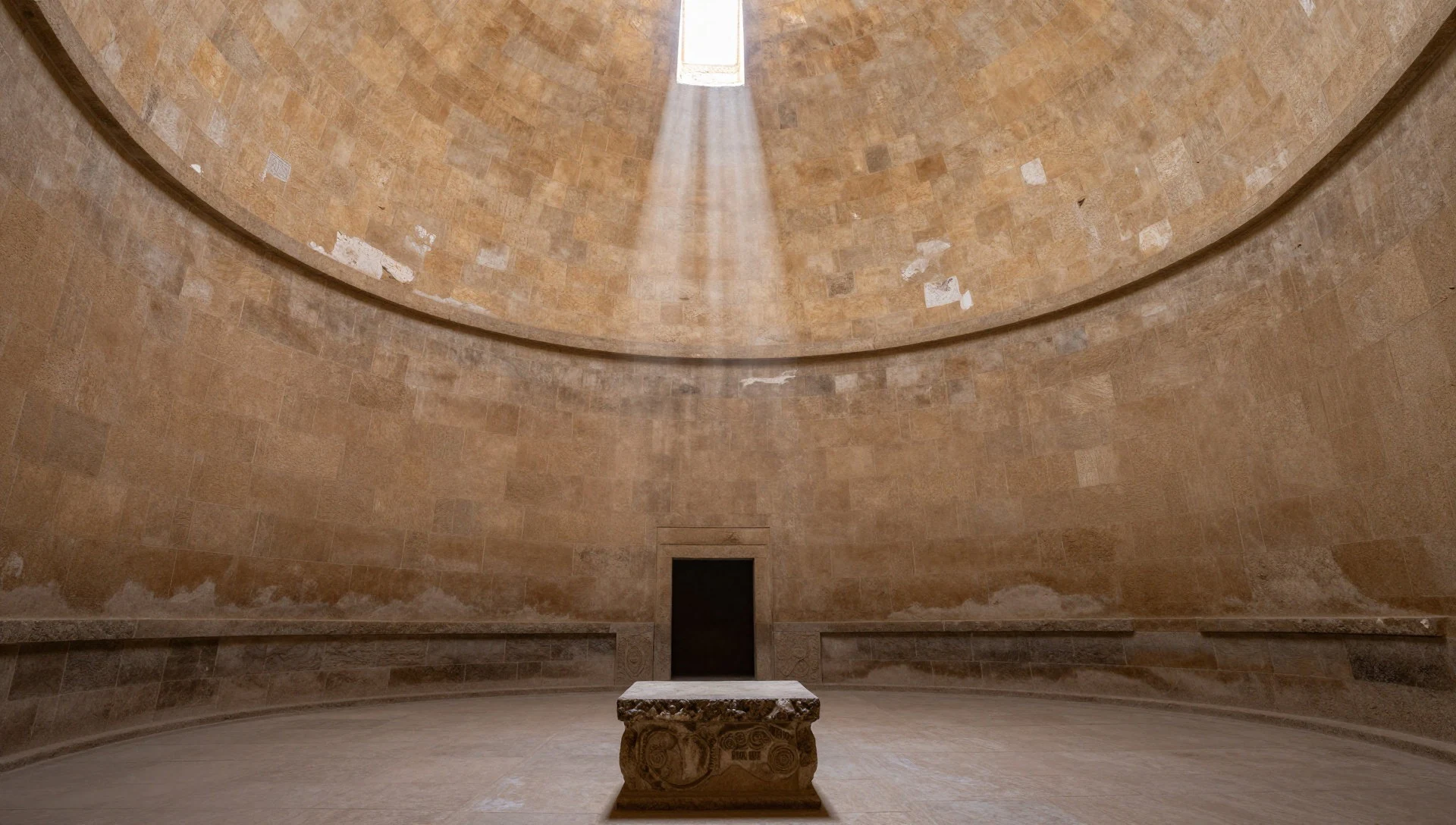
- The inner rooms — Interior, Ardashir Palace
Ardashir Palace opens beyond the entrance into a run of rooms, niches and passages. The thick walls keep these spaces noticeably cooler than the plain outside, a real relief in warm months. Walking them in sequence suggests how a guest was led gradually towards the throne.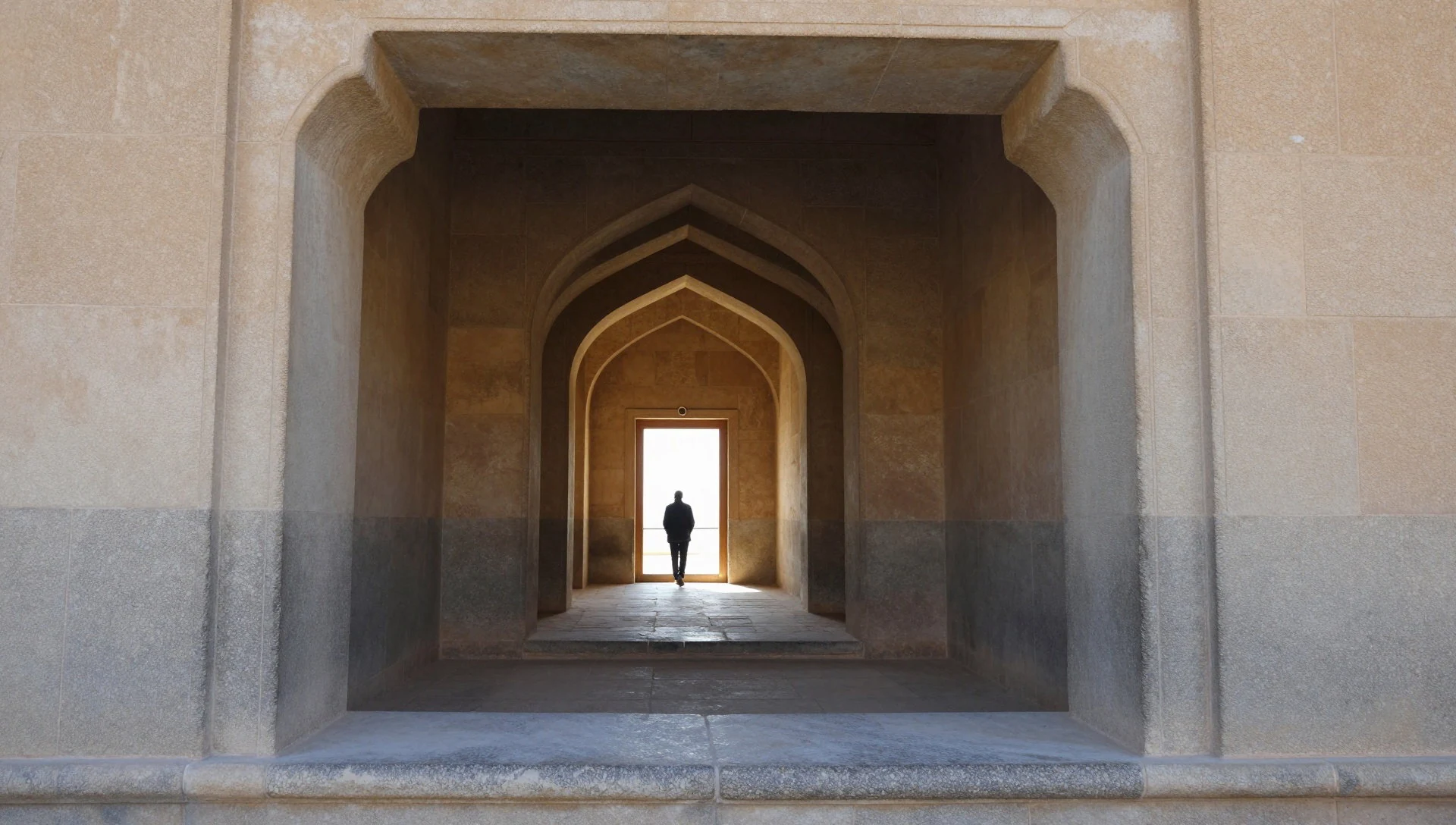
- Spring, pond and hill — Grounds and approach, Ardashir Palace
Ardashir Palace was built beside a pond fed by a natural spring, with the slope of Qal'eh Dokhtar rising behind. Seen from the east, the ruin sits between water and rock, which explains why the spot was chosen. A short walk around the site gives the best sense of that setting.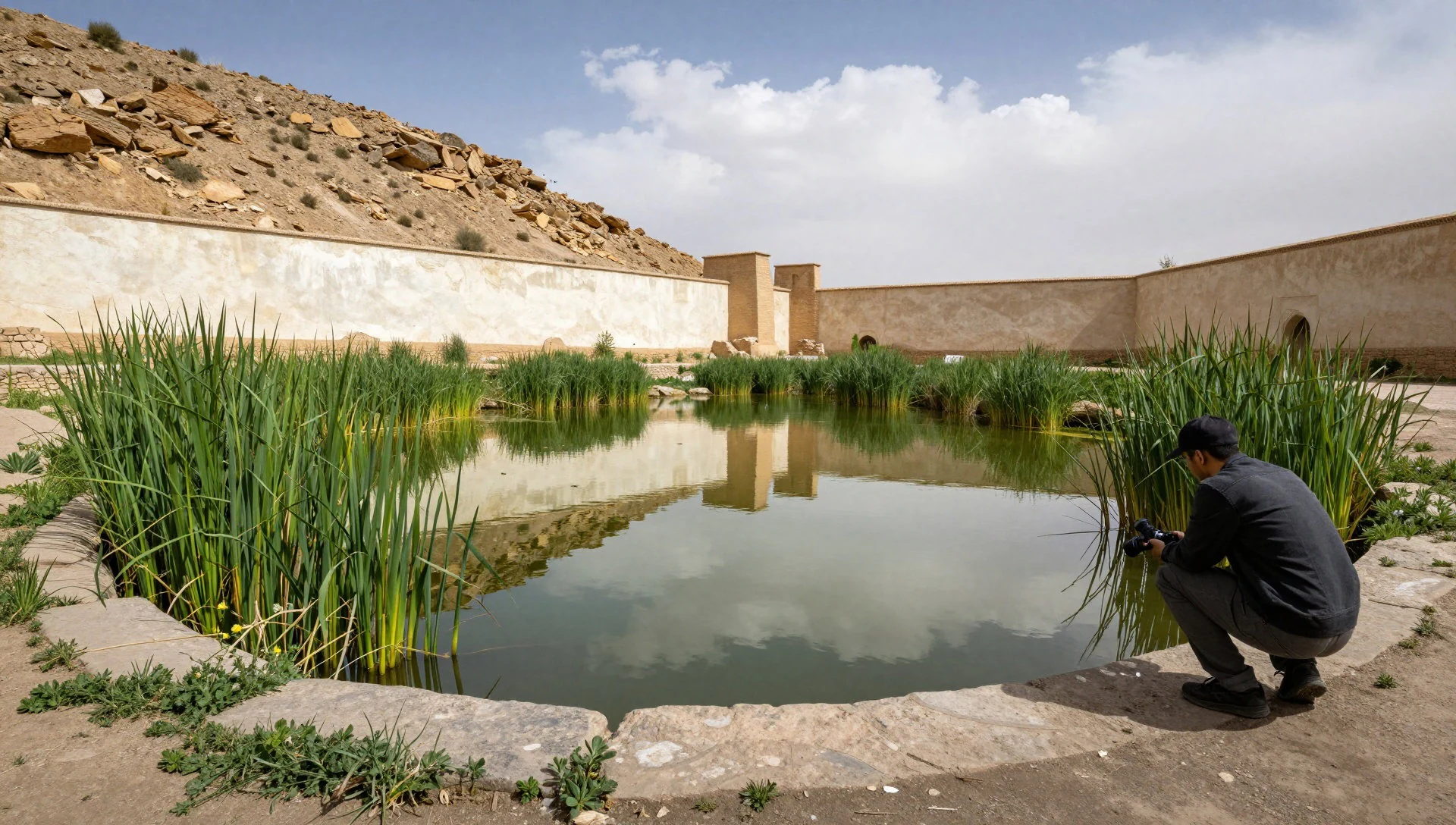
- Dieulafoy's drawing — Reference image, Ardashir Palace
Ardashir Palace was sketched for a French travel book on Persia by Jane Dieulafoy, and the plate is worth finding online before a visit. Comparing it with the ruin today shows how much has changed and how much still stands. It is a useful way to read the plan.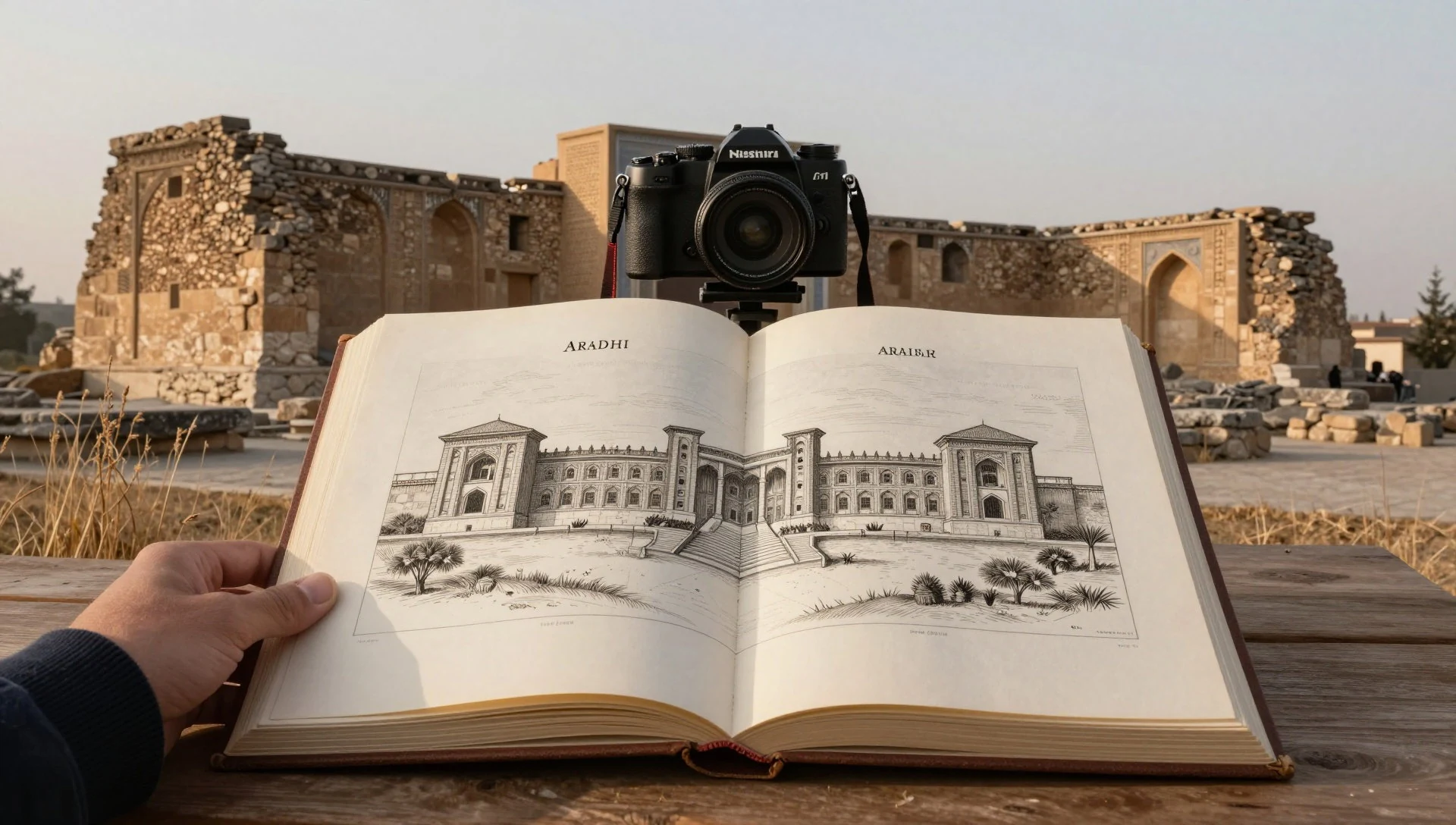
Culture
Ardashir Palace sits in a part of Iran where pre-Islamic history is a matter of quiet pride. The Sasanian kings ruled from here and elsewhere in Fars, and many Iranians see these ruins as part of a long continuous story of Persian statehood, art and learning. The local name Atashkadeh, 'Fire Temple', recalls the Zoroastrian faith that Sasanian rulers supported, in which fire stands for purity and light. Zoroastrian communities survive in Iran today, and the language of fire, water and light in the old stories still shapes how many people talk about the past. Hospitality matters a great deal in Fars. Visitors who stop in Firuzabad are often asked where they come from and offered tea, and an exchange of polite refusals and insistence, known as taarof, is part of ordinary courtesy. Accepting a first or second offer graciously, and returning the favour with a small word of thanks in Persian, goes a long way. Nomadic families still live and herd across the province, and some will welcome travellers who show interest in their way of life. Guides and drivers in the area are usually proud to explain the site and happy to answer questions. Visitors should keep to the marked paths and avoid climbing on or leaning against the walls and vaulting, since the fragile masonry is protected as national heritage.
What to wear
Ardashir Palace lies in Fars province, home to Qashqai and other nomadic communities whose clothing is among the most colourful in Iran. Women of these groups traditionally wear long, gathered skirts and layered tunics in bright printed cottons and velvets, with large headscarves; men have worn tall felt caps and wool or cotton coats. Wool is central to the region's textiles, woven by nomads into kilims and pile gabbeh rugs that also decorate homes and tents. Such dress appears now mostly at festivals, weddings and among families who still move with the seasons. In towns such as Firuzabad and Shiraz, everyday clothing is more uniform. Many women wear a headscarf with a loose coat or a black chador, and men wear trousers with a shirt, often long-sleeved. Younger people mix these with current fashion. Visitors should dress for both climate and law. Women, including foreigners, are required to cover their hair and wear a loose top that reaches mid-thigh with long trousers or skirt; light cotton or linen in pale colours stays comfortable in heat. Men should avoid shorts and sleeveless tops. At the palace the ground is uneven, with loose stone and dust, so sturdy closed shoes are better than sandals. A brimmed hat and sunglasses help, especially in summer, when shade on the open site is scarce.
What to eat
- Faloodeh Shirazi — Ice-cream shops and tea houses in Shiraz and Firuzabad
Faloodeh is a rose-water sorbet threaded with thin rice noodles, served with a wedge of lemon to squeeze over it. It is lightly sweet, floral and cooling, ideal after a hot morning among the ruins.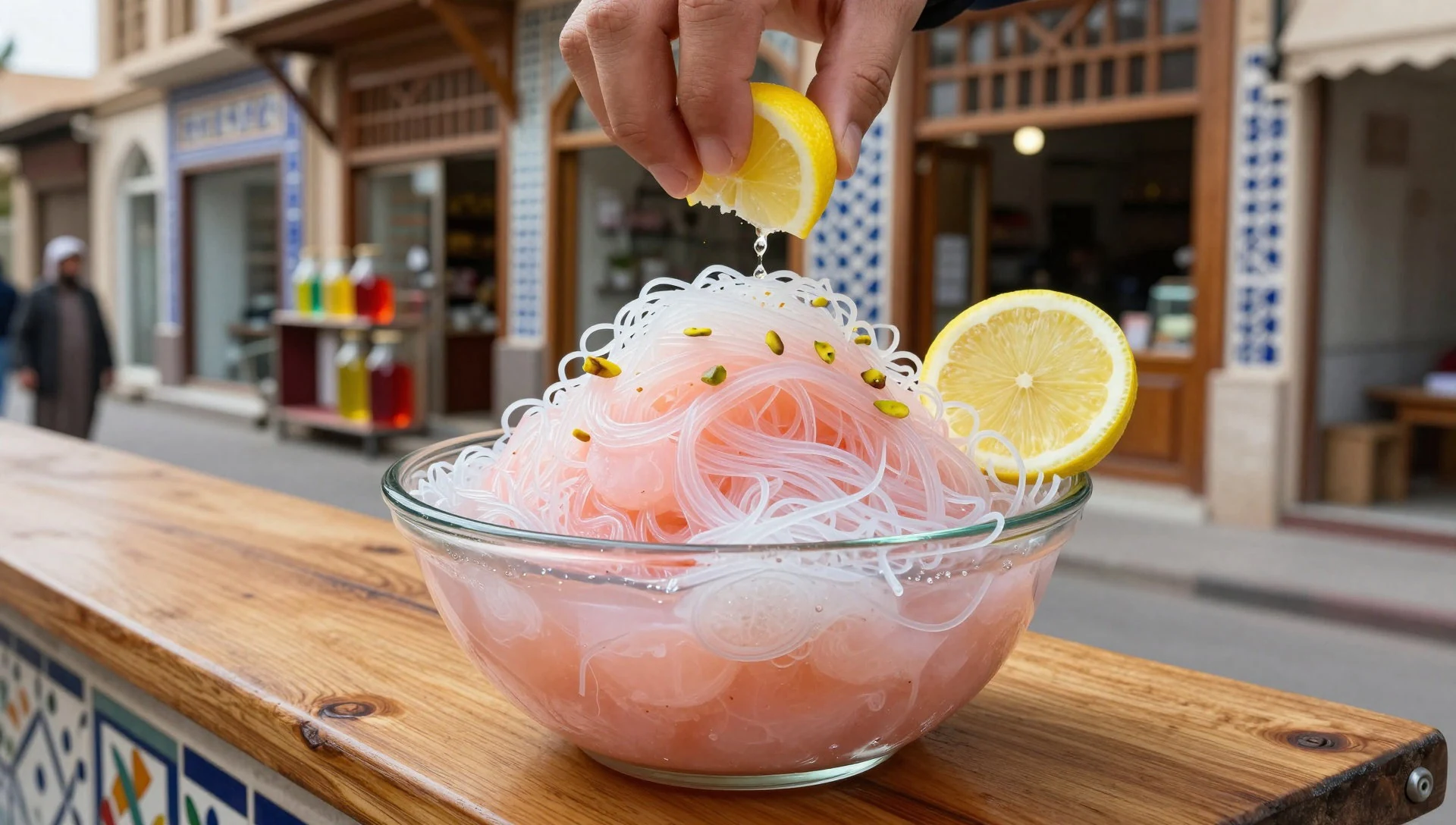
- Chai and sweets — Tea houses (chai khaneh), including those in the Shiraz gardens
Tea is the default drink in Fars, brewed strong and served in small glasses, often with sugar cubes or local sweets on the side. It marks every pause, from a shop visit to a long afternoon.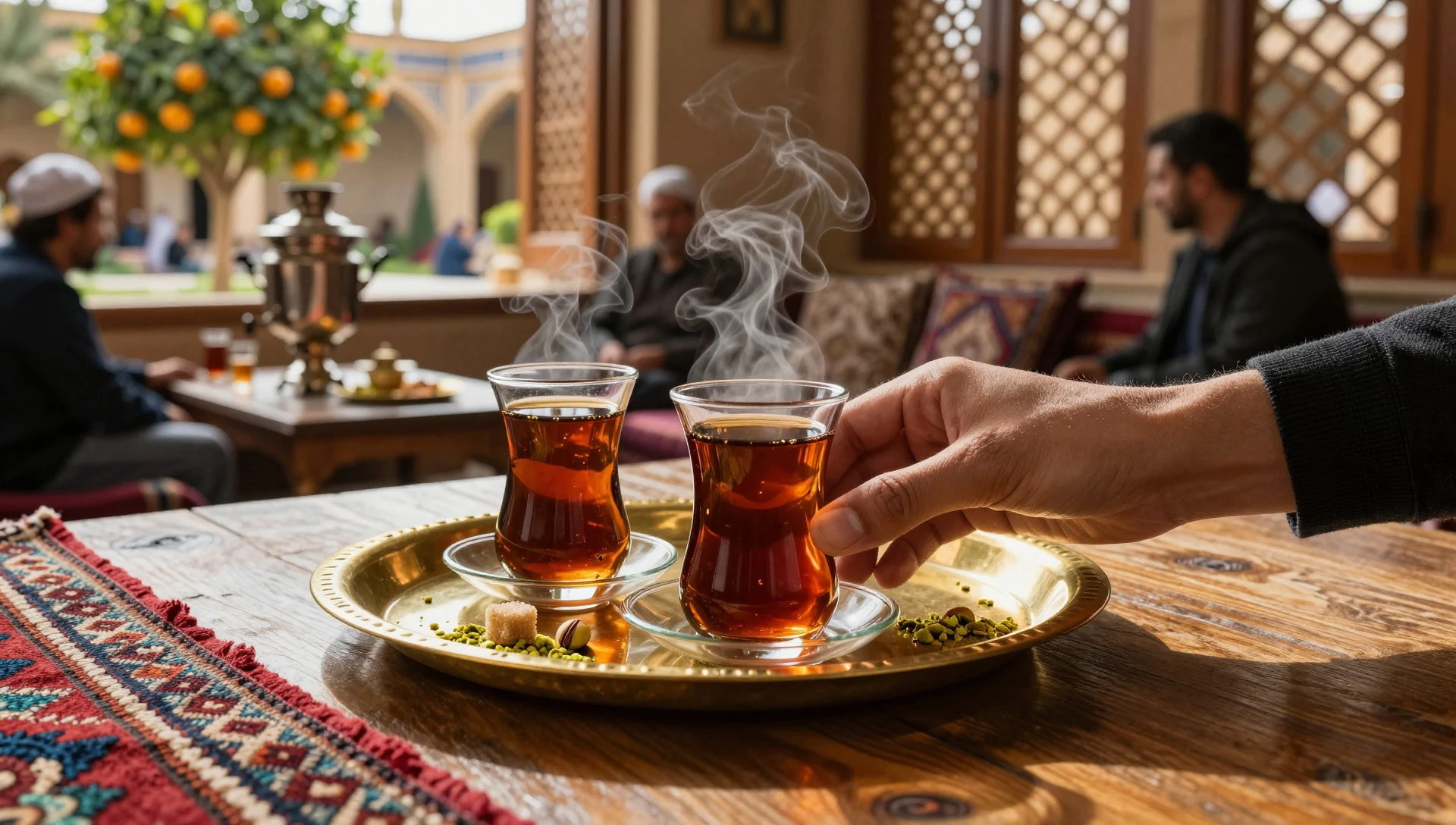
- Chelow kabab — Kebab eateries on the main roads and in town centres
Grilled minced or cubed meat served with saffron-tinted rice, a grilled tomato and flatbread is a staple of travel days. Sumac is often sprinkled on top, and raw onion comes alongside. - Kalam polo Shirazi — Family restaurants in Shiraz
This Shiraz rice dish is cooked with cabbage, fresh herbs and small meatballs. It is fragrant, homely and usually served at lunch, and a good choice for anyone wanting something less grilled. - Salad Shirazi — Almost any restaurant or home table across Fars
Diced cucumber, tomato and onion dressed with lime juice and dried herbs is the cooling side dish that arrives with most meals in Fars. It is simple and sharp, and works well with rich or grilled dishes.
Plan it
Best time. March–April and October–November, when days are mild enough for walking an open site. Summer afternoons in Fars can be fierce, and winter mornings are cool.
How long. 1–2
Getting there. Fly into Shiraz International Airport, which has domestic and some international connections, or reach Shiraz by train from Tehran or Isfahan, or by road. Firuzabad is then reached by road from Shiraz, most easily by a hired car with driver or a taxi arranged through your accommodation.
Budget. low
Tips
- Start early, before the heat builds and while the light is soft on the stonework
- Carry water and a hat, as shade is limited on the open site
- Tap water in Fars is drinkable but very chalky, so bottled water may suit sensitive stomachs
- Carry some cash in local currency, as cards from abroad may not work
- Combine the palace with other Sasanian sites in the district and check current opening times with the local heritage office
Etiquette
- Women should cover their hair and wear loose, modest clothing; men should wear long trousers
- Ask before photographing people, especially women and nomadic families
- Do not climb on walls or vaulting
Nearby
Sources
- Wikidata Q32434 (CC0)
- Wikipedia: Palace of Ardashir (rev 1379309332) (CC BY-SA 4.0)
- Wikivoyage: Fars (rev 5315826) (CC BY-SA 4.0)
- Photo 01-firozahur.jpg, Ahura21 (CC BY 3.0)
- Photo 02-ardeshir-palace-common.jpg, Атаман Павлюк (CC BY 3.0)
- Photo 03-palais-de-firouz-abad.jpg, Jane Dieulafoy (Public domain)
- Photo 04-ardeshir-kakh2.jpg, Zereshk (Public domain)
- Photo 05-firuz-abad-iwan.jpg, unknown author (CC BY 3.0)
- Photo 06-palaceofardeshir.jpg, Stuart Dennison (CC BY-SA 4.0)
- Photo 07-palaceofardeshirceiling.jpg, Stuart Dennison (CC BY-SA 4.0)
- Photo 08-palaceofardashirinterior.jpg, Stuart Dennison (CC BY-SA 4.0)


