Anshan
Anshan, Iran
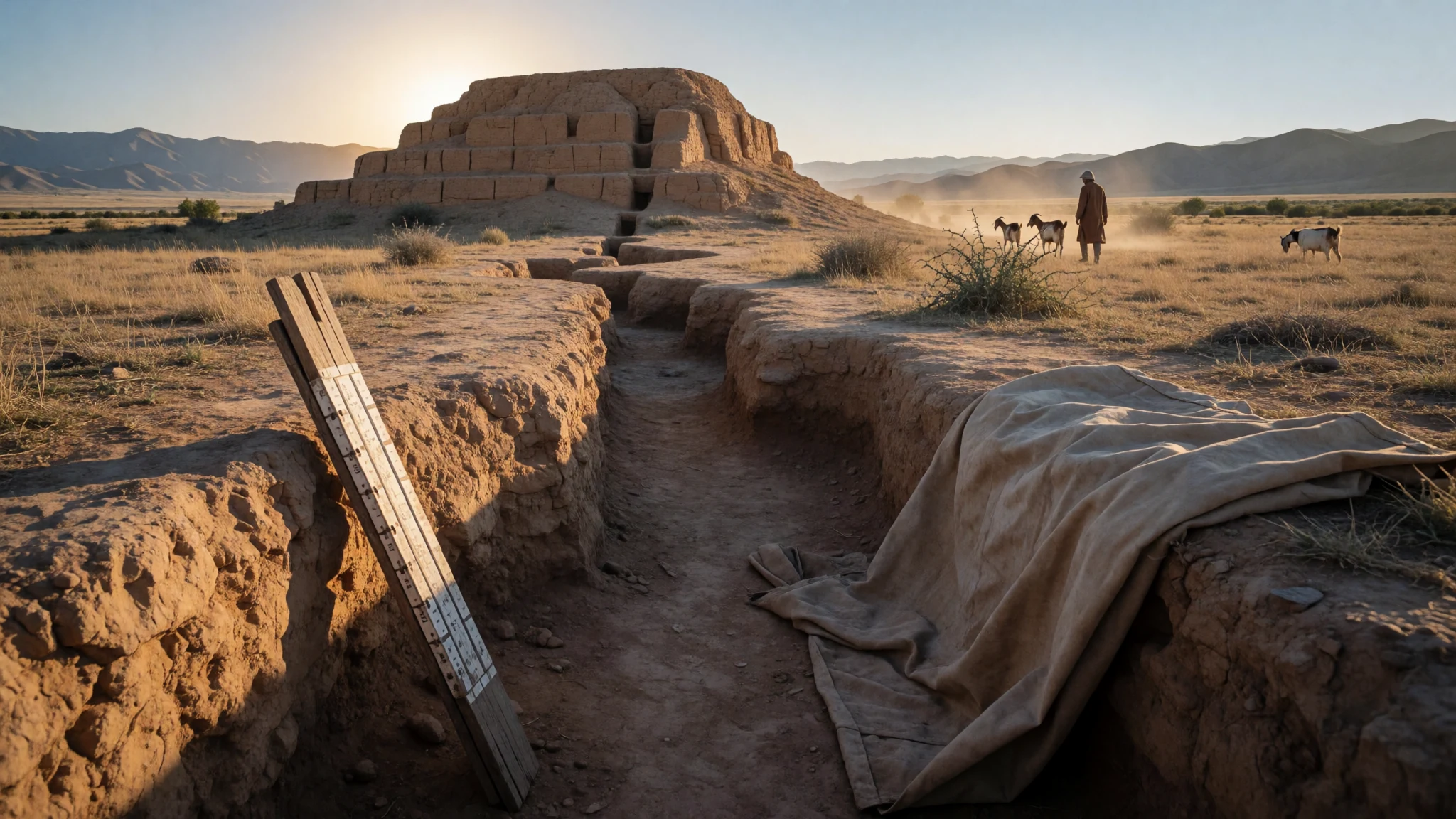
Anshan, now the mound of Tall-e Malyan, lets a traveller stand where Elamite kings and early Persians ruled, on the way to Persepolis.
The place
Anshan, known today as Tall-e Malyan (تل ملیان), sits in the Zagros Mountains of south-western Iran, in the province of Fars. It lies on the Beyza, or Ramjerd, plain: roughly 46 km (29 miles) north of Shiraz and 43 km (27 miles) west of Persepolis. That puts it in easy reach of the best-known ancient sites of the region, though it is far quieter than any of them.
What remains is an archaeological mound, not a restored city. There are no grand gateways or carved reliefs to photograph. The interest lies in the setting, a broad farming plain ringed by hills, and in knowing how much once happened on this ground. Much of what is understood about Anshan comes from finds made in excavations here and from references in early Mesopotamian and Elamite writing.
The ancient name appears in several forms. Elamite texts give Anzan, Sumerian ones Anshan, and the modern Persian name is Tall-e Malyan, also written Tall-i Malyan. Wikidata describes it as an ancient city of Elam, an archaeological site and a city-state.
The climate follows that of Fars as a whole. The northern and north-western highlands have cold but moderate winters and mild summers. The central belt, where Anshan lies, has rainy, mild winters and hot, dry summers. Shiraz, the nearest big city, averages about 17°C across the year, so spring and autumn are the comfortable seasons for walking an exposed mound with little shade.
It is best treated as one stop in a longer day through the Persepolis and Shiraz area, ideally with a driver or guide who knows the access and whether the site is open.
Its story
Anshan is counted among the earliest urban centres anywhere. People lived here continuously from before 4000 BCE until about 1000 BCE, and the city was tied politically to the Elamites at Susa and to the powers of Mesopotamia. Its trade position on routes through the highlands helped it grow, and in the Proto-Elamite period, the late fourth millennium BCE, it was among the main cities of the region.
At its peak in the Banesh period it was far larger than Susa, with a walled area and a ring of smaller villages and campsites around it. A Sumerian epic, Enmerkar and the Lord of Aratta, places Anshan on the road between Uruk and the legendary land of Aratta, which shows how far its name travelled.
Its story is one of tug-of-war. Akkadian kings claimed it, then the Susa governor Kutik-Inshushinak broke from Akkad and seized it. Gudea of Lagash made a similar claim around 2200 BCE, and the kings of Ur placed their own governors here. Yet Ibbi-Sin of Ur lost the struggle, and in 2004 BCE the Elamites sacked Ur and carried the statue of Nanna, and the king himself, back to Anshan.
In the 7th century BCE the city passed under Persian rule and became an early Persian capital, a link in the chain that leads to Cyrus and Persepolis.
Scholars did not know exactly where it was until 1973, when finds from the dig at Tall-i Malyan settled the question. Before that, it was known only as somewhere in the central Zagros.
What to see
- Tall-e Malyan mound — Beyza plain, Fars
The site of Anshan is a broad, low mound on the Beyza plain. Expect bare earth, trenches and distant hills rather than standing monuments. It rewards people who like to read a landscape, and it is best visited with a guide who can explain the layers.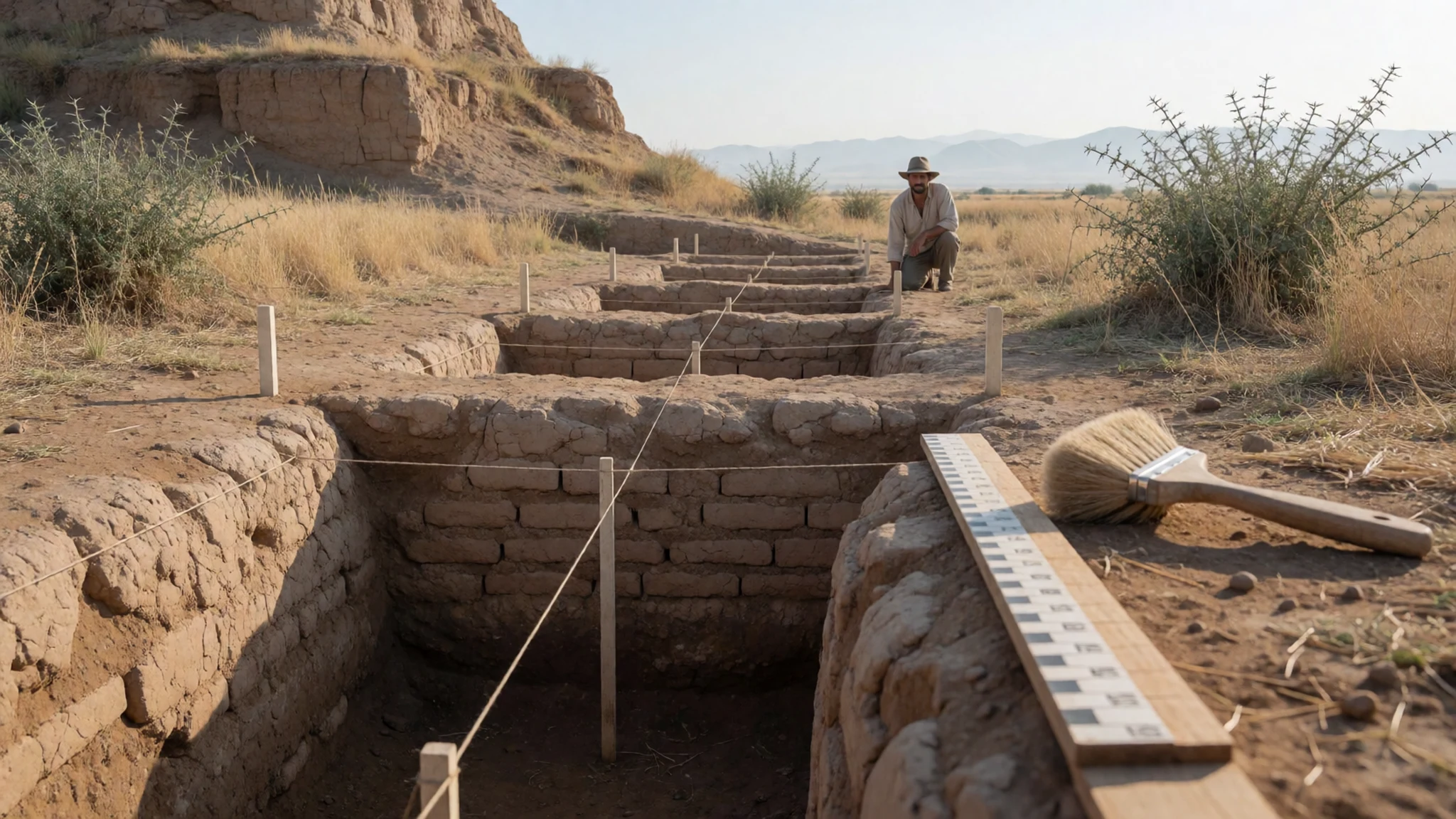
- Persepolis — Marvdasht, Fars
About 43 km east of Anshan, the great ceremonial platform of the Persian kings is the obvious companion visit. Go early: stone terraces hold heat, shade is scarce, and tour groups gather by mid-morning. Allow several hours for the stairways, reliefs and column bases.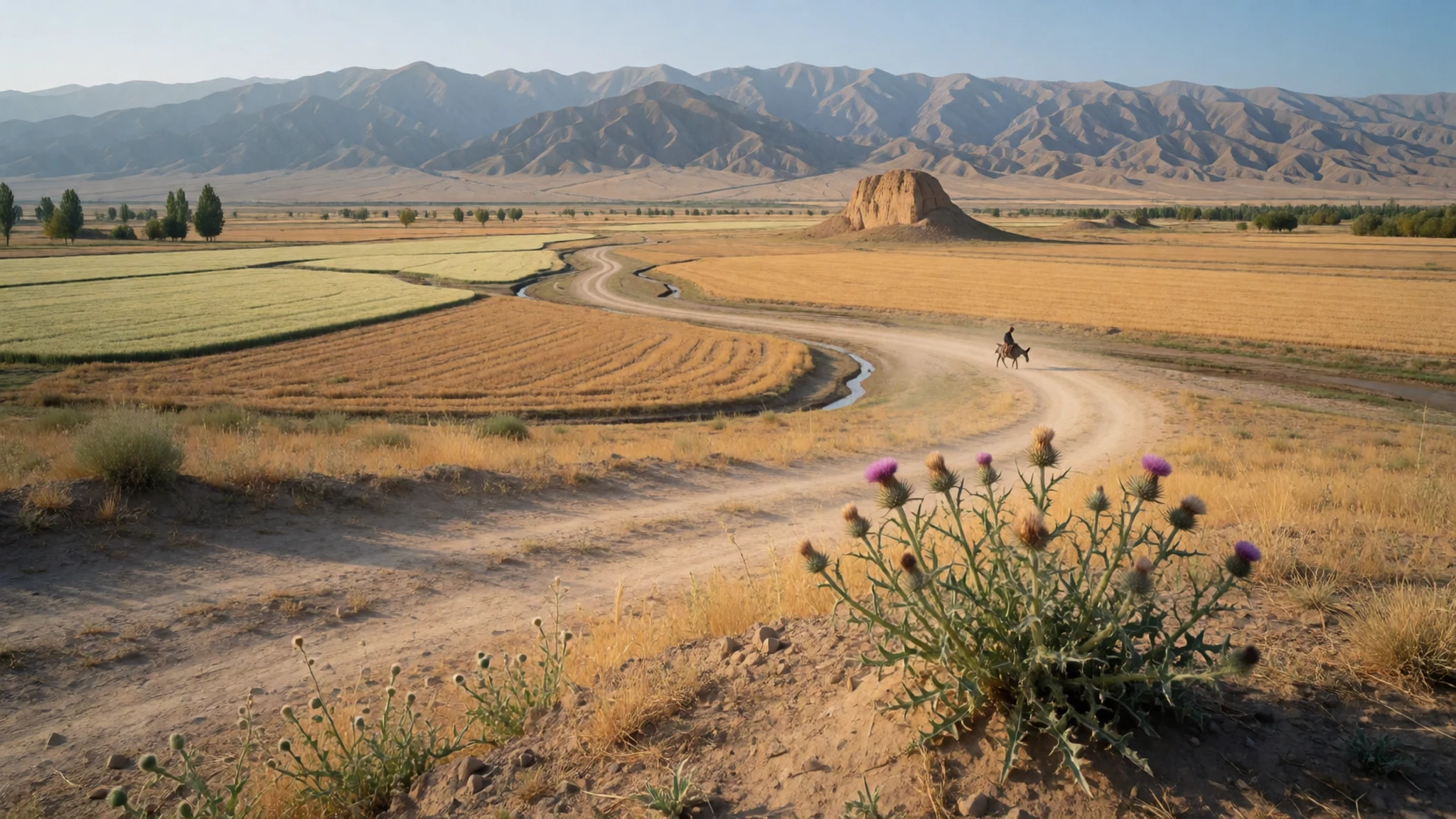
- Naqsh-e Rustam — Near Persepolis, Fars
Close to Persepolis, rock-cut royal tombs and carved reliefs face a cliff wall. The scale is easier to grasp here than at many sites, because the carvings sit at eye level to the plain. A short stop, but memorable in morning or late light.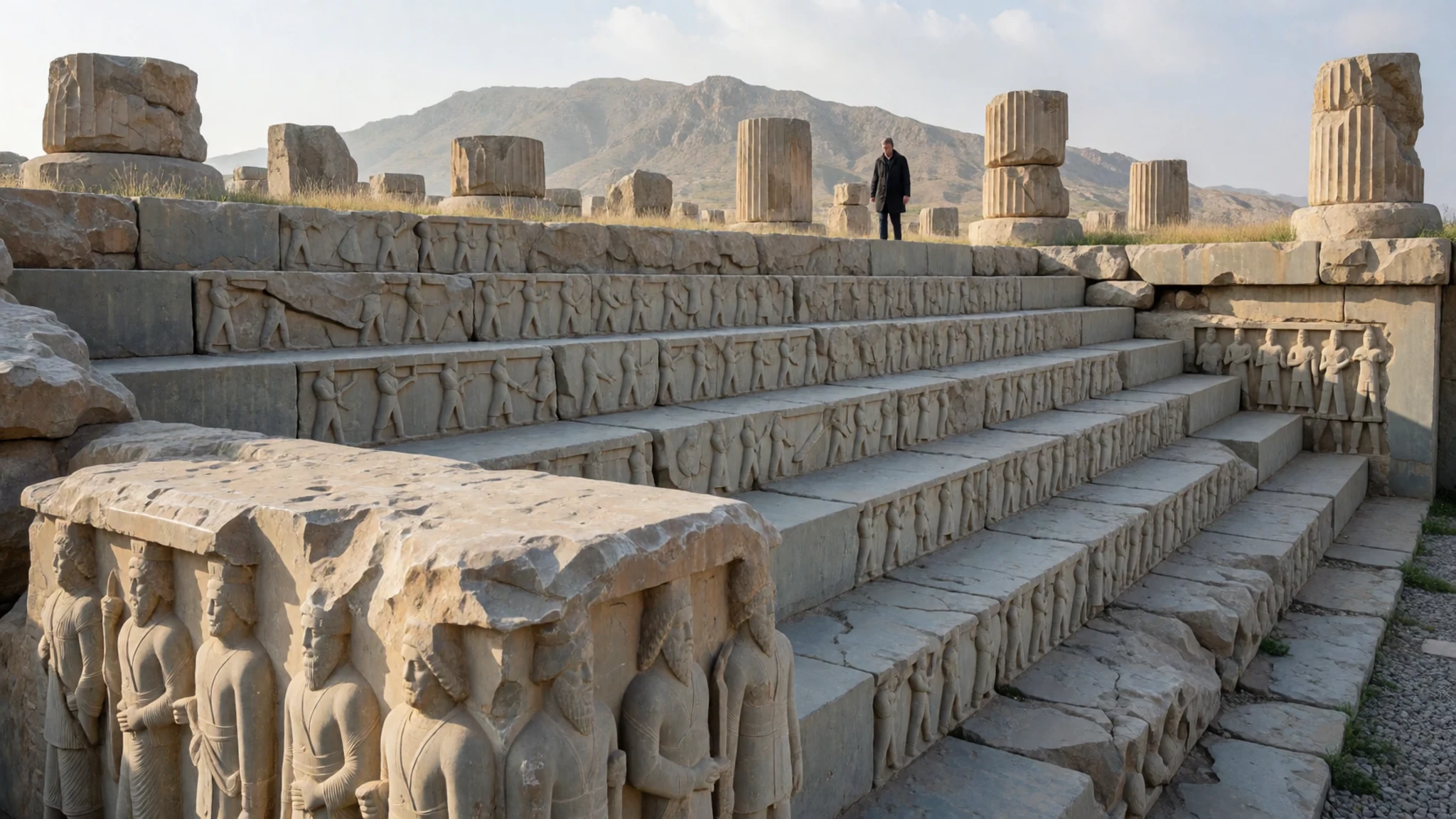
- Pasargad and the tomb of Cyrus the Great — North-east of Persepolis, Fars
Pasargad was an early Persian royal centre, and the plain stone tomb of Cyrus stands in open ground. It is understated and quiet, a good counterpoint to Persepolis. Bring water and a hat, as there is little cover in summer.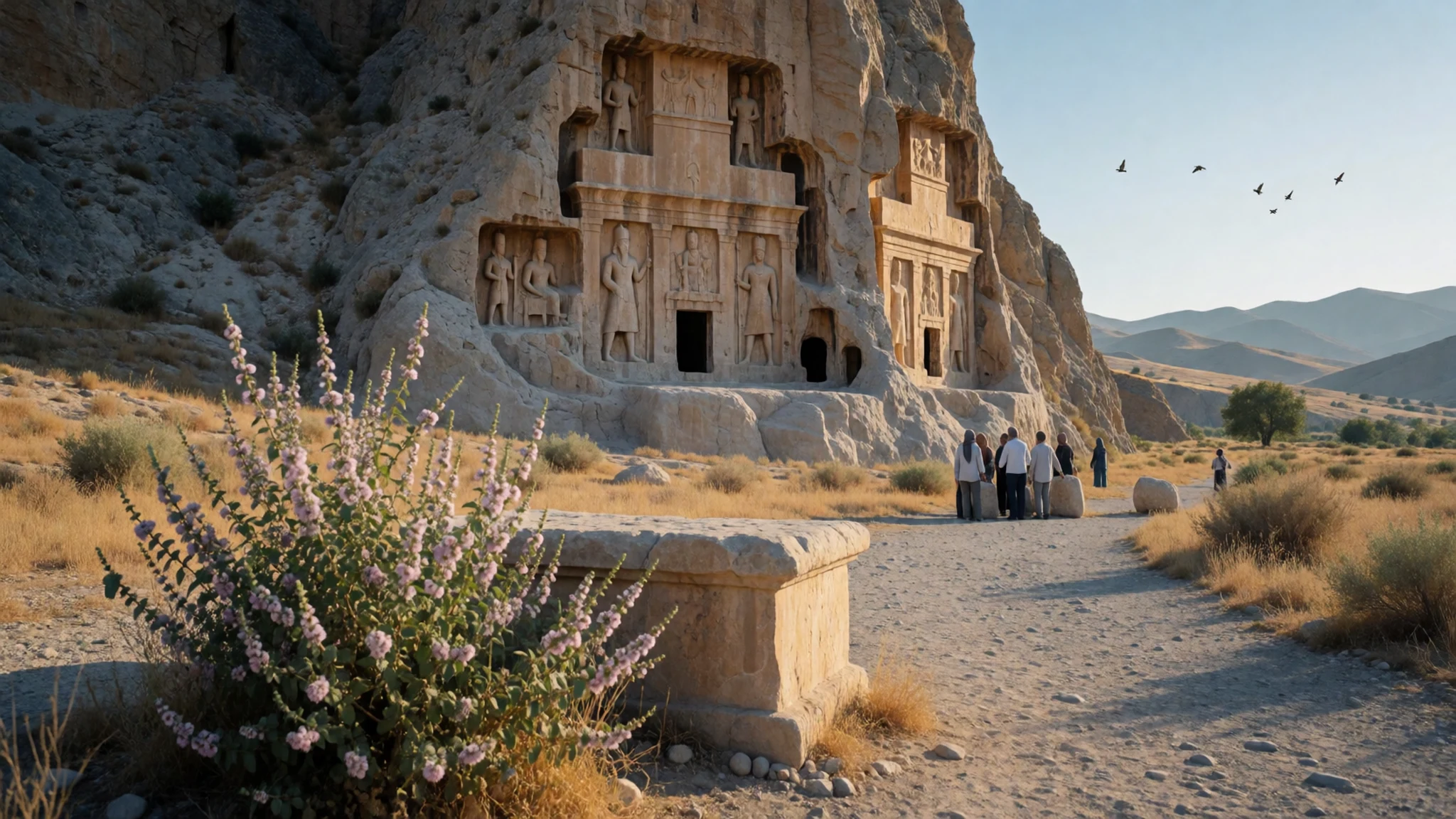
- Sassanid Archaeological Landscape of Fars — Firouzabad, Bishapur and Sarvestan, Fars
This World Heritage listing groups eight separate sites around Firouzabad, Bishapur and Sarvestan. It suits travellers with a car and a second day, as the sites are spread across the province. Check access and opening arrangements locally before setting out.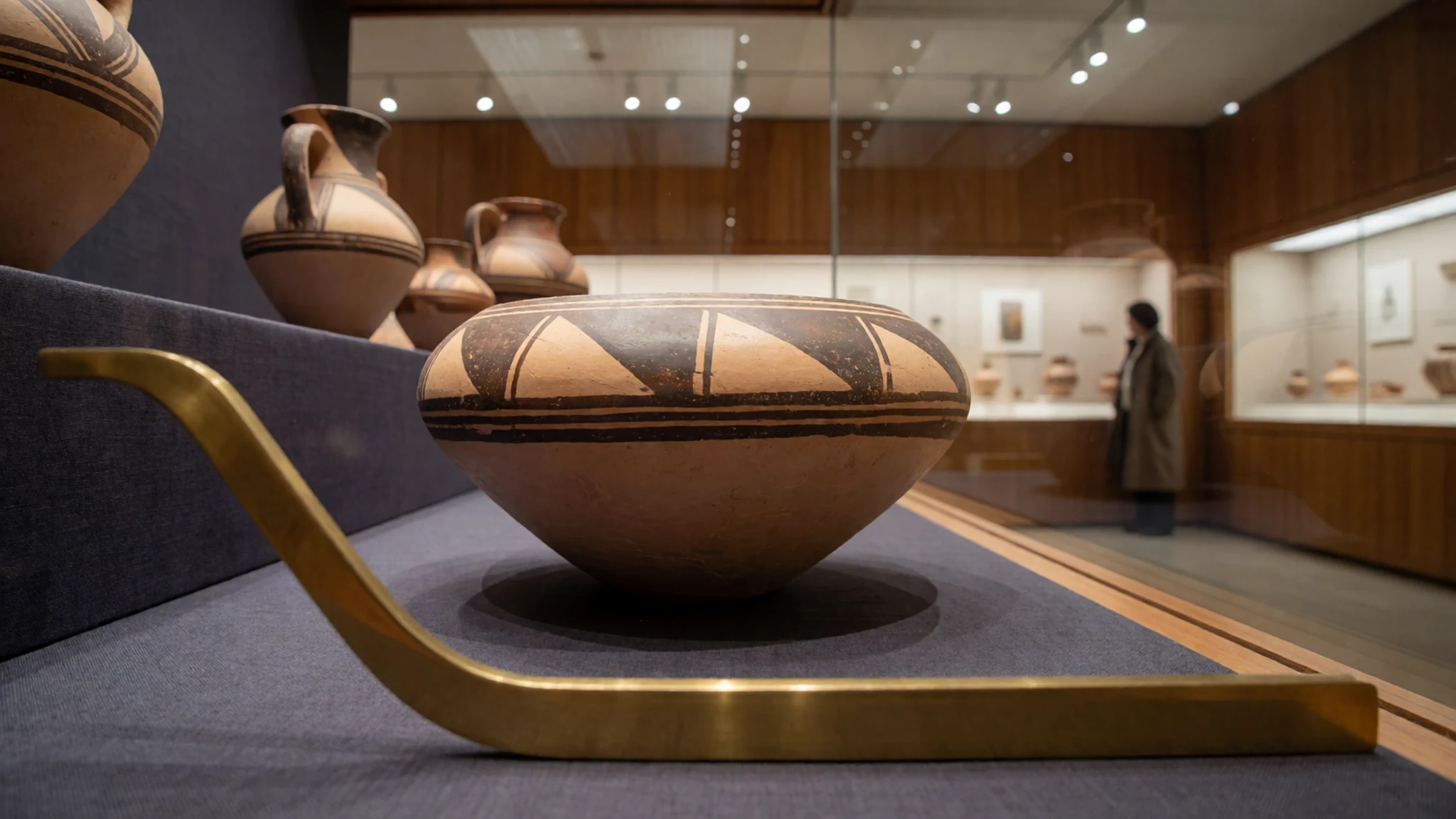
- Sepidan and the Zagros slopes — Sepidan, north-west Fars
North-west of Shiraz, Sepidan offers winter skiing, the Abshar-e Margoon waterfall and mountain camping. Nomadic families in the region sometimes offer tea to visitors who speak a little Farsi. It is a cooler, greener break from the dry archaeological plains.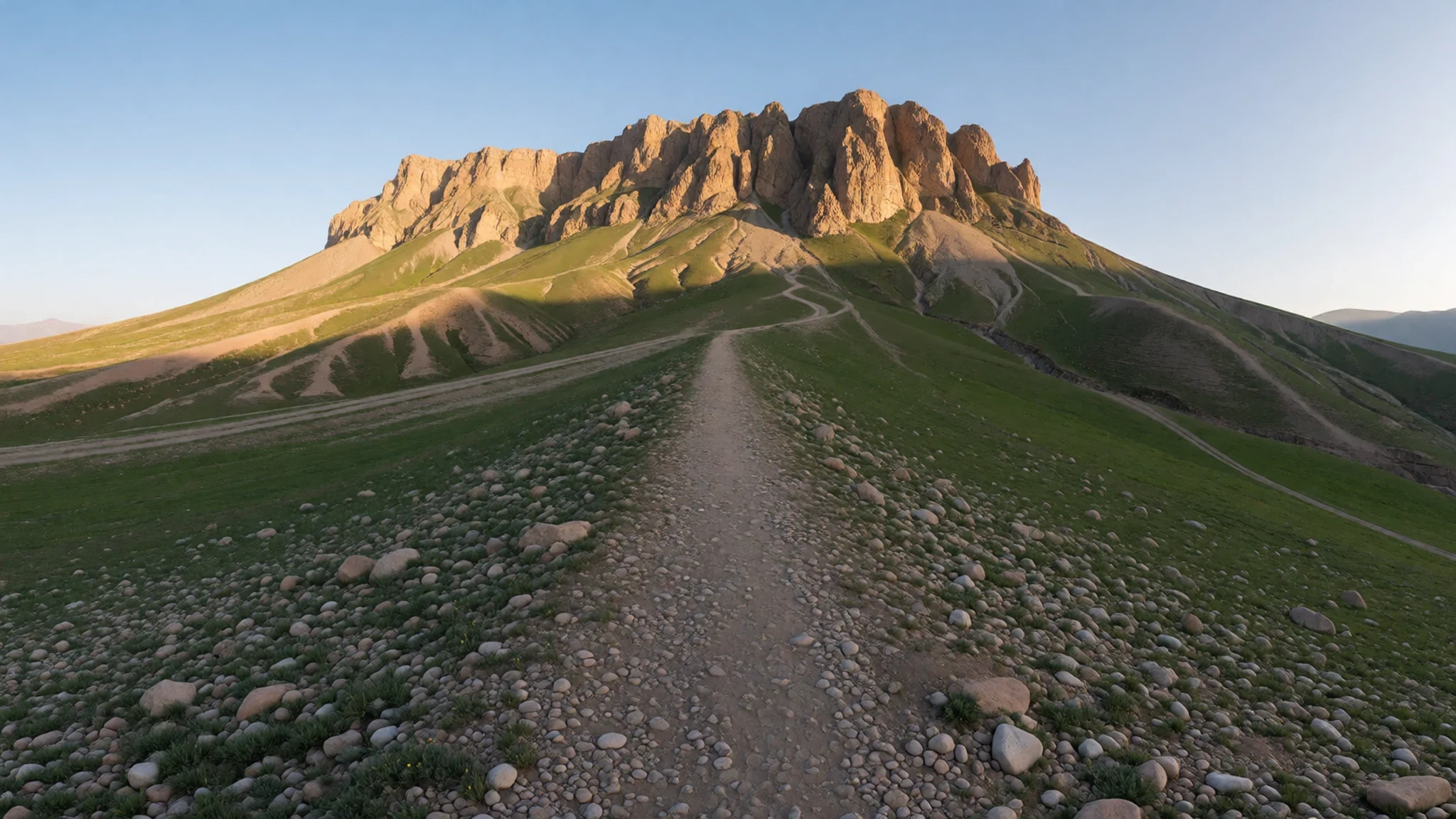
Culture
Anshan belongs to the deep layer of Fars history, before the famous Persian empire and long before the modern province. Local pride in this past is strong, and Persepolis, Pasargad and Naqsh-e Rustam are part of everyday conversation, not only tourist stops. Elamite and early Persian heritage is treated as part of a continuous story of the region.
On the ground, Fars is known for hospitality. Tea is offered readily, in homes, shops and tea houses, and accepting a glass is part of the exchange. Poetry is central to Shiraz life, and the city's famous gardens and tomb-shrines are places where families gather, not only sightseers.
The Elamite world itself survives mostly in museums and texts. Objects from Tall-e Malyan, such as Kaftari-style painted ceramics, show a refined craft tradition, and a visit pairs well with a museum stop in Shiraz or beyond. Learning a few words of Persian, such as salaam and merci, earns warmth quickly.
Visitors should expect to follow Iranian norms on dress and conduct in public throughout the province. Ask before photographing people, especially women, and never climb on or remove anything from an excavated mound or ruin, even a loose-looking potsherd.
What to wear
In Anshan's part of Fars, traditional dress is best seen among the Qashqai and other nomadic communities of the Zagros. Women wear layered, brightly coloured skirts and long tunics, often with a light headscarf, made of wool, cotton and sometimes silk. Men's older dress includes felt hats and woollen cloaks suited to cold hills. Handwoven wool rugs and kilims are the textiles most associated with the region.
In towns and cities across Fars, people wear modern clothes within national norms. Women commonly wear a headscarf with a long tunic or coat over trousers, in colours that range from black to bright; men wear shirts and trousers, rarely shorts. Younger people in Shiraz mix local style with current fashions.
Visitors to the Anshan area should follow the same rules in public. Women need a headscarf and loose, long-sleeved top that covers the hips, with trousers or a long skirt; men should wear long trousers and a shirt with sleeves. Light cotton or linen works best in the heat. At the mound and at Persepolis, sturdy closed shoes with good grip matter more than style, along with a wide-brimmed hat, sunglasses and sunscreen. In winter and at higher altitude, bring a warm layer, as evenings in the Zagros can be cold.
What to eat
- Faloodeh shirazi — Ice-cream shops and most tea houses in Shiraz
A frozen rose-water sorbet with thin rice noodles, served with a wedge of lemon. It is lightly sweet and floral, with a pleasant chewy texture, and especially welcome on a hot afternoon after a day on dusty sites.
- Chai and tea-house snacks — Tea houses (chai khaneh), including those in Shiraz's well-known gardens
Tea is the region's default welcome, usually served in small glasses with sugar lumps or sweets. A tea house is a good place to rest between sites and watch local life at an unhurried pace.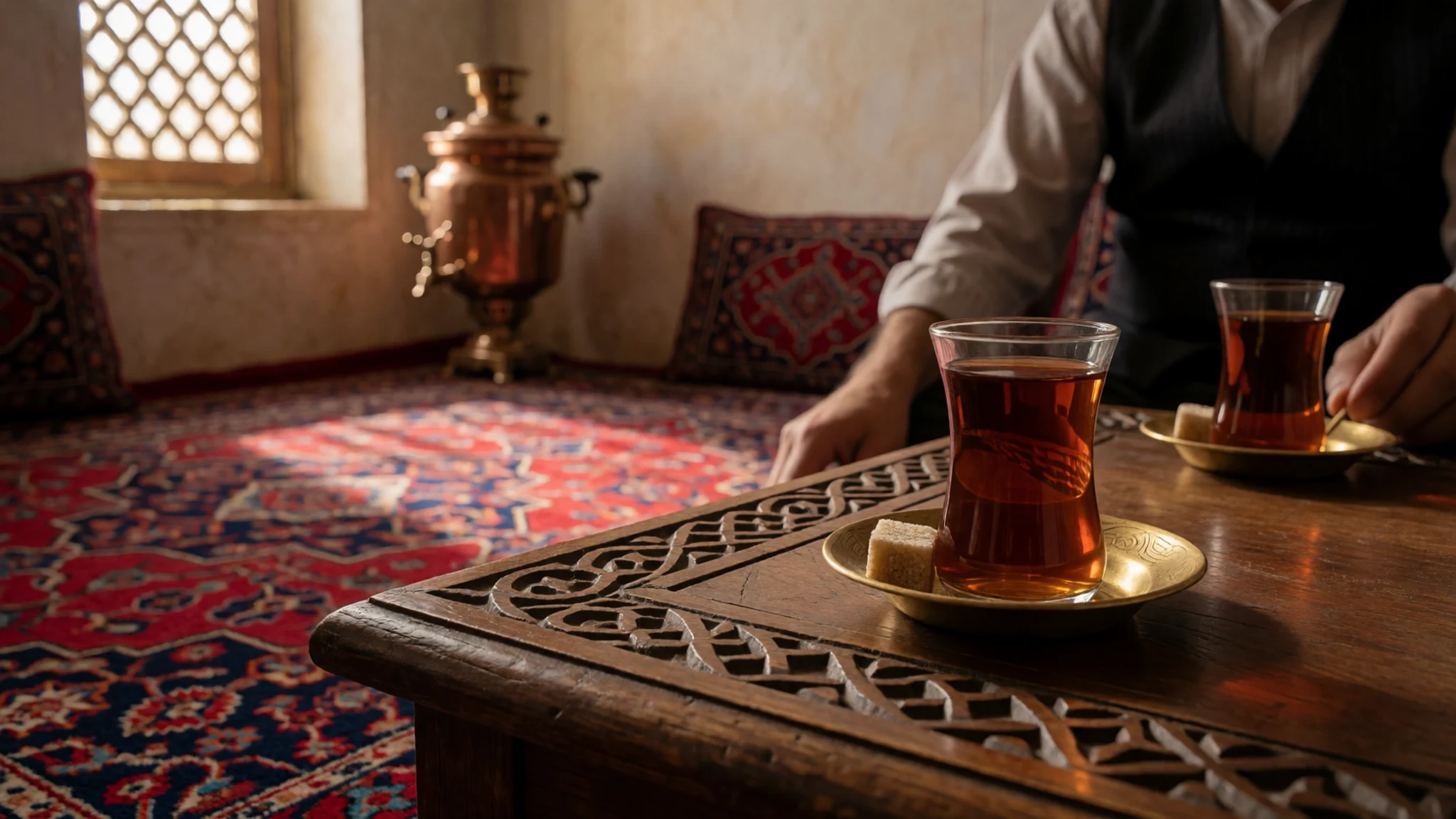
- Rice with grilled meat (kebab) — Kebab restaurants and eateries in Shiraz and Marvdasht
Skewers of grilled lamb or chicken, served over saffron-tinted rice with grilled tomato, are a standard meal across Fars. The portions are generous and straightforward, and suit a long day of travel.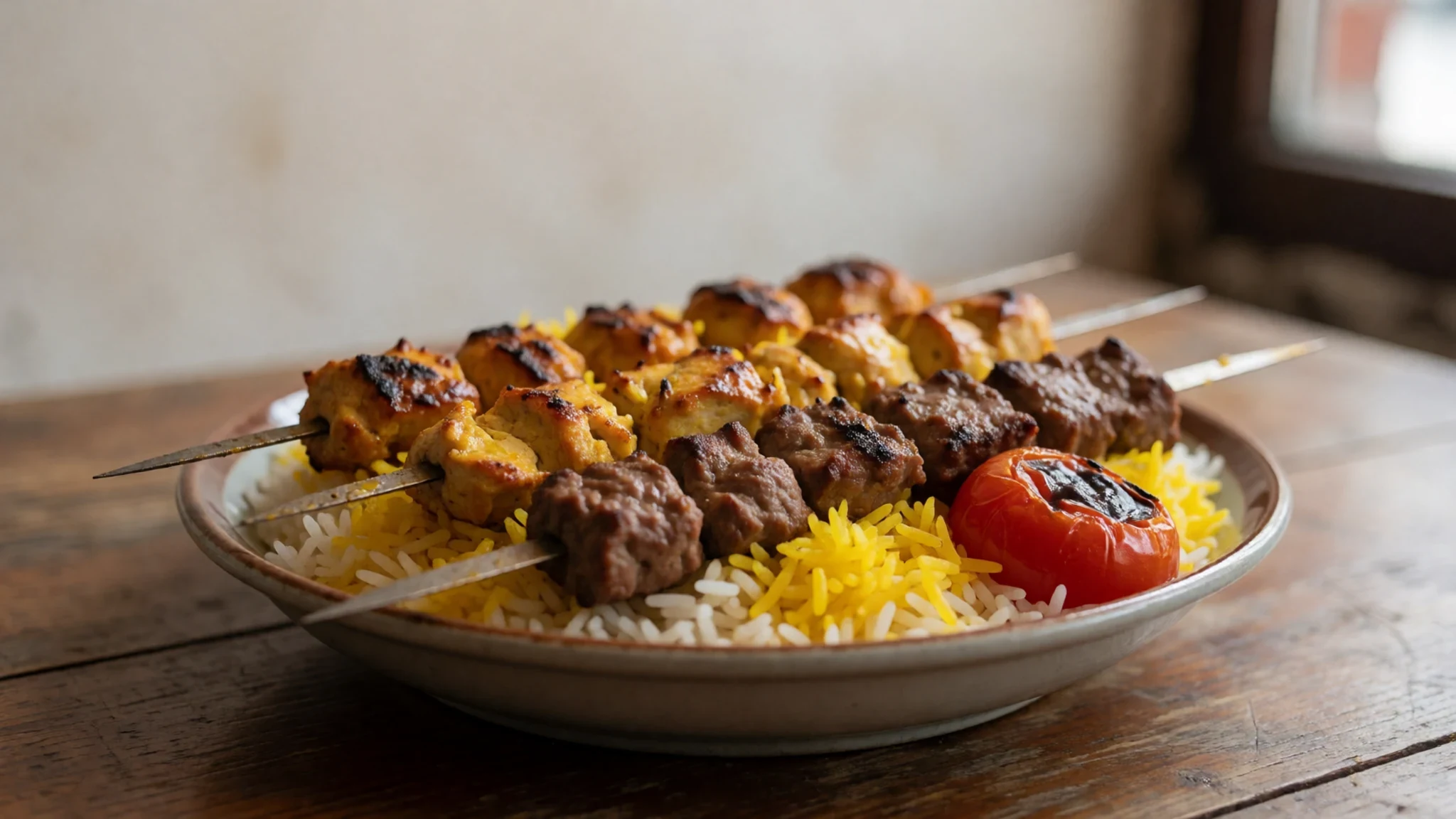
- Stews with rice (khoresh) — Family-run eateries in towns near Persepolis
Slow-cooked stews of meat with herbs, beans, fruit or aubergine are served over rice and vary by season and household. Ask what is cooked that day, as the best are often not on a printed menu.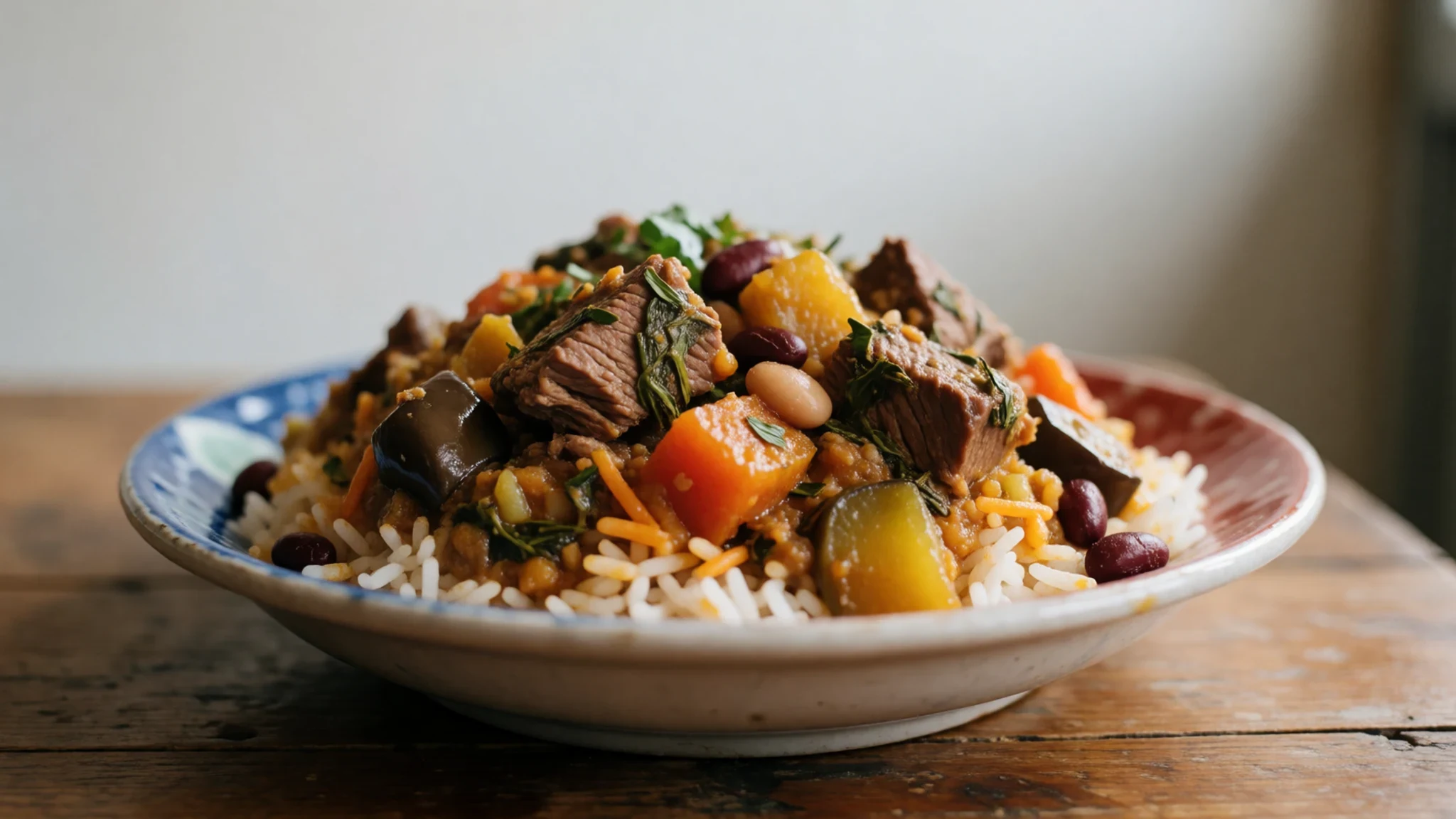
- Fresh bread and local dairy — Neighbourhood bakeries and morning stalls
Flatbreads baked in wall ovens, eaten warm with cheese, herbs and yoghurt, make a simple breakfast. They are inexpensive and easy to pick up on the way to a site.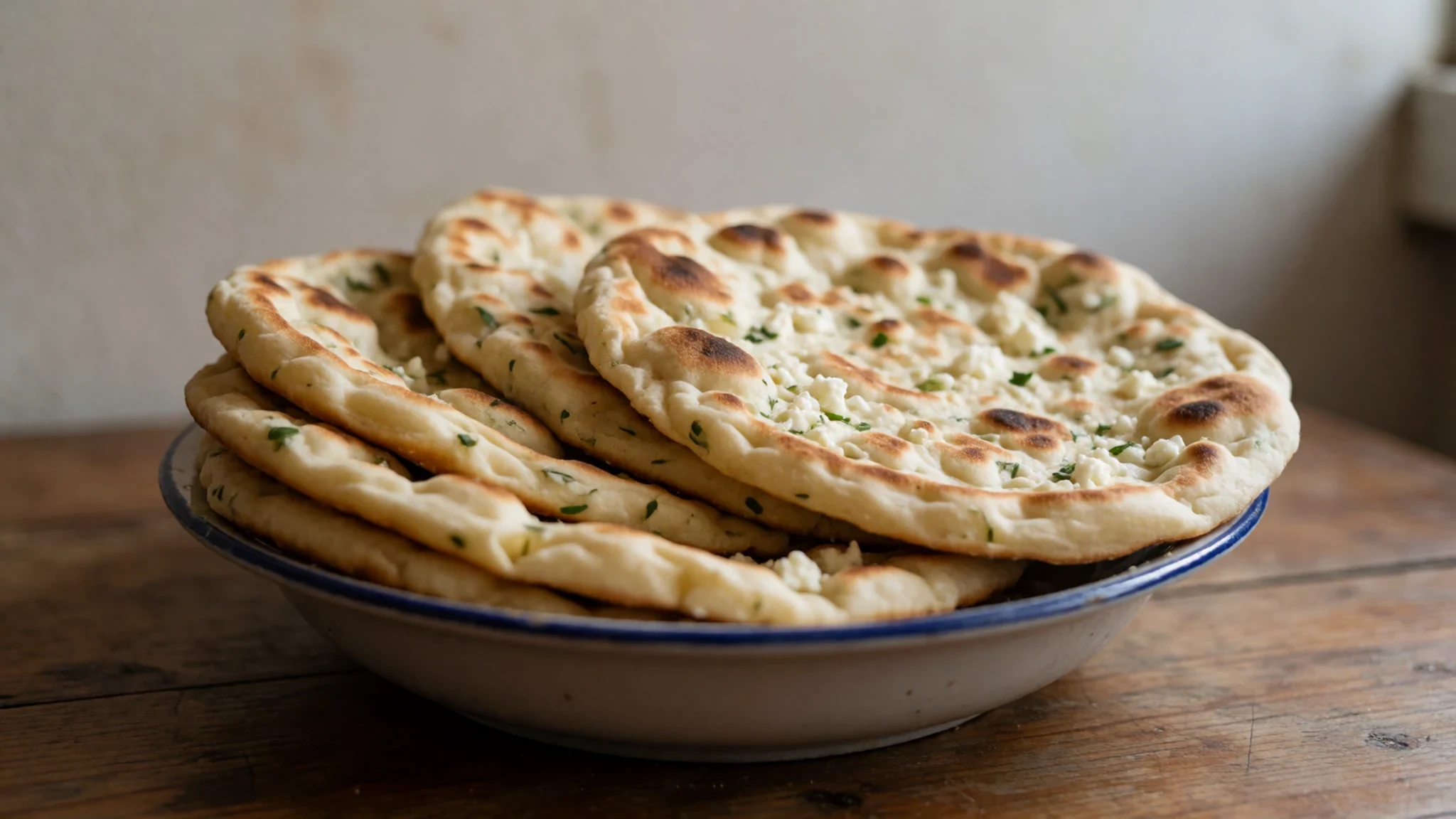
Plan it
Best time. March–May and October–November, when days are mild; summers on the central plain are hot and dry, and winters are rainy but mild, with real cold in the northern mountains.
How long. 1 for Anshan with Persepolis; 3–4 for Shiraz and the wider Fars sites
Getting there. Fly to Shiraz International Airport, which has domestic links across Iran and some regional international flights. Shiraz is also connected by road and by rail, including to Tehran and Isfahan. Anshan is about 46 km north of Shiraz, so hire a car with driver or join a tour for the last leg.
Budget. mid
Tips
- Hire a driver or guide, as the mound has little signage and public transport is limited
- Start early to avoid midday heat and combine with Persepolis the same day
- Carry water, a hat and sun protection, as there is almost no shade on the plain
- Tap water in Fars is drinkable but very chalky, so many visitors prefer bottled
- Check current travel advice and site access before setting out
Etiquette
- Follow local dress norms: headscarf and modest clothing for women, long trousers for men
- Ask before photographing people
- Do not remove or collect any fragments from the site
Nearby
Sources
- Wikidata Q569107 (CC0)
- Wikipedia: Anshan (Persia) (CC BY-SA 4.0)
- Wikivoyage: Fars (CC BY-SA 4.0)
- Keramik aus Iran, NearEMPTiness (CC BY-SA 4.0)
- Anshan-Location, Cleopatra Gh (CC BY-SA 4.0)
- Anshan-Stadt, Cleopatra Gh (CC BY-SA 4.0)
- Anshancity, Cleopatra Gh (CC BY-SA 4.0)
- Anshancityinfarsprovince, Cleopatra Gh (CC BY-SA 4.0)
- Anshaninpersia, Cleopatra Gh (CC BY-SA 4.0)
- Persia-Anshan, Cleopatra Gh (CC BY-SA 4.0)


