Abadan
Abadan, Iran
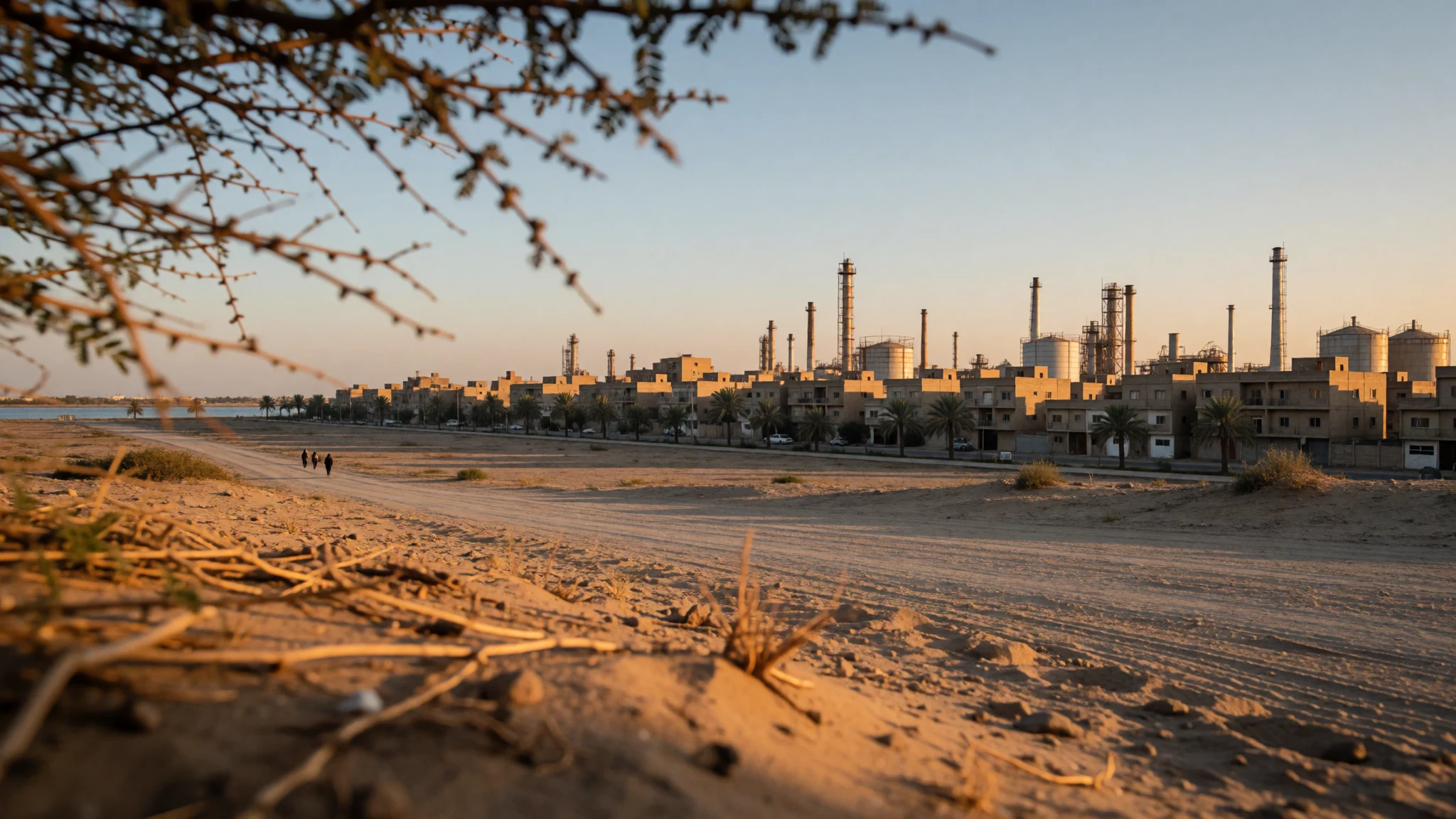
Abadan is a hard-edged port city shaped by oil, war memories and wide horizons—best visited when the heat eases.
The place
Abadan (آبادان) sits in Iran’s Khuzestan province, on a long island-like stretch known as Abadan Island, bordered by the Arvand waterway and the Bahmanshir outlet of the Karun River (the Arvand Rood). The city is central to local administration, and its setting near the Persian Gulf gives it a distinct coastal feel—alongside an unmistakably industrial skyline.
The biggest thing to understand about Abadan is the climate. It’s arid and the summers can be brutal: dry, very hot days are a norm rather than an exception, with sand-and-dust interruptions that can make midday plans feel unrealistic. Winters swing cooler and wetter, with mild conditions that are still very different from the rainy-season comfort many travellers expect—think “cold spells” rather than proper snow weather.
In town, history isn’t confined to a single museum. The city’s modern identity grew from shipping and oil infrastructure, and the scars of conflict in the late twentieth century are part of how places are remembered, explained and curated. Even if the streets look ordinary, you’ll often be walking through layers: older port geography, a refinery era, and later war-time damage.
The upside? When Abadan is in its comfortable window, the atmosphere becomes more breathable, and the city’s stories land better. Walk slowly, plan for the heat even in the “good” months, and keep an eye on shaded routes—this is a place where the weather drives the itinerary.
Its story
Abadan’s story starts with a port-and-water logic. Over time, shifts in river delta land made the town’s relationship to the shoreline change, nudging the settlement away from easy access to water. That geography mattered: it framed Abadan as a trading spot before modern industry took over.
For centuries, Abadan moved through political hands and local arrangements. In the early history that outsiders later wrote down, the city was described as a small port on a salty, flat landscape, and disputes between nearby powers were a recurring theme. Under Persian control after the mid nineteenth century, the city’s position still mattered—because ports and trade routes shape livelihoods long before pipelines do.
The turning point came with oil. In the early twentieth century, agreements connected Abadan to British-backed oil development, and the first refinery operations were built around the island’s infrastructure and access. Over subsequent years, throughput grew massively, and by the late 1930s the refinery era had made Abadan internationally notable.
Then came a quieter kind of shock: war. During the Second World War, Abadan saw fighting involving Iranian forces alongside British and Indian troops. Later, the city became a focal point in the Iran–Iraq conflict, and the urban landscape carried that impact—something you still see when you visit memorial and museum spaces that explain how Abadan was defended and what the war changed.
Put simply, Abadan is not “just” a city. It’s an industrial port that became a strategic prize, and its streets are the result of both pipelines and politics.
What to see
- Khorramshahr Holy Defence Cultural Center — Khorramshahr area
Khorramshahr’s Holy Defence Cultural Center is the best place to anchor Abadan in its wider war-era story. Expect museum-style exhibits that explain local history, Khuzestan’s older context and how Abadan was defended during the Iran–Iraq conflict.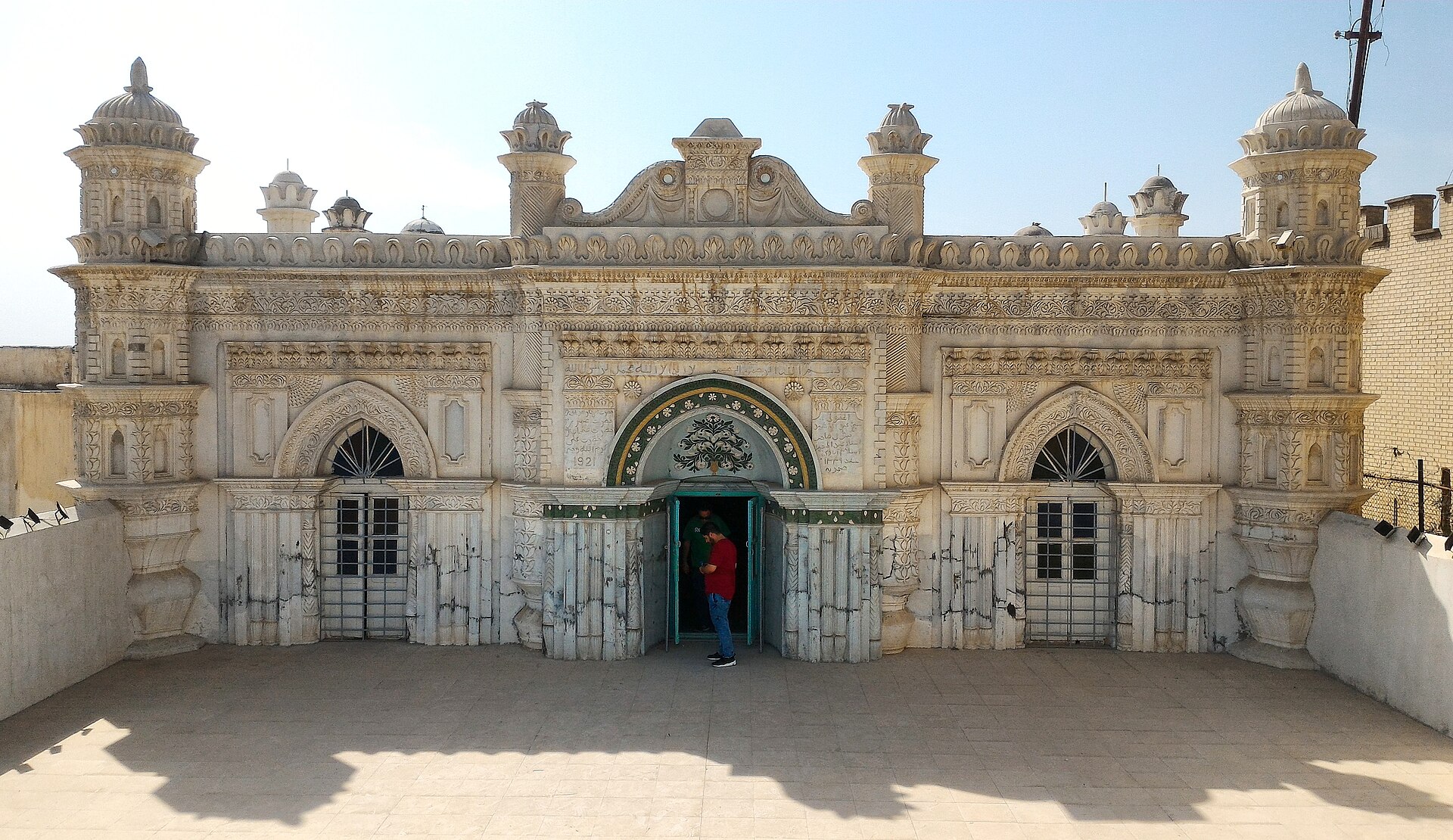
- Traditional bazaar — Central bazaar lanes
Abadan’s traditional bazaar is for everyday browsing: the rhythm of stalls, the smell of grilled food and the practical side of city life. It’s also where conversations happen, so go slowly, accept tea breaks and follow what looks busy.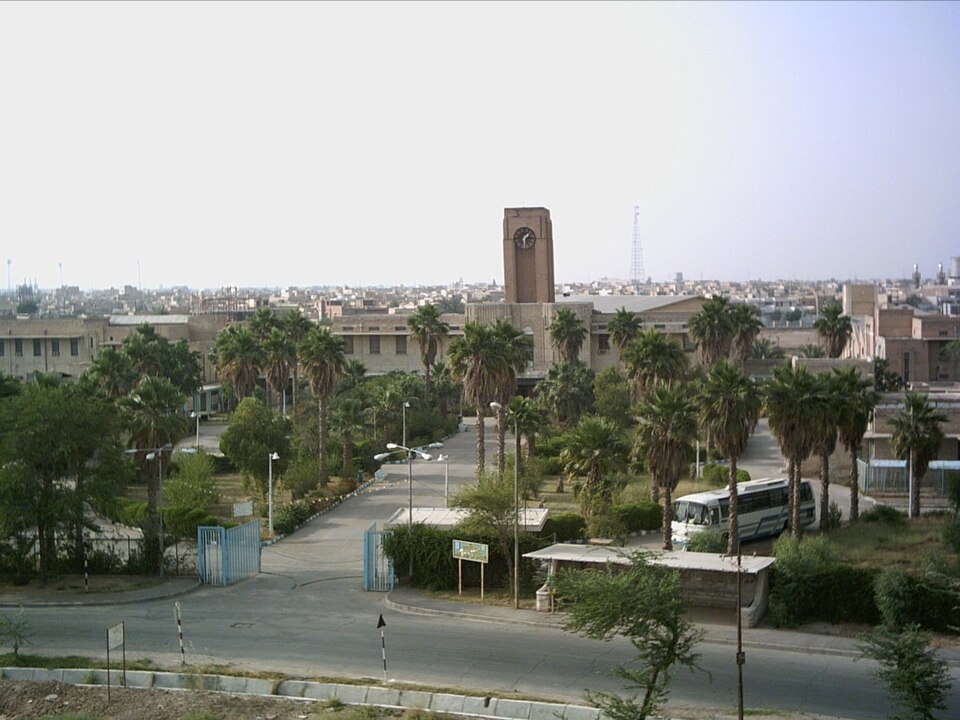
- Abadan city-and-oil viewpoints — Town edges near the refinery zone
If Abadan has a signature view, it’s the mix of shoreline, low buildings and refinery structures on the edge of town. Find a safe vantage point away from active industrial areas and enjoy the scale of how the oil story sits inside daily life.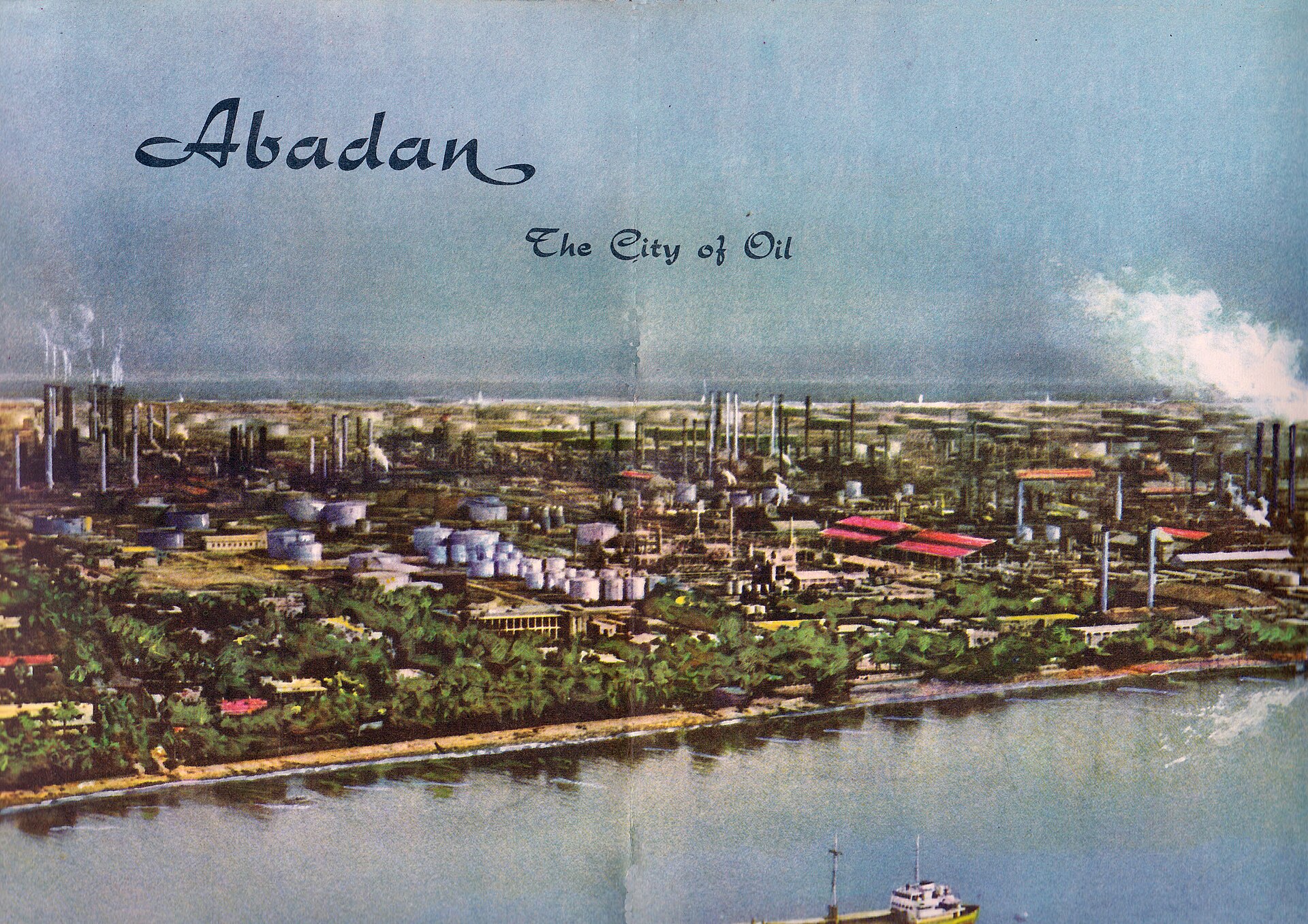
- Shadegan wetland (bird watching trip) — Wetland countryside
A trip towards the Shadegan wetland is a palate cleanser from city and industry. It’s the kind of outing suited to patient bird watching—bring water, protect yourself from sun and dust, and expect wildlife to be the slow highlight rather than something guaranteed.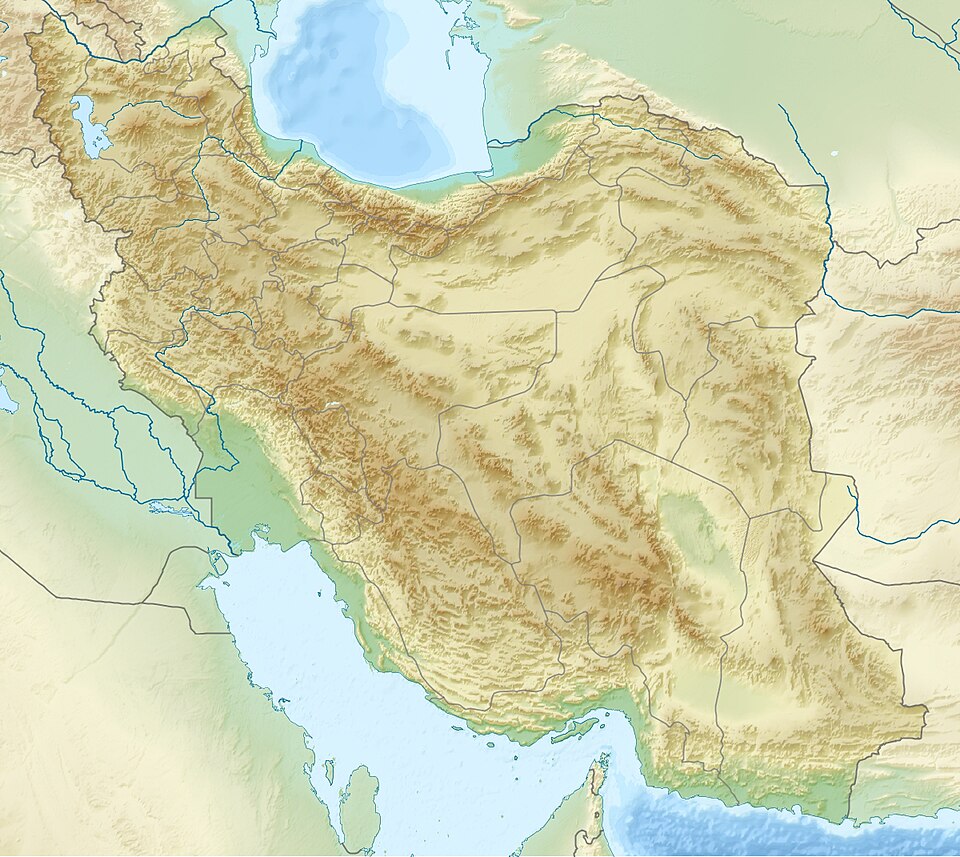
Culture
Abadan culture is shaped by port work, industrial schedules and a strong sense of remembrance. Visitors often notice how conversation, tea and local explanations fill gaps where the city’s “official” signage might fall short. It’s also a place where weather affects social life: during the hottest stretches, people tend to shift activities earlier or later, so late mornings and shaded routes can feel calmer.
Modesty and respectful dress matter in the way they do across Iran. Covering appropriately helps you feel comfortable in mosques and religious spaces, but it also reads as normal when you’re simply walking through busy bazaar areas. Photography can be less straightforward around memorial settings and crowded streets—if you see people looking uncomfortable, step back and check.
Because Abadan is linked to conflict history, be prepared for sensitive topics. Museum guides may speak plainly about what happened; listening patiently and asking neutral questions is usually the best approach.
Visitor etiquette: Dress modestly and keep your voice low in memorial spaces, and ask before photographing people.
What to wear
In Abadan, traditional dress you’ll spot is often built around modest, fabric-forward styles, with lightweight layers that suit heat when the day is unforgiving. Women may wear a headscarf (hijab) with long, loose outer clothing; men commonly wear shirts and trousers with a comfortable fit. Textiles are typically breathable and practical rather than heavy, because summer can be extremely hot.
What people wear now in everyday life reflects that same need: light colours and breathable materials, plus sun protection. Shoes are usually closed-toe and practical, because walking and market time come with dusty patches and uneven ground.
For visitors, plan for two extremes: intense sun in warmer months and cooler evenings in winter. Choose loose, modest clothing that covers shoulders and legs, carry a scarf for religious sites, and wear sturdy footwear that can handle dust and short outdoor walks. If visiting memorial or cultural centres, avoid clothing that’s too revealing—comfort and coverage are the safest combo.
What to eat
- Fresh kebabs — Baba Taher Restaurant area (or nearby kebab-focused eateries)
Fresh kebabs are a straightforward Abadan comfort: hot, grilled meat served with simple sides and often followed by tea. Look for them at local eateries that focus on kebab rather than tourist menus, especially around busy market hours. - Ghaliye mahi (spicy fish & herb stew) — Seafood-focused eateries and regional Iranian kitchens
Ghaliye mahi is a Southern Iranian-style spicy fish and herb stew, the kind of dish that tastes deeply aromatic rather than just “hot”. If you’re trying Abadan’s coastal side, seek it at seafood-led kitchens or regional Iranian restaurants. - Medfune — Local Iranian dining spots and family-run restaurants
Medfune is a slow-cooked dish name you’ll hear across the region, usually centred on meat and spice with a rich, rounded flavour. In Abadan, order it where local families eat—often it’s paired with rice or bread. - Khoroshte bamie — Traditional stew places in the city
Khoroshte bamie leans into the region’s love of thick stews and okra (bamia), bringing a hearty texture to the table. It’s a good “proper meal” choice when the air is too thick for lighter snacks. - 4-mahi sobur (barbecued fish) — Grill and fish counters near markets
4-mahi sobur is barbecued fish, charred and fragrant in that street-grill way, typically served with sides that balance spice. If a place advertises fish grilling, go for it when it smells busiest.
Plan it
Best time. March–April and October–November are the easiest months for wandering because they avoid the worst heat; summer can be extremely hot and humid-free, while June sits in the hotter period.
How long. 3–4
Getting there. Fly into the nearest practical gateway serving Khuzestan region, then continue by road to Abadan (and for day trips, connect onwards to nearby areas).
Budget. mid
Tips
- Start any outdoor sightseeing early and keep the hottest parts of the day for indoor museums or slow meals
- Plan one coastal/industrial viewing session and one history-focused visit so the day has balance
- For Shadegan wetland time, bring water and expect a long, sun-heavy outing
- Carry some cash for small stalls and neighbourhood eateries
Etiquette
- Remove shoes where required and keep your tone respectful in cultural centres
- Dress modestly for religious sites and memorial spaces
- Ask before photographing people, especially in busy bazaar areas
Nearby
Sources
- Wikidata Q63049 (CC0)
- Wikipedia (rev 1382234677) (CC BY-SA 4.0)
- Wikivoyage (rev 5376831) (CC BY-SA 4.0)
- Photo photos/01-abadan-the-city-of-oil.jpg (Public domain)
- Photo photos/02-rengoonie-s-mosque-1.jpg (CC BY-SA 4.0)
- Photo photos/03-2-2.jpg (CC BY-SA 4.0)
- Photo photos/04-chaurchhhhh.jpg (CC BY-SA 4.0)
- Photo photos/05-.jpg (CC BY-SA 4.0)
- Photo photos/06-iran-relief-location-map.jpg (CC BY 3.0)
- Photo photos/07-persian-gulf-relief-location-map.png (CC BY 3.0)
- Photo photos/08-abadan-ruin.jpg (CC BY 3.0)


