Alborz
Alborz, Iran
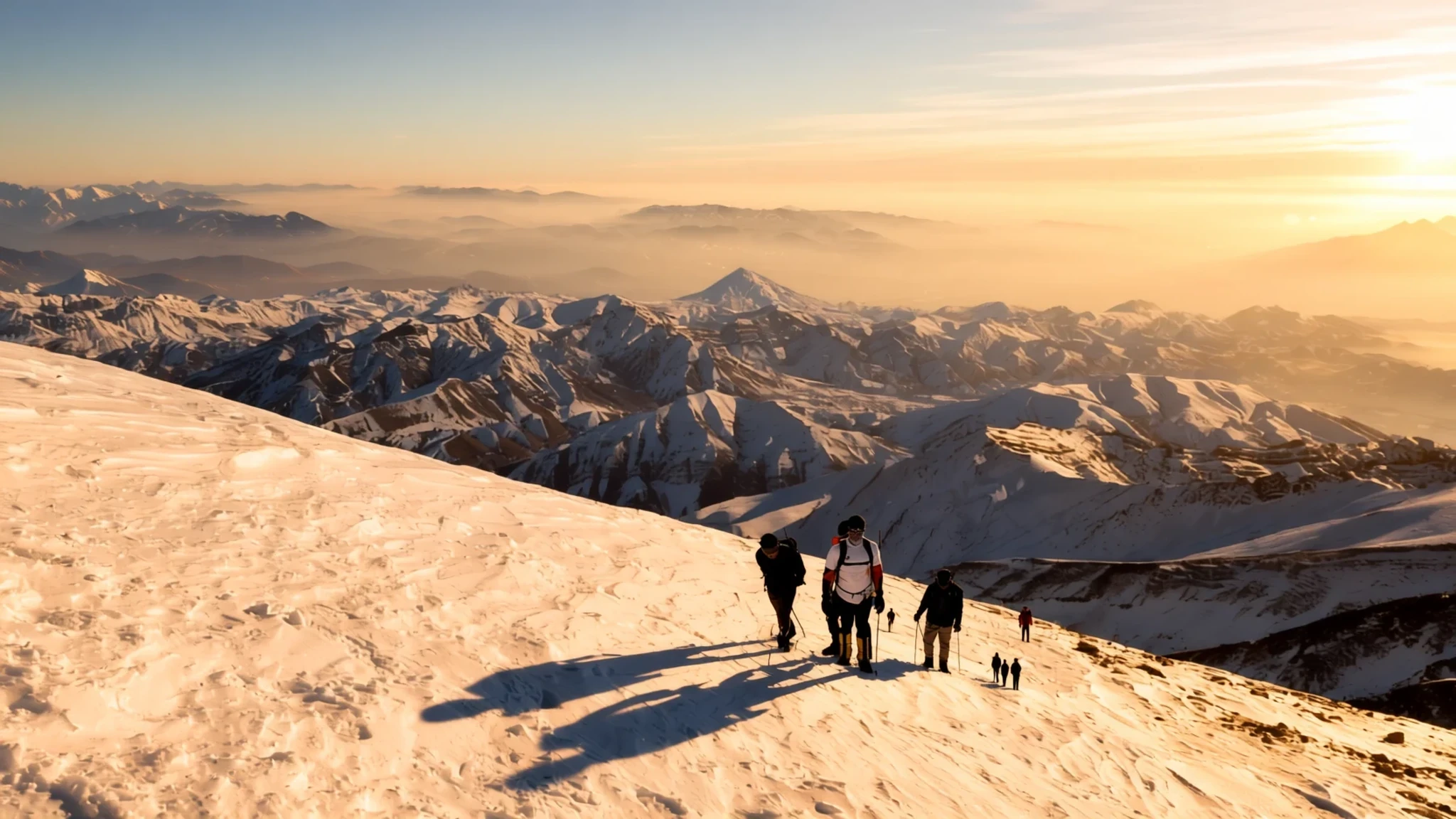
The Alborz range forms a dramatic natural wall across northern Iran, lifting jagged snow-capped peaks above lush Caspian forests and arid plateaus.
The place
The Alborz mountain range stretches across the northern expanse of Iran, tracing a path from the borderlands of Azerbaijan along the southern coastline of the Caspian Sea before merging gradually into northeastern ridges. As part of the expansive Alpide belt, these mountains divide the humid moisture of the Caspian basin from the dry interior of the Iranian plateau. Structurally, the range splits into western, central, and eastern sectors, each bearing distinct geological formations. The central section houses the highest elevations, dominated by volcanic masses and sedimentary limestone layers resting over ancient granite cores. Thick beds of volcanic tuffs sit alongside older shale and sandstone deposits, revealing a complex geological past shaped by ancient seas and tectonic shifts. Deep valleys cut through the rugged terrain, carrying rushing rivers toward northern plains or southern basins. Travellers crossing the range encounter sharply contrasting landscapes within very short distances, shifting from dense woodland slopes down toward sea level to high, windswept alpine passes where snow lingers well into warmer months. The terrain requires careful navigation, with winding mountain highways clinging to steep precipices and offering sweeping vistas across vast ridges.
Its story
For centuries, the Alborz mountains have stood as both a formidable physical barrier and a vital corridor connecting northern forests with central Iranian settlements. Historic trade routes threaded through deep gorges and high passes, allowing caravans to move between Caspian ports and inland cultural centres despite the severe topography. Local communities adapted to the harsh mountain winters by building stone dwellings tucked into sheltered river valleys, cultivating terraced fields where meltwater permitted agriculture. In Persian mythology and literature, these heights occupy a legendary realm, often associated with ancient spirits, mythical birds, and soaring peaks that touch the sky far above ordinary human habitation. Mountaineers and explorers have long looked to these summits as a grand challenge, mapping remote ridges and testing their endurance against unpredictable weather patterns and extreme altitudes. Today, the range remains central to the identity of northern Iran, preserving isolated rural traditions, ancient shepherds' trails, and a rich heritage of folklore passed down through generations who call these rocky slopes their home.
What to see
- Mount Damavand — Central Alborz Range
Mount Damavand towers over the central range as the highest peak in Iran, reaching an elevation of 5,610 m. This dormant stratovolcano rises majestically with a sulfur-vented summit cap, drawing experienced climbers from across the globe who tackle its steep, windswept slopes during favourable summer weather windows.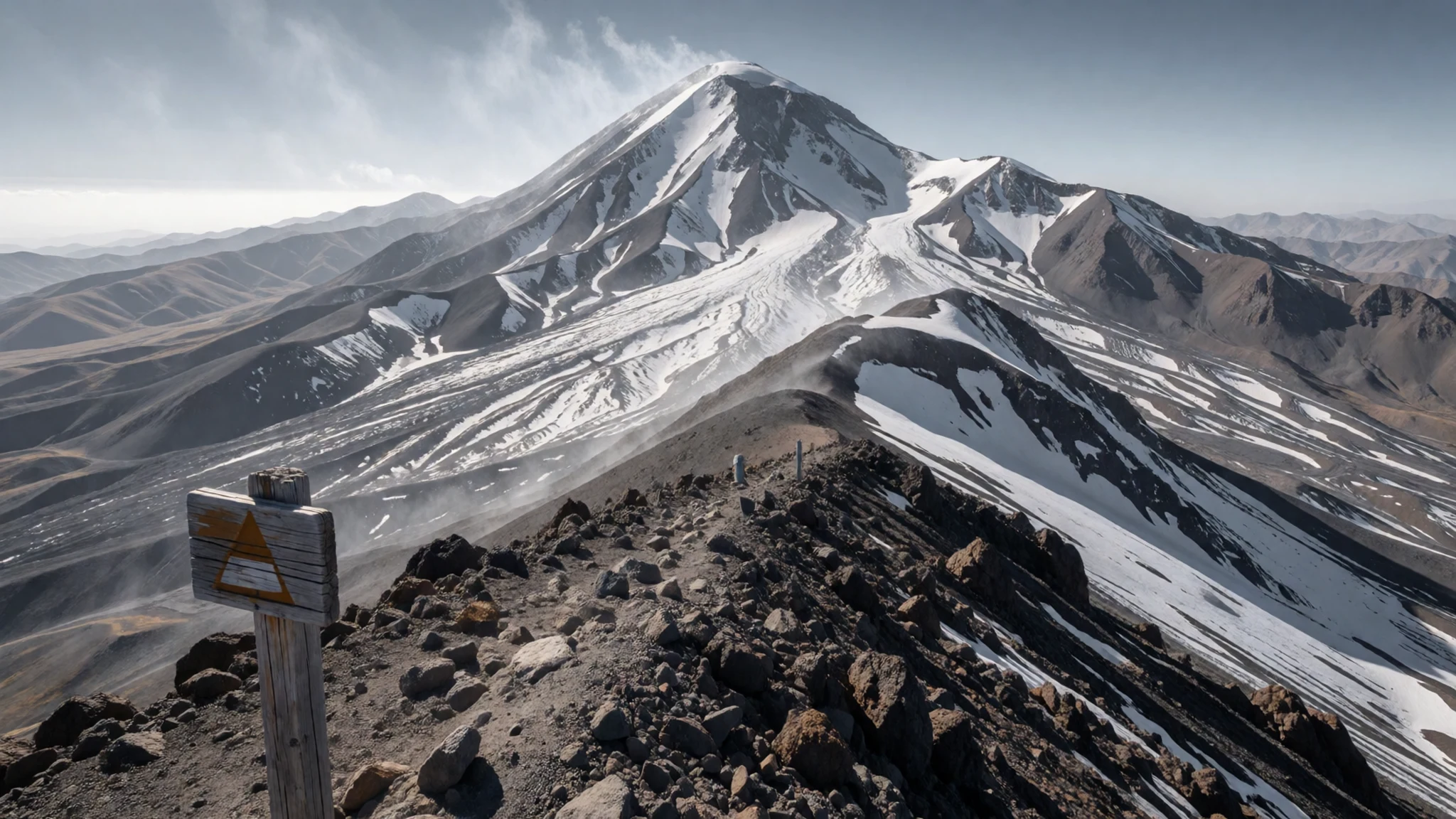
- Tochal Peak — Southern Alborz Slopes
Rising directly above the northern edge of the capital, Tochal peak serves as a popular high-altitude escape for hikers and skiers alike. A long cable car system transports visitors from the bustling city fringe up to snowy ridgelines where panoramic views stretch across the entire southern plateau.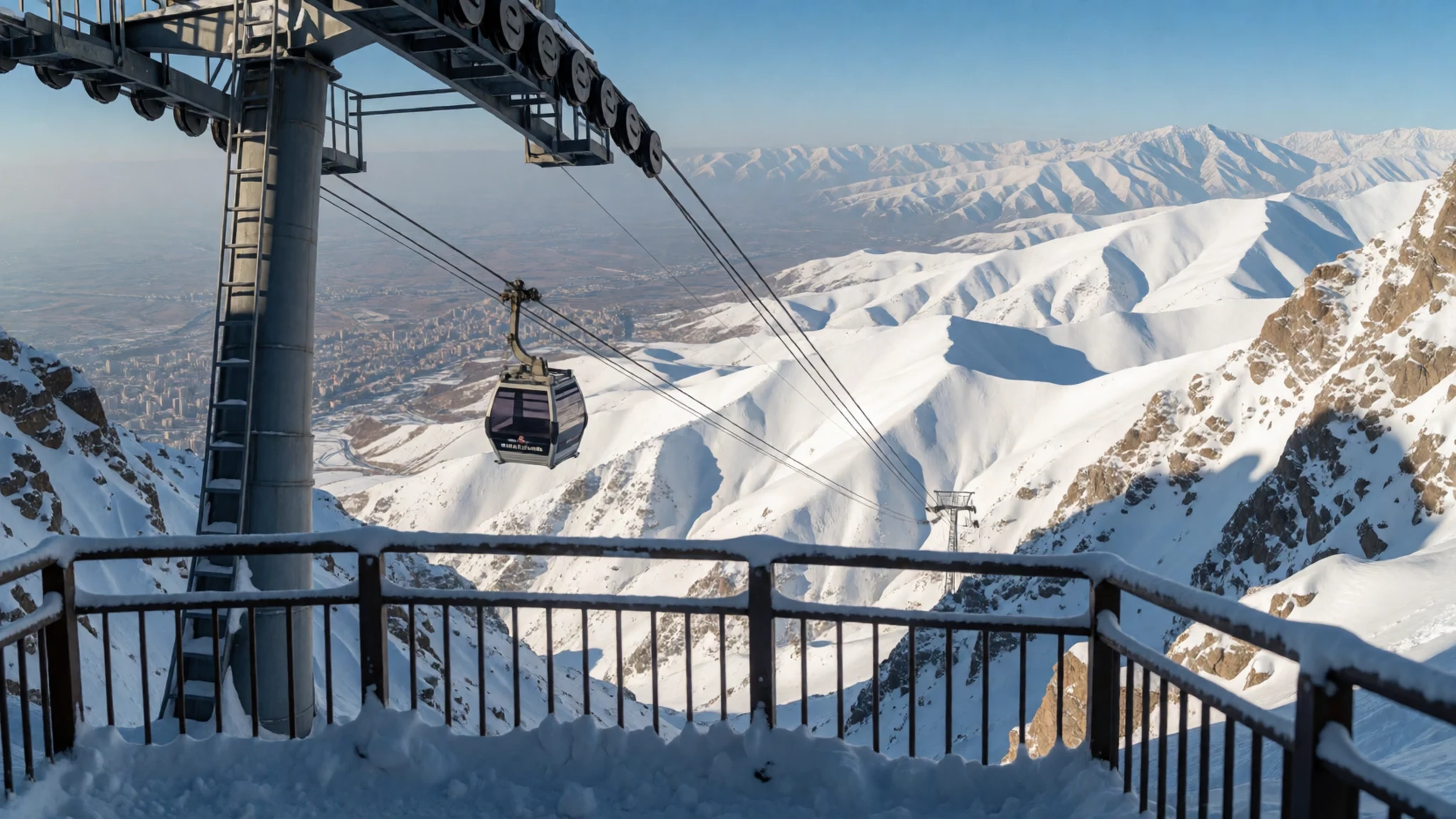
- Haraz Road Corridor — Mazandaran Province
The historic Haraz road cuts right through the heart of the central mountains, following a dramatic river gorge carved deep into sedimentary rock walls. Driving along this route reveals towering cliff faces, rushing mountain streams, and distant glimpses of snow-capped volcanic ridges.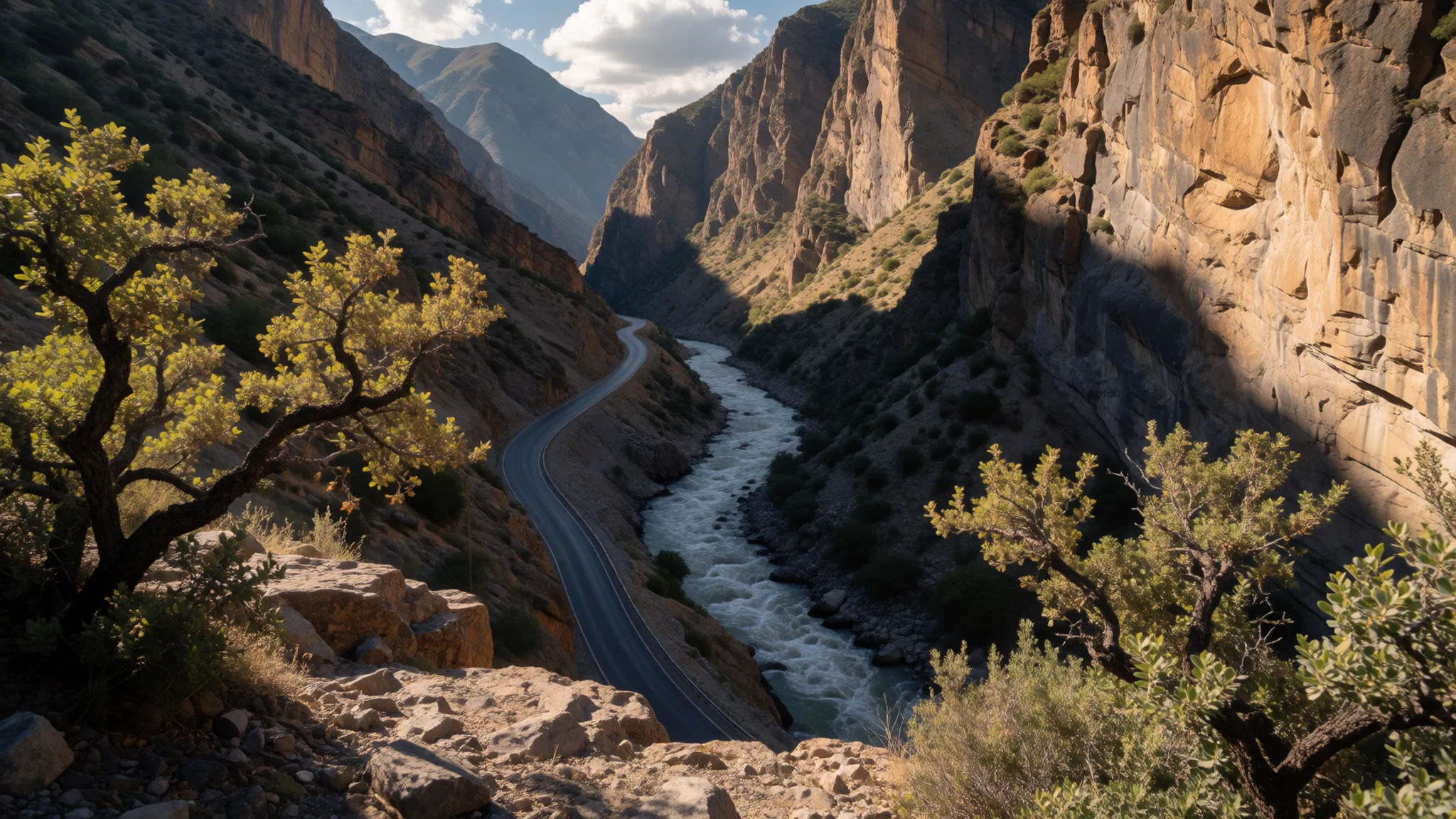
- Lar National Park — Central Alborz Plateau
Nestled in a high-altitude basin beneath towering volcanic peaks, Lar National Park protects a fragile alpine ecosystem filled with endemic wildflowers and meandering streams. The protected plain serves as a traditional summer pasture for nomadic herders and offers serene wilderness landscapes.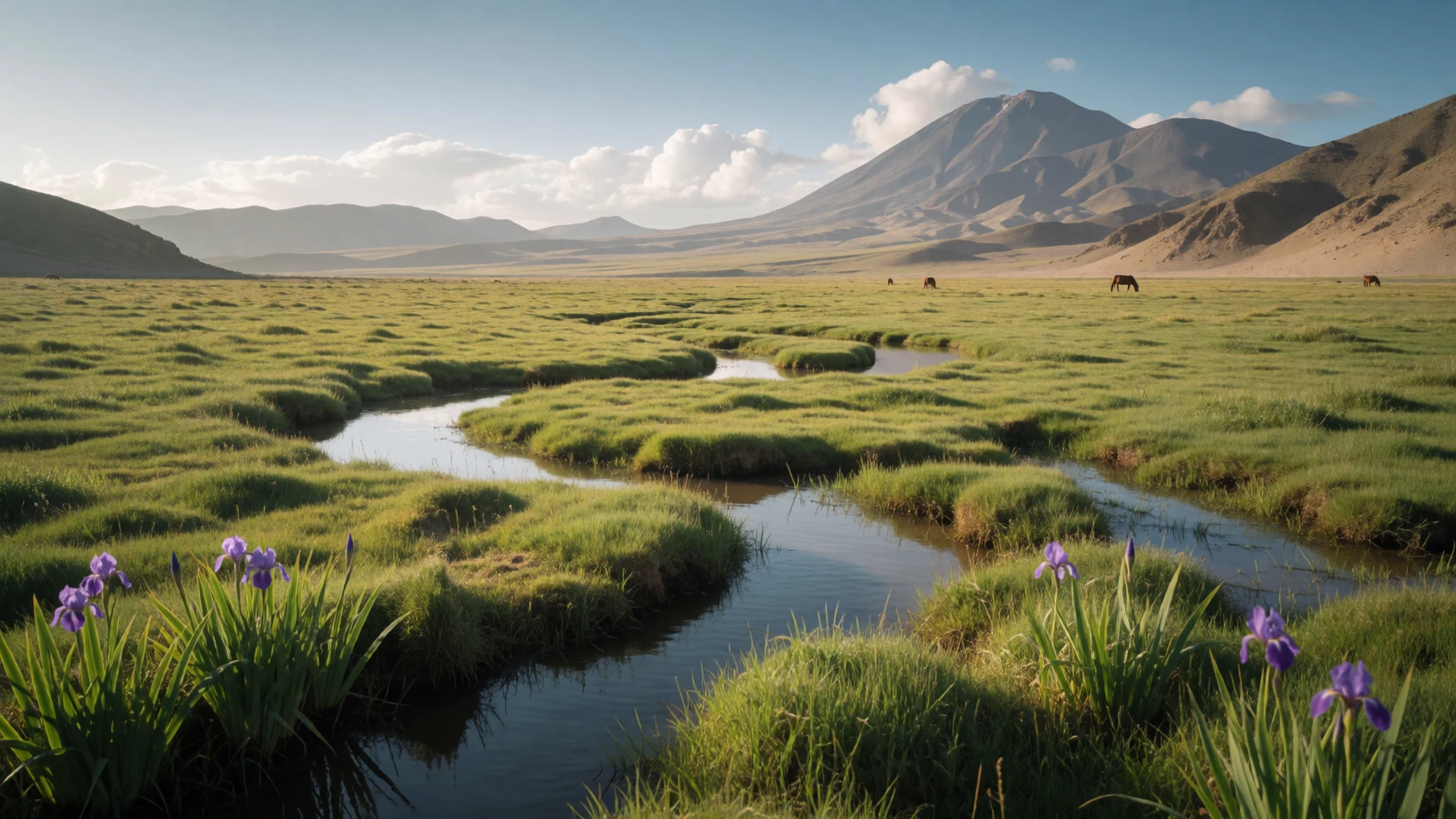
Culture
Life in the Alborz mountains is shaped by distinct seasonal rhythms, where long, freezing winters demand resilience from mountain villagers and pastoral families. Communities here have traditionally relied on livestock grazing, walnut orchards, and small-scale agriculture in river valleys, maintaining close-knit social bonds rooted in mutual assistance during harsh weather. Hospitality is deeply ingrained in local custom, with travellers often welcomed into village homes for tea and flatbread. Traditional music features reed flutes and stringed instruments echoing the lonely beauty of high-altitude passes. Visitors should always greet local elders respectfully and dress modestly in line with regional customs when entering mountain villages.
What to wear
Traditional clothing in the Alborz region reflects the practical demands of cold mountain weather and active outdoor labour. Herders and villagers historically wore heavy wool waistcoats, sturdy felt jackets, loose trousers, and hand-knitted woollen socks tucked into sturdy leather footwear designed for rocky terrain. Women often wore brightly patterned headscarves, layered tunics, and pleated skirts suited for movement across uneven slopes. Today, younger generations in towns near the mountain foothills dress in modern casual attire, though older villagers still favour traditional wool garments and protective head coverings against wind and sun. For visitors exploring the range, sturdy waterproof hiking boots with good ankle support are essential, alongside layered clothing, windproof jackets, and sun protection, as ultraviolet radiation increases significantly at higher elevations.
What to eat
- Mountain Herb Stews — Mountain village roadside eateries
Hearty slow-cooked stews featuring lamb, tender beans, and locally gathered mountain herbs, simmered patiently in clay pots over open fires in hillside village homes.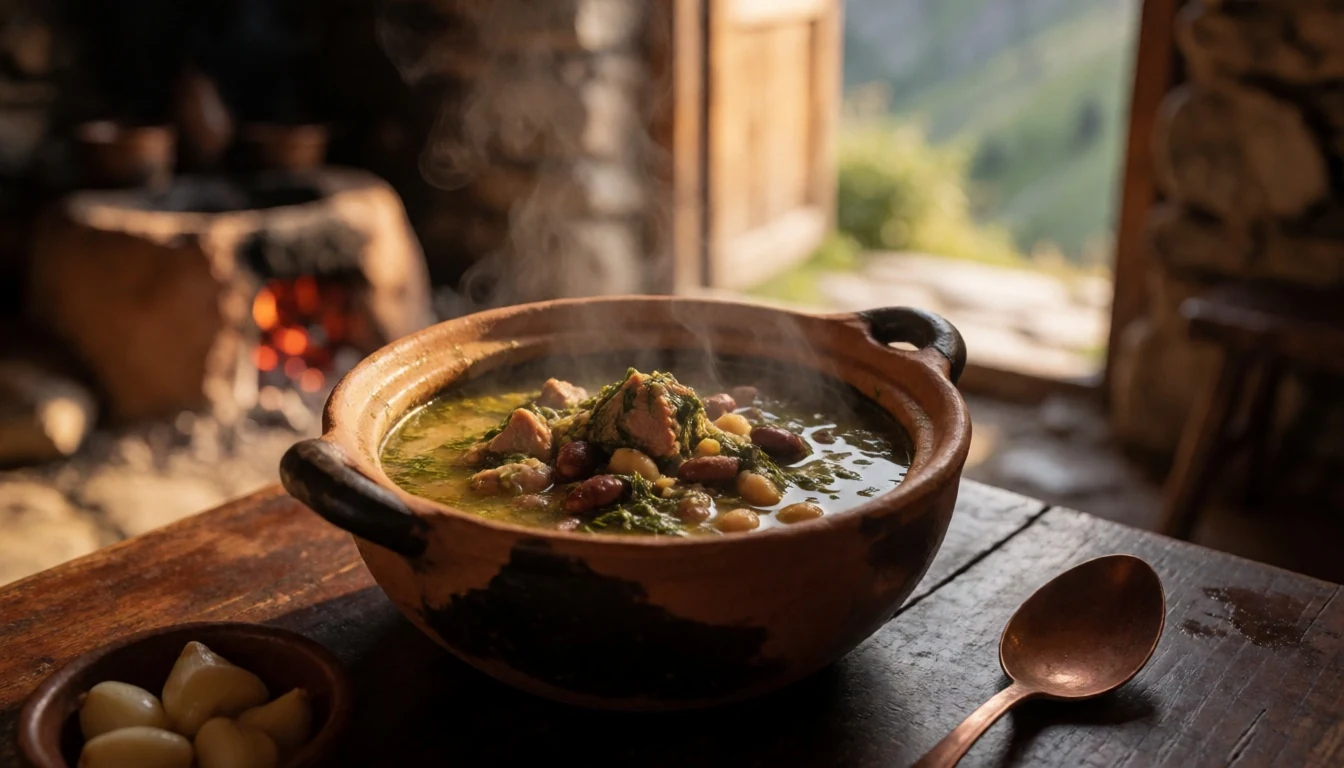
- Caspian-Style Rice and Fish — Northern foothills and valley markets
Fragrant saffron rice served alongside freshly caught whitefish from northern rivers, seasoned with sour pomegranate molasses, walnuts, and wild garlic typical of the northern slopes.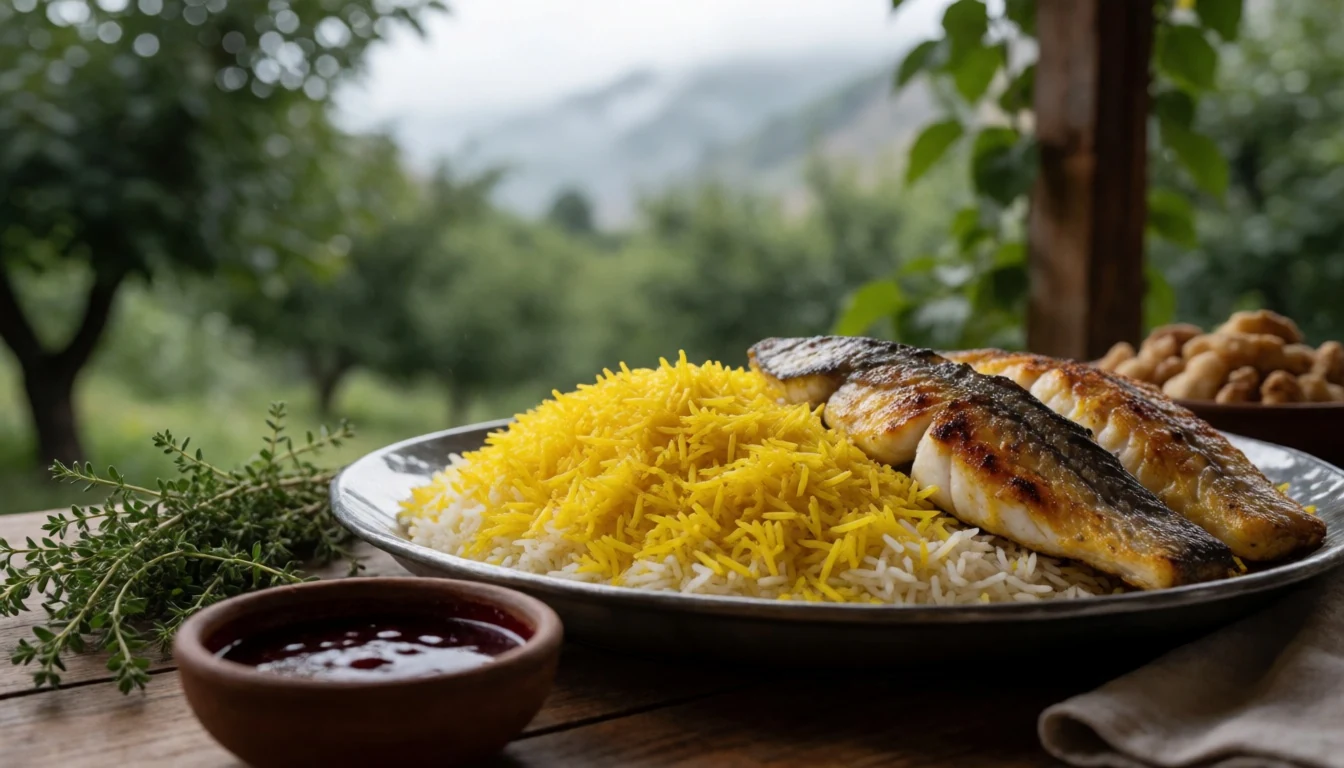
- Flatbread and Local Cheese — Village bakeries and local stalls
Freshly baked flatbread pulled straight from wood-fired clay ovens, paired with creamy sheep's milk cheese and sweet mountain honey for a traditional morning meal. - Smoked Aubergine Dishes — Pass roadside rest houses
Charcoal-roasted aubergines mashed with garlic, tomatoes, and free-range eggs, creating a rich, smoky dish enjoyed with warm bread during rest stops along winding passes.
Plan it
Best time. May to September offers clear weather and accessible high trails; winter brings heavy snow suitable for skiing but closes high alpine passes.
How long. 3–4
Getting there. Fly into Tehran, then hire a licensed mountain driver or join an organised trek to access the central Alborz valleys and trailheads.
Budget. mid
Tips
- Acclimatise carefully before attempting high-altitude hikes
- Check weather forecasts constantly as mountain conditions shift rapidly
- Carry sufficient cash as rural areas lack card payment facilities
- Hire local guides for remote ridge routes and technical climbs
Etiquette
- Dress conservatively in rural mountain communities
- Always ask permission before photographing local shepherds or villagers
Nearby
Sources
- Wikidata Q484725 (CC0)
- Wikipedia (rev 1371645046) (CC BY-SA 4.0)
- Wikivoyage (CC BY-SA 4.0)