Choga Zanbil
Choga Zanbil, Iran
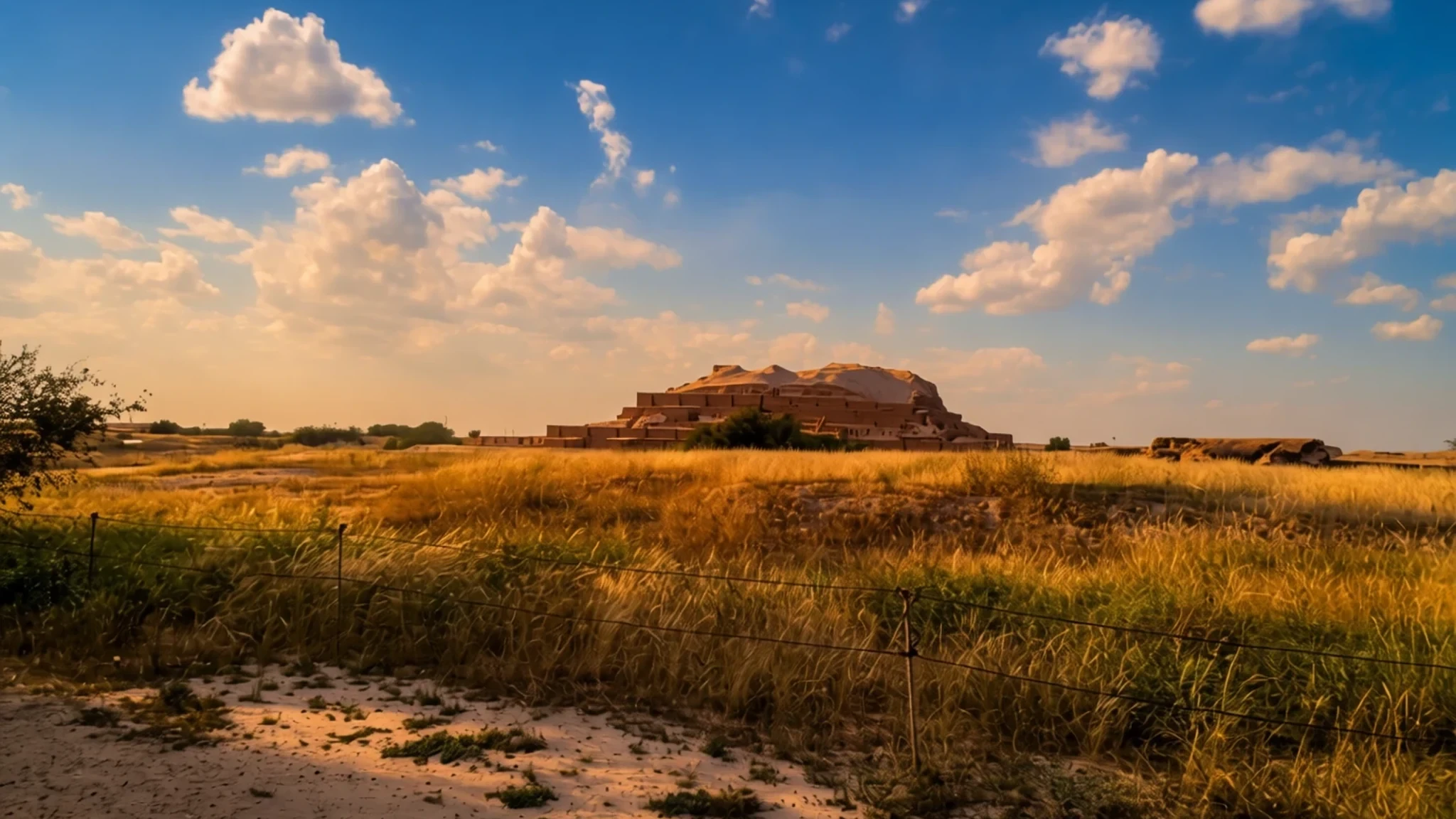
Stand before one of the few surviving ancient ziggurats outside Mesopotamia, a magnificent preserved masterpiece of Elamite sacred architecture.
The place
Choga Zanbil rises from the arid expanse of the Khuzestan province in southwestern Iran, standing as an extraordinary remnant of the ancient Elamite civilisation. Positioned in a sparsely populated regional landscape, the archaeological complex lies at a distance from the modern urban settlements of the area, maintaining an isolated, windswept atmosphere that evokes its ancient desert isolation. Unlike the mud-brick ruins that dissolve into featureless mounds across the wider Near East, this monument retains considerable height and structural definition, offering modern visitors a rare, tangible encounter with a stepped pyramidal tower built by an ancient regional power. The site is bounded by the vast surrounding plains, where summer temperatures climb dramatically and dry winds sweep across the open horizon. Visitors approaching the archaeological zone encounter a remarkably intact core that breaks the flat skyline of the Khuzestan basin. The sparse scrubland and surrounding agricultural fields accentuate the monument's monumental scale, making it one of the most compelling archaeological destinations in the Middle East for travellers interested in early urban history, ancient masonry techniques, and the architectural traditions of pre-Islamic Persia. The surrounding terrain requires sturdy footwear and adequate sun protection, as shade is minimal across the vast open precinct.
Its story
The complex was established as a royal and religious foundation by an ambitious ruler seeking to glorify the chief deities of the Elamite pantheon. Known originally by a name translating as the town of the king, the settlement was intended to serve as a grand religious centre uniting the diverse divine traditions of both the highland and lowland territories of Elam. Rather than functioning as a bustling metropolis for ordinary citizens, the walled enclosure was primarily inhabited by priests, administrators, and temple attendants who maintained the sacred precinct. Successive building phases saw the construction of multiple concentric fortification walls enclosing inner sanctuaries, royal palaces, and subterranean burial chambers beneath the dry earth. The central ziggurat itself was erected over an earlier square core, rising in successive tiers around a solid mud-brick framework and faced with baked bricks stamped with cuneiform inscriptions naming the gods in both Elamite and Akkadian. After the founder's reign, construction and ritual use continued for generations until the entire sacred complex suffered widespread destruction at the hands of an invading northern army. Following that ancient devastation, the site remained largely undisturbed beneath layers of windblown silt and sand for millennia, preserving countless inscribed bricks and architectural fragments that eventually allowed modern archaeologists to piece together the history of this remarkable civilisation.
What to see
- The Great Ziggurat — Central enclosure
This central stepped tower forms the undeniable focal point of the entire archaeological zone. Although it now stands at a reduced height compared to its original multi-tiered elevation, the remaining levels showcase exceptional ancient brickwork, drainage channels, and cuneiform inscriptions stamped directly into the baked exterior tiles by ancient builders.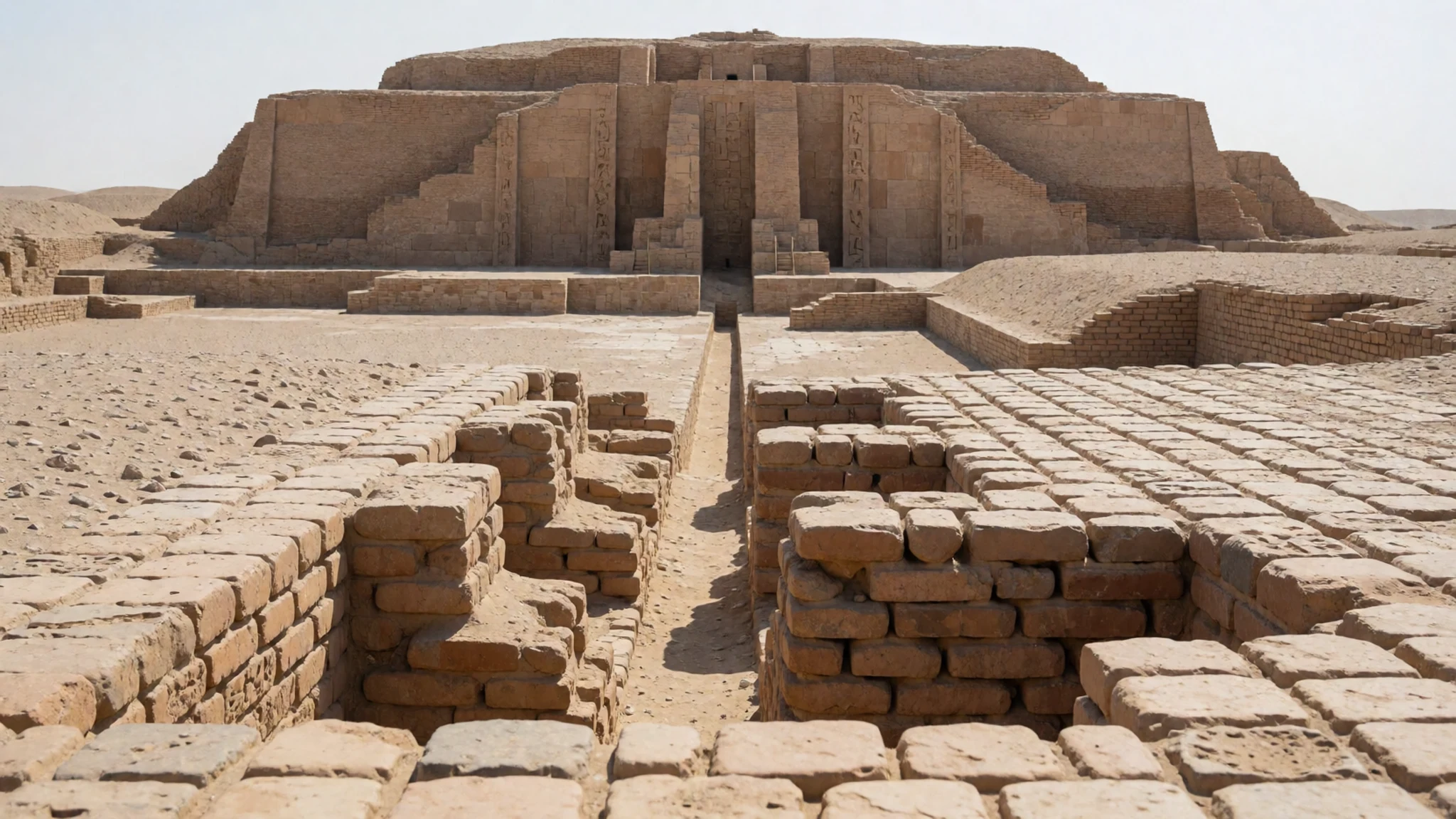
- The Inner Sanctuary Precinct — Inner walled zone
Enclosed by the middle and outer walls, this sacred sector contains the foundational courtyards and subsidiary temple platforms dedicated to various deities of the Elamite pantheon. Walking through these ruined corridors reveals the precise spatial layout designed for ancient religious processions, ritual sacrifices, and offerings.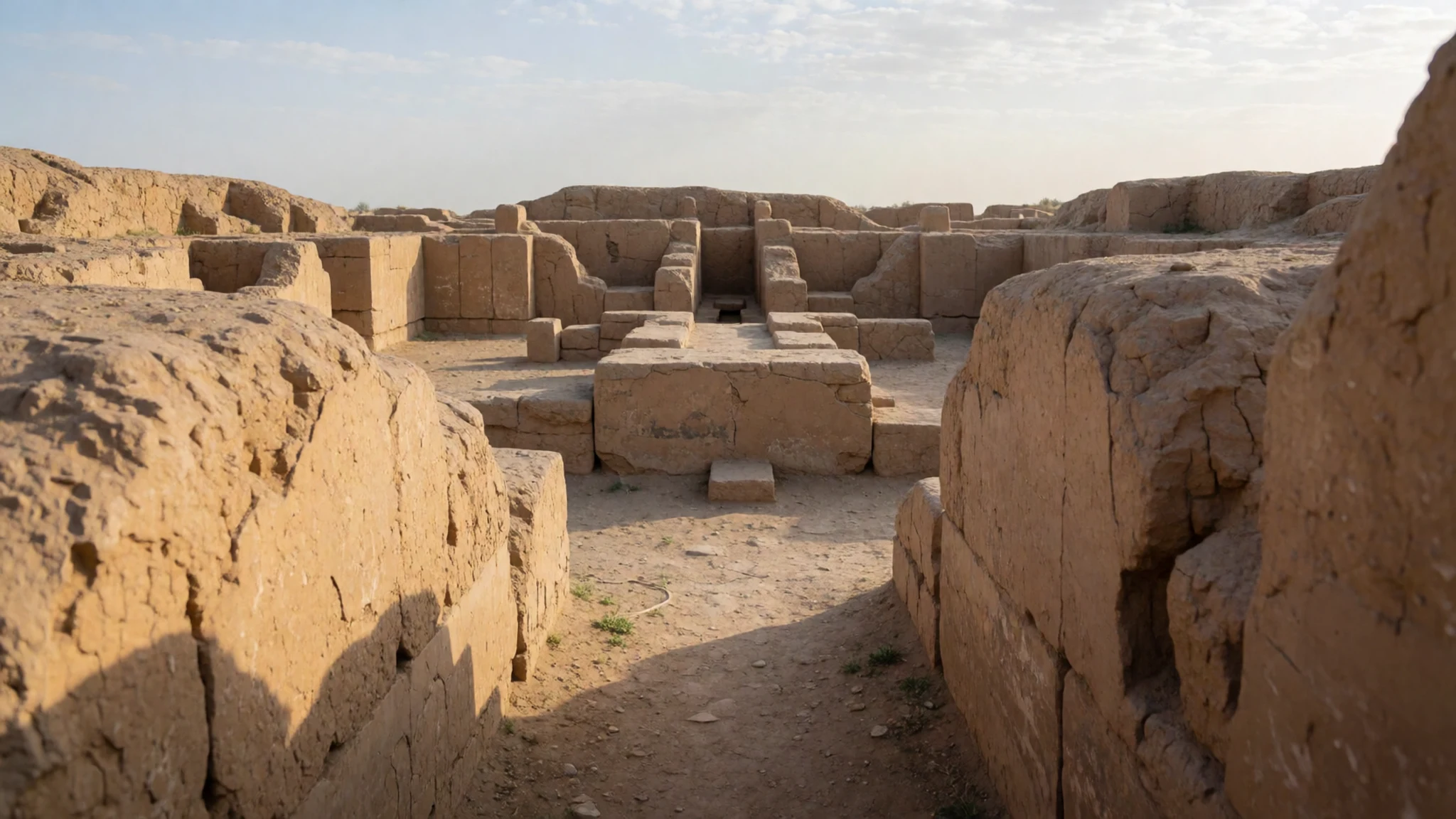
- The Royal Palaces and Subterranean Tombs — Outer palace sector
Located in the outer spatial zones of the complex, the royal residence quarters feature large courtyards, reception halls, and a funerary palace containing vaulted subterranean burial vaults. These brick-lined underground chambers offer a solemn glimpse into the funerary customs and elite architecture of ancient Elamite royalty.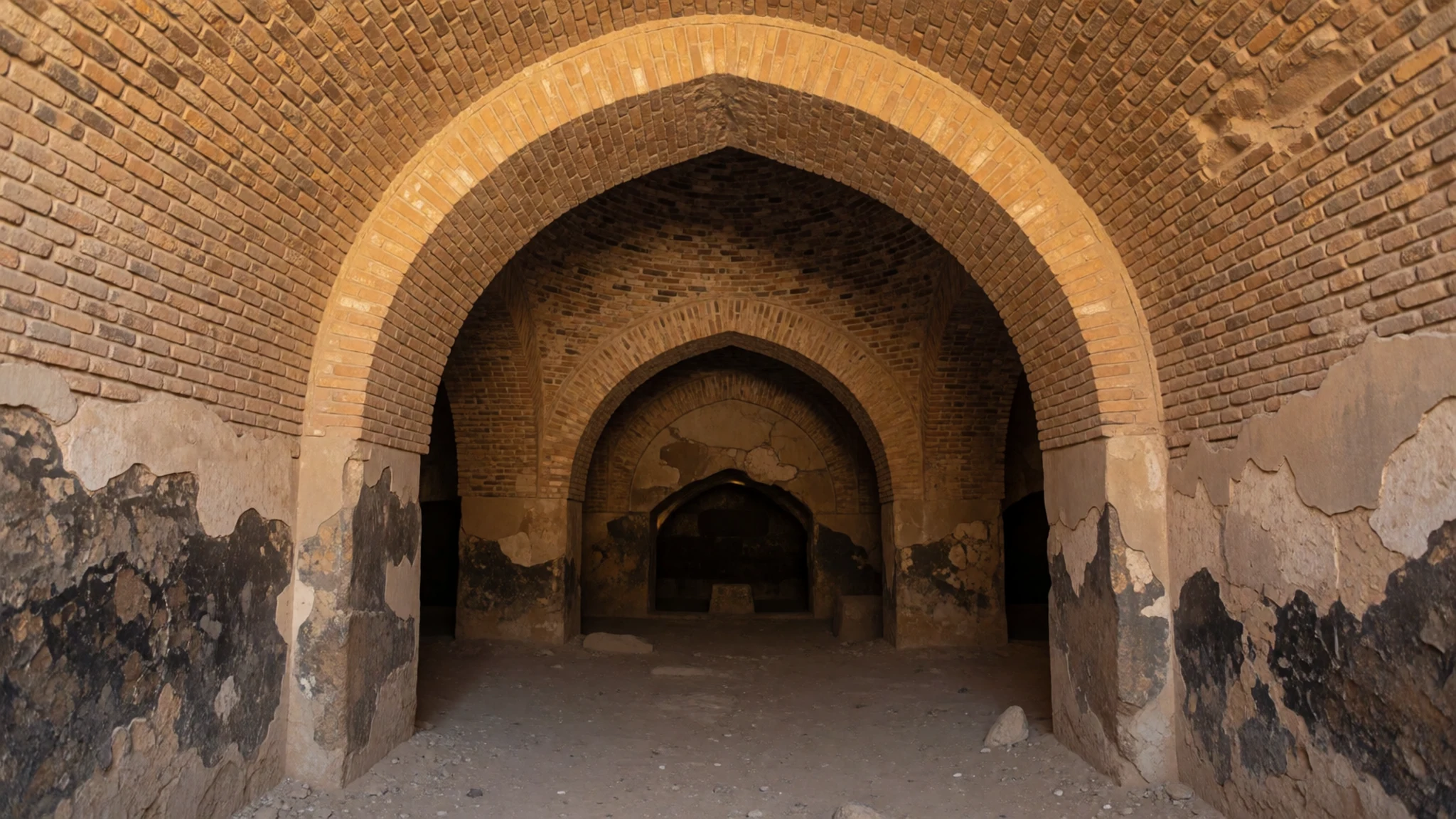
- The Ancient City Walls and Gates — Perimeter boundary
Three massive concentric fortification walls once protected the entire religious city, complete with monumental gateways controlling access to the sacred precinct. Traces of these defensive barriers still define the concentric layout, helping visitors visualise how the ancient town was partitioned into distinct religious and administrative zones.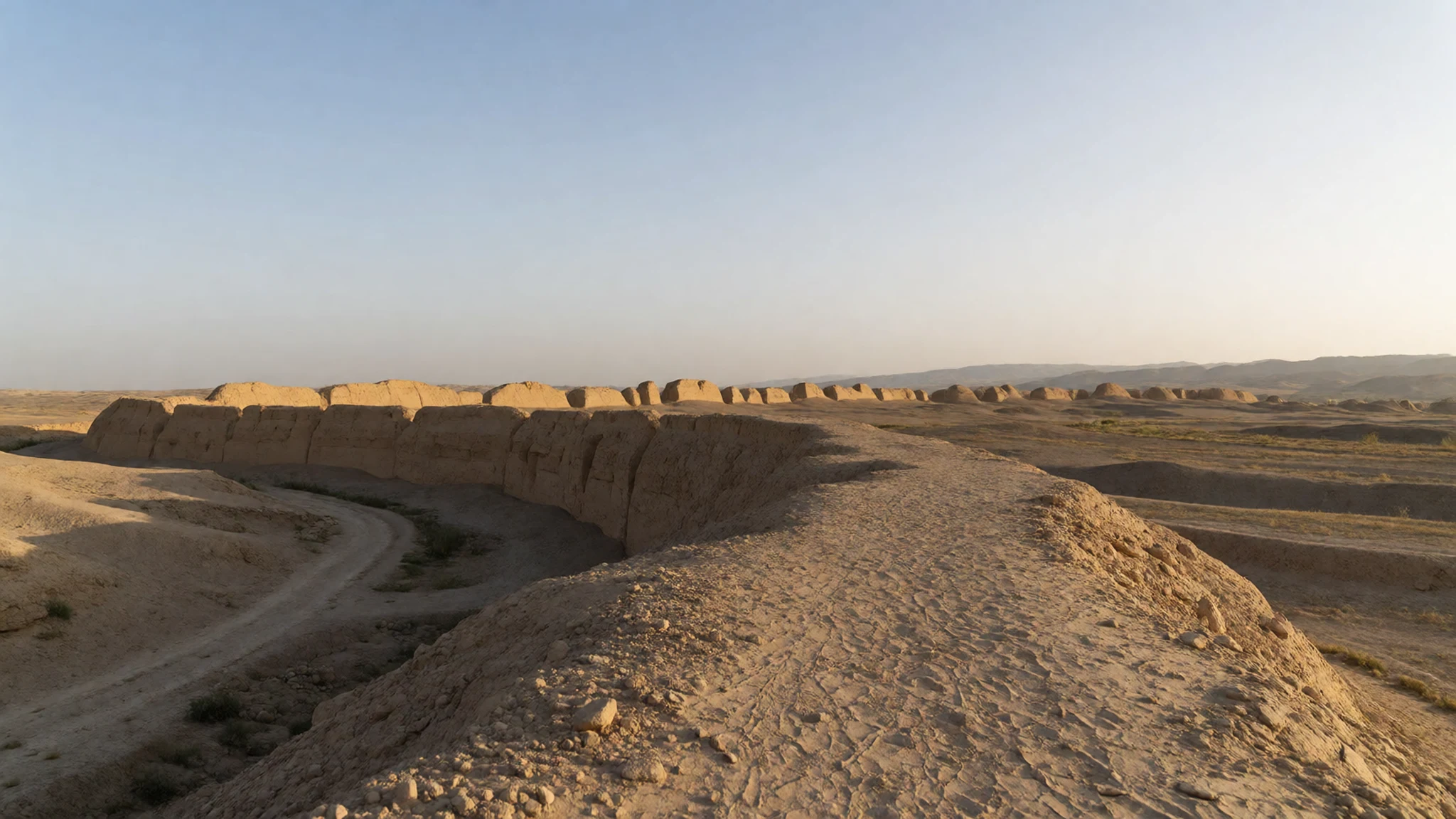
Culture
The cultural heritage of the Khuzestan province is deeply shaped by its rich multi-ethnic composition, blending Persian, Lurish, Arabic, and Bakhtiari traditions. Visitors to the region encounter a warm, generous local hospitality rooted in traditional pastoral and agricultural ways of life. Music, regional storytelling, and intricate handicrafts such as handwoven carpets and metalwork reflect centuries of cultural exchange across the southwestern plains of Iran. Traditional gatherings often feature communal meals served on large floor spreads, accompanied by storytelling and folk music played on traditional instruments. Visitors should always respect local Islamic customs, modest dress norms, and the conservative social expectations of rural communities in the province. When visiting sacred archaeological sites and local communities, dress conservatively with loose clothing that covers arms and legs fully, and always ask permission before photographing local residents.
What to wear
Traditional attire across rural Khuzestan reflects the practical demands of a hot climate and pastoral life, historically featuring loose cotton garments, woven tunics, and distinctive regional headwear worn by local Bakhtiari and Arab communities. In contemporary towns and cities across the province, everyday dress follows standard Iranian national norms, with men wearing lightweight shirts and trousers, and women wearing a combination of mantles, headscarves, and modest trousers. For travellers exploring the open archaeological site of Choga Zanbil, practical attire is essential. The desert sun and high ambient temperatures demand lightweight, breathable fabrics in loose cuts that offer maximum coverage against intense ultraviolet rays. Sturdy walking shoes or hiking trainers are necessary for navigating uneven brick rubble, dusty pathways, and sandy terrain. A wide-brimmed hat, sunglasses, and a light scarf for dust and sun protection will make outdoor exploration much more comfortable.
What to eat
- Ghormeh Sabzi — Traditional local restaurants across Khuzestan
A fragrant, slow-cooked herb stew made with finely chopped parsley, coriander, fenugreek, kidney beans, and tender chunks of lamb or beef, simmered with dried limes for a distinctive tart depth. Find it in traditional local restaurants and family eateries throughout Khuzestan towns.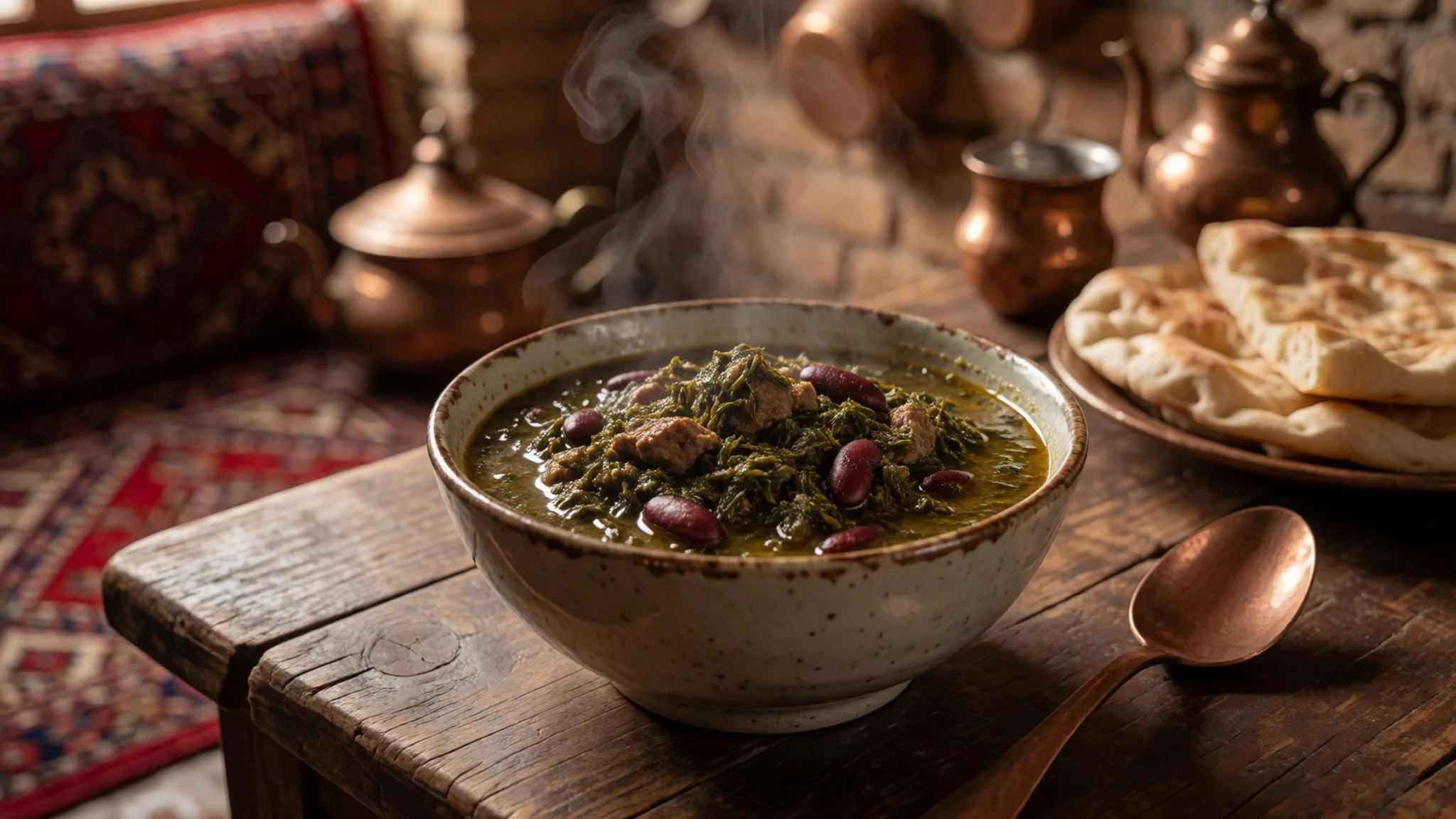
- Shurba — Neighbourhood eateries and roadside tearooms
A hearty, comforting regional soup prepared with lentils, seasonal vegetables, lamb broth, and aromatic spices designed to warm the palate. It is commonly served as a nourishing starter in neighbourhood eateries and roadside tearooms.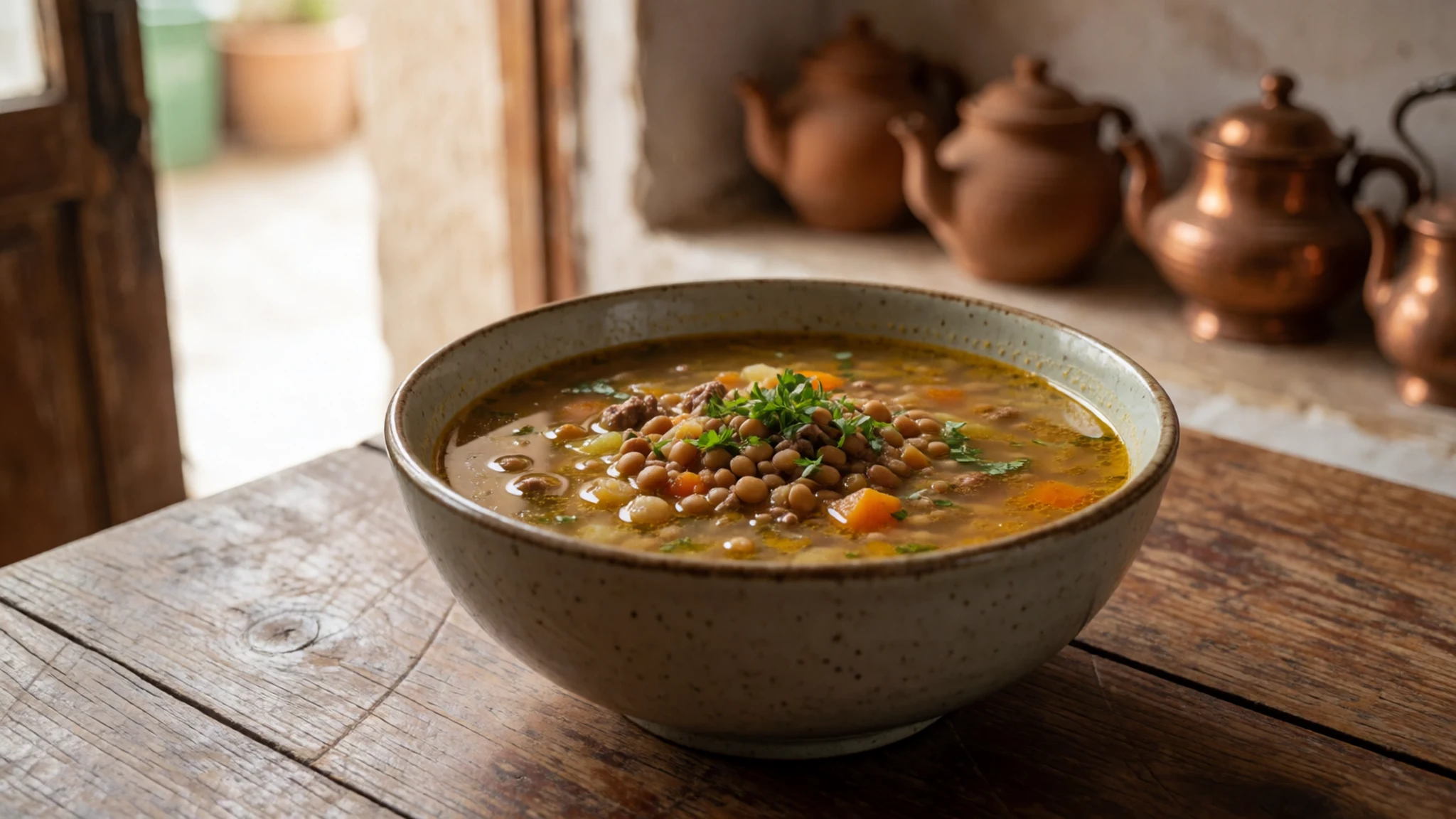
- Kabab Barg — Traditional kebab houses in nearby towns
Delicate skewers of prime lamb fillet marinated in onions, saffron, and lemon juice, then grilled over hot coals until tender and juicy. Savour this classic Persian dish at established barbecue grills in nearby urban centres before heading out to the archaeological zone. - Local Khuzestani Dates — Local morning street markets and bazaars
The date palm thrives in the hot climate of Khuzestan, producing sweet, succulent fruit harvested fresh across local orchards and markets. Purchase a small bag of locally grown dates from morning street markets to snack on during your travels.
Plan it
Best time. The coolest months from December to February offer the most comfortable weather for exploring the archaeological site, as daytime temperatures from May to September become intensely hot and dry.
How long. 1–2
Getting there. Fly into Ahvaz from Tehran, then hire a private taxi or join a guided excursion for the road journey north toward Susa and the site.
Budget. mid
Tips
- Arrive early in the morning to beat the fierce midday heat and harsh sunlight.
- Carry ample drinking water, as there are no shops or facilities directly at the remote archaeological site.
- Wear sturdy, closed-toe walking shoes suitable for dusty, uneven brick terrain.
- Check official local opening hours in advance through the official tourism website.
Etiquette
- Dress modestly with arms and legs fully covered in accordance with local cultural norms.
- Always seek permission from local residents before taking photographs.
Nearby
Sources
- Wikidata Q4523 (CC0)
- Wikipedia (rev 1379436325) (CC BY-SA 4.0)
- Wikivoyage (rev 5147708) (CC BY-SA 4.0)
- Photo photos/01-.jpg (CC BY-SA 4.0)
- Photo photos/02-chogha-zanbil2022-04-03-13.jpg (CC BY 4.0)
- Photo photos/03-tchogha-zanbil.jpg (CC BY 3.0)
- Photo photos/04-axe-sb-3973.jpg (CC BY-SA 2.5)
- Photo photos/05-bull-with-elamite-inscription-late-2nd-millen-bc-national-mu.jpg (CC BY-SA 4.0)
- Photo photos/06-dur-untash-chgoha-zanbil-shush-susa-khuzesten-iran-2011.jpg (CC BY-SA 4.0)
- Photo photos/07-.jpg (CC0 1.0)
- Photo photos/08-the-ziggurat-at-aqar-quf.jpg (CC0 1.0)


