Han River
Han River, South Korea
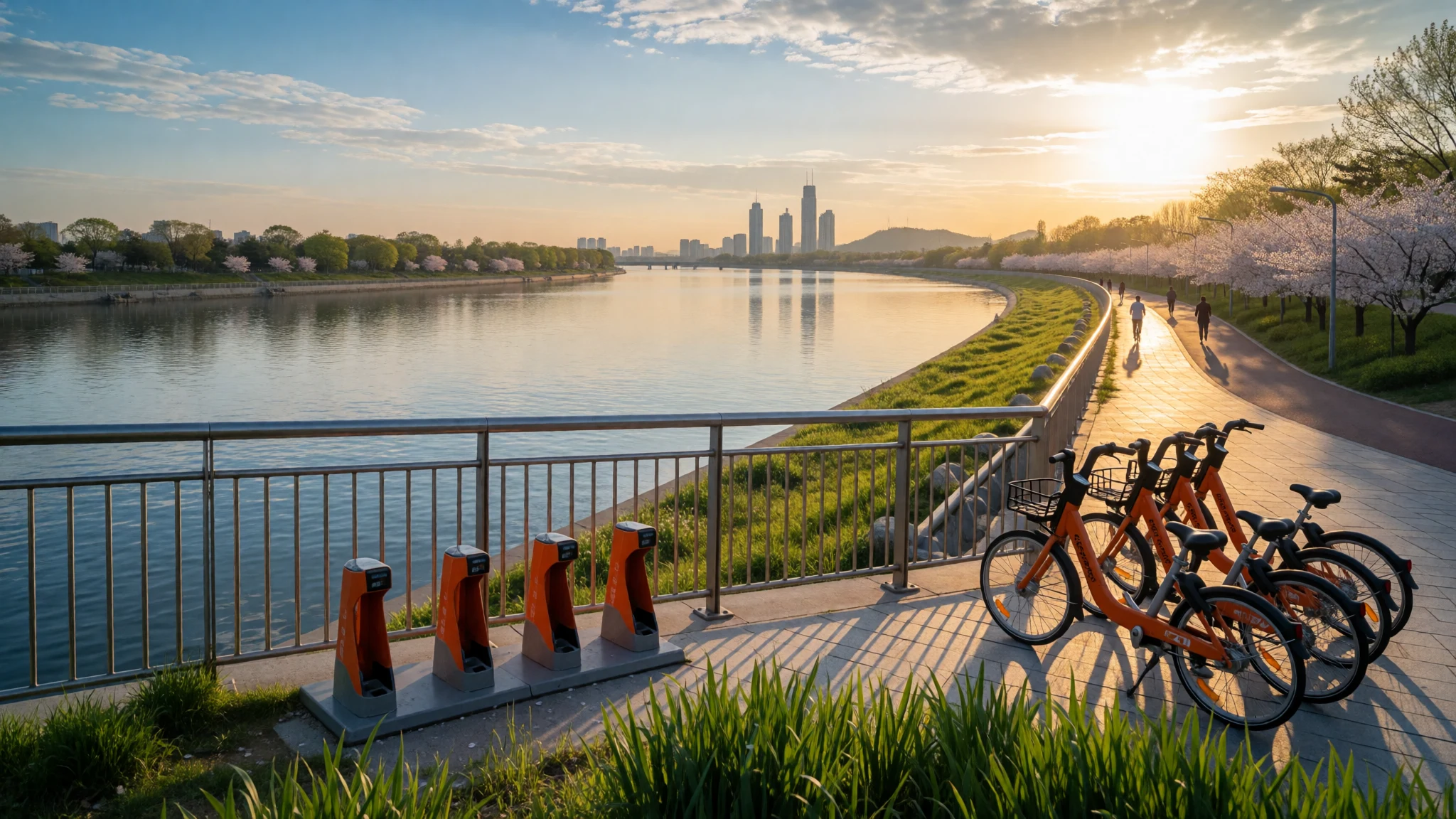
Han River is the broad waterway that runs through the middle of Seoul, where picnics, cycling and city skylines share the same banks.
The place
Han River is the main river of central South Korea, and for most visitors it is the thing that gives Seoul its shape. Its headwaters rise in the mountains of the east, in separate branches that meet upstream of the capital. By the time it reaches the city it is a broad, slow-looking band of water that divides north from south and needs a long line of bridges to cross. Some of its tributaries and part of its drainage basin lie across the border in North Korea. Few big cities sit on so wide a river, and that width changes how Seoul feels: there is open sky down the middle of an otherwise dense place. The river is also a quiet climate helper, because moving air over the water helps circulate the city's air and takes some edge off urban heat. Its character is far from steady, though. The basin is narrow and the flow swings sharply with the seasons. In summer monsoon rain, riverside lawns and low bridges can disappear under water, while in the dry winter the channel shrinks noticeably. Several river islands sit in the Seoul stretch, among them Yeouido, Nodeulseom and Seonyudo, some built up and some turned into parks. Many district names in Seoul, such as Mapo, Noryangjin and Yanghwajin, come from old ferry crossings. In the phrase 'Miracle on the Han River', the river has become shorthand for South Korea's fast economic rise. Today the banks are mostly public parkland, linked by paths.
Its story
Han River has drawn people to its banks for a very long time. Stone tools, pottery and spearheads from Paleolithic and Neolithic sites in the basin show early communities living off the hills and the water. The Amsa-dong prehistoric site in the Gangdong district of Seoul is the best-known example of the local Neolithic way of life. Fishing began with lines and spears, which suited single anglers but caught little. Nets changed that, because a group working together could land far more fish than any individual. Surplus food meant steadier settlements, larger populations and room for new skills, and archaeologists see this as part of the groundwork for the later states that grew up around the river. Bronze Age communities in the basin were shaped by contact with regions to the north-east and north-west of the peninsula, and a bronze culture took root along the river. For centuries afterwards the Han was crossed by boat, and the old ferry landings left their names on the map of modern Seoul. Bridges and embankments replaced those crossings over time, and the river changed from a barrier into a spine for the capital. In the twentieth century the phrase 'Miracle on the Han River' came to describe the country's rapid growth, tying the river to a national story far beyond its water. The history is mostly told in museum cases and place names rather than in monuments on the riverbank itself.
What to see
- Yeouido riverside park — Yeouido, Seoul
Yeouido is a river island with a long park along its edge, backed by office towers that light up after dark. It works well for an evening walk, a bench with a view of the water, or watching the city glow reflected in the river. Weekends are busy, so go on a weekday for space.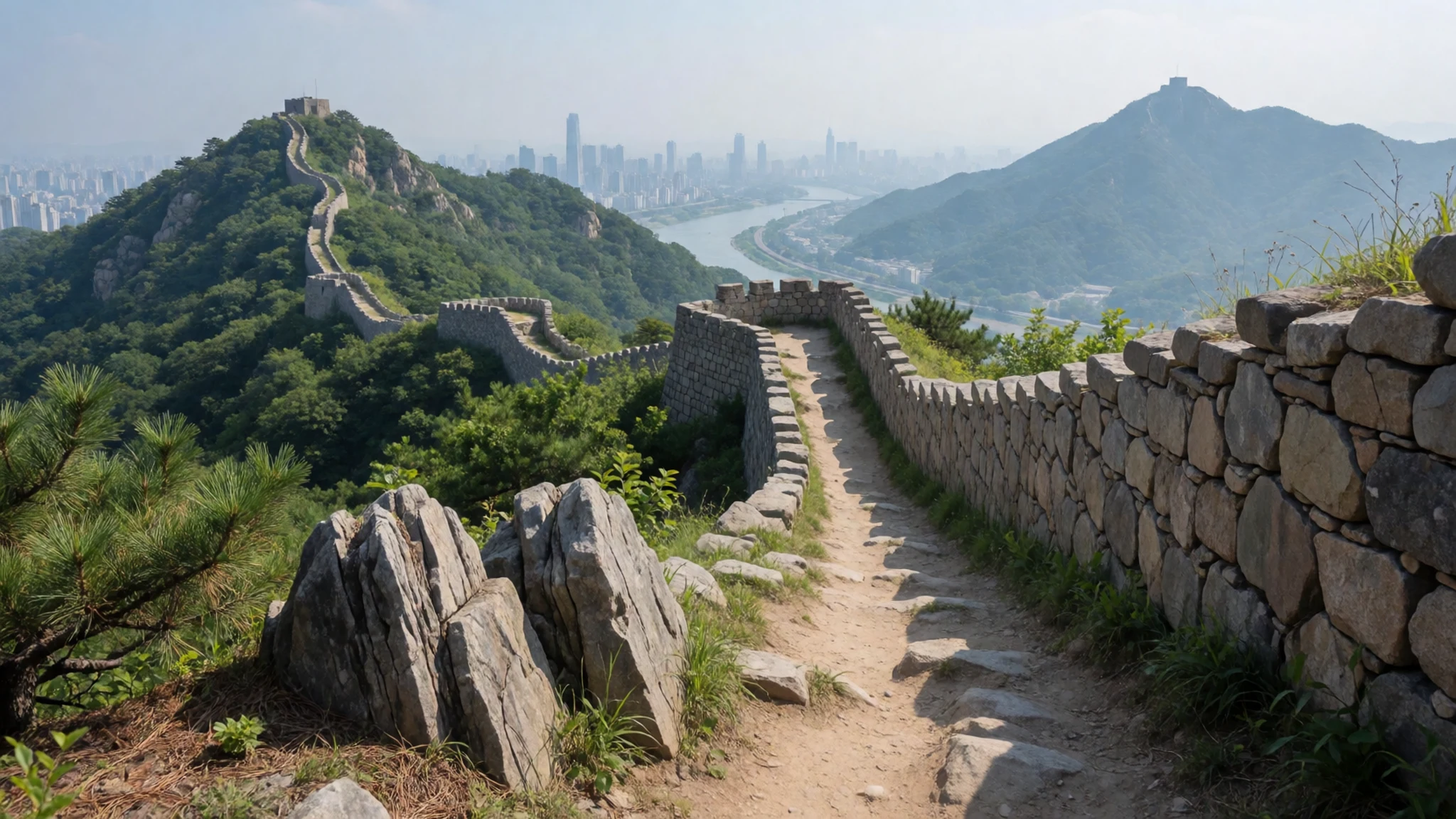
- Jamsil riverside park — Jamsil, south bank
Jamsil Bridge and the parkland beside it show the Han at its most open, with wide lawns, cycle paths and a long view across the water. It is a good place to see how Seoul families use the river on a warm day, from cycling to flying kites to simply lying on the grass.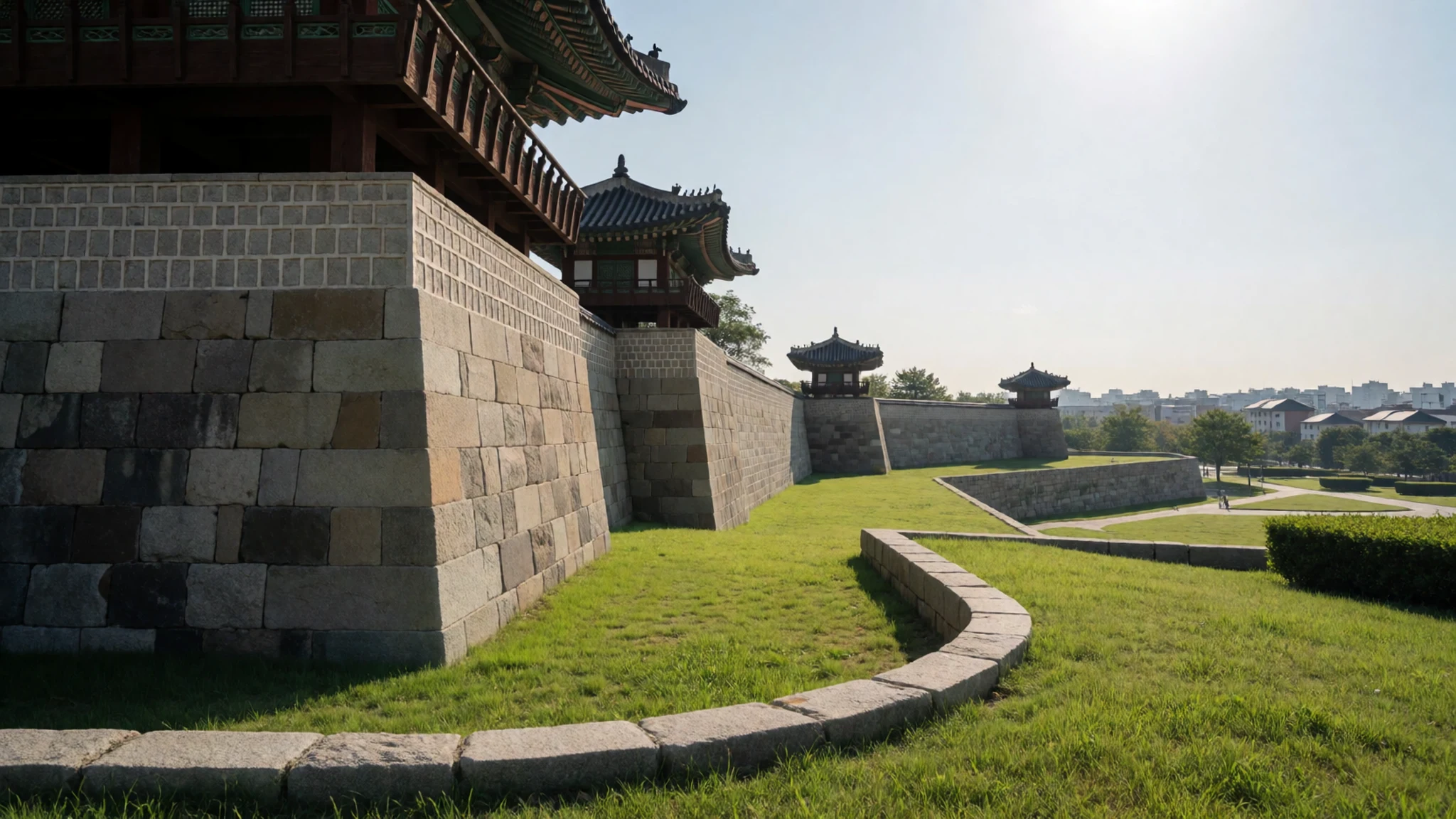
- Seonyudo Park — Seonyudo, west Seoul
Seonyudo is a river island that has been turned into a park, and it feels calmer than the main riverfront. Paths, planted areas and views back towards the city make it a slower stop, good for a short walk when the busier banks feel crowded.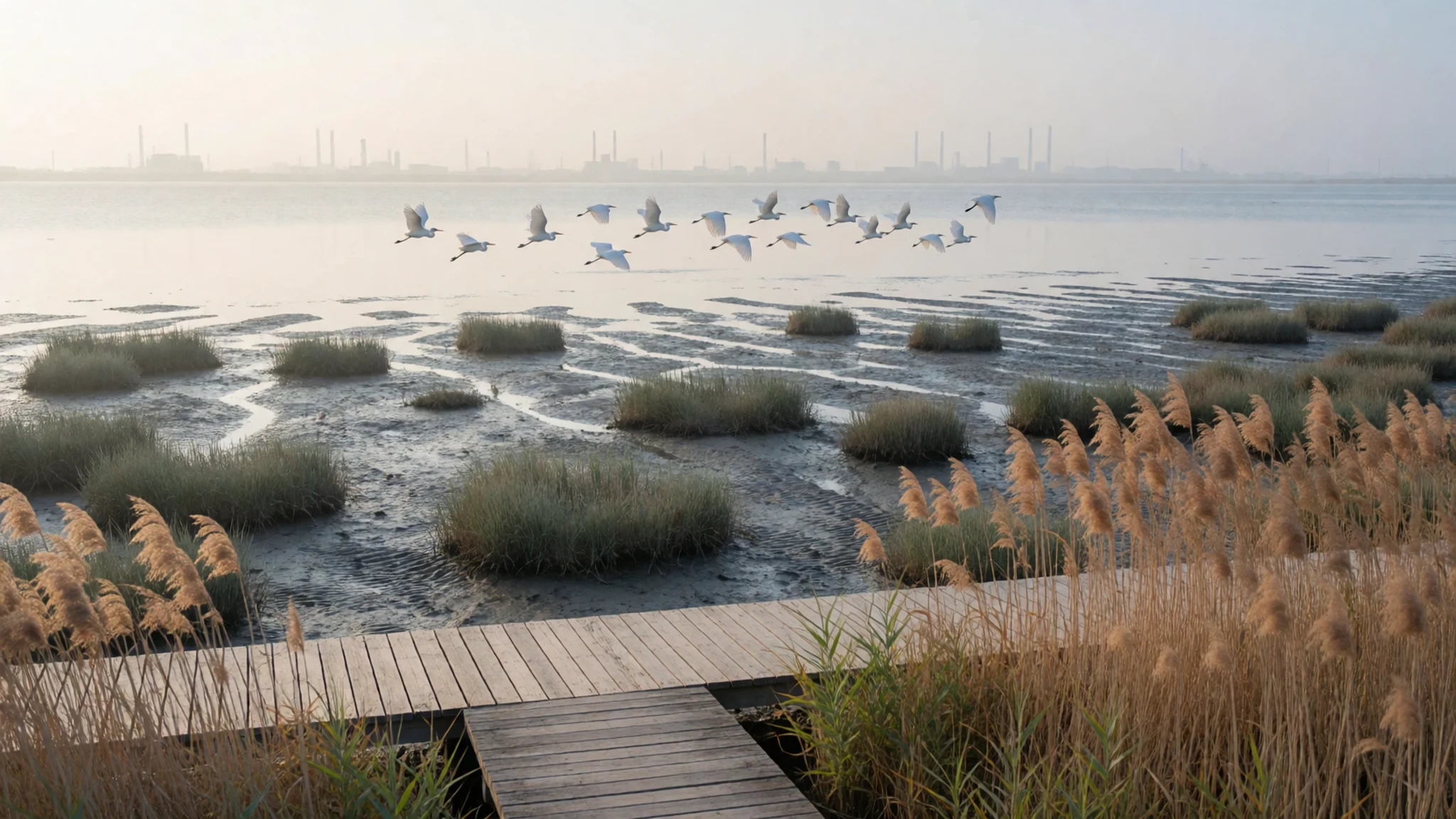
- Where the Jungnangcheon meets the Han — Eastern Seoul, near Dongho Bridge
On the north bank, the Jungnangcheon stream flows into the Han, and the confluence is a good spot to understand how the wider river system works. Wetland edges and paths here are quieter than the central stretches, and the area suits walkers and birdwatchers.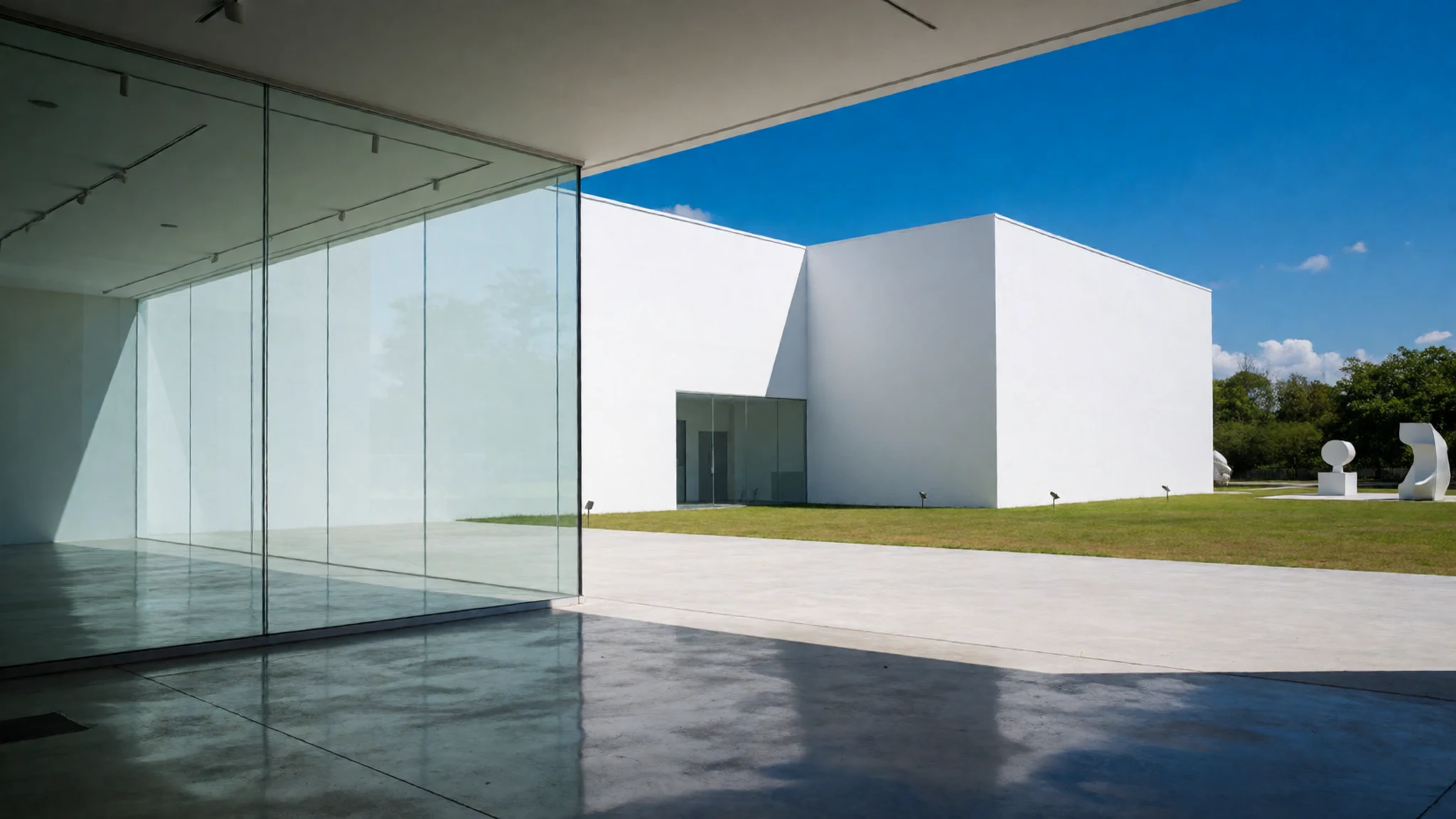
- Nodeulseom — Between Yongsan and Dongjak
Nodeulseom is a river island that carries the name of an old ferry crossing, Nodeul Naru. It sits beside one of the bridges in central Seoul and is a calm place to look back along the river, with room to wander away from the main crowds.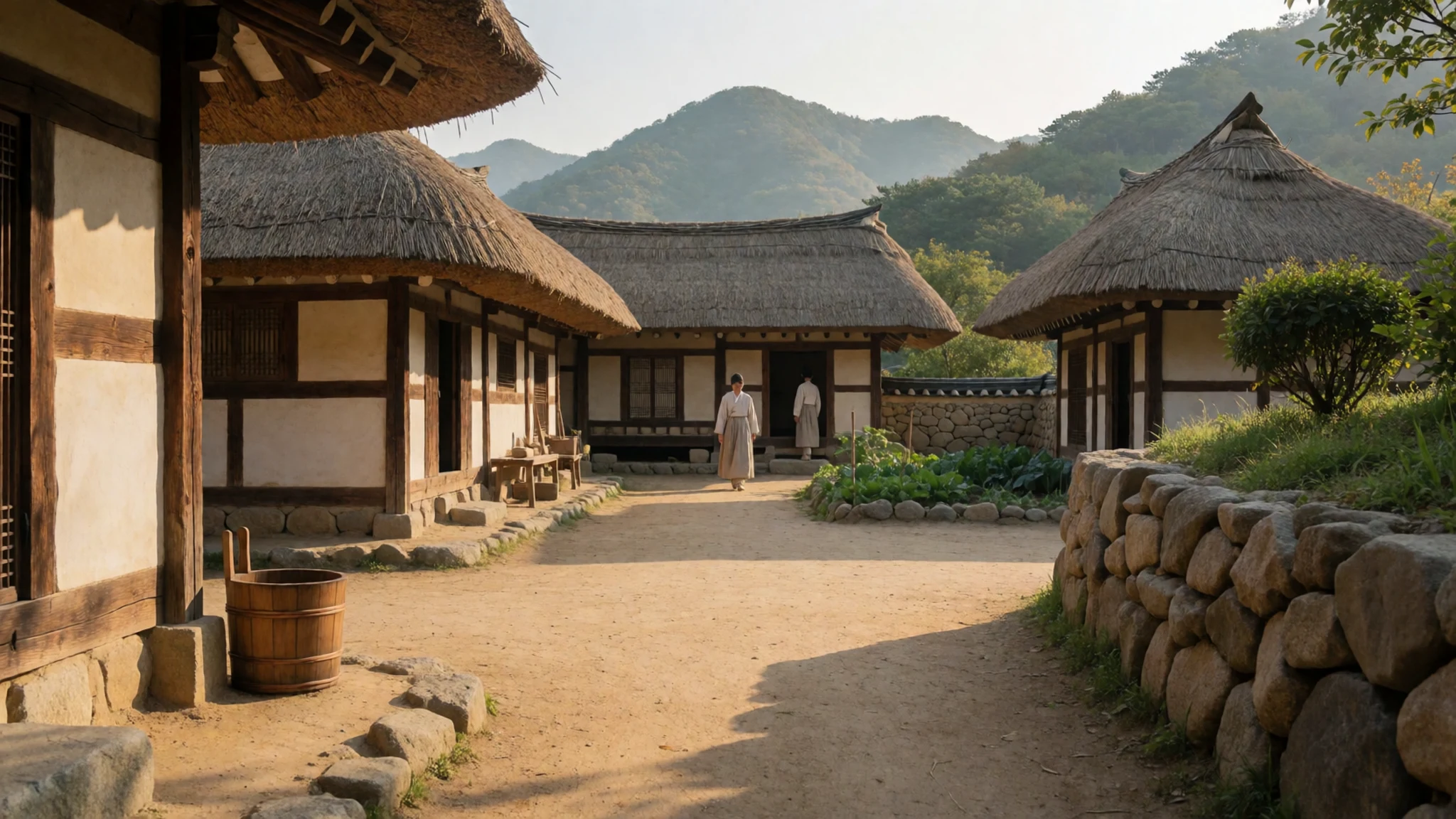
Culture
Han River is a working part of Seoul life rather than a monument, so its culture is mostly about how people use it. Families, couples and groups of friends treat the riverside parks as shared living rooms: they bring mats, set up picnics, cycle, jog, fly kites and gather on the grass after work. Evenings and weekends are the busiest times, and a calm weekday morning feels like a different place. The river also carries meaning in the national story. The phrase 'Miracle on the Han River' is used across Korea to describe the country's rapid economic growth, and it turns a stretch of water into a symbol of recovery and ambition. Local names reinforce this memory: the old ferry crossings that gave districts their names, such as Mapo and Yanghwajin, show that the river was once the main way of getting around. Seasonal rhythm matters too. Summer monsoon rain can flood the lower paths and lawns, and locals plan around it without fuss, while winter brings quieter banks and a shrunken channel. Food and drink are part of the culture, with outdoor meals very common in warm weather. Young people and older residents share the same paths, often at different hours. When picnicking by the Han River, take all your rubbish with you or use the bins provided, and keep music and voices low so nearby groups can enjoy the evening too.
What to wear
Han River sits in the heart of Seoul, so fashion here is mostly the city's own. The traditional dress is the hanbok, a garment with a short jacket and a full skirt for women and a jacket with loose trousers for men. It is made in silk, ramie, hemp or cotton depending on season and occasion, and it appears at Lunar New Year, Chuseok, weddings and family celebrations. Visitors often see it near the palaces rather than by the river, where people rent hanbok for photographs. Day to day, what people wear along the river is practical and casual: sportswear and cycling gear for runners and riders, light layers and trainers for strolling, and neat, fashion-aware outfits for evenings out in the riverside districts. Seoul has a strong street-style culture, so even a picnic can involve a considered look. For visitors, dress for the season. Summers are hot and humid with a monsoon, so choose light, quick-drying clothes, a hat and a compact rain jacket. Winters are cold and dry, with wind off the open water, so bring warm layers, gloves and a scarf. Comfortable walking shoes matter most, as the riverside paths are long and paved. Modesty norms are relaxed in the parks, but if you plan to visit a palace or temple in the same day, pack covered shoulders and knees to be safe.
What to eat
- Hangang ramyeon — Convenience stores beside the riverside parks
Instant noodles cooked on the spot are a riverside ritual. Convenience stores near the parks have machines that boil them while you wait, and people carry the cups to a bench with a view. It is simple, cheap in spirit and very Seoul.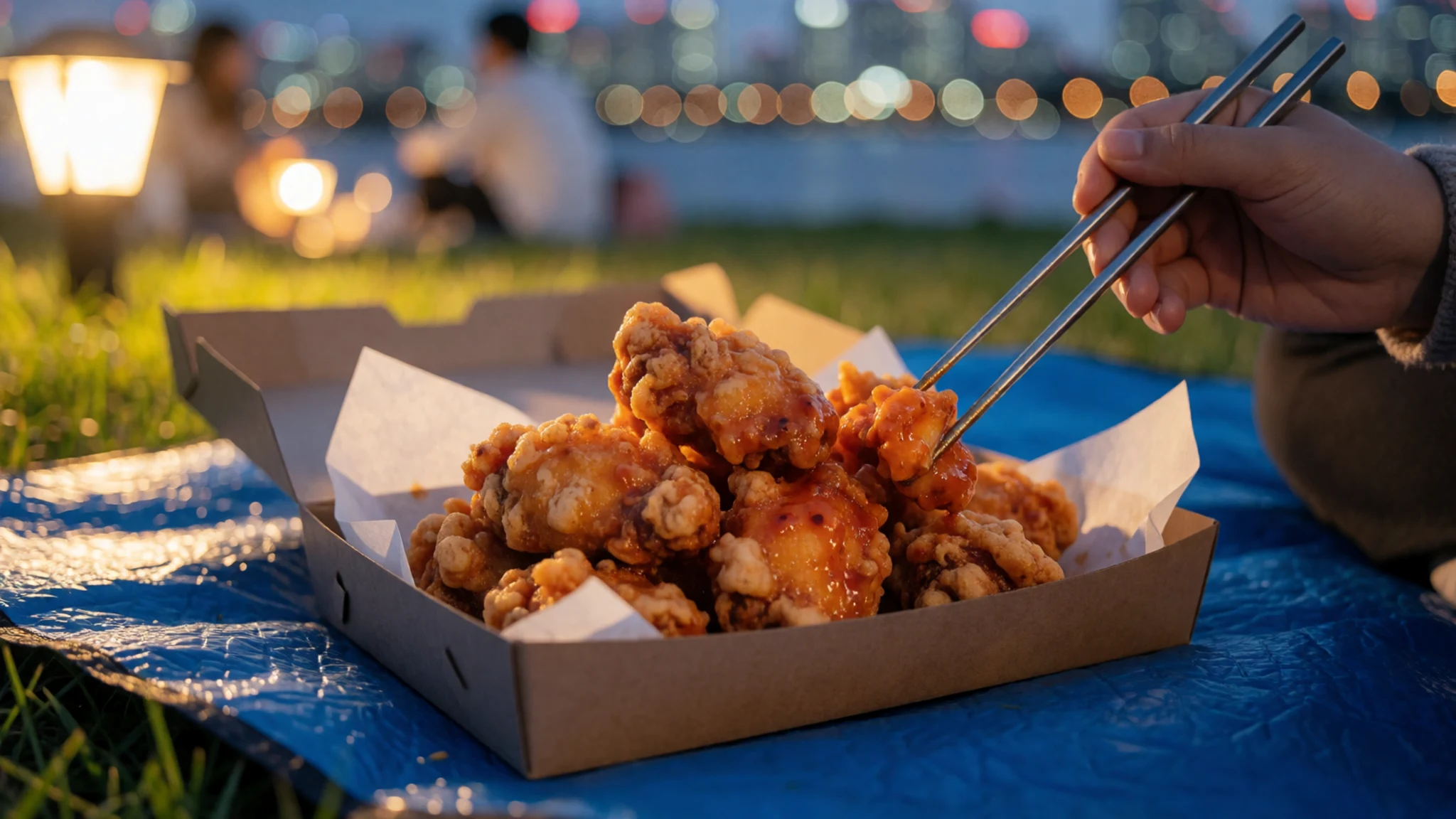
- Chimaek — Picnic lawns along the riverbank
Fried chicken with cold beer is the classic picnic meal on the Han lawns. Many people order it for delivery straight to the park, then eat on a mat as the sky darkens. It suits groups and warm evenings.
- Tteokbokki — Street stalls and snack eateries in riverside districts
Chewy rice cakes in a sweet, hot red-pepper sauce are one of Korea's favourite snacks. Street stalls and small eateries in the districts near the river serve them hot, often with fish cake and boiled egg. - Gimbap — Small snack shops and market stalls near the parks
Rolled rice with vegetables, egg and other fillings, sliced into rounds, is a portable picnic staple. It is easy to buy before a riverside walk and eat on a bench, and vegetarian versions are easy to find. - Maeuntang — Traditional eateries in neighbourhoods along the river
A spicy fish stew, usually served bubbling at the table for sharing. It has a long tradition in river and fishing communities and suits cooler months, with rice and side dishes alongside.
Plan it
Best time. April–May and September–October, when the weather is mild and the riverside is pleasant. July and August bring heat, humidity and monsoon rain, when low paths and lawns can flood, and winter is cold and dry with a narrower channel.
How long. 1–2
Getting there. Fly to Incheon International Airport, then take the airport rail or a bus into central Seoul. The Seoul subway reaches many riverside stations, so the last leg is usually a short walk from a station to the park.
Budget. low
Tips
- Go on a weekday morning or early evening for space on the paths, as weekends and warm evenings are busy
- Check the weather and river conditions in monsoon season, because low riverside paths can be closed by flooding
- Carry water and sun protection in summer, as many stretches have little shade
- Use the subway for the last leg, since stations are more English-friendly than most bus stops
- Pay by card where you can, but keep a little cash for small stalls
Etiquette
- Take your rubbish with you or use the bins provided
- Keep voices and music low near other groups
- Give cyclists and runners clear room on shared paths
Nearby
Sources
- Wikidata Q55500 (CC0)
- Wikipedia: Han River (Korea), rev 1385168180 (CC BY-SA 4.0)
- Wikivoyage: Gyeonggi, rev 5386961 (CC BY-SA 4.0)
- Photo: 여의도동, 서울 (d'n'c) (CC BY-SA 2.0)
- Photo: Han River watershed map (Mheberger) (CC BY-SA 4.0)
- Photo: Han River aerial view (Brit in Seoul) (CC BY-SA 4.0)
- Photo: Dr. Syngman Rhee at Han River Bridge in Seoul (Army Corps of Engineers) (Public domain)
- Photo: Yeouido from Dangsan railway bridge (Ox1997cow) (CC BY 3.0)
- Photo: Han River and Han River Park from Jamsil Bridge (Teddy Cross) (CC BY-SA 2.0)
- Photo: Jungnangcheon meets Han (Jpbarrass) (Public domain)
- Photo: Cheonggyecheon, Seoul (w00kie) (CC BY 2.5)


