Goharshad Mosque
Goharshad Mosque, Iran
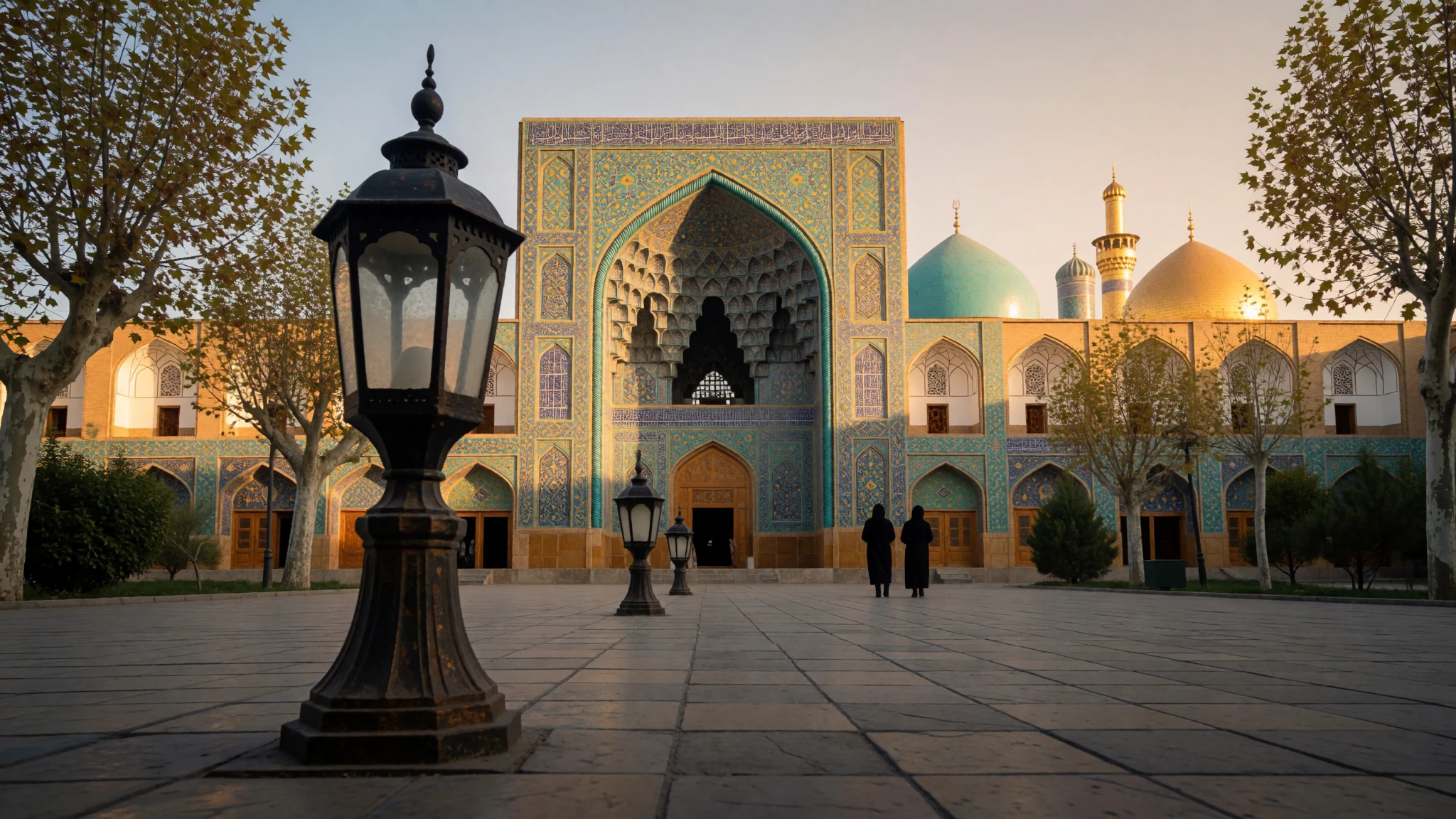
A glittering splash of turquoise tilework built by a Timurid queen, serving as the grand entrance to Iran's holiest Shia shrine.
The place
The Goharshad Mosque sits in Mashhad, serving as the monumental gateway to the sprawling Imam Reza Shrine complex. It is a grand Friday mosque that captures the architectural zenith of the Timurid era in the early 15th century. The structure is defined by its massive muqarnas portal, a vaulted entryway dripping with intricate geometric plasterwork that leads into a rectangular courtyard. This courtyard is framed by towering columns, each encased in bands of glazed turquoise, green, and golden tiles that catch the direct sunlight. The building is roofed by two distinct domes: a smaller outer shell and a larger, double-layered inner dome that rises roughly 30 metres above the tilework. Standing adjacent to the holy sanctuary, the mosque acts as a visual and physical threshold between the bustling streets of Mashhad and the sacred burial chamber within. The immediate area is a constant mix of solemn pilgrims and curious tourists, creating a vibrant, humming atmosphere. The architectural style is purely Timurid, characterised by slender proportions and a meticulous application of floral and geometric motifs on the ceramic surface. The portal’s iwan is particularly striking, with its lower sections clad in black glass tiles that contrast sharply with the vibrant hues of the upper facade. While the interior is accessible, the primary function of the exterior is to announce the arrival at a site of immense spiritual significance. The mosque’s location places it at the heart of the city’s religious and civic life, surrounded by the dense web of alleys and markets that support the shrine. The light reflecting off the glazed bricks can be blinding in the midday sun, creating a shimmering effect that distinguishes the shrine complex from the standard brick and plaster buildings of the surrounding district.
Its story
Construction of the Goharshad Mosque began in 1418, commissioned by Empress Goharshad, the wife of the Timurid ruler Shah Rukh. The project was not an isolated construction but part of a broader, extensive renovation program initiated by the empress to enhance the shrine of Imam Reza. Her intentions were to elevate the status of the site and provide a more imposing and dignified entrance for the growing number of pilgrims visiting the tomb of the eighth Imam. The mosque’s design reflects the sophistication of the Timurid court, blending Persian structural traditions with a level of ornamental detail that became a hallmark of the period. The history of the structure is marked by resilience and significant restoration. The double-layered dome suffered severe damage in 1911 when troops of the Russian Empire bombarded the city, destroying large sections of the upper architecture. Subsequent decades saw the building face further threats from various earthquakes and the political instability of the early 20th century. During the 1960s, a comprehensive restoration was ordered due to the structural danger posed by previous damage. This involved the meticulous removal of the historic tiles and the dismantling of the external dome shell, which was then replaced with a new structure before the tiles were re-applied. While the 1960s work preserved the mosque’s physical form, it inevitably altered the original fabric of the medieval roof. The mosque remains a testament to the long-term devotion of the Timurid era and the continuous efforts to maintain the spiritual heart of Mashhad.
What to see
- Goharshad Mosque Entrance — Mashhad
The main entrance features a magnificent muqarnas iwan covered in hand-painted ceramic tiles. View the transition from the black-tiled base to the vibrant turquoise and gold patterns that define the Timurid aesthetic. The scale of the plasterwork is best appreciated from ground level, where the intricate stucco design appears to dissolve into the ceiling.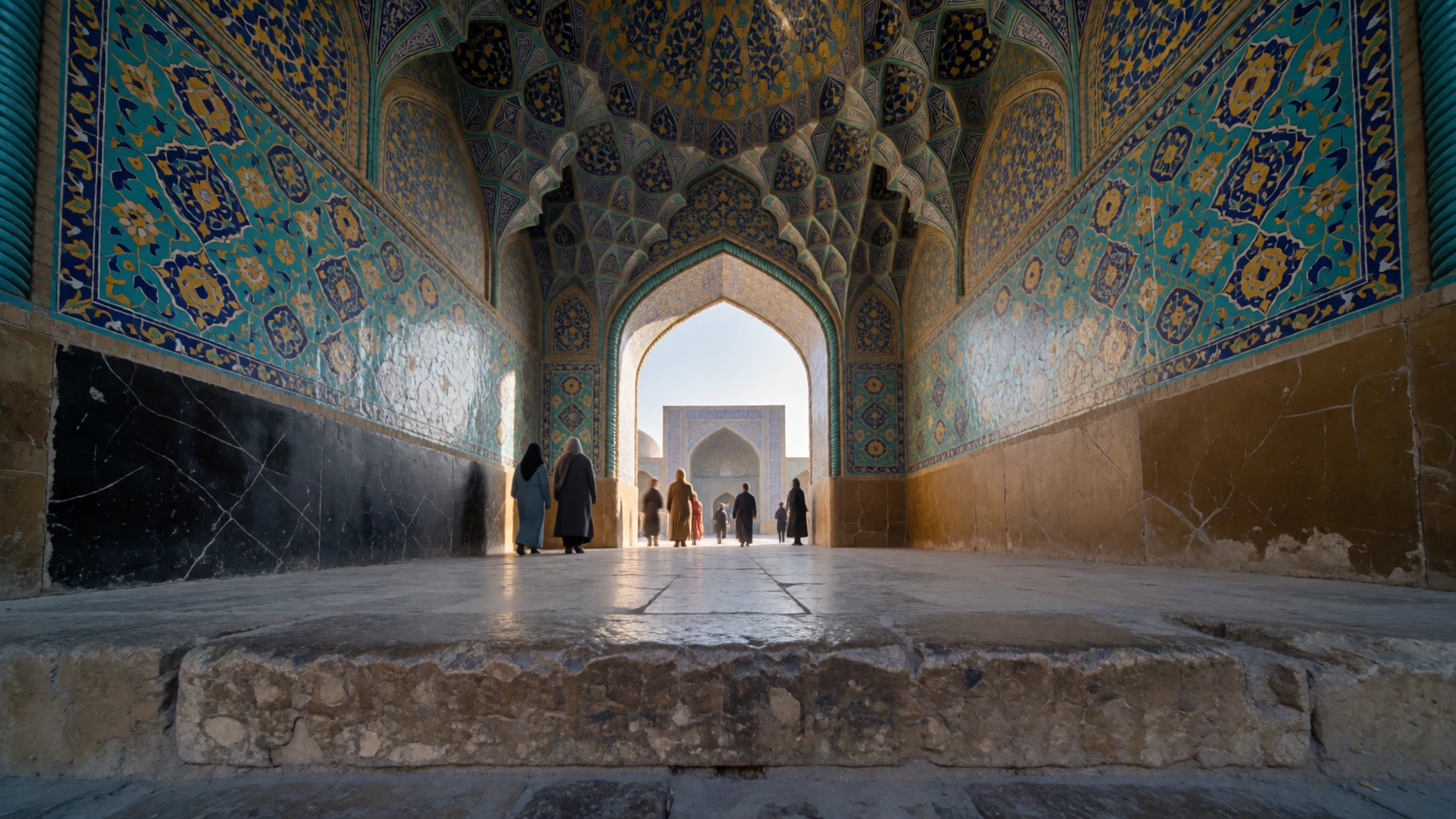
- Imam Reza Shrine Complex — Mashhad
Located immediately behind the mosque, this vast complex houses the burial chamber of the eighth Imam. The transition from the Goharshad courtyard into the inner sanctuaries is marked by increasingly ornate tilework and a shift in the acoustic atmosphere. It is the focal point of the city’s religious life and requires strict adherence to modest dress codes.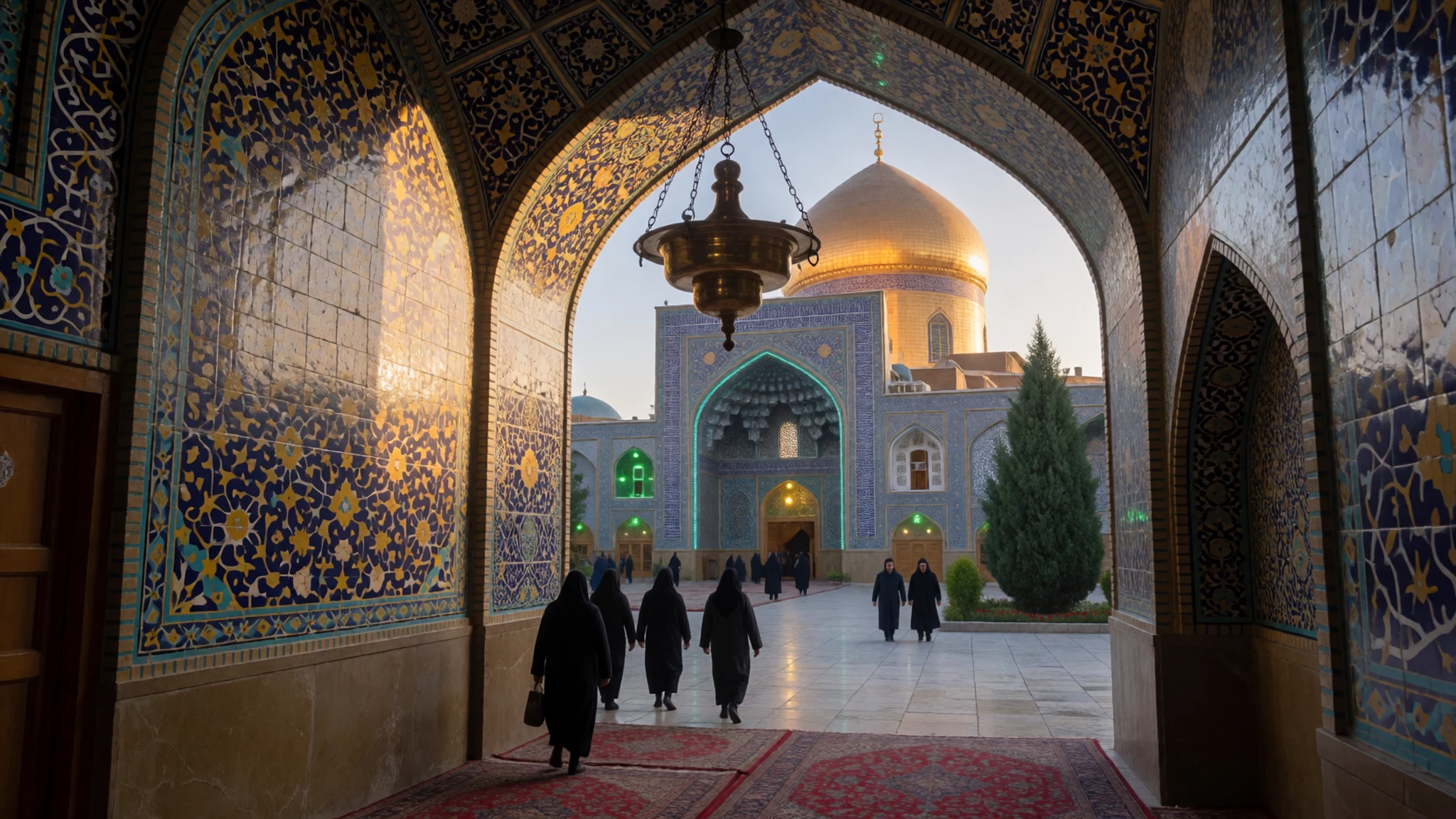
- Carpet Museum — Mashhad
This museum displays a collection of historic and contemporary Persian carpets, showcasing the intricate weaving techniques that have been central to Iranian culture. The exhibits provide context for the textile traditions that complement the architectural heritage of the region, offering a glimpse into the artistic skills that were highly valued during the Timurid and later periods.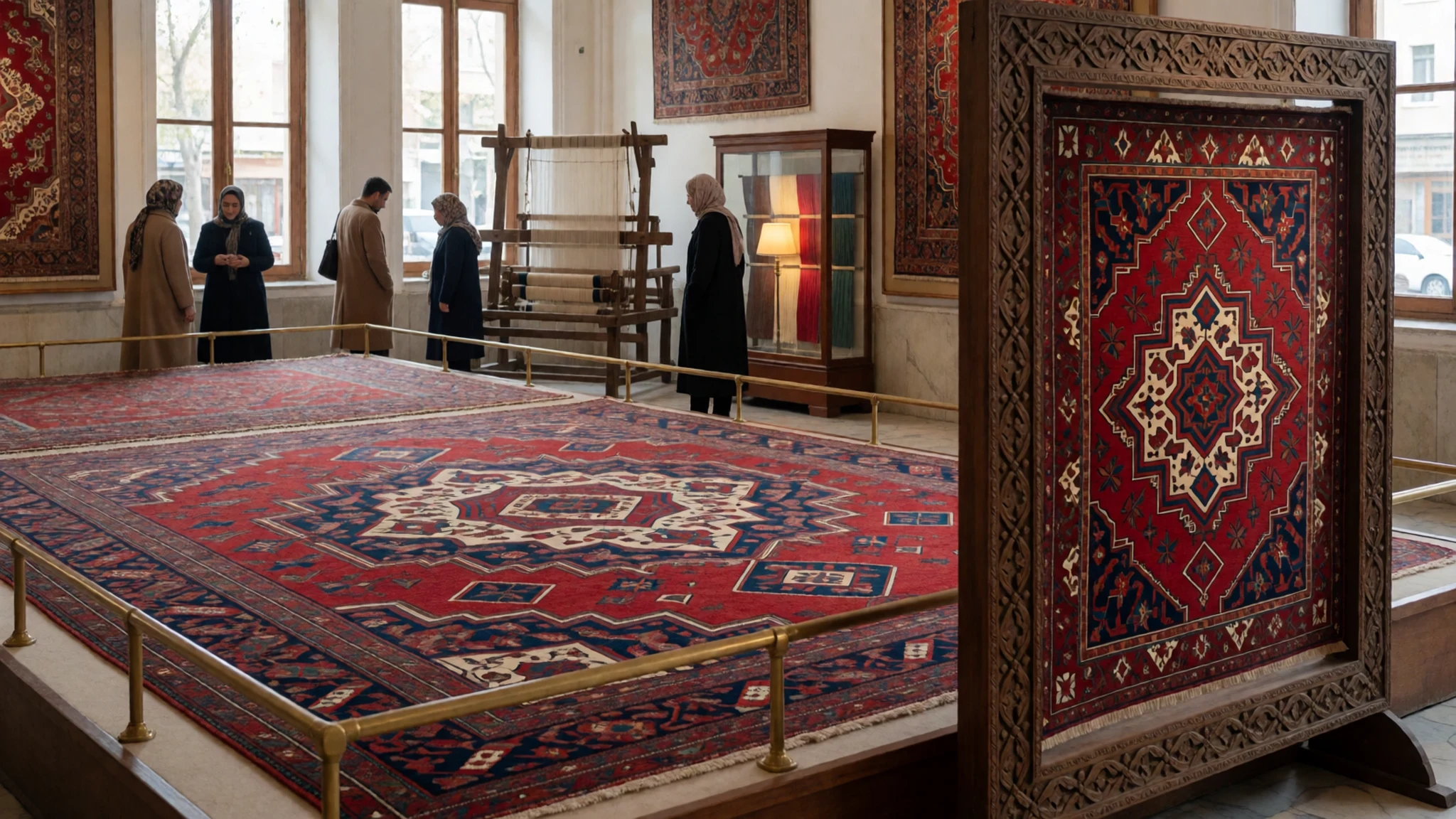
- Central Museum — Mashhad
Situated near the shrine, this museum holds a diverse collection of artifacts ranging from historical coins and stamps to astronomical instruments and marine illustrations. The exhibits provide a broader look at the scientific and artistic achievements of the region, including references to the tomb of Imam Reza and other cultural items from Iranian history.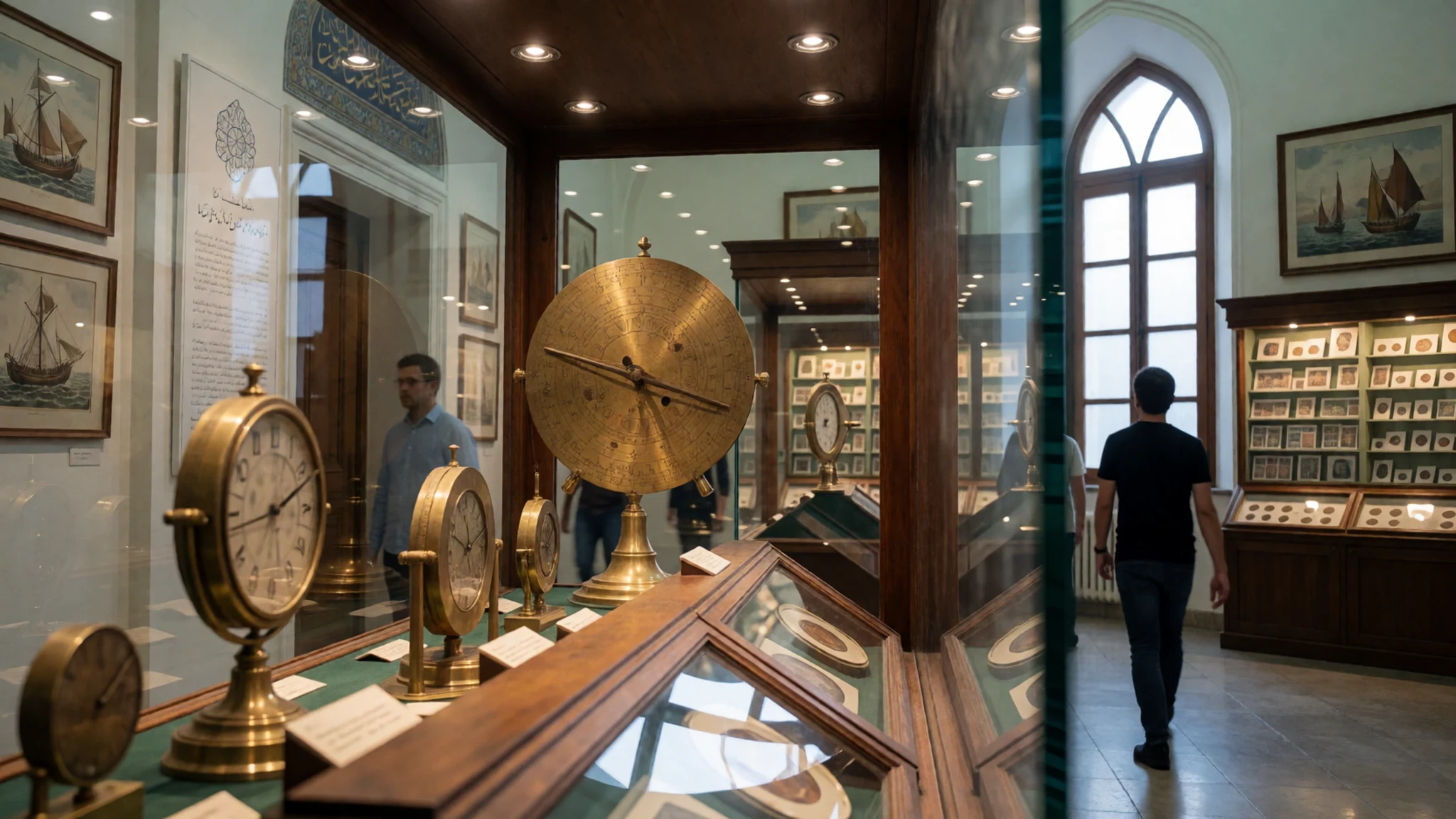
Culture
Mashhad is the spiritual epicentre of Shia Islam, and this identity permeates the Goharshad Mosque and its surroundings. The architectural language of the mosque, with its flowing tilework and vertical emphasis, reflects a culture that values both divine beauty and structural permanence. Within the shrine complex, the atmosphere is a blend of deep reverence and vibrant commercial activity, as the local economy is heavily supported by the constant presence of pilgrims. The city celebrates Persian heritage through a combination of religious observance and artistic appreciation, with music and poetry playing significant roles in the public sphere. Visitors will notice a strong sense of communal duty and shared spiritual purpose, particularly during major religious celebrations. The cultural experience is enhanced by the city’s position as a trade hub, blending urban Persian traditions with influences from Central Asia. Etiquette is paramount in this environment; the sacred nature of the site demands a respectful and subdued demeanor. Women are required to cover their heads with a headscarf or roo-sari, and men must wear long trousers, as this is enforced as national law in all religious and public spaces.
What to wear
Traditional Persian dress in Mashhad focuses on modesty and quality, with silk and fine cotton being the preferred fabrics for formal occasions. The local textile industry has long produced vibrant, woven fabrics that reflect the same geometric precision seen in the mosque's tiling. In modern times, Mazahedian women wear practical, tailored clothing that meets national dress codes, often favouring a simple trench coat and a coloured headscarf. Men wear standard Western attire, but with the mandatory exclusion of shorts. For a visitor, the climate dictates the wardrobe: Mashhad can be frigid in winter and intensely hot in summer. Layering is essential for the transitional months. When visiting the Goharshad Mosque and the shrine, strict modesty is required. Visitors should pack lightweight, long-sleeved garments, closed-toe shoes, and for women, a large headscarf that can be managed independently of the weather. Comfortable walking shoes are also vital for the vast paved courtyards.
What to eat
- Gheimeh — Traditional restaurants near the shrine
A fragrant stew of lamb, chicken, and saffron-scented rice that is a staple of the local diet. It is a rich, slow-cooked dish that often features barberries or noodles. This is a typical meal found in the numerous restaurants that serve pilgrims and locals in the neighbourhood surrounding the shrine complex.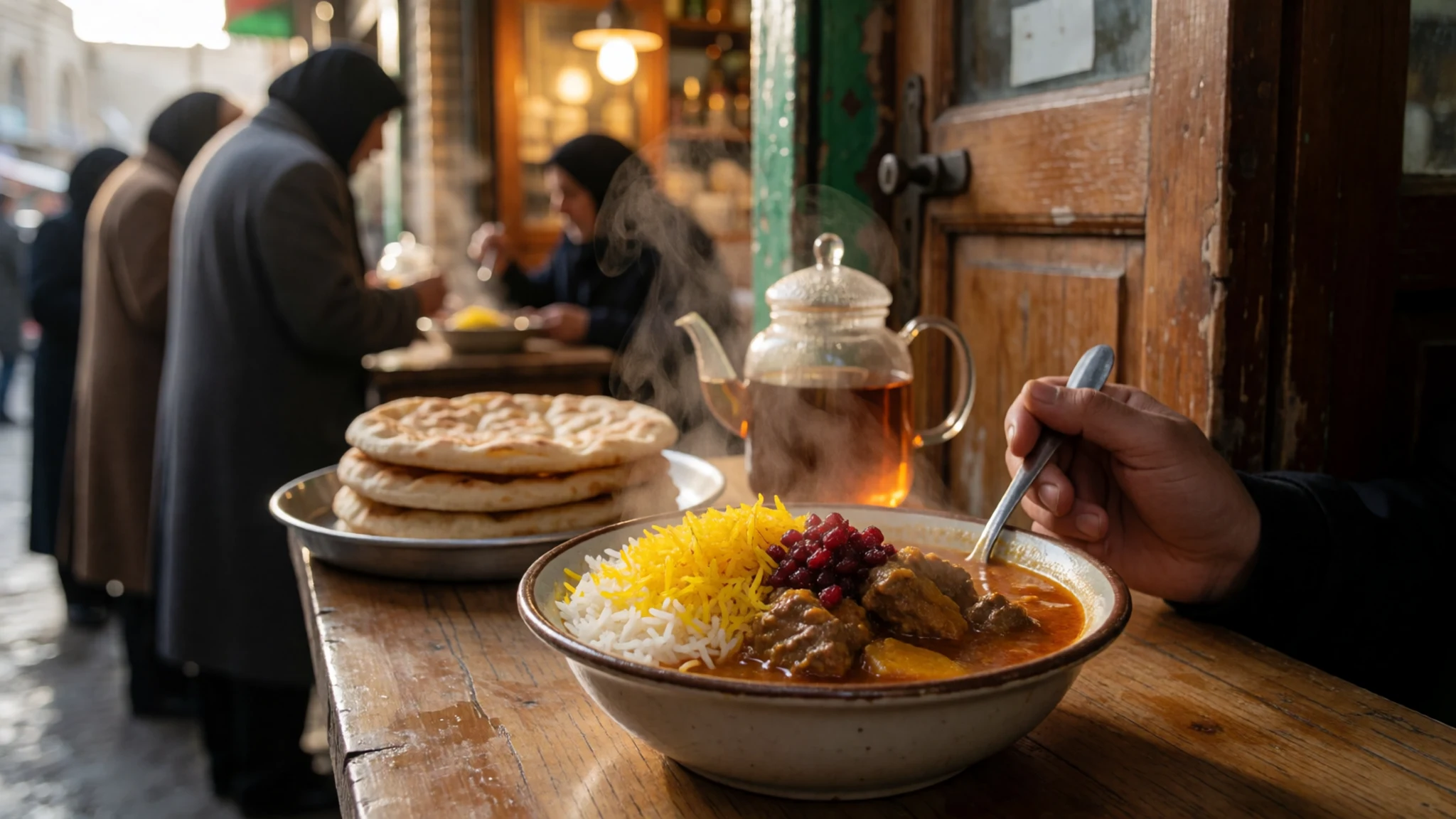
- Dizi — Subterranean eateries and local cafes
A hearty clay-pot stew containing beans, tomatoes, and potatoes, usually served with a lump of lamb or goat meat. The dish is slow-roasted to develop deep flavour and is a common offering in the subterranean teahouses and eateries that line the streets adjacent to the historic mosque.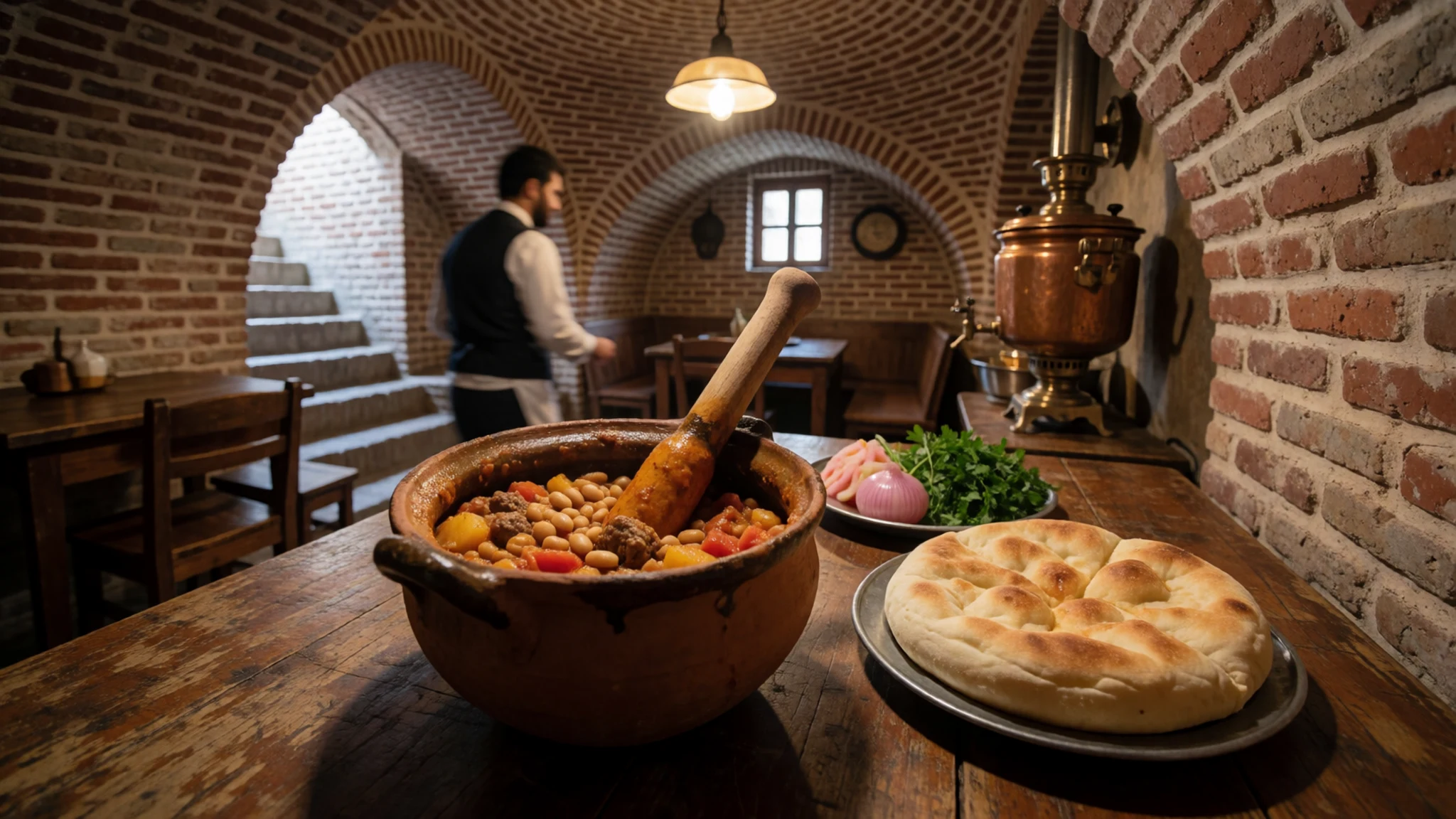
- Chelow Kebab — Across the city's markets and eateries
Cylindrical skewers of marinated lamb or beef served over a dome of saffron-infused rice. The balance of smoky meat and fragrant rice makes it a favourite for both locals and travellers. This dish is a ubiquitous presence in the dining scene across Mashhad, found in everything from street-side joints to the city's more celebrated historical teahouses. - Ice Pairs — Ice-cream bars in central Mashhad
A local speciality of soft-serve ice cream shaped like a pair of sandals, which is an iconic symbol of Mashhad. Flavours range from classic vanilla to local fruits and coffee. This refreshing treat is a popular way to combat the city's summer heat, with dedicated bars located throughout the downtown market areas.
Plan it
Best time. March–April for spring warmth, late October–November for pleasant autumn days; avoid the extreme heat of July and the bitter cold of January.
How long. 1–2
Getting there. Mashhad International Airport is the primary entry point; a taxi from the shrine area is a standard option. Alternatively, take the overnight train from Tehran, which takes about eight hours, or the bus from Shandiz which connects to the local metro and shrine area.
Budget. low
Tips
- Arrive at the shrine complex early in the morning to avoid the midday crowding of pilgrims.
- Carry a large headscarf and modest clothing, as strict dress codes are enforced at the entrance.
- Use secure, zipped bags for valuables, as pickpocketing is common in the dense, crowded areas of the shrine.
- Book accommodation well in advance if travelling during major religious holidays, as the city’s capacity fills quickly.
- Use local taxis or the metro to reach the city centre from the outskirts, as walking from the far gates can be exhausting.
Etiquette
- Cover your head and wear long trousers regardless of the weather when entering the shrine.
- Maintain a low voice and refrain from photography in the innermost sanctuaries.
- Be mindful of the direction of prayer, as the layout of the courtyard is oriented towards the qibla.
Nearby
Sources
- Wikidata Q2393680 (CC0)
- Wikipedia (rev 1383394605) (CC BY-SA 4.0)
- Wikivoyage (rev 5410804) (CC BY-SA 4.0)
- Photos (Wikimedia Commons) (Mixed)