Giverny
Giverny, France
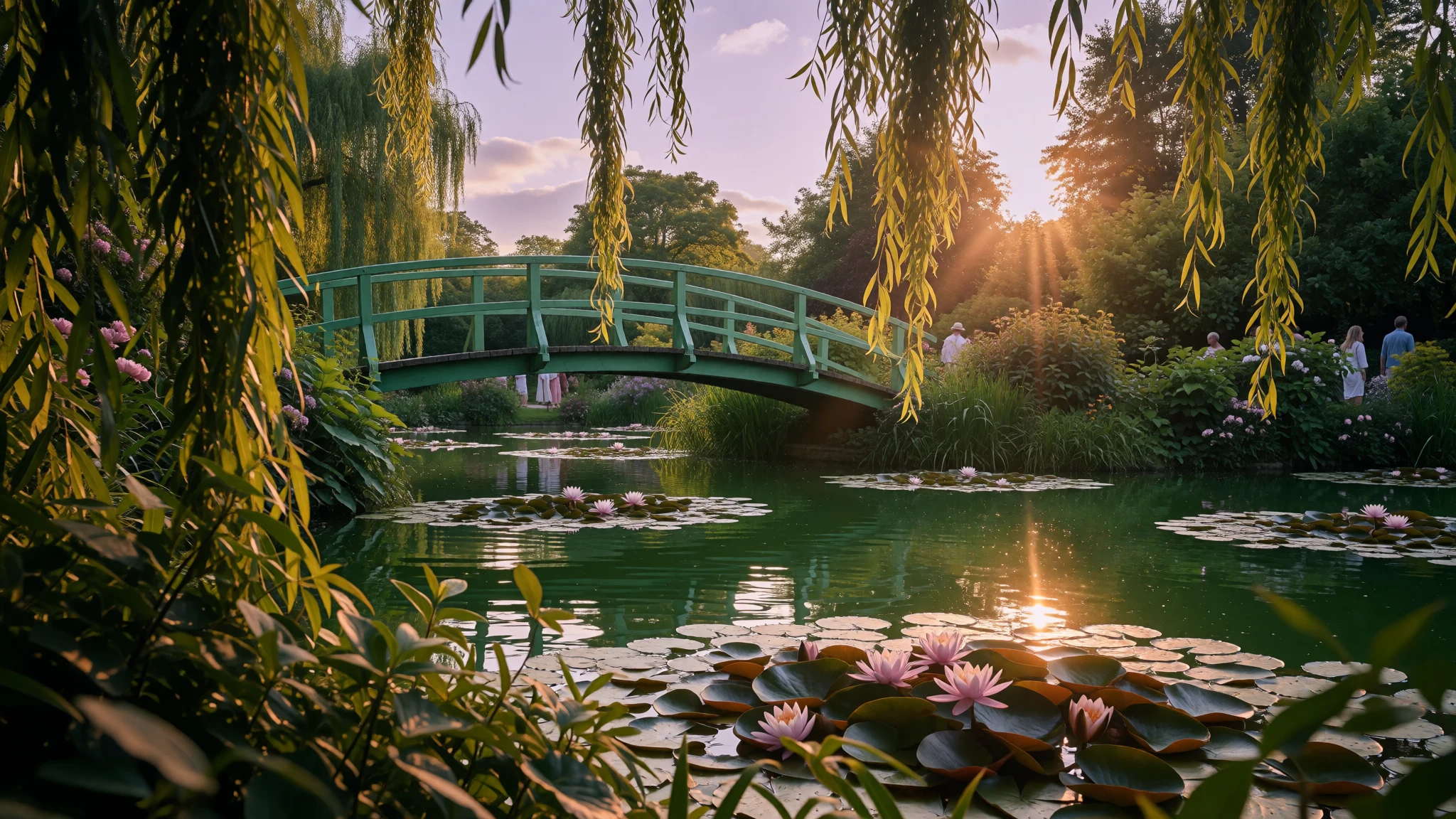
Giverny is the Normandy village where Monet planted the garden that fed his waterlily paintings, and it still feels like a painter's village.
The place
Giverny is a small village in the department of Eure, in Normandy, on the right bank of the Seine close to where the Epte flows in. It lies about 80 km west-northwest of Paris, which is why most people see it as a long day out from the capital. Its population is about 430, and the village sits only 17 m above sea level, on gentle ground between the river valley and wooded hills. For such a tiny place it draws a steady stream of visitors, almost all of them because of Claude Monet, who made his home and garden here and painted the grounds again and again. The village is long and thin, a string of low houses with climbing roses along the lanes, and the traffic concentrates around the garden entrance and the road leading to it. Away from that spine it is quiet farmland and hillside. American painters followed Monet here, and their presence shaped the place: a museum of Impressionism, an old inn that once served as the artists' meeting point, and studios tucked into the side lanes. Crowds are the honest caveat. Coach parties arrive from late morning and the garden paths fill, so early starts or late afternoons are calmer. Giverny rewards slowness. The village itself can be walked in an hour, but the gardens, museum and church fill a full day, and the hills above give a view of the Seine valley that Monet's canvases leave out.
Its story
Giverny has been inhabited far longer than its fame suggests. A monument found here points to settlement in Neolithic times, and finds from the Gallo-Roman period show the site stayed in use. Old deeds call the place Warnacum, and the people of the village have grown grapes since the Merovingian era. The parish church, dedicated to Sainte-Radegonde, began in the Middle Ages with Romanesque work, was rebuilt and enlarged in the late medieval period, and still holds carved stone figures, including a Virgin and Child, along with scraps of coloured glass and painted walls. For centuries Giverny stayed a modest farming community. In 1883 it counted about 301 residents when Monet arrived with his family, having found the house and land that would hold him until his death in 1926. He reshaped the grounds into a working studio of flowers and water, and the paintings made there, including his series of haystacks, cathedrals and waterlilies, carried the village's name abroad. Other artists, many of them American, settled nearby to be close to him. After the house and gardens were restored, tourism grew into the main local business, turning a quiet rural commune into one of the best-known day trips from Paris, while the old fields and church lanes still sit just behind the visitor route.
What to see
- Monet's House and gardens — Rue Claude Monet, east side of the village
Monet's House is the centrepiece of Giverny. The rooms have an unexpectedly Oriental flavour, with Monet's collection of Japanese prints on the walls, and the flower borders and waterlily pond outside are what he painted for decades. A guided visit helps, and early entry is far calmer.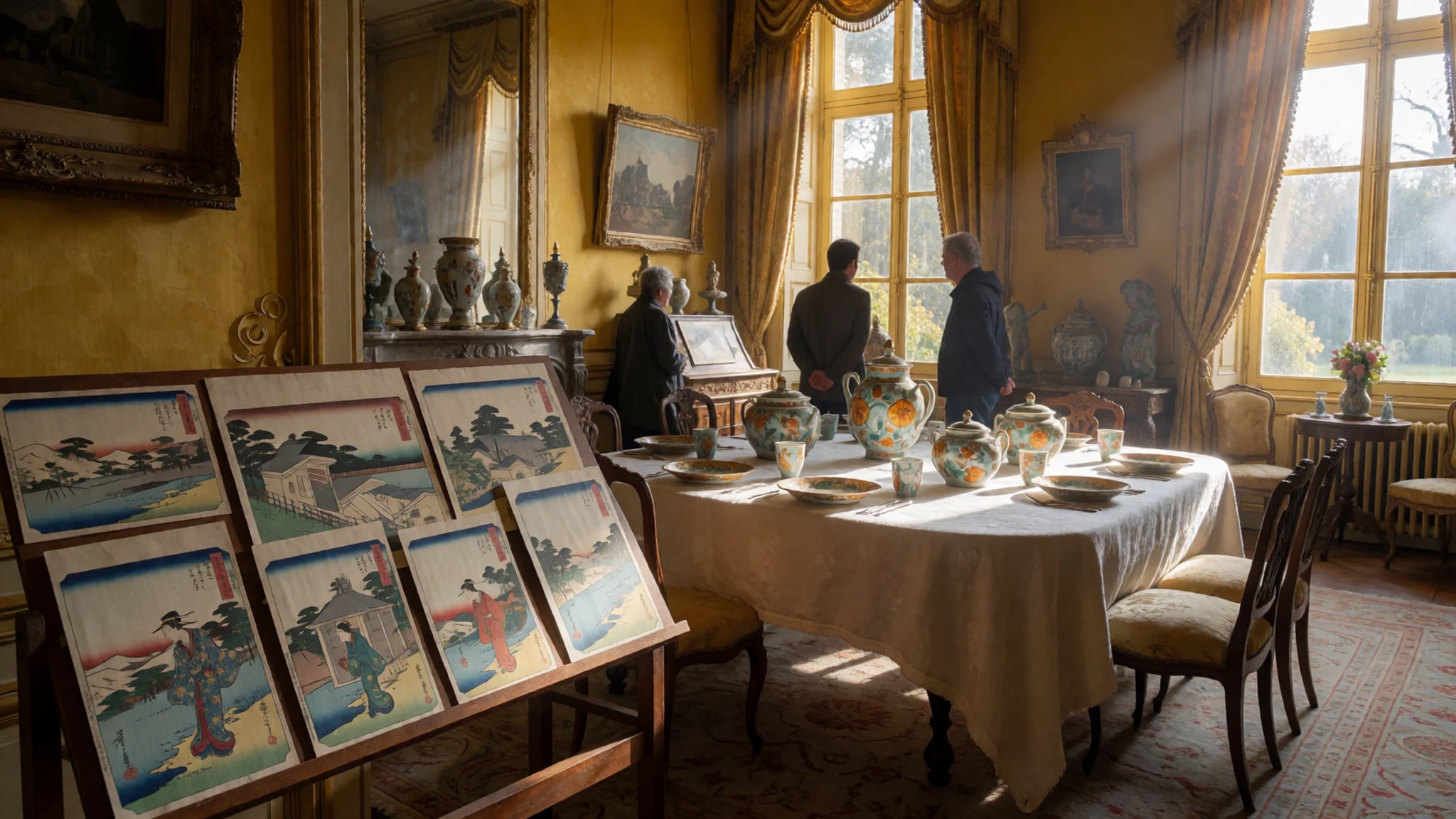
- The waterlily pond — Monet's garden
The pond is the garden's most famous corner, and the photographs of lilies floating among reflected foliage explain why Monet kept returning. It is also the most crowded stretch, so pause on the quieter side paths and visit away from the late-morning coach rush.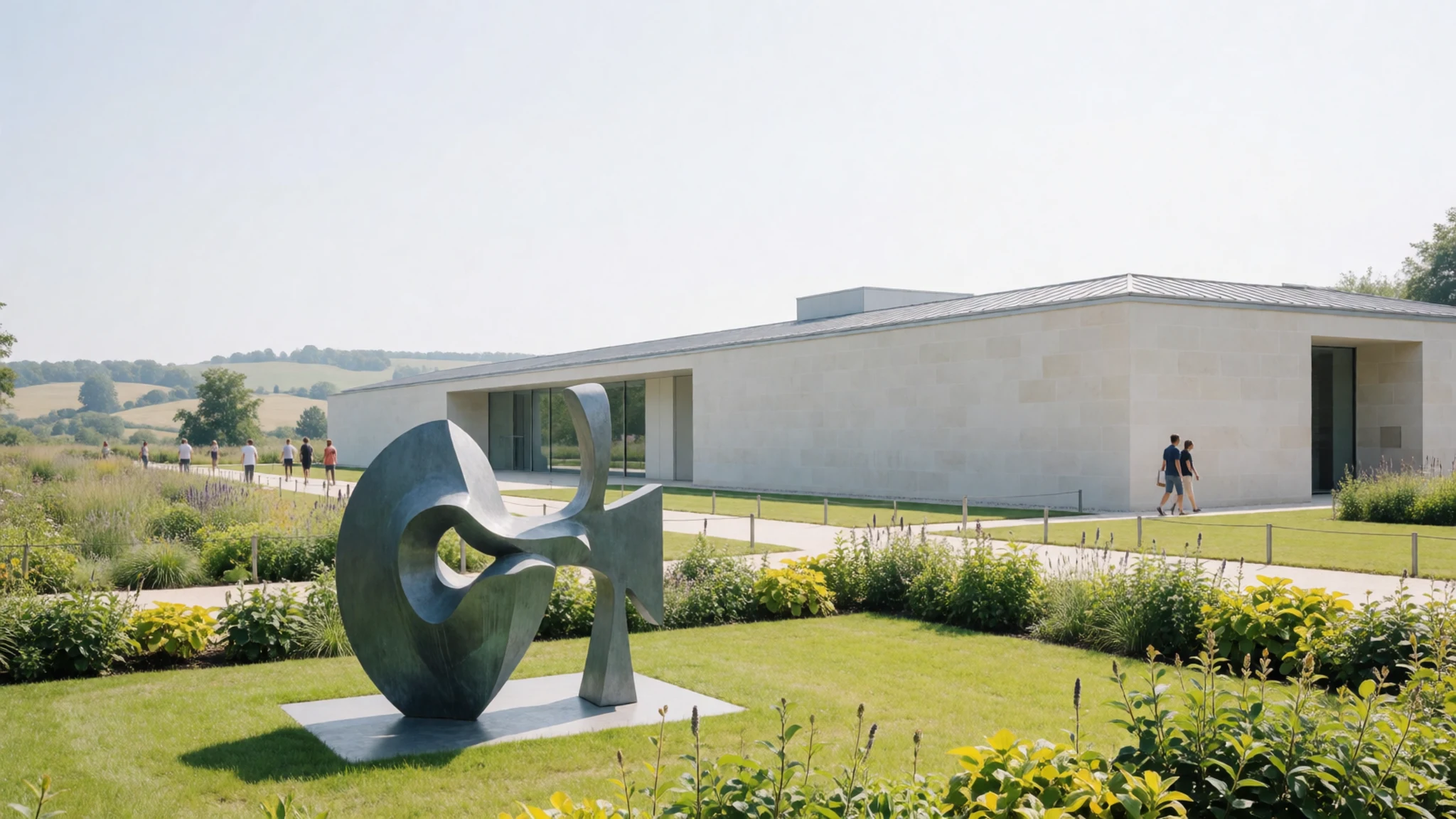
- Musée des impressionnismes Giverny — Village centre
This museum follows Impressionism from its beginnings through its later developments, and gives space to the artists who gathered in the village. It has its own garden and normally stages a few large exhibitions each year, plus concerts and workshops. Check the official site for the current show.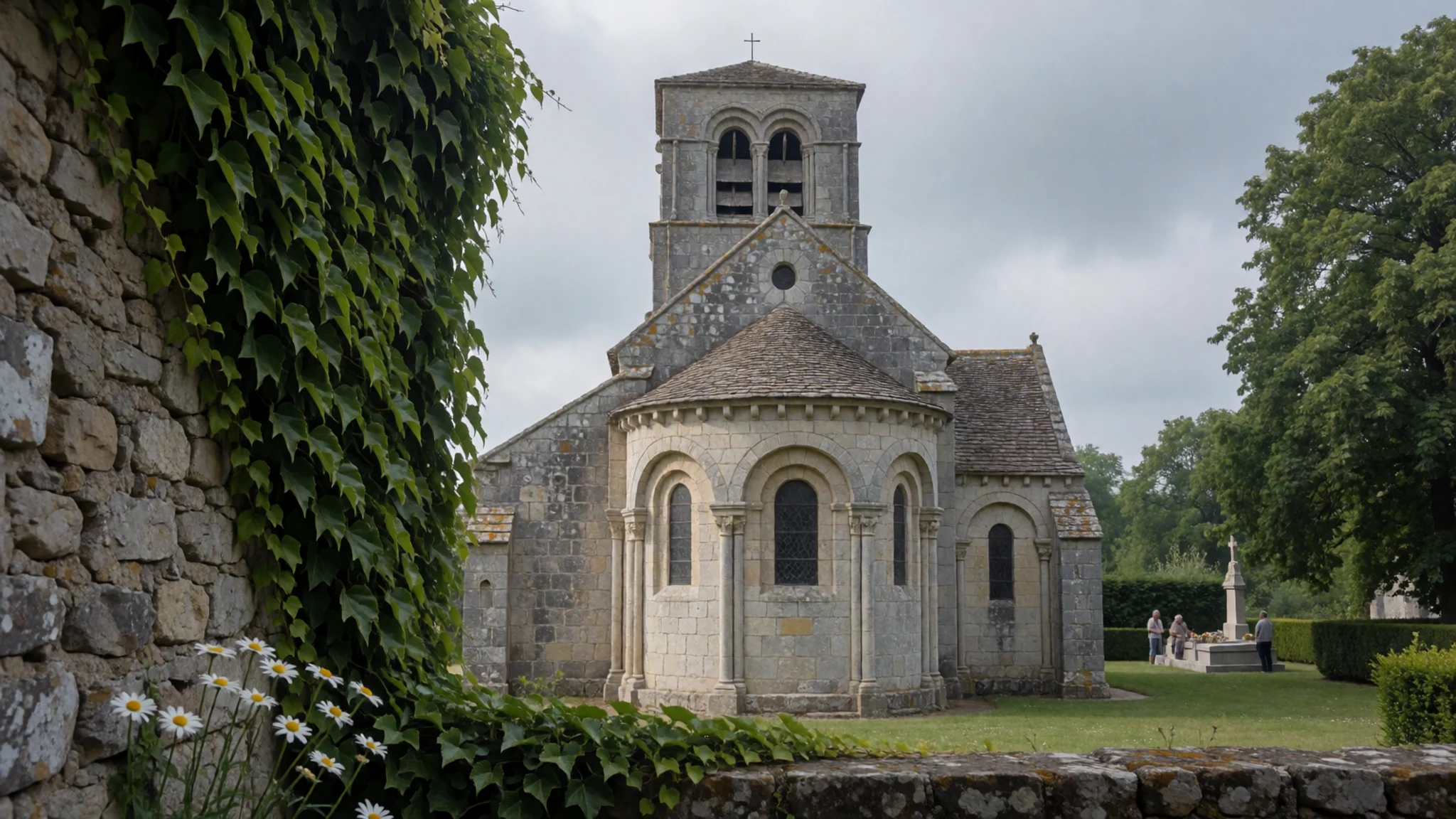
- Église Sainte-Radegonde and Monet's grave — Village centre
The village church has Romanesque origins and later additions. In the churchyard, on the east side, Monet lies in the family tomb shared with his wife Alice and other relatives. It is a still, shaded stop that makes a gentle contrast with the garden crowds.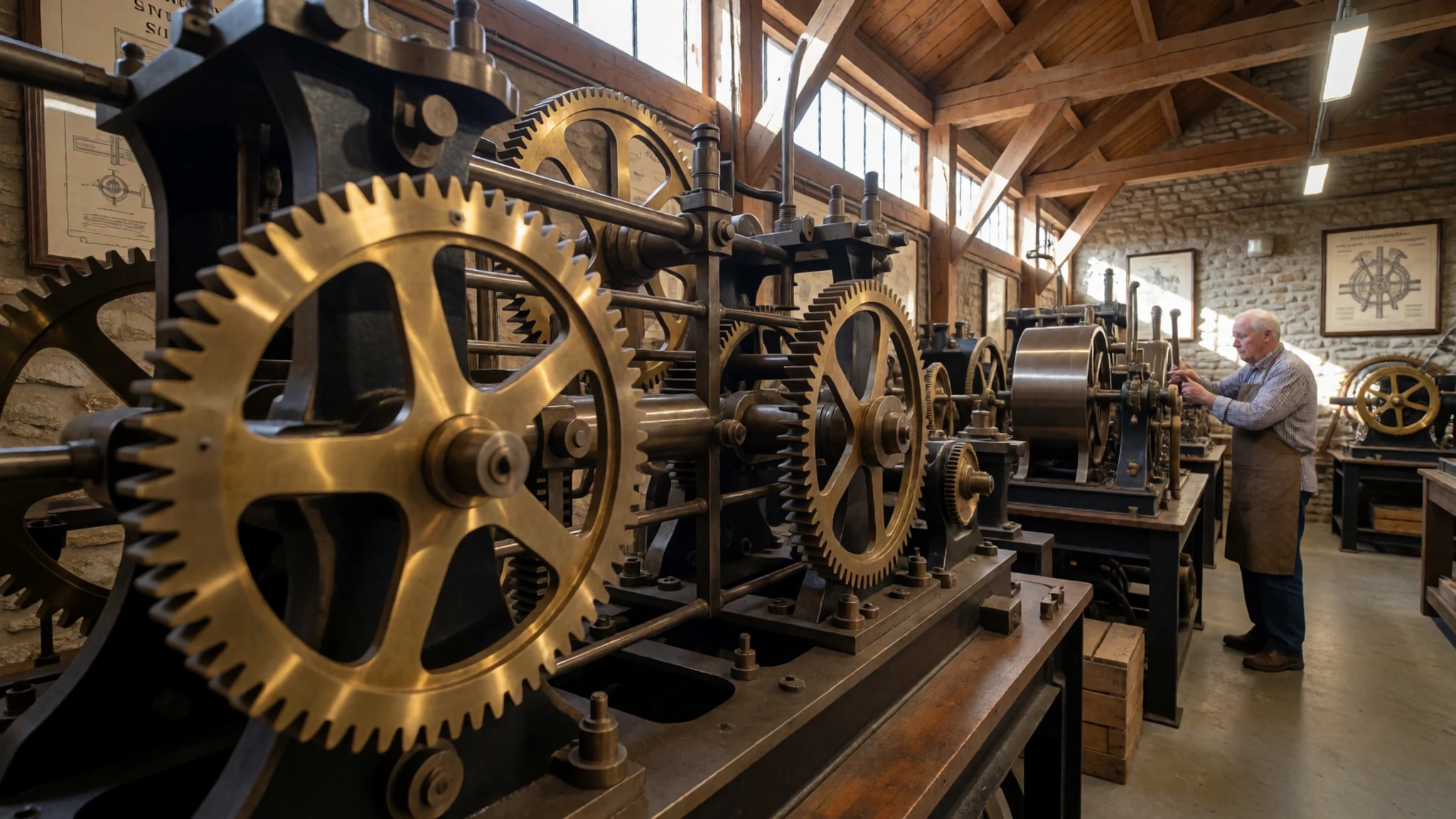
- Hill trails above the village — Hillside behind the town hall
Two walking routes start behind the town hall, up Rue Blanche Hoschedé-Monet, and climb through woodland to views over Giverny, the Seine valley and neighbouring Vernon. Some forested sections are steep, so wear sturdy shoes and carry water and insect repellent in warm weather.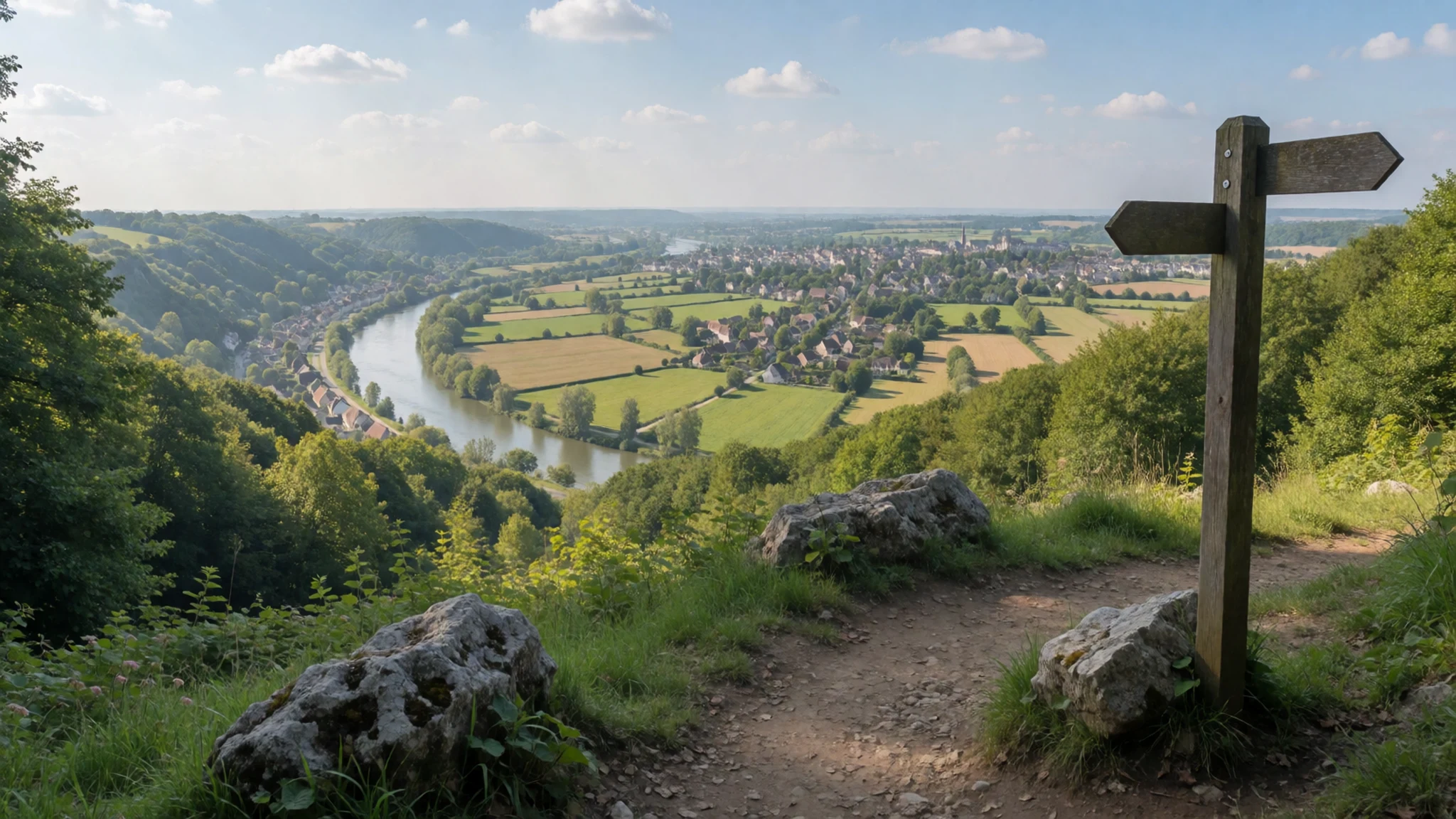
Culture
Giverny's culture is a layered thing: a French farming village, an art colony and a place of pilgrimage for lovers of painting. Monet treated the garden as a work of art in its own right, choosing colours and planting for what they would look like on canvas, and visitors often come away thinking more about gardens than galleries. His Japanese prints show how far Japanese design reached into French taste in his day, and the Orient-influenced house is a reminder of it. American painters formed a lively community around him, and the old inn that served as their social hub is now a restaurant with period decoration. Today the village balances two lives. Residents keep ordinary routines, with church services, school runs and local markets in the surrounding towns, while the garden season brings guided groups, school parties and painters setting up easels. Art here is practised as well as admired, and sketchbooks are a normal sight in the lanes. The churchyard where Monet is buried belongs to the parish as well as to tourism, so visits there are quiet ones. At Giverny, stay on the marked garden paths and keep your voice low and your phone away at the family tomb in the churchyard.
What to wear
Giverny has no costume of its own, but the wider Normandy tradition is well known: long skirts and aprons in wool and linen, white lace caps for women, and wooden clogs for farm and garden work. Normandy has a long lace-making tradition, and fine lace trimmed festival caps and collars. Today these outfits appear only at folklore events and in museum displays. In Monet's day, painters and their families favoured broad straw hats and light summer dresses for the garden, a look that appears in many Impressionist scenes. What people wear now is simple and practical. Residents dress casually, in jeans, wax jackets, knitwear and sturdy shoes, and visitors from Paris arrive in smart casual clothes, often with a scarf or linen shirt. For a visit, plan around the weather rather than the occasion. Normandy is temperate and changeable, so bring layers and a light waterproof, with a hat and sunglasses for bright days. Wear comfortable flat shoes with grip, because garden paths are gravel and can turn muddy after rain, and trail walkers need proper boots. The church is a working parish church, so cover bare shoulders if you step inside, and keep beachwear for elsewhere.
What to eat
- Tarte normande aux pommes — Village cafés and bakeries; Vernon
A shallow apple tart with thinly sliced fruit, sometimes with a custard layer, is the standard Norman dessert. Look for it at village cafés and bakeries, or in the larger market town of Vernon nearby.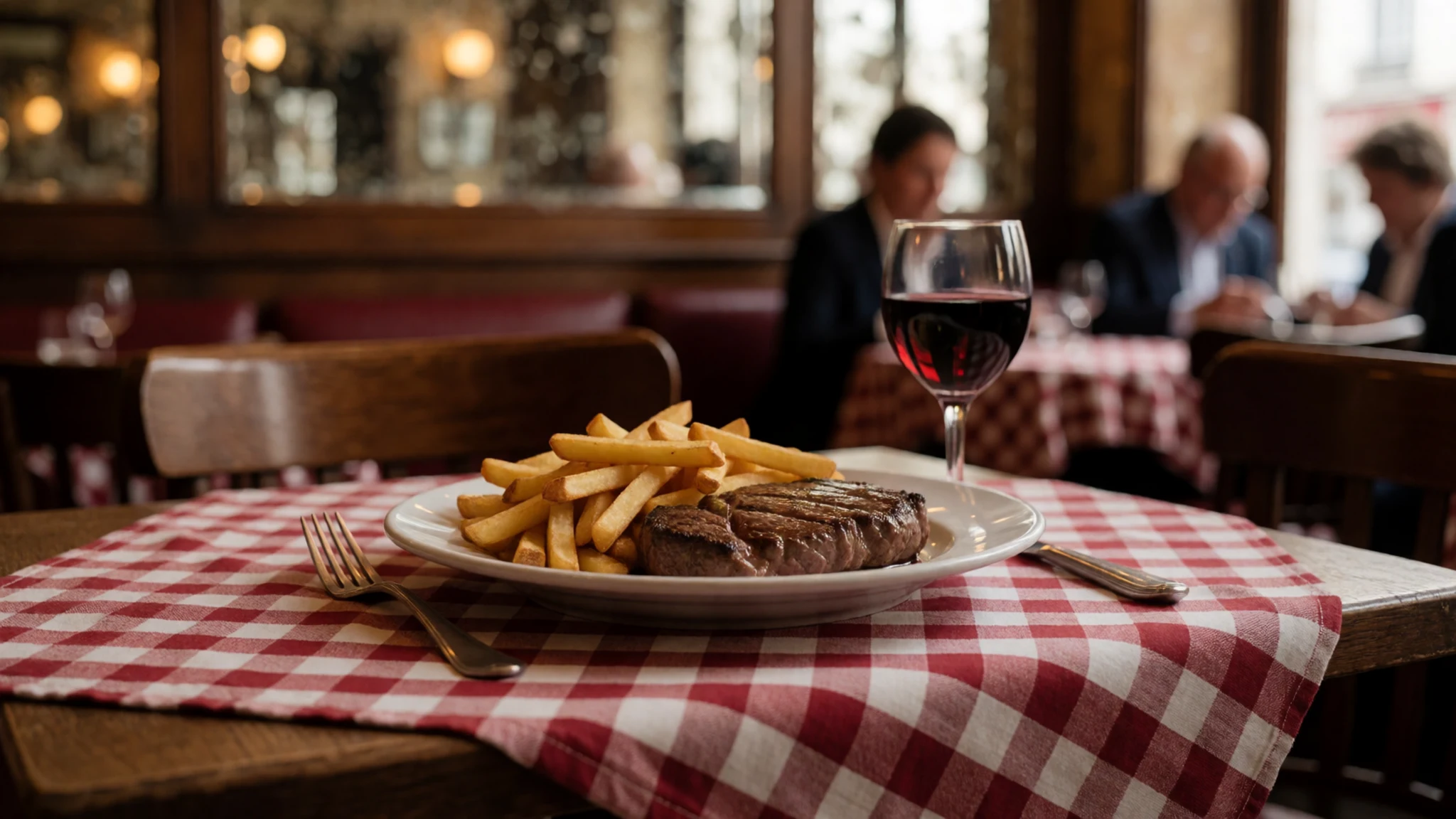
- Cidre — Café terraces and crêperies in the village and nearby towns
Normandy is apple country, and dry or slightly sparkling cider is the regional drink, served with savoury pancakes and light lunches. It suits a long lunch after the gardens, but beware the strong bottles if you are driving.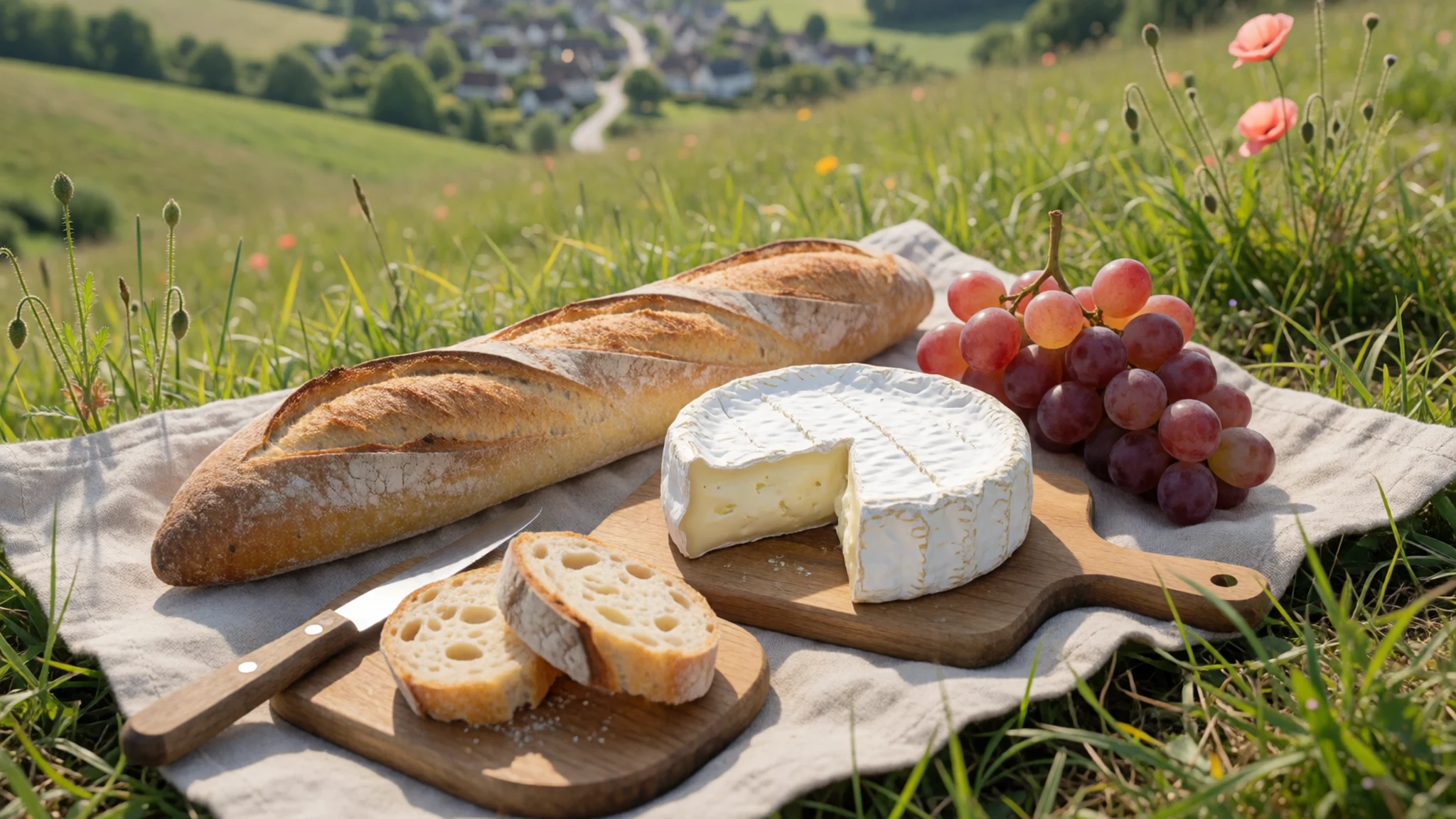
- Camembert and Norman cheeses — Local markets and food shops in Vernon and neighbouring villages
Soft, creamy cheeses from the region, camembert above all, are sold at markets and food shops. Buy a small one with bread and fruit for a picnic on the hill lanes above the village, away from the garden queues. - Moules à la normande — Bistros and restaurants around Giverny and Vernon
Mussels cooked in cider, cream and shallots are a Norman bistro dish that works equally well on a rainy day. Many restaurants in the surrounding Seine valley serve them with chips or crusty bread. - Picnic lunch from a boulangerie — Bakeries in the village or on the way from Vernon station
A baguette, a wedge of cheese, fruit and something sweet is a sensible alternative to crowded garden-side restaurants. Take it up the small lanes out of the village and eat where the visitors thin out.
Plan it
Best time. April to June for fresh planting and long daylight, and September to October for softer crowds and autumn colour. Normandy has a mild, changeable, rainy-prone climate, so bring a waterproof in any month; midsummer is the busiest season and midday is the busiest time.
How long. 1
Getting there. Take a train from Paris Gare Saint-Lazare to Vernon, about 45 minutes, then continue to the village by connecting bus, taxi or bicycle; the ride is about 6.4 km. Half-day and full-day coach tours also run from Paris, and drivers can reach the village by road from Paris.
Budget. mid
Tips
- Arrive early: coach groups fill the garden from late morning and keep arriving through the day
- Check the official site (https://www.giverny27.fr) and the garden's own site for opening dates and booking before you travel
- Consider a guided visit to Monet's House and garden, which is offered in English, French and German by appointment
- Bring a picnic for a quieter lunch than the garden-side options
- Wear sturdy shoes if you plan to walk the hill trails, and carry water
Etiquette
- Stay on the marked garden paths and do not pick flowers
- Keep voices low in the churchyard and at Monet's tomb
- Ask before photographing residents or their gardens
Nearby
Sources
- Wikidata Q165061 (CC0)
- Wikipedia: Giverny (rev 1385475515) (CC BY-SA 4.0)
- Wikivoyage: Giverny (rev 5429854) (CC BY-SA 4.0)
- Theodore Robinson Giverny.jpg — Theodore Robinson (Public domain)
- Nympheas in the Claude Monet's garden in Giverny — Pierre-Étienne Nataf (CC BY 3.0)
- Claude Monet's home in the famous Giverny gardens, in Normandy — Normandy Tourist Board (CC BY 3.0)
- A photo of Giverny Summer of 2005 — Andrew Horne (Public domain)
- Buste de Claude Monet à Giverny — toitoinebzh (CC BY-SA 4.0)
- Chiesa di Santa Radegonda (Giverny) — Francesco Falconetti (CC BY-SA 4.0)
- Chiesa di Santa Redagonda a Giverny (illustrazione turistica) — Francesco Falconetti (CC BY-SA 4.0)
- Le Buste de Claude Monet — Avel-Breizh (CC BY-SA 2.0)


