Læsø
Læsø, Denmark
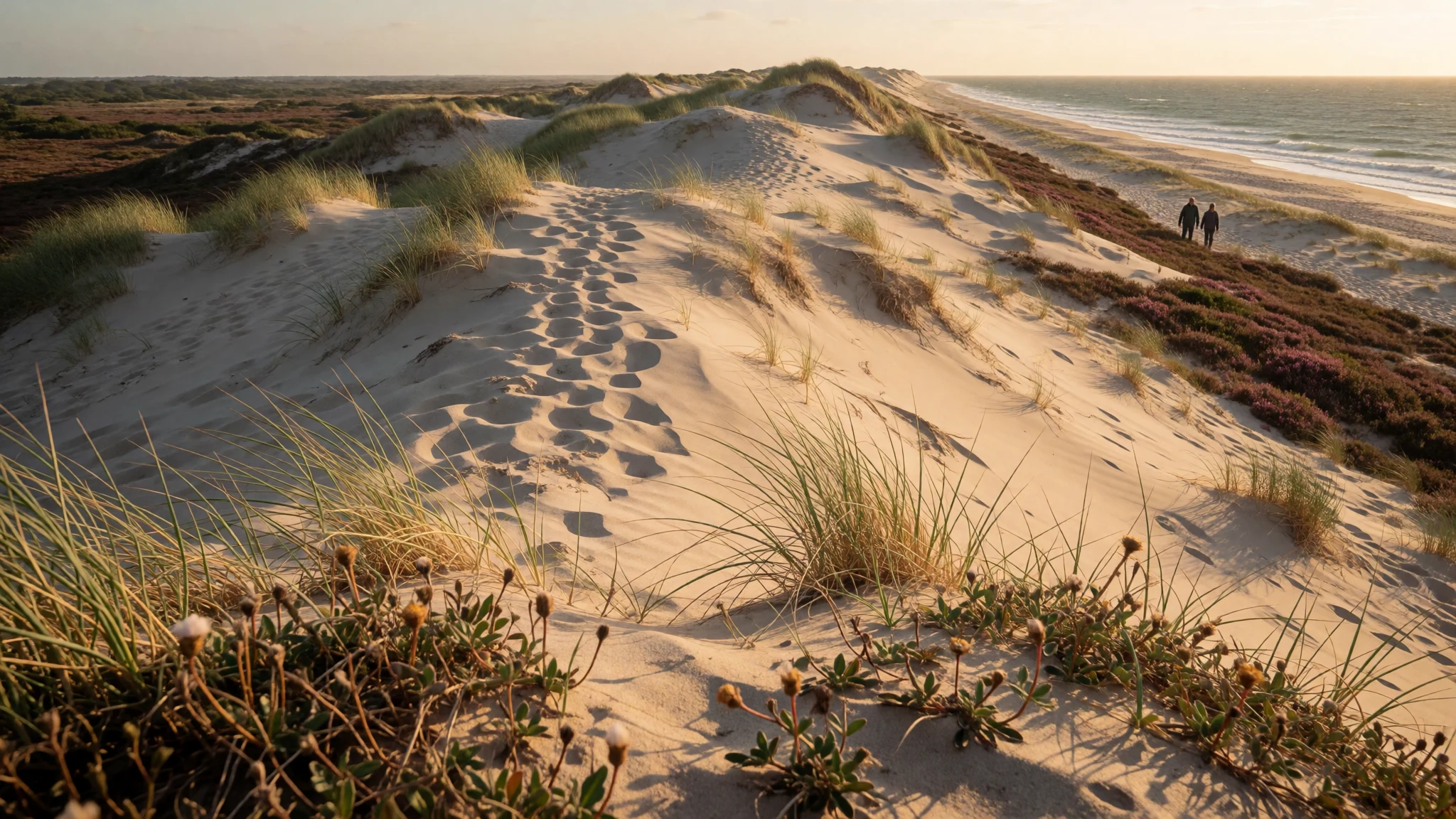
A remote Danish island where boiled seawater has made salt for centuries and the only sound is the wind.
The place
Læsø floats in the Kattegat, roughly 19 kilometres northeast of the Jutland coast in Denmark. This low-lying island, with an elevation of just 6 metres above sea level, is home to a community of approximately 1,807 residents. Its landscape is defined by coastal dunes, heathland, and lagoon ponds, creating a sense of isolation that has persisted for generations. The island is notably dry, situated in a region of Denmark that receives substantially less rainfall than the mainland, often leaving streams and ponds dry during the summer months. This arid climate has historically shaped the local way of life, positioning the island as one of the significant locations in Old Norse mythology. The local infrastructure is modest, focusing on the small harbour and the central village area where the ferry from Frederikshavn docks twice daily. There is no car-free zone on the entire island, but the scale is small enough that walking or cycling covers most distances comfortably. The dominant economic activity remains traditional, centered on the age-old practice of boiling seawater to produce salt. The surroundings are marked by the resilience of local agriculture and the preservation of historical sites that reflect the island's role in ancient seafaring tales. Visitors to Læsø find a community that is self-sufficient and deeply connected to the maritime rhythms of the Baltic Sea. The absence of modern high-rises or heavy urban development preserves the historical integrity of the built environment. The air is often clear, offering expansive views of the horizon in every direction. The island's relationship with the water is fundamental, not just as a boundary, but as the primary resource that has sustained the population for centuries. The dry soil and sandy terrain support specific types of vegetation that are unique to this coastal environment. The pace of life here is slower, governed by the availability of the ferry and the seasons of the sea. Læsø is a place where the past is not just remembered in museums, but is actively maintained through the daily rituals of salt-making and community gathering. The island serves as a living example of traditional Scandinavian resilience against the elements.
Its story
The history of Læsø is inextricably linked to the sea and the minerals it contains. In Old Norse sources, the island appears as a place of mythic significance, often associated with giants and sea spirits. The name itself, sometimes interpreted as the 'Island of the Goddess' or related to Hlér, the god of the sea, hints at its importance in the folklore of the region. For centuries, the primary wealth of the island was not gold or silver, but the salt extracted from the surrounding waters. This 'boiled salt' was a commodity of immense value in a world before modern chemical production. Families on Læsø developed a sophisticated method of boiling brine in large iron kettles, a process that required constant attention and labour. This industry, known as salt-boiling, was the economic backbone of the community well into the 20th century. The social structure of the island was shaped by this collective effort, with women often playing a central role in the management and production of the salt. The transition away from commercial salt production was gradual, driven by the rise of industrial methods on the mainland. However, the tradition did not disappear; it transformed into a cultural heritage and a primary draw for tourists. The Læsø salt factory today operates as both a production facility and a museum, allowing visitors to witness the traditional process. The story of Læsø is one of adaptation, where a community turned a traditional economic reliance into a foundation for cultural identity. The isolation that once made survival difficult also preserved local customs and dialects that are distinct from the mainland. Today, the narrative of the island is one of preservation and reflection, where the history of the sea is the most important thing to protect. The quiet determination of the locals to maintain their way of life ensures that the story of Læsø remains alive and relevant. It is a testament to how a small place can hold a significant part of the national memory.
What to see
- Læsø Saltsyderi — Central Læsø
This is the heart of the island's heritage. Here, the traditional method of producing salt from seawater is still practiced. Visitors can watch the boiling process in large iron kettles, a spectacle that has remained largely unchanged for centuries. The facility serves as both a workplace and a museum, explaining the history of the industry and the livelihood it provided for the local community. The salt produced here is still sold, connecting the past to the present in a tangible way.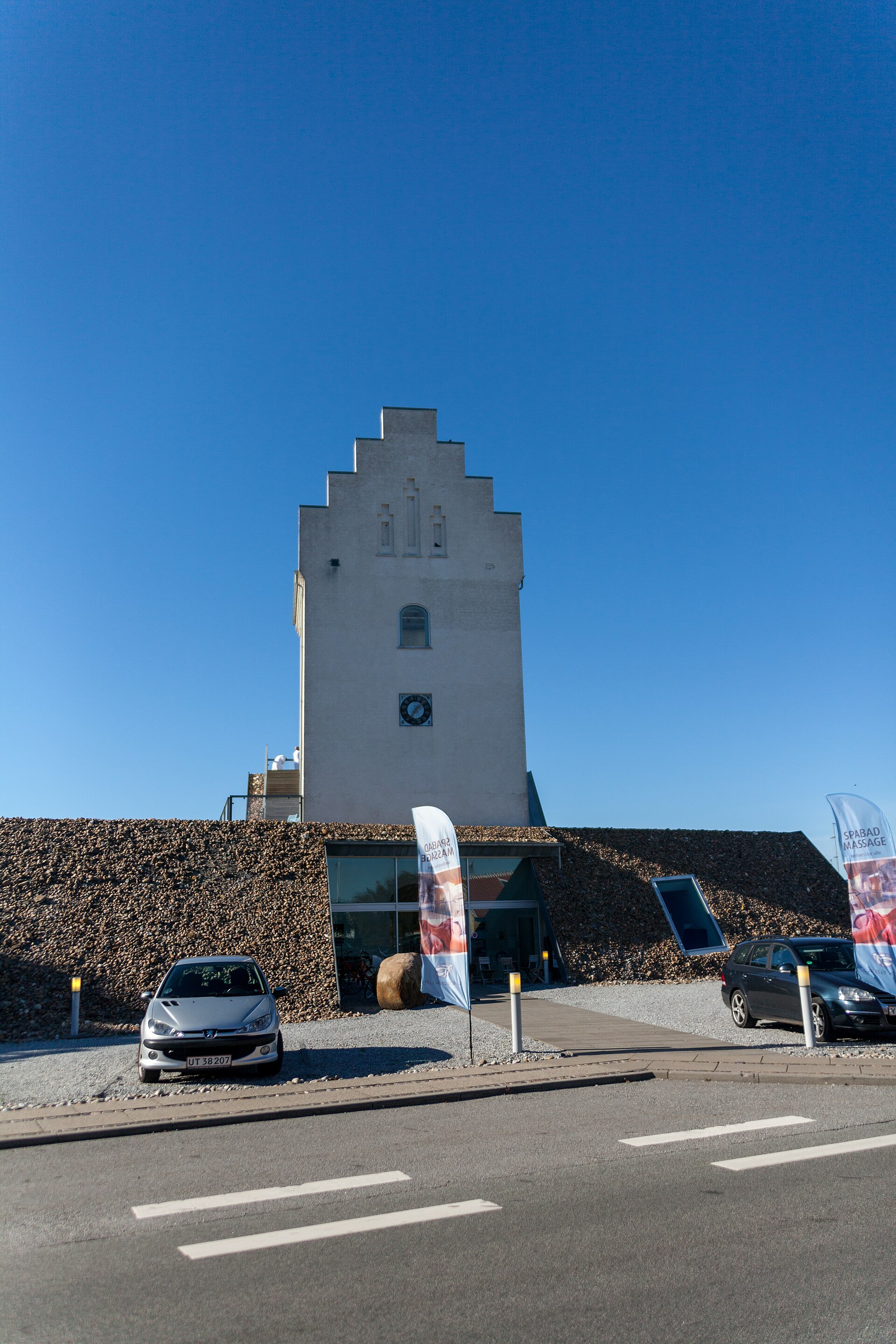
- Læsø Tower — East of the main village
Standing at 17 metres high, this observation tower was built in 1927. It offers a panoramic view of the island and the surrounding waters of the Kattegat. On clear days, the horizon stretches unbroken, providing a true sense of the island's isolation and scale. The climb is short but worthwhile for those who wish to see the dune landscape from above.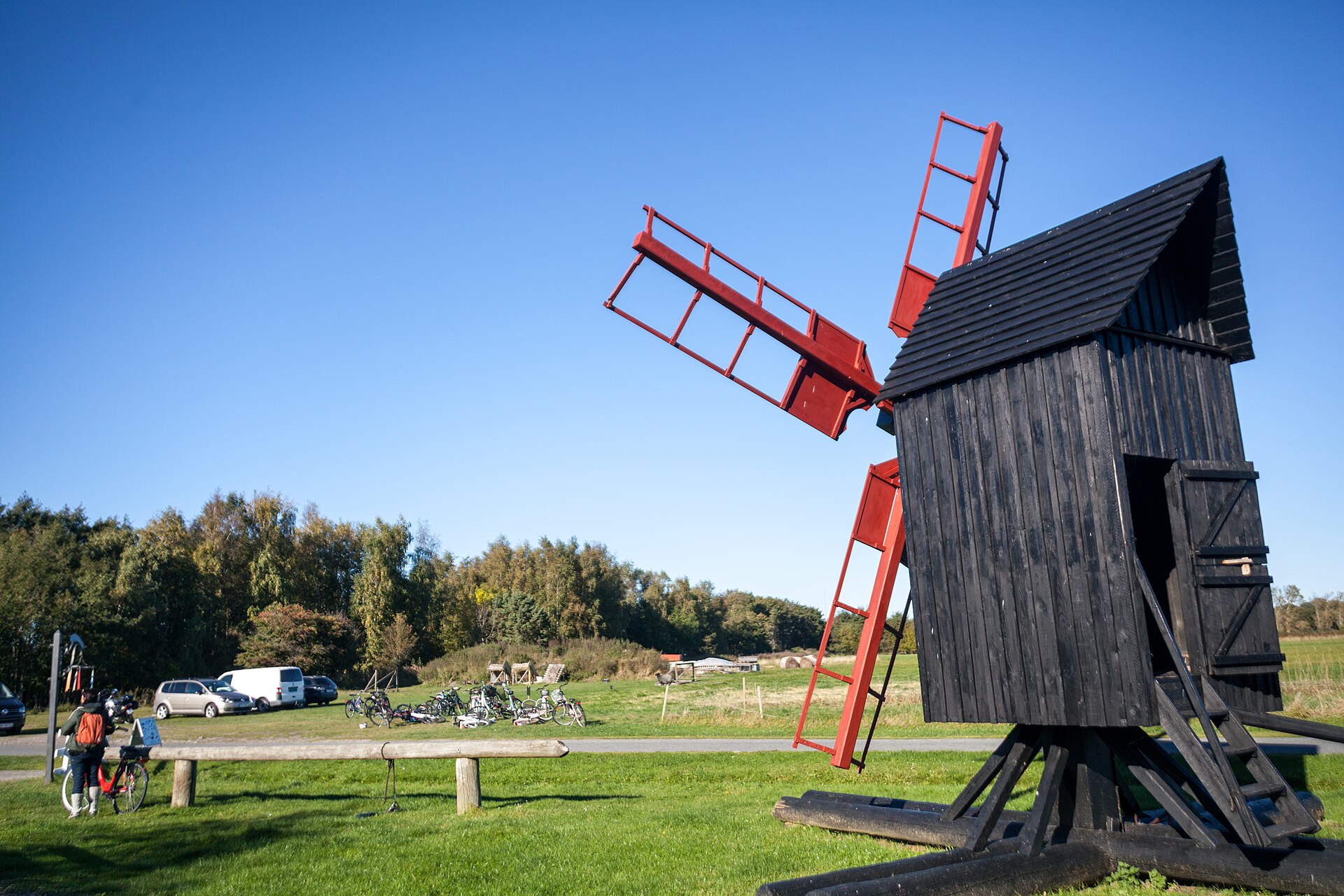
- Museumsgården — Rural area near the village
A historical farm complex that preserves the architectural and agricultural heritage of the area. The buildings are maintained to reflect the living conditions of previous generations. This site provides context for the daily life of the islanders, showcasing the tools, crops, and livestock that sustained the population before modernisation. It is a quiet spot for those interested in the more domestic side of island history.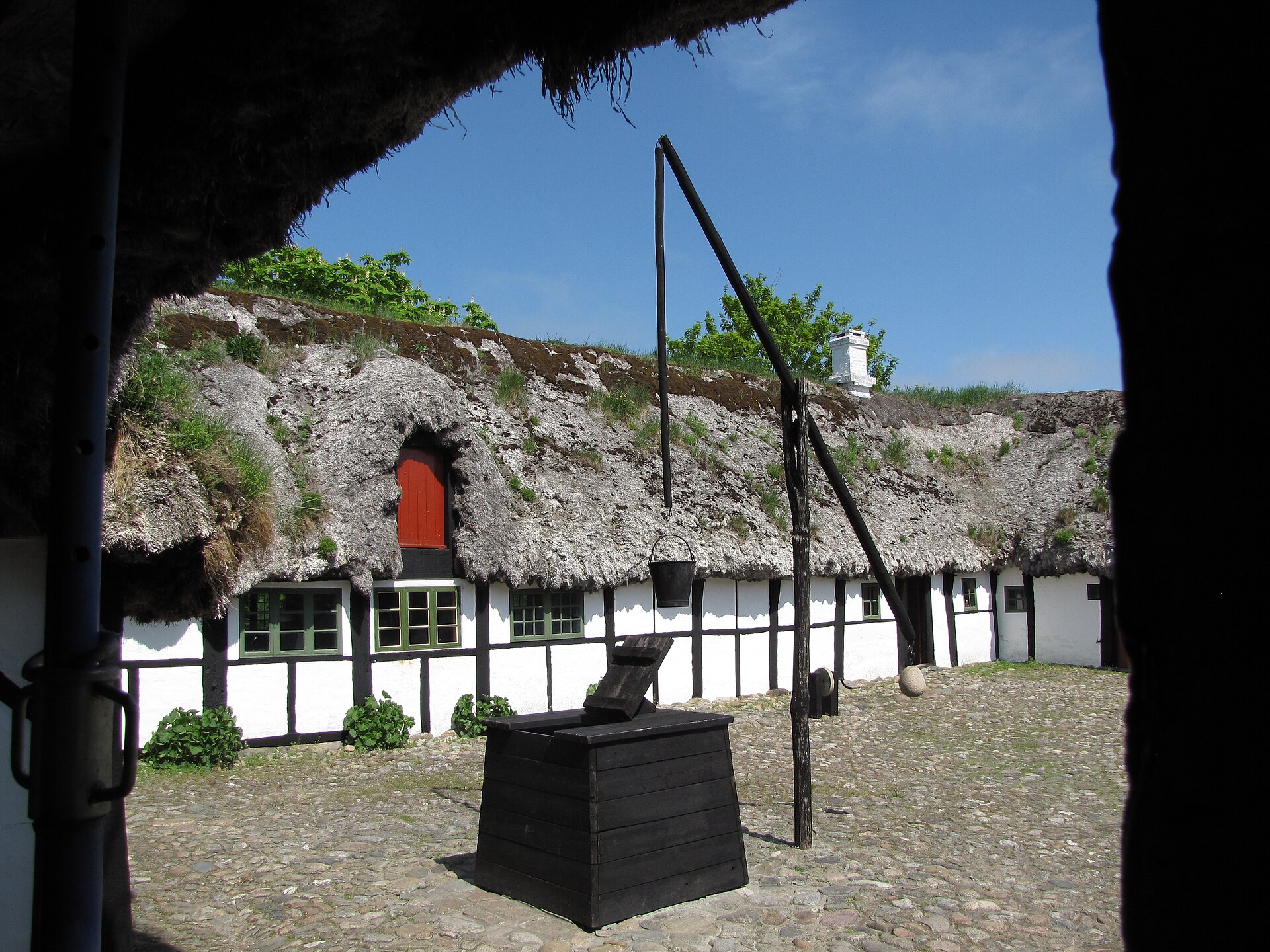
- Coastal Dunes — West and South coast
The island is bordered by sand dunes that have been shaped by the wind and sea for thousands of years. Walking along the coast is a meditative experience, offering unspoiled views and a connection to the natural world. The dunes are home to specific plant species that thrive in the sandy, dry soil. It is a place for quiet contemplation and observing the interplay between land and sea.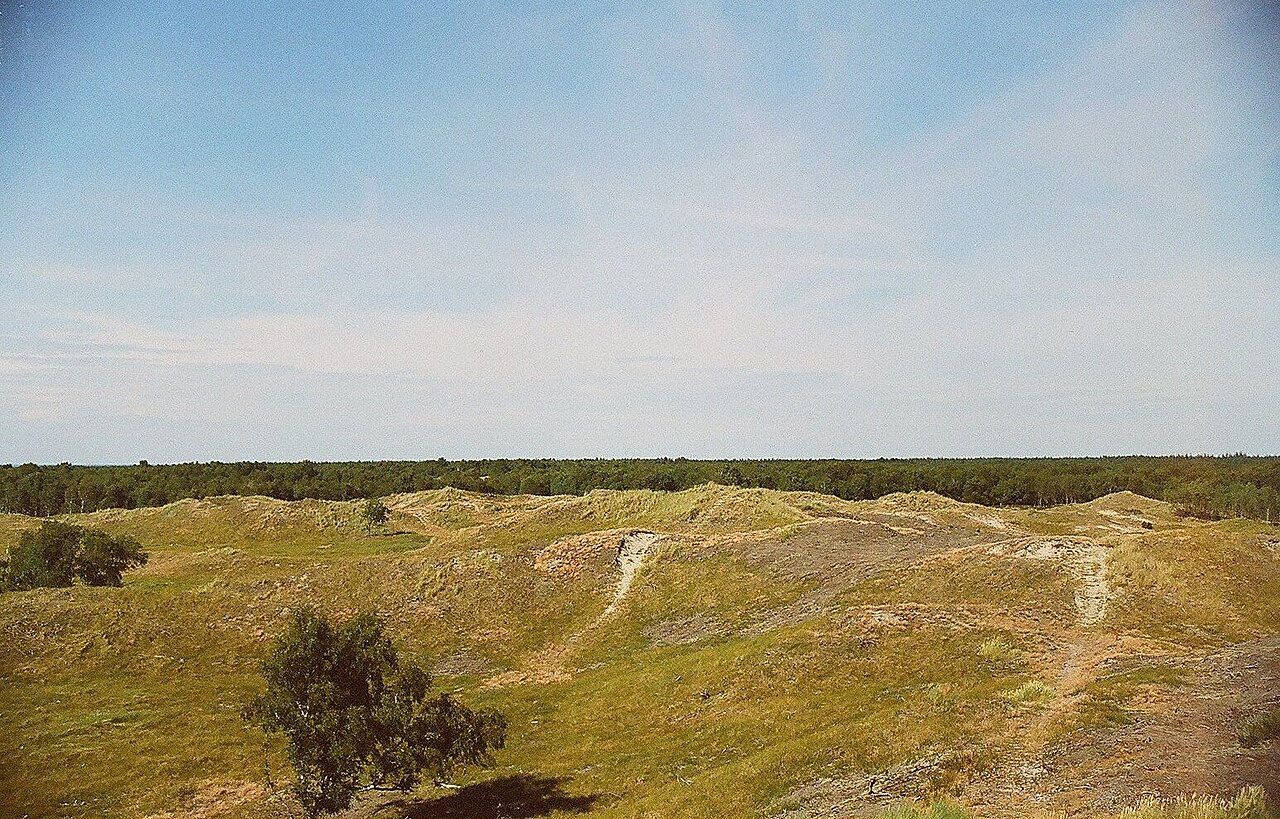
- Lagoon Ponds — Interior of the island
Inland from the coast, a series of shallow lagoon ponds create a unique ecosystem. During the summer, some of these may dry up due to the island's low rainfall, but for much of the year they reflect the sky and support diverse birdlife. The paths around the ponds provide a gentle cycling route or a walk through the heathland, offering a different perspective on the island's interior.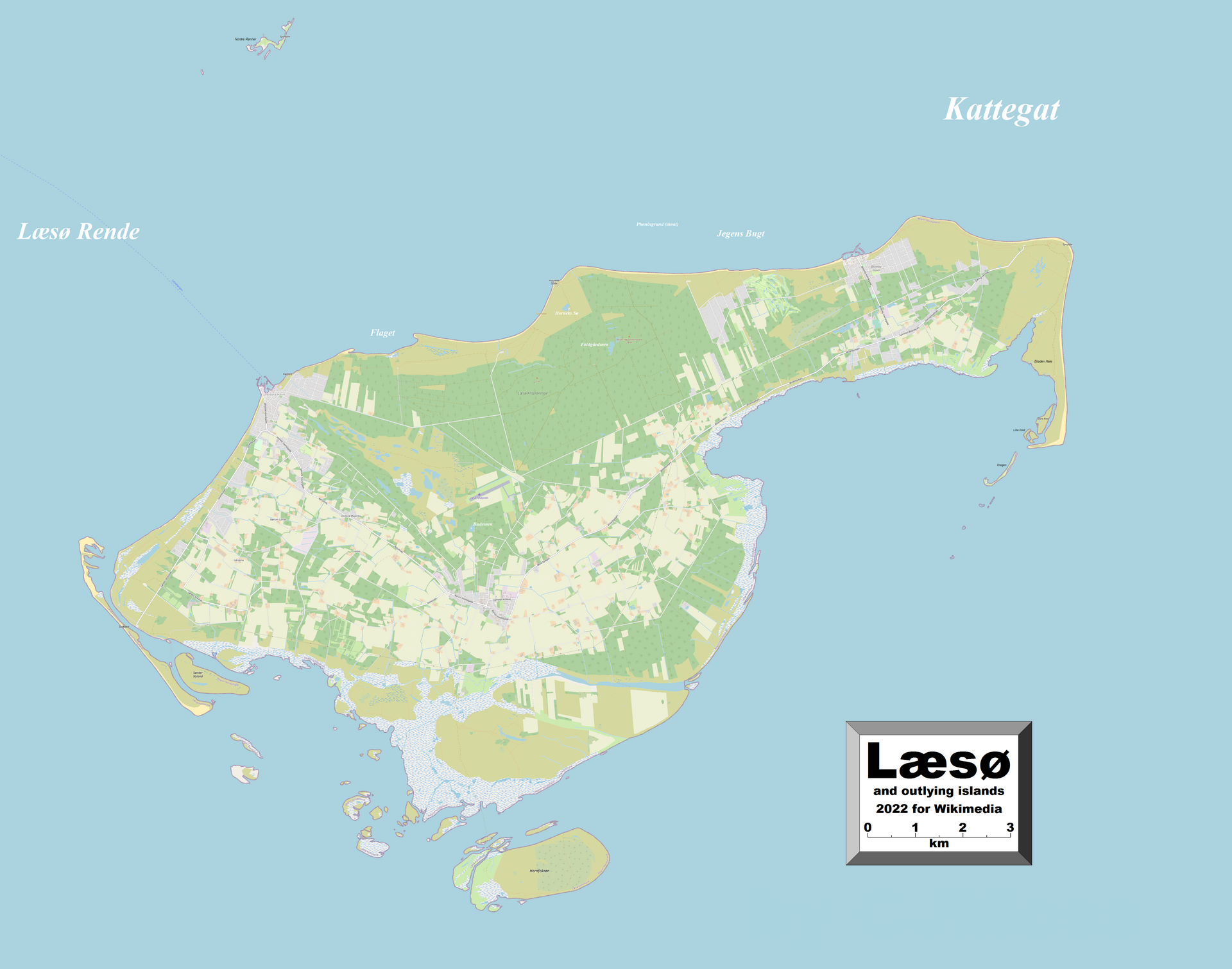
Culture
The culture of Læsø is defined by its isolation and its reliance on the sea. The community is tight-knit, with a history of cooperation that was necessary for survival in a remote location where the ferry schedule dictated the flow of commerce and communication. This has fostered a strong sense of local identity and pride in traditional crafts, particularly salt-making. The local dialect and folklore are preserved with care, reflecting a continuity of time that is rarely found in more urbanised parts of Denmark. The pace of life is slow, and social interactions are often informal and based on long-standing relationships. There is a respect for nature that is evident in the way the landscape is maintained, with minimal intervention to preserve the natural dune and heath environments. Visitors to Læsø are part of a small community, and the social fabric is one of mutual respect and quiet hospitality. The importance of local traditions is underscored by the continued operation of historical sites that serve as living museums. Etiquette on the island is rooted in consideration for the local residents and the environment. Keep a low voice in residential areas and take all rubbish with you when you leave the trails. Respect private property, as much of the land is owned by families who have lived there for generations. Do not litter, and stay on marked paths to protect the fragile dune vegetation.
What to wear
Traditional dress on Læsø was functional, designed for the hard work of salt-boiling and farming, featuring sturdy wool and canvas rather than delicate fabrics. Today, residents wear casual, practical Danish clothing, favouring comfort and durability for the island's often cool and windy climate. For visitors, the key is layering. The northern latitude means temperatures can drop quickly, and the sea breeze adds a chill that traps in clothing. A water-resistant windbreaker is essential, as sudden weather changes are common. Footwear should be sturdy and comfortable for walking on uneven sandy dunes and grassy trails, rather than high heels or flip-flops. The terrain is generally flat but the surfaces can be loose, so shoes with good grip are advisable. In summer, lightweight cotton or linen is ideal, but a light sweater is still recommended for the evenings. The overall aesthetic is one of understated practicality, reflecting the island's no-nonsense character. Visitors should dress modestly and respectfully, keeping in mind the small, close-knit nature of the community.
What to eat
- Hvidkålssuppe — Local village restaurants
A hearty white cabbage soup that is a staple of Northern Jutland cuisine. This dish is traditionally served with potatoes and often accompanied by local cheese. It is a warming, comforting meal that reflects the agricultural roots of the region, designed to sustain those working hard in the fields and by the sea. - Læsø Salt — Læsø Saltsyderi and local shops
The most iconic product of the island, this salt is boiled from seawater using a traditional method. It is finer and more delicate than sea salt, with a unique flavour that has been prized for centuries. It is available for purchase at the salt factory and local shops, and is used to season almost any dish on the menu. - Fresh Seafood — Harbour-front eateries
Given the island's location in the Kattegat, fresh fish and shellfish are a major part of the diet. Depending on the season, this could include mackerel, herring, or shrimp. The seafood is typically prepared simply, allowing the quality of the catch to shine. It is often served with browned butter and fresh herbs. - Local Cheeses — Museumsgården and the village shop
Small-scale dairy farming is still a part of island life, producing a variety of artisanal cheeses. These range from mild and creamy to sharp and aged, perfect for pairing with the local bread and honey. They are often available at the museum farm or the small village shop, offering a taste of the island's pastoral heritage.
Plan it
Best time. May through September offers the mildest weather and the longest days for exploring the coast, though late spring and early autumn are quieter and gentler.
How long. 2–3
Getting there. Drive or take a train to Frederikshavn, then board the ferry that crosses the Kattegat in approximately 90 minutes; there are 4 to 5 daily departures, so check the current schedule before travelling.
Budget. mid
Tips
- Check the ferry timetable in advance, as the number of crossings can vary by season and weather conditions.
- Bring a waterproof jacket, as the wind off the Kattegat can be chill even in summer.
- Carry comfortable walking shoes for the sandy dune paths and uneven terrain.
- Buy Læsø salt at the factory to avoid the higher prices of the mainland souvenir shops.
- Pack a light sweater for the evenings, even in the height of summer.
Etiquette
- Remain silent in the museum areas to respect the workers and the calm atmosphere.
- Do not pick plants from the dunes, as they help prevent erosion.
- Dispose of all litter in the bins provided, as the island relies on its natural beauty.
Nearby
Sources
- Wikidata Q683719 (CC0)
- Wikipedia (CC BY-SA 4.0)
- Wikivoyage (CC BY-SA 4.0)
- Wikimedia Commons (Photos) (Various (Public Domain, CC BY 3.0, CC BY-SA 4.0))