El Calafate
El Calafate, Argentina
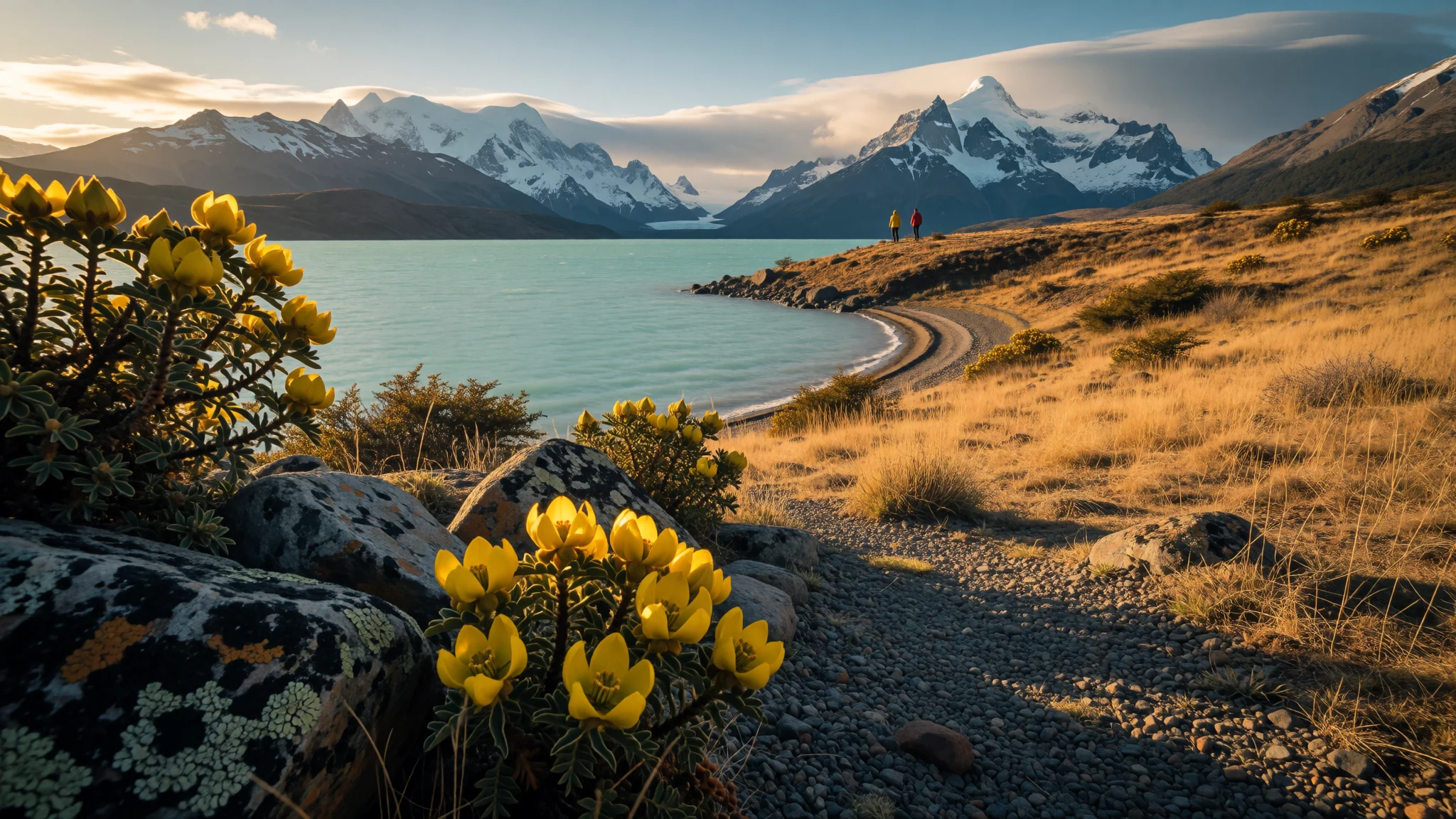
El Calafate is the practical base for Patagonia's ice: a windy lakeside town from which Perito Moreno Glacier is an easy day out.
The place
El Calafate sits on the southern shore of Lago Argentino, in the southwest of Santa Cruz Province, Argentina. Its population is 22,844 and it stands at 199 metres above sea level. The town takes its name from a shrub, the calafate (Berberis buxifolia), which has yellow flowers and dark-blue berries and grows widely across the steppe. Local government for the surrounding department is based here, but the town's real job is tourism. It is the main gateway to Los Glaciares National Park, to the Perito Moreno Glacier, and to the granite peaks of Cerro Chaltén and Cerro Torre further north. The centre is compact and easy to walk: one main avenue, Avenida del Libertador, lined with outfitters, tour desks, chocolate shops and restaurants, with low houses and guesthouses spreading up the slope behind. Beyond the last streets the land turns to open, dry scrub, and the lake glints a milky turquoise from glacial silt. The climate is cool and dry. Summers are mild but windy, and frost is possible even in midsummer, while the wind makes everything feel colder than the thermometer says. Winters are cold, a little wetter, and snow falls between May and September. The lake moderates the extremes, and the shallow bay by the waterfront often freezes in winter. Expect a town that is busy, a little transient and full of people in hiking boots.
Its story
The story of El Calafate is short and tied to wool and then to ice. In the early twentieth century the place was little more than a sheltering stop for wool traders moving through the Patagonian steppe. The Argentine government formally founded the town in 1927, hoping to encourage settlement in a very empty corner of the country. Growth stayed modest until 1937, when a national park was created nearby. That decision brought better road access and gave the area a reason to exist beyond sheep farming. In the decades that followed, international travel expanded and ecotourism took hold, and the glaciers became the draw. The town's population rose by tens of thousands over the century, which is striking for a place that began as a roadside shelter. Today the estancias, the old sheep ranches around the lake, still reflect the earlier economy, and some now take guests, offering horse riding and Patagonian meals. The town's character is that of a young boomtown: new buildings, seasonal workers, and a calendar shaped by the short summer. Its history is not one of grand monuments but of a settlement that found a second life when visitors began arriving to look at ice.
What to see
- Perito Moreno Glacier — Los Glaciares National Park, west of town
The glacier is the reason most people come. From walkways in the national park the ice front rises close across the water, and the cracking and booming of breaking ice carries constantly. Go on a clear day, take layers, and allow time simply to stand and watch.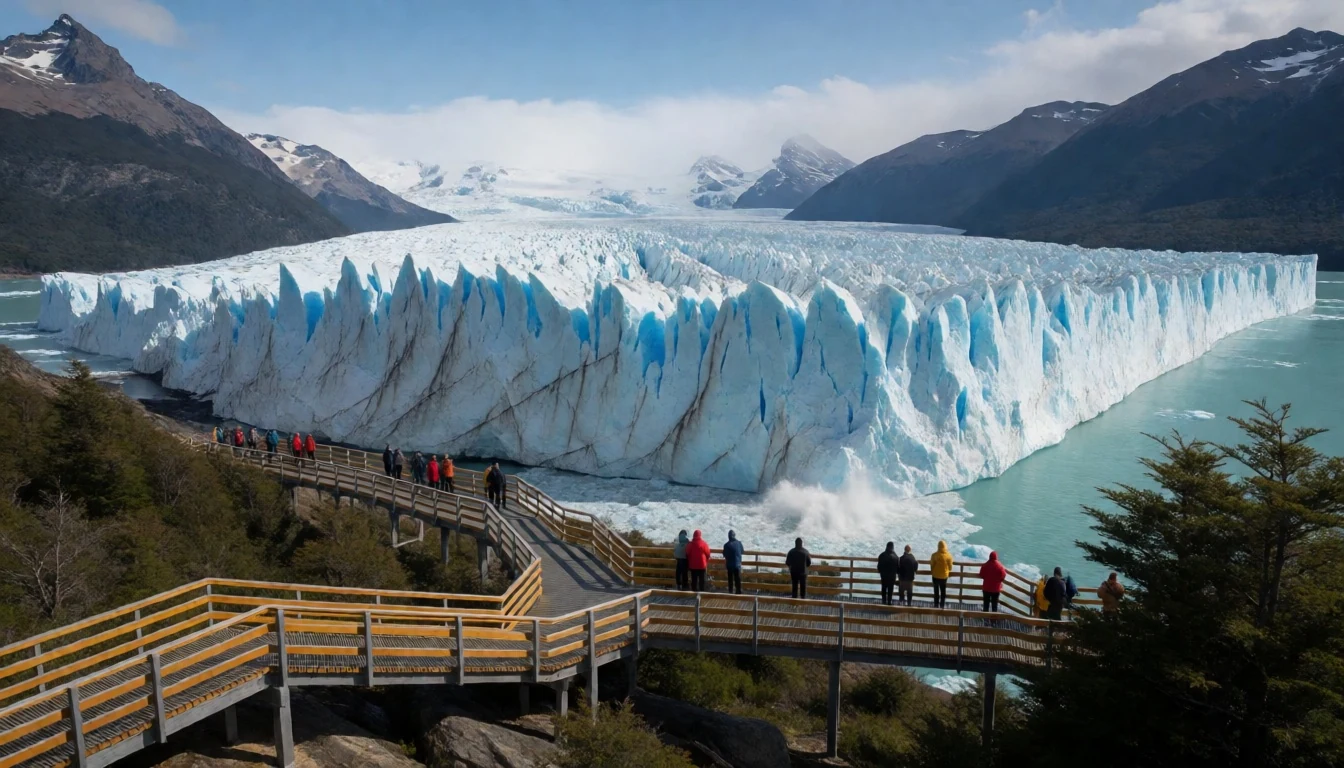
- Boat trips on Lago Argentino — Los Glaciares National Park
Boat excursions from the park port let visitors see several glaciers and the lake's icebergs from the water, which gives a sense of scale the walkways cannot. Sailings depend on weather and season, so check the operator or park information before planning a day around one.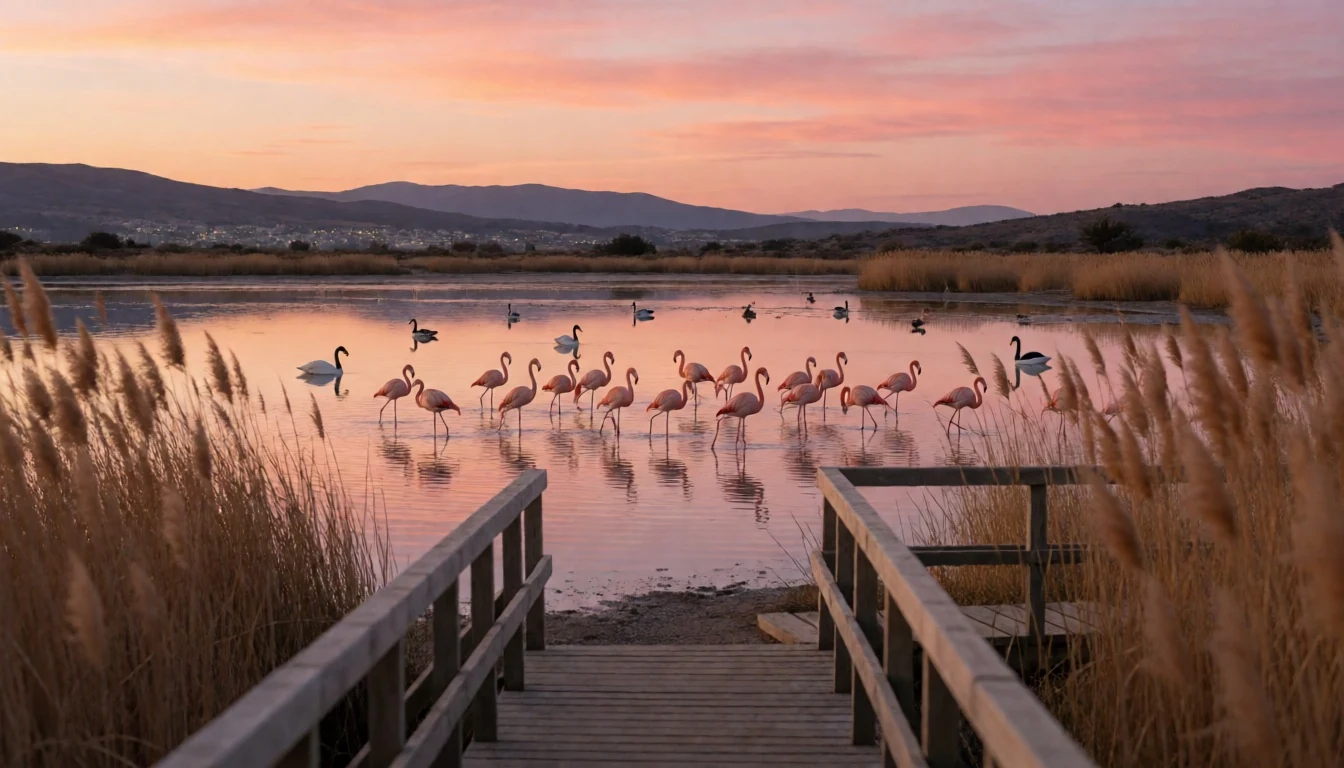
- Glaciarium — Outskirts of El Calafate
A museum built a few kilometres outside town and devoted to glaciers: how they form, how they move, and why they matter. It is a sensible first stop before seeing the real thing, and a good option when the wind or rain makes outdoor plans unappealing.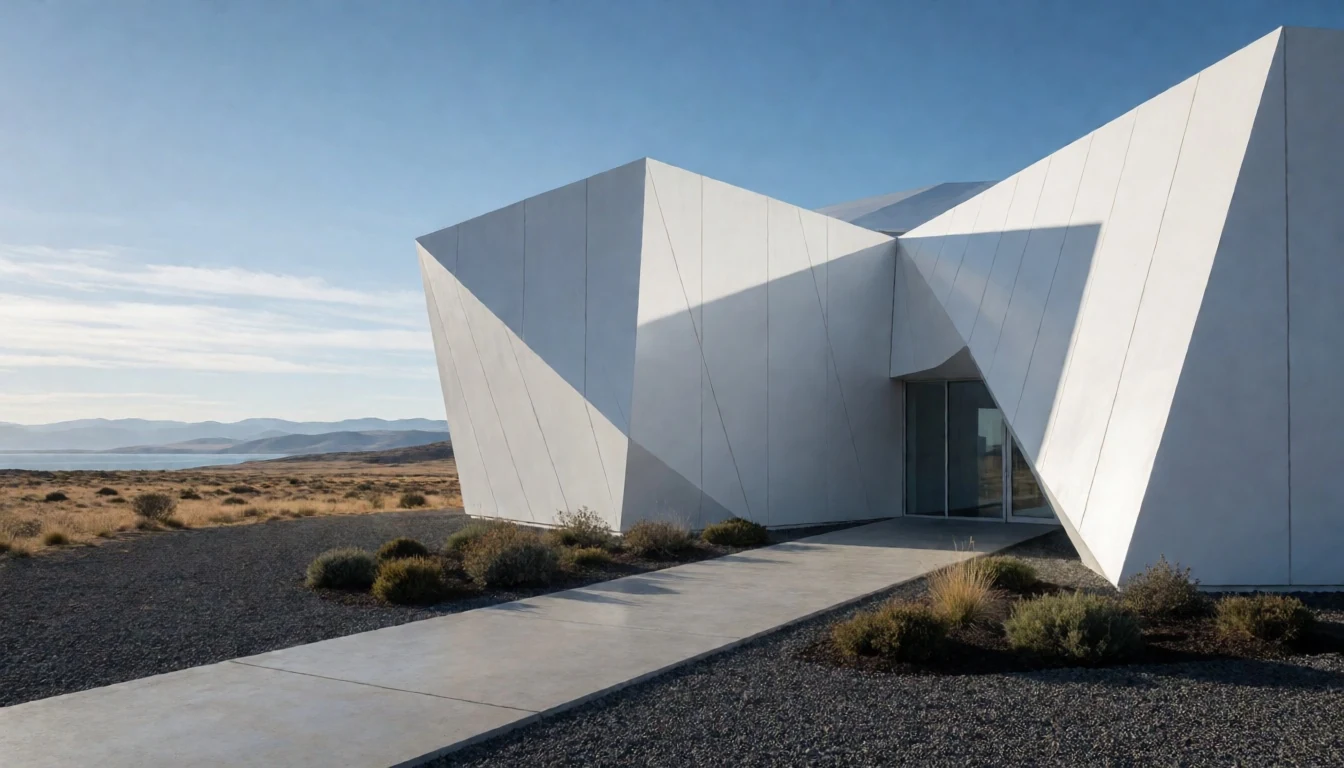
- Laguna Nimez — Edge of town, lakeshore
A short walk from the main street, this lagoon reserve is where birdlife of the steppe and lake can be seen at close range. Dusk is the best hour, with soft light and wind often dropping. It suits an easy first evening after arriving.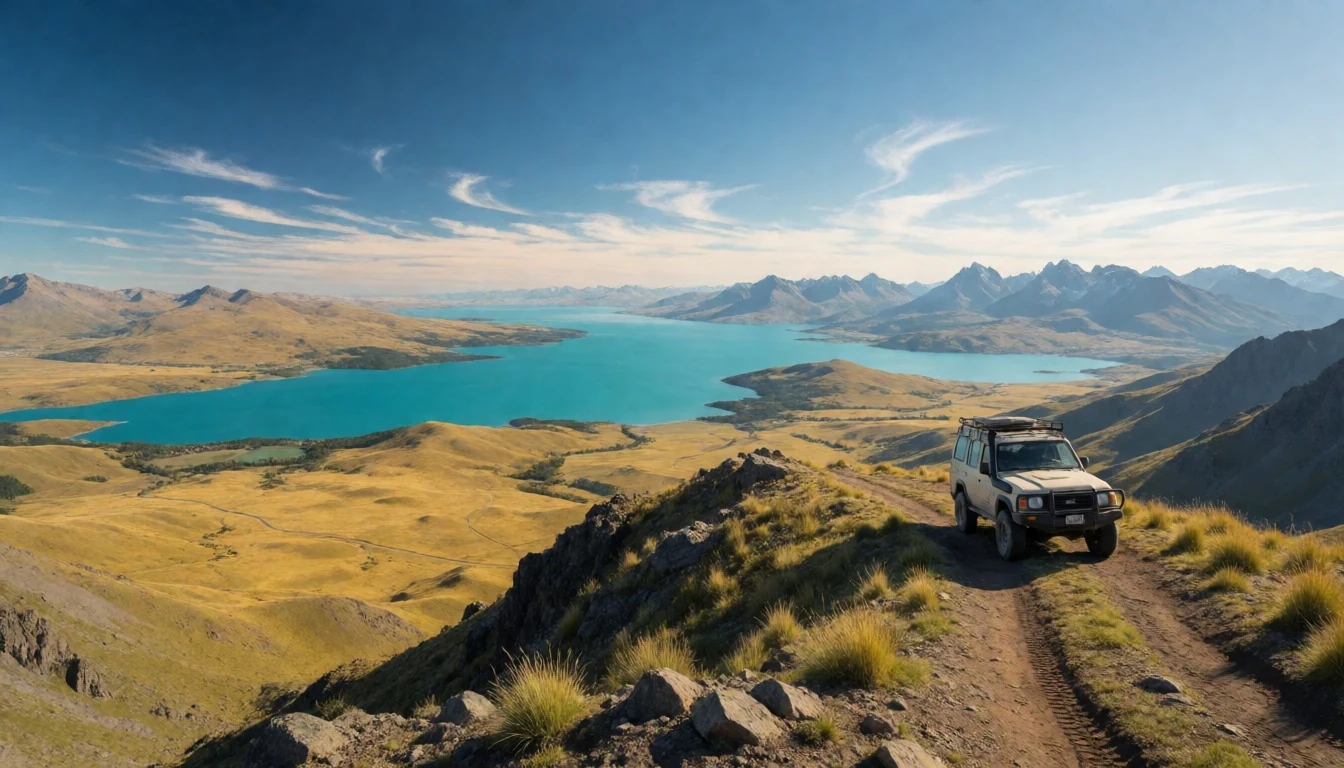
- Cerro Frías viewpoints and 4x4 trips — Hills above El Calafate
Four-wheel-drive excursions climb into the hills above town for wide views over Lago Argentino. On a clear day the horizon can include Fitz Roy and the Torres del Paine. It is a good half-day when the glacier is already done.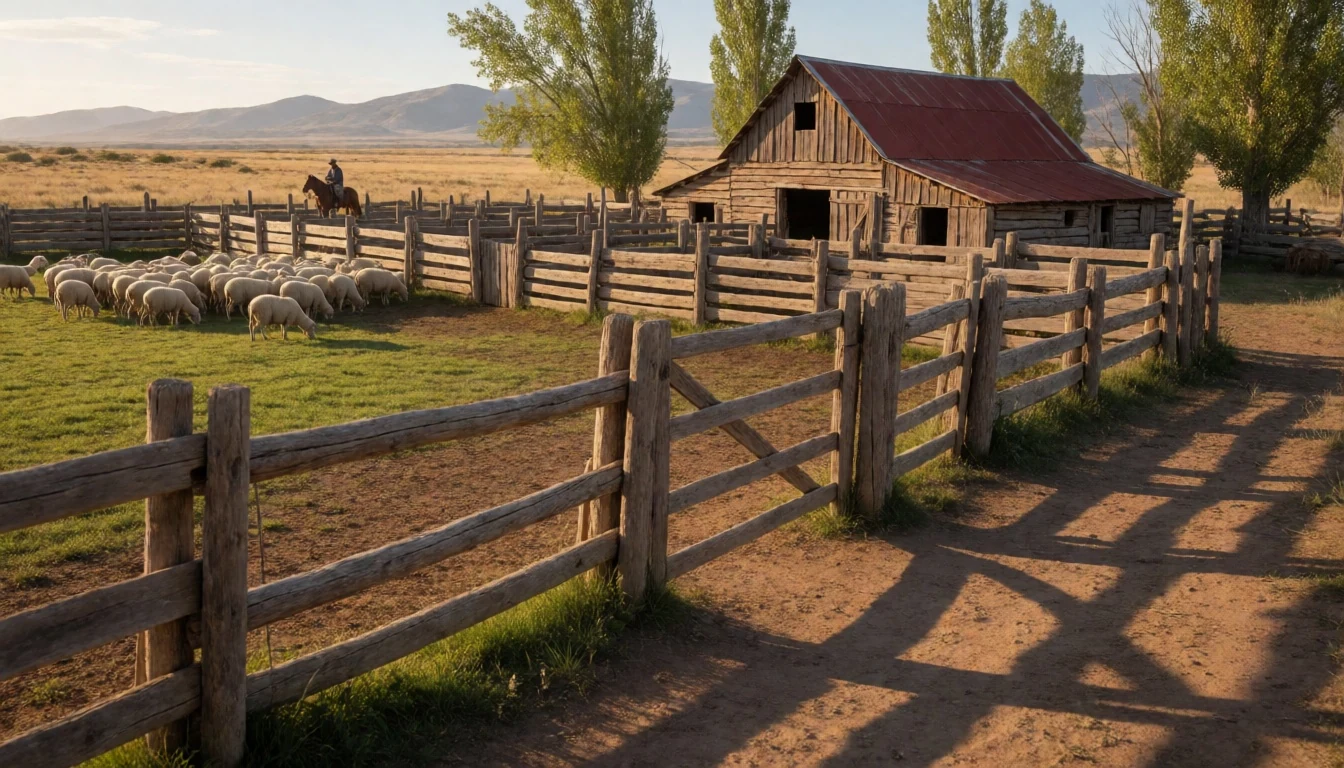
- Estancias and night skies — Countryside around the lake
Several working ranches around the lake welcome visitors for meals, riding and overnight stays. Out here, away from street lights, the night sky is dense with stars. Bring a warm coat and a chair, and let your eyes adjust for a few minutes.
Culture
El Calafate is a young town, so its culture is a blend of Argentine habits and a Patagonian frontier outlook rather than centuries of tradition. The rural heritage comes from the sheep estancias and the gauchos who worked them, and that influence shows in the food, in leather and wool goods, and in the pride locals take in horsemanship. Argentine social life runs late: dinner is rarely before nine in the evening, and the mate gourd, a bitter herbal infusion shared from one cup, is a daily ritual that you may see people carrying even on a walk by the lake. Greetings are warm, and a single kiss on the cheek is common between friends, though visitors can safely stick to a handshake. Many residents have come from elsewhere in Argentina to work in tourism, so the town feels cosmopolitan, with guides, cooks and drivers from across the country and abroad. Football matters, as everywhere in Argentina, and conversations often turn to it. The environment is a shared concern too: the glaciers and the lake are the local livelihood, and respect for the park rules is taken seriously. Rangers expect visitors to keep to marked paths and carry out their rubbish. On the walkways at Perito Moreno, stay on the marked paths and never reach or climb over the barriers for a photograph.
What to wear
El Calafate has no single traditional costume of its own, but the regional dress comes from gaucho life on the Patagonian estancias. That means the wide-brimmed hat or flat beret known as the boina, the baggy trousers called bombachas de campo, a woollen poncho or jacket, a leather belt and sturdy boots. Wool is the key textile, from local sheep, and woven blankets and knitted goods are widely sold. These clothes appear mainly at rural festivals, on ranches and on horseback, rather than in daily town life. What people wear now is practical outdoor clothing: fleeces, windproof shells, jeans or hiking trousers, and boots. In the evening, locals dress a little smarter for dinner, but nothing formal is expected. A visitor should dress for wind and quick changes in weather, even in summer. Wear layers: a thermal base, a fleece, and a windproof, waterproof outer. A warm hat, gloves and a scarf are useful on the glacier walkways and boats, where the air off the ice is noticeably cold. Sunglasses and sun cream matter, since the light is strong and reflected from ice and water. Footwear should be sturdy, with good grip, for gravel paths, wet metal walkways and uneven ground. There are no dress codes for religious sites to worry about in town, and modest everyday clothing is fine anywhere.
What to eat
- Cordero patagónico — Grill restaurants along Avenida del Libertador
Patagonian lamb is the signature dish, usually roasted slowly over an open fire until the meat is tender and smoky. It is served in portions meant for sharing, often with simple potatoes or salad.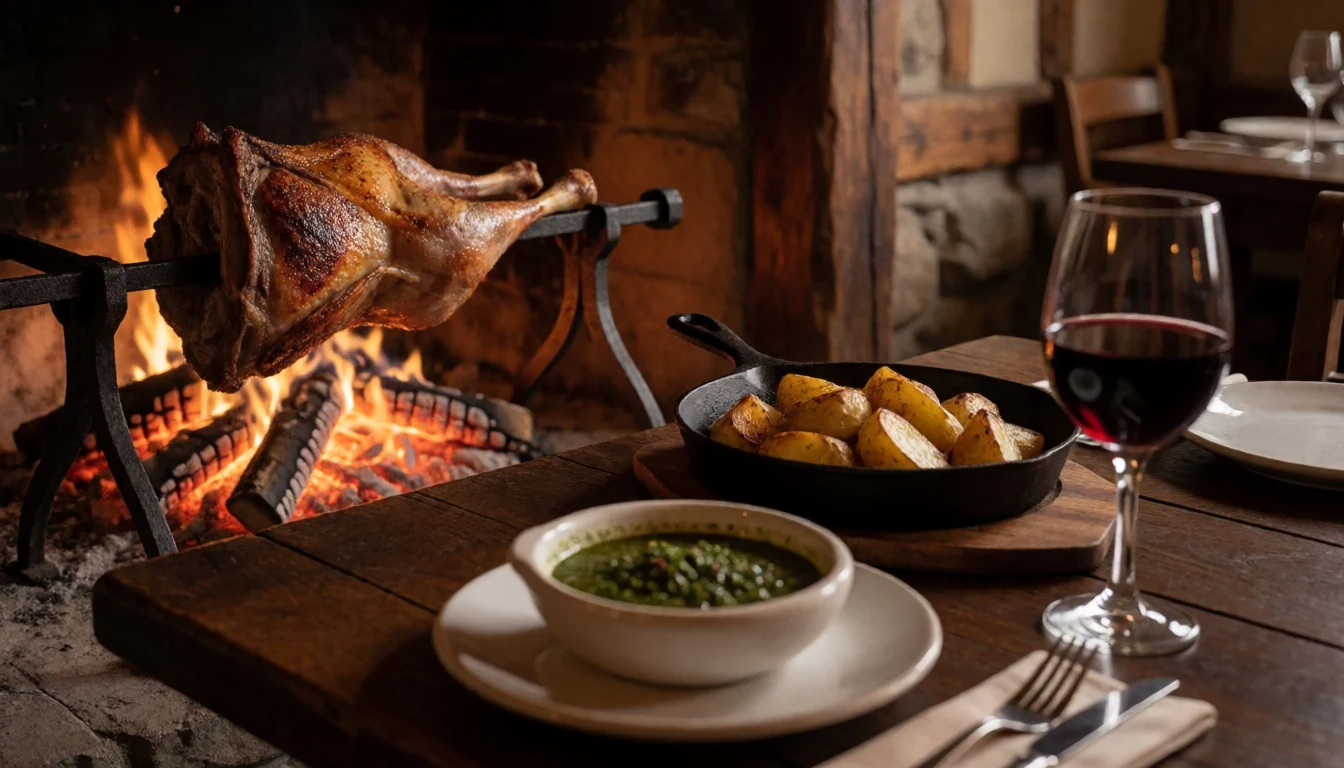
- Asado — Parrillas (grill restaurants) in the town centre
The Argentine barbecue of beef cuts grilled over coals is done well here. Expect a mixed platter of different cuts, sausages and sometimes offal, brought to the table with salad and bread.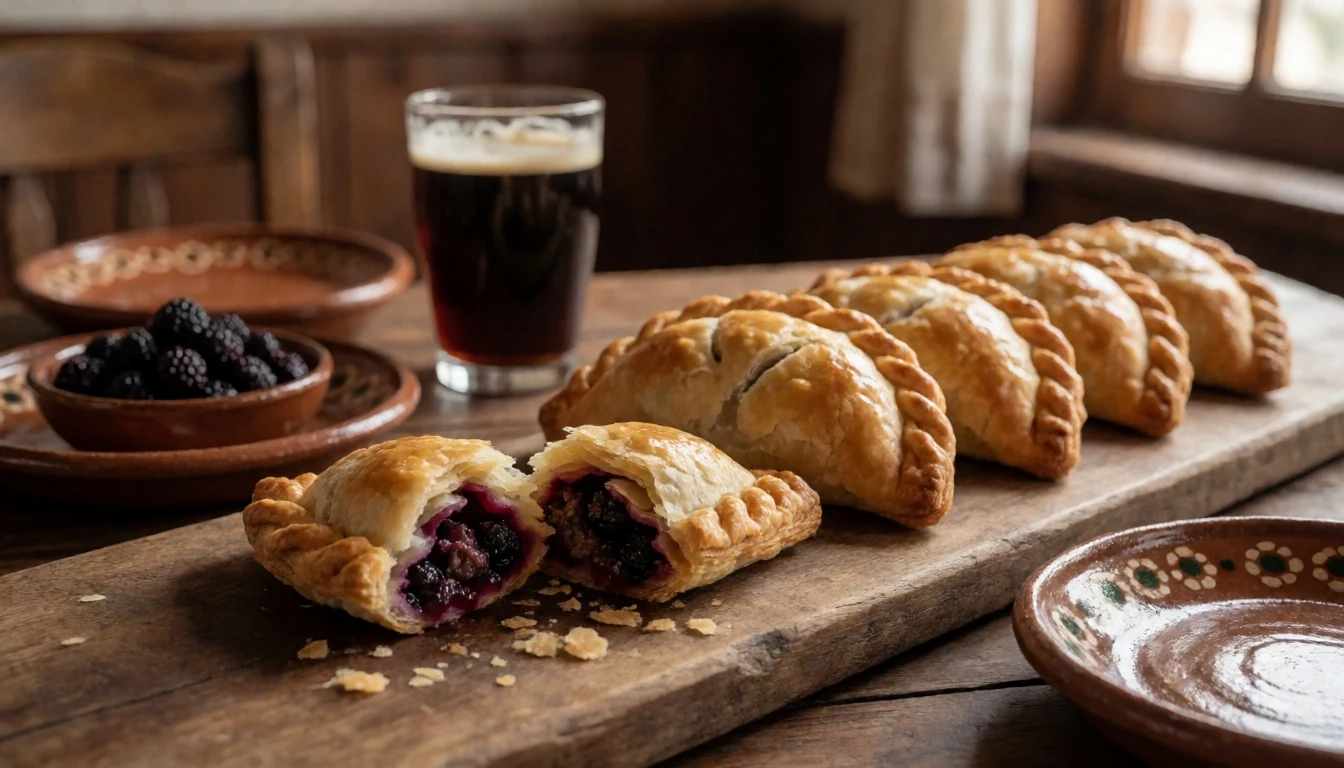
- Empanadas — Pizzerias, bars and small eateries in town
Baked or fried pastry parcels filled with spiced beef, cheese, ham or vegetables. They are cheap, quick and easy to carry on a day trip, which makes them a sensible lunch for a long glacier excursion. - Milanesa completa — Casual restaurants and pizzerias in the centre
A breaded, fried cutlet of beef or chicken, topped with ham, cheese, tomato sauce and often a fried egg. It is a filling, everyday Argentine plate and a good choice after a cold day outdoors. - Bife de lomo relleno — Mid-range restaurants in the centre
Stuffed beef tenderloin, a richer restaurant dish where the steak is filled with cheese or ham and then grilled or pan-cooked. It is generous, so it suits a hungry traveller at the end of the day. - Calafate berry sweets — Ice cream and chocolate shops on the main avenue
The dark-blue calafate berry gives its name to the town and appears in jams, ice cream and liqueurs. Local lore says anyone who eats the berries will return, which shops are happy to repeat.
Plan it
Best time. November to March, when summers are mild and days are long. Weather is changeable and windy, and frost is possible even then. Winter, from May to September, is cold with snow, and some services run less often.
How long. 3–4
Getting there. Fly to El Calafate airport; Aerolíneas Argentinas flies daily from Buenos Aires, and other airlines and seasonal routes also serve the town. Flights fill in peak season, so book early. From the airport it is a short transfer into town, and the glacier is reached by bus, taxi or tour.
Budget. high
Tips
- Book flights and glacier trips well ahead in peak summer
- Carry a picnic and flask for the glacier instead of paying for the on-site restaurant
- On the glacier bus, sit on the left for the best views
- Bring layers and a windproof jacket whatever the forecast
- Check opening details with the official town website, https://elcalafate.gov.ar/, and the park before you go
- Fresh fruit and vegetables are checked on arrival by air, so do not pack them
Etiquette
- Stay on marked paths and walkways in the national park
- Take all rubbish away with you
- Share the mate gourd only if invited, and pass it on when you are done
Nearby
Sources
- Wikidata Q81561 (CC0)
- Wikipedia: El Calafate (rev 1375811710) (CC BY-SA 4.0)
- Wikivoyage: El Calafate (rev 5401581) (CC BY-SA 4.0)
- Libertador Avenue, El Calafate — flopisubmarina (CC BY 2.5)
- El Calafate — Deensel (CC BY 2.5)
- Avenida del Libertador — Alejandro Lopez (CC BY-SA 2.0)
- Perito Moreno Glacier 2023 — Fernando (CC BY-SA 4.0)
- Cerro Frias 4x4 tours — Murgatroyd49 (CC BY 4.0)
- Accommodation in Calafate — Jorge Láscar (CC BY 2.5)
- AR El Calafate 0702 001 — Diego Tirira (CC BY-SA 2.0)
- AR El Calafate 0702 002 — Diego Tirira (CC BY-SA 2.0)


Wildlife
- Chilean flamingo (animal)
Imagine a bird as tall as a small child, standing on long thin legs: that is the Chilean flamingo, a large wading bird that looks lighter in colour than its famous relatives. Find it in the sheltered wetland of Laguna Nimez Reserve, by Lake Argentino and close to the centre of El Calafate. The notes do not say when it visits, so ask locally. Stay far back, keep your voice low, follow a guide, and never feed it.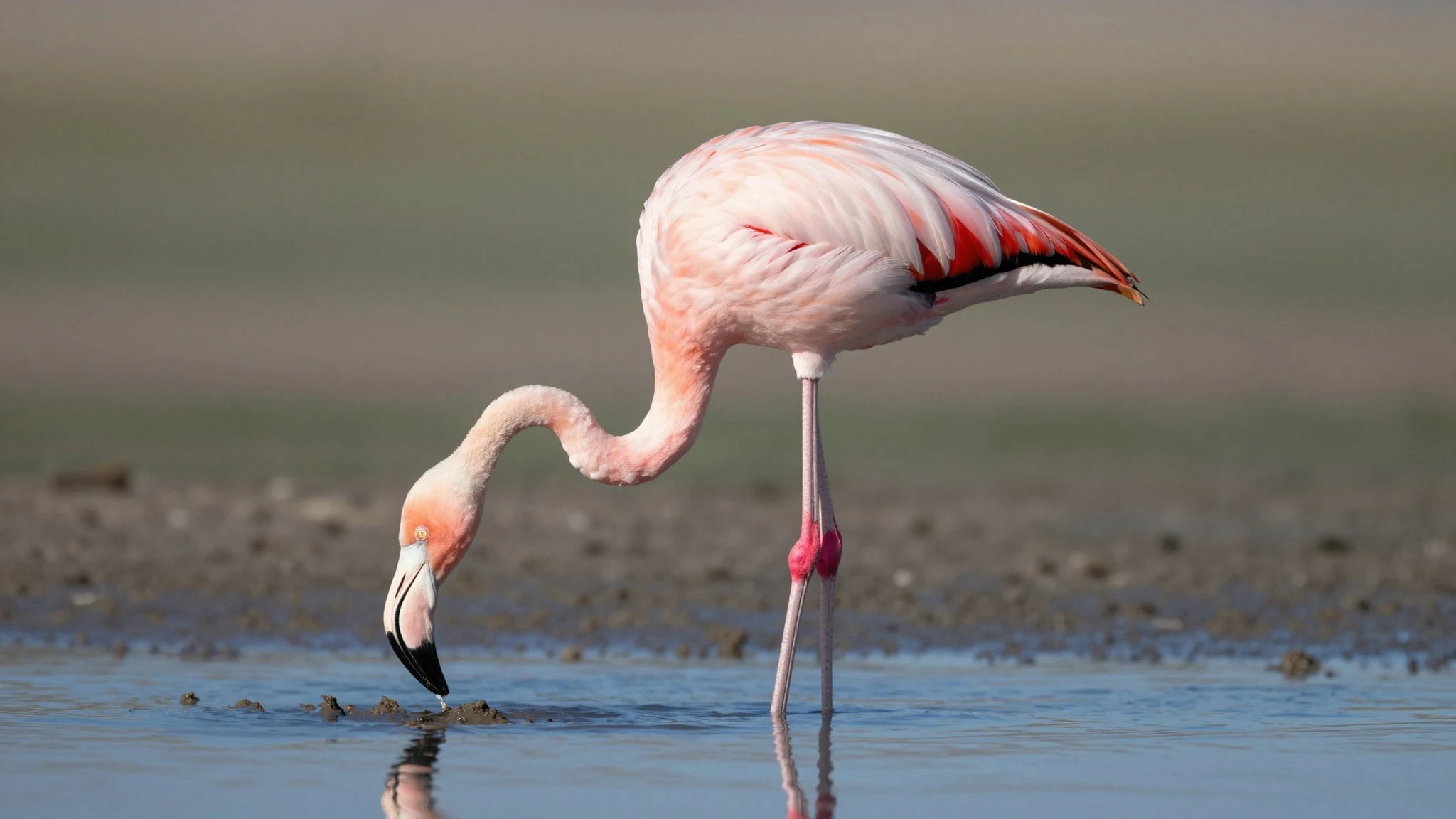
- Chilean flamingo (bird)
Imagine a bird as tall as a small child, standing on long thin legs: that is the Chilean flamingo, a large wading bird that looks lighter in colour than its famous relatives. Find it in the sheltered wetland of Laguna Nimez Reserve, by Lake Argentino and close to the centre of El Calafate. The notes do not say when it visits, so ask locally. Stay far back, keep your voice low, follow a guide, and never feed it. - Black-necked swan (animal)
A black-necked swan is a big white waterbird with a dark neck, and it is the largest waterfowl native to South America. In El Calafate, you may spot swans at Laguna Nimez Reserve, a protected wetland along Lake Argentino, only a short walk from the town centre. The notes do not tell us the season or time of day, so ask at the reserve. Give the birds plenty of space, stay calm and quiet, and go with a guide. Never feed them. - Black-necked swan (bird)
A black-necked swan is a big white waterbird with a dark neck, and it is the largest waterfowl native to South America. In El Calafate, you may spot swans at Laguna Nimez Reserve, a protected wetland along Lake Argentino, only a short walk from the town centre. The notes do not tell us the season or time of day, so ask at the reserve. Give the birds plenty of space, stay calm and quiet, and go with a guide. Never feed them.