Cafayate
Cafayate, Argentina
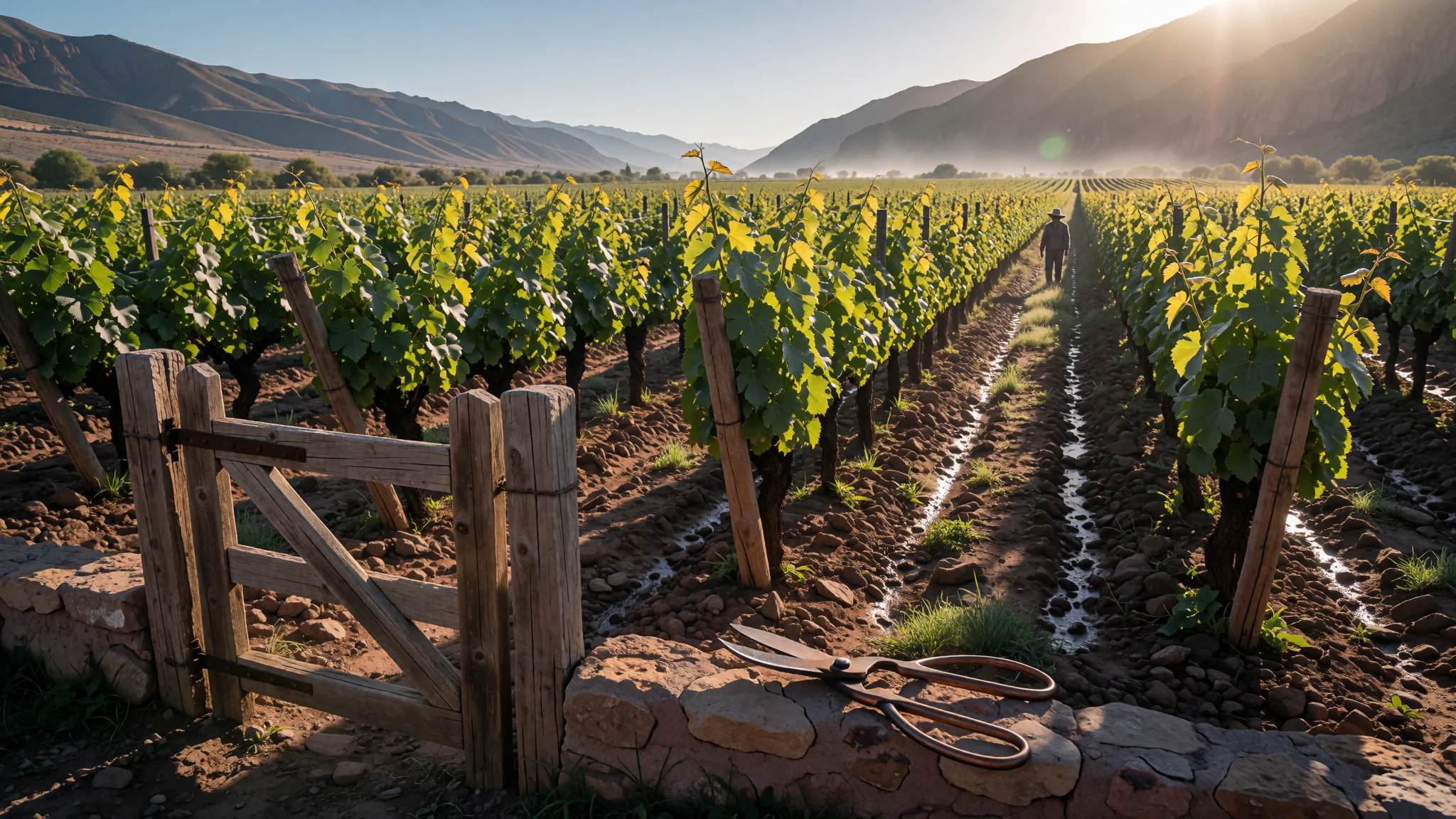
Surrounded by high-altitude vineyards and dramatic desert canyons, Cafayate offers world-class wine tasting and deep indigenous heritage in northern Argentina.
The place
Nestled in the central zone of the Valles Calchaquíes, Cafayate sits high above sea level in the province of Salta, Argentina. The settlement occupies a dramatic valley where the Andean foothills meet wide, sun-drenched river plains, creating a microclimate entirely unalike the rest of the country. Rows of lush green vines trace the valley floor, fed by glacial meltwater and nurtured by intense, unfiltered mountain sunshine. Unlike the frantic pace of larger Argentine urban centres, this tranquil community maintains a slower rhythm of life centred around leafy public squares, adobe-walled lanes, and traditional wine cellars. Travellers arrive here to escape the lowland heat, wander among aromatic grapevines, and explore the striking red-rock canyons that carve through the surrounding landscape. The air is remarkably crisp, dry, and thin, reminding every visitor of the notable elevation. Days are warm and bright, while evenings bring a sudden, refreshing chill that rolls down from the peaks. The town itself serves as the undisputed hub for travellers venturing deeper into the valleys, offering cosy guesthouses, welcoming bodegas, and easy access to ancient historical ruins. Whether you spend your hours cycling between tasting rooms or simply sitting in the plaza watching local life unfold, Cafayate provides an authentic slice of Andean foothill culture far removed from metropolitan noise.
Its story
The history of Cafayate is deeply rooted in ancient indigenous resistance and subsequent colonial transformation. Long before European settlers arrived, the wider Calchaquíes valleys were home to resilient Andean populations who farmed the arid terraces and defended their autonomy fiercely against outside empires. Most notably, the indigenous inhabitants successfully resisted Inca expansion and later held off Spanish conquistadors for generations during prolonged colonial conflicts. Eventually, the surviving populations were displaced, and the land shifted into Spanish hands. Modern Cafayate was officially established in the mid-nineteenth century at the site of an older religious mission. Manuel Fernando de Aramburu laid out the foundational settlement, and within decades, the locality was designated as the administrative capital of its own departmental district. Winemaking quickly became the economic and cultural heartbeat of the community, driven by European immigrants who recognised the unique potential of the high-altitude soil and intense sun. Winemakers planted distinctive grape varieties that adapted exceptionally well to the local terroir, transforming a remote agricultural outpost into a celebrated viticultural destination. Today, the town honours its complex heritage by preserving traditional adobe architecture alongside its celebrated wine cellars, ensuring that the memory of both indigenous resilience and immigrant enterprise remains visible in every corner of the valley.
What to see
- Central Plaza — Town centre
The leafy central plaza of Cafayate serves as the social heart of the community. Shaded by mature trees and surrounded by low-rise colonial buildings, it offers a peaceful space to stroll, observe daily life, and visit the nearby tourist information office for essential regional updates.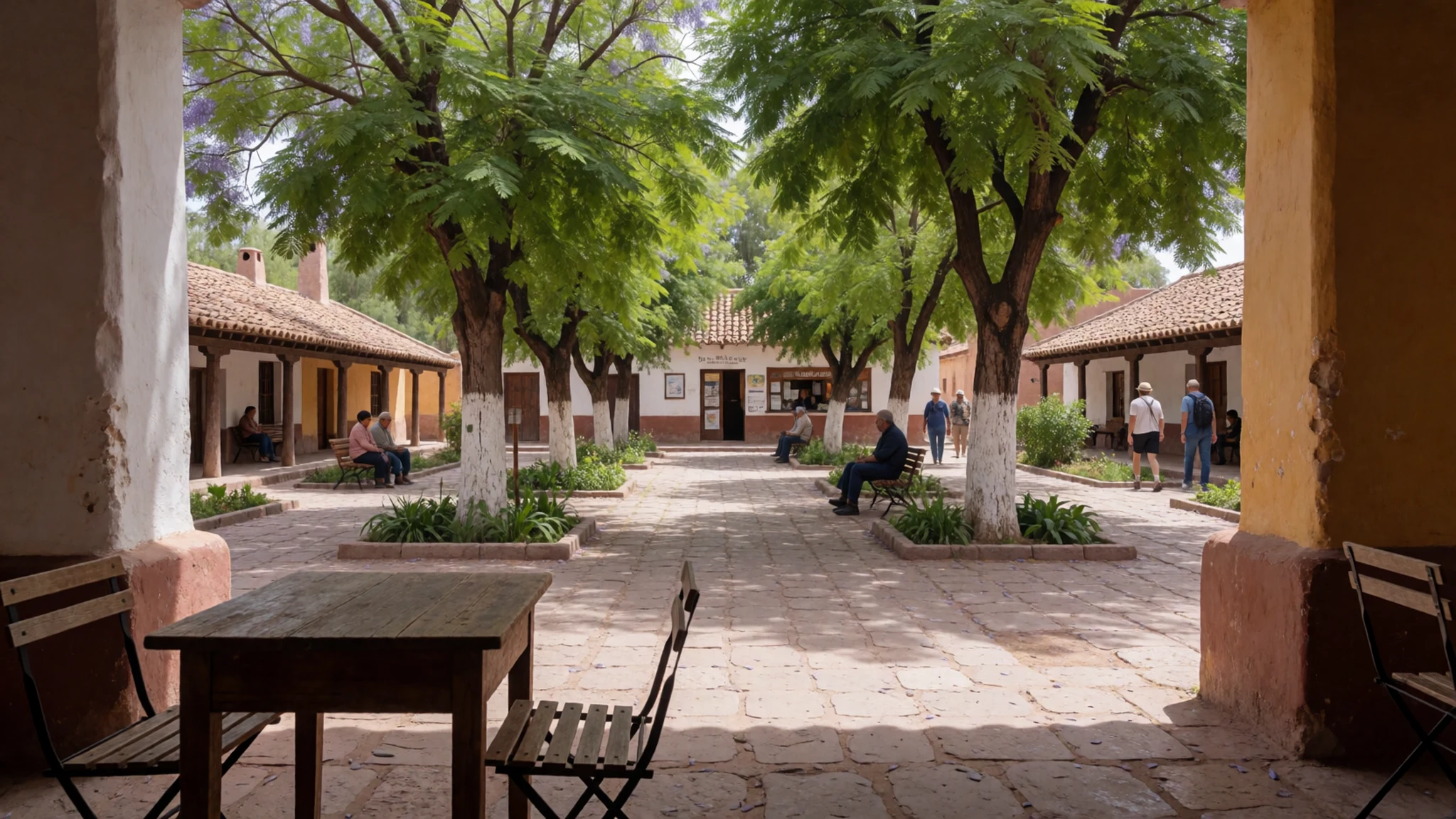
- Quebrada de Cafayate — Southern approach along the valley
This striking corridor of wind-carved red sandstone formations stretches along the highway leading into town. Striking geological features like the Amphitheatre and the Garganta del Diablo display layers of vibrant colour sculpted over millennia by fierce desert winds and flash floods.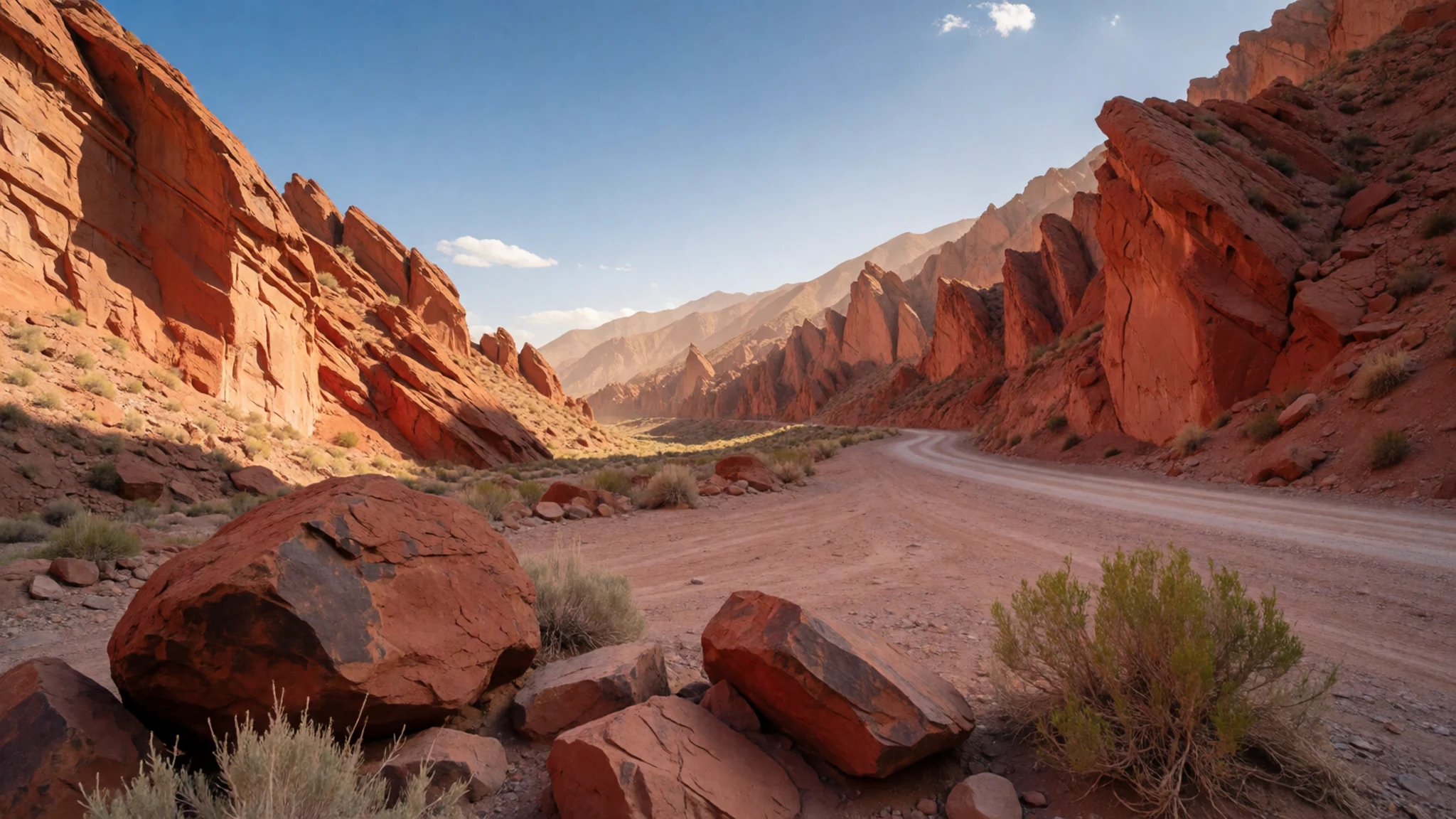
- Local Wineries and Bodegas — Surrounding valley and outskirts
Scattered across the valley floor and within walking distance of the town centre, numerous wineries specialise in high-altitude viticulture. Visitors can tour traditional cellars, learn about drip irrigation systems, and sample distinctive regional vintages produced in the shadow of the mountains.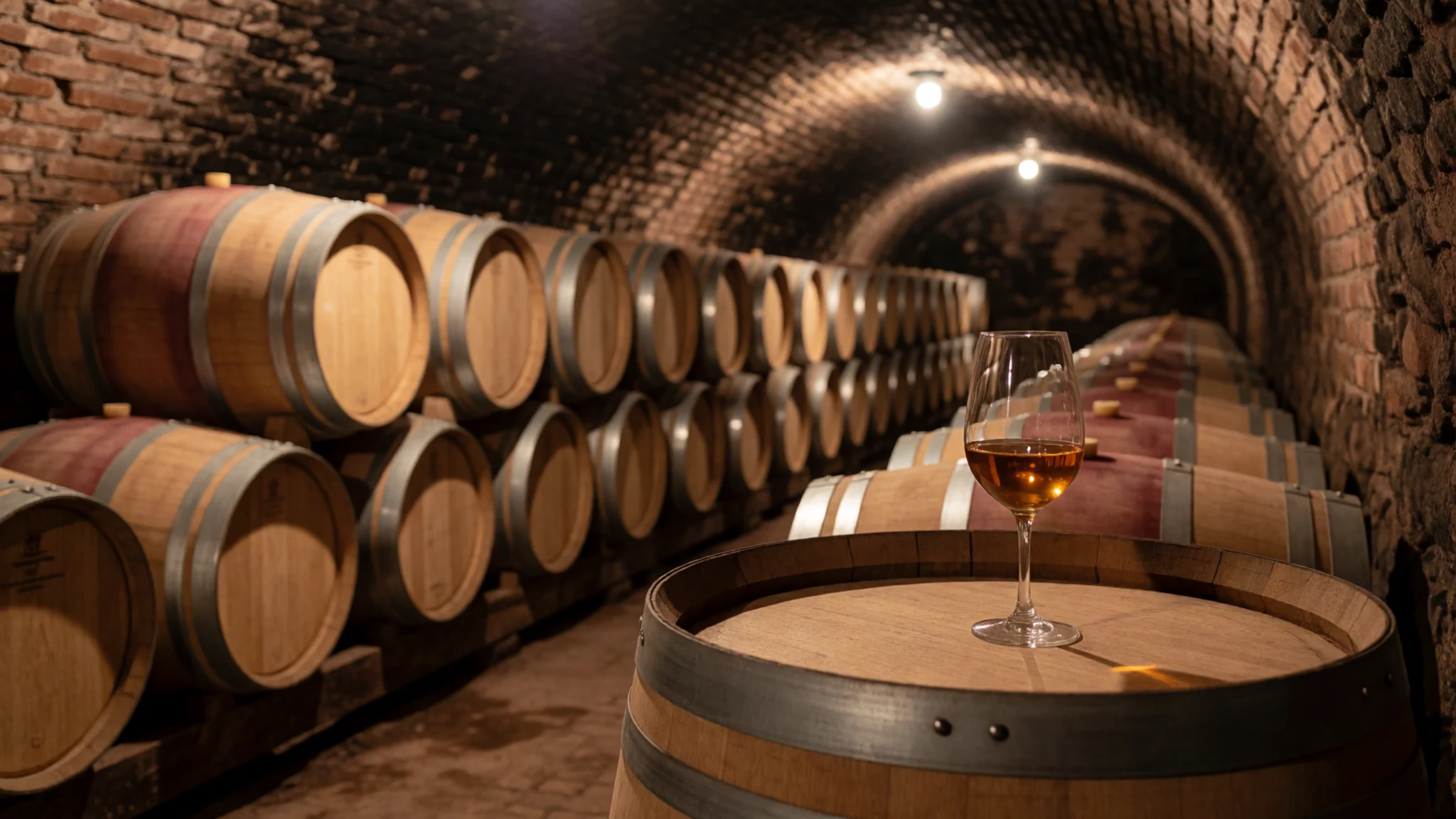
- Las Cascadas del Río Colorado — Southwest of town
Located a short distance southwest of the settlement, this rugged trail leads hikers past several desert waterfalls and hidden caves. The route requires walking with a local guide due to the complex terrain and remote nature of the canyon environment.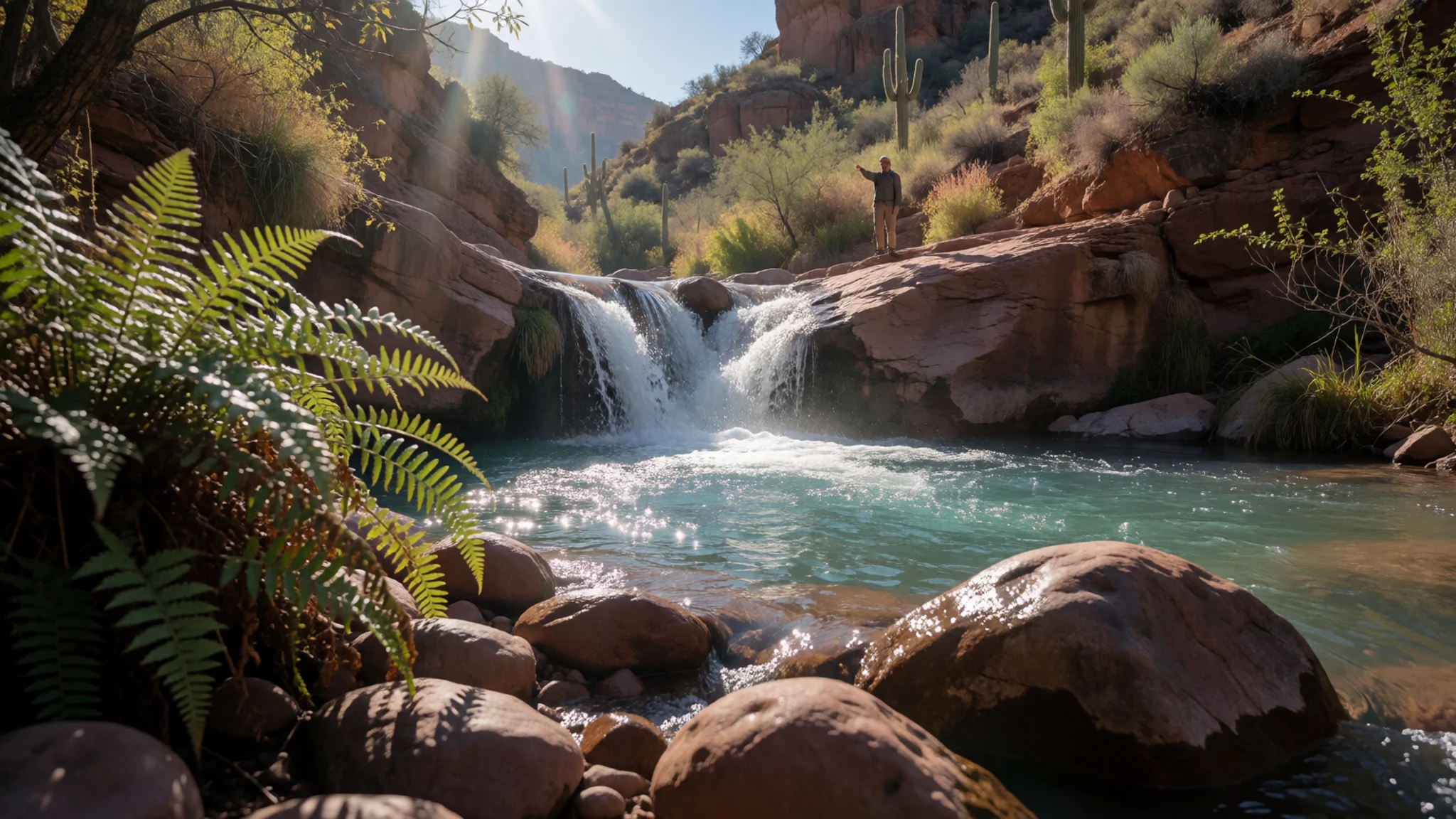
- Ruins of Quilmes — Valles Calchaquíes valley
Situated further afield in the broader valley, these extensive archaeological ruins mark the ancient fortified settlement of indigenous peoples who resisted foreign domination for generations. Stone foundations and agricultural terraces climb the hillside, offering a powerful window into pre-colonial life.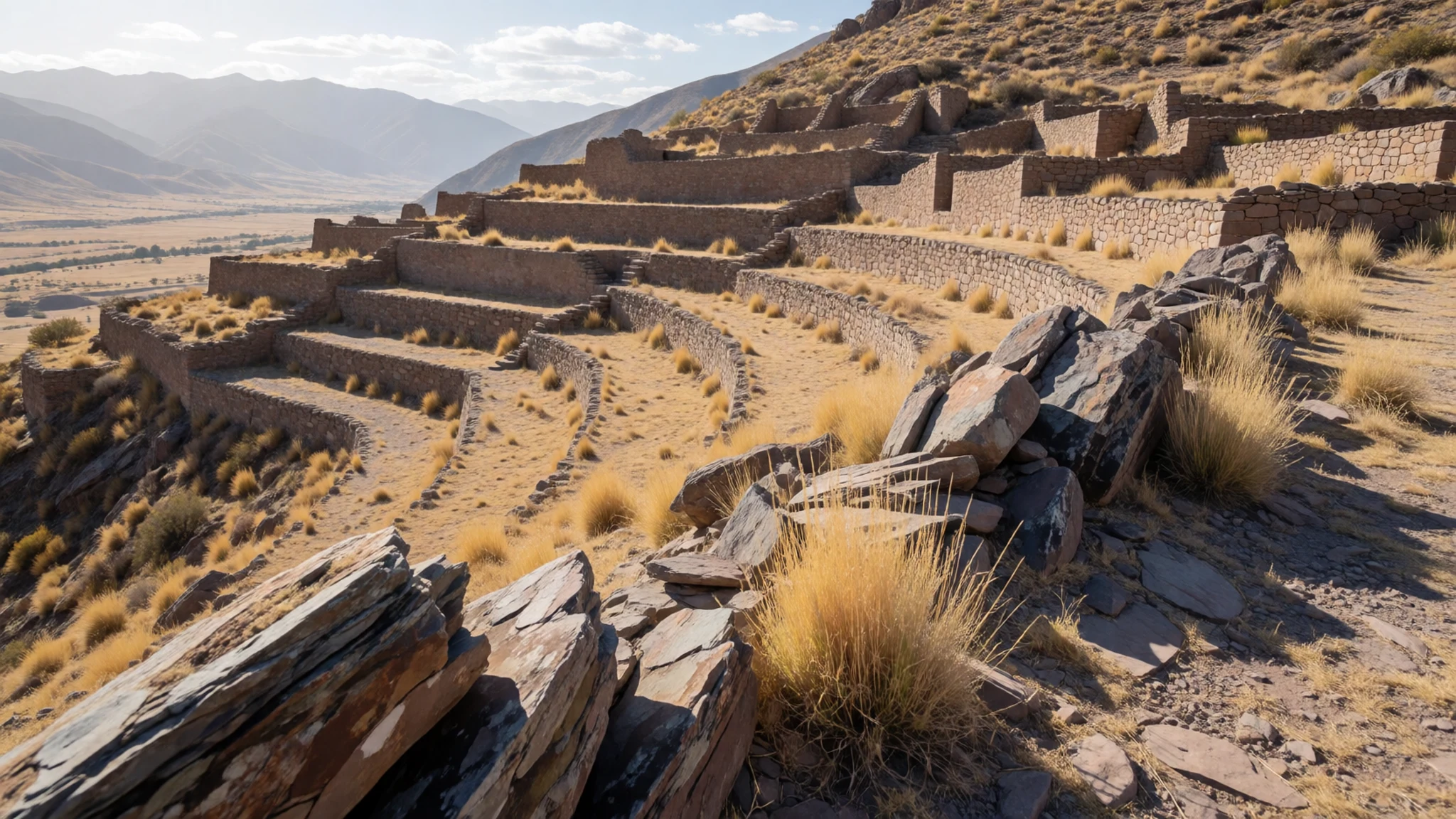
Culture
Cafayate lives and breathes the slow-paced, warm-hearted rhythm of northern Argentina. The local culture is a rich blend of indigenous Andean traditions and Spanish colonial customs, visible in everything from folk music gatherings in local peñas to the artisanal crafts sold around the main square. Traditional folk music, played on charangos and acoustic guitars, fills the evening air as locals and visitors gather to share stories over glasses of regional wine. People here are exceptionally welcoming, taking time to greet neighbours and strangers alike with genuine warmth. Afternoon rest periods remain common, and shops often close during the hottest hours of the day. Respect local customs by greeting shopkeepers and hosts politely upon entering any establishment, and always ask permission before taking photographs of residents in traditional attire.
What to wear
In Cafayate, traditional dress reflects the practical needs of life in a high-altitude desert and wine region. Historically, local artisans and agricultural workers wore sturdy woolen ponchos, wide-brimmed hats to shield against intense UV rays, and durable leather boots suited for rocky valley terrain. These traditional textiles, spun from local sheep and llama wool, remain prized for their craftsmanship and warmth during chilly desert nights. Today, everyday wear in town is casual, practical, and unpretentious. Locals and visitors alike dress in comfortable layers, opting for breathable cotton shirts, denim, and sturdy walking shoes or trainers suitable for dusty streets and uneven vineyard paths. Because the sun is exceptionally strong during the day and temperatures drop sharply after sunset, visitors should always pack a lightweight windbreaker, a warm fleece or jumper, sunglasses, and a wide-brimmed hat. Modesty norms are relaxed, but neat, casual attire is appreciated when visiting local churches or dining in traditional restaurants.
What to eat
- Empanadas Salteñas — Local corner bakeries and traditional eateries
These hand-carved meat pastries are smaller and juicier than their counterparts in other regions, baked in clay ovens with potatoes, spring onions, and local spices. They are easily found at small neighbourhood eateries and rustic roadside kitchens throughout the valley.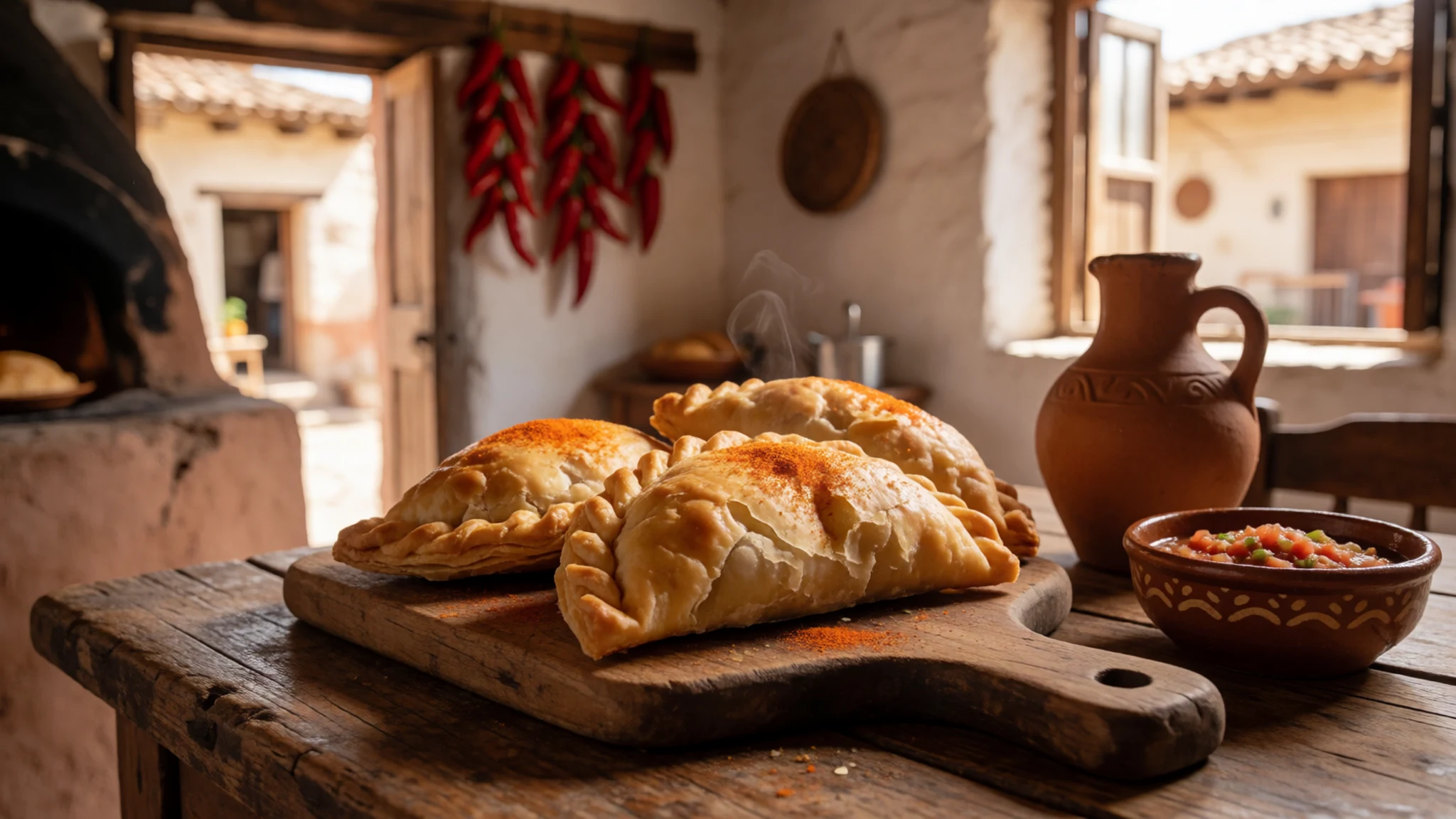
- Tamales and Humitas — Traditional market stalls and downtown cafes
Corn-based regional staples wrapped and boiled in corn husks. Tamales feature seasoned minced meat, while humitas consist of sweet, creamy ground corn mixed with cheese and onion, served hot at family-run cafes around the main square.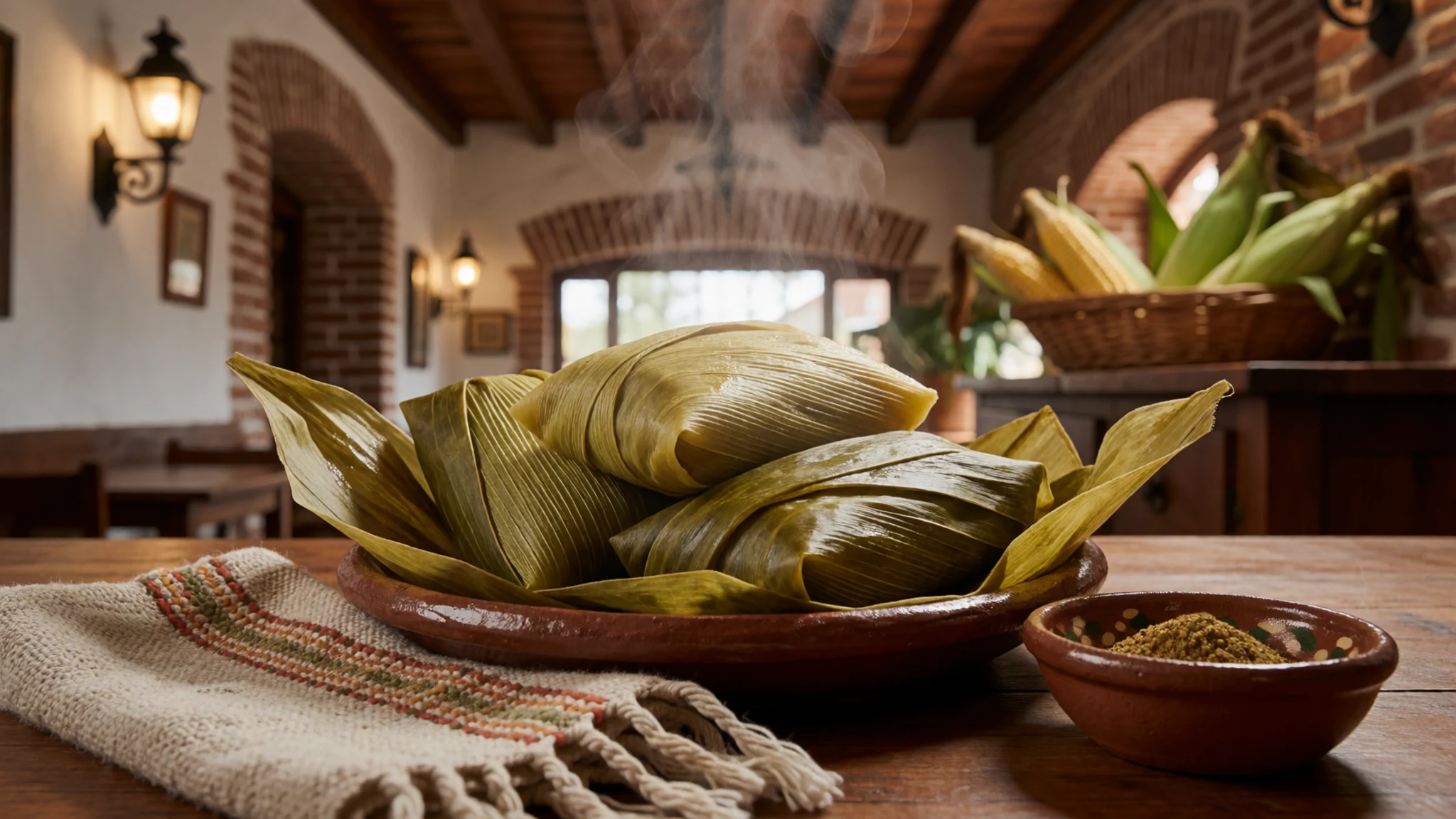
- Wine Ice Cream — Gelato shops along the main highway through town
A creative local specialty that transforms the valley's famous grape varieties into refreshing frozen desserts. Creamy and distinct, these unique ice creams can be sampled at specialty gelato shops located along the main thoroughfares. - Machacha — Quirky neighbourhood bars near the centre
A traditional northern dish featuring shredded, sun-dried meat cooked with peppers, onions, and spices. It is served in rustic, eclectic local bars that double as antique shops filled with regional bric-a-brac.
Plan it
Best time. March to April offers pleasant autumn weather and grape harvest festivities, while October to November brings blooming spring flowers and clear skies before summer rains begin.
How long. 2–3
Getting there. Arrive by long-distance bus or private remis from Salta City via the scenic mountain highway, navigating the winding gorge roads that lead into the valley.
Budget. mid
Tips
- Carry cash for small shops, rural buses, and independent market vendors as card machines are not always available.
- Drink plenty of water and take it easy on your first day to adjust to the high elevation.
- Book vineyard tours in advance during the peak harvest months to secure your spot.
- Wear high-factor sunscreen and a hat, as the mountain sun is exceptionally intense.
- Check local weather and road conditions with the tourist office if travelling during the summer rainy season.
Etiquette
- Greet shopkeepers and locals politely with a warm 'buenos días' or 'buenas tardes' before asking questions.
- Ask permission before photographing local residents or indigenous artisans.
Nearby
Sources
- Wikidata Q1025501 (CC0)
- Wikipedia (rev 1374161196) (CC BY-SA 4.0)
- Wikivoyage (rev 5298152) (CC BY-SA 4.0)