Campo de Piedra Pómez
Campo de Piedra Pómez, Argentina
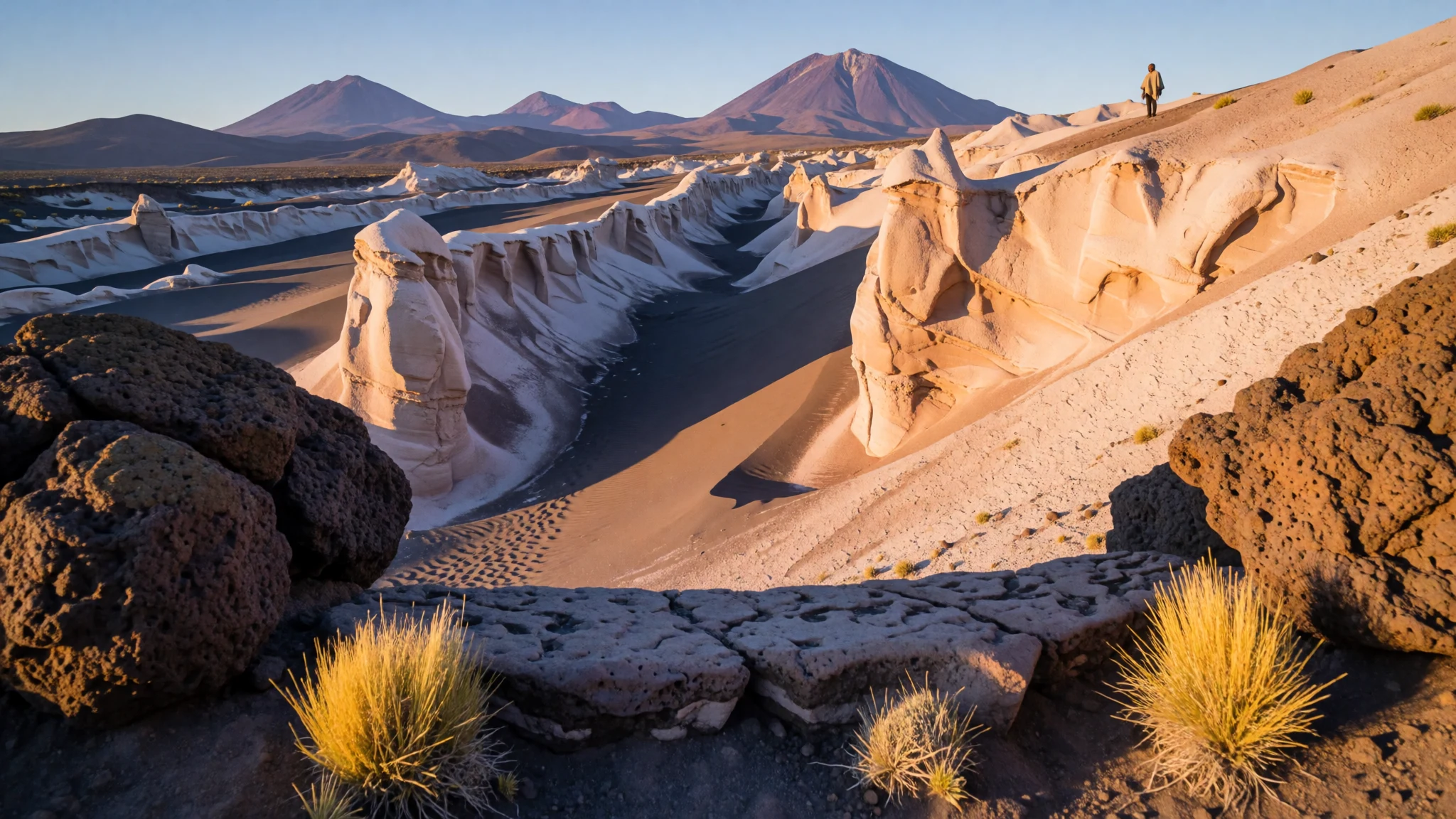
Campo de Piedra Pómez is a high Andean desert of white pumice, shaped by wind into waves and sculpted rocks, far from any crowd.
The place
Campo de Piedra Pómez sits in the north-west of Argentina, in Catamarca Province, on the southern edge of the Puna, the high, dry plateau of the Andes. The wider volcanic complex is known as Cerro Blanco, "White Hill", and the Smithsonian lists it under the name Robledo. The listed elevation is about 4,400 m, so everything here happens in thin air, under strong sun and with hard wind.
What visitors come for is a pale plain of pumice and volcanic ash, hardened into a rock called ignimbrite. Wind has worked on it for a very long time. It has carved mushroom-shaped pillars, hollows, small arches and smooth white domes, and it has heaped sand and gravel into long wave-like ripples. Geologists have compared the largest of these ripples with ones seen on Mars.
The landscape is open and almost without shade. Vegetation is sparse, low and bushy, thicker only where hot springs or damp ground allow it. Rain is scarce, and the air is dry enough to preserve volcanic deposits that would long ago have vanished in a wetter place.
The nearest base is Fiambalá, to the south, with Antofagasta de la Sierra to the north. A provincial road between them passes the volcano, and tracks lead off it into the pumice. There are no big facilities at the field itself. Nights are cold, days are bright, and the sense of distance is a large part of the appeal.
Its story
Campo de Piedra Pómez is the product of a volcano that has erupted again and again. The Cerro Blanco complex is a cluster of nested calderas, the collapsed bowls left when a magma chamber empties, and volcanic activity here goes back millions of years. Each major eruption laid down thick sheets of ignimbrite, a rock made of hot ash and pumice that fell, flowed and then welded or settled into place.
The white field itself comes from an eruption tens of thousands of years ago. After that, the climate did the rest. The region lies in what geographers call the Andean Arid Diagonal, a belt between two rainfall systems, and it also sits in the rain shadow of the mountains. Moisture from the Amazon rarely gets across. With so little water, the soft pumice was never washed away; instead it was sanded and sculpted by wind, season after season.
A much larger eruption followed some four and a half thousand years ago, in the Bronze Age by Old World reckoning. Scientists rate it as the biggest known in the Central Andes, ejecting about 170 cubic kilometres of material and forming the most recent caldera. The volcano has been quiet since, though the ground still shows slight movement and there is geothermal heat. Authorities regard it as a hazard for communities to the south if it ever woke again.
Old mining workings are scattered around the area, a reminder that people have long worked this harsh country. The field's best-known features, though, are natural: a geology lesson in white, written by fire and then edited by wind.
What to see
- The pumice plain — Catamarca Province, near the road between Fiambalá and Antofagasta de la Sierra
The main field is a broad pale expanse where wind has cut pillars, bowls and rounded boulders from the ignimbrite. Walk slowly among the formations rather than hurrying to one viewpoint; the shapes change as the light moves. Early and late sun brings out the texture and softens the glare.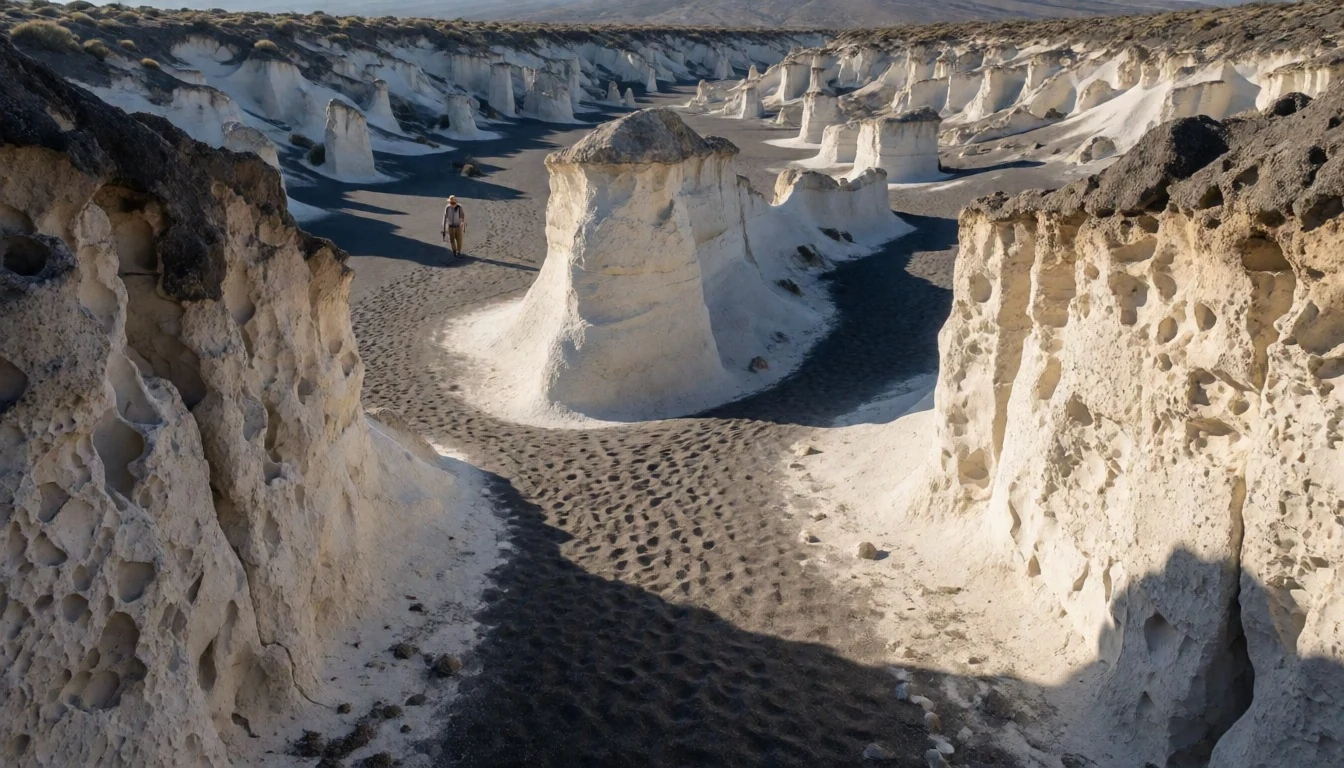
- Giant ripple fields — Ignimbrite fields around Cerro Blanco
Parts of the volcanic plain carry huge wave-like ripples of gravel and sand, pushed into shape by wind over a long time. They reach more than two metres high and are widely spaced, so they read best from a slight rise, where the repeating pattern becomes clear.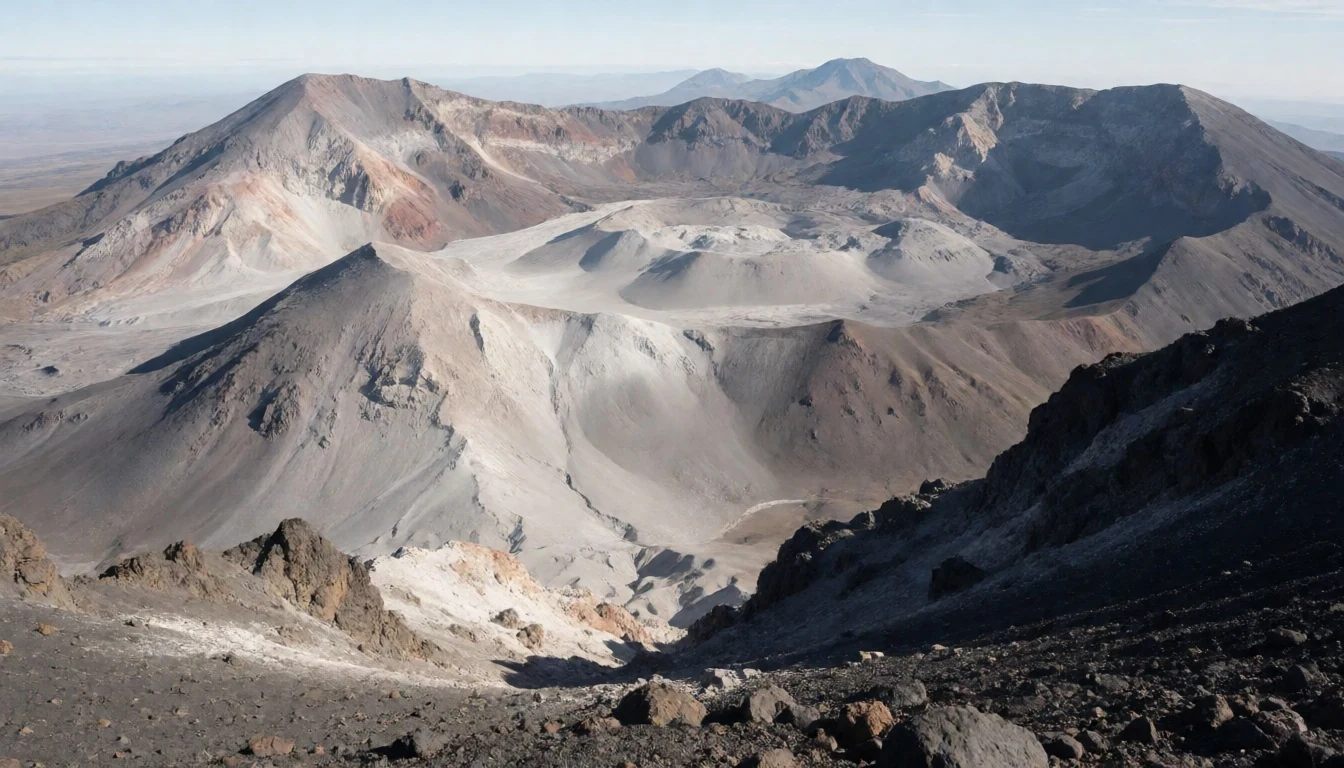
- Cerro Blanco caldera complex — Southern margin of the Puna
The volcano behind the field is a set of nested calderas with lava domes at the edges. It is hard to read from the ground, but the satellite image shows the pale plain clearly against darker rock. Seeing both helps explain why the white field exists at all.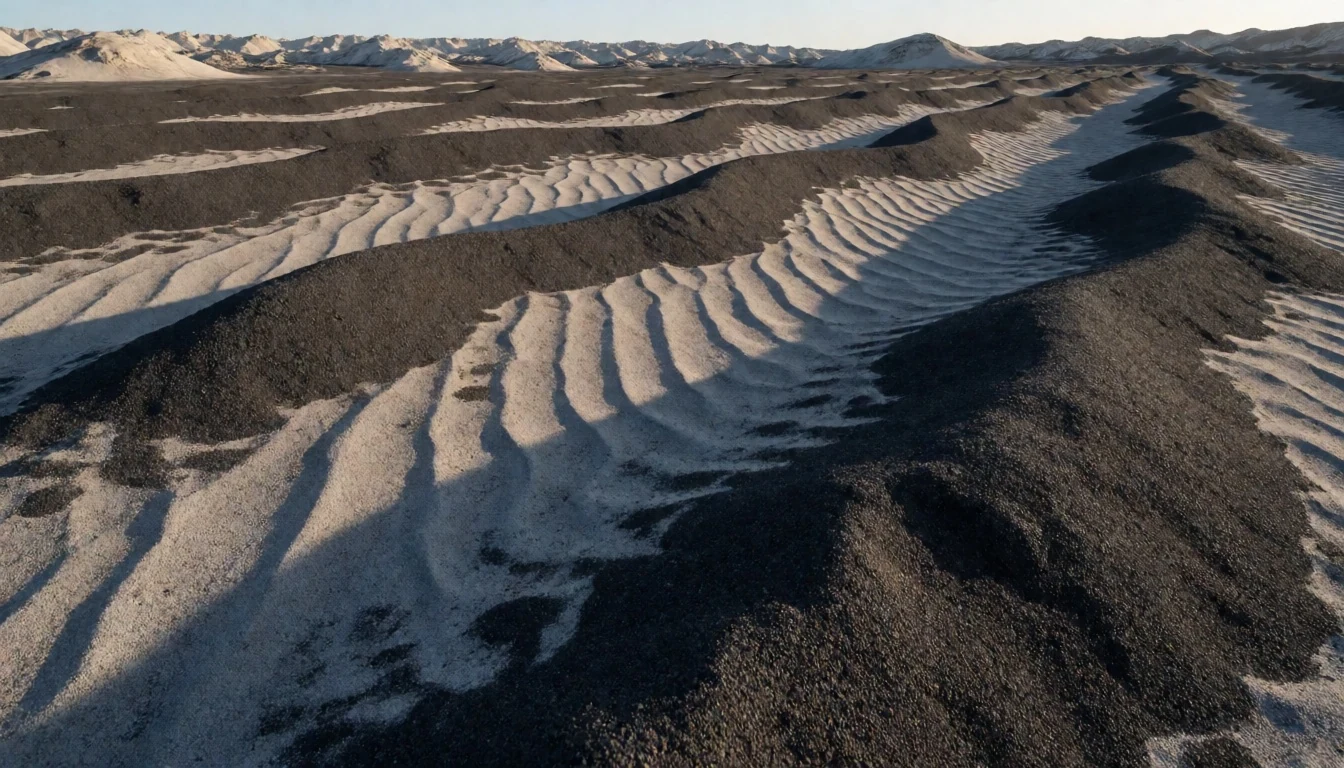
- Starry night sky — Anywhere on the plain, away from vehicles' lights
With thin air, a dry climate and almost no light pollution, the night sky here is striking, with cactus silhouettes against the stars. It is bitterly cold after dark, so go with a guide or a group, bring a head torch, and do not wander far from the vehicle.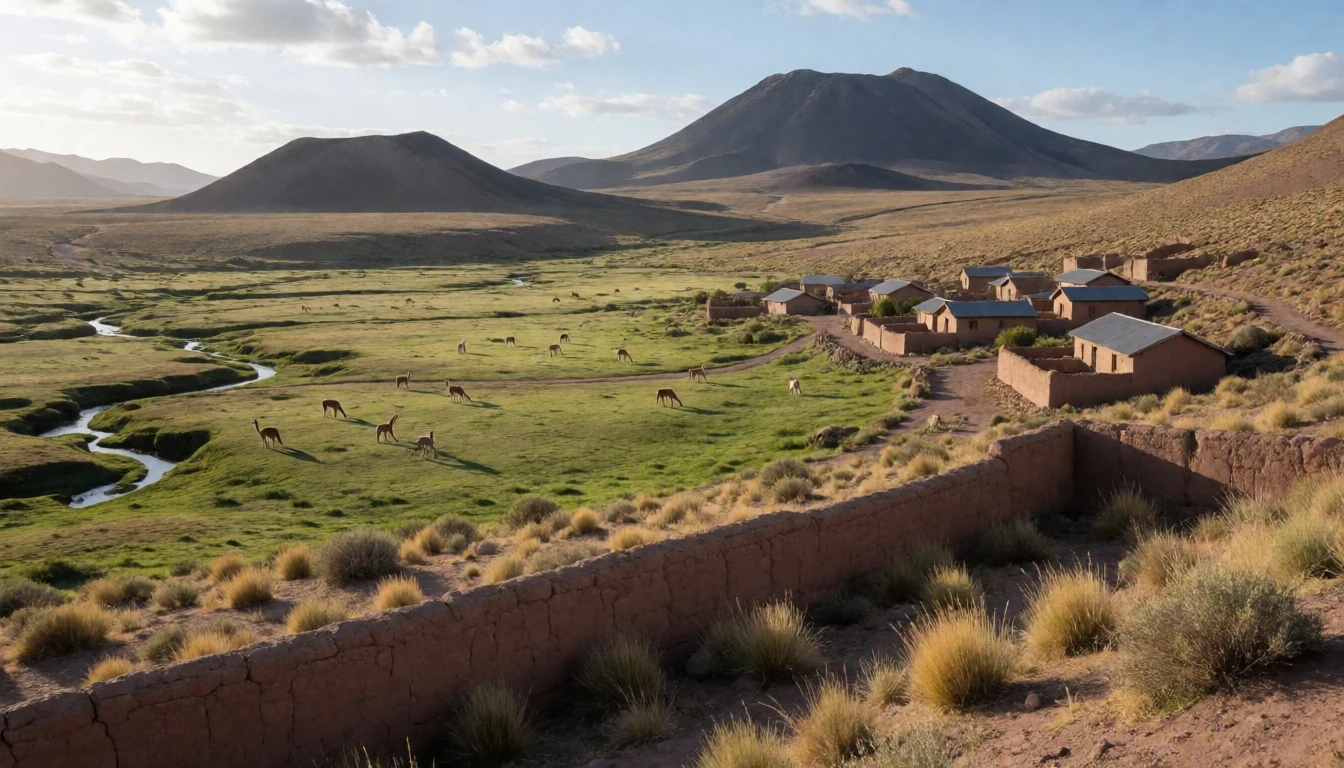
- Mountain villages and hot springs — Fiambalá and Antofagasta de la Sierra areas
Small pueblos nearby offer simple stays and a slower pace, and hot springs add green patches to an otherwise sparse landscape. They make a gentler way of getting used to the altitude, and a chance to meet local guides and see how people live in the high desert.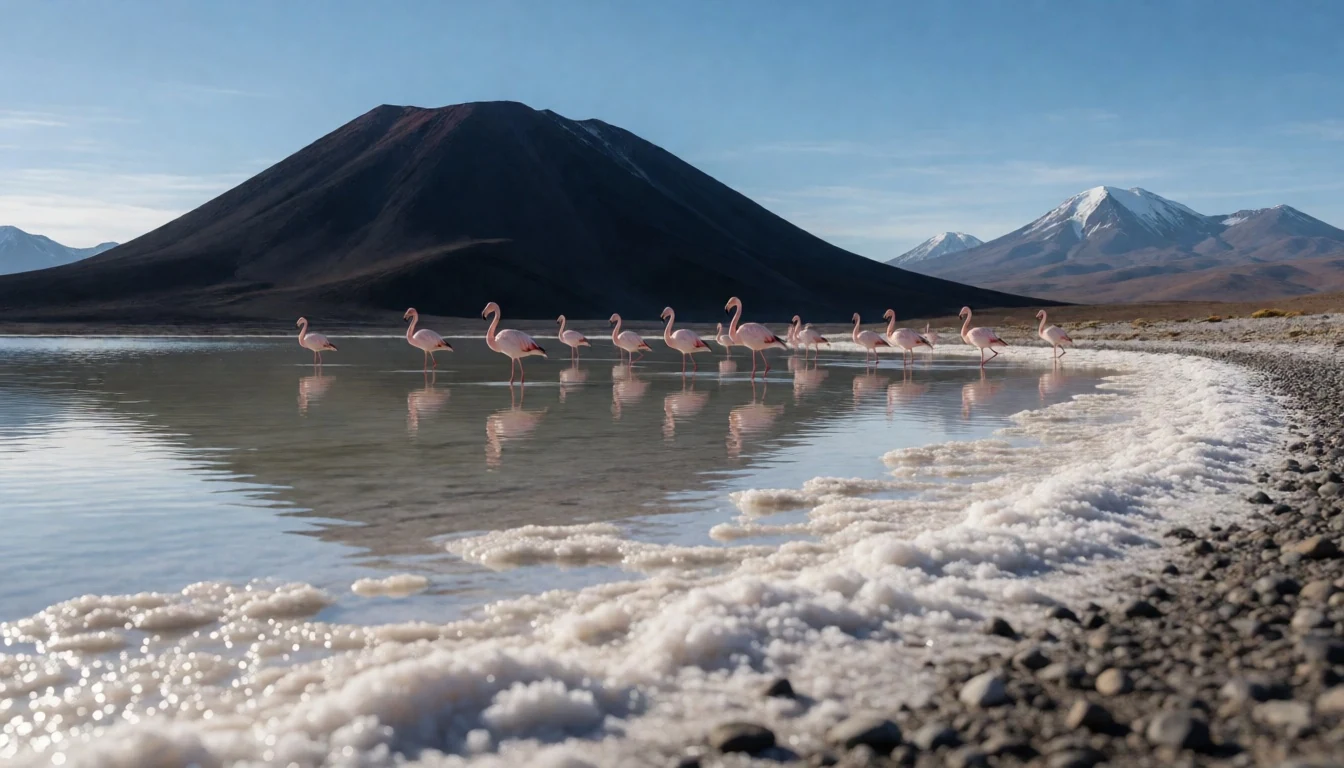
Culture
Campo de Piedra Pómez lies in Catamarca, a province where Andean and Spanish traditions blend, and where the high desert is still a place of work as well as scenery. Herding, small-scale farming and, in the past, mining have shaped the settlements around the volcano. Llamas are a normal sight, and a few local families rely on them for wool and transport.
The pueblos nearby are small and quiet. People are generally welcoming to those who arrive with patience, a greeting and a few words of Spanish. Much of the visitor trade is run by local guides and small tour operators, and hiring one keeps money in the area while giving real knowledge of tracks, weather and safety. Provincial rules regulate some adventure activities, so it is sensible to choose a reputable operator.
Food and hospitality follow Andean north-western habits: stews, empanadas, maize, and a slow, social way of eating. Weather and altitude shape the day, with early starts, a siesta in the heat and warm clothes by evening.
The field itself is fragile. The pumice breaks easily, and tyre marks and footprints can last. There is also a human side to the silence, since people live and work nearby, and quiet carries a long way in open country.
Visitors should stay on existing tracks and paths, take all rubbish away, and never climb on or break off the pumice formations.
What to wear
Campo de Piedra Pómez belongs to a part of Argentina where traditional dress has Andean roots. Ponchos, woven in sheep or llama wool, are the best-known garment, often in earthy stripes or bold geometric bands. Wool shawls, knitted hats with ear flaps and hand-woven belts are also part of the tradition. They are worn on festival days, at rural gatherings and by people who work outdoors, and are sold as crafts in the region's markets.
In everyday life, people in the nearby towns dress much as elsewhere in Argentina: jeans, jumpers, fleeces and sturdy boots, with a hat or scarf against wind and sun. Practicality matters more than fashion, and a good poncho or woollen jumper is as likely to be worn for warmth as for tradition.
Visitors should dress for extremes. Days can be bright and warm while nights fall well below freezing, and the temperature can swing sharply within a single day. Wear layers: a thermal base, a fleece, and a windproof outer shell. Sun protection is essential at this altitude, with a wide-brimmed hat, sunglasses and high-factor sunscreen, plus a scarf or buff for blowing dust.
Footwear should be sturdy, closed and broken in, with good grip, since the ground is loose, rough and sometimes sharp. Gloves and a warm hat are worth packing, especially for stargazing. There is no formal dress code, but modest, practical clothing suits the small villages.
What to eat
- Empanadas salteñas — Bakeries and small eateries in Fiambalá and nearby towns
Small baked or fried pastries with a spiced beef filling, often with onion and egg. They are a staple of the north-west and travel well, so they suit a long day on the plain. Look for them at local bakeries and village eateries.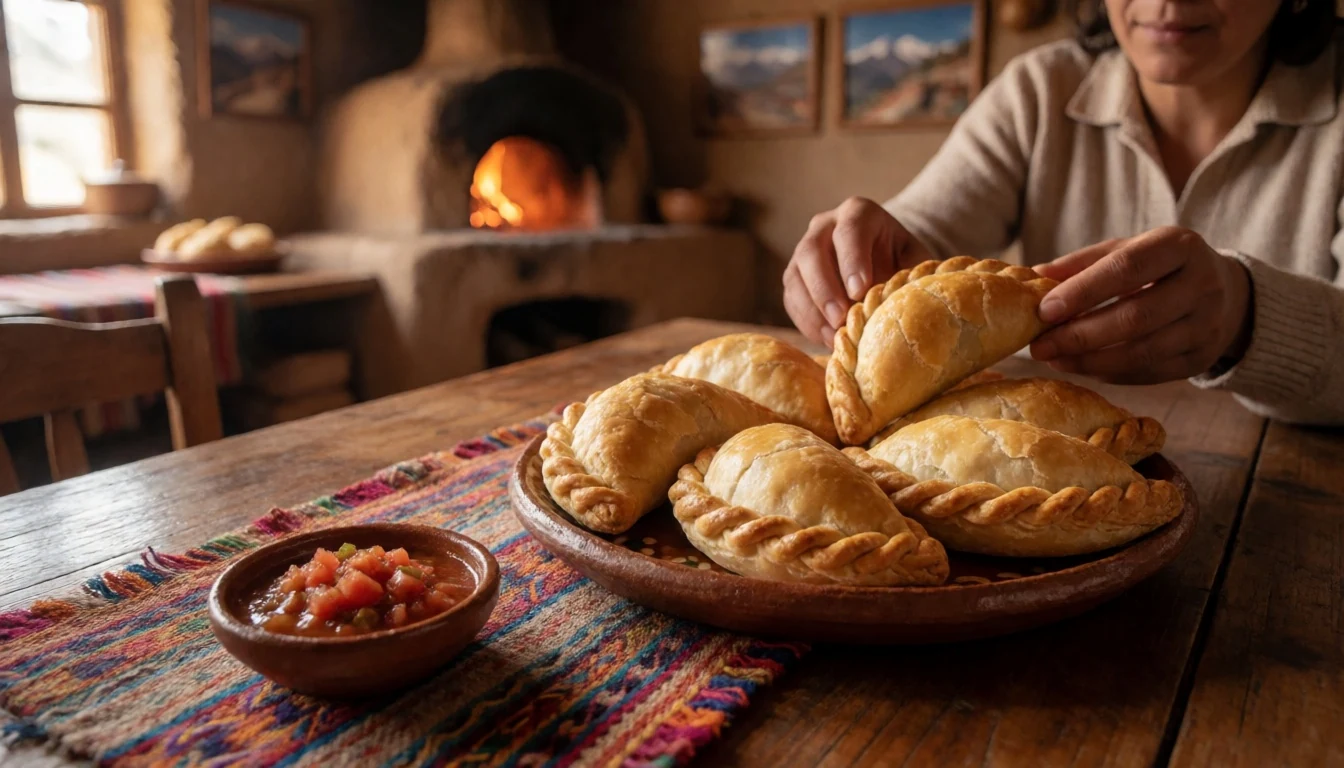
- Locro — Family-run restaurants and village eateries in the pueblos
A thick stew of maize, pumpkin and pork, hearty enough to fight off the cold of the high desert. It is slow-cooked and filling, and usually served hot in the cooler months. Ask for it at family-run restaurants.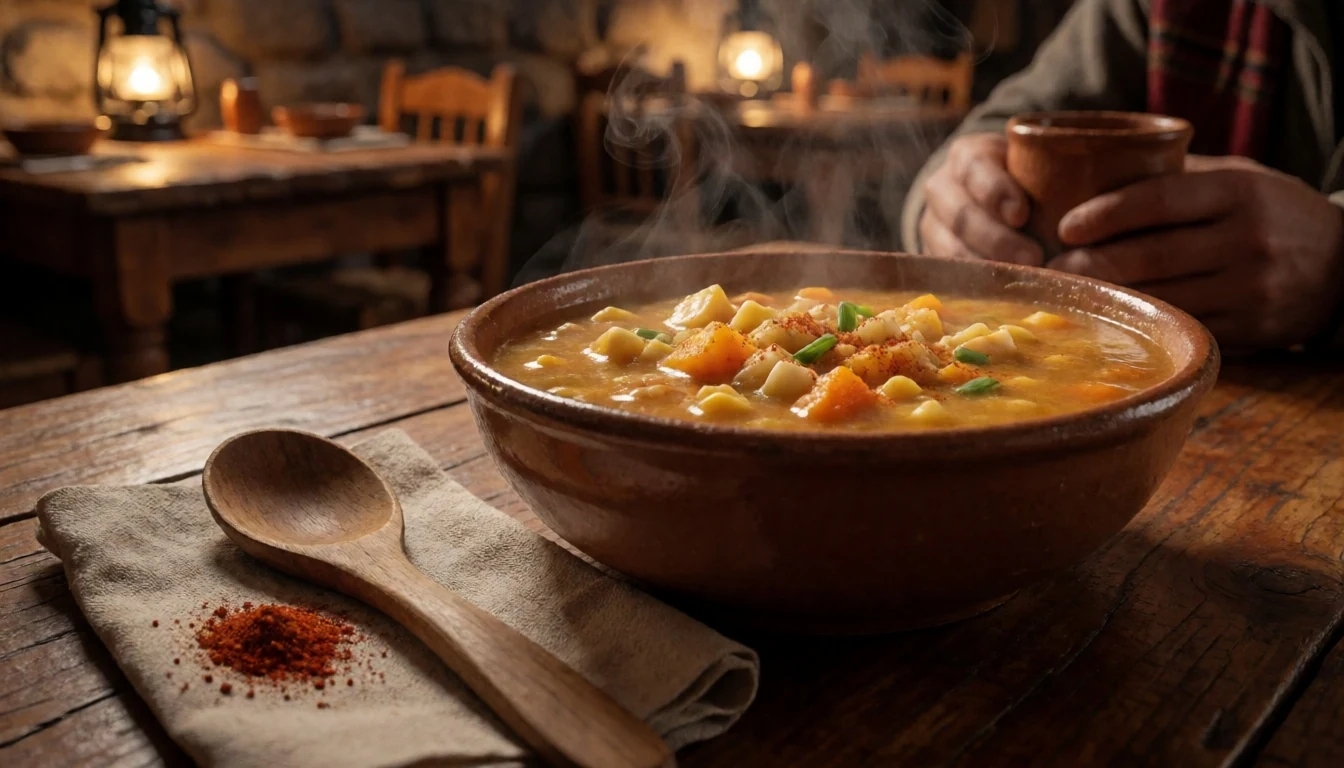
- Humita — Local markets and regional restaurants in Catamarca towns
A soft paste of fresh sweetcorn, onion and spices, steamed in a corn husk or baked. It is mild, comforting and a good vegetarian choice in a meat-heavy region. Try it at regional kitchens and market stalls. - Local wine and goat cheese — Wine shops, small producers and guesthouses in the valley towns
Catamarca produces wine in its high valleys, and goat cheese is a common regional product. A glass and a small plate make a good evening after a cold day outdoors. Ask producers and shops in the towns for local labels.
Plan it
Best time. March–April and October–November, when days are usually clear and the extremes of winter cold and summer storms are less likely. Winter is bitterly cold, with strong sun by day, and the region is very dry all year.
How long. 2–3
Getting there. Fly to Buenos Aires, then on to Salta, Tucumán, Jujuy or La Rioja (Capitán Vicente Almandos Almonacid Airport), or to Catamarca. Long-distance buses connect most Argentine cities. The last leg is by road to Fiambalá or Antofagasta de la Sierra, then by high-clearance vehicle on tracks to the field; a local guide or tour operator is strongly advised.
Budget. mid
Tips
- Go with a local guide or operator, as tracks are rough and signs are few
- Spend a night or two at a lower altitude first, and drink plenty of water, to ease altitude effects
- Carry cash, snacks and fuel, because services are thin and card machines unreliable
- Start early, as wind and cold build later in the day, and check the weather before leaving
- Ask the operator about physical requirements, and see a doctor if you have any health worries
Etiquette
- Stay on existing tracks and do not climb on or break the pumice formations
- Take all rubbish with you and leave nothing behind
- Greet local people politely and ask before photographing them or their animals
Nearby
Sources
- Wikidata Q422774 (CC0)
- Wikipedia: Cerro Blanco (volcano), rev 1384666254 (CC BY-SA 4.0)
- Wikivoyage: Catamarca, rev 5268822 (CC BY-SA 4.0)
- Cerro Blanco volcano, ASTER image (JPL/NASA) (Public domain)
- Location map of Argentina (NordNordWest) (CC BY 3.0)
- Campo de Piedra Pómez, Catamarca (Rodolfo Pace) (CC BY 2.5)
- Supervolcano World Map v2 (BlueHypercane761) (CC BY-SA 4.0)
- Supervolcano World Map (Maphobbyist) (CC BY-SA 4.0)


Wildlife
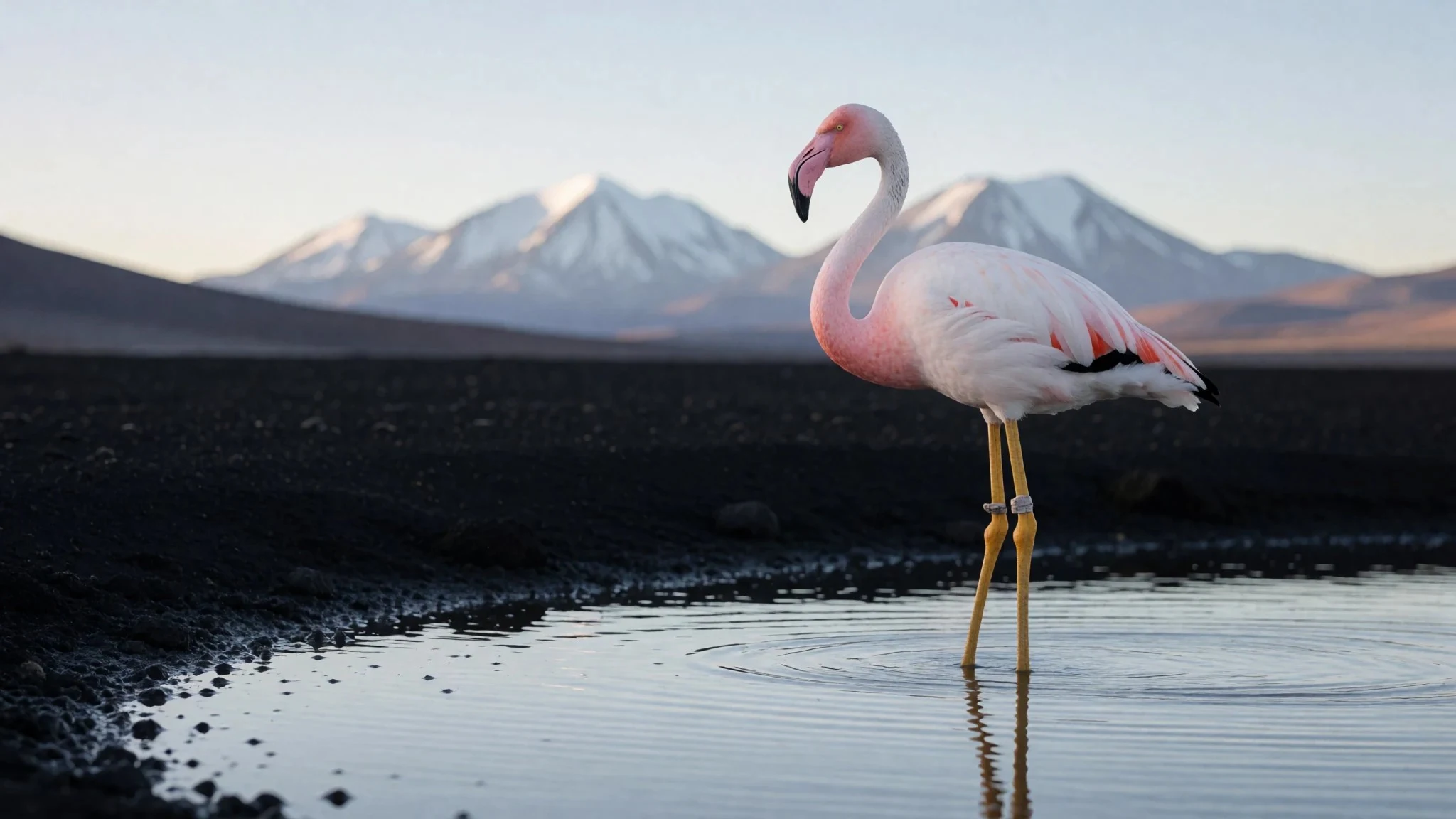
- Andean flamingo (bird)
The Andean flamingo is a wading bird that seems painted in red and white, and it lives in colonies, like a busy village. In Campo de Piedra Pómez you may find it in the brackish pools, where its colours reflect against the black volcanic ground and distant snowy peaks. Watch from a respectful distance, keep your voice low and move slowly so the group stays calm. A local guide can help you find a good viewpoint. Never feed the birds.