Buenos Aires
Buenos Aires, Argentina
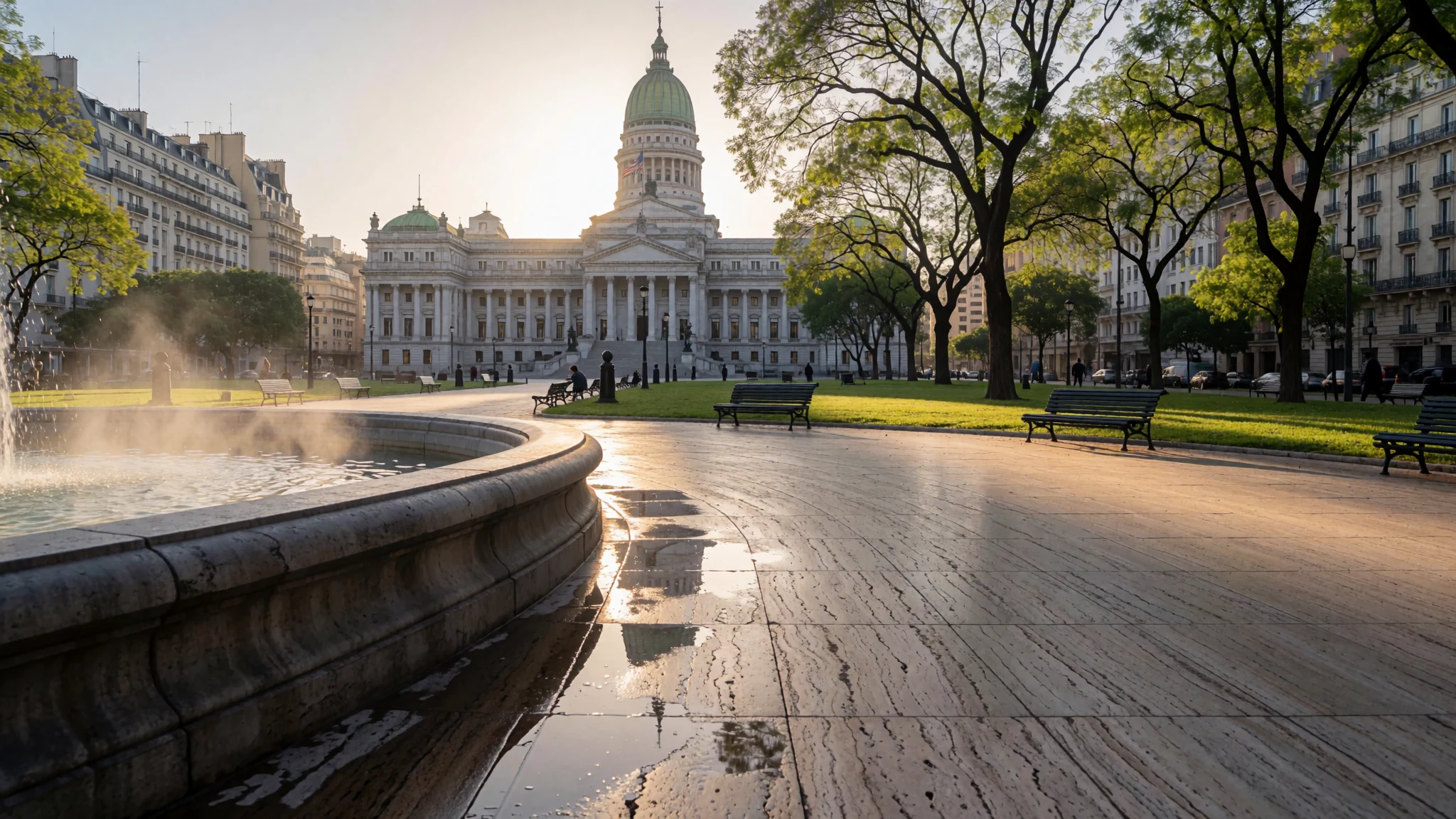
Buenos Aires combines preserved European architecture, legendary beef, and a vibrant cultural life on the banks of the Río de la Plata.
The place
Buenos Aires stands on the southwest banks of the Río de la Plata as the capital and largest city of Argentina. Classified as an Alpha global city, the settlement functions as an autonomous district entirely separate from the surrounding province. Millions of immigrants arrived here from across the globe since the nineteenth century, turning the urban area into a true melting pot of diverse ethnic and religious groups. This heritage shapes the local dialect and the distinct cultural rhythm found across the neighbourhoods. Preserved eclectic European architecture lines broad avenues, earning the municipality comparisons to historic European capitals while retaining an unmistakable South American character.
The municipal boundaries enclose a population of about 3.1 million residents, while the wider metropolitan expanse reaches significantly further, placing it among the most populous urban zones in the world. Visitors walking through the city encounter distinct districts that range from leafy northern parks to historic southern quarters. The climate remains temperate overall, though summers can bring high humidity, making the cooler shoulder months popular for exploring the network of plazas, grand boulevards, and bustling commercial strips. From the waterside developments to older residential blocks, the city maintains an active street life that continues long after dark.
Its story
The history of Buenos Aires began when Spanish navigator Juan Díaz de Solís reached the Río de la Plata, though his expedition ended following an attack by the local Charrúa tribe. The first formal settlement was established under the name Ciudad de Nuestra Señora Santa María del Buen Ayre by Pedro de Mendoza in the area that is now the San Telmo district. Constant attacks and shortages forced the settlers to abandon the site within a few years.
A permanent foundation was finally established further down the timeline by Juan de Garay, who came downriver on the Paraná from Asunción. Over the following centuries, the settlement transitioned through various Spanish colonial administrations before the events of the nineteenth century led to the formation of the United Provinces of the Río de la Plata and the eventual emergence of the modern Argentine state. The urban centre experienced rapid growth as waves of European migration transformed the port into a major economic hub. In later decades, the municipality was officially federalized and split from the surrounding provincial administration, eventually gaining full autonomy through constitutional reform, which cemented its unique status within the federal republic.
What to see
- Plaza del Congreso — Central district
The monumental Congress Square serves as a central landmark in Buenos Aires, surrounded by ornate administrative buildings and sweeping civic spaces. Visitors walking through the area can admire the detailed stonework and sculptures while observing the steady flow of daily commuter traffic and public gatherings across the expansive open plazas.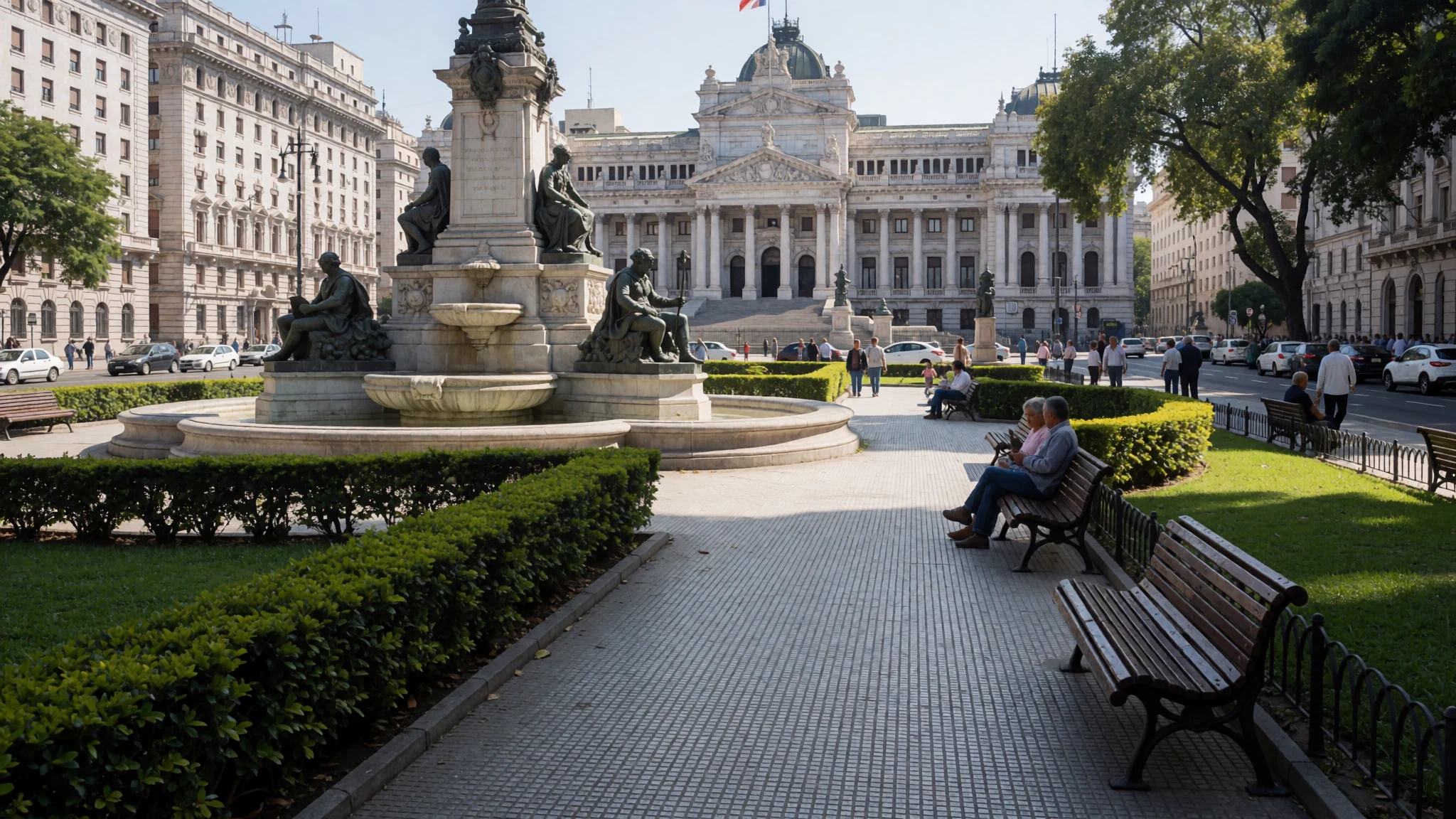
- Palermo — Northern sector
Palermo is a sprawling green neighbourhood in the northern part of Buenos Aires featuring extensive parks, shaded walking trails, and a large central lake where visitors rent paddle boats. The district also houses public flower gardens, though the nearby roadways can introduce considerable noise to the otherwise picturesque open landscapes.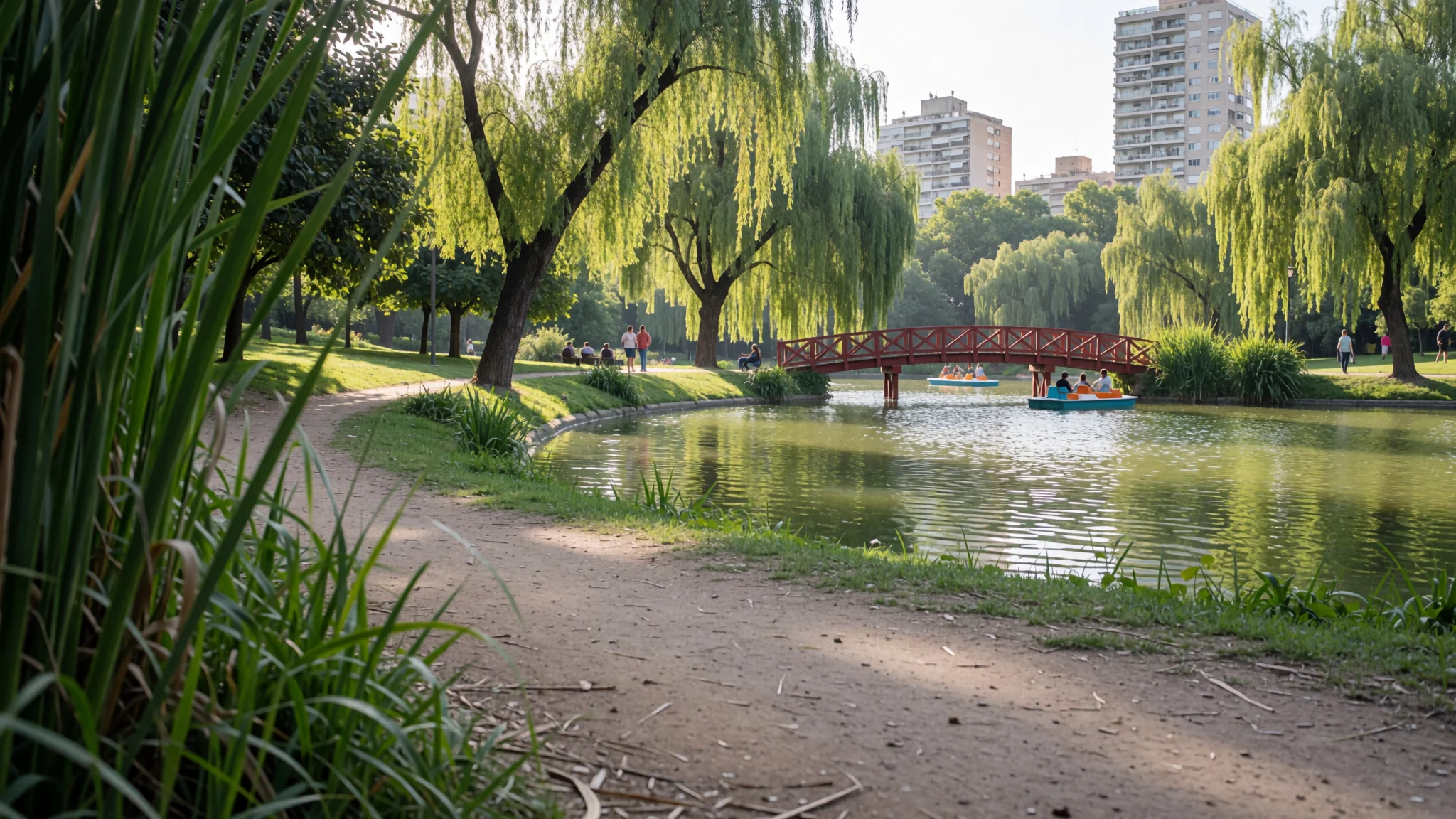
- La Boca — Southern waterfront
La Boca is famous for the colourful Caminito pedestrian street, where brightly painted corrugated metal houses showcase the working-class immigrant history of Buenos Aires. Travellers here can browse local arts and crafts, watch street tango performances, or take a river cruise to view the industrial metal structures spanning the waterway.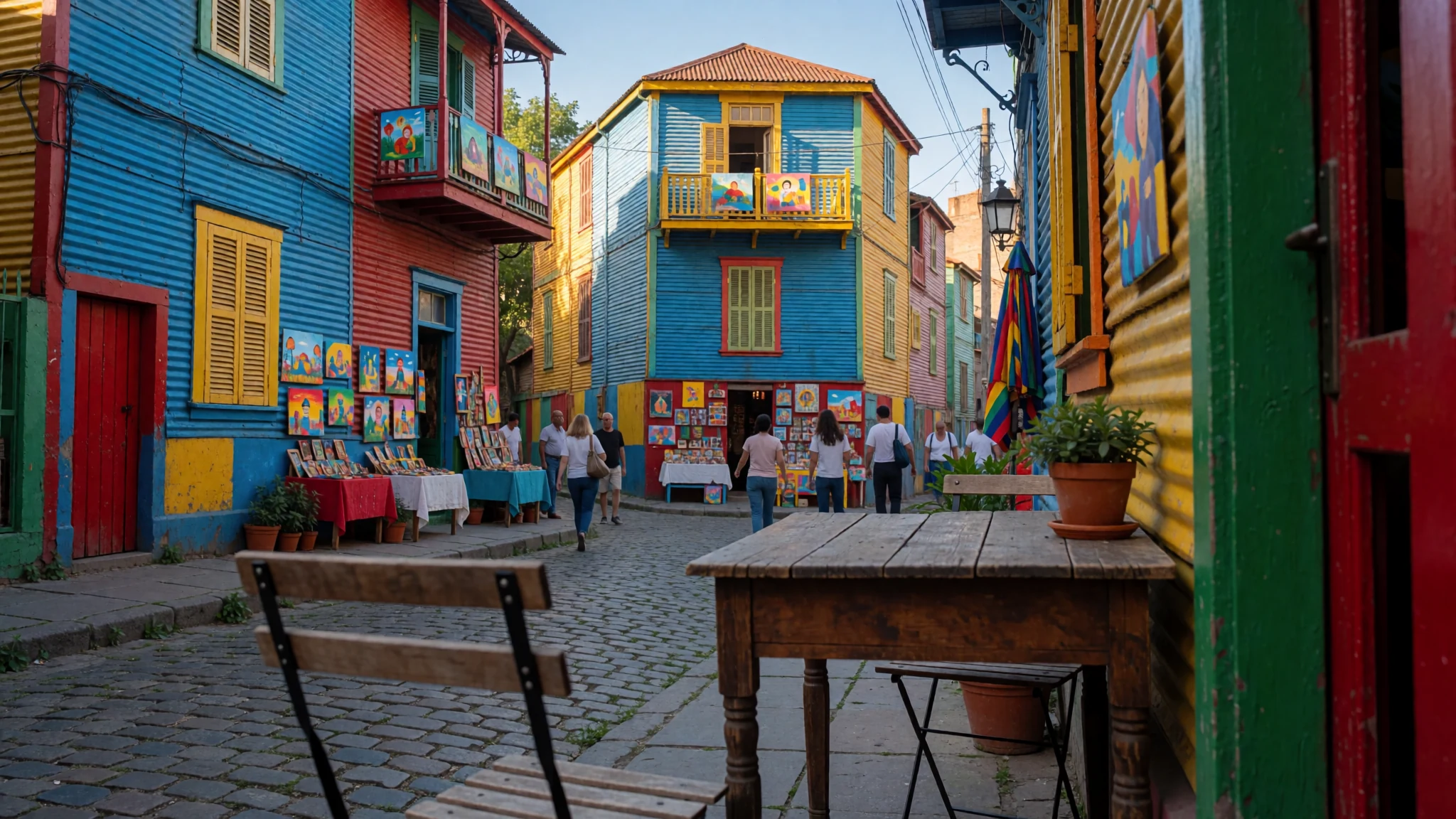
- Puerto Madero — Riverside docklands
Puerto Madero represents the modern face of Buenos Aires, transforming old brick docklands into a sleek district of high-rise apartments, upscale dining, and pedestrian walkways. The area offers a sharp contrast during the daytime and evening, with illuminated bridges reflecting across the calm waters of the converted port basins.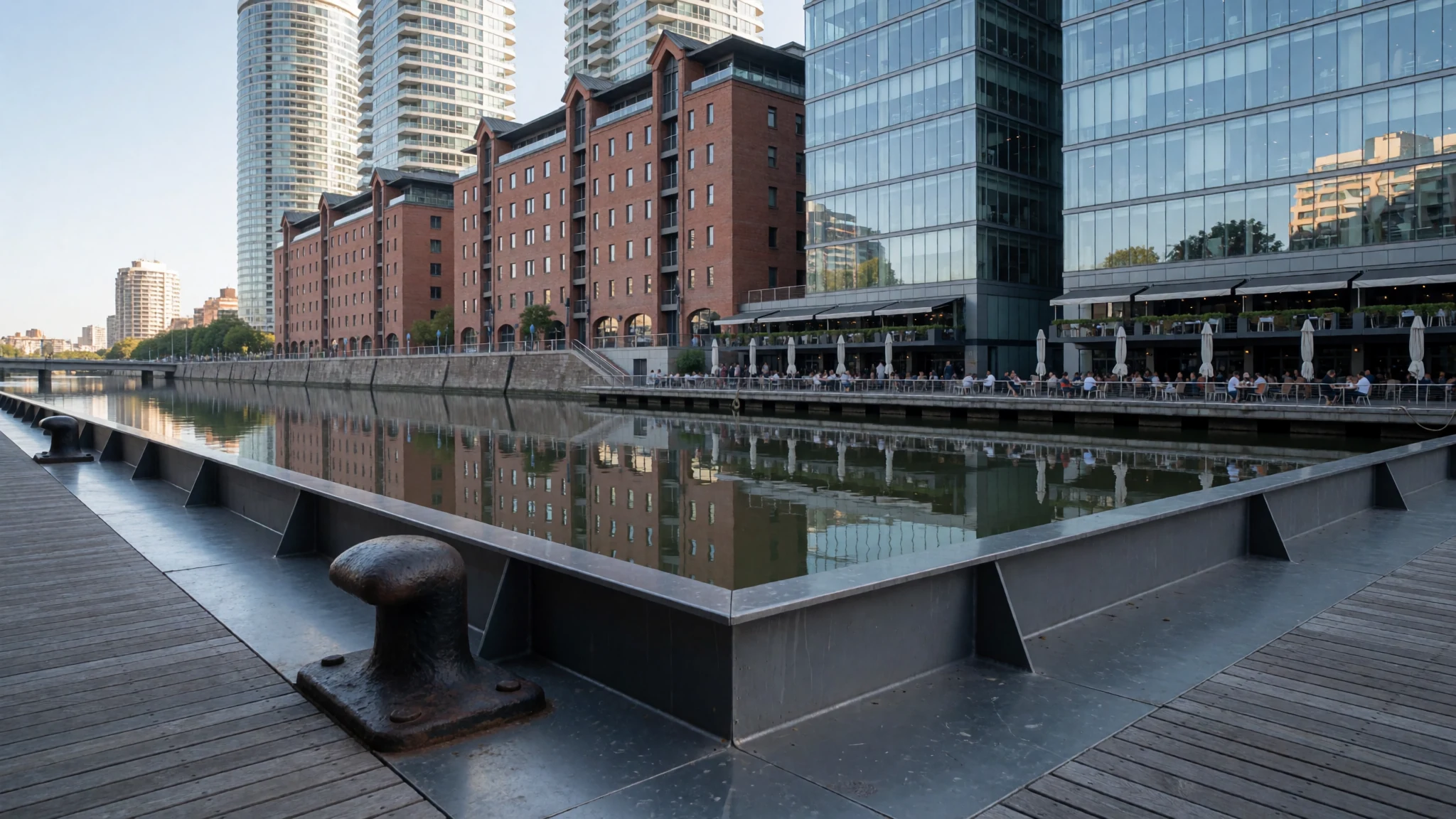
- Teatro Colón — Downtown avenue
Teatro Colón stands as the internationally rated opera house of Buenos Aires, celebrated for its magnificent neoclassical and art nouveau architecture. Guided tours allow visitors to step inside the gilded auditorium, marvel at the ornate dome paintings, and appreciate the rich acoustic design that places it among the finest performance venues worldwide.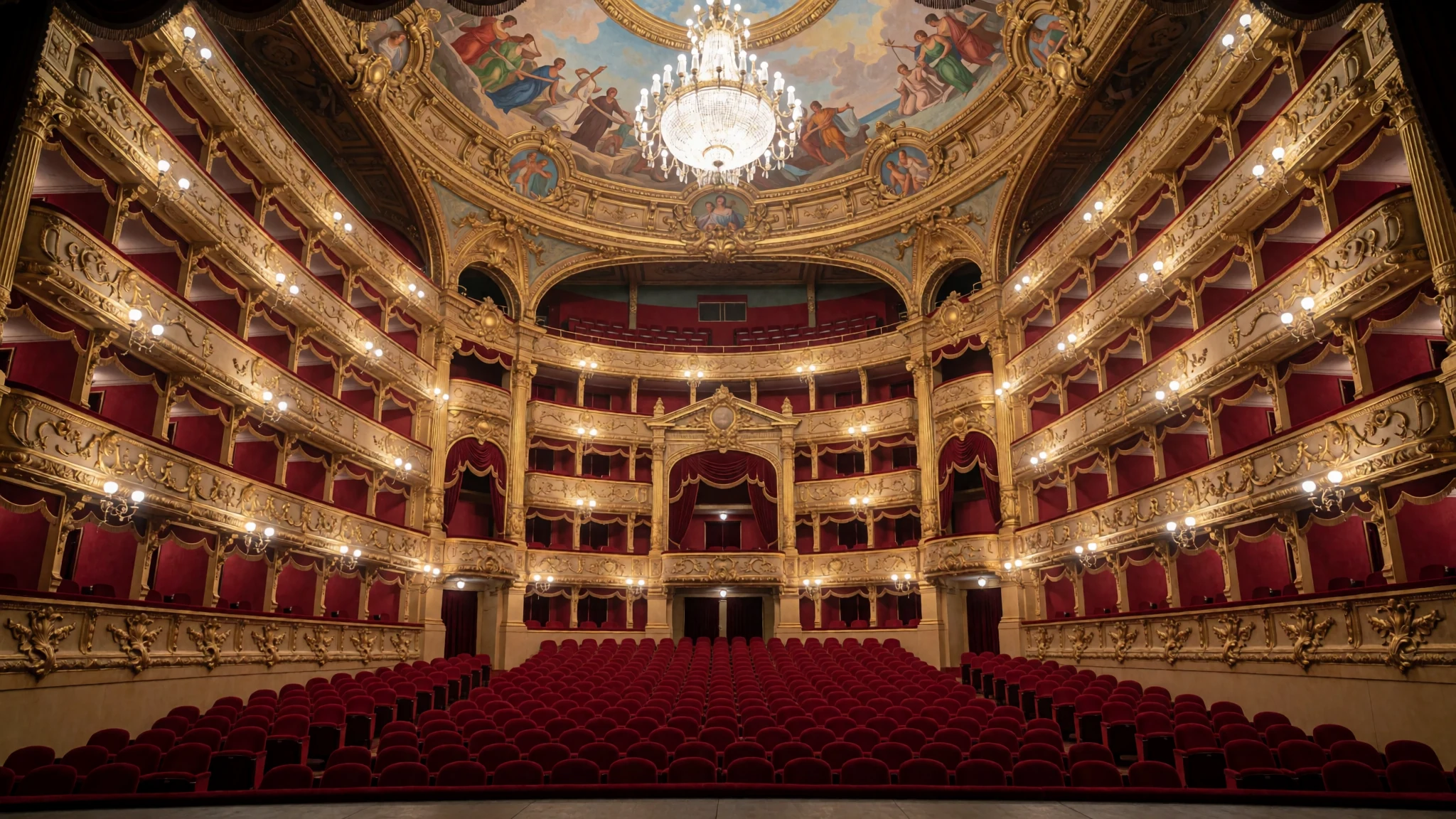
Culture
Buenos Aires is frequently styled as the Paris of South America due to its deep European aesthetic and immense dedication to the arts. The municipality supports a massive live theatre industry, with hundreds of active venues staging productions every weekend across the urban area, placing it among the busiest theatrical hubs globally. Cultural festivals fill the municipal calendar year-round, while institutions like the grand Palacio Libertad anchor the local creative scene. Symphony orchestras, choral societies, and renowned opera houses contribute to a refined artistic ecosystem that dates back generations. Residents take pride in their conversational traditions, often gathering in historic cafés to debate politics, literature, and football late into the evening. When visiting local establishments or interacting with residents in Buenos Aires, always greet people with a polite handshake or a light kiss on the cheek depending on familiarity.
What to wear
Traditional clothing in Buenos Aires traces its roots to the rural gaucho heritage of the wider pampas, featuring sturdy ponchos, wide-brimmed hats, leather boots, and loose trousers known as bombachas, traditionally woven from durable wool and cotton fabrics. In the urban core of Buenos Aires today, residents dress with a distinct European flair, favouring tailored coats, sleek leather jackets, smart denim, and fashionable scarves regardless of the season. Visitors to Buenos Aires should pack versatile layers, comfortable walking shoes for navigating uneven cobblestone streets in historic neighbourhoods, and smart-casual attire for dining out in trendy districts like Palermo or attending evening performances at local theatres.
What to eat
- Asado — Any traditional parrilla restaurant
Asado is the legendary Argentine beef barbecue, prepared slowly over hot coals at traditional parrilla restaurants found on nearly every street corner in Buenos Aires. Diners experience some of the finest roasted cuts in the world, ranging from tender ribeye to skirt steak.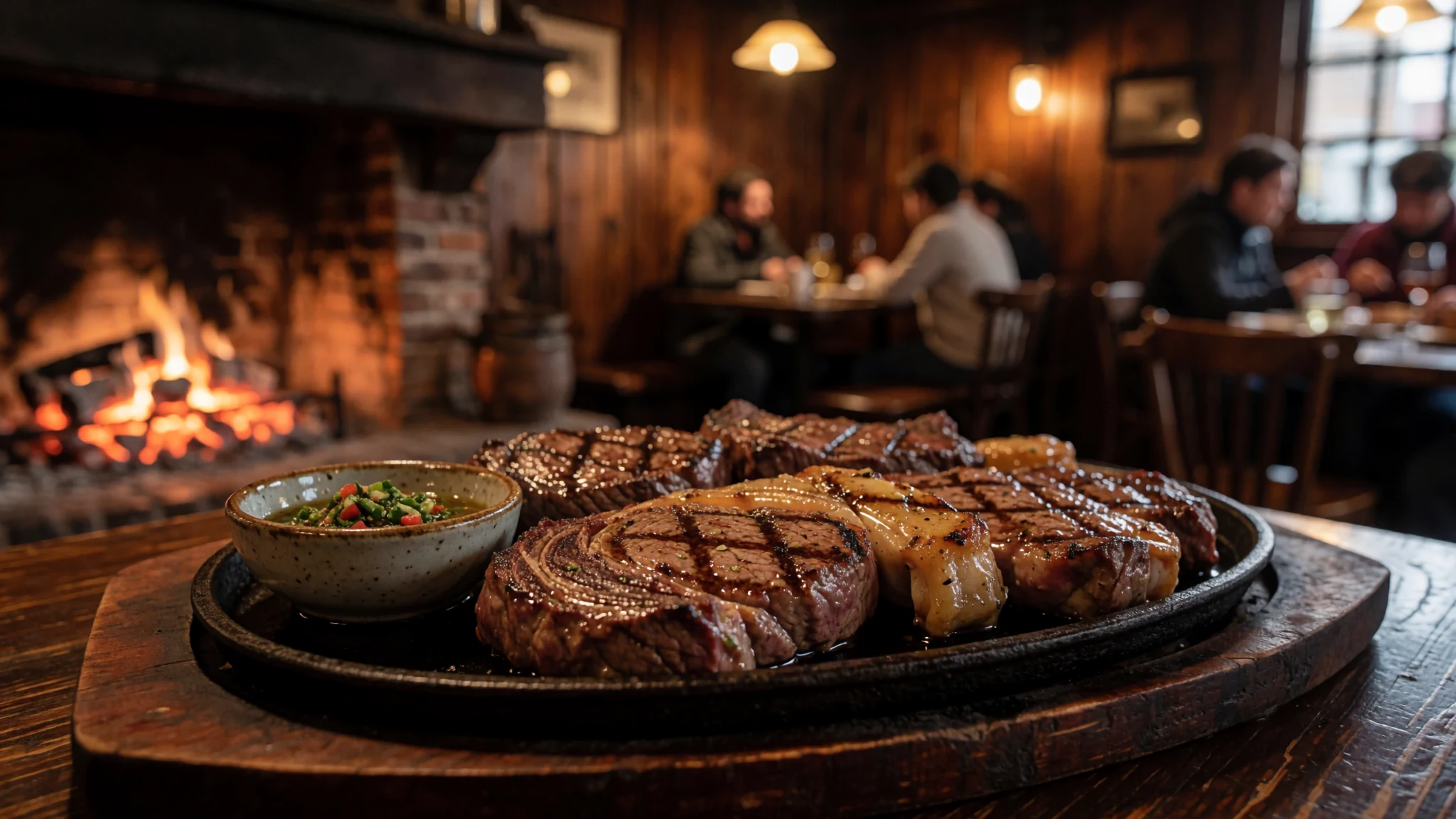
- Pizza — Traditional pizzerias across downtown and neighbourhoods
Pizza in Buenos Aires reflects the city's deep Italian heritage, characterised by thick, crusty dough piled high with stretchy mozzarella and tomato sauce. Pizzerias across downtown and neighbourhood corners serve slices late into the night to hungry crowds.
- Helado — Local gelaterias and delivery services
Helado is the rich, artisanal ice cream found throughout Buenos Aires, heavily influenced by Italian gelato traditions and available in countless rich flavours. Local gelaterias even offer reliable delivery services for gourmet tubs straight to your accommodation. - Empanadas — Neighbourhood bakeries and corner food shops
Empanadas are baked or fried pastry turnovers filled with seasoned minced meat, onions, spices, cheese, or vegetables. These handheld snacks are enjoyed on the go or ordered by the dozen at neighbourhood bakeries and casual eateries across Buenos Aires.
Plan it
Best time. May during autumn or September during spring, when highs of around 25°C and cooler nights make walking pleasant and avoid the hot, humid summer of December to February.
How long. 3–4
Getting there. Fly into Ezeiza International Airport (EZE) for international flights, or use Aeroparque Jorge Newbery (AEP) for domestic connections close to downtown.
Budget. mid
Tips
- Use the code BUE when searching for flights to cover all metropolitan airports
- Keep local currency or cards handy for small neighbourhood shops and markets
- Book tickets in advance for popular tours and theatre performances
- Wear comfortable footwear for walking long distances across varied neighbourhood terrain
Etiquette
- Always greet people with a polite handshake or a light kiss on the cheek
- Tipping a small percentage in restaurants is customary for good service
Nearby
Sources
- Wikidata Q1486 (CC0)
- Wikipedia (rev 1382097147) (CC BY-SA 4.0)
- Wikivoyage (rev 5398816) (CC BY-SA 4.0)