Iguazú National Park
Iguazú National Park, Argentina
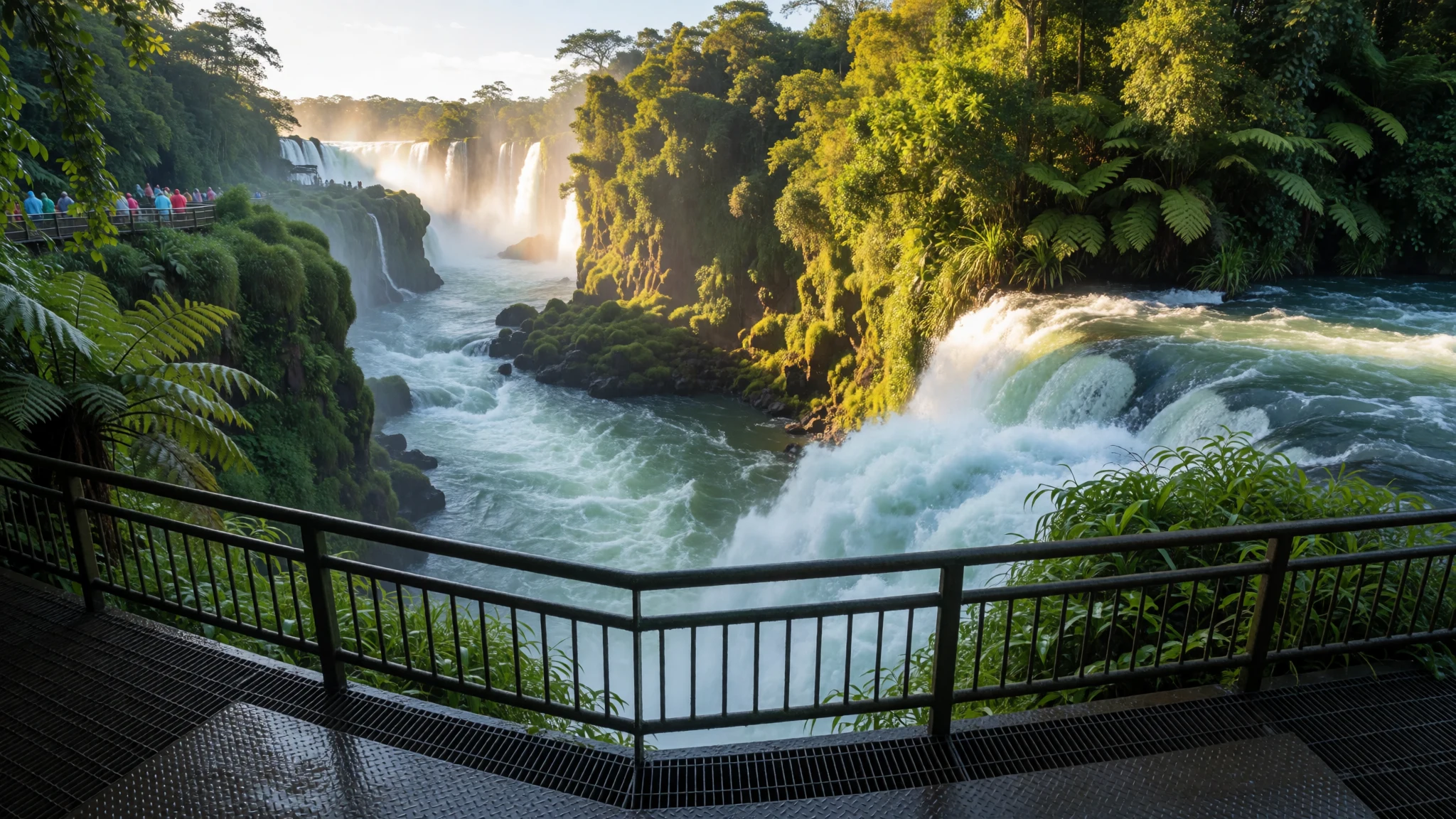
Iguazú National Park is a full-day immersion in subtropical rainforest and a wall of water you’ll talk about for weeks.
The place
Iguazú National Park (Parque Nacional Iguazú) sits in Argentina’s Misiones Province, in the country’s north, around the Iguazú/Iguaçu River system. The park was created in 1934 to protect the waterfalls and the subtropical jungle that surrounds them, and it’s been internationally recognised for conservation since 1984.
What makes Iguazú feel different from other waterfall trips is the way the landscape keeps changing as you move: jungle paths open into lookout decks, viewpoints arrive through mist and then disappear under it, and the sound thickens until you’re basically walking inside the weather. Much of the action is concentrated around the falls themselves, but the park’s real character is the rainforest frame—humid, green, and alive.
A practical thing to know: the mist is not a one-time moment. It’s a constant companion across many of the viewing areas, so waterproofs and camera protection are more useful than “nice-to-have” gear. Crowd levels can jump around quickly, especially around the main circuits and when cruise-style groups roll in.
The best approach is to plan your day around how you want to feel—steady walking for long perspectives, or slower time at fewer spots where you can watch water patterns shift with the wind. Iguazú rewards time, not just ticking off viewpoints.
Its story
The name “Iguazú” has roots in local Guaraní language, tied to the idea of “large water”, and that sense of scale shows up everywhere once the falls begin. Long before European travel routes existed, the area around the river was home to Indigenous communities, then it changed hands with the arrival of new powers and missions in the region.
European contact started with early expeditions in the 16th century, and later the falls became more accessible for travellers and study. By the late 19th century, accounts and travel interest helped move the waterfalls from “remote jungle” to a named destination. Tourism followed, and with it came the need to protect what drew people in.
On the conservation side, Argentina designated its portion as a national park in 1934, and Brazil later created its own protected area across the river. Both sides were later recognised together on a World Heritage listing, reflecting how interconnected the ecosystem is even when the border splits the viewpoints.
Even the geography tells the story: the falls sit in a broad belt where rainforest meets cliff and river. From certain angles you can read the river’s force in the mist; from others you see the width and the layered edges of water over rock. The result is a landscape that keeps rewriting itself as you reposition—history, ecology, and human curiosity all layered onto the same constant roar.
What to see
- Main Argentine viewpoints on the falls circuit — Argentina side (Parque Nacional Iguazú)
The Argentine side gives you a strong, close-up sense of the falls’ scale. Expect multiple decks connected by paths, with mist thickening near the better angles. Move slowly through the viewpoints rather than treating it like a fast photo stop.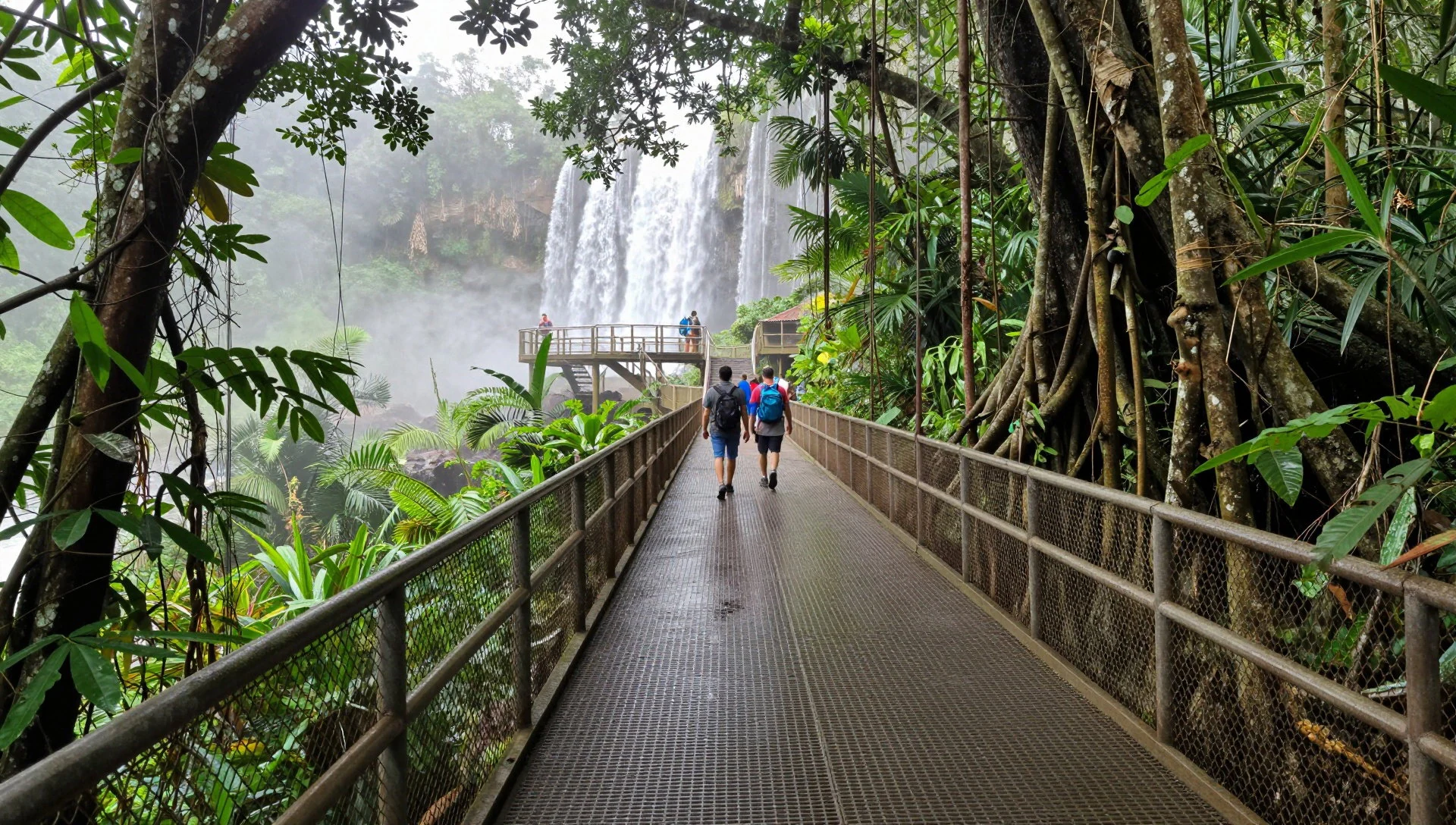
- Falls overview from the Brazilian side — Brazilian side (Iguaçu National Park)
From Brazil, the river and falls layout sit in a wider frame, often making it easier to understand the park’s overall shape. You’ll still be surrounded by noise and spray, but the perspective feels more like an overview than a single punch of water.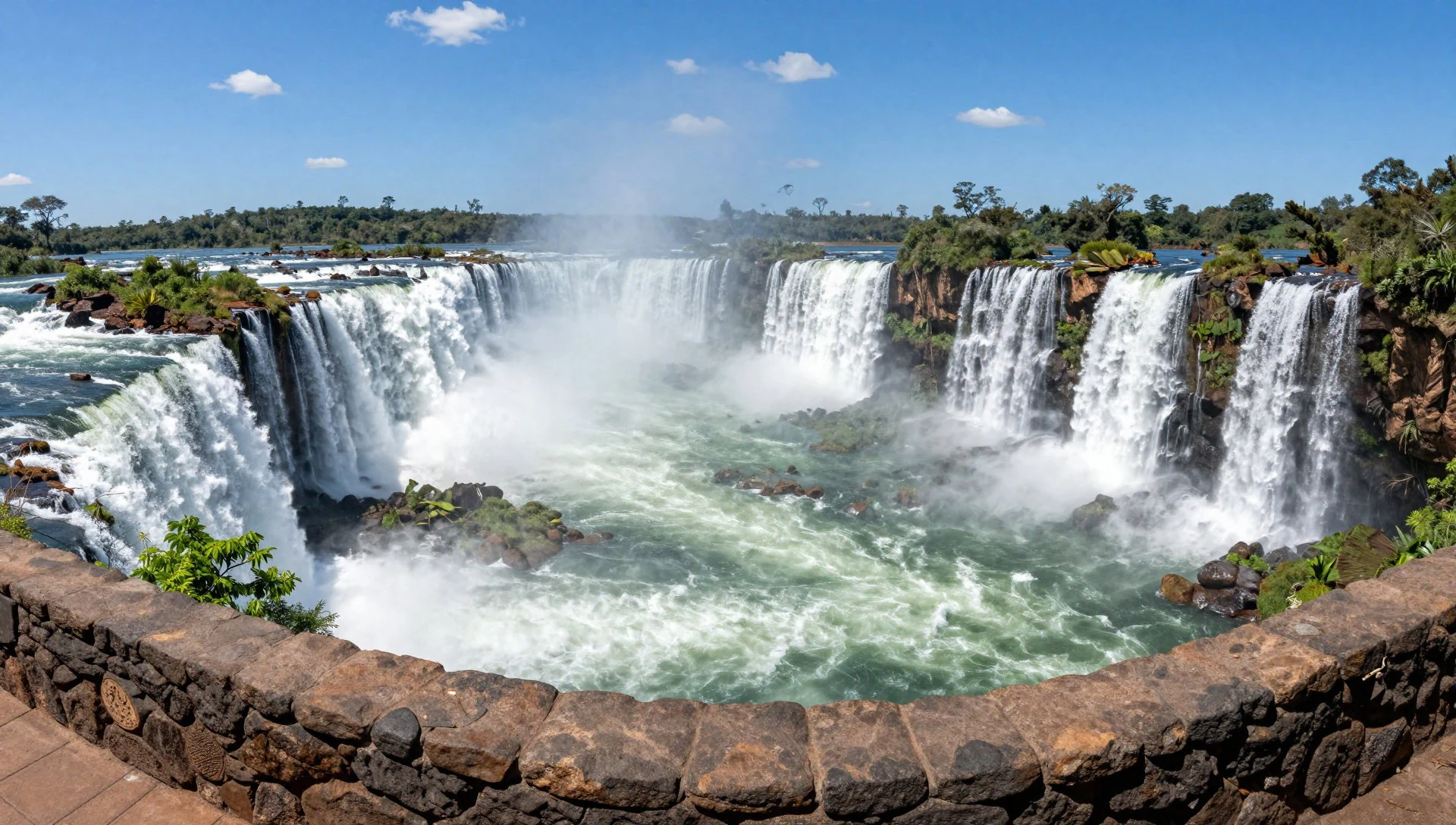
- Parque das Aves (Bird Park) — Across the road from the Brazilian Iguaçu National Park
Parque das Aves is a bird park right by the Brazilian side, and it’s a handy break from the wet-foot, soaked-sleeve cycle. The highlights lean beyond tiny birds, and the setting lets you see wildlife without committing to long jungle walks.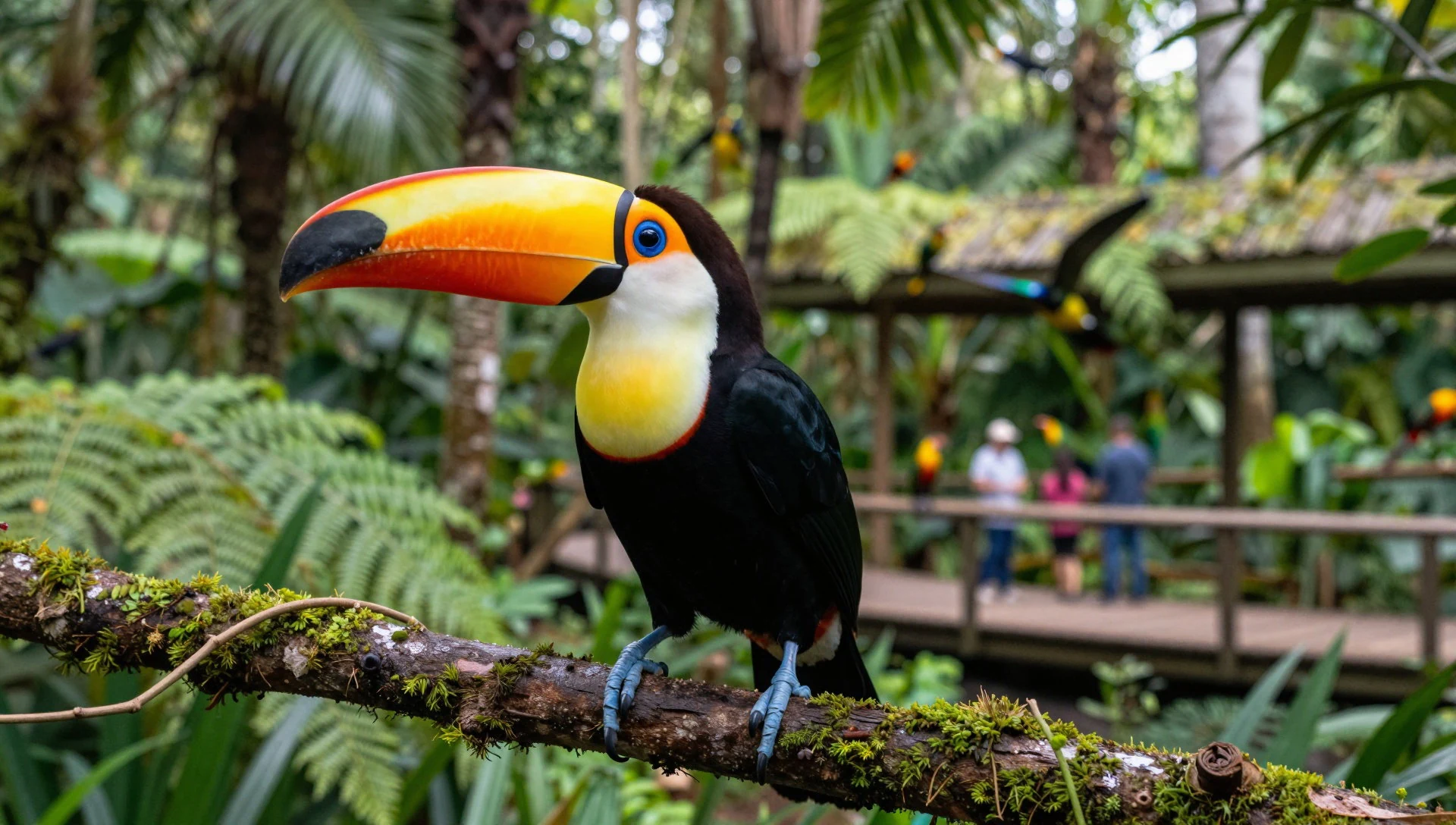
- Iguazu Jungle Explorer tours — Near the entrance areas on the Argentine-side circuits
If you want a structured way into the park, Iguazu Jungle Explorer offers trips that can include boat rides and even 4WD truck options. The best value tends to be the water-based part, with the jungle experience feeling more direct and less rushed.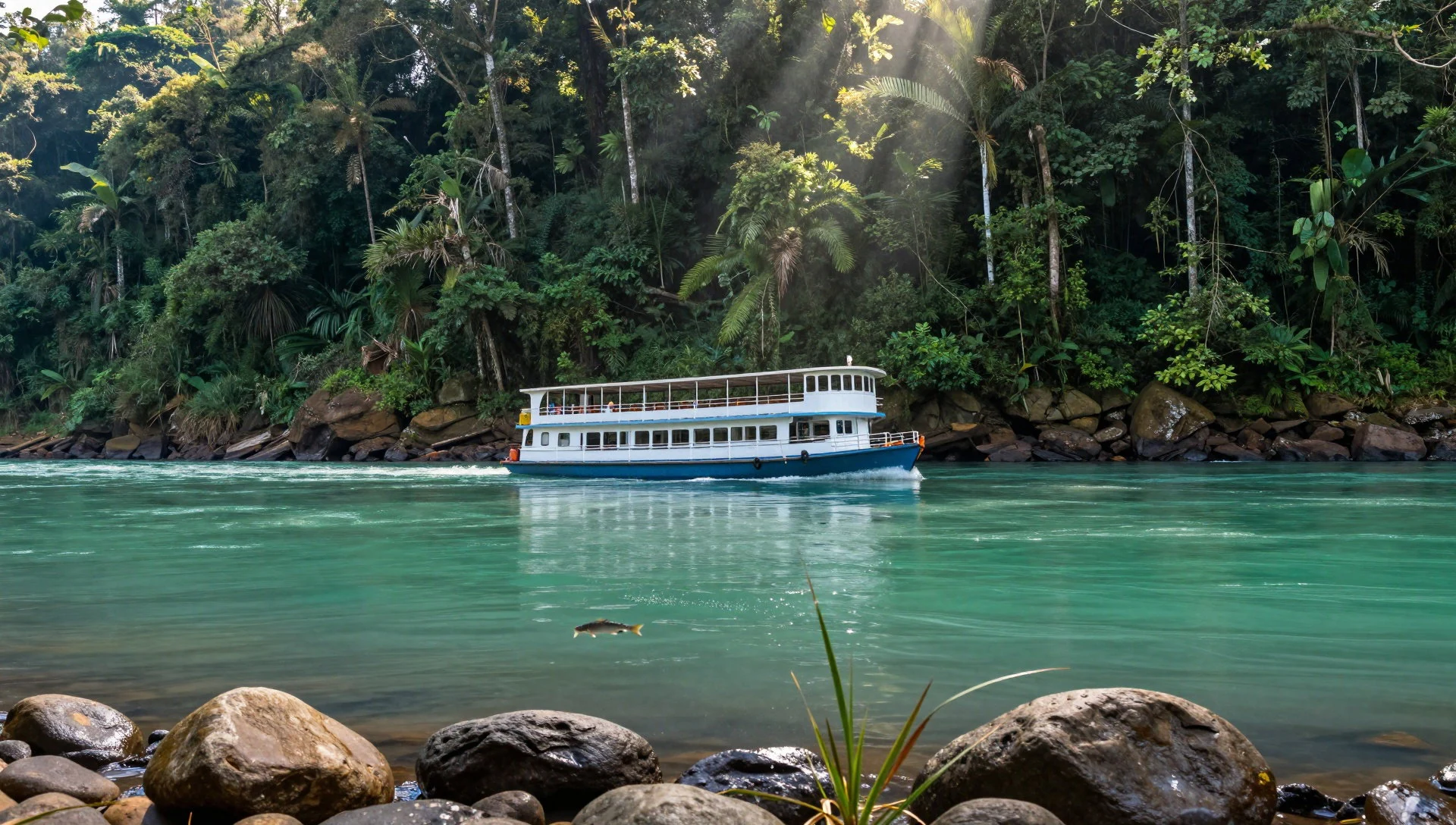
- Macuco Safari boat trip — Jungle access point near the falls
Macuco Safari runs zodiac-style boat trips up towards the base of the falls area. The day starts at the roadside entrance gate, then you board a truck to reach the drop-off point through the jungle before the boat phase begins.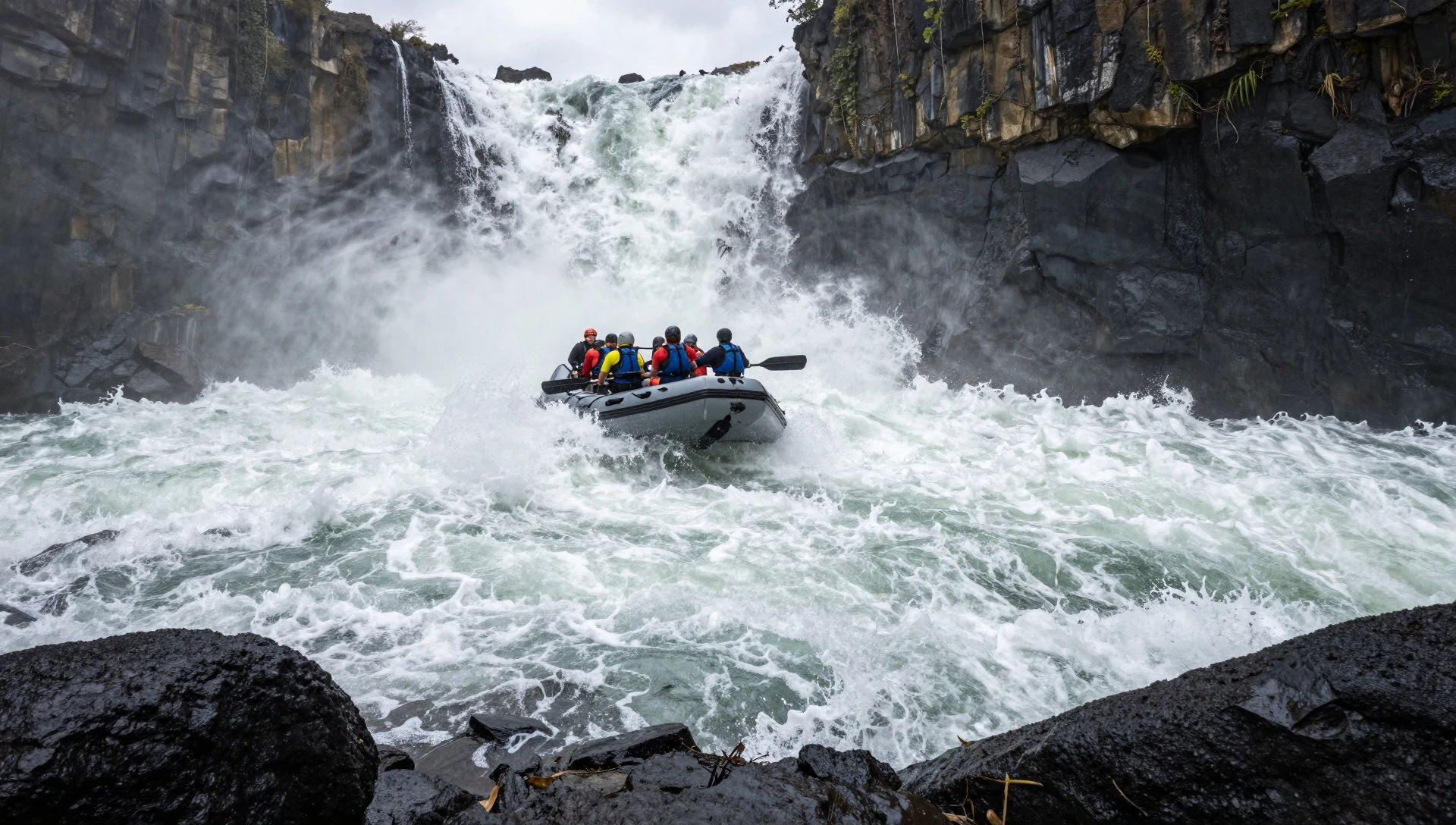
Culture
Iguazú National Park doesn’t have village temples or big-city etiquette rules, but it does have a few practical “respect the place” behaviours. The park is built around conservation and safe viewing, and the rainforest is part of what you’re visiting—so stay on marked paths and don’t try to shortcut between viewpoints. The mist is a natural barrier too: it makes slippery surfaces feel drier than they are, so walk calmly around decks.
On the Argentina side, the viewpoints are on an organised circuit and the park operates during defined hours, so pacing matters. If you arrive late and sprint through, you miss the way the mist thins and thickens as the wind changes, and you’re more likely to bump into other visitors trying to photograph at the same angles.
If you’re doing boat rides or safari-style activities, listen to guides about what to bring and how to board safely—water and spray are normal here, not emergencies, but the rules exist to keep everyone comfortable.
Visitor etiquette: stay on marked walkways, move calmly on wet decks, and protect people and cameras around you when the spray is strongest.
What to wear
Traditional dress isn’t the focus in Iguazú National Park, but it helps to dress for the subtropical conditions and the very specific reality of mist and spray. On both sides of the border, people typically wear practical travel clothing: breathable tops, quick-dry trousers or shorts, and footwear with grip.
What visitors wear now is mostly functional—rain jackets or ponchos when the mist is up, and lightweight layers for the cooler moments near viewpoints. If you’re planning boat rides or getting close to the falls, consider a waterproof outer layer that actually covers you rather than just repelling light drizzle.
For what to wear here: bring waterproofs, use camera protection (a dry bag or proper cover), and wear shoes that can handle wet decking and muddy paths. Long sleeves help reduce irritation from foliage, and a hat or cap with a strap is useful because the wind can fling spray around.
If you’re moving between Argentina and Brazil, keep things simple—comfortable layers, a rain shell, grippy footwear, and a small day bag you can keep dry. The goal is to stay comfortable long enough to linger at viewpoints.
What to eat
- Argentina-side snack stops inside the park — Throughout the Argentine-side park circuits
Inside Iguazú National Park, there are food options throughout the viewing areas, so you can refuel without trekking back to town. Expect casual, quick bites suited to a long, wet day of walking and looking.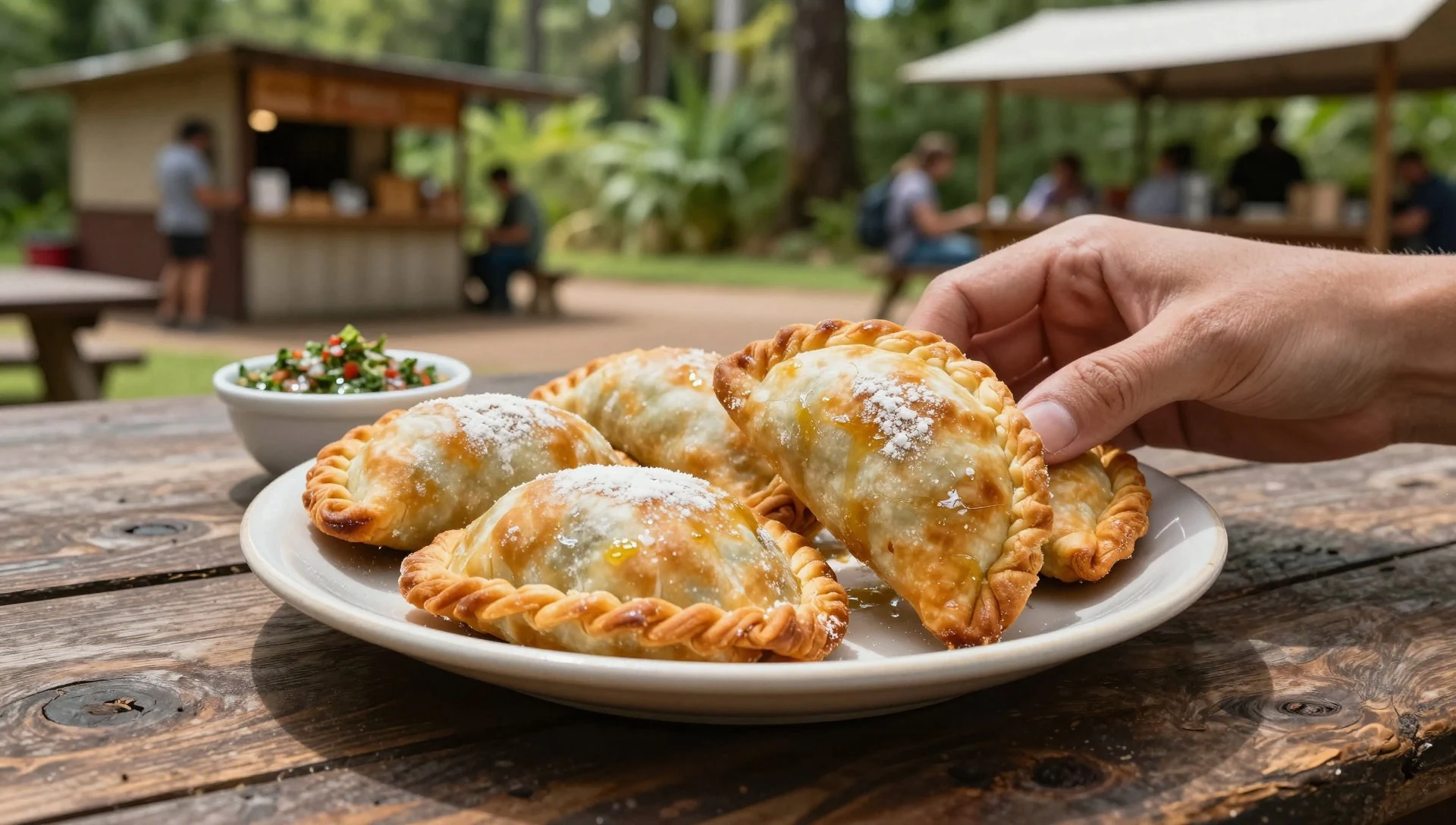
- Breakfast timing at accommodation in Puerto Iguazú — Puerto Iguazú
In Puerto Iguazú, breakfast can be tricky early in the morning because many places open later. The easiest workaround is to plan breakfast around what’s available at accommodation or later morning eateries.
- Hotel dining near the Argentine falls area — Right in the park on the Argentine side
Inside the park area, the Meliá hotel provides a more sit-down alternative to snack stalls, with a terrace that faces the mist rising from the falls. It’s a good option when you want something less rushed between circuits. - Brazil-side buffet at Porto Canoas — Porto Canoas station area (end of the walking trail)
On the Brazil side, there’s a buffet located right next to the throat area at Porto Canoas station at the end of the main walking trail. The food is fairly basic, but the riverside setting is part of the appeal. - Simple burger combo outlets by the buffet — Outlets in front of the Porto Canoas buffet
Right in front of the Porto Canoas buffet area, you can also grab a straightforward burger combo meal. It’s convenient when you want to keep moving rather than sit for a longer meal.
Plan it
Best time. May–September for milder, more comfortable walking days; these are the months when the days are coolest and the rain tends to ease, especially in July and August. November–March are the wettest months, with the strongest rainfall typically in October and November.
How long. 2–3
Getting there. Fly into one of the tri-border gateway hubs—Foz do Iguaçu on the Brazilian side or Puerto Iguazú on the Argentine side. From there, transfer to the relevant park access points and plan on short rides/walks to reach the circuits; most activity is done within the park areas.
Budget. mid
Tips
- Do at least one main circuit early so mist doesn’t slow down your pace as crowds build later.
- If you’re splitting time across both countries, leave extra time for border processing between the parks.
- Bring waterproofs and camera protection—many viewpoints get wet even when rain isn’t obvious.
- If you’re booking boat rides or safari-style tours, book near the entrance or on the lower circuit before heading down to the ferry areas.
- Pack light layers: rainforest humidity changes how “warm” feels once you stop moving.
Etiquette
- Wear grippy footwear and keep to marked paths and viewing decks, especially where spray makes surfaces slippery.
- When joining boat and safari activities, follow the guide’s boarding and safety instructions closely.
- Be considerate in misty viewpoints where tripods and queues can bunch up—move gently and keep pathways clear.
Nearby
Sources
- Wikidata Q474205 (CC0)
- Wikipedia (rev 1362766313) (CC BY-SA 4.0)
- Wikivoyage (rev 5388382) (CC BY-SA 4.0)
- Photo photos/01-43-iguazu-d-cembre-2007.jpg (CC BY 3.0)
- Photo photos/02-parque-nacional-iguaz.jpg (CC BY-SA 2.0)
- Photo photos/03-iguazu-national-park-falls.jpg (CC BY 3.0)
- Photo photos/04-arialviewiquazufallsturbidriver.jpg (Public domain)
- Photo photos/05-iguazu-national-park-109972.jpg (CC BY-SA 3.0 igo)
- Photo photos/06-iguazu-national-park-109974.jpg (CC BY-SA 3.0 igo)
- Photo photos/07-iguazu-national-park-109976.jpg (CC BY-SA 3.0 igo)
- Photo photos/08-iguazu-national-park-109978.jpg (CC BY-SA 3.0 igo)


