East End
East End, United Kingdom
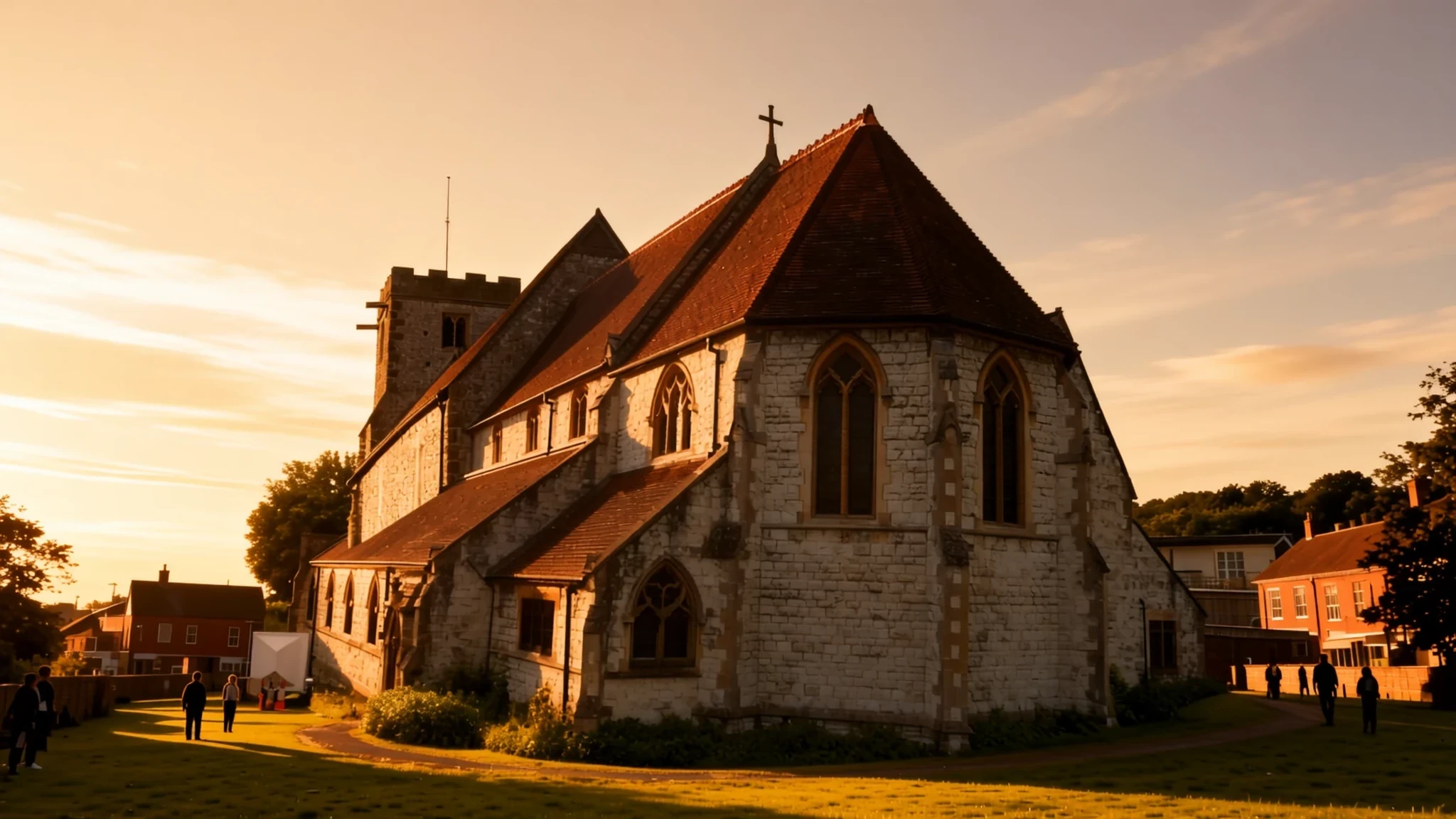
East End is Grand Cayman's windward village, with a lighthouse, ironshore coast and reef life away from the busier western shore.
The place
East End sits on the windward tip of Grand Cayman, where the island turns from sheltered west-coast sand to a coast of dark ironshore, reef and open sea. The district is a real settlement rather than a resort strip: houses, churches, a school run, small shops and the lighthouse that has long marked this corner for ships. Trade winds come in off the Caribbean without the lee of the western beaches, so the shore feels louder and the water is often a deeper, less settled blue. Limestone has been eaten into pits, shelves and blowholes; on a rough day the sea forces spray up through the rock. Inland the land is low, with dry scrub, silver thatch and the kind of yard gardens Caymanians have kept for generations. People here still talk about the sea as a working neighbour — fishing, watching weather, knowing which stretch of reef is kind and which is not — even as day visitors drive out from the resorts further west. East End is quieter after dark than George Town or Seven Mile Beach. The road along the south and east coasts is the way most travellers arrive, and the village is the last substantial stop before the island bends back toward the north side. There is no mountain and no river mouth; the character of the place is the meeting of a small community and a hard coast. Swimming is not the gentle wade of a west-side beach everywhere along this shore: some coves are friendly, and some rock shelves are not, especially when the wind has been up. The lighthouse grounds and the public stretches of coast are where people pause and look east, out to weather with nothing between the district and the horizon.
Its story
East End's story is the story of a windward community that learned its coast the hard way. Ships coming onto Grand Cayman's eastern reef did not always clear it, and the people of this district were the ones who put out in boats, took survivors from the water and lived with the cargo and the loss that followed. That history is why the Wreck of the Ten Sails is still a local name rather than a footnote. The lighthouse, built in 1937, put a permanent light on a point where watchfulness had already been a duty. Around that light, families fished, built boats, cut thatch and raised children on thin soil, with the church as the other fixed point in the week. Later generations went to sea as merchant sailors or took work toward George Town, but the district did not empty. It stayed a place Caymanians name when they mean the island's own manners, as against the newer shore of resorts and rented sand further west. Tourism reached East End as an outing — a drive, a photograph, a dive — more than as a town rebuilt for visitors. The reef that once broke hulls is now sought out for what lives on it, and the same rock that made landing awkward gives the coast its look. East End remains a village scaled to families, and its story still starts from the sea and comes ashore, not the other way round.
What to see
- East End Lighthouse — East End coast, Grand Cayman
East End Lighthouse is a white coastal tower on Grand Cayman's windward ironshore, built in 1937 to mark a reef that had long threatened ships. Spray, trade wind and bare rock define the site, which has little of the sand of the western beaches. The tower is the district's landmark and a common reason travellers drive out from the resorts. Wet rock is unsafe when the sea is up.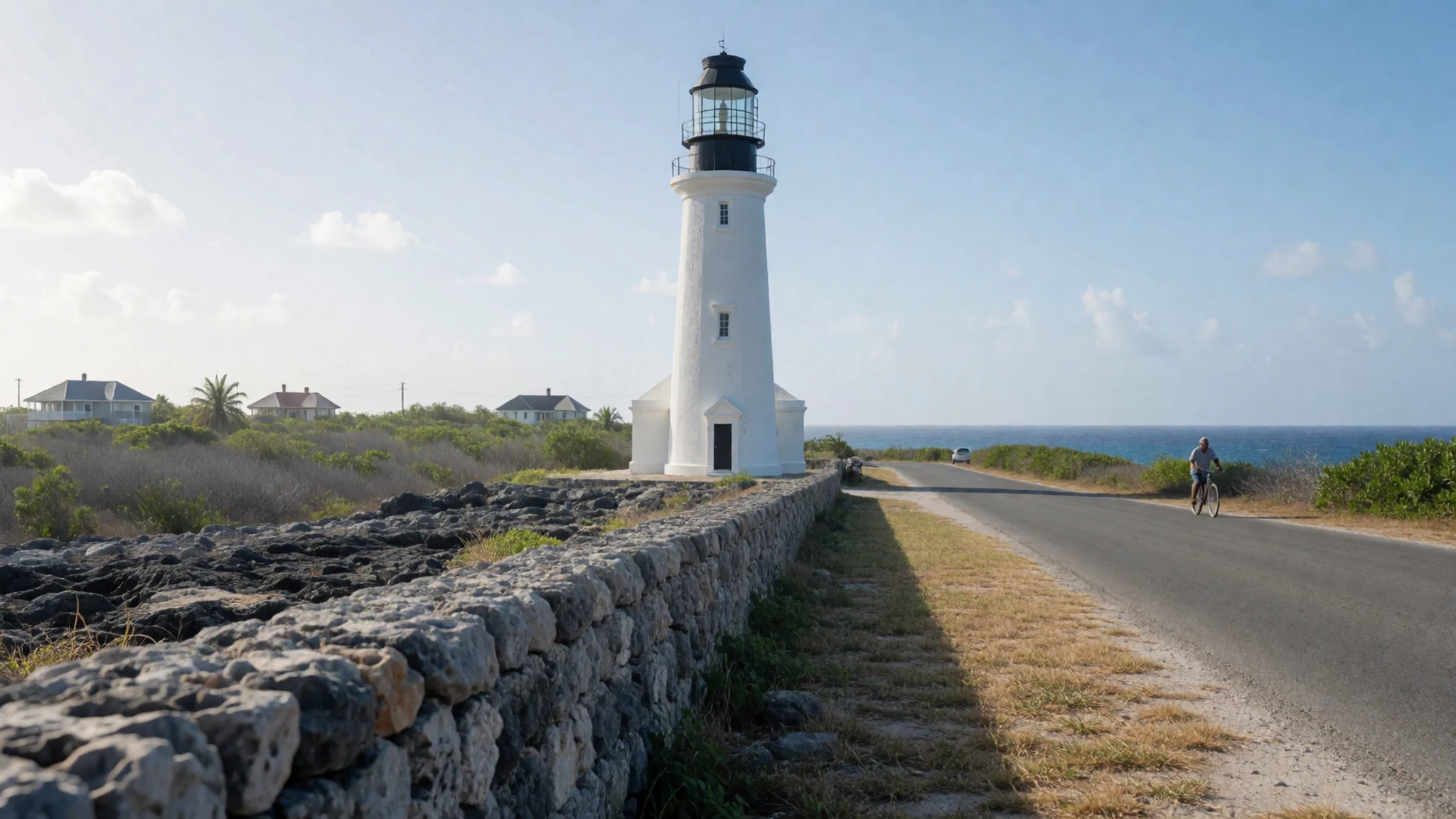
- Ironshore and blowholes — Windward shore, East End
East End's ironshore is black, pitted limestone facing the open Caribbean, and in places the sea blows up through holes in the rock. This is not a swimming beach: the shelves are sharp, the surge is strong, and the show depends on the wind. People pull off the coast road, watch a set come through, and leave. Grip, not flip-flops, is the right footwear on this rock.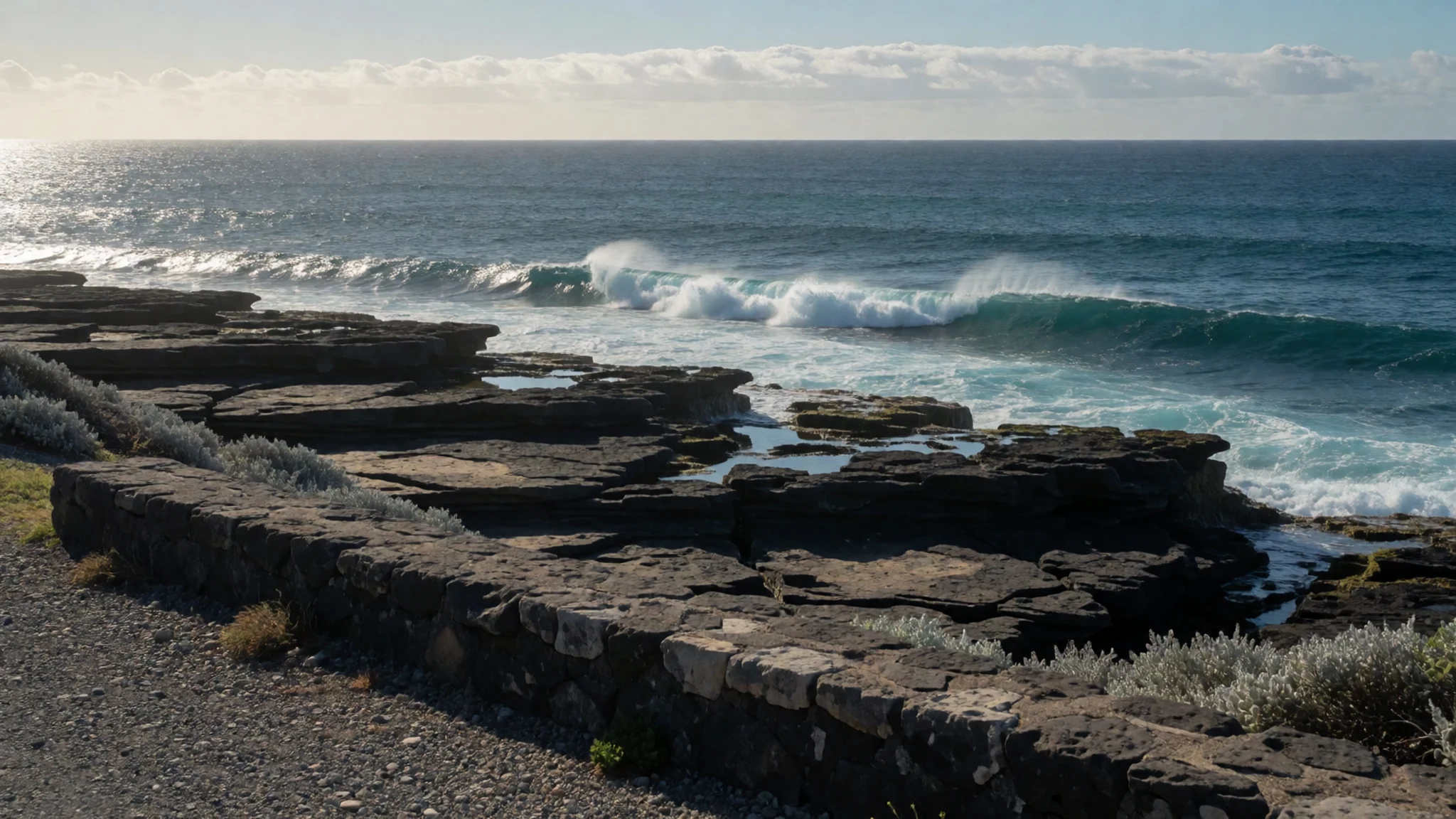
- The windward reef — Offshore East End
The reef off East End is the district's other landscape, close enough that small boats and shore divers treat it as local water rather than a day-trip novelty. Coral, sponges and fish sit on a wall that falls away into deep sea, which is why the windward side has a name among divers. Conditions follow the wind: some days the surface is workable, and some days it is not.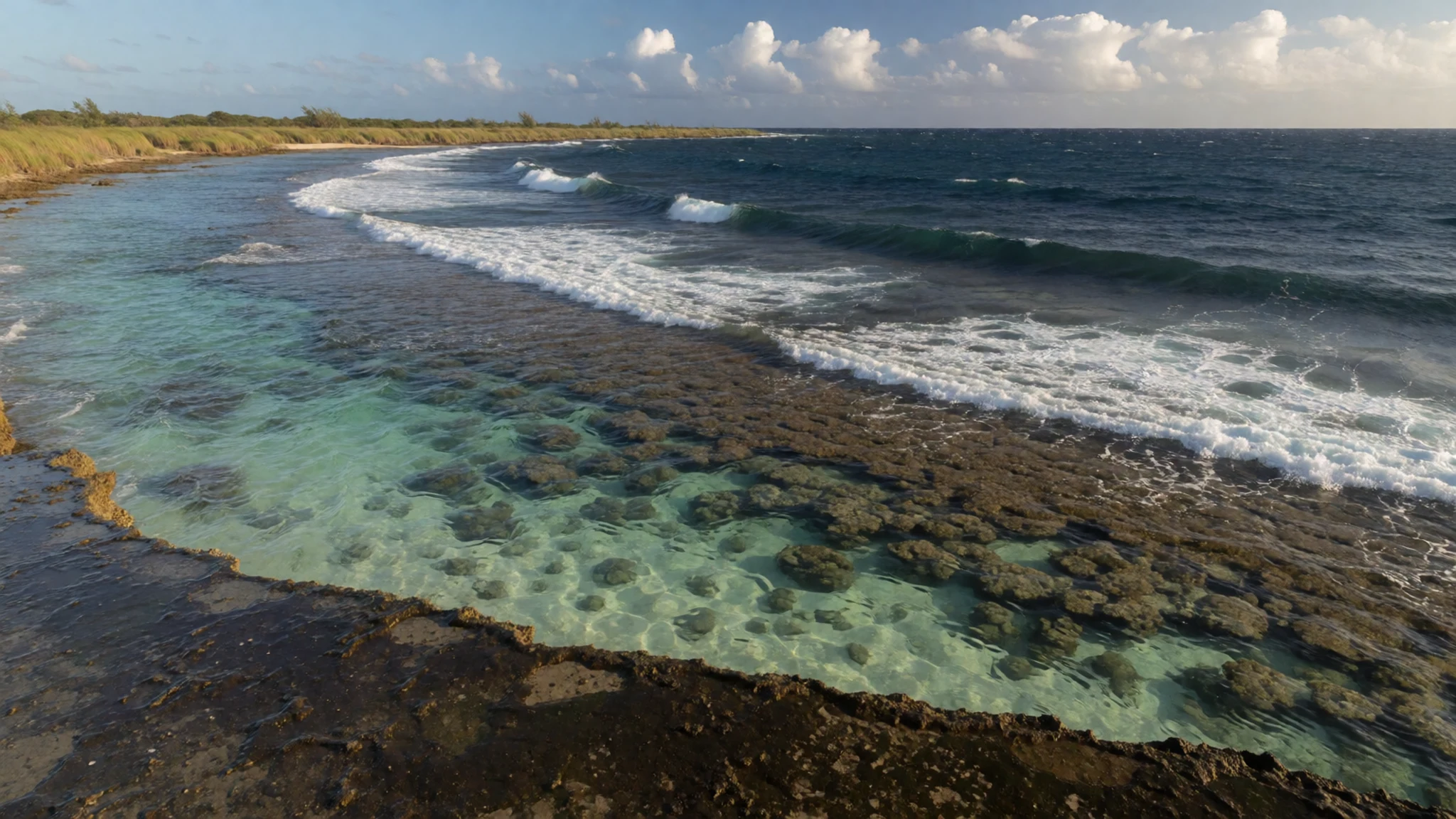
- Gun Bay — Gun Bay, East End
Gun Bay is the settled heart of East End, a small coastal community rather than a beach attraction. Houses, churches and local roads sit just inland of the ironshore, and daily life here looks like the island's own: school traffic, yard work, people who know one another. There is no promenade and no cluster of large resorts. The district's character is residential, and a quiet manner of visiting suits it.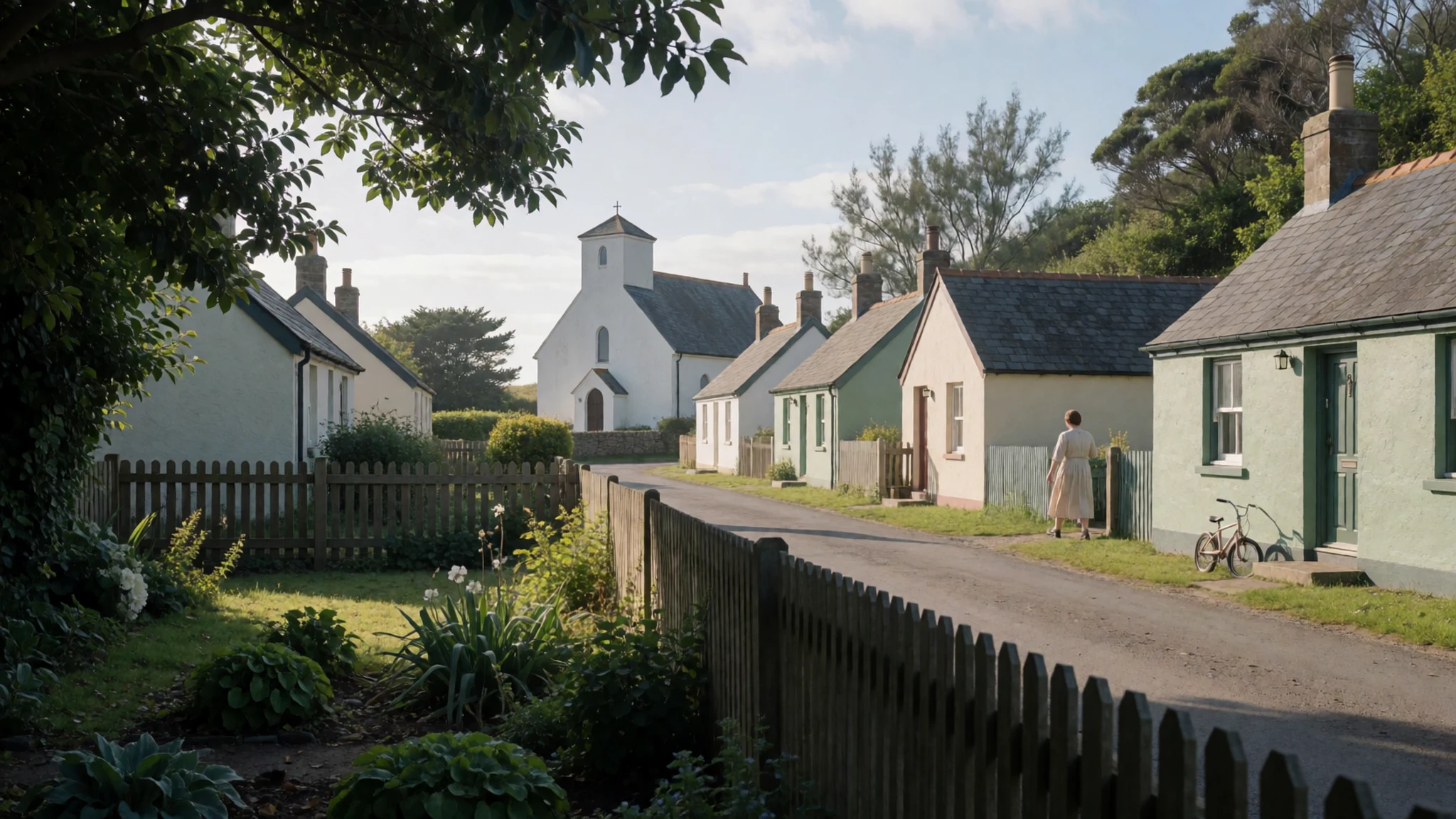
- Wreck of the Ten Sails — East End reef and village
East End carries the island memory of the Wreck of the Ten Sails, when a group of ships struck the eastern reef and local people took to boats to save those they could. The episode is part of why this coast is spoken of with respect rather than as empty scenery. The story lives in the district more than in any single building.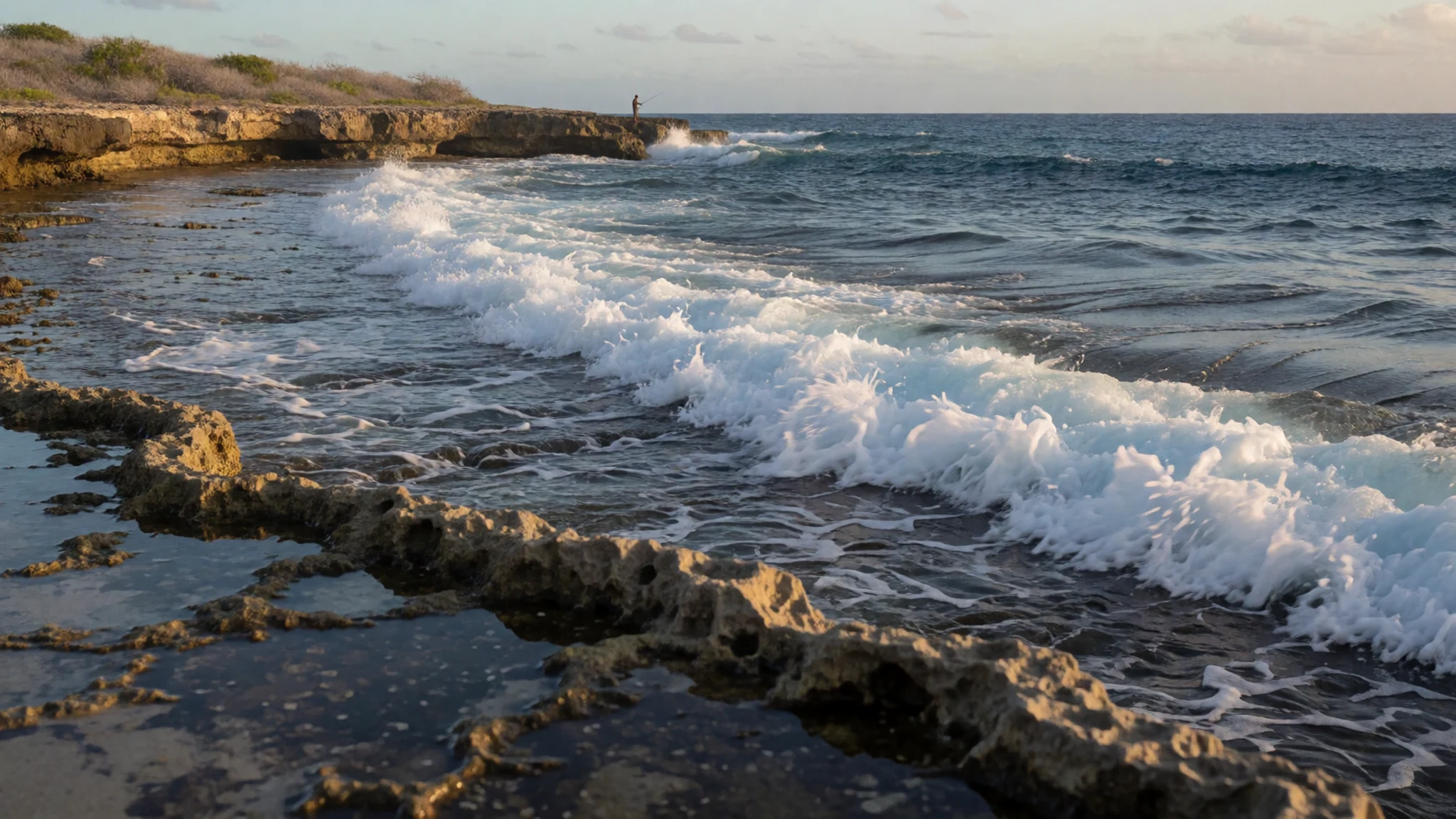
Culture
East End's culture is Caymanian village culture on the windward side: church on Sunday, family names that go back through the maritime years, and a habit of watching the sea before watching the clock. English is the language, spoken in a Caymanian way that visitors from elsewhere in the Caribbean will half-recognise and visitors from further away may need a moment to catch. The silver thatch palm still matters here as a craft and a memory — rope, baskets and the old skills of making do on a dry limestone island. People are proud of being from East End specifically, not only from Grand Cayman, and the district has long been spoken of as a keeper of older island manners. Tourism is present but not the organising fact of the week. A greeting, an unhurried pace and a willingness to be a guest rather than a customer will be read correctly. Sundays are quieter, and church grounds are not a backdrop. The sea is both livelihood and hazard, so casual daring on the ironshore reads as poor judgement. Ask before you photograph residents, dress modestly if you step into a church, and do not take coral, conch or anything else from the reef.
What to wear
East End has never had a court costume that visitors are expected to hire. What the district does have is a practical island dress shaped by heat, church and work on the water: lightweight cotton shirts and dresses, hats against the sun, and feet that move between shoes, sandals and bare stone. The textile with a real local history is not a woven silk but the silver thatch palm, split and plaited into rope, hats and baskets — a craft Caymanians still recognise as their own, even when few people wear thatch every day. Contemporary dress in East End is what the climate allows. Residents wear T-shirts, shorts, simple dresses, sports clothes and, for church or a function, a smarter shirt or a modest dress. Bright swimwear belongs on the beach and on a boat, not in a shop or a chapel. A visitor should copy that split. Bring light, breathable clothes, a rash vest or shirt for the sun, sandals that can cope with ironshore, and a cover-up for anywhere that is not sand or deck. Evenings are warm rather than formal. If you are invited to a church service, cover shoulders and knees. Leave the heavy city coat at home; rain, when it comes, is better met with a light layer you can dry.
What to eat
- Fish rundown — Cookshops and weekend roadside stalls in East End
Fish rundown is a Caymanian coconut-milk stew, slow and savoury, made with local fish and seasonings that vary by cook. In East End, look for it at cookshops and weekend roadside stalls rather than at a resort restaurant. It is everyday food with a Sunday weight to it.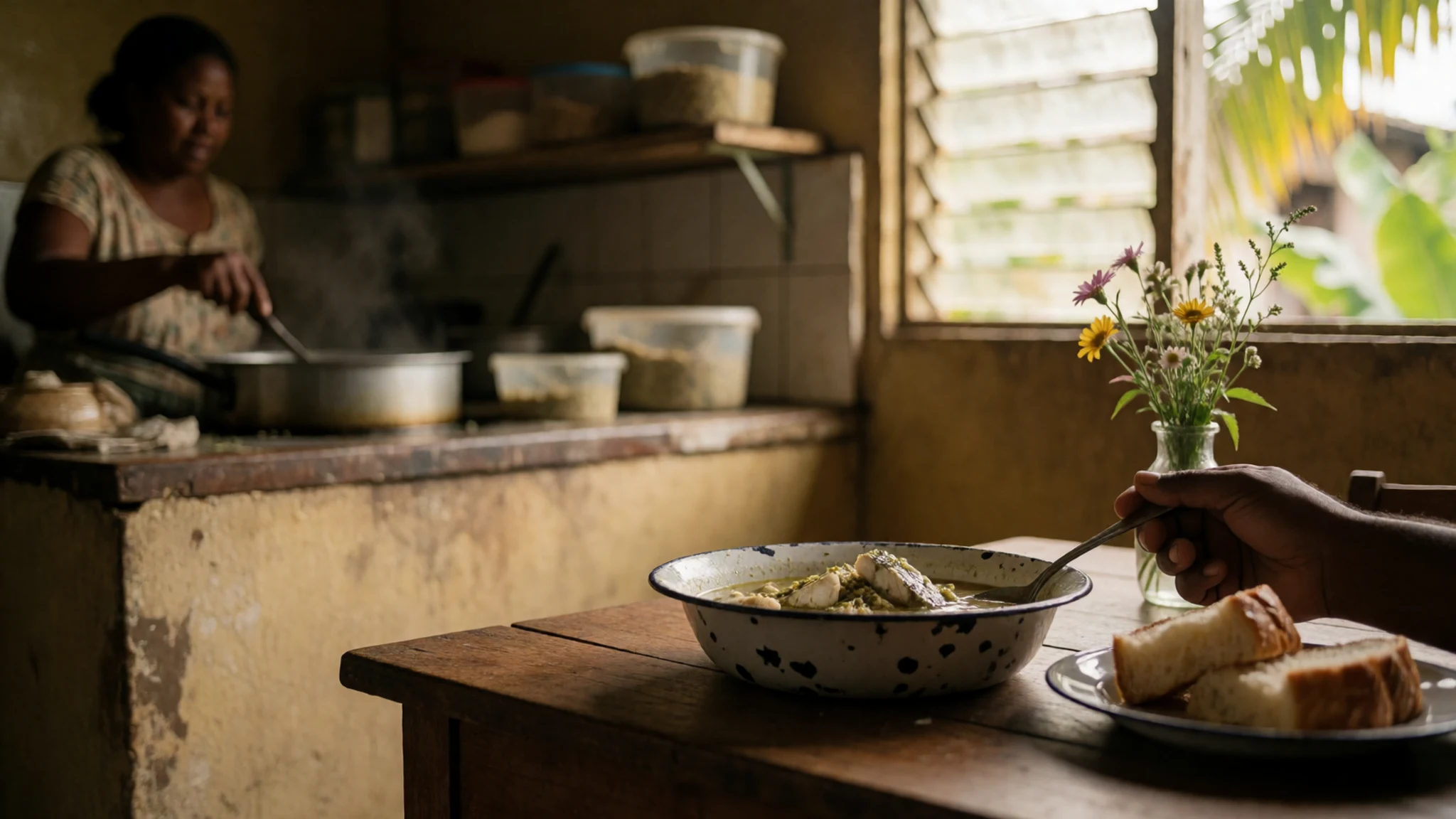
- Fried fish and breadfruit — Local eateries and takeaway counters on the eastern roads
Fried fish with boiled or fried breadfruit is the plate East End cooks know by heart: a reef or wall catch, crisp at the edge, with a starch that grows in Cayman yards. Seek it at local eateries and takeaway counters along the eastern roads.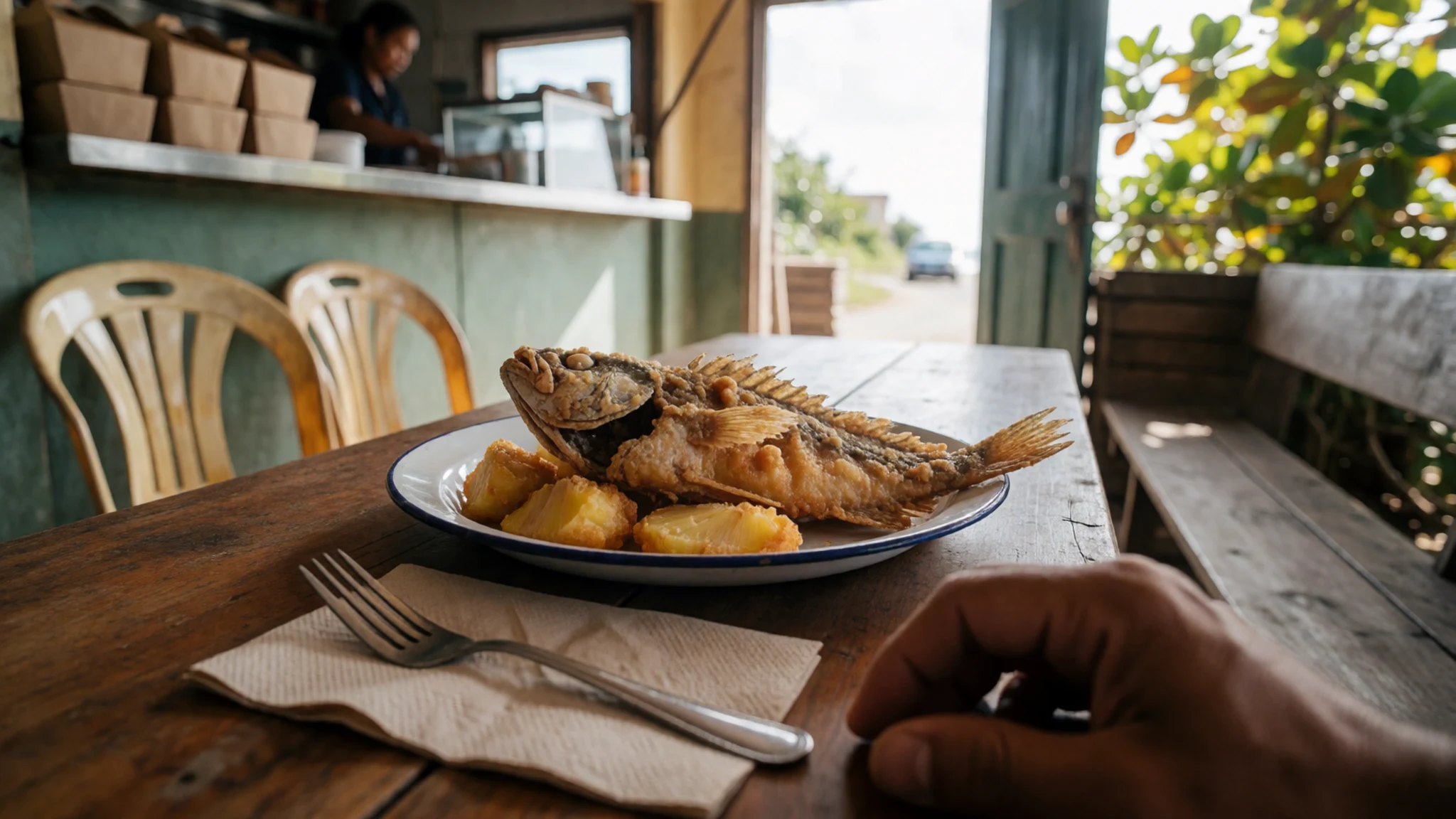
- Conch fritters — Cookshops and casual counters in East End
Conch fritters are seasoned, fried bites of conch, served hot with a peppery sauce at cookshops and casual counters in East End. Conch is a regulated traditional food in the Cayman Islands, so availability follows the rules and the catch, not a tourist timetable. - Heavy cake — East End gatherings, church events and home kitchens
Heavy cake is a dense Caymanian sweet of grated cassava, bound and sweetened, then baked until the edges set. It appears at East End gatherings, church events and home kitchens more often than on a resort dessert list. - Fish tea — Cookshops and informal counters in East End
Fish tea is a light, peppery fish broth, closer to a soup than to a stew, and a common Caymanian restorative. In East End it turns up at cookshops and informal counters, especially earlier in the day. - Johnny cake — East End cookshops and home-style counters
Johnny cake in the Cayman Islands is a fried or baked bread, slightly sweet, eaten with fish or stew. East End cookshops and home-style counters serve it beside savoury plates. Order it as the starch, not as a dessert.
Plan it
Best time. December to April is usually the drier, more settled stretch for being on the East End coast. From late spring through autumn the district is hotter and wetter, and tropical storms are a real possibility. Check a forecast close to travel, especially in the storm months.
How long. 2–3
Getting there. Fly into Owen Roberts International Airport on Grand Cayman, near George Town, then follow the coastal road east through the southern districts to East End. There is no railway. The last leg is by hire car, taxi or a prearranged transfer, and services should be confirmed ahead because they change.
Budget. high
Tips
- Start early if you want the lighthouse and ironshore before the day heats up and the day-trip traffic arrives.
- Hire a car or book a transfer; do not count on frequent public transport to East End.
- Carry drinking water and sun cover; shade on the ironshore is scarce.
- Keep some cash for cookshops and small stalls, which may not take cards.
- If the wind is strong, treat the coast as a viewing place and leave swimming to a sheltered cove or another day.
Etiquette
- Ask before photographing people in Gun Bay or anywhere in the village.
- Wear a cover-up away from the beach, and dress modestly on church grounds.
- Do not stand on coral, collect shells from the reef, or take conch.
Nearby
Sources
- Wikidata (CC0)
- Wikipedia (CC BY-SA 4.0)
- Wikivoyage (CC BY-SA 4.0)
- East End Lighthouse staged photo (01-east-end-lighthouse.jpg) (CC BY 3.0)
Wildlife
- Queen conch (animal)
The queen conch is a giant sea snail that carries its home on its back, a big shell for a soft body. It is among the largest molluscs native to the Caribbean, and a close cousin of the rooster conch. The notes do not say where around East End or in which season you might find one, so ask locally before you set out. Whatever you meet, look with your eyes only: leave every conch and every bit of coral on the reef, and never carry one home.