Danyang
Danyang, South Korea
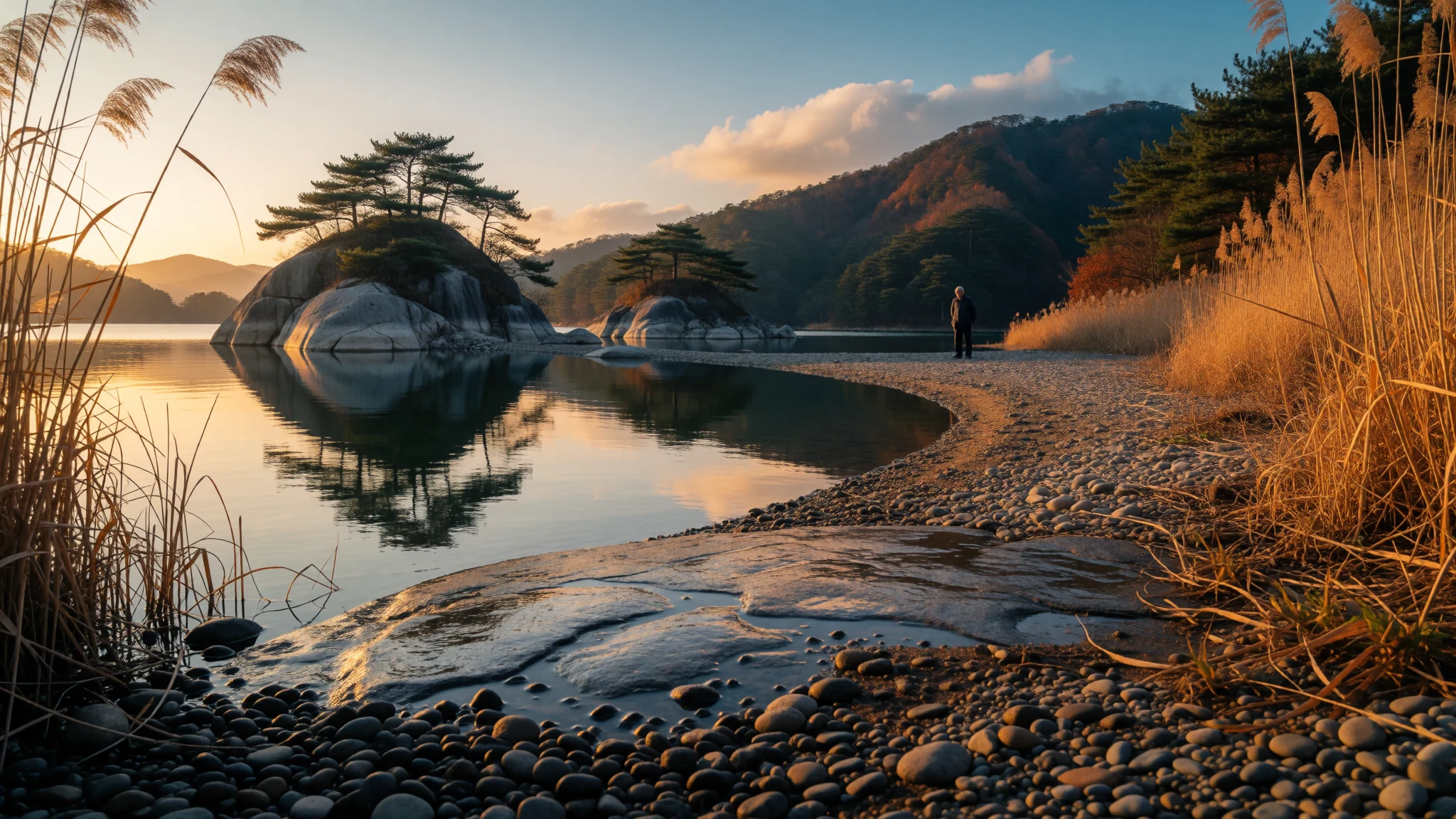
Danyang is a small riverside town in South Korea's mountains, with lake boats, rock islets, a cave and trailheads close to the centre.
The place
Danyang is a small county in North Chungcheong Province, South Korea, home to 27,448 people living among steep ridges and river valleys. Mountains cover 83.7% of the land and only 11.2% is farmed, so towns and villages sit wherever the valleys flatten out. The Namhan River runs through the county, fed by streams that start on Sobaeksan, Odaesan and other peaks, and the town of Danyang sits on its bank beside the railway station. The province has no coastline, and Danyang feels like it: this is a place of lakes, river bends, caves and hill paths rather than beaches. The climate is inland and continental, with cold, dry winters and hot, rainy summers. The annual average temperature is 11.7 °C, and yearly rainfall is about 1,050 mm, much of it in the summer monsoon. That swing matters for planning: January is hard cold, July is humid and wet, and the months in between are kinder. Danyang also works as a base for the wider region. Chungju Lake, Sobaeksan and Songnisan National Park all lie in the surrounding hills, and the Jungang expressway and rail line pass through the town. Today it draws walkers, families on short breaks and Koreans after a weekend near water. The town itself is compact and walkable, and the river is its main street in spirit. A translation app is worth having, since menus and signs away from the centre may be in Korean only.
Its story
Danyang belongs to Chungcheong, a region long associated with the yangban, the scholar-official class of old Korea. The Chungcheong nobility produced many scholars and statesmen, and that learned, unhurried reputation still clings to the province. Its best-known contribution to book history is Jikji, a Buddhist text printed with movable metal type at Heungdeoksa temple in Cheongju, which is why the area has an early printing museum. Danyang's own stories are rooted in the landscape. Dodam Sambong, three rock islets in the water, is told as a love triangle of husband, wife and a third person, turned to stone. Sculptures in the town's city park retell other local folk legends, so a short stroll doubles as a lesson in how the hills and rivers got their names. Danyang is also associated with the Eight Views, a traditional set of scenic spots of the kind East Asian scholars liked to list, paint and write poems about. Later, the town became a meeting point for roads and rail lines, and then a holiday stop once Chungju Lake was created as a reservoir. Not every sight here is ancient, and the lake itself is man-made. What stays constant is the pairing of river, rock and ridge that drew scholars first and weekend travellers later.
What to see
- Dodam Sambong — Namhan River and Chungju Lake, near Danyang
Dodam Sambong, or Three Peak Island, is a trio of rock islets rising from the water near Danyang. Local legend reads them as a love triangle of husband, wife and a third person. Early light and mist suit the view, and boat trips on the lake pass close by.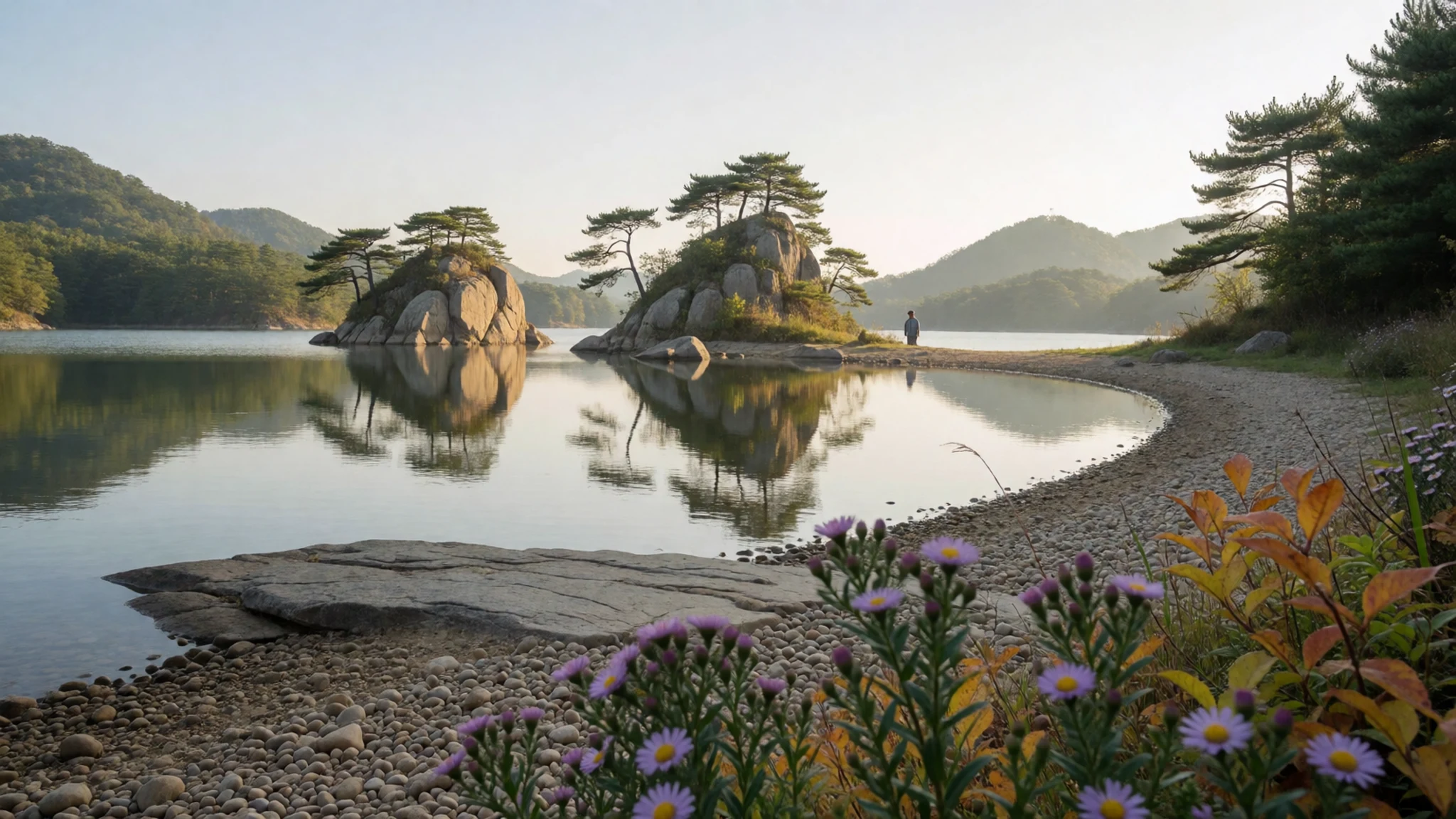
- Namhan riverfront and bridges — Danyang town centre
The Namhan River runs beside Danyang Station, and the riverfront is where the town is easiest to read: bridges, benches and open views to the hills. It makes a gentle first walk after arriving by train, and a good place to judge the weather before committing to a mountain trail.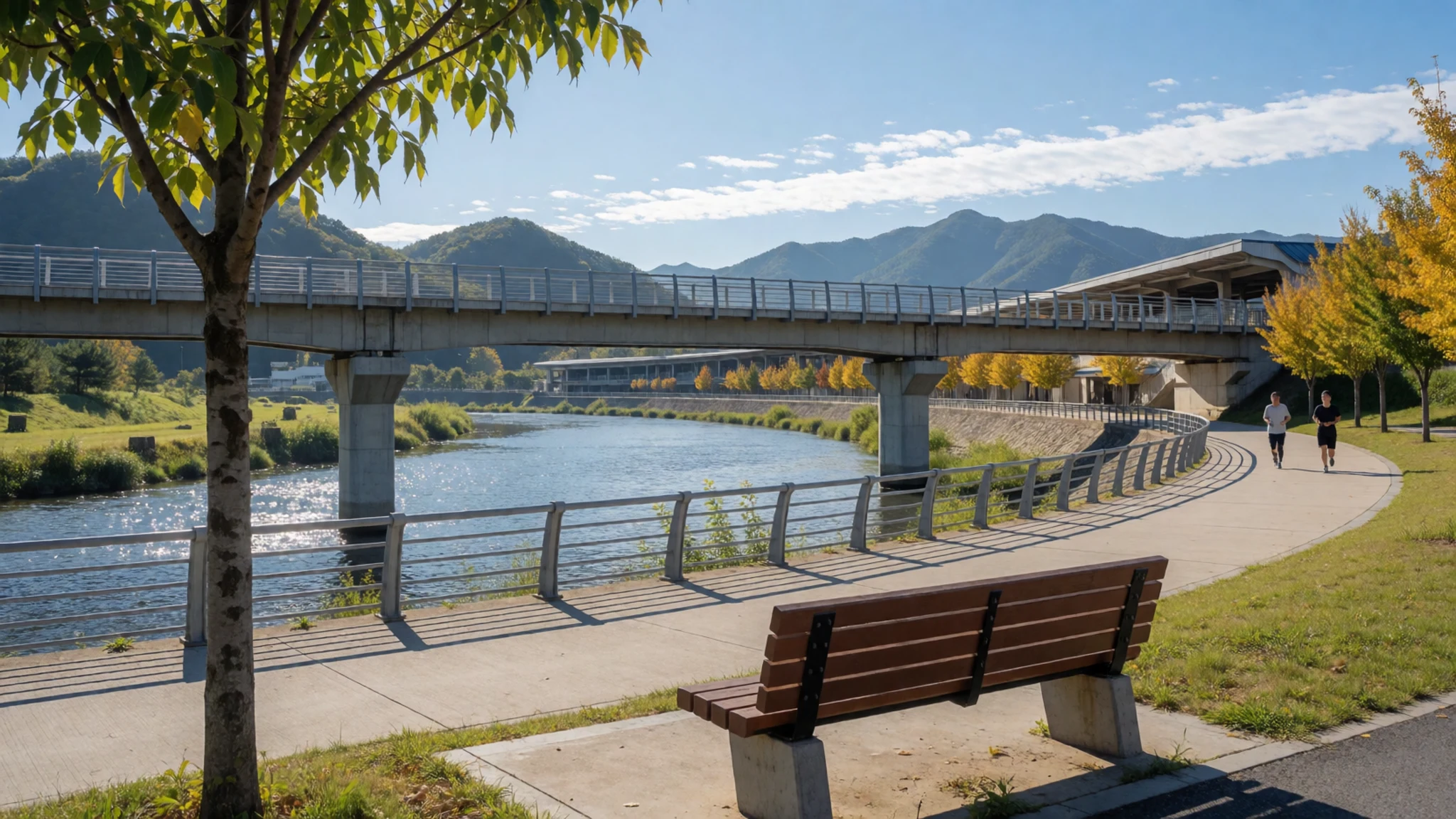
- Danyang Falls — Across from the riverfront, Danyang
Danyang Falls sits across from the riverfront, within easy reach of the town centre. It is a modest stop rather than a big excursion, and looks fuller after rain. Fold it into a walk along the bridges and river path rather than making a separate trip.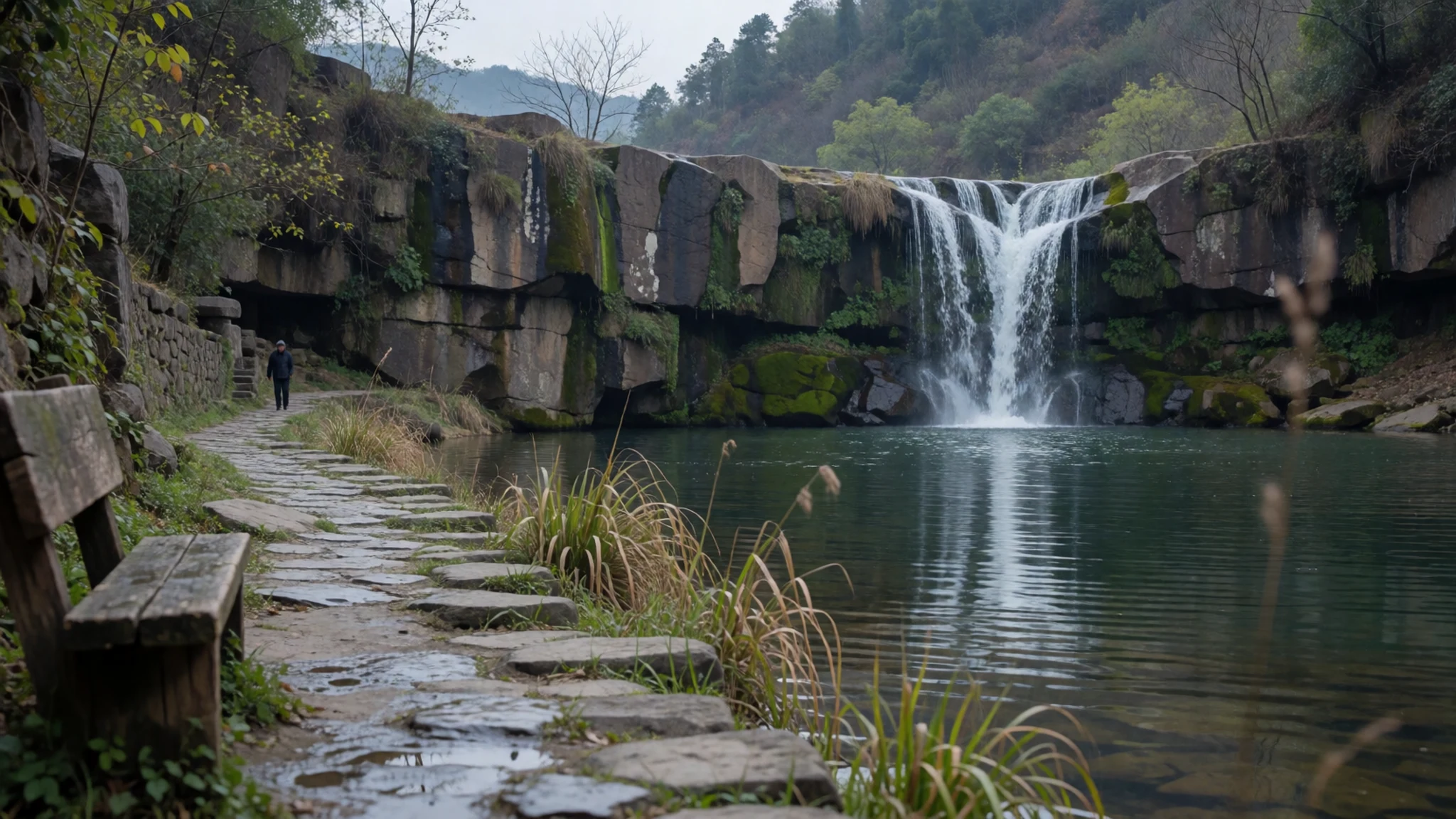
- Gosu Cave — Near Danyang, along the Namhan valley
Gosu Cave lies close to Danyang, and people lived in it in prehistoric times. Wikivoyage describes it as an impressive underground space. Check the county website, english.dy21.net, for visiting arrangements before going, and wear shoes with good grip, since cave floors are usually damp.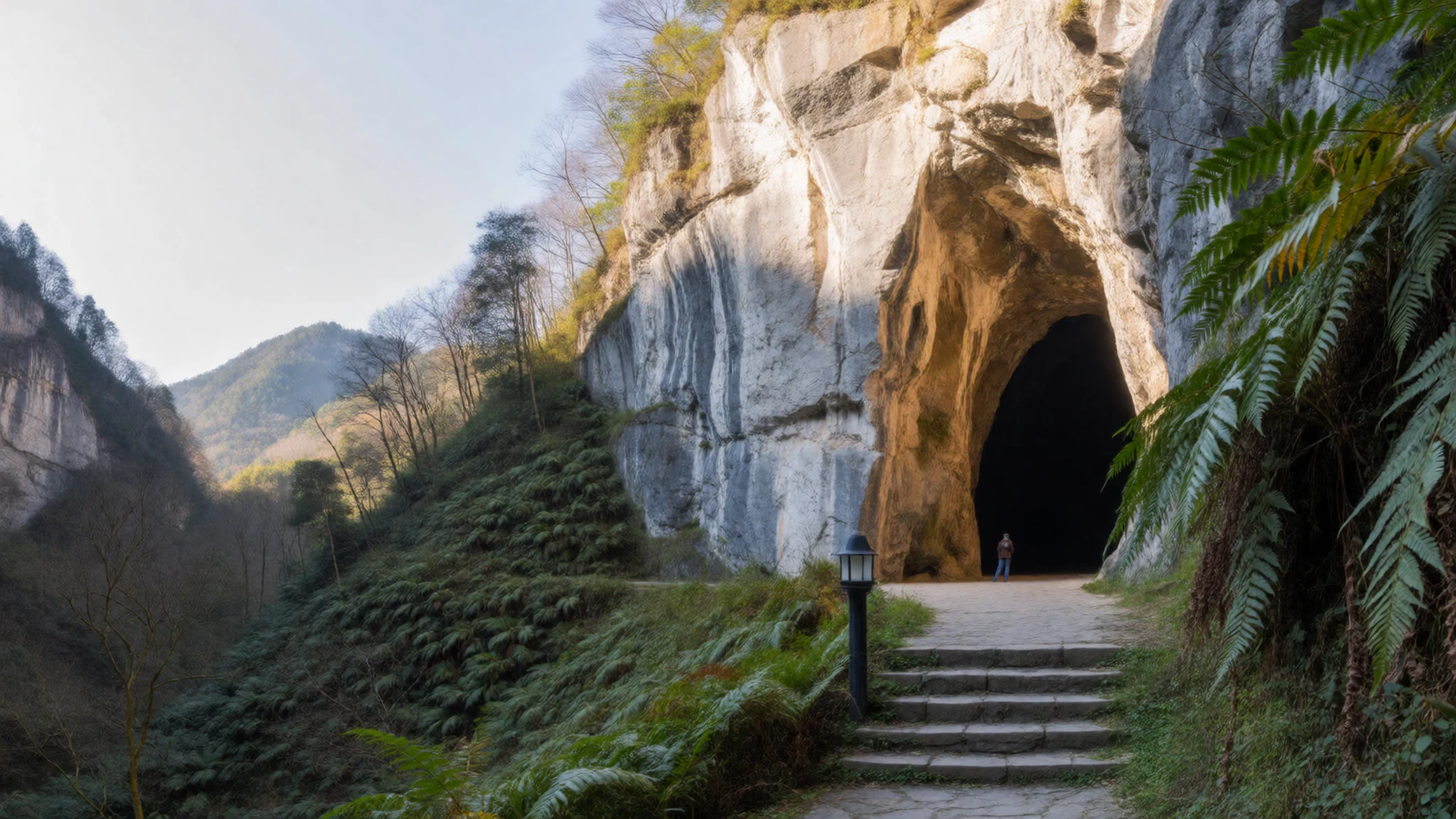
- Danyang city park — Danyang town centre
The city park holds sculptures that retell one of the area's folk legends, along with a copper globe. It is worth about ten minutes for the stories, which explain why the surrounding rocks and rivers carry the names they do. A calm stop between the station and the river.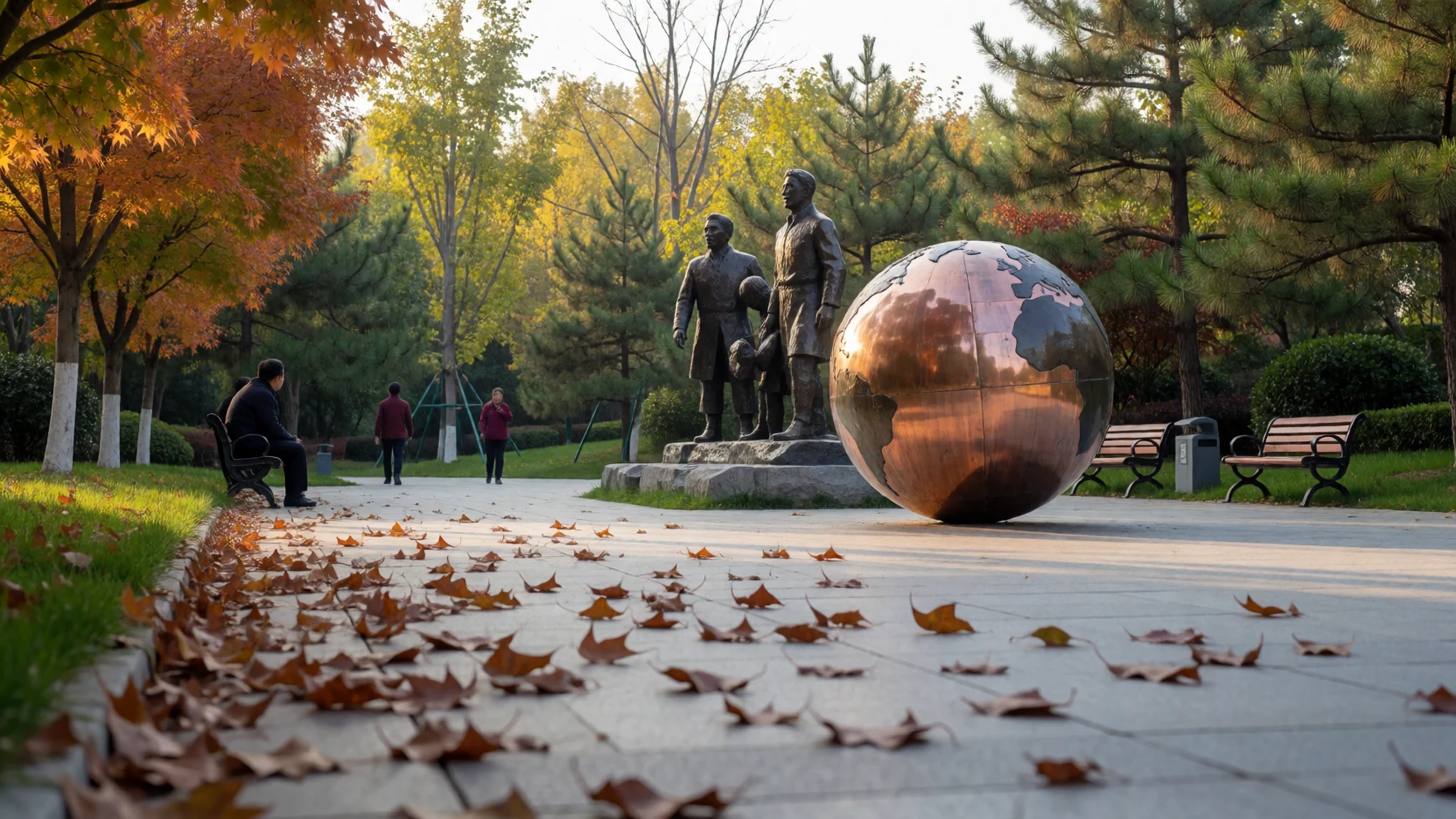
- Chungju Lake boat ride — Chungju Lake, Danyang
Chungju Lake is a man-made reservoir ringed by hills, and boats run between nearby sights. Travelling by water gives a different angle on the mountains and on Dodam Sambong. Check the operator's schedule and the weather before heading out, since services can change with the season.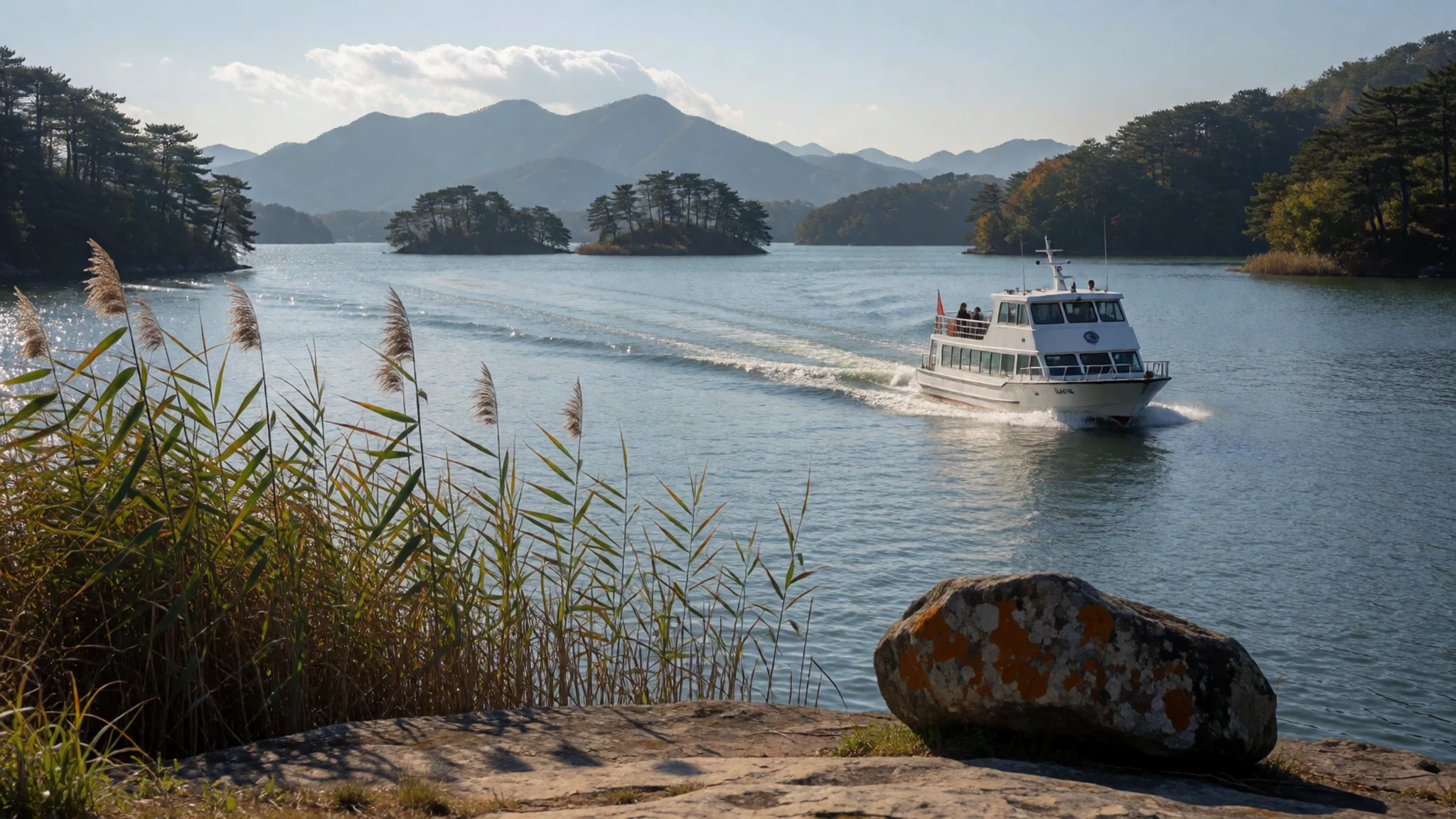
Culture
Danyang's culture is that of a Korean mountain county: hospitable, practical and closely tied to the outdoors. Hiking is a shared habit here, and trail-goers in full gear often greet strangers on the path, so a friendly 'annyeonghaseyo' (hello) is normal. The region's old yangban tradition of scholarship shows up in a respect for elders, careful manners at the table and an appreciation of landscape as something to contemplate as well as climb. Food is eaten communally, with side dishes shared in the middle of the table and rice and soup set individually. Folk legends give local rocks, caves and islets their personalities, and residents enjoy explaining them. The pace is slower than in Seoul, especially on weekday mornings. Mountain temples in the wider region are active places of worship as well as sights, so quiet voices and unhurried movement go a long way. Rural eateries, lodgings and guesthouses may have floor seating or heated floors, and the house rules are simple: shoes stay at the door. Seasonal festivals and Chuseok, the autumn harvest holiday, bring families back to the valleys, which can mean busier roads and fuller restaurants. Respect for neighbours and for the land is the unwritten rule of the place. At temples, restaurants with floor seating and guesthouses in Danyang, take your shoes off at the threshold, place them neatly beside the others and keep your voice low inside.
What to wear
Traditional dress around Danyang is the hanbok, the Korean outfit of a short jacket (jeogori) over a wrap skirt (chima) for women, and a jacket with loose trousers (baji) for men. Silk is used for celebrations, ramie and hemp for hot summers, and cotton for everyday wear. Hanbok now appears mainly at weddings, Seollal (Lunar New Year), Chuseok and festivals, and is often rented for the day. Day to day, people in Danyang dress for a mountain county: practical trousers, fleece, windproof jackets and sturdy shoes, with full hiking kit common at weekends. Winters are cold and dry, so padded coats and thermal layers are normal, while summers call for light, quick-drying clothes and a rain jacket. Visitors should dress for the trail first. Pack layers, a waterproof shell for the monsoon months, grippy shoes for wet rock and riverside paths, and a hat and sunscreen for summer. At temples, covered shoulders and knees are the courteous choice, and shoes come off before entering halls. Smart-casual is fine in restaurants, and nobody expects formal clothes anywhere in town.
What to eat
- Sanchae bibimbap — Mountain-vegetable restaurants near trailheads and in the town centre
Rice topped with mushrooms, spinach, roots, sprouts and other mountain greens, mixed at the table with chilli paste. It is the dish most tied to the hills here, and a sensible meal before or after a long walk.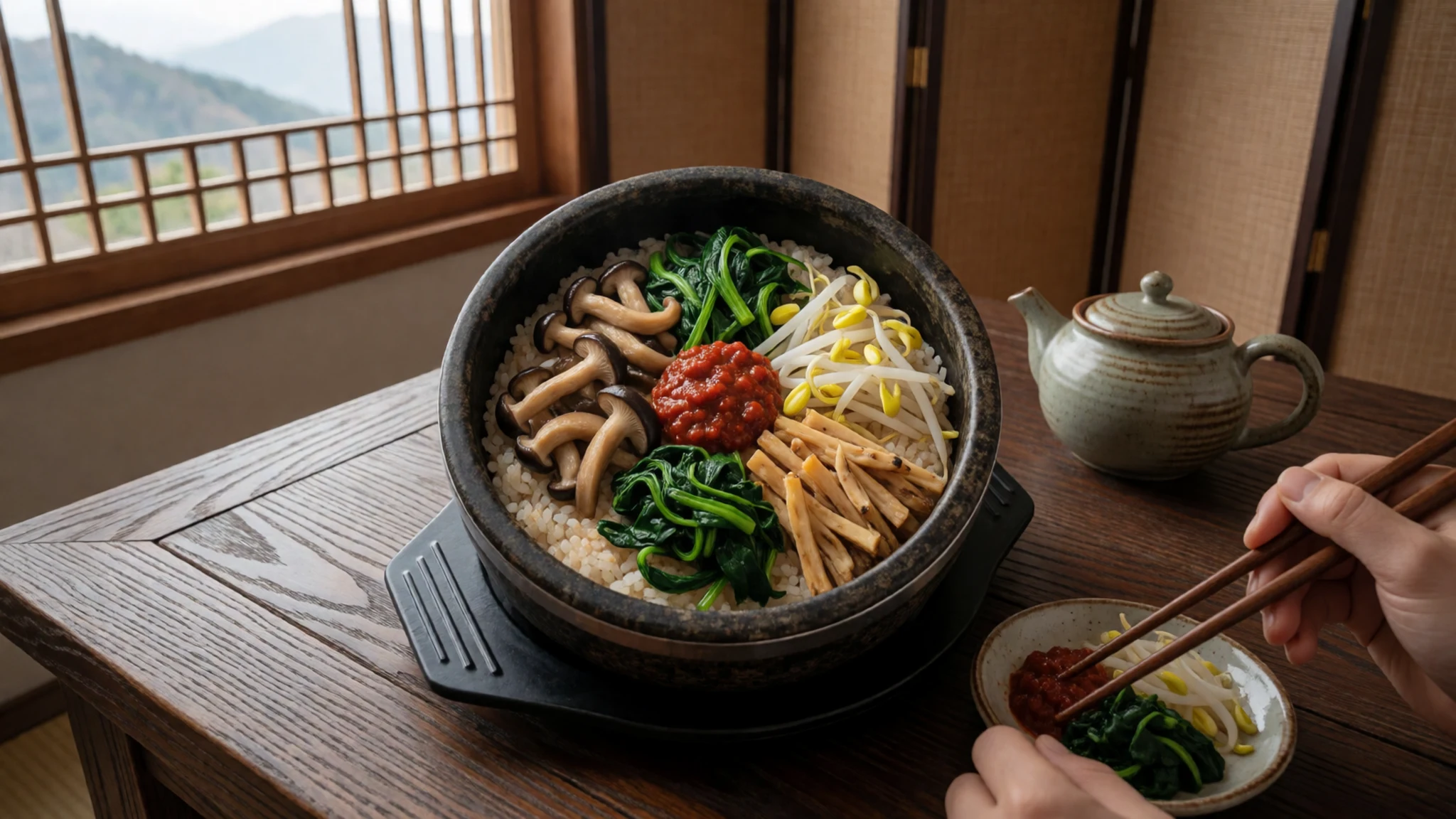
- Hobak beombeok — Home-style eateries and village restaurants, especially in cooler months
A thick winter squash porridge, soft, sweet and warming. It is country food rather than restaurant showpiece, so look for it on set menus in small family-run places when the weather turns cold.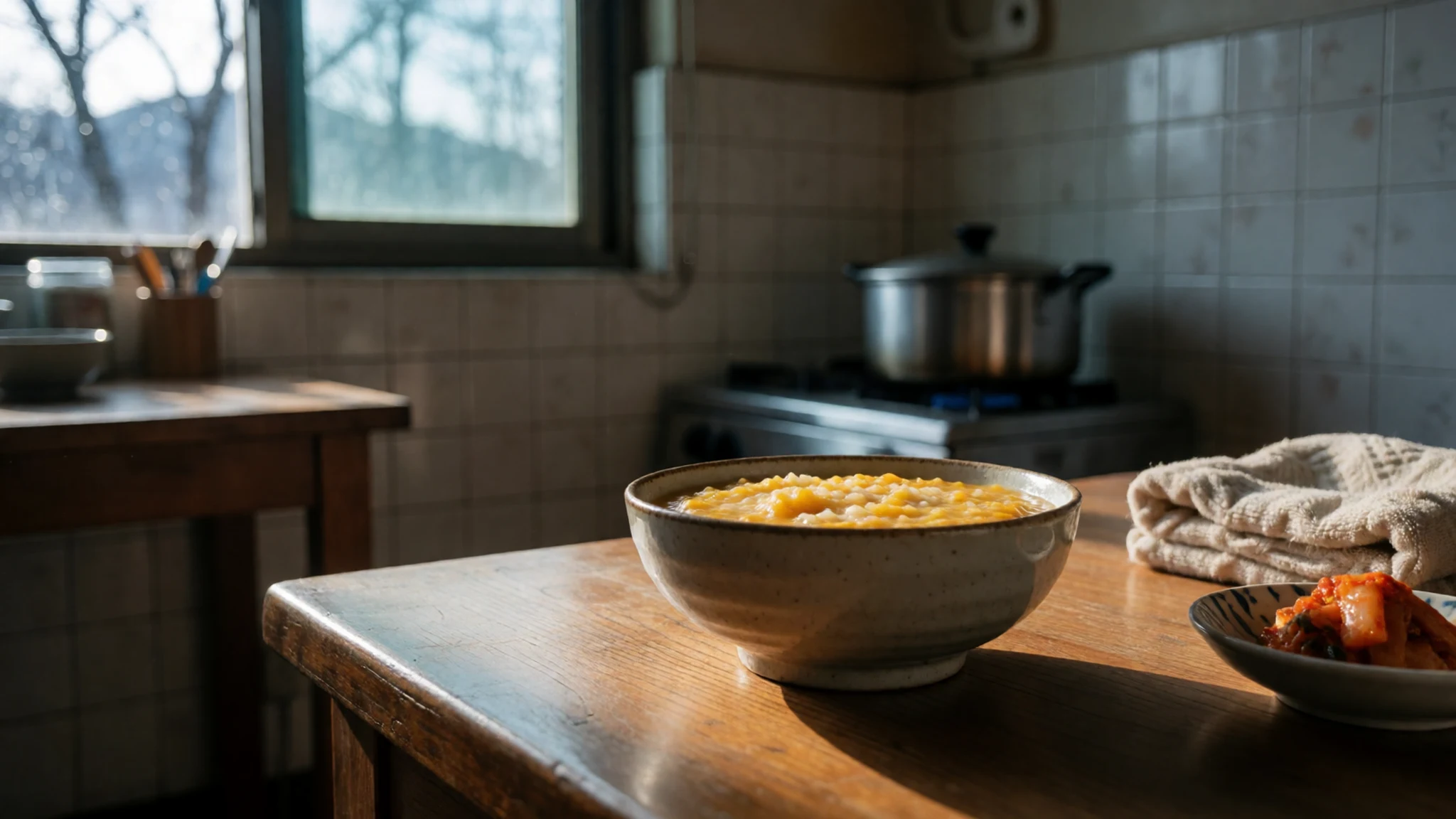
- Cheonggukjjang jjigae — Village eateries and traditional restaurants
A stew built on quickly fermented soybeans, with a strong smell and a deep, savoury taste. It is a regional staple and an acquired one: the aroma is pungent, but locals eat it with rice and side dishes. - Barley rice dishes — Traditional restaurants serving set meals
With no coastline in the province, grains and vegetables carry the cooking, and barley is a common substitute for plain rice. Ask for a barley rice set meal to taste the everyday cooking of the region, with its many small side dishes. - Makgeolli — Local markets, small bars and shops in the Chungcheong region
A milky, lightly sweet rice drink that pairs well with savoury pancakes after a day outdoors. In nearby Okcheon, a turmeric version comes in yellow bottles. Drinks are poured for others, so wait for someone to fill your cup.
Plan it
Best time. April–May for fresh greenery and mild walking weather, and September–October for clear air and autumn colour. Summers are hot and rainy with monsoon downpours, and winters are cold and dry, with an annual average of 11.7 °C hiding a big seasonal swing.
How long. 2–3
Getting there. Take the Jungang line train from Seoul's Cheongnyangni station to Danyang, which sits right by the river. Express buses also serve the region, and Cheongju International Airport has some flights from Jeju and China. Once in town, most sights are a short walk, taxi or boat ride away.
Budget. mid
Tips
- Start trails and lake boats in the morning, before afternoon heat and weekend crowds build
- Check the county website, english.dy21.net, for caves, boats and events before travelling, as arrangements can change with the season
- Carry some cash and a card, as small village eateries and market stalls may not take both
- Pack a rain jacket in summer and thermal layers in winter, since the inland climate swings sharply
Etiquette
- Take your shoes off at temple halls, guesthouses and any eatery with floor seating
- Greet other walkers on mountain paths and keep noise low in temple grounds
- Wait for elders to start eating, and pour drinks for others before your own
Nearby
Sources
- Wikidata Q50220 (CC0)
- Wikipedia: Danyang County (rev 1376546336) (CC BY-SA 4.0)
- Wikivoyage: North Chungcheong (rev 5128216) (CC BY-SA 4.0)
- Photo: Dodam Sambong (Steve46814) (CC BY 3.0)
- Photo: Bridge at Danyang (Steve46814) (CC BY 3.0)
- Photo: Bridge at Danyang (Steve46814) (CC BY 3.0)
- Photo: Namhangang River at Danyang Station (Kimhs5400) (CC BY 4.0)
- Photo: Danyang Falls (Steve46814) (CC BY 3.0)
- Photo: Danyang city park sculptures (Steve46814) (CC BY 3.0)
- Photo: Copper globe in Danyang city park (Steve46814) (CC BY 3.0)
- Photo: Danyang Korail station (Steve46814) (CC BY 3.0)


