Erdenet
Erdenet, Mongolia
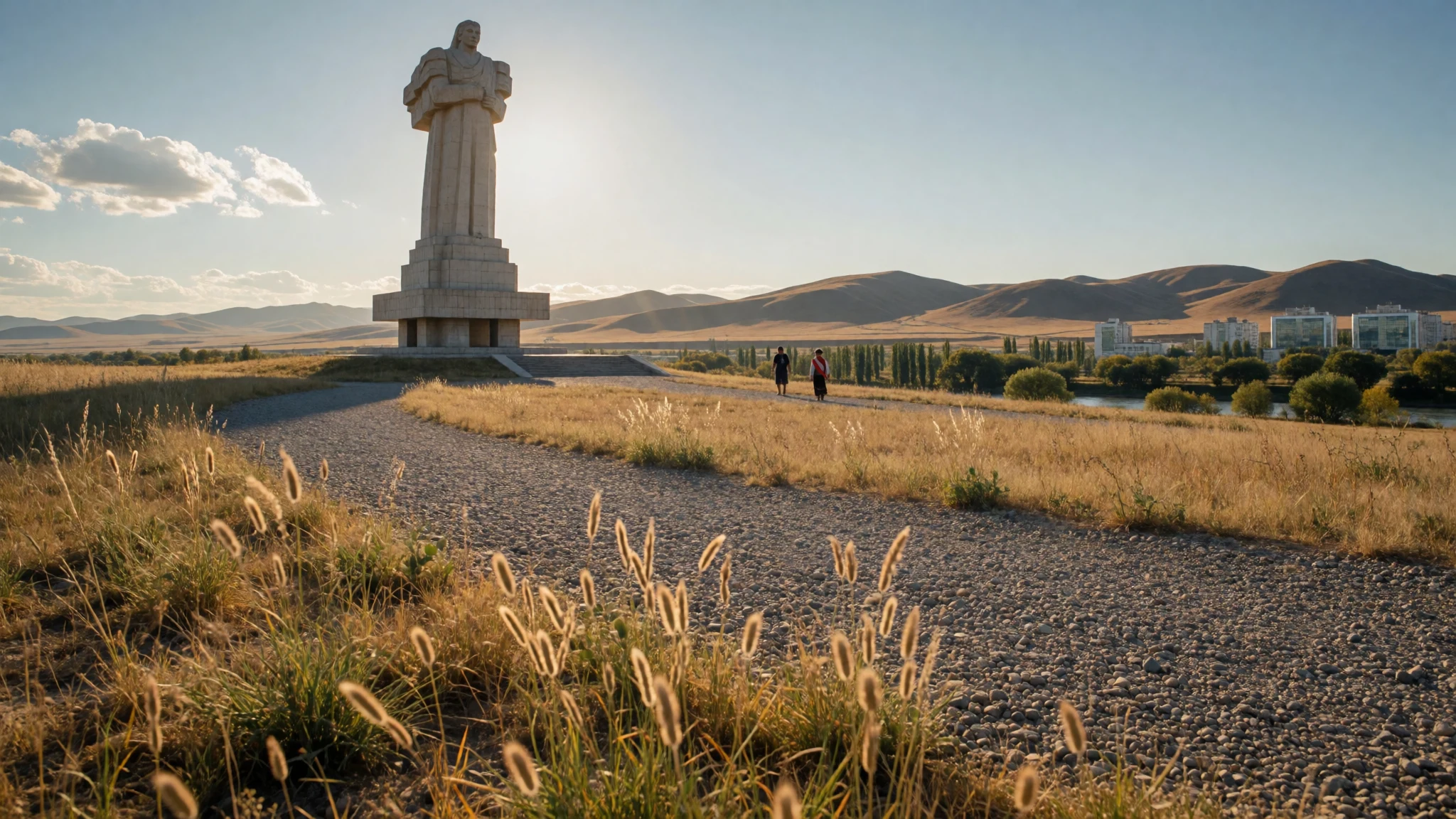
Erdenet is a Soviet-built copper town in northern Mongolia, where archers train beside apartment blocks and herders' country begins a short walk away.
The place
Erdenet is a planned mining city in northern Mongolia, set at 1,280 m in a valley between the Selenge and Orkhon rivers and serving as capital of Orkhon Province. About 107,000 people live here, so it is a proper town by Mongolian standards, yet open steppe begins a short walk from the last apartment blocks. Ulaanbaatar lies to the south-east, linked by a long paved road, and Erdenet feels like a separate world from the capital: orderly, a little Soviet in its bones, and organised around a single industry. That industry is copper. A huge open-pit mine on the edge of town is the reason the city exists, and its corporation shapes local life, from jobs to civic pride. The name itself is Mongolian for something precious or valuable. Other works add variety: timber processing, carpets, cashmere and food production. Because the mine brings money, the centre is kept tidy, with mature trees and repainted façades softening the blocks laid out in the 1970s. Students arrive from other provinces to study at branches of state universities and at a private college, though many go home for the summer, which makes the town quieter then. Visitors should not expect old monasteries or ancient bazaars. What Erdenet offers is a lived-in industrial city, an archery tradition known across the country, a pair of small temples, and herding land within walking distance. Summers are warm and rainy with cool nights; winters are long, dry and very cold.
Its story
Erdenet is among the youngest settlements in Mongolia, and its story is really the story of a copper deposit. Geologists located the ore in the 1950s, but years passed before anything was built. Then, in the early 1970s, Mongolia and the Soviet Union agreed to develop it together as a joint venture with equal shares. A new settlement rose beside the site, and the facts record the town's founding as 1975. It was soon upgraded from a small administrative unit to a full city. A single-track railway was laid to join it to the Trans-Mongolian line, and the mine began producing in the late 1970s. By the middle of the 1980s, Soviet citizens, mostly engineers and miners, made up more than half of the residents, and Soviet troops were stationed nearby as well. The town therefore had a strongly Russian character, with apartment blocks, schools and canteens going up across the valley floor in the standard Soviet pattern. That changed with the end of communism in Mongolia in 1990 and the collapse of the USSR in 1991. The troops withdrew, many Russian families left, and the population gradually became more Mongolian. The mine kept running, however, and it remains the core employer. Erdenet's later history is that of a company town adjusting to a market economy and deciding what to keep from its Soviet past. The friendship monument on the edge of the centre is the plainest reminder of that partnership.
What to see
- Erdenet Mining Corporation — Edge of the city
The mine is the reason for the city, and visits are arranged by appointment rather than on a drop-in basis. Bring a passport, and ask through the company's official site (http://www.erdenet.mn/) about current rules. A small mining museum belongs to the same story and is worth asking about. - Friendship Monument — North-east of the centre
A Soviet-era monument to the partnership between Mongolia and the USSR, the joint effort that built the town. It is a good place to understand why Erdenet looks as it does. Go in good light for photographs, and expect a quiet, slightly austere spot rather than a crowd.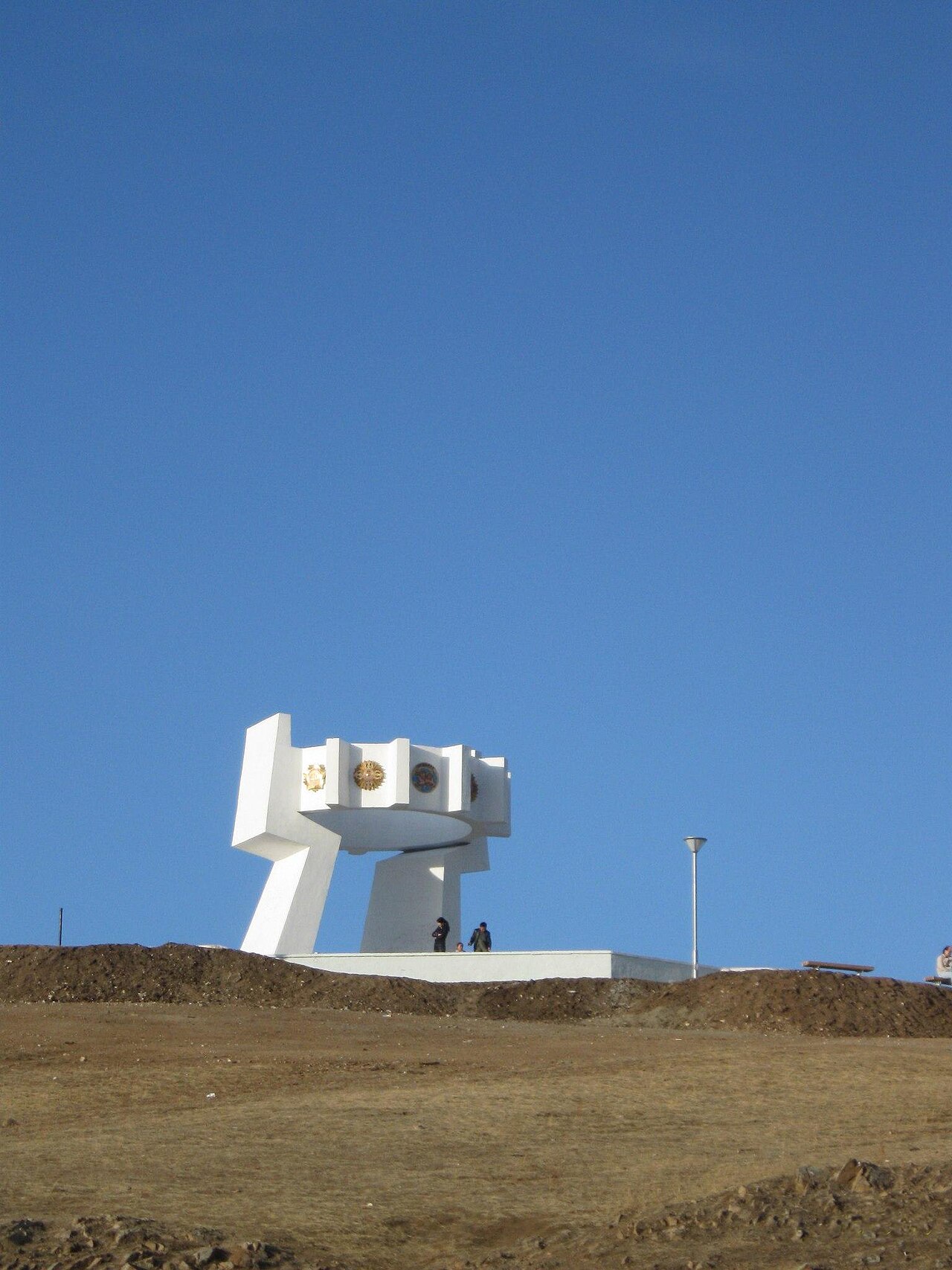
- Orkhon Provincial Museum — City centre
The provincial museum is the natural first stop for local history, from the mine's arrival to the daily life of a province that is mostly herding country. Opening times change, so check locally before setting out. It suits a rainy afternoon, which in summer is a real possibility. - Archery training ground — South of the city centre
Erdenet's archers are known across Mongolia, and the training field south of the centre is the place to watch them. Sessions usually run late afternoon and grow more frequent before national Naadam. Nothing happens in rain, and in winter practice moves indoors or stops. - The two small temples — North of the city centre
Two modest Buddhist temples stand in the north of the centre. They are small and easy to fit into a walk, and they give a first look at Mongolian temple life for anyone who has not seen it. Dress modestly and keep voices low.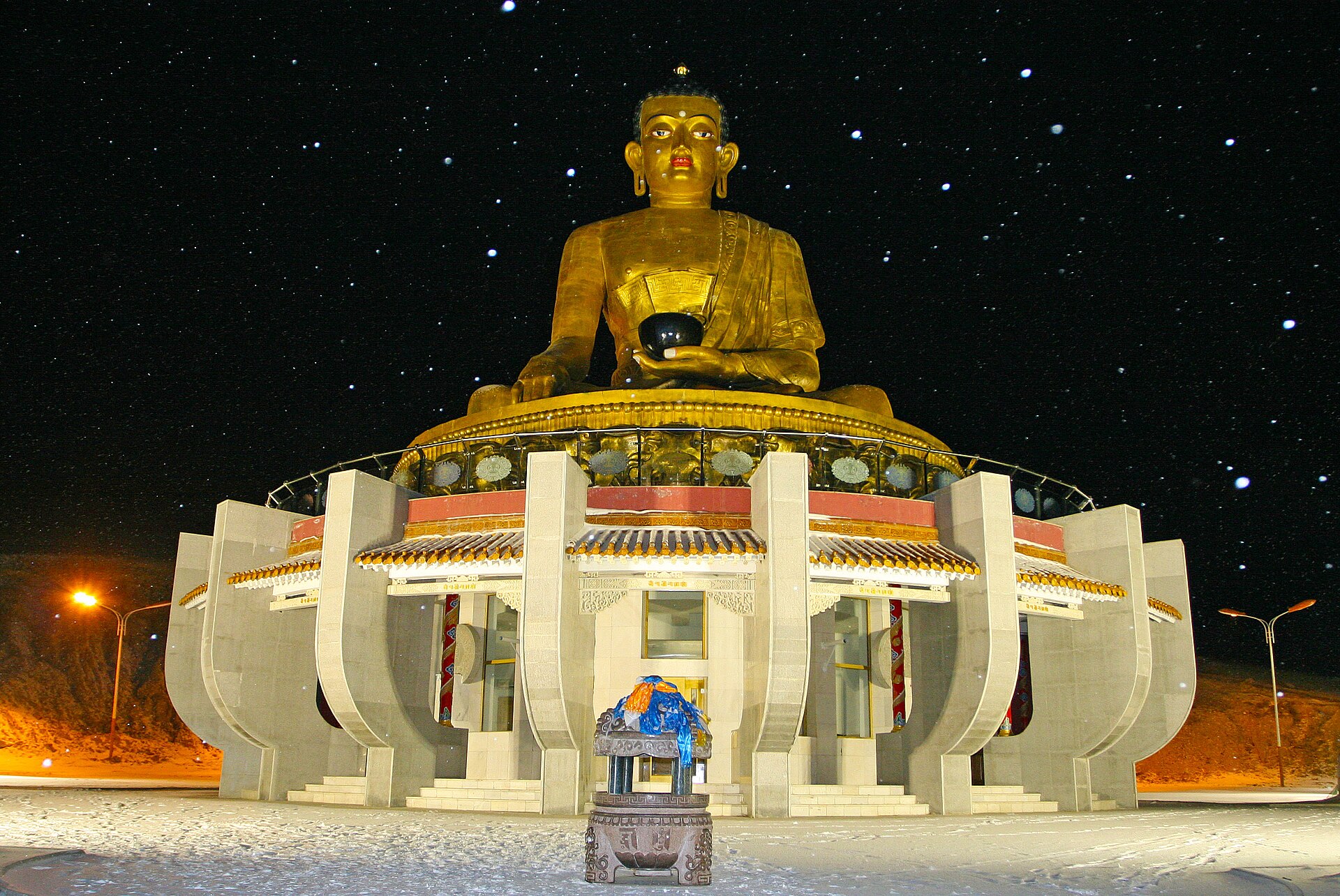
- The Soviet-era centre and the edge of the steppe — Centre and northern edge
The centre was built from nothing for the mine, and its grid of blocks, trees and later colour is worth an unhurried stroll. Walk north for about twenty minutes and sheep, goats and sometimes a mounted herder appear. The ger district is also close by.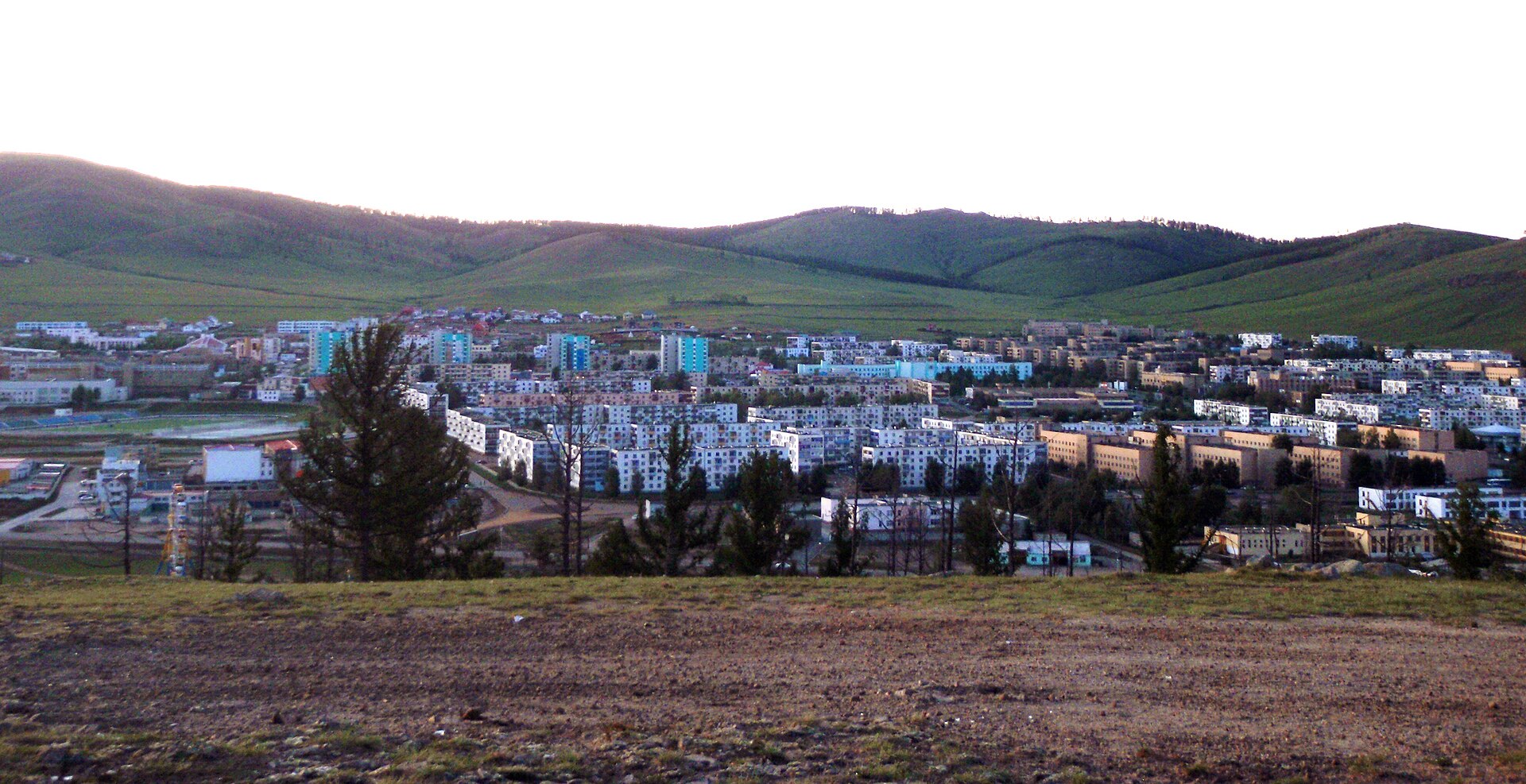
Culture
Erdenet's culture is a blend of Mongolian tradition and a Soviet inheritance that is still visible in its street plan, its public monuments and its habit of building life around a single employer. The town is also a place of students and young workers who come from other provinces, which gives the cafés and parks a youthful feel outside the summer break. Archery is the clearest local pride. Both men and women compete, and at Naadam, the national summer festival of wrestling, horse racing and archery, the competitors wear formal robes. Training sessions on the field south of the centre are plainer, with ordinary clothes and a relaxed atmosphere that visitors are generally welcome to watch from a respectful distance. Religion is quieter than in Ulaanbaatar's big monasteries: two small Buddhist temples serve the northern part of the centre, and visits are short and personal. Everyday eating happens in canteens known as tsainii gazar, where tea, dumplings and noodles are served to workers at midday. Herding families live at the edge of town, and the ger district, with more houses than tents, shows how the city continues to absorb newcomers from the countryside. Friendliness towards guests is normal, but Erdenet is not geared to tourism, so patience and a few Mongolian or Russian words go a long way. At the temples, walk clockwise around sacred objects, remove your hat indoors, and ask before photographing worshippers or monks.
What to wear
Traditional dress in Erdenet is the Mongolian deel, a long wrap-over robe with a high collar, fastened at the side and tied with a sash. Everyday versions are cotton or wool, winter ones are lined or trimmed with sheepskin, and festival versions are silk or brocade in strong colours. Boots with upturned toes and felt or leather hats complete the outfit. The deel is worn daily by herders around the town and on formal occasions such as Naadam, when archers appear in their finest. Erdenet's cashmere industry also means local knitwear is easy to find. In daily life, most residents wear what people wear in any northern city: jeans, jackets, trainers, and in winter heavy down coats, fur or knitted hats and insulated boots. Students dress casually, and office workers in the centre are smart rather than formal. Visitors should plan for weather first. Summers are warm but rainy and nights are cool, so bring layers and a waterproof. Winters are long and very cold, which calls for thermal underlayers, a proper down coat, a warm hat and gloves, and boots with a grip for ice. Sturdy walking shoes are useful for the dirt tracks at the edge of town. For the temples, cover shoulders and knees and remove hats indoors. For a mine visit, expect to wear closed shoes and to carry a passport.
What to eat
- Suutei tsai — Any tsainii gazar canteen
Salted milk tea is the everyday drink, hot and slightly savoury, often with a little rice or meat in the cup. It arrives almost automatically in a tsainii gazar canteen and suits cold mornings and a long wait for a bus. - Buuz — Local canteens and everyday eateries in the centre
These are steamed dumplings filled with minced meat and onion, eaten with the hands and usually dipped in nothing more than salt or a simple sauce. They are cheap, filling and found across Mongolia, and in Erdenet the canteens make them fresh through the day. - Khuushuur — Canteens and small food counters near the market
Khuushuur are flat fried pastries filled with minced meat, crisp at the edge and juicy inside. They are popular with workers and students alike, best eaten hot, and often taken away wrapped in paper for a walk or a bus ride. - Tsuivan — Tsainii gazar canteens, at lunch
A plate of hand-cut noodles stir-fried with meat and a few vegetables, tsuivan is the kind of dish a canteen cook makes in quantity at lunchtime. It is plain, hearty and well suited to cold weather and a morning of walking. - Airag — Open market and some groceries, mainly in summer
Fermented mare's milk, lightly sour and mildly alcoholic, is the traditional summer drink of herding families. Some visitors love it and some do not, so a small cup is the sensible start. It is sold in some groceries and at the open market.
Plan it
Best time. June to August, when days are warm and nights cool, though rain is common and cancels archery training. Spring has weekly archery practice that builds towards national Naadam. Winters are long, dry and very cold, and outdoor sights are less pleasant then.
How long. 1–2
Getting there. Fly to Ulaanbaatar, then take a coach, minibus or car from the Dragon coach station on the western side of the capital. The road is paved but two-lane and in uneven condition. A daily overnight train also runs between Ulaanbaatar and Erdenet; check the current timetable and fares before travelling. Minibuses run from the coach station into the centre.
Budget. low
Tips
- Choose coaches or the train over fast-driven minibuses and shared cars, as the road has a poor reputation for accidents
- Carry a passport at all times and bring it if a mine visit is arranged
- Book a mine visit in advance through the official site, http://www.erdenet.mn/
- Pack for rain and cool nights even in summer, and for serious cold from late autumn
- Keep some cash for canteens and the market, and check whether a card is accepted before ordering
Etiquette
- Ask before photographing people, especially worshippers and archers at close range
- Dress modestly and remove your hat inside temples
- Accept tea or a small cup of airag politely, even if you only taste it
Nearby
Sources
- Wikidata Q230628 (CC0)
- Wikipedia: Erdenet (rev 1385687090) (CC BY-SA 4.0)
- Wikivoyage: Erdenet (rev 5269315) (CC BY-SA 4.0)
- Photo: Mongolian city Erdenet (Brücke-Osteuropa) (Public domain)
- Photo: Erdenet in summer (Alex Ang) (CC BY 3.0)
- Photo: Coat of arms of Erdenet (Public domain)
- Photo: Welcome (Alex Ang) (CC BY 3.0)
- Photo: Buddha in the Snow (Alex Ang) (CC BY 3.0)
- Photo: Fraternity monument, Erdenet (Henri de Solages) (CC BY 3.0)
- Photo: City Erdenet in Mongolia 03 (Brücke-Osteuropa) (Public domain)
- Photo: City Erdenet in Mongolia 04 (Brücke-Osteuropa) (Public domain)


