Cres
Cres, Croatia
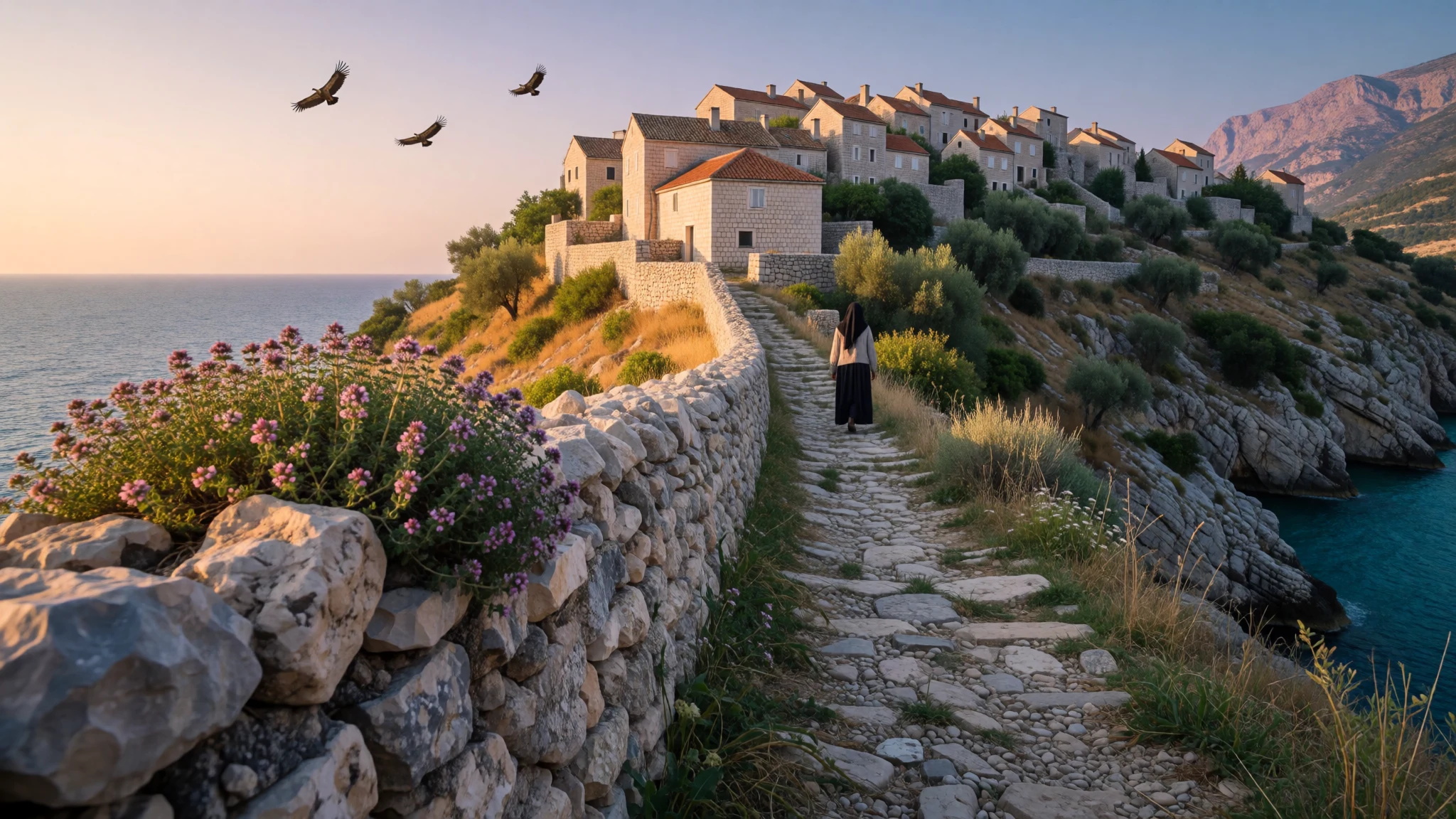
Cres is a quiet, wild Adriatic island of sheep pastures, pebble coves and a deep freshwater lake, reached by a short ferry ride.
The place
Cres sits in the Kvarner Gulf of western Croatia, among the northern Adriatic islands. It is long and narrow, about 66 km from end to end and between 2 and 12 km wide, with roughly 248 km of indented coastline. Its area is just over 405 square kilometres, much the same as its neighbour Krk, yet the population in the census count is only 3,079, so most of the island is open country rather than town.
The two coasts feel quite different. The west and south are cut into bays with pebble beaches, easy for swimming and boats. The north and east face the open channel and drop in steep, rough rock. Inland the hills are grazed, stony and scented with sage, and sheep are a common sight on the roads.
The island's drinking water comes from Lake Vrana, a freshwater lake whose bed lies about 76 metres below sea level. It supplies Cres and neighbouring Lošinj, which is why swimming and fishing there are forbidden. In the south, a channel near Osor divides Cres from Lošinj, with a small bridge across it, so the two islands are travelled together by road.
This is not a resort island in the busy sense. Expect small harbours, a handful of villages, long empty stretches of road and a slow pace. Cycling here is hilly and demanding, which suits walkers and riders more than anyone wanting flat, easy miles.
Its story
Cres has had people on it since the Palaeolithic. In antiquity it and Lošinj were known together as the Apsyrtides, and they were once a single landmass. Traders later had a channel dug near Osor to separate them, giving ships a shortcut through. The name itself is very old: it is traced to a root meaning cliff, and the Greeks who settled called the place Chersos, a word for barren, uncultivated land. Over centuries that shifted into Cresta, then the Italian Cherso and the modern Cres.
Greek rule gave way to Rome in the first century BC, when the island was folded into the province of Liburnia. After Rome fell, Cres passed to the Byzantine world as one of the Dalmatian city-states. Slavs began arriving in the early ninth century, and conflict with Venice began within decades. Venice took control of Cres and nearby islands during the tenth and eleventh centuries and kept a long hold on the Adriatic coast.
The modern map was shaped by the Napoleonic wars. Austria took the island after Venice fell, the French held it briefly after Austria's defeat in 1809, and Austria then returned and stayed for about a century. In that period the island's economy grew on olive groves, sage and other plants. Those crops, and the sheep that graze the same hills, still give Cres much of its character.
What to see
- Cres town and harbour — Cres town, west coast
Cres town is the island's main port, a small harbour of old stone houses where fishing boats and visiting yachts tie up. It is easy to cover on foot in an hour or two, and the waterfront cafés and narrow lanes behind make a gentle first stop after the ferry.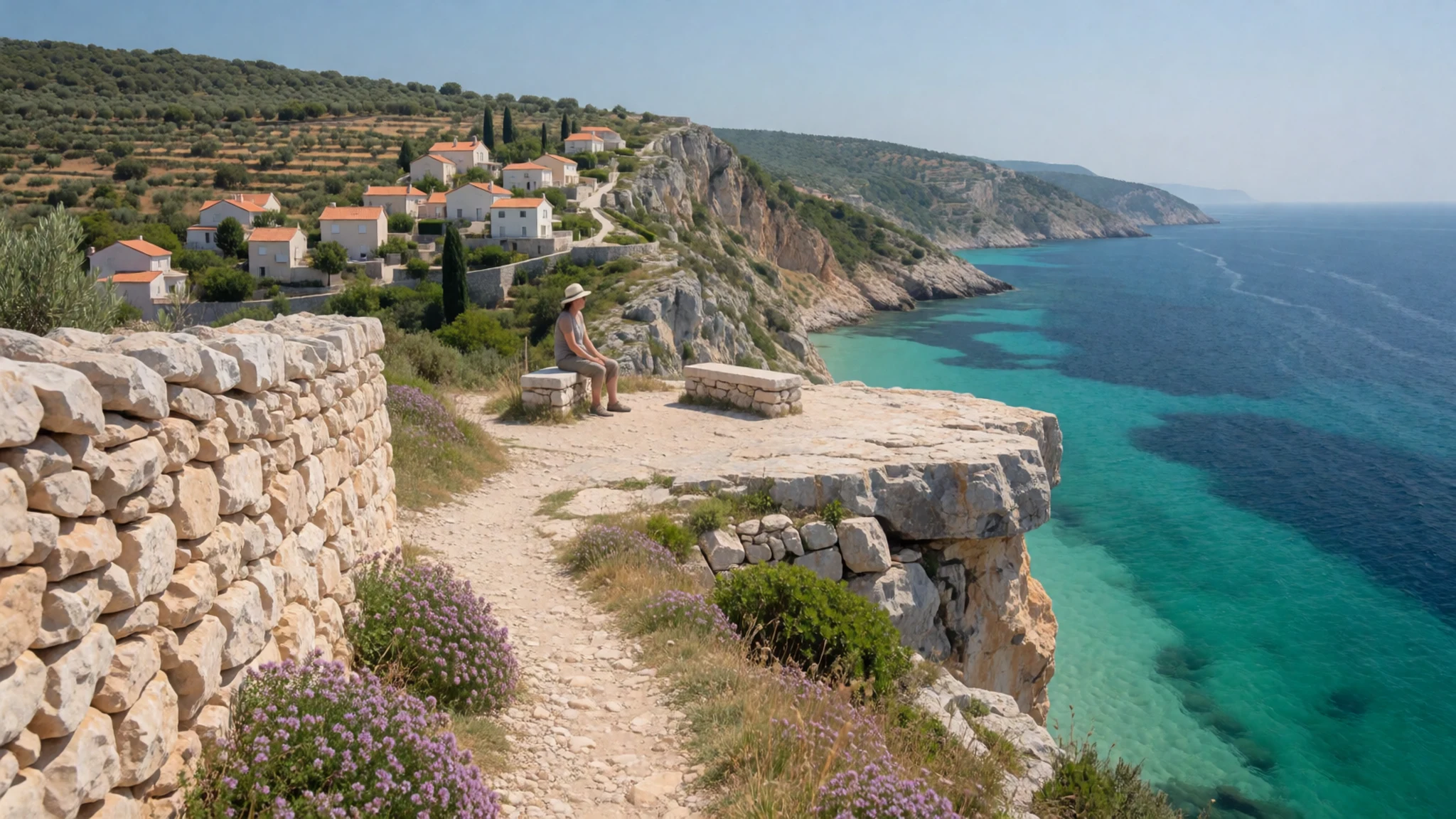
- Lake Vrana — Central Cres
Lake Vrana is the island's only source of fresh water, with a bed about 76 metres below sea level. It is closely guarded, and swimming and fishing are banned. Come to look at it from the viewpoints and roadside, and to understand how the whole island depends on one lake.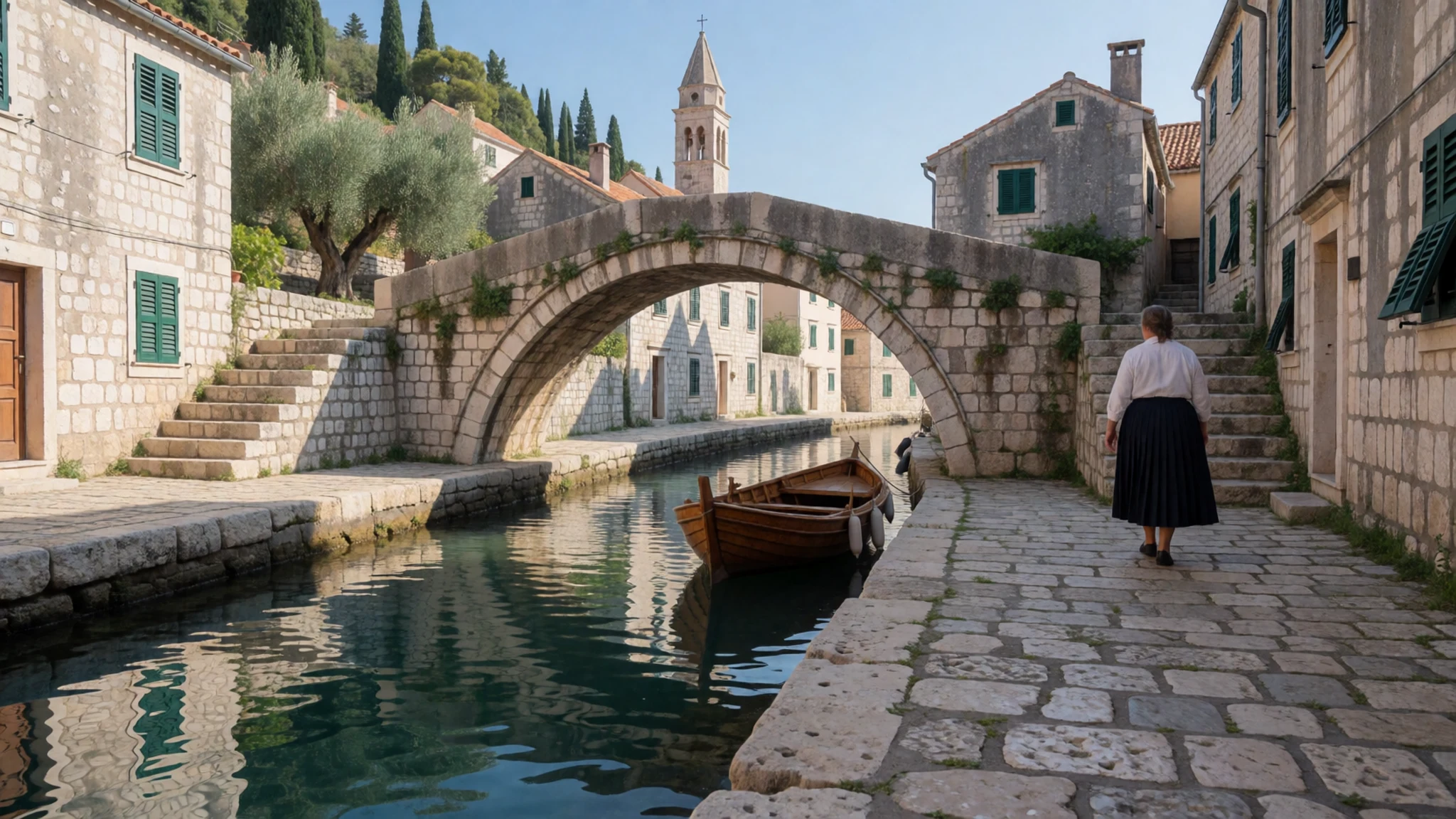
- Osor and the channel — Osor, southern Cres
Osor lies where Cres and Lošinj meet, at the channel dug long ago for ships and now crossed by a small bridge. The village is quiet and old, and its position explains much of the island's history, from Greek settlers to Venetian rule. The old map of the town survives as a useful reference.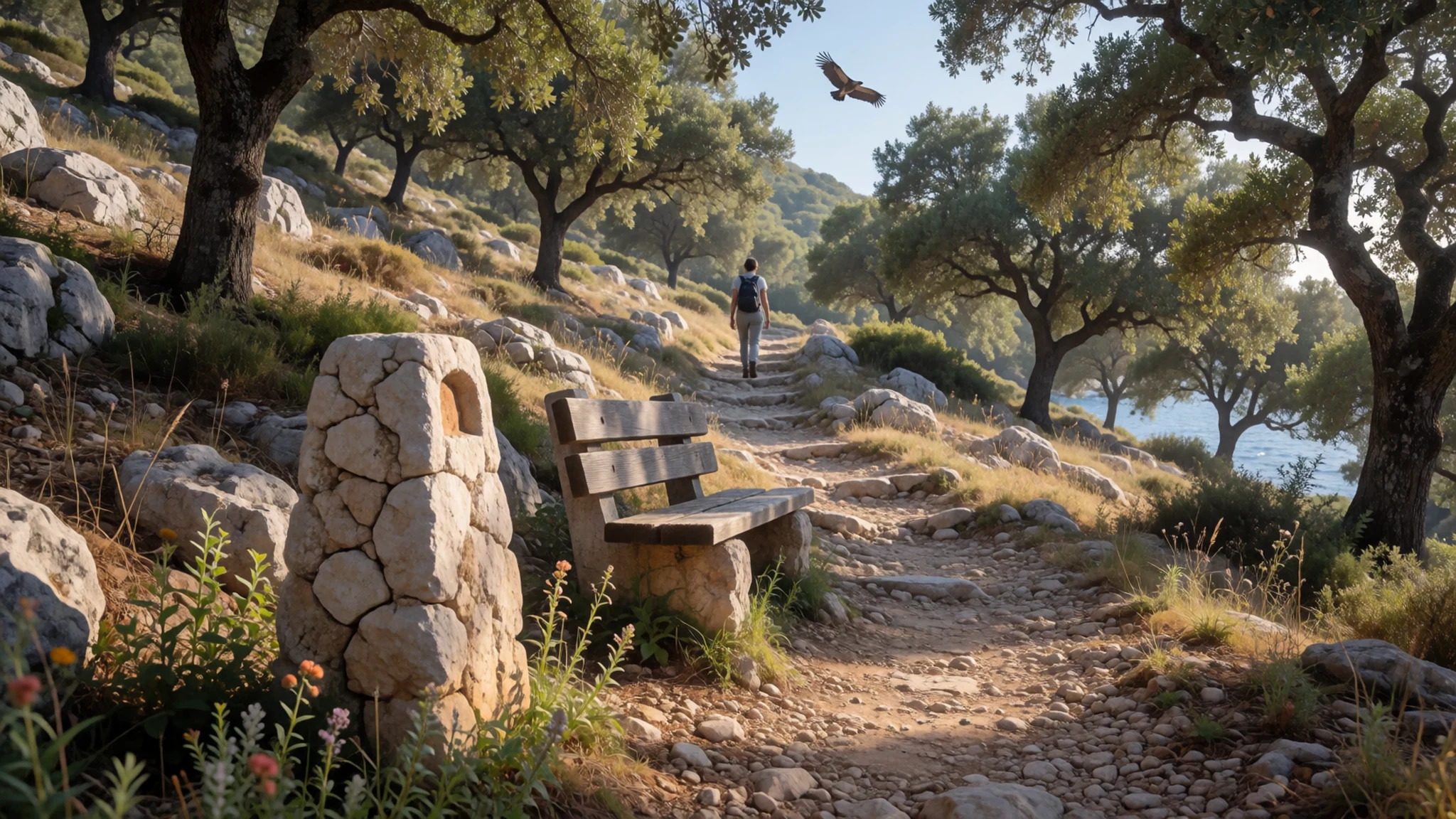
- Beli and the hill trails — Beli, northern Cres
Beli is a village on a high ridge in the north, and the Eko-centar there is the starting point for the designated hiking routes. Griffon vultures are the draw for many visitors, along with the steep rocky eastern coast. Bring water and sturdy shoes, as shade is scarce.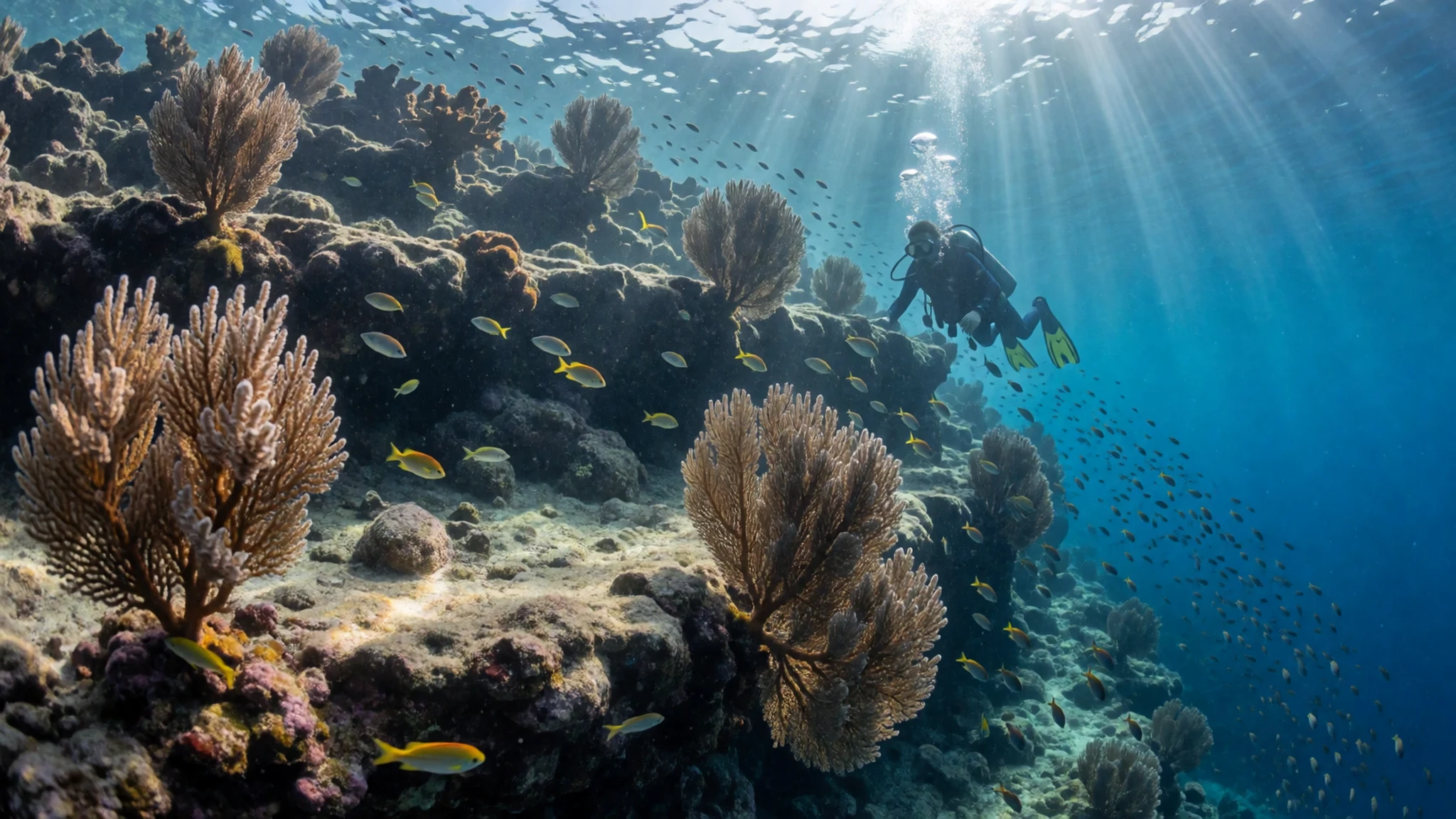
- Lubenice and its beach — Western Cres
Lubenice is a hilltop village above a pebble beach on the rugged western coast. The beach below is reached by a steep path, so it rewards those happy to walk down and back up. The sea is clear, and the setting feels far from any crowd.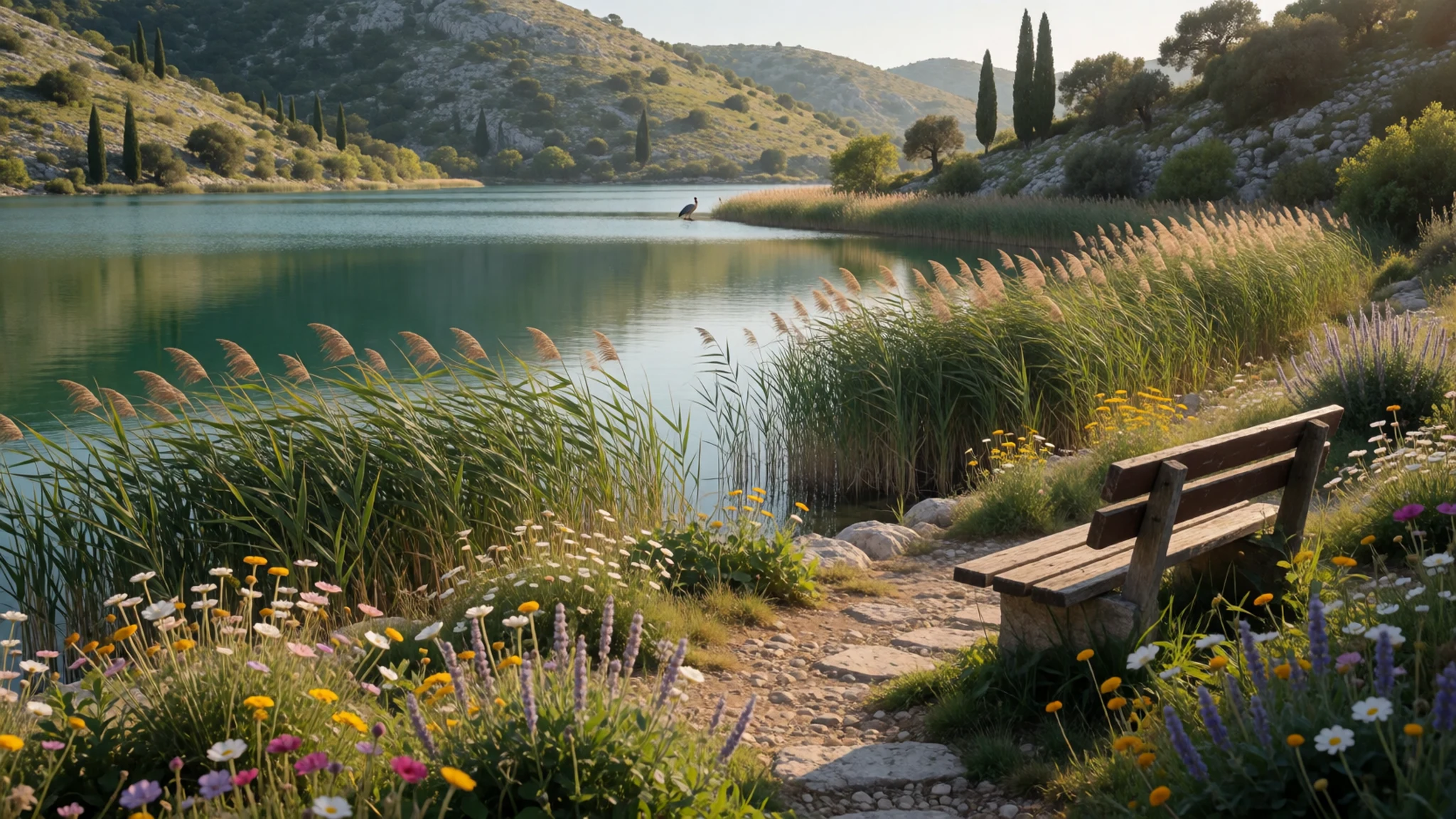
Culture
Cres is a Croatian island with a mixed inheritance, and you can read it in the place names, which exist in both Croatian and Italian forms because Venice and later Austria ruled it for so long. Village life still follows farming and the sea. Sheep are central, and lamb from the island's pastures is a point of local pride, alongside olive oil, sage and cherries.
The settlements are small and many are old, built of stone on hills or around harbours. Life is quiet outside summer, and in winter the cold Bora wind can keep ferries and people indoors. Conservation matters here: Lake Vrana is the water supply for Cres and Lošinj, which is why it is protected, and the island has a strong local awareness of wildlife, especially the griffon vultures that nest on the cliffs.
Visitors will find that daily rhythms are unhurried, shops often close in the afternoon, and many people in the villages know each other. A greeting goes a long way. Croatian is the local language, and English is widely understood around the harbours and in places that host tourists.
Please do not swim or fish in Lake Vrana, and keep to marked paths and away from vultures' nesting cliffs when hiking.
What to wear
Cres has no single famous costume the way some mainland regions do, and the island's traditional clothing was the practical wear of farmers, shepherds and fishing families: heavy wool and homespun cloth, caps and sturdy leather shoes. Wool matters because sheep have long been central to island life, and knitted and woven woollens were made for cold, wet, windy winters. Dress of this kind is now mostly seen at local festivals and in museums.
Today people on Cres dress simply and for the weather. In summer that means shorts, light shirts, sandals and swimwear around the harbours and beaches. In the cooler months, locals wear fleeces, windproof jackets and boots, as the Bora can be sharp and the damp makes it feel colder. Nothing about daily dress is formal, and villages are relaxed.
For a visitor, pack for sun and for rough ground. In summer bring a hat, sunscreen, light cotton clothes and a swimsuit. The beaches are mostly pebble, so wear water shoes or sandals with grip, because bare feet on hot stones are uncomfortable. For hiking and cycling, wear sturdy shoes with good soles and carry a windproof layer, even in warm months. If you enter a village church, cover shoulders and knees as a courtesy. Spring and autumn evenings can be cool, so bring a light jumper.
What to eat
- Cres lamb — Family-run konobas (taverns) in the villages and inland roads
Lamb from the island's free-grazing sheep is the signature dish, often roasted slowly until tender, with herbs from the pasture. The meat has a distinct, savoury flavour from the sage and scrub the animals eat.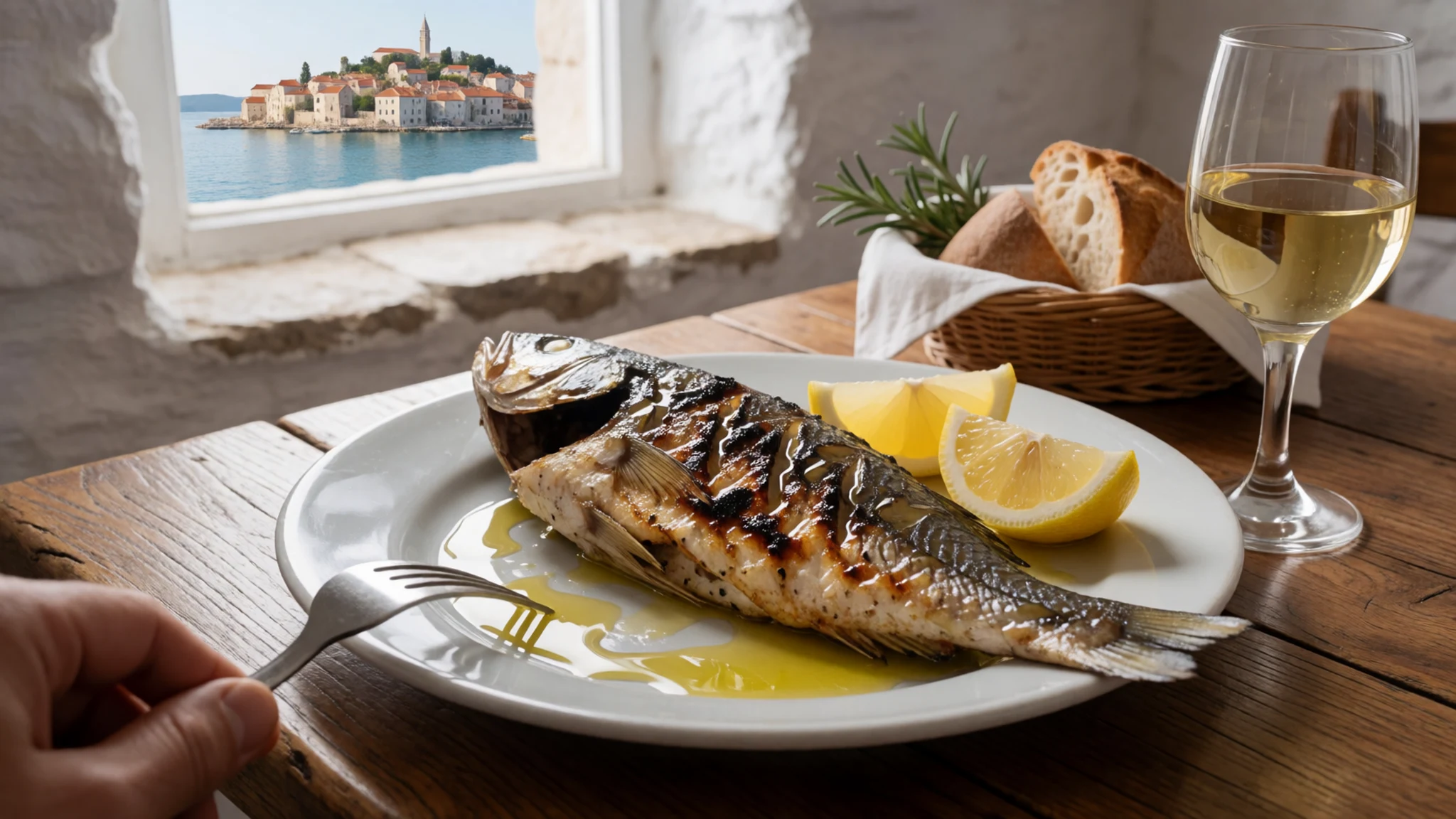
- Fresh Adriatic seafood — Harbour-front eateries in Cres town and the fishing villages
Grilled fish, squid and shellfish come straight from the surrounding waters, usually simply cooked with olive oil and lemon. Ask what was caught that day rather than choosing from a fixed menu.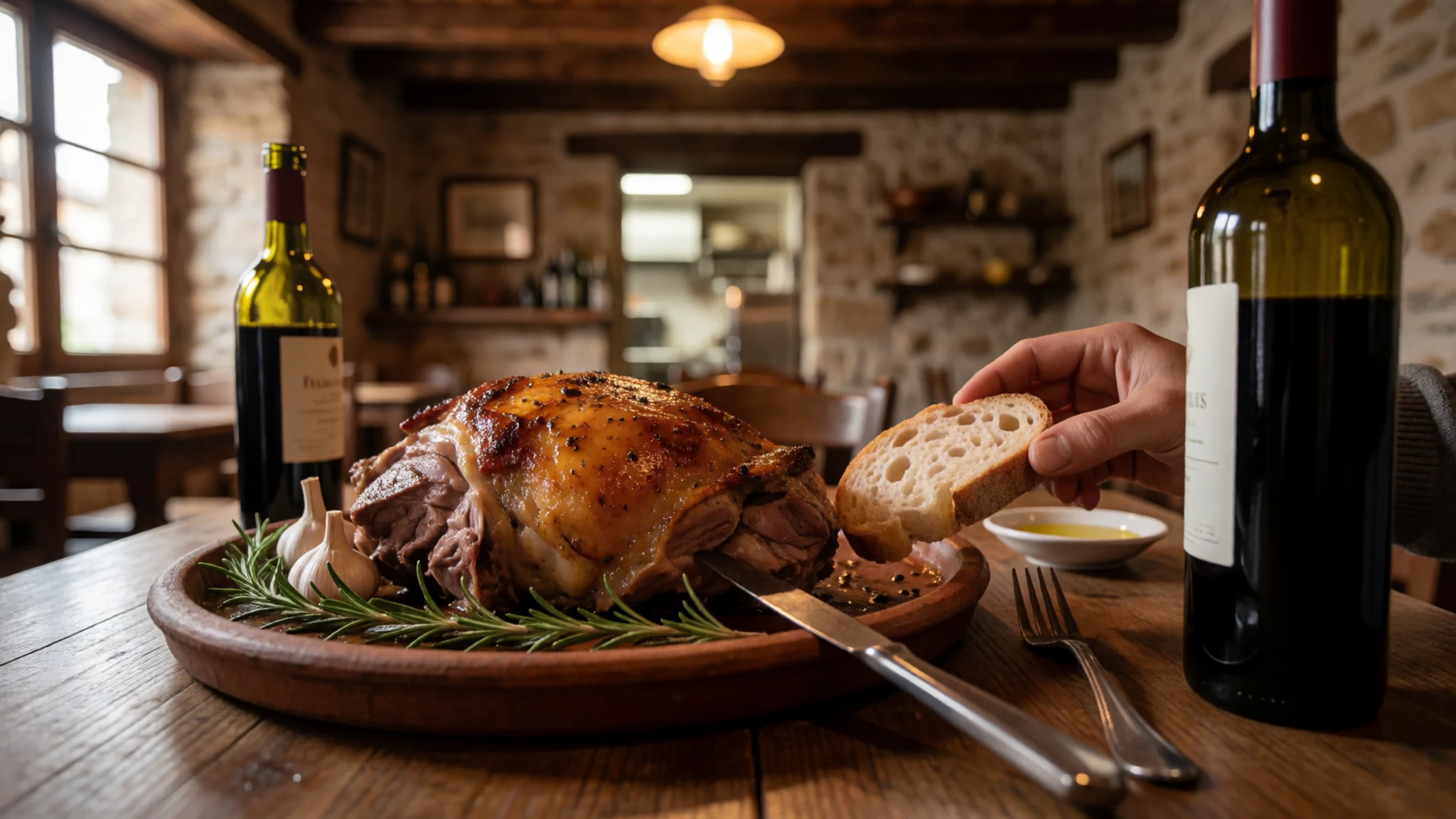
- Island olive oil — Small producers and village stalls; ask at local farms
Olive groves have been part of the island's economy for centuries, and the oil is peppery and fresh. It is served with bread, drizzled on fish and vegetables, and sold in bottles as a lasting souvenir. - Cres cherries — Roadside stalls and small village markets in season
Cherries are a seasonal treat in early summer, eaten fresh from roadside baskets or used in local cakes and preserves. If you are visiting in the right weeks, they are worth seeking out for their sweetness. - Sage honey and herbs — Village shops and small producers around the island
Wild sage and other aromatic plants grow across the dry hills, and local producers turn them into honey, teas and flavourings. A jar travels well and tastes of the island's scrub.
Plan it
Best time. May–June and September–October. Summers are hot and quite dry, which suits swimming but is busier, while winters are cool and damp with the Bora wind, and some services slow down.
How long. 2–4
Getting there. There is no airport on Cres itself, but neighbouring Lošinj, road-linked at Osor, has one. Most visitors drive and take Jadrolinija's car ferry from Brestova in Istria to Porozina, or from Valbiska on Krk to Merag. A fast passenger boat also runs once a day from Rijeka. Zagreb is about 185 km away by road.
Budget. mid
Tips
- Check ferry times on the official Jadrolinija site and arrive early in summer, when queues build
- Carry cash for small villages, stalls and beaches, as card acceptance can be patchy
- Bring plenty of water for hikes and cycling, as shade is scarce
- Hire a car or bike if you want to see more than the main town, as distances are long
- Book accommodation ahead for July and August
Etiquette
- Do not swim or fish in Lake Vrana, which supplies the islands' drinking water
- Keep to marked trails and give nesting vultures and grazing sheep space
- Cover up when entering village churches
Nearby
Sources
- Wikidata Q13280 (CC0)
- Wikipedia: Cres (rev 1384140559) (CC BY-SA 4.0)
- Wikivoyage: Cres (rev 5400639) (CC BY-SA 4.0)
- Aerial image of the northern part of Cres — Carsten Steger (CC BY-SA 4.0)
- Old map of Osor — Silverije (CC BY 3.0)
- Lubenice Beach on Cres Island (CC BY 3.0)
- StivanBeach — Laxplayer630 (Public domain)
- Vransko jezero na otoku Cresu — Enea (CC BY 3.0)
- Aerial views along the coast of Croatia — Hansueli Krapf (CC BY 3.0)
- Insel Cres — BlueScreen-Bertrand (CC BY-SA 4.0)
- Admiralty Chart No 202 — UK Hydrographic Office (Public domain)


