Euphrasian Basilica
Euphrasian Basilica, Croatia
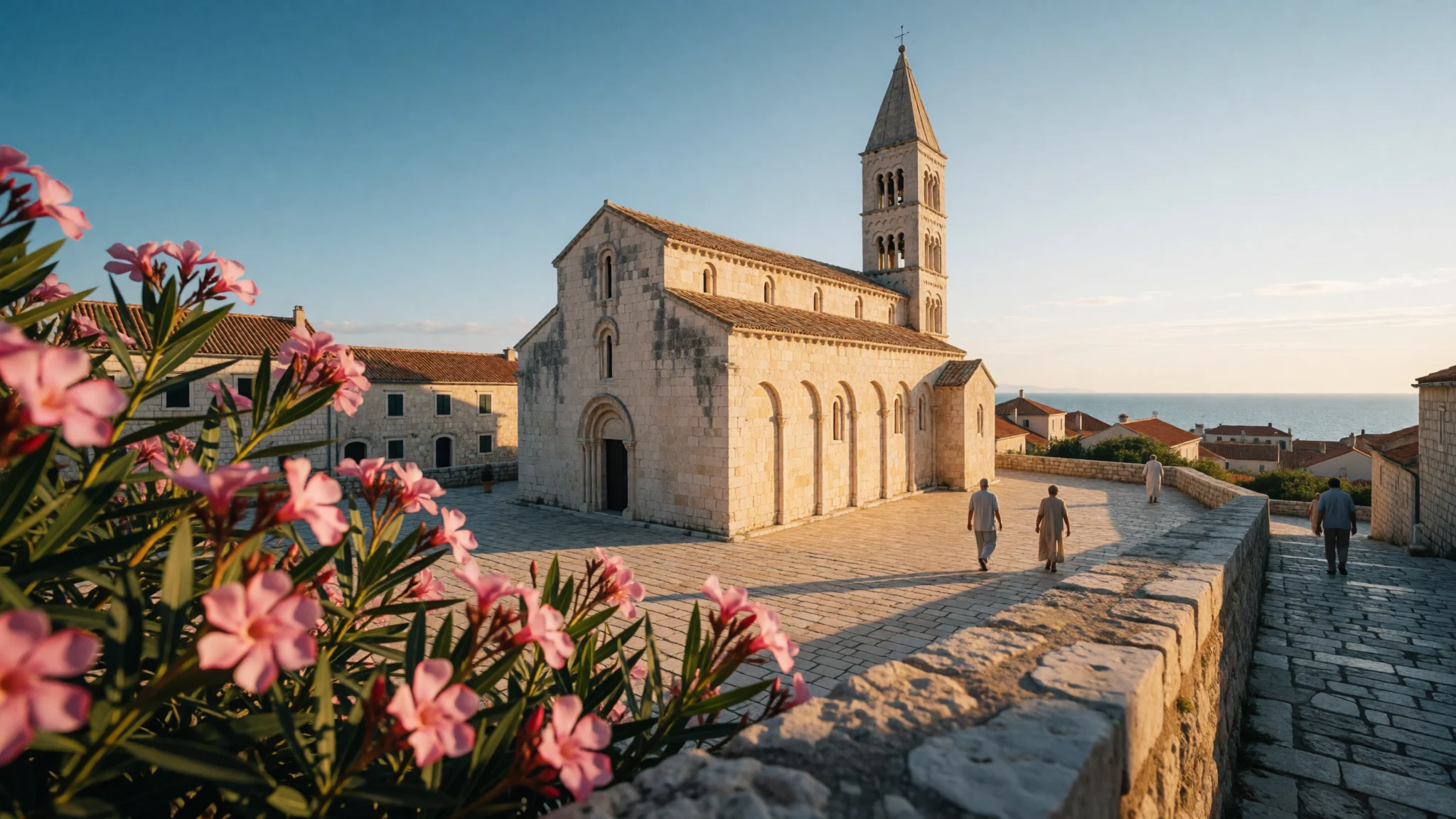
Euphrasian Basilica turns Byzantine mosaics and a lived-in church complex into a compact, walkable history stop in Poreč.
The place
Euphrasian Basilica (Croatian: Eufrazijeva bazilika, Italian: Basilica Eufrasiana) sits in the Istrian town of Poreč, Croatia, as part of a wider episcopal complex. On the outside, it reads like a solid, almost fortress-like church; inside and around it, the focus shifts fast to colour, detail, and layered building history. This is a basilica that has repeatedly been rebuilt on the same footprint, so the space feels both ancient and curated.
The main basilica is the headline, dedicated to Mary, with mosaics that mark it out as an early Byzantine showpiece in the Mediterranean world. Look for how the decoration is arranged: the apse area is where the eye tends to land, and the mosaics carry names and figures rather than just patterns. Nearby, the complex adds texture to the visit. There’s a baptistery and the bell tower set within the wider grounds of the bishop’s establishment, plus an atrium that brings a more open-air rhythm to what can otherwise be a dense interior experience.
Practically, it’s an easy place to pair with a wander through Poreč’s old Roman-structured streets, because the town centre is walkable and the basilica sits close to the core. Crowds can spike in peak tourist months, and the light can be strong outside—so the best strategy is simple: arrive early, spend time inside without rushing, then step out for the atrium and surrounding views.
Its story
The story of Euphrasian Basilica starts on a site that kept getting used, long before the current sixth-century church took shape. An earlier basilica stood here and was dedicated to Saint Maurus of Parentium, with mosaics whose designs connect back to the broader Roman world. Over time, older structures were expanded and adapted, so when the present basilica was built, it wasn’t starting from a blank page—it was building over layers.
Construction of the current church runs from 553, in the period of Bishop Euphrasius, and the record of its making is as important as the result. The build incorporated material from the older church, and it also depended on imported marble blocks, tying this corner of Istria to resources and routes beyond the immediate coast. The mosaics were created by Byzantine masters, while other mosaic work was handled locally, which helps explain why the artwork feels both polished and rooted in place.
The site’s history continued after the basilica’s construction. An earthquake in 1440 damaged parts of the central nave’s southern wall, and restorations followed, including changes to openings and windows in Gothic style. So even though the basilica’s overall form has been preserved, the details carry time’s fingerprint—accidents and repairs that quietly shape what visitors see today.
That layering is what makes Euphrasian Basilica more than a pretty interior: it’s a physical timeline, where saints, architecture, and restoration all share the same walls.
What to see
- Main basilica interior — Poreč old centre
Spend time facing the apse area where mosaics and religious imagery cluster. The interior is where the complex’s Byzantine identity feels most immediate—colour, figures, and intricate stonework rather than “one big highlight” alone.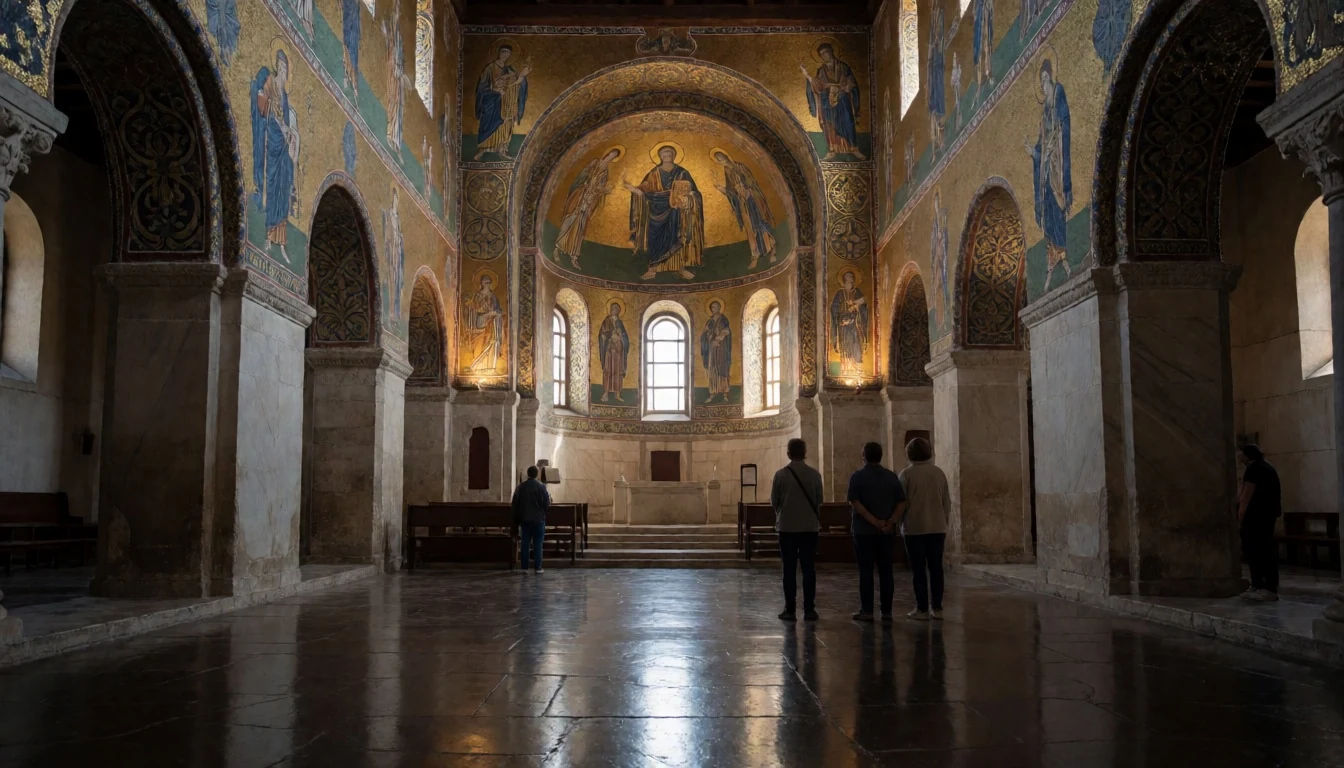
- Atrium of the episcopal complex — Bishop’s complex grounds
The atrium breaks the visit into a calmer, open-air pause. It’s enclosed by colonnades and covered portico on all sides, and it’s a good spot for absorbing scale before you head back into the more enclosed church spaces.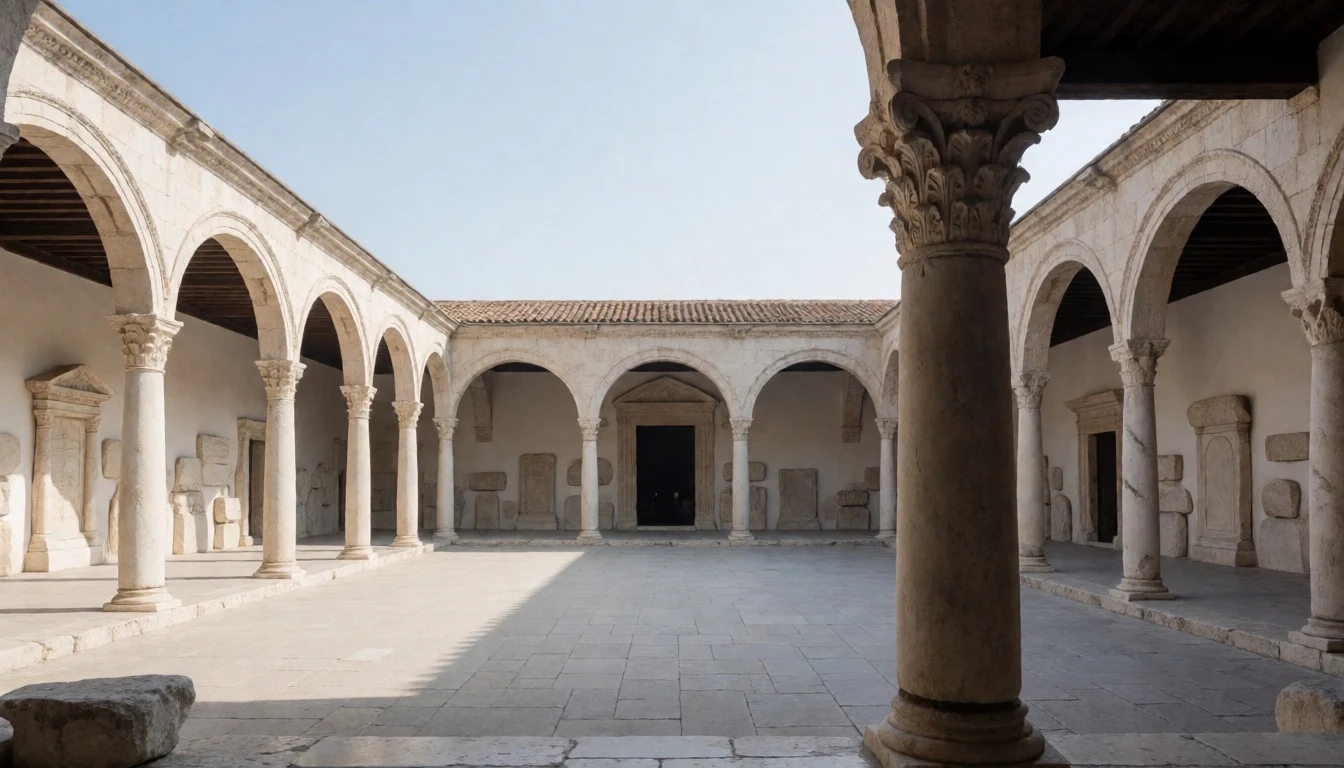
- Mosaic details (Christ and inscriptions) — Inside the basilica
Look closely for mosaic scenes that include figures and text. One well-known example is a panel featuring young Christ holding a book with a Latin-style inscription, the sort of detail you’ll miss if you only take quick photos.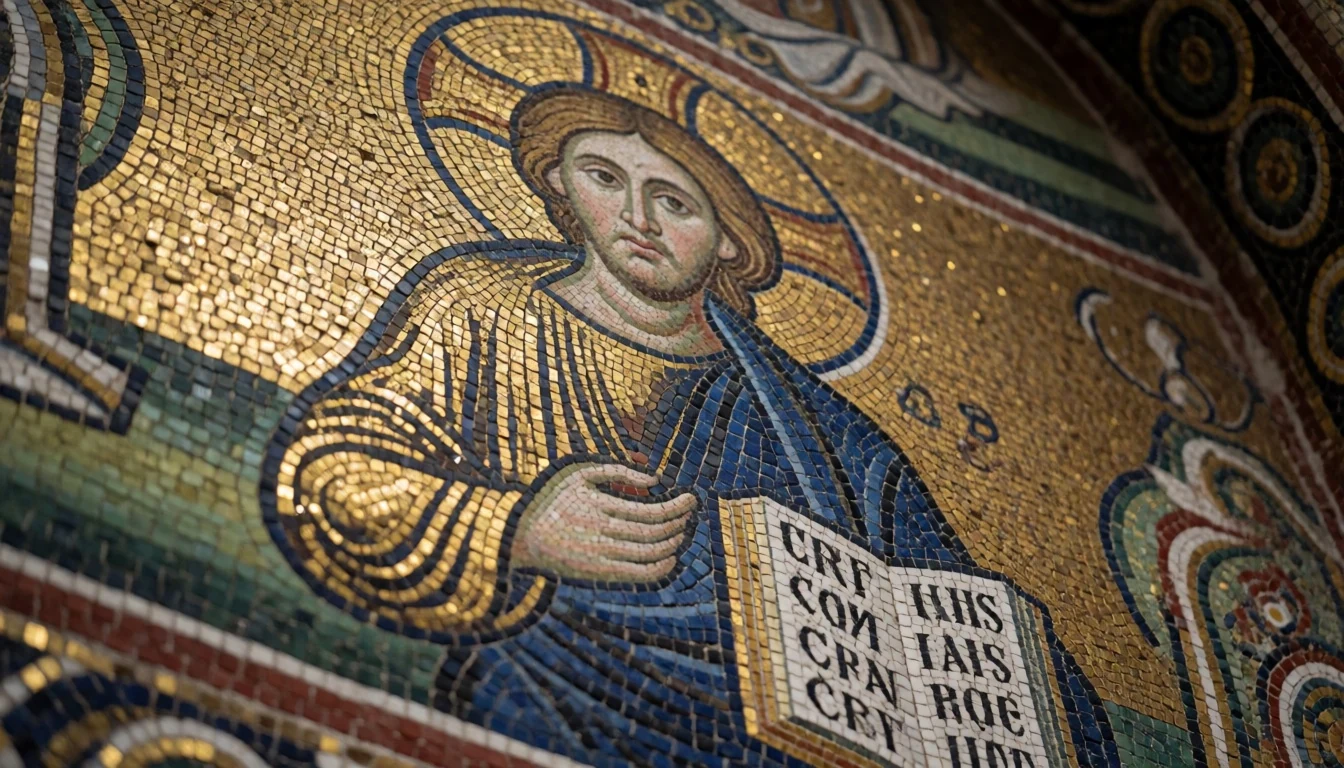
- Baptistery and complex layout — Around the basilica
The baptistery adds a different geometric mood to the complex, tied to earlier church phases and functioning as part of the broader episcopal site. Even if interiors are not your thing, it’s worth tracing how the buildings relate to each other.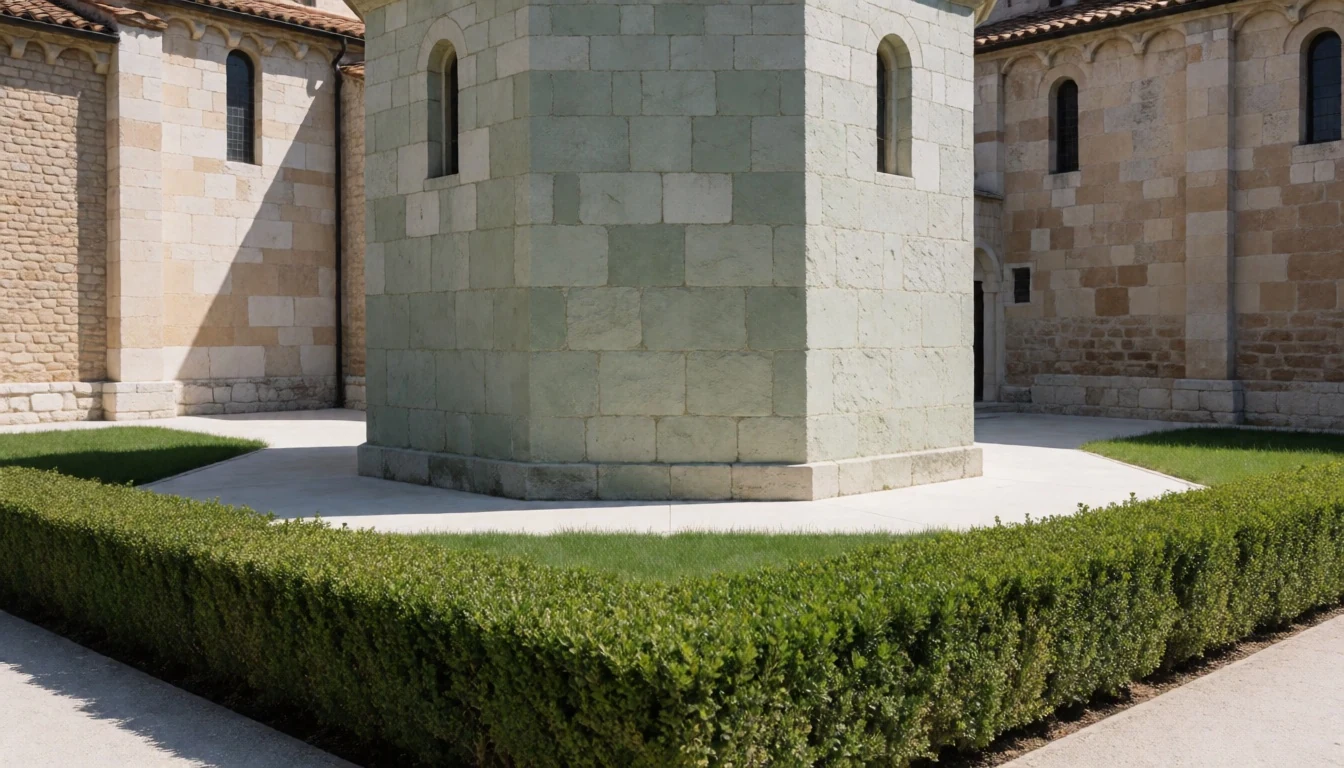
- Roman street structure: Decumanus and Cardo — Poreč historic streets
After the church, step back into town and spot the Roman structure that still shapes street lines. The Decumanus and Cardo Maximus help make sense of why this site mattered for centuries.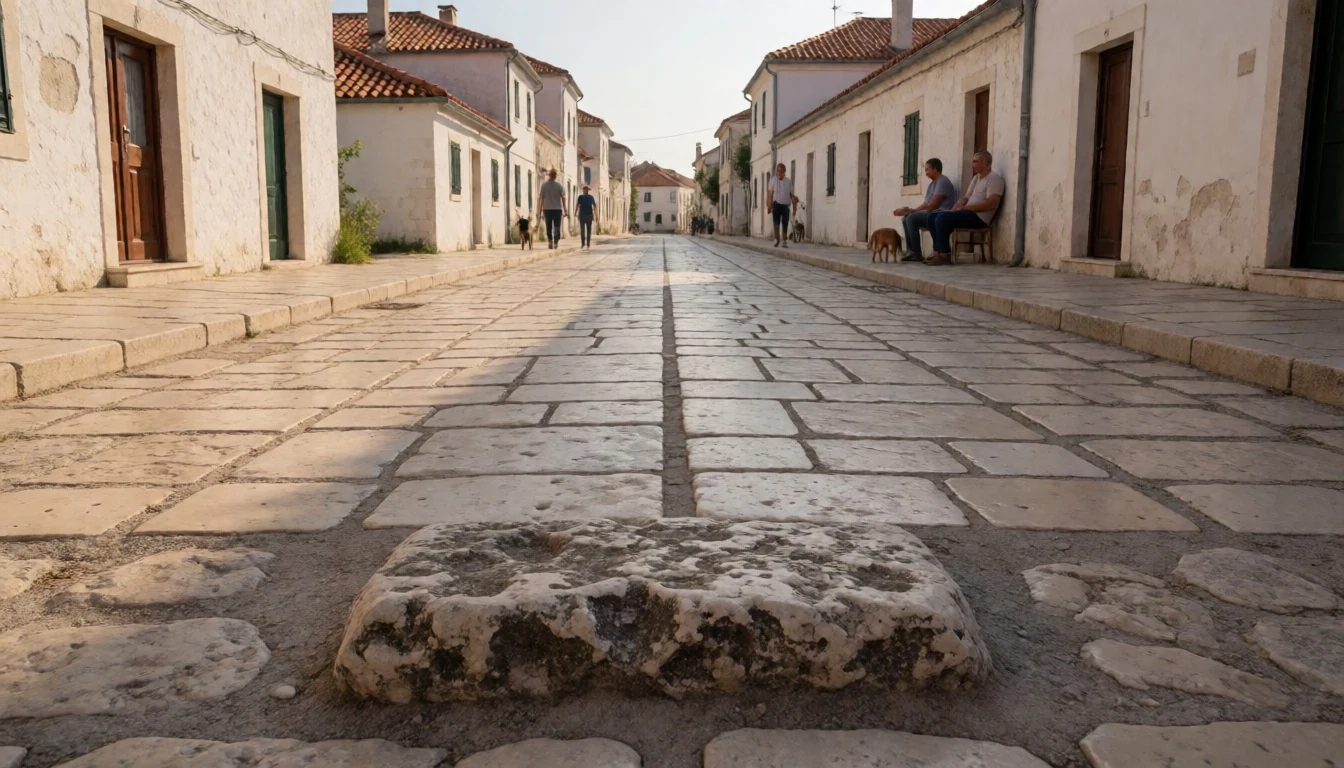
Culture
Euphrasian Basilica is a functioning Roman Catholic cathedral basilica within the Diocese of Poreč-Pula, so the visit carries a mix of heritage display and religious place. The mosaics and architecture are the reason most people come, but the atmosphere is also shaped by prayer and quiet—especially at times when services or devotional moments are happening.
If you visit on a warm day, you’ll likely feel the contrast between sunlit streets and the cooler interior. That contrast can tempt people to rush, yet the basilica rewards slower looking: the artwork is dense, and the figures and inscriptions need a moment to register. Inside, keep voices low and treat the space like you would in any active church.
Photography is usually the trickiest part of etiquette at religious sites. If you’re unsure, wait until you see what other visitors are doing, and avoid photographing close to people who look like they’re participating in prayer or services.
Dress matters here in the practical, non-theatrical way: cover shoulders and avoid overly short clothing, especially if you’re entering areas used for worship. Shoes are often the small detail that gets overlooked—some steps or thresholds may require removal.
Visitor etiquette: keep your voice down, cover shoulders and remove shoes when you see a step-up or instructions for footwear.
What to wear
Eufrazijeva bazilika doesn’t demand “tourist uniform”, but it does invite modest clothing because it’s a working Roman Catholic cathedral basilica. For traditional dress, the region around Poreč and across Istria has ties to Croatian folk styles: you’ll see embroidered pieces and structured garments in festivals and cultural events rather than every day. When locals dress up, they often lean into textile-rich details—sturdy fabrics, decorative stitching, and carefully finished edges that signal the event or community rather than everyday comfort.
What visitors actually wear day-to-day is usually much simpler: light tops, breathable trousers or skirts, and comfortable walking shoes. In summer, the coastal heat can be intense, so people tend to dress for shade and walking—then adjust slightly for indoor church time.
For your visit, aim for “summer on the streets, respectful inside”: a light layer for shoulders (or a top that already covers), trousers or a skirt that isn’t too short, and footwear suitable for cobbles and stone floors. If you know you’ll spend time in and around the complex, bring socks (you may need them if shoes come off) and consider a hat, but keep it off once inside.
What to eat
- Istrian traditional fare (local plates) — Tri Bačve (Poreč area)
Try traditional Croatian dishes in a neighbourhood-style eatery. For this area, a good approach is to look for a cosy place serving Istrian classics, the kind of menu that’s built around what locals eat rather than tourist-only dishes.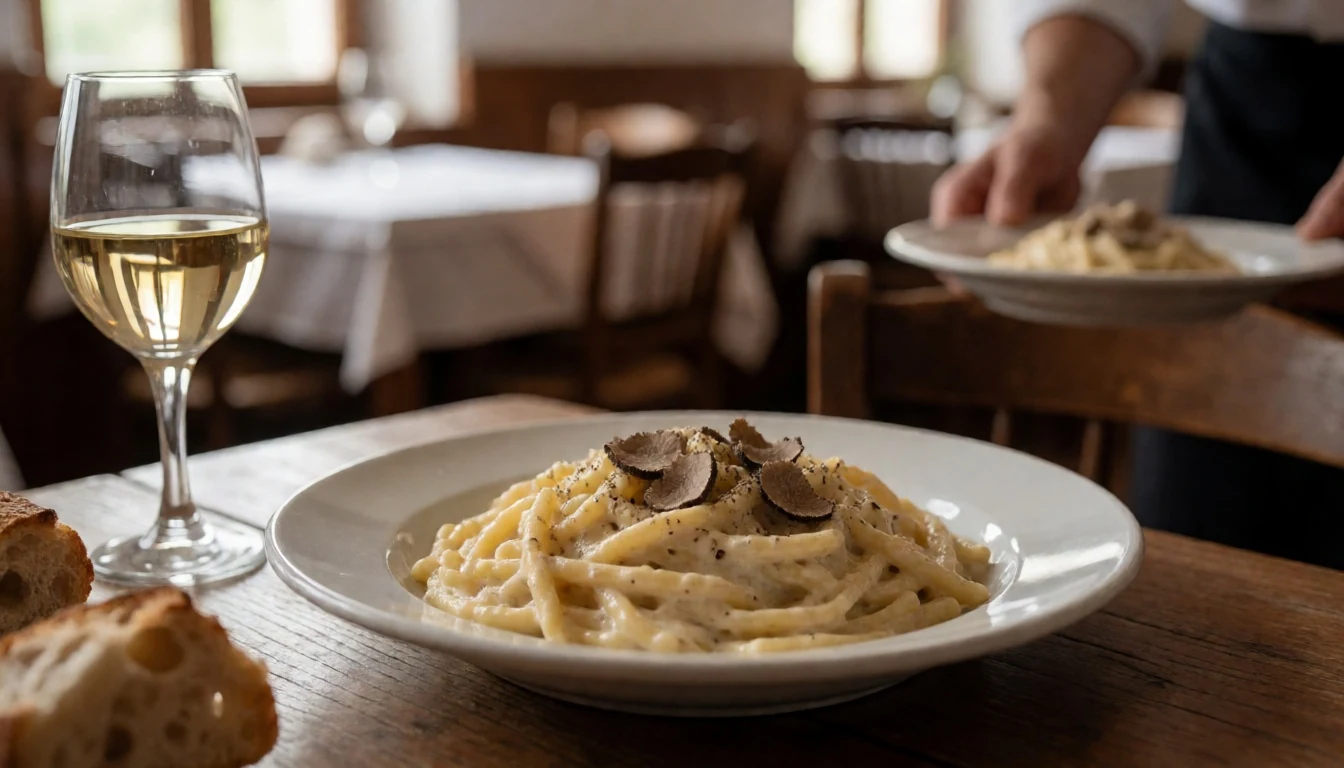
- Dinner in a small, intimate restaurant setting — Ulixes (Poreč)
In Poreč, there are small restaurants that split dining between an indoor, candlelit stone feel and outdoor terraces when the weather suits. Choose the setting you prefer, then order whatever’s on the seasonal menu rather than chasing a single “signature” dish.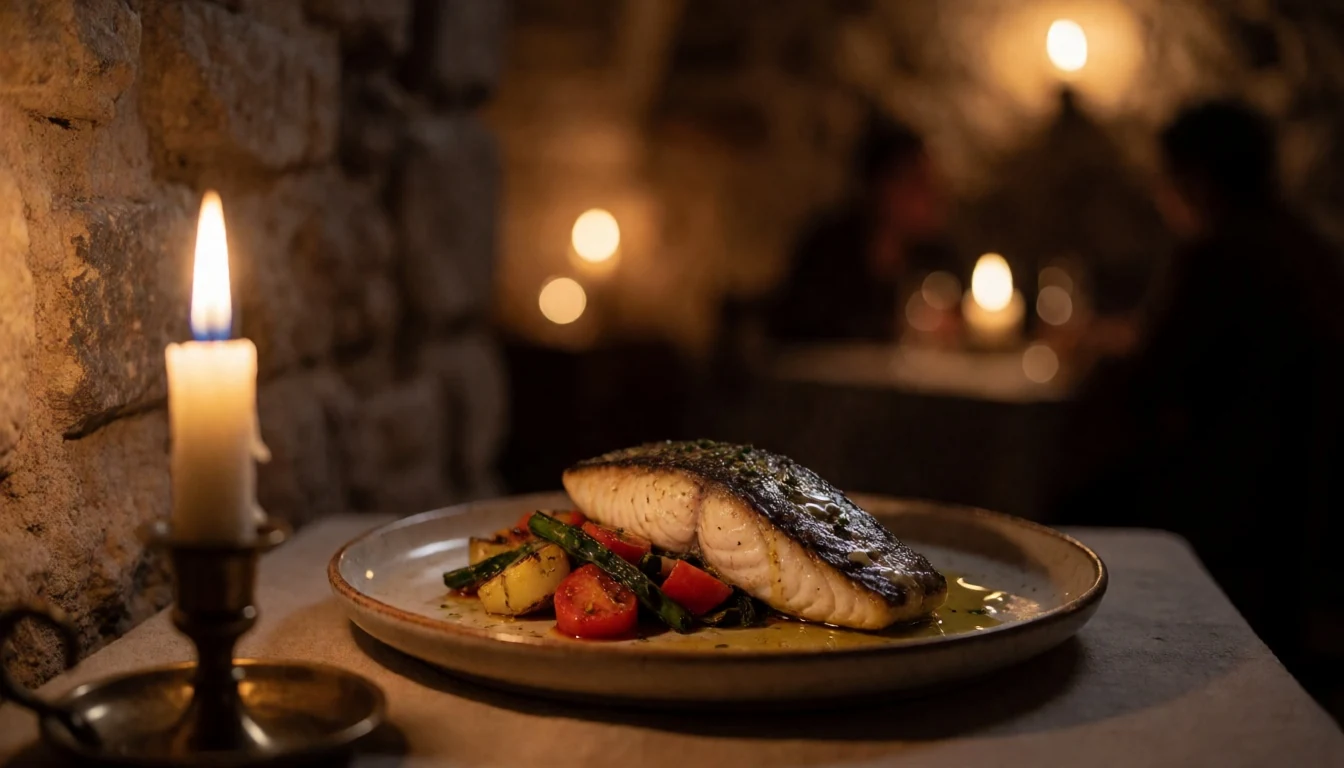
- Simple Mediterranean-style plates — Around Poreč’s old centre
If mosaics and churches aren’t keeping you full, look for Mediterranean-influenced courses: starters that lean on vegetables and local cheeses, followed by a main that’s straightforward and filling. Focus on quality ingredients, not gimmicks. - Seafood-friendly choices when you’re coastal — Poreč waterfront and nearby streets
Because Poreč sits on the Istrian coast, seafood is a safe bet. Ask for what’s fresh and local, and keep portions realistic—church visits can be long, and you’ll likely be walking after dinner. - Dessert after dinner — Restaurant districts in Poreč
End with a local-style sweet rather than an international chain option. The easiest move is to ask the server what’s available that day, so you get something made locally rather than a generic catalogue dessert.
Plan it
Best time. March–April for comfortable sightseeing and spring light, and late October–November when the worst summer crowds often ease. June can be rainy and August tends to be hot and humid.
How long. 2–3
Getting there. Fly into Pula airport (about 60 km to the south), then take the onward transfer by rental car (about 45 minutes’ drive).
Budget. mid
Tips
- Visit early in the day to beat peak-tour crowds inside the basilica complex.
- Plan your route so you can also walk Poreč’s older street grid after the church visit.
- If travelling by boat, go in the April–October summer season when sailings operate.
Etiquette
- Keep noise low and behave like you’re in an active church.
- Dress modestly (shoulders covered) when entering worship spaces.
- Remove shoes when you see a step-up or instructions for footwear.
Nearby
Sources
- Wikidata Q645105 (CC0)
- Wikipedia (rev 1376650975) (CC BY-SA 4.0)
- Wikivoyage (rev 5414686) (CC BY-SA 4.0)
- Photo photos/01-pore-basilica-3.jpg (CC BY-SA 4.0)
- Photo photos/02-2025-atrium-euphrasius-basilika.jpg (CC BY 4.0)
- Photo photos/03-bazylika-eufrazjana-pore-panoramio.jpg (CC BY 3.0)
- Photo photos/04-croatia-porec-euphrasius-basilika-bw-2014-10-08-10-36-45.jpg (CC BY 3.0)
- Photo photos/05-pore-056.jpg (CC BY-SA 1.0)
- Photo photos/06-croatia-porec-euphrasius-basilika-bw-2014-10-08-11-13-28.jpg (CC BY 3.0)
- Photo photos/07-pore-bas-lica-eufrasiana-mosaics-de-l-absis.jpg (CC BY 3.0)
- Photo photos/08-porecfotothalertamas2.jpg (CC BY-SA 4.0)


