Hvar
Hvar, Croatia
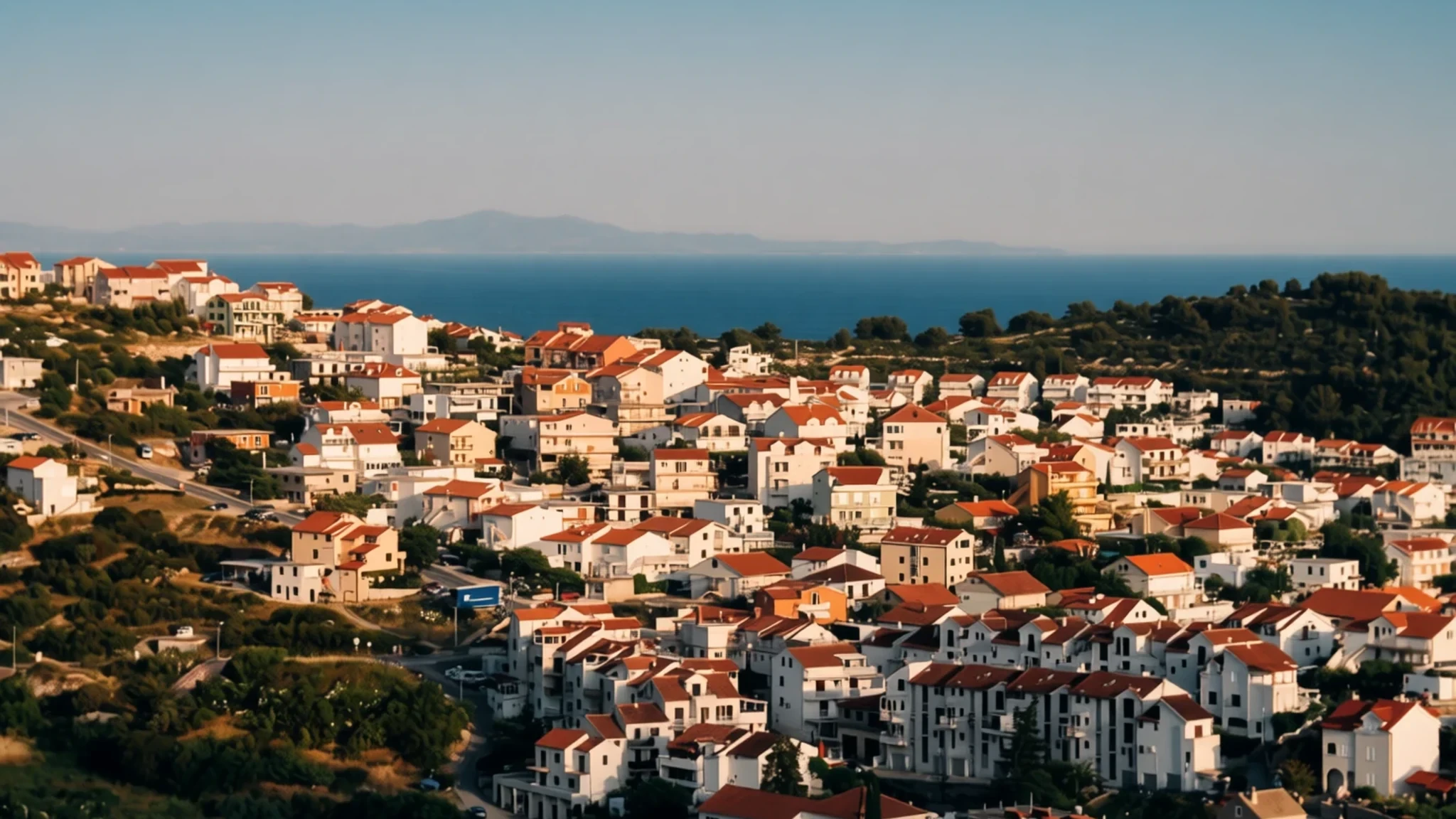
Hvar pairs an exceptionally sunny Dalmatian climate and crystal-clear Adriatic waters with ancient Venetian architecture, fragrant lavender fields and quiet stone villages.
The place
Rising from the blue expanse of the Adriatic Sea along the Dalmatian coast, Hvar is an elongated ridge of limestone and dolomite stretching across the southern waters between Brač, Vis and Korčula. Once physically connected to the mainland until rising seas flooded the intervening valleys, the island preserves a distinct karst topography characterized by hidden subterranean crevices, steep coastal cliffs and sheltered coves. Unlike many of its rocky neighbours, Hvar is remarkably fertile. A broad agricultural plain cuts through the centre of the landmass, yielding abundant harvests of olives, wine grapes, orchards and sweet-smelling lavender across sun-baked hillsides. Pine forests cascade down toward the shoreline, where turquoise waters lap against white shingle beaches and smooth polished stone. Life here moves to the rhythm of the Mediterranean tides and the warmth of the seasons. Historic stone towns cling to the natural harbours, their narrow alleyways shaded from the intense summer glare by centuries-old limestone walls. From the lively Venetian piazza of the main town to the quiet, wind-scoured slopes of the eastern interior, the island maintains a striking balance between vibrant seaside culture and secluded rural tranquillity. Visitors navigating the winding coastal roads will discover an authentic island landscape shaped by generations of farming, seafaring and winemaking under endless blue skies. The local community remains closely tied to the land and the surrounding sea, sustaining traditions that date back thousands of years while welcoming travellers from across the globe to share in the quiet majesty of the Dalmatian coast.
Its story
Hvar has long occupied a strategic position at the centre of northern Adriatic maritime routes, serving as a vital naval and trading hub for civilizations traversing the Mediterranean. Neolithic settlers left behind intricate pottery styles that defined the early Hvar culture, followed centuries later by Illyrian tribes who fortified the hilltops. In ancient times, Greek mariners established the coastal colony of Pharos at modern-day Stari Grad, laying out an agricultural field system that remains an astonishingly intact testament to ancient Greek land division. During the medieval era, the island came under the dominion of the Venetian Empire, which transformed the main harbour into a powerful naval base and administrative centre. This period of Venetian rule brought great wealth and cultural refinement, manifesting in elegant civic palaces, defensive fortifications and one of the earliest public theatres in Europe. The sixteenth century proved tumultuous, marked by social uprisings among local commoners, pirate incursions and Ottoman raids from the mainland. These threats prompted the construction of unique defensive architecture along the northern shores. Following a brief period under Napoleonic administration, the island transitioned into the Austrian Empire, ushering in a more peaceful era characterized by expanded harbours, thriving boat-building enterprises and increased exports of wine, rosemary and lavender destined for French perfume houses. The twentieth century brought fresh economic trials as traditional wooden sailing vessels declined and agricultural blights devastated local vineyards, yet the island ultimately reinvented itself as a premier destination for travellers seeking natural beauty, rich maritime heritage and timeless Mediterranean charm.
What to see
- The Spanish Fortress — Hvar Town
Perched high above the main harbour, this stone fortification offers panoramic vistas across the terracotta rooftops and nearby islets. Visitors can take an easy uphill walking path from the town centre, exploring ancient ramparts and historic stone chambers before enjoying a refreshing drink at the small mountaintop kiosk.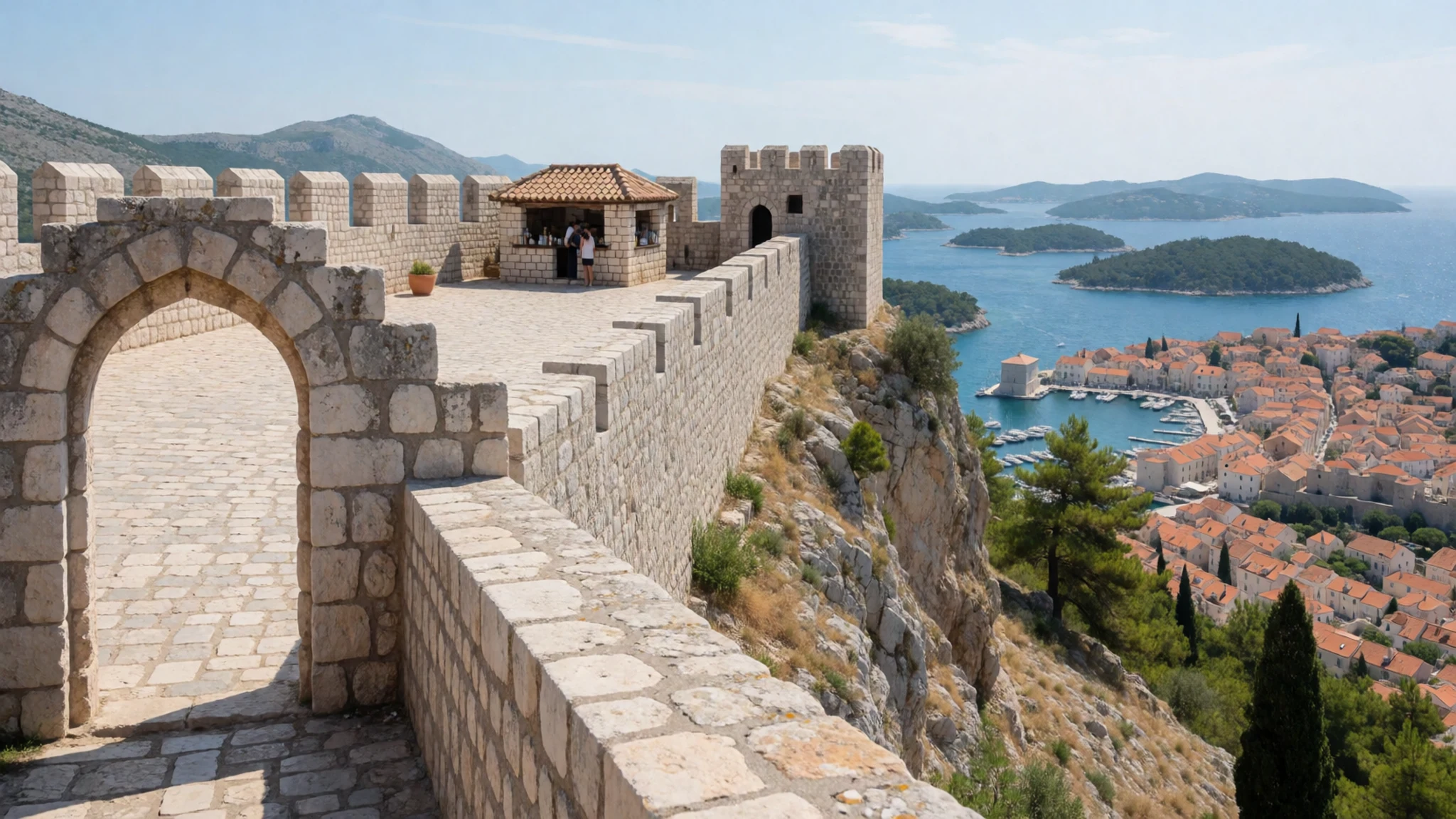
- Stari Grad Plain — Stari Grad
Established by ancient Greek settlers, this remarkably preserved agricultural landscape retains its original geometric land divisions and stone border walls. Spanning the fertile central plain, it stands as an enduring monument to classical agronomy, where ancient olive trees and vineyards continue to thrive under the Mediterranean sun.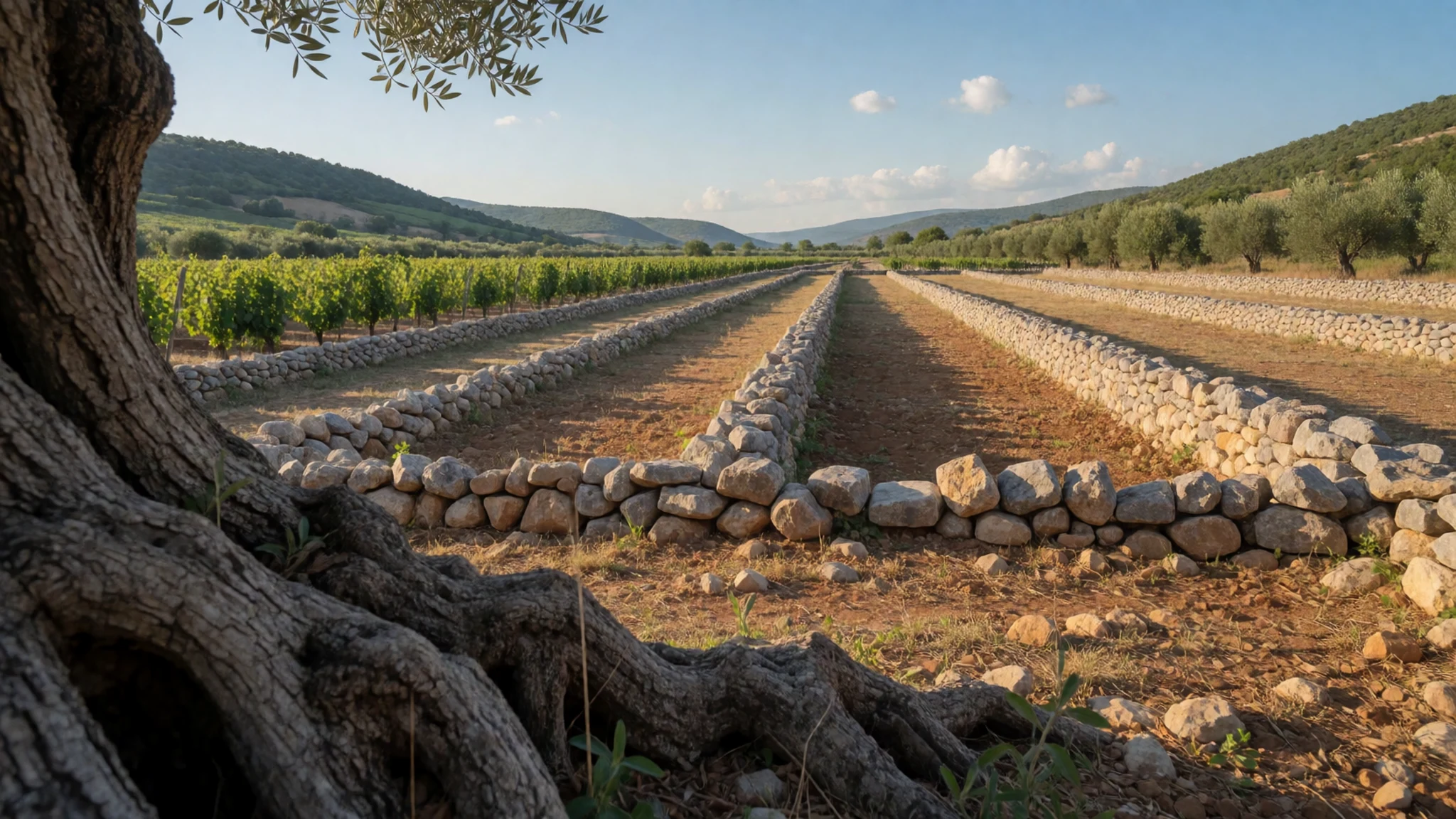
- Grapčeva Cave — Humac
Tucked away in the limestone uplands near Humac, this significant archaeological site features dramatic stalactites and stalagmites. Excavations within the cavern have uncovered prehistoric ceramics and artifacts linked to the ancient Neolithic inhabitants who once used the subterranean space for shelter and ritual gatherings.
- Paklinski Islands — Offshore western coast
This picturesque archipelago of wooded islets and secluded turquoise lagoons lies just off the western coast. Easily reached by local taxi-boat from the central harbour, the islands offer pristine swimming coves, hidden pebble beaches and relaxed seaside paths framed by fragrant pine trees and wild macchia scrub.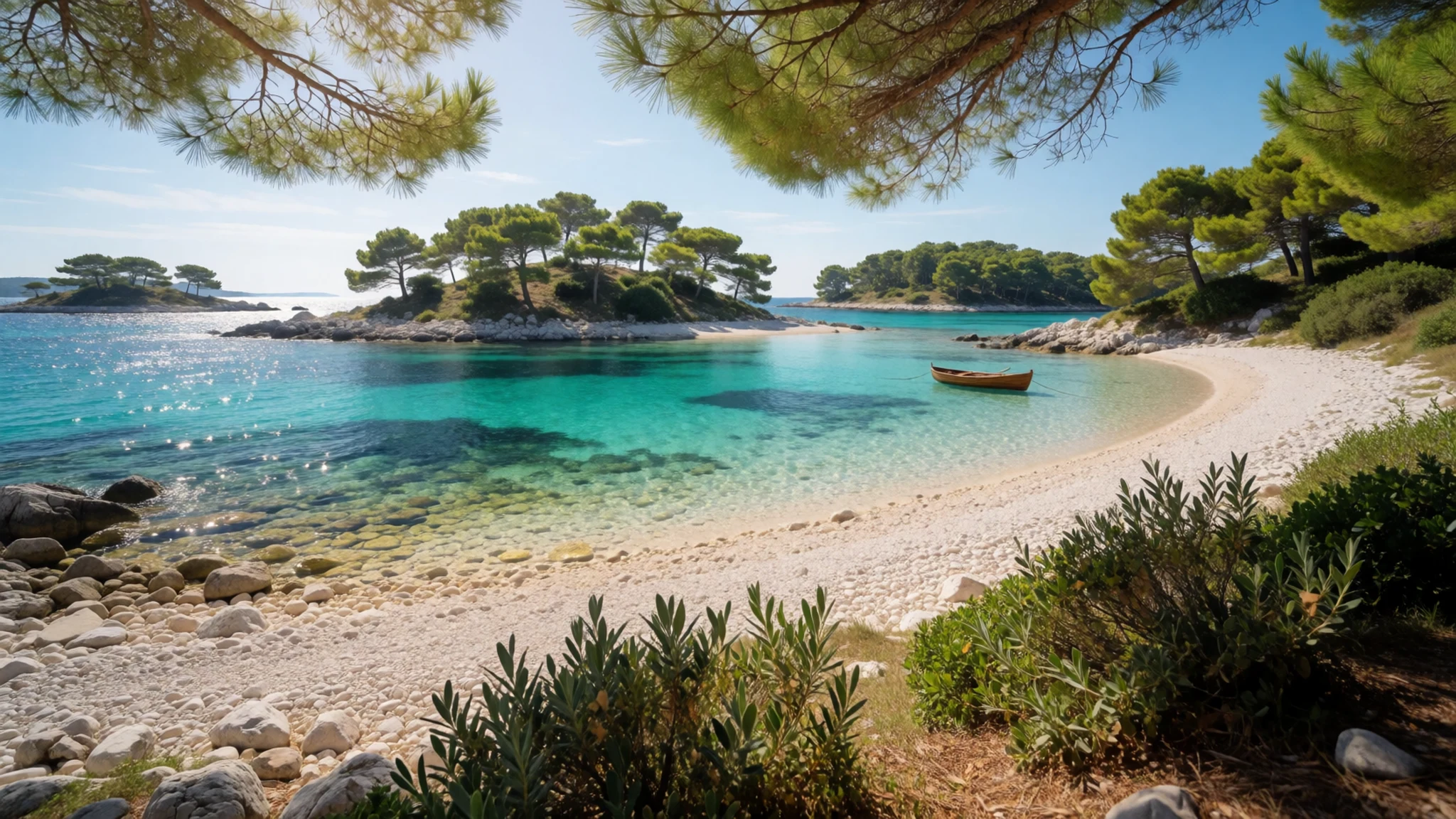
Culture
The island way of life is deeply rooted in the slow, communal pace of the Mediterranean, where neighbours gather in public squares and family ties remain paramount. Daily routines revolve around the rhythms of fishing, winemaking and tending agricultural plots, preserving customs handed down through generations. Hospitality is offered with genuine warmth, and visitors are often greeted with homemade rakija or local wine upon entering rural homesteads. Traditional handicrafts, from intricate lacemaking by Benedictine nuns to the distillation of lavender oil, reflect a profound pride in local heritage. While the coastal towns embrace international visitors during the warmer months, the interior villages maintain a quieter, more traditional atmosphere where time seems to slow down entirely. When entering churches, monasteries or quiet residential neighbourhoods, visitors should always ensure their shoulders and knees are covered as a sign of respect.
What to wear
Traditional island dress reflects practical adaptation to a warm maritime climate and demanding agricultural labour. Historically, rural inhabitants wore garments spun from sturdy local wool and lightweight linen, designed to withstand the fierce summer heat while working among rocky olive groves and lavender fields. Women traditionally wore embroidered aprons, white linen blouses and dark woollen skirts, often accompanied by traditional headcoverings to shield against the unrelenting sun, while men donned loose shirts, durable trousers and felt or woven caps suited for life at sea or in the fields. Today, residents dress in contemporary, casual Mediterranean attire, favouring breathable cotton shirts, linen trousers, lightweight dresses and sturdy sunglasses for the bright coastal glare. Visitors should pack lightweight, breathable clothing for exploring the towns and lounging by the shore, alongside sturdy walking shoes or sandals with good grip for navigating uneven limestone paving stones and steep fortress paths. Evenings can bring a gentle sea breeze, so a light jumper or linen jacket is advisable for outdoor dining by the harbour. Modest attire, including a light wrap or sarong, is essential when leaving the immediate beach areas to visit local village churches, sacred sites or traditional inland settlements.
What to eat
- Grilled squid — Seaside konobas across Hvar Town and the southern coast
Freshly caught squid grilled over an open flame until tender, then generously dressed with cold-pressed olive oil, fresh garlic and chopped parsley. It is a quintessential local delicacy best enjoyed at open-air taverns overlooking the harbour.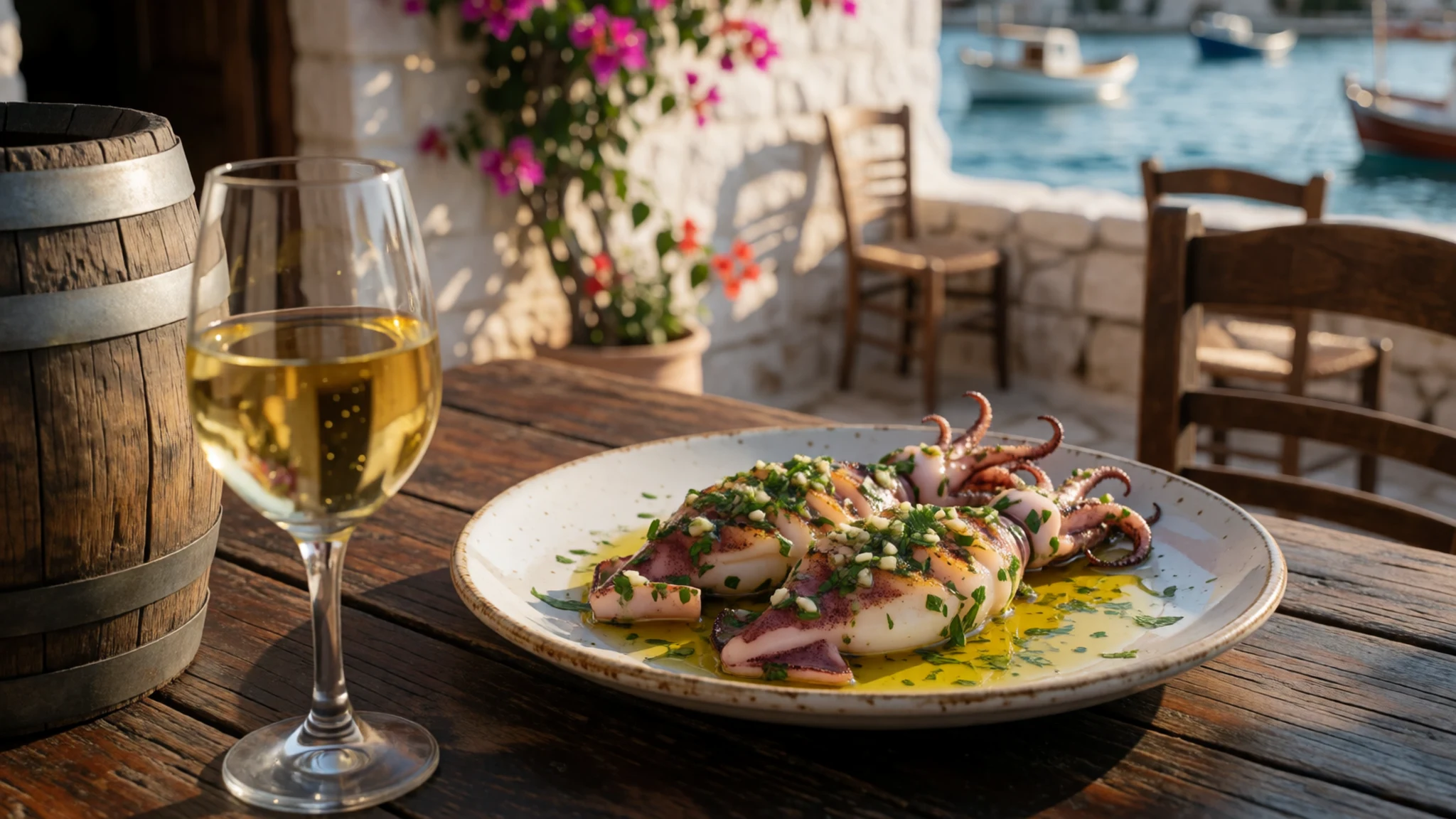
- Dalmatian cucumber and tomato salad — Traditional island konobas and family-run restaurants
A crisp, refreshing side dish combining ripe garden tomatoes, crunchy cucumbers and red onions, tossed simply with sea salt, wine vinegar and robust local olive oil.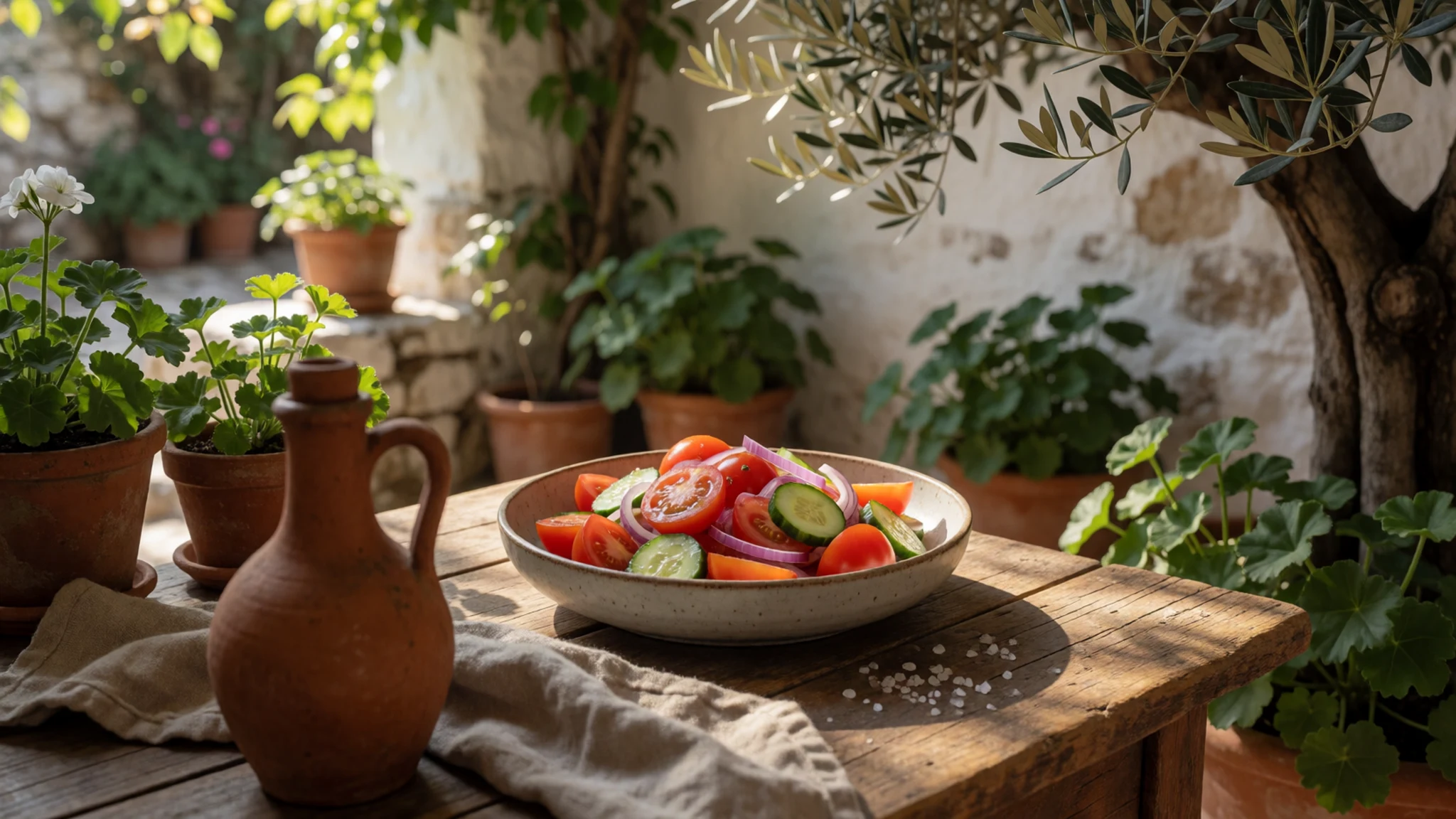
- Island wine — Local wine bars and family vineyards near Jelsa and Stari Grad
Rich red and crisp white wines produced from vineyards planted across the sun-drenched limestone hillsides, reflecting the mineral-rich terroir of the central agricultural plain. - Prosciutto, cheese and olives — Traditional wine bars and village taverns
Air-dried cured ham served alongside artisanal sheep's milk cheese and plump, oil-cured olives harvested directly from the island's ancient groves.
Plan it
Best time. May to September offers warm, sunny weather ideal for swimming and exploring, with lavender peaking in June and July; spring and autumn bring milder temperatures and fewer crowds.
How long. 3–4
Getting there. Fly into Split airport, take an airport bus or taxi to Split ferry port, then catch the Jadrolinija car ferry to Stari Grad or the Krilo fast hydrofoil directly to Hvar Town.
Budget. mid
Tips
- Book ferry tickets online in advance during peak summer months to secure preferred departure times
- Arrive early at ferry ports as unreserved queues can form quickly before boarding
- Carry cash for small rural shops, market stalls and independent village taverns
- Wear sturdy footwear when exploring fortress trails or rocky coastal coves
- Stay hydrated and wear sun protection during the intense midday summer heat
Etiquette
- Cover shoulders and knees when visiting churches and sacred historical sites
- Respect local quiet hours in residential alleyways during the afternoon and late evening
- Ask permission before photographing residents in quiet inland villages
Nearby
Sources
- Wikidata Q5993 (CC0)
- Wikipedia (rev 1377672271) (CC BY-SA 4.0)
- Wikivoyage (rev 5404388) (CC BY-SA 4.0)
- Photo photos/01-bayinhvar.jpg (CC BY 3.0)
- Photo photos/02-view-of-hvar-02.jpg (CC BY-SA 1.0)
- Photo photos/03-jagodna-beach-waves-hvar-2009166.jpg (CC BY-SA 2.0)
- Photo photos/04-southern-croatian-adriatic.png (Public domain)
- Photo photos/05-hvar-j-obala.jpg (CC BY 3.0)
- Photo photos/06-spanish-fortress-hvar-01.jpg (CC BY-SA 4.0)
- Photo photos/07-stari-grad-hvar-island-croatia-5970155550.jpg (CC BY 2.5)
- Photo photos/08-island-of-hvar-panorama-2011.jpg (CC BY-SA 2.5)


